Do Washington Charters Include Rods and Bait?
One of the most common questions I hear from folks gearing up for their first fishing charter in Washington, or even seasoned anglers trying a new outfitter, is "What exactly am I paying for? Do I need to bring my own gear?" It's a completely valid concern! You want to be prepared, avoid any awkward surprises, and ultimately, have the best possible day on the water. This guide is all about cutting through that confusion, clarifying what's typically included when you book a Washington fishing charter, especially concerning rods, bait, and those often-overlooked extras.
What to Expect from a Typical Washington Fishing Charter
Let's start with the basics – the gear that gets you hooked up. When you book a reputable fishing charter in Washington, whether you're targeting salmon in the Puget Sound or chasing halibut offshore, you can generally breathe a sigh of relief about the core fishing equipment. Guides and charter operations pride themselves on having top-notch gear, perfectly suited for the local conditions and the specific fish you're after.
Standard Inclusions: Rods, Reels, and Terminal Tackle
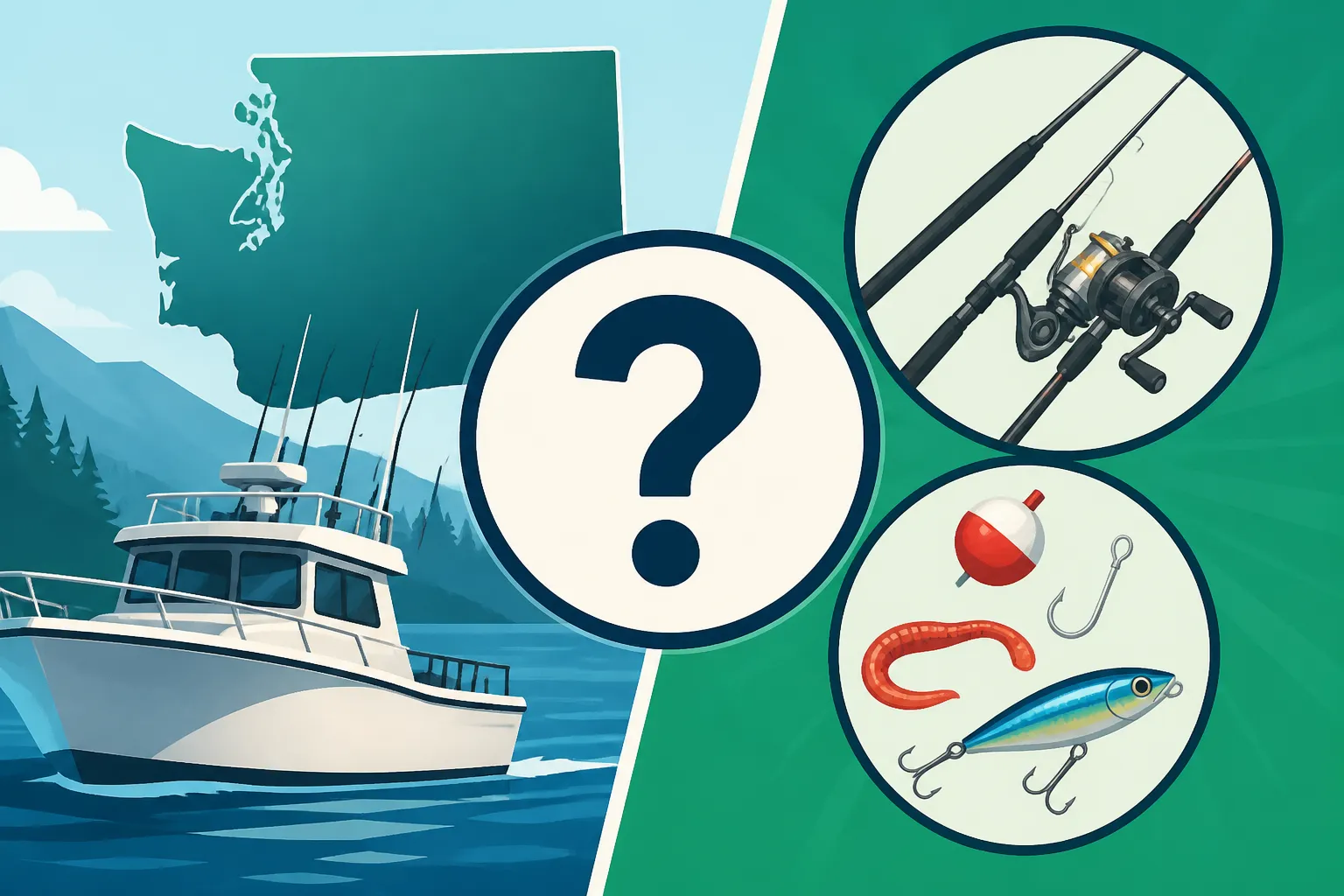
Almost universally, your Washington fishing charter fee will cover the use of rods, reels, and all the essential terminal tackle. This isn't just about providing a rod; it's about providing the right rod. Imagine showing up for a Puget Sound salmon trip with a lightweight trout rod – it just wouldn't work! Guides invest heavily in quality equipment, often tailored to the exact techniques they employ and the size of the fish you're hoping to catch.
For example, a charter specializing in Trolling for Salmon in Washington's Puget Sound will have heavy-duty rods designed for downriggers, paired with powerful reels spooled with appropriate line. If you're heading out with a guide on one of Washington's famed rivers for steelhead, like those on the Olympic Peninsula, they’ll have sensitive yet strong rods ideal for Drift Fishing for Steelhead in Washington Rivers, complete with specialized reels and line types. This ensures you're equipped for the fight, no matter if it's a hard-charging Chinook or a acrobatic steelhead.
Beyond the rod and reel, all the little bits and bobs that make fishing possible – hooks, weights, swivels, leaders, and even specialized lures like hoochies, spoons, or jigs – are also typically provided. Guides meticulously select and rig these components based on water clarity, current conditions, and fish preferences, often tying them right there on the boat. They know what's been working, what colors are hot, and what weights are needed to get your bait or lure into the strike zone. You truly just need to show up ready to fish, not with a tackle box overflowing with gear you might not even use.
Bait and Lures: Is It Always Covered?
Absolutely! This is another one of those core essentials that almost every Washington fishing charter includes in the price. Whether it's fresh herring for salmon, squid for halibut, cured roe for steelhead, or a bucket of shrimp for bottom fishing, your guide will have the bait ready to go. They often wake up long before dawn to procure the freshest bait, or they've spent time curing their own roe to perfection, knowing that quality bait can make or break a day on the water.
The cost of bait and artificial lures is factored into your overall charter fee because it's such an integral part of the fishing experience. It's rare to find a charter that asks you to bring your own bait, as guides rely on specific types and presentations to ensure success. They have their secrets and their preferred preparations, and they're not usually keen on letting a client's grocery-store shrimp compromise the trip.
So, while you might have a lucky lure tucked away in your personal tackle box, for the most part, you can trust that your guide will have everything covered on the bait and lure front. This saves you the headache of trying to source local bait, and more importantly, ensures you're using what the fish are actually biting on, thanks to the guide's extensive knowledge of the area. For instance, when you're Trolling Herring for Puget Sound Chinook in Washington, the guide will have their herring perfectly brined and rigged for maximum appeal. Similarly, if you're Back-Bouncing Roe for Steelhead in Washington on a river, they'll have the prime clusters ready.
Licenses, Endorsements, and Catch Record Cards
Now, this is where things get a little different and often trip people up. While your charter provides the boat and the gear, they generally do not cover the cost of your personal fishing license, any required endorsements, or your catch record card. These are legal documents tied directly to you as an individual angler, and you are responsible for purchasing them before your trip begins.
In Washington State, you'll need a valid fishing license. If you're not a resident, you'll need to secure a Washington Fishing License Guide for Nonresidents. Depending on what you're fishing for and where, you might also need specific endorsements. For example, if you're hitting the Columbia River for salmon or steelhead, you'll likely need to know about Washington's Columbia River Salmon and Steelhead Endorsement, Explained. A The Washington Catch Record Card and What It Requires is also critical for tracking your salmon, steelhead, and halibut catches, and you must have one whenever you're targeting these species.
It’s crucial to understand why this is an individual responsibility: licenses vary in price based on residency (resident vs. nonresident), age (do kids or seniors need a license?), and the duration of the trip (annual, daily, or multi-day options). The charter captain simply cannot purchase these for you. Always check the Washington Department of Fish and Wildlife (WDFW) website for current requirements or consult your guide well in advance of your trip. Having your license and catch record card filled out correctly and readily available is not just good practice; it's the law, and wardens do check.
The "Hidden" Costs and What Charters Usually Don't Provide
Beyond the core fishing equipment and bait, there are several things that charters typically don't include in their base price. These are the "hidden" costs or personal items that anglers often forget, leading to discomfort or unexpected expenses. Being aware of these upfront will make your trip much smoother and more enjoyable.
Food, Drinks, and Personal Comfort Items
While your guide is focused on getting you on the fish, they're generally not running a catering service. Most standard charters expect you to bring your own food and non-alcoholic beverages. A long day on the water, especially battling big fish, can work up an appetite! Pack a lunch, plenty of water, and any snacks you might want. Some high-end, full-day, or multi-day charters might offer light refreshments, but this is usually specified in their booking details and is the exception, not the rule.
Personal comfort items are also entirely your responsibility. Washington weather can be famously unpredictable, even on a summer day. Layers are your best friend! Bring warm clothing, even if the forecast looks sunny. A good quality waterproof jacket and pants are essential, especially for marine environments like Puget Sound or the open ocean off Westport. Sunglasses, a hat for sun protection (or warmth), and sunscreen are also crucial. If you're prone to seasickness, definitely bring your preferred medication and take it before you even leave the dock. There's nothing worse than having your dream fishing trip ruined by a queasy stomach. For a detailed packing list, you might want to check out What to Bring on a Washington Fishing Charter or What to Wear on a Washington Puget Sound Charter.
Fish Processing and Shipping
The moment you land that beautiful Chinook or a monstrous halibut, the guide and deckhand will typically take care of bleeding and gutting your fish right on the boat. This is standard practice to ensure the quality and freshness of your catch. However, this is usually where their direct involvement in fish processing ends.
Professional filleting, portioning, vacuum-sealing, or smoking services are almost never included in the charter price. You'll need to arrange for this separately. Many major fishing ports in Washington, such as Westport, Ilwaco, or even Seattle, have local fish processors nearby who can handle your catch for a fee. It's a fantastic service, especially if you're traveling a long distance or want your fish perfectly prepared for the freezer. Some guides might offer basic filleting for a separate, cash fee at the end of the trip, but it's always best to clarify this beforehand. If you're wondering how to get your catch home, especially if flying, articles like How to Ship Fish Home From Washington can provide excellent guidance. Generally, you'll need to bring your own cooler for transporting your catch off the boat and home, or to the processor. For more on what your guide will do, see Do Charters Clean and Package Your Fish?.
Gratuities for Your Hard-Working Crew
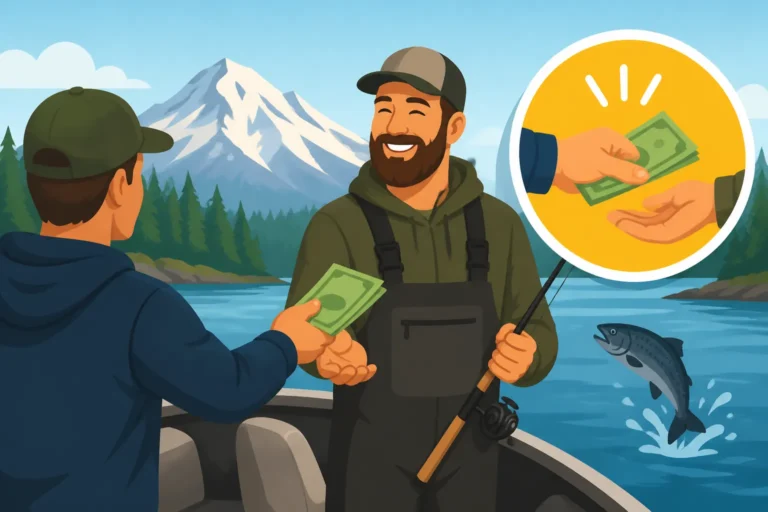
This is perhaps the most common "hidden cost" and a point of confusion for many anglers. Tipping the captain and, especially, the deckhand, is customary and highly appreciated in the fishing charter industry. These individuals work incredibly hard, often starting their day hours before you arrive and staying long after you leave, cleaning the boat, prepping for the next trip, and maintaining gear. They provide expert guidance, untangle lines, net your fish, and ensure your safety and enjoyment throughout the day.
While not mandatory, a gratuity is a way to show your appreciation for their effort and expertise. It's separate from the booking fee because it's a direct acknowledgment of their service during your specific trip. Many anglers struggle with how much to tip, but a general guideline is usually a percentage of the charter fee (without specifying actual figures here, as per instructions). If you're curious about the specifics of this unspoken rule, Tipping Etiquette for Washington Fishing Guides and How Much to Tip a Washington Charter Captain can offer more insight. Suffice it to say, don't forget to budget for this important part of the overall experience.
How to Confirm Inclusions Before Booking Your Trip
Given these variations, how can you ensure you know exactly what you're getting into before you hand over your hard-earned cash? The key is proactive communication and careful review of details.
Reading the Fine Print on Your Booking Confirmation
The absolute first step is to thoroughly read all the information provided by the charter or the booking platform (if you're using one). Reputable operations will clearly list what's included and what's not. Look for sections titled "What's Included," "What to Bring," "Additional Costs," or "Important Information." This is where you'll find details about gear, bait, and any explicit exclusions like licenses or fish processing.
Don't skim these documents! It’s easy to get excited about the prospect of a big fish, but taking a few minutes to read the fine print can save you a lot of grief and unexpected expenses on the day of your trip. If something isn't clear, don't hesitate to reach out.
Direct Communication with Your Captain
The best way to resolve any lingering questions is to pick up the phone or send an email directly to the charter captain. Good guides are almost always happy to chat with prospective clients and clarify expectations. They understand that transparency is key to a positive experience.
Don't be shy about asking specific questions:
- "Do you provide rain gear, or should I bring my own?"
- "Is there a cooler on board for my lunch and drinks?"
- "What's your policy on fish filleting at the end of the trip?"
- "Which specific license and endorsements do I need for this trip?"
A captain who takes the time to answer your questions thoroughly is often a good sign of a professional and client-focused operation. This direct conversation is also a great opportunity to get a feel for their personality and make sure it's a good match for your group. How to Vet a Washington Fishing Guide can give you even more pointers on what questions to ask.
Utilizing Booking Platforms for Clarity
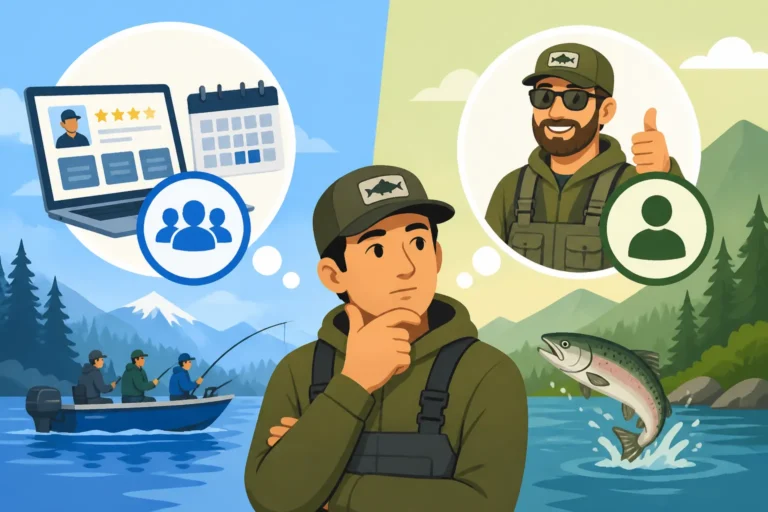
Many anglers use online booking platforms to find and reserve fishing charters. These platforms, such as FishingBooker, can be incredibly useful because they often standardize the presentation of information from various charters. This makes it easier to compare what different boats offer side-by-side.
On a platform like FishingBooker, you'll typically find dedicated sections for "Included" and "Not Included" items, along with details about the type of fishing, target species, and amenities on board. You can often see photos of the boat and read reviews from previous customers, which can provide additional insights into what to expect. While these platforms are a convenient starting point and can offer a lot of information at a glance, remember that for any highly specific or personalized questions, a direct call to the captain remains the gold standard. Ultimately, using these tools helps you gather information efficiently and ensures you're confident in your booking. For a general overview of the process, consider How to Book a Fishing Charter in Washington.
Making the Most of Your Washington Charter Experience
Once you've confirmed all the inclusions and exclusions, you're well on your way to a fantastic fishing adventure. However, a little extra preparation and understanding can elevate your experience even further.
Preparing for Different Types of Fishing Trips
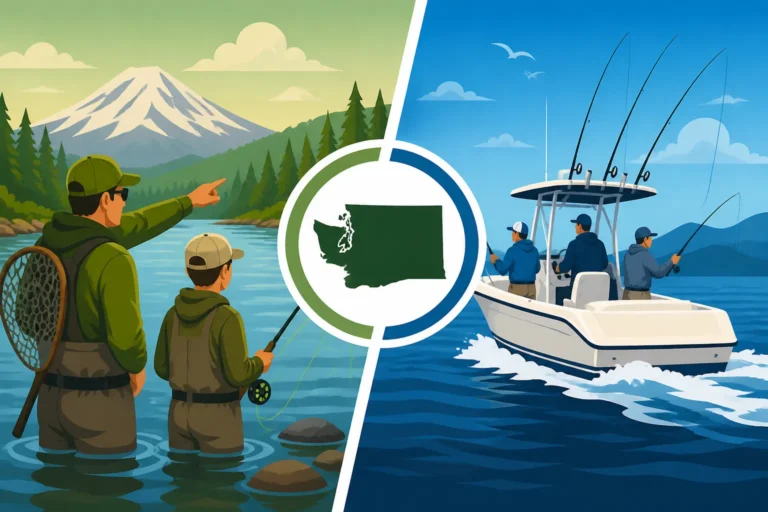
It's helpful to remember that "fishing charter" is a broad term. The inclusions might be largely standard, but the specific needs of different types of trips can vary. For instance, a half-day salmon charter in protected waters of Washington's Puget Sound Fishing Spots for Salmon and Bottomfish might require less gear and preparation than a full-day offshore Westport, Washington Halibut and Tuna Charters.
If you're heading out for Halibut Fishing Techniques for the Washington Coast, you'll be on the open ocean, which means colder temperatures, potentially choppier seas, and a longer day. Your charter will provide the heavy-duty rods and tackle needed for these powerful fish, but you need to bring extra layers, perhaps some motion sickness remedies, and a more substantial meal. Conversely, a river trip for Columbia River Guided Salmon and Steelhead Trips in Washington might mean wading or drift boating, where rain gear and sturdy waterproof footwear become paramount, even if the rods are still provided. Always think about the specific environment and conditions you'll be facing and pack accordingly, regardless of what's provided for the actual fishing.
Understanding Your Role as an Angler on Board
While your Washington fishing charter provides the expertise, the boat, and nearly all the gear, your role as an angler is still incredibly important. It's not just about showing up; it's about being an active and engaged participant. Listen carefully to your captain and deckhand's instructions – they're the experts, and their guidance is critical for a successful and safe trip. This includes how to properly hold a rod, when to set the hook, how to fight a fish efficiently, and how to handle your catch ethically.
Be mindful of other anglers on board, especially if it's a shared charter. Keep your area tidy and respect everyone's space. And perhaps most importantly, come with a positive attitude! Fishing is called fishing, not catching, for a reason. There are no guarantees, but a good attitude and willingness to learn from your guide will always make for a better day, regardless of the size of your cooler at the end. The charter provides the means to fish, but your enthusiasm and cooperation are what truly make the experience memorable.
| Category | Typically Included by Charter | Typically NOT Included by Charter |
|---|---|---|
| Fishing Rods & Reels | Yes | No (unless personal preference) |
| Terminal Tackle | Yes | No (guides provide) |
| Bait & Lures | Yes | No (guides provide) |
| Fishing License | No | Yes (angler's responsibility) |
| Endorsements | No | Yes (angler's responsibility) |
| Catch Record Card | No | Yes (angler's responsibility) |
| Food & Drinks | No (unless specified) | Yes (bring your own) |
| Rain Gear | No (bring your own) | Yes (bring your own) |
| Sunscreen/Hat | No (bring your own) | Yes (bring your own) |
| Seasickness Meds | No (bring your own) | Yes (bring your own) |
| Fish Filleting | Basic on-board gutting | Professional processing/shipping |
| Gratuities | No | Yes (expected) |
Disclaimer
This article is for general informational purposes only and does not constitute professional advice. Laws, prices and regulations vary by location and change over time. Consult a qualified professional for guidance on your specific situation.