Is a Private Washington Charter Worth the Extra Cost?
It's a common dilemma for anyone planning a fishing trip in Washington: you've got your heart set on hitting the water, but the big question is whether to opt for a shared charter experience or splurge on a private boat. Many anglers grapple with this, wondering if the significantly higher price tag for a private trip truly delivers enough added value to justify the expense. This guide will help you unpack the differences, weigh the benefits, and ultimately decide if a private Washington charter is the right call for your next angling adventure.
The Appeal of a Shared Charter: Budget-Friendly and Social
For many, a shared fishing charter is the gateway to some incredible angling experiences in Washington. It’s an accessible way to get out on the big water, whether you’re targeting salmon in Puget Sound or bottomfish off the coast. The main draws are usually cost and the camaraderie of fishing with fellow enthusiasts, even if they're strangers at first.
Cost Savings and Accessibility
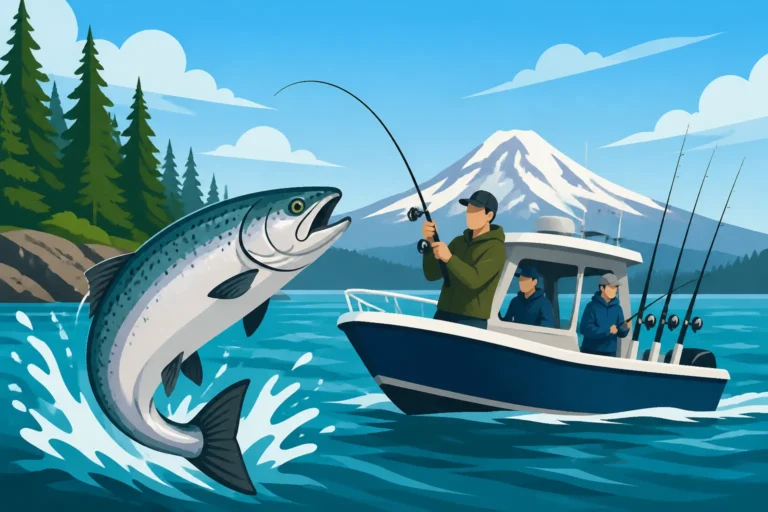
Let's be honest, fishing can be an expensive hobby, especially when you factor in boat ownership, gear, and fuel. Shared charters significantly reduce the individual financial burden by distributing the operational costs of the boat, captain, and crew among several anglers. Instead of footing the bill for the entire vessel, you're only paying for your spot. This makes iconic fishing opportunities, like chasing halibut out of Westport or trolling for Chinook Salmon: Washington's King of Fish in the San Juans, much more attainable for the average angler. It opens up opportunities that might otherwise be out of reach due to the high cost of a private vessel, especially for those who only get out on the water a few times a year.
Think about it: a full day offshore on a well-equipped charter boat requires a lot of fuel, specialized electronics, bait, and the expertise of a licensed captain. If you're going solo or with just one or two friends, a private boat might feel like a stretch. A shared trip means you can experience that same thrill without breaking the bank. It's an excellent way to dip your toes into different types of fishing, try out new techniques, or explore unfamiliar waters without the heavy upfront investment. For newcomers or those who are still building their fishing kit, the ability to show up with minimal gear and still have a shot at a trophy catch is a huge plus.
Social Aspects and Shared Experience
Beyond the financial aspect, shared charters often foster a unique social environment. You're crammed in with other anglers, all eager for a bite, and that shared anticipation can be infectious. It's not uncommon to strike up conversations, swap fishing stories, and even learn new tips and tricks from your temporary fishing companions. For some, this camaraderie is a significant part of the fun. You might find yourself cheering on a stranger as they battle a big fish, or receiving advice on how to jig your bait more effectively.
These trips can lead to unexpected friendships and a sense of community, even if it's just for the day. Imagine being out on a Washington's Puget Sound Fishing Spots for Salmon and Bottomfish charter, sharing a laugh with a fellow angler as a rogue wave splashes over the bow, or celebrating a double hook-up together. It’s a collective adventure where everyone is invested in the success of the trip. Plus, for those who might not have a regular fishing buddy or crew, a shared charter ensures you're never fishing alone. It's a convenient way to enjoy the sport without needing to coordinate a whole group of people yourself.
Understanding the "Extra Cost" of a Private Charter
When you see the price difference between a shared and a private charter, it can be a bit jarring. A private charter often costs as much as two or three times what a single spot on a shared trip would. But this "extra cost" isn't just about exclusivity; it's about purchasing a completely tailored and often more productive fishing experience. It's like comparing a group tour to a private guide on a vacation – both get you there, but the journey and flexibility are vastly different.
Exclusivity and Personalized Attention
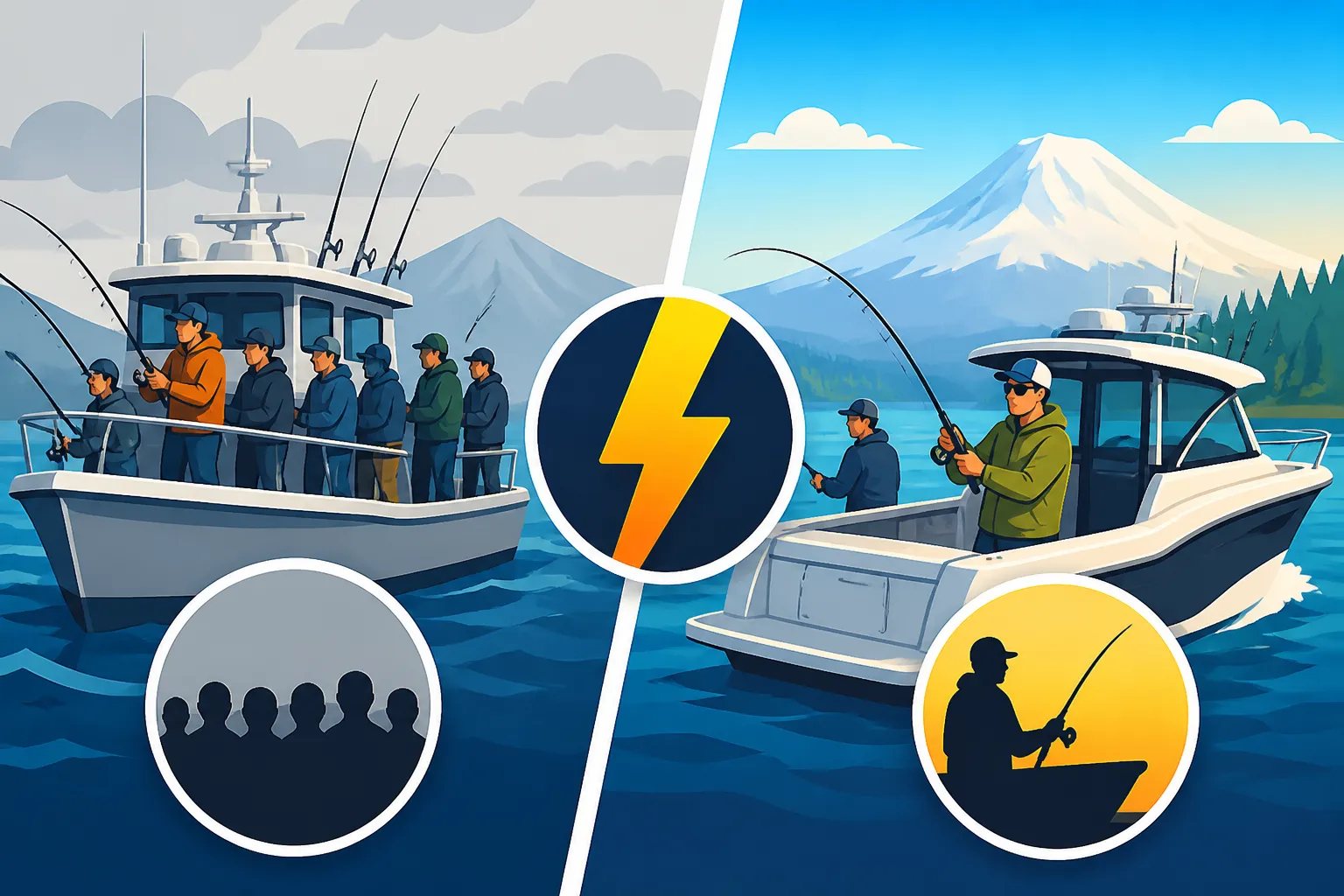
The most immediate benefit of a private charter is having the entire boat, captain, and crew dedicated solely to your group. This means no jostling for space at the rail, no worrying about tangled lines with strangers, and no waiting your turn for the captain's attention. It's just you and your chosen companions, whether that's family, close friends, or business associates. This exclusivity creates a much more relaxed and intimate atmosphere, perfect for making lasting memories without distractions.
With a private boat, the captain and deckhand can focus 100% on your party's needs and preferences. They can spend more time coaching individuals, helping with rigging, and even providing one-on-one instruction on techniques like Trolling Herring for Puget Sound Chinook in Washington. If someone in your group is a beginner, the crew can dedicate extra time to teaching them how to cast, reel, or fight a fish, ensuring they have a positive and successful experience. This level of personalized service can dramatically enhance the quality of your fishing trip, especially if you're looking to improve your skills or introduce someone new to the sport.
Flexibility in Schedule and Target Species
One of the biggest advantages of a private charter is the unparalleled flexibility it offers. On a shared trip, you're bound by the boat's set schedule and chosen target species. If the captain is running a salmon trip, you're fishing for salmon, even if the bite is slow. With a private charter, you dictate the terms (within reason, of course, and always at the captain's discretion for safety and regulation compliance). Want to leave an hour earlier to hit the morning bite? Possible. Want to stay out an extra hour if the fish are still biting? Often negotiable.
Even more significant is the ability to choose your target species. Dreaming of Pacific Halibut Fishing on the Washington Coast when everyone else is focused on lingcod? A private charter can often make that happen. If the salmon bite is off, you can discuss with your captain the possibility of switching gears to bottomfish or exploring different grounds. This flexibility empowers you to craft the ultimate fishing day, maximizing your chances of success or simply pursuing your specific angling passions. This level of control over your itinerary is something a shared trip simply cannot offer, where the captain has to cater to the consensus of multiple paying customers.
Customizing Your Fishing Experience
Beyond just species and schedule, a private charter allows for a truly customized fishing experience. Imagine celebrating a special occasion like a birthday or an anniversary on the water. A private boat offers the perfect backdrop for such events, providing a personal space for your celebration. You can bring your preferred food and beverages without worrying about limited cooler space or sharing with strangers. Want to run a specific type of lure or bait that you've always had success with? Often, the captain can accommodate this.
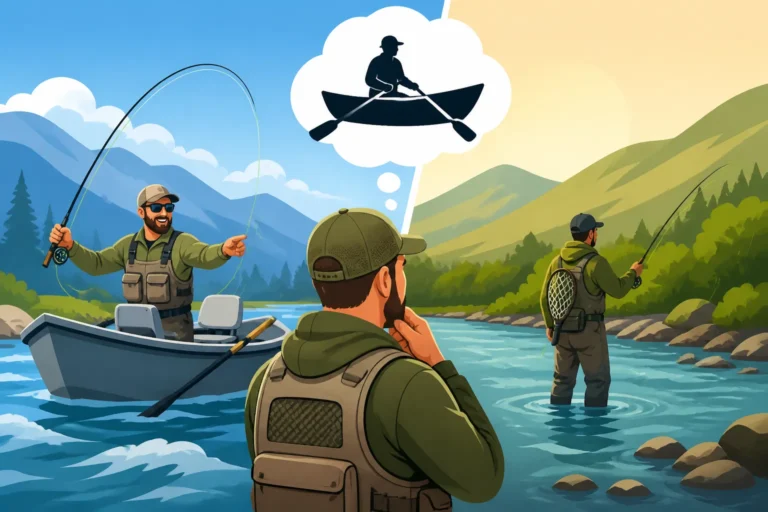
For example, if you're an avid fly angler looking to learn Fly Fishing Techniques for Winter Steelhead in Washington on a specific river, a private guide can dedicate the entire day to teaching you spey casting or reading water. You can spend more time on technique rather than just trying to put fish in the box. Perhaps you want to focus on learning how to use a fish finder to locate structure for Lingcod: Washington's Toothy Bottomfish – the captain can walk you through the process step-by-step. The possibilities for tailoring the trip to your exact desires, whether it's focused on education, relaxation, or high-volume action, are vastly expanded with a private charter. Booking platforms like FishingBooker often allow you to filter for guides offering specific types of trips or amenities, helping you find that perfect customized experience.
When a Private Charter Truly Shines: Specific Scenarios
While shared charters are fantastic for many situations, there are particular scenarios where the "extra cost" of a private Washington charter really proves its worth. These are situations where the benefits of exclusivity, flexibility, and personalized attention aren't just nice-to-haves, but essential for the success and enjoyment of your trip.
Family Trips and Beginners
Taking kids or new anglers out for their first fishing experience can be incredibly rewarding, but it also comes with its own set of challenges. On a crowded shared charter, young children might get overlooked, struggle with tangles, or feel intimidated by more experienced anglers. A private charter completely removes these pressures. The captain and crew can act as dedicated mentors, patiently teaching the basics of casting, reeling, and fish handling without rushing anyone. They can adapt the pace of the trip to suit the energy levels of kids or the patience of a beginner.
Imagine a private trip where your captain spends time showing your child how to properly hold a rod, bait a hook, and even help them reel in their first fish, making it an unforgettable moment. There's no fear of disrupting other paying customers. This relaxed environment is crucial for fostering a love of fishing in newcomers. It allows for more breaks, snack times, and general flexibility that a rigid shared schedule simply can't accommodate. Moreover, the safety aspect is often enhanced, as the crew can maintain a closer watch on younger or less experienced individuals, ensuring a worry-free day for the entire family. Platforms like FishingBooker can help you find family-friendly guides who specialize in these types of trips.
Targeting Specific, Challenging Species
Some fish species are notoriously difficult to find or require very specialized techniques to catch. Think about pursuing a specific run of Steelhead: Washington's Ocean-Run Rainbow Trout on a less-frequented river, or trying for trophy walleye on Lake Roosevelt. On a shared charter, the captain often needs to cater to the lowest common denominator or the most likely successful target for the group. This means they might stick to more popular, higher-percentage fisheries rather than taking a risk on a challenging quest.
A private charter, however, allows you to explicitly state your goal. If you're passionate about catching a specific, elusive fish, the captain can dedicate the entire trip to that pursuit, moving from spot to spot, changing tactics, and patiently waiting for that one special bite. This might mean driving further, trying different depths, or employing more advanced gear that wouldn't be feasible on a mixed group trip. The focus is entirely on your angling dream, not the collective's. This is particularly valuable for experienced anglers looking for a true challenge or targeting a bucket-list species that might not be on a typical shared charter menu.
Learning Advanced Techniques
For anglers looking to elevate their skills, a private charter or guided trip can be an invaluable investment. Instead of just fishing, you're receiving a hands-on masterclass. Want to learn the nuances of Drift Fishing for Steelhead in Washington Rivers with a specific bait presentation? A private guide can dedicate hours to demonstrating and perfecting your technique. Interested in understanding how to read your fish finder better for salmon or halibut? The captain can sit down with you and explain the displays and structures in real-time.
On a shared boat, while you might pick up tips by observing, dedicated instruction is rare. With a private guide, you're paying for their expertise, and they are there to teach. This means you can ask as many questions as you like, get immediate feedback on your technique, and experiment with different methods without feeling rushed or self-conscious. Whether you're trying to master a new casting style, refine your trolling setup, or understand the subtle bites of a particular species, the focused attention of a private guide can accelerate your learning curve dramatically. This is an investment in your long-term fishing success, equipping you with knowledge and skills you can apply on future solo trips.
Making Your Decision: A Comparison Table and Key Considerations
Deciding between a shared and private charter really boils down to your priorities, budget, and the kind of experience you're hoping for. There’s no single right answer, as both options offer distinct advantages depending on the angler. To help clarify, let’s look at a direct comparison.
Weighing the Trade-offs
The table below outlines the primary differences you'll encounter between shared and private charters.
| Feature | Shared Charter | Private Charter |
|---|---|---|
| Cost Per Person | Significantly lower | Significantly higher |
| Group Size | Varies, typically 6-20+ anglers | Your private group (often up to 6, depending on boat) |
| Exclusivity | Minimal; share boat with strangers | Complete; boat dedicated to your party |
| Personalized Attention | Limited; captain/crew manage the group | High; dedicated to your group's needs |
| Flexibility | Low; fixed schedule and target species | High; customizable schedule and targets |
| Learning Opportunity | Observe others, limited direct instruction | Extensive; one-on-one coaching and guidance |
| Social Aspect | Meet new people, potential camaraderie | Intimate; focus on your personal group |
| Best For | Budget-conscious, solo anglers, casual trips | Families, beginners, special occasions, advanced learning, specific targets |
As you can see, the trade-offs are quite clear. A shared trip excels in affordability and accessibility, while a private trip offers a premium, tailored experience. Consider what aspects of a fishing trip are most important to you. Is saving money paramount, or is the quality of the experience and the memories you create more valuable? For many, the decision hinges on whether the unique benefits of a private charter outweigh the substantial difference in cost. It’s about value for your money, and that definition is personal.
Booking Tips and Finding the Right Fit
Once you've decided which type of charter aligns best with your needs, it's time to book. For both options, especially for popular seasons like When Chinook Salmon Run in Washington's Puget Sound or When Washington's Halibut Season Opens, booking well in advance is crucial. Charters fill up quickly, particularly on weekends and holidays.
If you’re leaning towards a private charter, clearly communicate your expectations and goals upfront. Are you looking to target a specific fish, learn a new technique, or simply have a relaxed family outing? Reputable captains and guides appreciate this transparency, as it allows them to prepare and ensure they can deliver the experience you're seeking. Don't be afraid to ask about their experience with your preferred species or techniques. You can often vet guides and their offerings through online platforms like FishingBooker, which often feature detailed profiles, reviews, and direct communication options. This allows you to ask questions like "What Happens If Weather Cancels a Washington Charter?" or about "Do Charters Clean and Package Your Fish?" before you commit.
For shared charters, confirm the expected number of anglers and what’s included in the price. Some shared boats can be quite large, accommodating many people, which might impact your fishing space. Regardless of your choice, ensure the captain is licensed and insured, and always review their cancellation policy. Washington fishing regulations can change frequently, so it's also a good idea to stay updated on current rules or ask your captain before the trip about things like How Bag and Possession Limits Work in Washington or Barbless Hook Requirements on Washington Rivers. Ultimately, an informed decision will lead to a more enjoyable and successful fishing trip on Washington's incredible waters.
Disclaimer
This article is for general informational purposes only and does not constitute professional advice. Laws, prices and regulations vary by location and change over time. Consult a qualified professional for guidance on your specific situation.