Difference Between a Washington Guide and a Charter
It's incredibly common for anglers, whether you're a seasoned pro from out of state or just getting started with a rod and reel in the Evergreen State, to feel a bit lost when deciding between a "fishing guide" and a "fishing charter" here in Washington. Many folks use the terms interchangeably, but let me tell you, they offer two very different experiences, each with its own vibe and focus. This guide will meticulously break down the distinct characteristics of Washington fishing guides versus charters, empowering you to pick the perfect adventure for your next cast.
Understanding the Washington Fishing Charter Experience
When you hear "fishing charter" in Washington, your mind should generally drift towards a larger-scale operation. These trips are typically about efficiency, getting you to the fish in popular, often expansive, fishing grounds, and maximizing the chances for a group catch. It’s a fantastic option for certain types of fishing, but it’s crucial to understand what you’re signing up for.
The "Party Boat" or "Head Boat" Vibe
Imagine pulling up to a busy dock in a coastal town like Westport or Ilwaco, or even a bustling marina in Puget Sound. The boat waiting there is often a substantial vessel, perhaps 20 to 60 feet long, designed to comfortably accommodate anywhere from 6 to upwards of 30 or even more anglers. This is often referred to as a "party boat" or "head boat" in the fishing world, particularly if you're paying per person and joining a group of strangers.
The atmosphere on a charter is generally more communal and less intensely personalized. You'll likely be fishing alongside many other people, all focused on the same goal: catching the target species. While there's a captain at the helm and often a deckhand or two assisting, their attention is divided among all passengers. If you've ever felt a bit like a number on a busy tour, you might recognize this feeling. The frustration for some can be the lack of one-on-one instruction; you might get a quick demo on how to rig your bait or work your rod, but don't expect a private tutorial on reading the water or fine-tuning your technique for hours on end. It’s more about the collective experience of the group.
Focus on Efficiency and Catching Fish (Often Offshore)
Charters in Washington truly excel when the objective is to cover significant distances, navigate open, often offshore, waters, and employ tried-and-true methods to put a lot of fish in the boat. Think about the iconic Pacific Halibut Fishing on the Washington Coast or offshore tuna trips, where large boats are necessary to handle ocean conditions and reach distant fishing grounds. These operations are finely tuned to locate schools of fish and implement strategies that work for many anglers simultaneously.
The captains are masters of their domain, using sophisticated electronics and years of experience to pinpoint productive areas. They often target popular species with strong runs, like specific salmon runs in the Puget Sound or the mighty halibut. Charters are a fantastic choice if your primary goal is to fill your cooler with fresh fillets, and you're perhaps less interested in a deep dive into angling theory or mastering a particular casting technique. They are built for success in numbers, and when the fish are biting, it can be an incredibly exhilarating experience for everyone on board. If you're looking for a quick, efficient way to get on the fish without having to worry about boat ownership, navigation, or having all the right gear, a charter can be incredibly convenient. You'll find many reputable Washington charters by browsing options on platforms like FishingBooker, which can help you compare available trips based on location and target species.
Group Dynamics and General Instruction
The instructional style on a charter is typically quite general. You might hear the captain or deckhand call out instructions like "Lines in!" or "Reel, reel, reel!" when a fish is hooked. They'll assist with baiting hooks, untangling lines, and netting fish, but the one-on-one coaching that helps you truly refine your casting, mending, or retrieve is usually limited. It's more about ensuring everyone has a fair chance to participate and catch fish.
This dynamic makes charters ideal for certain types of anglers. They're perfect for families with younger kids who simply want the thrill of catching a fish, or groups of friends looking for a social outing where the fishing is a fun activity rather than a serious learning endeavor. Anglers who are already comfortable with basic fishing techniques and don't require constant guidance will also find charters a great fit. It's a celebratory atmosphere when fish are hitting the deck, and the camaraderie of shared success is a big part of the appeal. While they don't delve into the nuanced regulations of Washington Fishing Regulations Every Angler Should Know during the trip, the crew is always operating within the legal framework, ensuring your catch is compliant.
Diving into the Washington Fishing Guide Experience
Switching gears to the Washington fishing guide experience brings us to a much more intimate, personalized, and often instructional adventure. Guides are essentially fishing mentors who take fewer clients, usually in smaller, more agile vessels, and focus on delivering a tailored experience that often prioritizes skill development and a deeper understanding of the fishery.
The Personalized, Intimate Approach
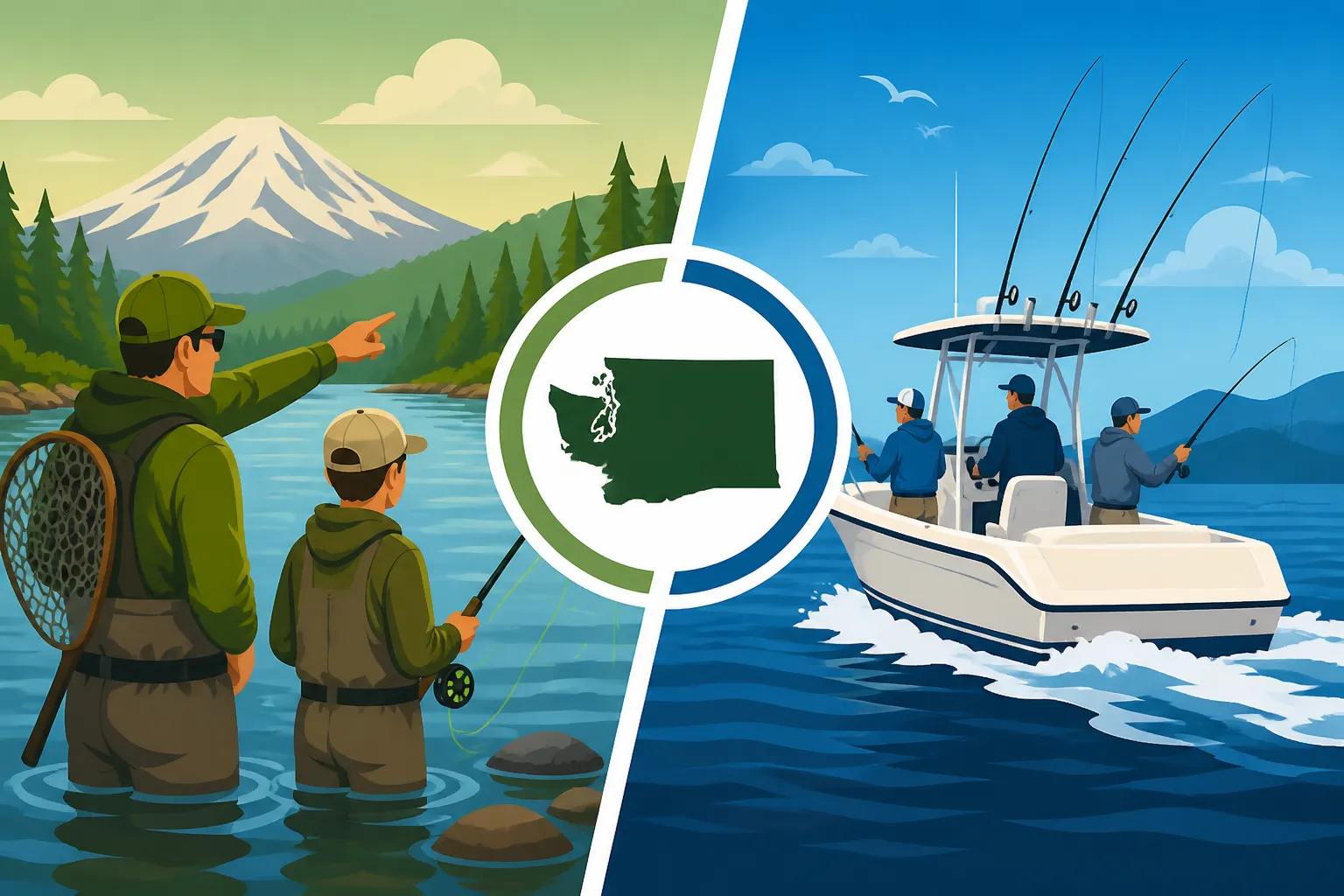
When you book a fishing guide in Washington, you're usually signing up for an experience with just one to four clients. This means you’ll be in a much smaller boat – perhaps a drift boat expertly navigated down a river, a jet sled designed for shallow water, or a nimble bay boat on an estuary. This small group size is the cornerstone of the guided experience, allowing for highly personalized instruction and a much more flexible approach to the day.
The guide's attention is almost entirely focused on you and your small group. They're there to teach, to share their extensive knowledge, and to ensure you not only have a chance to catch fish but also understand how and why you're doing what you're doing. For many anglers, the true joy of fishing isn't just the catch, but the learning process, the challenge of mastering a technique, and the profound connection to the natural environment. A good guide fosters all of these aspects. Picture yourself floating silently down the Olympic Peninsula, with a guide showing you precisely how to present a fly for Wild Steelhead Release Rules on Washington's Olympic Peninsula Rivers, explaining the subtle currents, and patiently correcting your cast. This kind of hands-on, dedicated instruction is simply not possible on a larger charter boat.
Focus on Skill Development and Specific Techniques
Guides are first and foremost teachers. Their expertise lies not just in finding fish, but in breaking down the intricacies of angling. If you've always wanted to learn the art of drift fishing for steelhead, master spey casting on the Yakima River for trout, or understand the nuances of back-bouncing for salmon, a guided trip is your ideal classroom. They'll spend the time demonstrating, observing, and coaching you through the techniques, offering immediate feedback and adjustments.
This instructional focus is a major draw for many. Guides can adapt the day's approach based on your skill level and what you want to learn. They're fantastic at teaching you how to read the water, understand fish behavior, and properly present your bait or lure for maximum effectiveness. If you're looking for a specialist, say a dedicated fly fishing guide for the Yakima River, you can often use platforms like FishingBooker to filter by specific techniques or target species, helping you connect with the perfect mentor for your needs. They'll often provide insights into local regulations, such as Washington Sport Fishing Seasons and Emergency Closures, as part of their educational approach.
Target Species and Location Specialization
One of the defining characteristics of Washington fishing guides is their high degree of specialization. While a charter might target "salmon" in a broad marine area, a guide often focuses on particular species within specific, often more intimate, water bodies. You'll find guides who are legendary for their knowledge of The Best Steelhead Rivers in Washington, or those who live and breathe chasing Chinook Salmon: Washington's King of Fish on a specific stretch of the Columbia River.
This specialization means they have an unparalleled understanding of the local ecosystem, the fish movements, and the most effective techniques for those particular conditions. It can feel overwhelming trying to identify which guide is the best fit for the particular river or species you're dreaming of. However, once you find the right one, their deep expertise can unlock fishing opportunities you'd never find on your own. For instance, a guide on the Cowlitz River will know exactly where the spring Chinook are holding, while a guide on Lake Roosevelt might be focused purely on kokanee. Their knowledge isn't just about fishing; it's about the entire environment and the delicate balance within it.
Key Differences and Considerations When Choosing
Now that we've explored the individual characteristics of guides and charters, let's lay out the direct comparisons to help you make an informed decision for your Washington fishing adventure.
Size of the Vessel and Group
The most immediate and obvious difference between a guide and a charter is the scale of the operation. This impacts everything from the personal attention you receive to the types of water you can access.
| Feature | Fishing Charter | Fishing Guide |
|---|---|---|
| Vessel Size | Large (20-60+ feet) | Small (16-24 feet) |
| Number of Anglers | Many (6 to 30+, often strangers) | Few (1 to 4, usually your private group) |
| Experience | More communal, less personalized | Highly intimate, one-on-one attention |
| Water Access | Open ocean, large bays, deep marine areas | Rivers, smaller lakes, shallow estuaries |
As you can see, if you envision a tight-knit experience with just your closest fishing buddies, a guide is likely the way to go. If you're comfortable sharing the rails with a larger group, a charter opens up bigger boat opportunities.
Level of Instruction and Personalization
This is where the experiences truly diverge. If your goal is to learn, improve your skills, or gain a deeper understanding of fishing, a guide is almost always the superior choice.
On a charter, the instruction tends to be generalized and aimed at the lowest common denominator, ensuring everyone can participate. You might get tips, but serious coaching is rare. For instance, if you're struggling to properly "feel" the bite, a deckhand might offer a quick suggestion, but they won't stand over you for an hour until you nail it.
A guide, however, is a dedicated instructor. They will watch your technique, offer immediate and constructive feedback, and adapt their approach to your learning style. If you're a complete beginner, they'll patiently teach you the basics from scratch. If you're an experienced angler looking to refine a specific technique like spey casting, they'll act as a mentor. This personal touch is invaluable for skill development. If you're asking "Is a guide worth it on the Sol Duc?" for learning to fish that river, the answer is a resounding yes for many who want to truly understand the fishery.
Cost Structure and Inclusions
Cost is a significant factor for many, and the pricing models for guides and charters differ considerably.
Charters typically charge on a per-person basis. This can make the individual price seem lower, but remember you're sharing the boat and the crew's attention with many others. The cost usually covers your spot on the boat, basic tackle, bait, and often the crew will clean your fish at the end of the trip.
Guides, conversely, often charge a flat rate for the boat, regardless of whether you're one or four people. This means that for a solo angler or a pair, the per-person cost can appear higher than a charter. However, you're paying for exclusive access to the guide's expertise and boat. The What a Washington Guided Fishing Trip Costs article dives deeper into this. Guides usually provide all the necessary high-quality gear, tackle, and sometimes even snacks or beverages. Fish cleaning and processing are almost always included. It's important to always clarify what's covered, as even with a guide or charter, your Washington Fishing License Guide for Nonresidents or resident license and any required endorsements (like the Columbia River endorsement) are almost always separate. You can learn more about specific inclusions in What's Included in a Washington Puget Sound Salmon Charter.
Fishing Locations and Target Species
The type of water you want to fish and the specific species you're targeting will heavily influence your choice.
Charters are the workhorses for large, open water fisheries. They're built for the ocean, large Puget Sound marine areas, and big bays. If your dream is to battle a massive halibut far offshore, chase albacore tuna, or troll for salmon in the vast expanse of Puget Sound, a charter is almost certainly what you need. Think of large vessels making long runs out of coastal ports like Westport or Ilwaco, or navigating specific Washington's Puget Sound Fishing Spots for Salmon and Bottomfish.
Guides specialize in more intimate, often challenging, waters. They dominate the river scenes for species like salmon and steelhead, navigating the nuanced currents of the Fishing the Columbia River in Washington: A Complete Overview tributaries, the Olympic Peninsula rivers, or the Cowlitz. They're also prevalent on smaller lakes for trout, bass, or kokanee. These smaller boats can access areas that large charters simply cannot, offering a truly unique angling experience away from the crowds. This specialization means they have an intimate understanding of specific river sections and fish behavior in those unique environments.
Making Your Choice: Which is Right for Your Washington Adventure?
Deciding between a guide and a charter boils down to your personal preferences, goals for the trip, and who you're fishing with. There's no single "better" option; there's only the right option for you.
When a Charter is Your Best Bet
Opt for a fishing charter if:
- You're on a budget for a larger group: The per-person cost can be more appealing when splitting the expense among many.
- Your main goal is to catch fish for the cooler: Charters are incredibly efficient at putting you on productive grounds for popular species, especially offshore. You want to bring home a lot of fish, and the learning aspect is secondary.
- You're targeting offshore species: For species like halibut, albacore tuna, or certain salmon runs in vast marine areas, a charter boat is designed for the journey and the fishing style.
- You're comfortable fishing with a group of people: You enjoy the social aspect of a "party boat" and don't mind sharing the captain's attention.
- You're already familiar with basic fishing techniques: You can bait your hook, cast, and fight a fish with minimal assistance.
- You prioritize convenience: The charter handles all the gear, navigation, and fish cleaning, allowing you to simply show up and fish.
Websites like FishingBooker can be an excellent resource here, as they allow you to easily compare various charter options, departure locations, and target species, helping you find a trip that aligns with your specific desires.
When a Guide is the Clear Winner
Choose a fishing guide if:
- You're a beginner looking for hands-on instruction: There's no better way to learn the ropes and develop foundational skills than with a dedicated guide. For those needing Finding a Guide for Beginners in Washington, this is the route to take.
- You want to learn specific techniques: If you're keen on mastering fly fishing, drift fishing, or understanding advanced tactics for a particular species, a guide provides the intensive coaching you need.
- You prefer an intimate, personalized experience: You value one-on-one attention, in-depth conversations about fishing, and a more tailored approach to your day on the water. This is a key factor in Choosing Between a Guide and a DIY Trip.
- You're targeting river-specific species or smaller waters: For steelhead, river salmon, or specific lake fisheries, guides possess the specialized knowledge and equipment to access and successfully fish these environments.
- You want to access remote or hard-to-reach fishing spots: Guides often have the specific boats and local knowledge to get you into pristine areas that larger vessels cannot.
- You want a deeper understanding of the fishery: A guide will explain fish behavior, water dynamics, entomology (for fly fishing), and conservation efforts, enriching your overall experience.
Important Questions to Ask Before Booking Either
No matter which option you lean towards, it's always smart to ask a few key questions before you commit your hard-earned money and precious time. Transparency is crucial for a great trip.
- What's included in the price? Does it cover all tackle, bait, and any special gear? What about snacks, drinks, or lunch? Are there any hidden fees?
- What is the cancellation policy? Specifically ask about cancellations due to weather or unforeseen circumstances. Can you reschedule or get a refund?
- How many people will be on the boat? This is especially important for charters to manage your expectations regarding crowding and personal space.
- What type of fishing license do I need, and where can I get one? This is critical. Neither guides nor charters typically provide your license. You'll need to purchase your Washington Fishing License Guide for Nonresidents or resident license and any necessary endorsements (like a Puget Sound endorsement for salmon or a Columbia River Salmon and Steelhead endorsement) before your trip.
- What species are we targeting, and what are the current regulations? Understanding what you're likely to catch and the current limits is part of being a responsible angler. Guides and charters will keep you legal, but knowing beforehand helps set expectations.
- Will the captain/guide help with fish cleaning and processing? Most do, but it's good to confirm. Some even offer vacuum packing or advice on how to Do Charters Clean and Package Your Fish? for transport.
- What should I bring? Ask about clothing (layers!), food, drink, sunscreen, sunglasses, and any personal items.
Ultimately, both Washington fishing guides and charters offer incredible opportunities to experience the state's diverse and abundant fisheries. The key is understanding their fundamental differences and choosing the one that aligns best with your angling goals and desired experience. Happy fishing!
Disclaimer
This article is for general informational purposes only and does not constitute professional advice. Laws, prices and regulations vary by location and change over time. Consult a qualified professional for guidance on your specific situation.