Can You Fish Solo With a Guide in Washington?
It’s a common scenario: you’ve got a burning desire to hit the water in Washington, maybe chase that trophy Steelhead: Washington's Ocean-Run Rainbow Trout or some elusive salmon, but your usual fishing buddies are busy. You start wondering if you can still make that dream trip happen with a guide, even if it's just you. Many anglers feel a bit awkward asking, worried about cost or whether a guide will even take a single person. This guide is here to tell you that not only is it entirely possible to fish solo with a guide in Washington, but it can also be an incredibly rewarding experience, offering unique benefits you won't get on a crowded boat.
The Reality of Solo Guided Fishing Trips in Washington
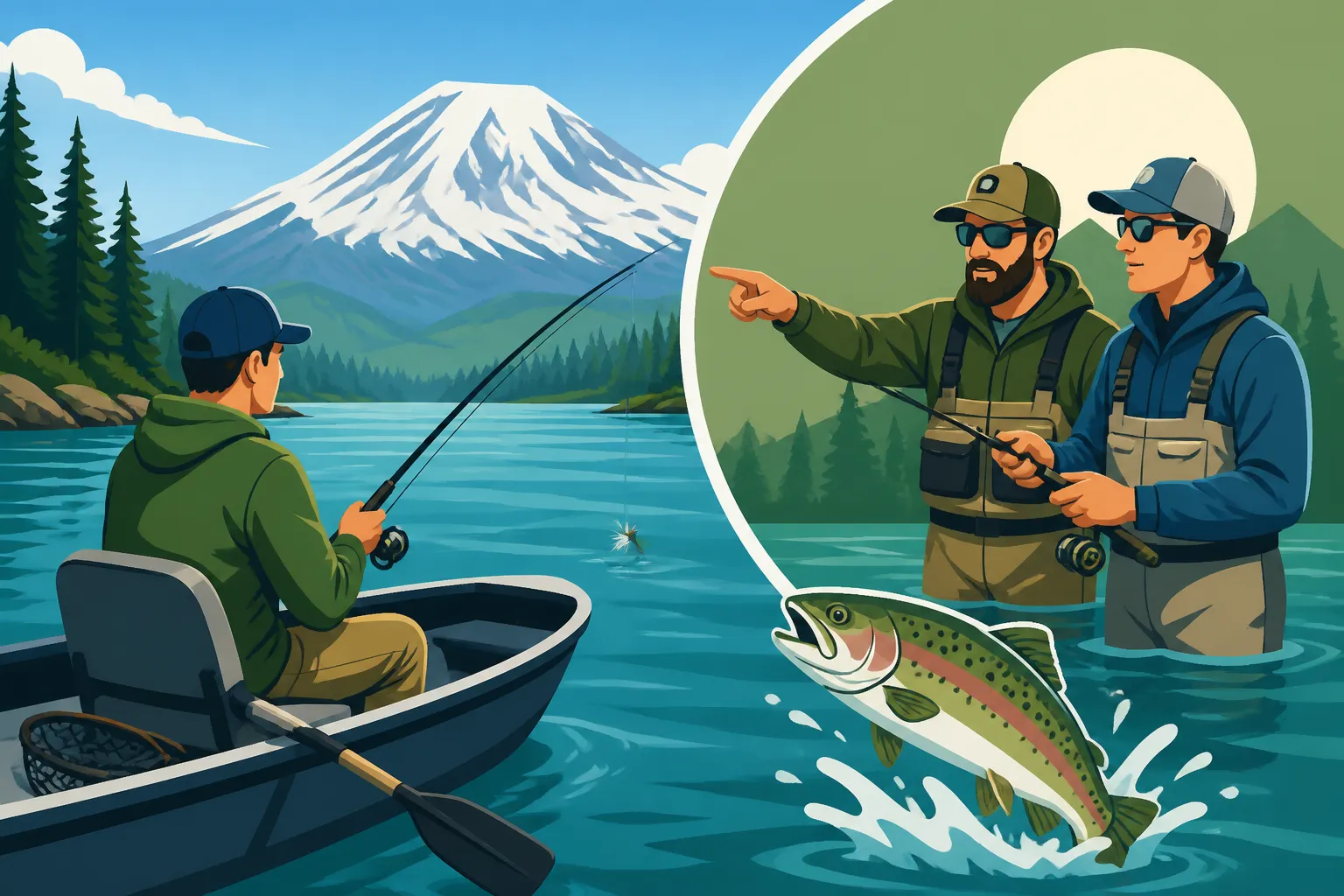
The idea of booking a fishing guide solely for yourself might feel like a luxury or even a bit intimidating if you’re used to group outings. But let's bust that myth right now: guides are absolutely open to taking solo anglers. In fact, for many, it's a great way to provide a highly personalized and focused experience. The key is understanding how it works and what to expect.
Is It Even Possible to Book a Solo Trip?
Yes, without a doubt! Most professional fishing guides in Washington operate on a per-trip or per-boat basis, meaning they charge for their time and expertise, not strictly per head, up to a certain capacity. While many guides prefer to fill their boat with a couple of anglers to maximize their earnings and make the trip more affordable for everyone, they will often accommodate a single angler. You might find some guides offering a specific "single angler" rate, which could be slightly less than the full boat rate but more than the per-person rate on a shared trip.
Consider the different types of guided trips. For example, a drift boat guide on a river like the Washington's Skagit River and Its Winter Steelhead Run or The Cowlitz River for Steelhead and Salmon in Washington often takes one or two anglers. A single angler fits perfectly into this setup, sometimes allowing for more comfortable casting room and personalized instruction. Larger ocean charters, especially those targeting halibut or tuna off Westport, are usually set up for bigger groups. However, even with these, you can book the entire boat privately if you wish, though the cost certainly scales up. It’s always best to be upfront about your intentions when you first reach out to a guide.
When a Solo Trip Makes the Most Sense
So, when is biting the bullet and booking a solo trip truly the best option? It often comes down to your personal fishing goals and preferences.
- Skill Development and Learning: If you're eager to truly hone a specific technique, like Drift Fishing for Steelhead in Washington Rivers or perfecting your casting, a solo trip is invaluable. With the guide's undivided attention, you'll receive constant feedback, personalized instruction, and a pace tailored to your learning curve. There’s no need to worry about holding up other anglers or feeling rushed. This focused environment can dramatically accelerate your learning.
- Targeting Specific Fish or Techniques: Maybe you're obsessed with catching a giant Chinook Salmon: Washington's King of Fish on a specific lure, or you want to try fly fishing for trout on the Yakima and need hands-on guidance. A solo trip allows you to dictate the focus of the day entirely. You and the guide can spend all your time pursuing your specific objective, without compromise.
- Peace, Quiet, and Solitude: Sometimes, fishing isn't just about catching fish; it's about the experience itself. A solo trip offers unparalleled peace and quiet on the water. It's a chance to fully immerse yourself in nature, enjoy thoughtful conversation with your guide, and escape the hustle and bustle. For many, this solitude is priceless.
- Scheduling Flexibility: If your schedule is tight and doesn't align with available group trips, booking a private solo trip can offer more flexibility in choosing your dates and times. It makes that spontaneous mid-week escape a real possibility.
Understanding the Cost Implications of Going Solo
Let's be realistic: money matters. One of the biggest questions solo anglers have is about the cost. It’s true that a solo guided trip will generally be more expensive per person than if you were sharing the cost with others. However, it's important to understand why this is the case and how you can budget for it.
Why Solo Trips Are Often More Expensive Per Person
Think of it this way: a fishing guide's business involves a fixed cost for their time, fuel, boat maintenance, gear, and licensing, regardless of how many people are in the boat (up to its legal capacity). When you book a trip, you're essentially reserving the guide's expertise and the use of their equipment for a set period.
If a guide charges, say, $700 for a full day of fishing for one or two people, and you go solo, you're shouldering that entire $700. If two people go, it's $350 each. If three people go (and the boat capacity allows), it might be $250 per person if the guide has a sliding scale. The guide's gross income for that day remains the same, but your individual share of the cost increases. This isn't a penalty for going solo; it's simply how the economics of guided trips typically work. You're paying for a private experience.
How to Budget for a Solo Guided Trip
While the per-person cost goes up, there are ways to approach budgeting for your solo adventure.
- Ask for a "Single Angler Rate": Don't be shy about asking if the guide offers a specific rate for one person. Some guides, particularly those operating drift boats or smaller craft, might have a slightly reduced rate for a single angler compared to their full "two-person" price. It never hurts to ask directly. You might be surprised.
- Consider Shorter Trips: If a full day is outside your budget, inquire about half-day trips. Many guides offer them, especially for certain species or during specific seasons. It’s a great way to get a taste of the guided experience and focused instruction without the full-day commitment.
- Book During Off-Peak Times: Weekdays or shoulder seasons (just before or after the main rush) might offer slightly more flexible pricing or a better chance to negotiate a solo rate, as guides are keen to fill their calendars.
- Factor in the Value: Remember, you're not just paying for a boat ride. You're paying for highly personalized instruction, the guide's lifetime of local knowledge about fishing spots, current Washington Sport Fishing Seasons and Emergency Closures, and the best techniques. For example, if you want to understand Washington Steelhead Guide Cost versus a shared trip, you'll see a clear difference, but also a clear increase in value for the one-on-one attention. Similarly, if you're looking at Puget Sound Salmon Charter Cost in Washington, a private booking will be higher but ensures the boat is yours alone.
| Trip Type | Pros | Cons | Typical Per-Person Cost (Relative) |
|---|---|---|---|
| Solo Private Trip | Maximum instruction, personalized pace, solitude, choice of target | Highest per-person cost | High |
| Shared/Open Boat | Lower per-person cost, social atmosphere, share stories | Less personalized attention, compromises on target/pace, less casting room | Moderate |
| Buddy Trip (2 anglers) | Shared cost, still good instruction, familiar company | May still have slight compromises, less instruction than solo | Moderate |
What to Expect on Your Solo Guided Adventure
So, you've decided to go for it and book that solo trip. What can you actually look forward to? It's a distinctly different experience than a group outing, and in many ways, it's superior for certain anglers.
Maximizing One-on-One Instruction
This is, arguably, the biggest perk of going solo. Your guide is your personal fishing coach for the day. Think about it:
- Tailored Teaching: Instead of a guide trying to split their attention between multiple anglers with varying skill levels, they can focus entirely on your technique. Are you struggling with your cast? They'll spend the time to break it down. Need to understand how to read water better? They can point out specific currents and eddies, explaining exactly why fish might be holding there. This is invaluable, especially if you're trying to master something like Trolling for Salmon in Washington's Puget Sound or back-bouncing for a stubborn salmon.
- Instant Feedback: Every cast, every retrieve, every hook set can be analyzed and improved upon. Your guide can correct subtle errors in real-time, helping you develop better habits much faster than you would on your own or in a group.
- Depth of Knowledge Sharing: You can bombard your guide with questions about local regulations, fish behavior, gear choices, or even conservation efforts without feeling like you're monopolizing their time. This direct transfer of knowledge is a huge benefit. You can ask about Washington Fishing License Guide for Nonresidents requirements, specific gear setups, or how different tides affect the bite.
The Intimacy and Focus of a Solo Trip
Beyond the instruction, the overall ambiance of a solo trip is unique.
- Undivided Attention to the Fishery: Without the chatter and distractions of other anglers, you're free to fully connect with the environment. You'll notice more, hear more, and generally be more attuned to the subtle signs of fish activity. This heightened awareness can actually make you a better angler in the long run.
- Setting Your Own Pace: Want to spend an extra hour meticulously working a promising run? No problem. Want to switch tactics completely because you're feeling a certain way? The guide can accommodate. You truly set the rhythm of the day, making the trip exactly what you want it to be. There’s no pressure to move on or stay longer than you wish.
- Deeper Connection with the Guide: A solo trip often fosters a more personal connection with your guide. You're not just a client; you're a companion for the day. This can lead to richer conversations, shared stories, and a deeper appreciation for their passion and expertise. Many lifelong fishing friendships have started this way.
Finding and Booking Your Solo Guide
Now that you're convinced a solo trip is the way to go for your next Washington adventure, how do you actually make it happen? It starts with clear communication and knowing where to look.
Communicating Your Solo Intentions Clearly
When you first contact a guide, whether by phone, email, or through a booking platform, be very clear that you are a single angler.
- Be Upfront: State something like, "I'm looking to book a guided trip for just myself on [specific date/month]." This immediately sets the expectation.
- Ask About Single Angler Rates: Specifically inquire, "Do you offer a specific single angler rate, or would it be the full boat rate for one person?" This clarifies the cost upfront, avoiding any surprises.
- Express Your Goals: If your primary goal is intensive instruction or targeting a very specific type of fish, mention that. For example, "I'm really hoping to spend the day focusing on fly casting techniques for trout, and I'd love your one-on-one guidance." This helps the guide understand your expectations and tailor the experience.
- Review Questions to Ask a Washington Guide Before Booking: This resource can provide a great checklist of what to discuss to ensure your solo trip meets your expectations.
Using Online Platforms to Find Guides
Online booking platforms can be a fantastic resource for finding guides, and many of them allow you to filter or specify your group size.
- Search and Filter: Websites like FishingBooker allow you to search for guides by location (e.g., "Washington," "Olympic Peninsula rivers"), target species, and even indicate the number of anglers. While you might initially see per-person pricing, always check the guide's specific listing for details on private vs. shared trips and single angler rates.
- Message the Guide Directly: Most platforms, including FishingBooker, have a messaging system that allows you to contact the guide before booking. This is where you can clearly communicate your solo status and ask all your specific questions about pricing and the experience. Don't hesitate to use this feature! It ensures everyone is on the same page.
- Read Reviews: Look for reviews from other solo anglers if available, or just general reviews that highlight the guide's teaching style and attentiveness. A guide praised for patience and good instruction will likely be an excellent choice for a solo trip.
Alternatives to a Fully Solo Guided Trip
While a truly solo guided trip offers unique advantages, it's not the only option. Sometimes, the budget or the desire for a bit of camaraderie might lead you to consider alternatives that still offer a good experience without having to recruit a full boat of friends.
Joining a "Shared" or "Open" Boat
Many guides, especially those with larger boats or in popular fisheries, offer "shared" or "open" boat trips. This means you book a single spot on the boat, and the guide will fill the remaining spots with other individual anglers or small groups.
- Pros:
- Cost-Effective: This is often the most budget-friendly way to go on a guided trip, as the cost of the boat and guide is split among all passengers.
- Social Opportunity: You might meet interesting people, share fishing stories, and even make new fishing buddies.
- Still Guided: You still benefit from the guide's expertise, local knowledge, and gear, even if the instruction isn't one-on-one.
- Cons:
- Less Personalized: The guide's attention will be divided, and the overall pace and focus of the trip will be a compromise among all anglers' preferences.
- Less Flexible: You might not have a say in where you fish, what species you target (beyond the general trip description), or when you move spots.
- Crowded: Depending on the boat and number of anglers, you might have less room to cast or move around comfortably.
This can be a great option if your primary goal is to get on the water and catch some fish with the help of a professional, and you're not concerned about having the guide all to yourself.
Pairing Up with a Friend
If absolute solitude isn't your main priority, but you still want a more focused experience than a large group charter, bringing along one friend is an excellent compromise.
- Pros:
- Shared Costs: You split the guide's fee, significantly reducing the per-person expense.
- Better Instruction: With just two anglers, the guide can still offer a good amount of personalized attention, though naturally less than a truly solo trip.
- Familiar Company: You get to share the experience with someone you know, which can be a lot of fun.
- More Room: Two anglers on a boat designed for three or four will feel spacious and comfortable.
- Cons:
- Still Not Truly Solo: You won't have the guide's exclusive attention, and you'll still have to compromise on some aspects with your buddy.
This option blends the affordability of a shared trip with much of the intimacy and instructional benefit of a solo trip. It's often the sweet spot for many anglers who want a quality guided experience without the highest price tag of a completely private booking.
Ultimately, whether you choose to go completely solo, join a shared boat, or bring a friend, Washington's incredible fishing opportunities are waiting. Don't let the lack of a fishing partner hold you back from booking that dream trip.
Disclaimer
This article is for general informational purposes only and does not constitute professional advice. Laws, prices and regulations vary by location and change over time. Consult a qualified professional for guidance on your specific situation.