Do Guides Offer Discounts for Groups?
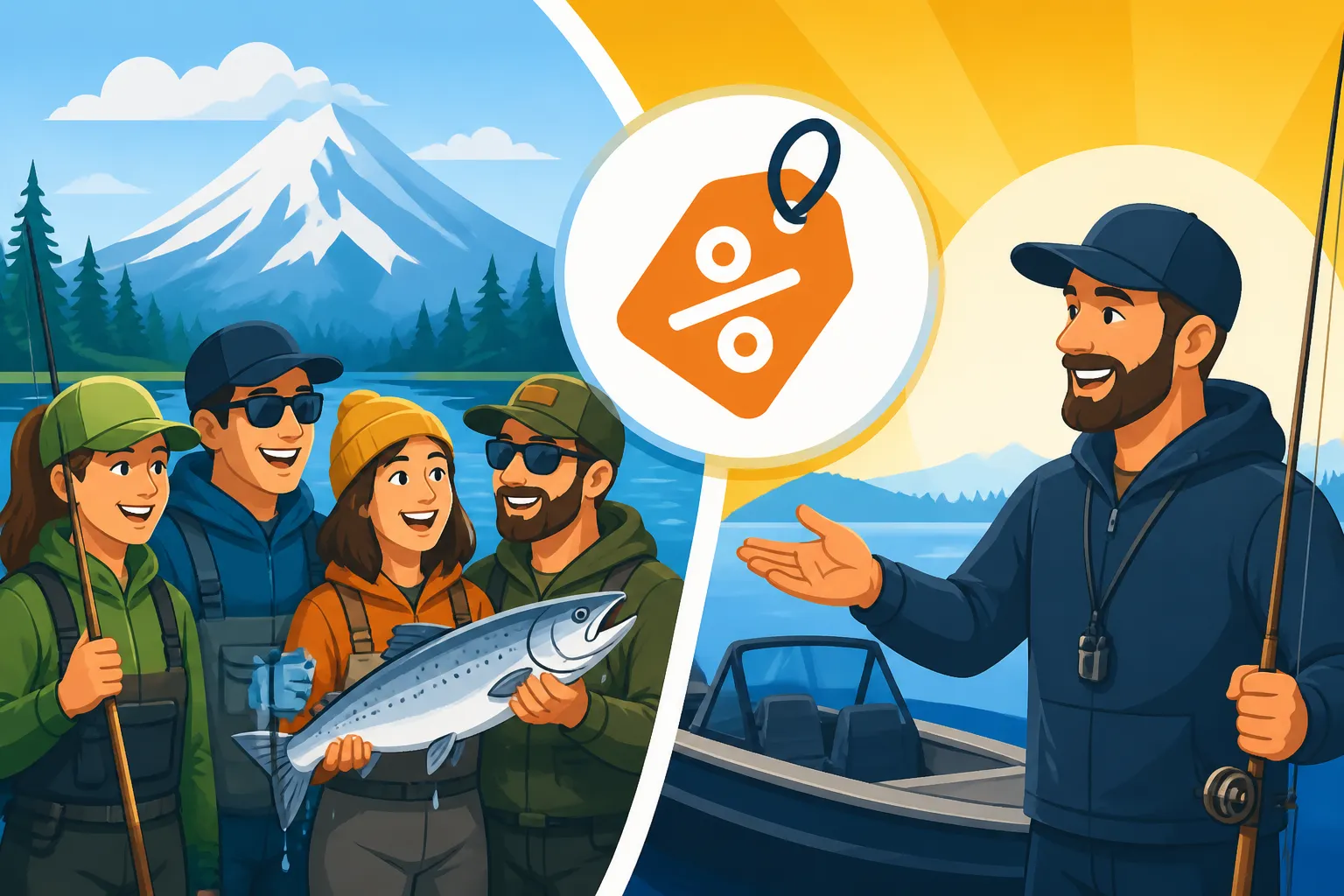
It's a common dream for anglers: gathering your buddies, your family, or your coworkers for an epic Washington fishing adventure. But when you start crunching numbers, especially for a larger crew, the cost of booking a professional fishing guide can feel a bit daunting. You naturally wonder if there's a way to make it more affordable. This guide dives deep into whether Washington fishing guides offer discounts for groups and how you can maximize value for your next shared angling experience.
Understanding How Fishing Guide Pricing Works in Washington
Before we talk about discounts, it's really helpful to understand the basic economics of how fishing guides in Washington set their prices. It's not always a simple flat fee, and knowing the different structures can help you approach them more effectively.
Per-Person vs. Flat-Rate Pricing Structures
Many anglers assume all guides charge the same way, but there are actually two primary pricing models you'll encounter, and they have different implications for groups.
First, you have the per-person rate. This is pretty straightforward: the guide charges a set amount for each individual on the boat. If they quote $250 per person for a full day, and you have three people, your total cost is $750. This model is common for larger charter boats that might take out several unrelated parties, often called "open boat" or "shared" trips. It allows individual anglers or small groups to join a trip without having to fill the entire boat themselves. The guide aims to fill all available seats to cover their costs.
Then there's the flat-rate pricing, which is typically what you'll find with smaller, more intimate guide operations, especially those running drift boats on rivers or bay boats in Puget Sound. With this model, the guide charges one set price for the entire trip, regardless of whether you bring one, two, or even four people (up to their boat's legal capacity). For example, a river guide might quote "Full day, $800." This $800 covers the boat, the guide's time, fuel, tackle, and expertise for the day, whether you're fishing solo or with three friends. In this scenario, the more people you bring (up to the maximum), the lower the cost per person becomes, effectively creating a "group discount" simply by dividing the total. This is often the best deal for small groups.
Understanding these two structures is key. If a guide charges per person, a direct discount for groups might be a harder sell, as their profit margin is tied directly to the number of paying clients. If they charge a flat rate, you're already getting a built-in "group discount" just by filling the boat.
What Influences a Guide's Standard Rates
A guide's quoted price isn't just pulled out of thin air; it reflects a lot of operational costs and market factors.
One major factor is the species you're targeting. A challenging, highly sought-after fish like a Columbia River spring Chinook or a Puget Sound halibut might command a higher rate due to the specialized gear, extensive scouting, and often longer runs required. Catching Chinook Salmon: Washington's King of Fish is often a premium experience. On the other hand, a more readily available fish, like trout in a local lake, might be less expensive.
Trip duration also plays a huge role. Most guides offer half-day and full-day options, with full-day trips naturally costing more but also providing more fishing time and often a better chance at success. A multi-day trip, especially if it involves travel or lodging, will be significantly higher. Booking a Multi-Day Washington Fishing Trip is a serious investment.
The type and size of the boat can affect the price. Larger, ocean-going charters equipped with advanced electronics, multiple motors, and extensive safety gear have higher overheads (maintenance, fuel, moorage, insurance) than a smaller drift boat or jet sled. A Puget Sound salmon charter boat, for example, will have different operating costs than a river guide's drift boat.
Finally, seasonality and demand greatly influence rates. Peak seasons for highly anticipated runs, like the Buoy 10 salmon fishery at the mouth of the Columbia or prime summer steelhead windows on the Olympic Peninsula, will typically see guides booked solid at their standard rates. Conversely, during slower, off-peak times, a guide might be more flexible. Guides also factor in their own experience, reputation, and the value they bring to the table – a highly sought-after guide with a proven track record can command a higher price.
Do Washington Fishing Guides Offer Group Discounts?
Now for the million-dollar question: do guides actually offer discounts when you bring a group? The answer is nuanced, but let's manage expectations right away.
The Reality: When Discounts Are More Likely
In the most traditional sense, a guide rarely advertises a flat "group discount" (e.g., "10% off for 4 or more people"). This is because their primary goal is to fill their boat to capacity to cover their fixed costs for the day. If they're already charging a flat rate for the entire boat, bringing more people is the discount. You're just dividing that fixed cost among more participants.
However, there are definitely scenarios where you can effectively get a better deal or added value for your group, even if it's not explicitly labeled a "discount."
- Booking the Entire Boat (Flat-Rate Guides): As mentioned, if a guide operates on a flat-rate model, you're already getting a per-person discount by filling all available seats. If their boat holds four anglers and they charge $800 for the day, that's $200 per person. If you only brought two people, it would be $400 per person. So, bringing the maximum number of people is your best group discount with these guides. This is common for Columbia River Guided Salmon and Steelhead Trips in Washington or Washington's Olympic Peninsula Steelhead Guides.
- Off-Peak Season or Weekdays: Guides are busiest during prime seasons and on weekends. If your group is flexible and can schedule a trip during a slower period – perhaps a weekday in the shoulder season, or during a time when a less popular species is active – you might find a guide more willing to offer a slight reduction or throw in some extras. It's about filling their calendar when they might otherwise be idle.
- Booking Multiple Boats for a Large Party: If you have a really big group (say, 8-12 people) that requires two or three boats, some guides who coordinate with other guides might be willing to offer a small concession for booking multiple full trips. This is more about securing a large block of business for them and their network. It's not a guarantee, but it's worth asking.
- Repeat Business: If your group books with the same guide year after year, establishing a relationship, they might offer a loyalty incentive down the line. It's like any good customer relationship – consistency can pay off.
The key takeaway here is that "discounts" are often about maximizing the guide's time and boat capacity, or being strategic with your timing.
Benefits of Booking as a Group (Beyond Direct Discounts)
Even if you don't get a direct percentage off, booking a fishing trip as a group in Washington offers a ton of value and benefits that go beyond just the dollar amount on the invoice.
First and foremost, there's the shared experience and camaraderie. There's nothing quite like spending a day on the water with friends or family, sharing laughs, battling fish, and making memories. The stories you'll tell afterward, the friendly competition, the shared struggle of trying to land a big one – that's priceless. For many, this social aspect is the primary reason for a group trip, and it significantly enhances the enjoyment for everyone involved. It builds bonds and creates lasting memories that a solo trip just can't quite replicate.
Financially, even without a direct discount, you're inherently splitting costs that you might incur yourself on a solo trip. Think about the drive to the river or the boat launch. Instead of each person driving their own vehicle and paying for gas, tolls, and parking, you can carpool, splitting those costs. If you stay overnight, you can share a hotel room or an Airbnb, dramatically reducing accommodation expenses per person. Your guide will provide the gear, but if you're bringing snacks, drinks, or extra layers, pooling resources often makes that easier and cheaper for everyone.
Furthermore, a group trip often allows you to access better or more specialized experiences that might be cost-prohibitive for a single angler. For example, a full-boat Puget Sound salmon charter might be a hefty sum for one person, but split among six, it becomes much more accessible, allowing you to chase Coho Salmon Fishing in Washington or even Halibut Fishing Techniques for the Washington Coast in comfort and safety. You get the benefit of a fully equipped boat and an experienced captain without shouldering the entire burden yourself.
| Benefit Category | Individual Trip | Group Trip (Even Without Explicit Discount) |
|---|---|---|
| Cost Sharing | You pay 100% of guide fee, gas, lodging. | Guide fee (flat rate), gas, lodging split among group. |
| Experience | Sole focus on your fishing; quieter experience. | Shared laughs, camaraderie, joint memories. |
| Access | May be limited to smaller boats or shared charters. | Can more easily book entire larger boats/guides. |
| Logistics | All planning on your shoulders. | Shared planning, carpooling, gear organization. |
| Motivation | Can be solitary; self-motivation required. | Group energy and encouragement. |
| Safety | Rely solely on guide; limited extra eyes. | More eyes and hands available in unforeseen situations. |
Ultimately, the collective nature of a group trip often leads to a more fulfilling and economically sensible adventure, even if the "discount" isn't overtly advertised.
How to Approach Guides About Group Rates
So, you've got your crew ready, and you're hoping to get the best possible deal. How do you actually talk to a guide about it without sounding like you're trying to nickel-and-dime them? It's all about communication and being realistic.
The Power of Communication and Flexibility
When reaching out to guides, direct, polite, and clear communication is your best friend. Instead of starting with "Do you offer group discounts?", phrase your inquiry more like this: "Hello! My group of [number] anglers is looking to book a [full/half] day trip targeting [species] in [month/season]. We're flexible on dates, particularly interested in [weekdays/shoulder season]. Could you please tell me about your pricing for a group of this size, and if there are any options to make it more cost-effective for us?"
This approach shows you've done your homework. You're acknowledging the group size, stating your target species, and, importantly, indicating flexibility. Flexibility on dates is a huge lever. If you can fish on a Tuesday in October instead of a Saturday in July, you instantly become more appealing to a guide looking to fill their less-busy slots.
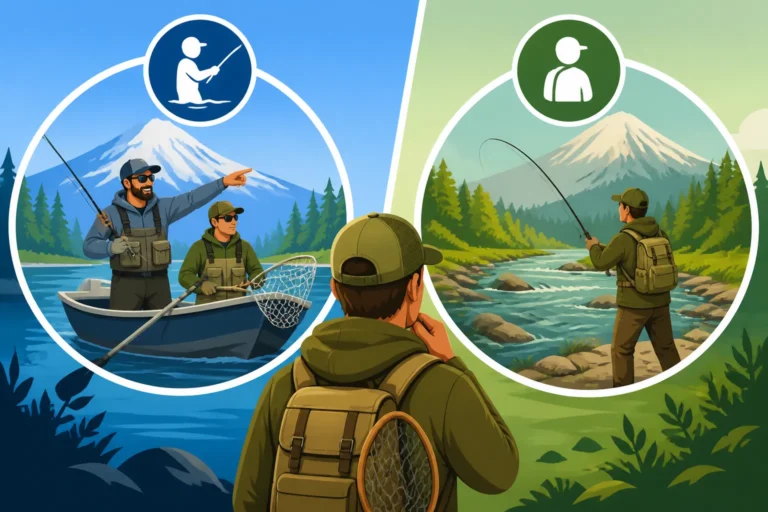
Be prepared for the guide to explain their flat-rate pricing, which, as discussed, is their group rate. If they charge per person, they might simply state that, or they might offer to put you on an "open boat" trip where your group fills some of the spots. Don't be discouraged if a direct discount isn't immediately offered. The value is often in filling the boat.
For example, when Booking a Guide for the Cowlitz River in Washington for steelhead, you might find a guide has a flat rate for up to three anglers. If you only have two, you're paying more per person than if you found a third person to join you. That's your "group discount" in action.
What to Negotiate (Beyond the Per-Person Price)
Sometimes, a direct cash discount isn't on the table, but that doesn't mean there's no room for added value. Think about what else might enhance your trip and be within the guide's capacity to offer without cutting into their bottom line too much.
- Extended Hours: Could the guide offer an extra hour on the water, especially if you're booking during a slower period? An extra hour can make a big difference in terms of opportunities to hook into fish, especially on tough days.
- Included Lunch/Snacks: Some guides already include snacks or a simple lunch, but if they don't, politely asking if they might provide something for your group can add value. It saves you the hassle of packing your own.
- Specialized Tackle or Bait: If your group is interested in trying a specific technique, like fly fishing for trout on the Yakima River Fly Fishing for Wild Trout in Washington, or a particular bait, you could ask if the guide could ensure they have extra specialized gear or bait ready for your group's preferences.
- Fish Processing: While many guides will clean and fillet your fish, some might offer more extensive processing, like bagging and icing, as an added courtesy for a full boat. Clarify Do Charters Clean and Package Your Fish? upfront.
- Photography: Some guides are great about taking photos throughout the day. You could ask if they'd be willing to share those photos with the group free of charge after the trip, which is a wonderful keepsake.
The key here is to think about value-adds that don't directly reduce their profit from the core service. A guide is running a business, and they need to cover their costs. Asking for something that improves your experience without significantly increasing their expenses is a much better negotiation tactic than just asking for money off. Always be polite, understanding, and grateful for their consideration.
Comparing Booking Options for Groups
When it comes to securing your group's fishing adventure in Washington, you've got choices. Each avenue has its own set of advantages, especially concerning group logistics and potential savings.
Booking Directly vs. Online Platforms
There are essentially two main ways to book a guide: going directly to the guide or using an online booking platform.
Booking Directly with the Guide: This often means finding a guide's website, calling them on the phone, or sending an email.
- Pros: Direct communication can sometimes open the door to more personalized service and negotiation, especially for special requests or if you're looking for that "added value" we discussed earlier. You build a direct relationship with the guide from the start. If you're looking for A Guide for Beginners in Washington or a Family-Friendly Fishing Charters in Washington, direct communication allows you to convey your specific needs and gauge their suitability.
- Cons: It can be more time-consuming to find and vet individual guides, compare availability, and understand their specific pricing models. You might need to contact several guides to find the right fit for your group. You'll need to confirm Do Washington Fishing Guides Need a Special License? yourself.
Online Booking Platforms: These are websites that aggregate many guides and charters, allowing you to browse, compare, and book in one place. A popular example is FishingBooker.
- Pros: Convenience is a huge factor here. You can easily compare multiple guides, read reviews from other anglers, and see their availability all in one place. Many platforms clearly list per-person or flat-rate pricing, making it easier to see how group size impacts cost immediately. Some platforms might even have special promotions or loyalty programs. You can quickly see How Many People Fit on a Shared Washington Charter.
- Cons: While convenient, these platforms usually operate on a commission basis, which means direct negotiation for discounts might be less effective or even discouraged. The platform's pricing is often standardized, so if a guide would have offered a slight concession directly, it might not be reflected on the platform. The personal touch might be less evident than direct communication.
When choosing, consider your priorities. If you value ease and comparison shopping, an online platform like FishingBooker is great. If you prefer a more personal connection and want to explore potential added value through direct conversation, contacting guides directly is the way to go.
Small Groups vs. Large Parties: How Group Size Affects Your Options
The number of people in your group significantly impacts your booking options and the "group discount" potential.
Small Groups (2-4 anglers): This is the sweet spot for many Washington river guides and smaller bay boats. Most drift boats comfortably fish 2-3 anglers, and many jet sleds or bay boats are ideal for 3-4.
- Flat-Rate Advantage: If you have 3-4 people for a guide who charges a flat rate, you're almost certainly getting the best possible per-person price. You're filling their boat to capacity, which is exactly what they want.
- Shared Charter Options: For larger water like Puget Sound or ocean trips out of Westport, even a small group can often join a "shared" or "open boat" charter, where you pay per person and might be grouped with other anglers. This is good if you can't fill an entire boat.
Larger Parties (5+ anglers): Once you hit five or more people, your options begin to shift.
- Multiple Boats: For river fishing, a group of five or more will almost certainly require multiple guides and boats. This means booking separate trips, which might be harder to coordinate for a single "group discount." However, if you're booking two full boats through the same outfit, there's a slim chance for a small incentive.
- Head Boats/Larger Charters: For saltwater fishing, especially out of ports like Westport or Ilwaco, "head boats" or larger charters are designed to accommodate many anglers. These typically charge a per-person rate, and while you might not get a direct group discount, everyone gets a spot. It's often a more economical way to get a lot of people on the water compared to booking multiple private charters. Understand the difference between a Six-Pack and a Head Boat.
- Private Charter: If you want your large party to be on the same boat for saltwater, you'll need to book a private charter that can accommodate everyone. This can be more expensive than a head boat but offers exclusivity and more personalized attention for your group. You'll need to confirm How Many People Fit on a Shared Washington Charter and Is a Private Washington Charter Worth the Extra Cost?.
The key is to match your group size to the appropriate guide and boat type. Don't try to cram five people into a drift boat designed for three, as it's unsafe and makes for a miserable fishing experience for everyone. Be upfront about your numbers, and the guide can best advise you on the most suitable and cost-effective approach for your group.
Disclaimer
This article is for general informational purposes only and does not constitute professional advice. Laws, prices and regulations vary by location and change over time. Consult a qualified professional for guidance on your specific situation.