How to Choose Between Sekiu and Neah Bay Guides
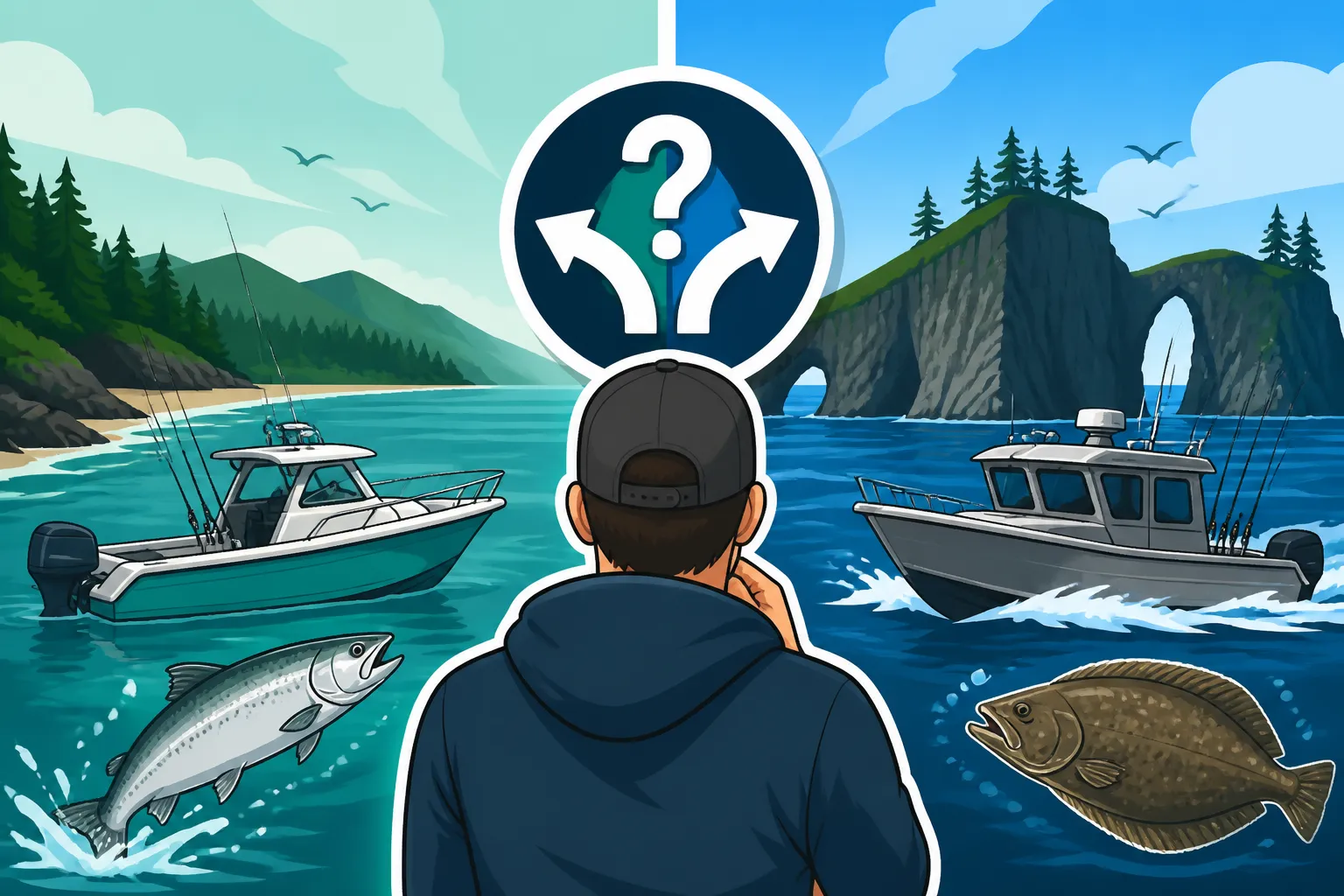
Choosing between Sekiu and Neah Bay for your guided fishing trip along Washington's rugged outer coast can feel like a daunting task, especially when you're dreaming of big salmon, halibut, or lingcod but aren't quite sure which departure point best suits your specific angling ambitions. Both destinations offer incredible access to some of the Pacific Northwest's most prolific waters, but they each have their own unique vibe, challenges, and angling opportunities that can drastically shape your experience. This guide will walk you through the distinct characteristics of Sekiu and Neah Bay, helping you understand their differences so you can confidently pick the perfect home base for your next Washington fishing adventure.
The Classic Choice: Sekiu vs. Neah Bay for Your Next Washington Fishing Adventure
When you look at a map of Washington State, especially the Olympic Peninsula, you'll see Sekiu and Neah Bay nestled right on the Strait of Juan de Fuca, almost at the very northwestern tip. They are, quite literally, at the edge of the wild Pacific. For many anglers, these two spots are synonymous with world-class salmon and halibut fishing, offering incredible opportunities to battle some truly impressive fish. But while they are geographically close, the experience each offers can be quite different, influenced by their exact location, the fishing grounds they access, and the local amenities.
Understanding the Appeal of Washington's Far Northwest Coast
The allure of this region is undeniable. We're talking about pristine waters, dramatic coastlines, and the promise of encountering powerful ocean-run fish that are just beginning their journey back to freshwater or are feeding voraciously in rich marine environments. Anglers are often drawn here for the chance to target Chinook (King) salmon, Coho (Silver) salmon, formidable Pacific halibut, and a variety of feisty bottomfish like lingcod and rockfish. It's a place where the wild spirit of the Pacific feels incredibly close, and a successful day on the water leaves you with not just a cooler full of fish, but stories that last a lifetime.
However, fishing this far out on the coast isn't like casting a line in a calm lake. These are ocean waters, influenced by strong tides, unpredictable weather, and powerful currents. That's precisely why many anglers opt for a guided trip. A good guide knows the waters, understands the patterns, has the right gear, and most importantly, puts safety first. They can turn a potentially confusing or even dangerous trip for a novice into a productive and memorable experience, navigating you through areas like Marine Area 6 for Salmon Fishing, Explained or Marine Area 9 for Salmon Fishing, Explained.
Why This Decision Matters for Your Trip
Deciding between Sekiu and Neah Bay isn't just about throwing a dart at a map. It's about optimizing your chances for the species you want to catch, considering your comfort with ocean conditions, and figuring out the logistics of your trip. The choice can impact travel time, accommodation options, the specific type of fishing techniques employed, and even the local atmosphere you'll experience. Are you looking for a slightly more sheltered experience, or are you ready for the full open-ocean adventure? Do you prioritize convenience, or are you willing to go the extra mile for a specific opportunity? These are the questions that will ultimately guide your decision.
For instance, if your heart is set on halibut, one location might offer slightly better access to the prime halibut grounds, or more guides specializing in that particular fishery. If you're chasing the biggest Chinook, the timing and location of the runs might favor one over the other in a given season. Understanding these nuances before you book can save you time, money, and potential disappointment, ensuring your guided trip is everything you hoped for and more.
Diving Into Sekiu: The "Gateway to the Strait" Experience
Sekiu is often lovingly referred to as the "Gateway to the Strait" because of its location. It sits a bit further east and south than Neah Bay, tucked slightly more into the protective embrace of the Strait of Juan de Fuca. This slight difference in position can have a significant impact on the fishing conditions and the overall feel of a guided trip from this charming, smaller community.
What Sekiu Offers Anglers
Sekiu provides a more sheltered fishing experience on many days, particularly when the open ocean off Neah Bay is too rough or "sporty" for comfort. While it's still deep, active marine water, the immediate fishing grounds accessible from Sekiu are often a bit calmer due to the surrounding landmasses. This makes it a popular choice for anglers who might be more prone to seasickness, or for families with younger children who are new to ocean fishing. Don't mistake "sheltered" for "less productive," though! Sekiu boasts excellent fishing for a wide variety of species.
The town itself is a small, quiet fishing village. Accommodations are generally simpler, often consisting of cabins, motels, and RV parks right on the water. It’s the kind of place where everyone knows everyone, and the focus is squarely on fishing. You won't find bustling nightlife or extensive dining options, but you'll find a genuine, laid-back atmosphere centered around the daily ebb and flow of fishing boats. It’s a place to disconnect and immerse yourself in the angling experience.
Fishing Opportunities and Target Species from Sekiu
From Sekiu, guides typically target salmon, halibut, and bottomfish. The salmon runs, particularly for Chinook and Coho, can be outstanding, especially during the summer and early fall months as these fish migrate through the Strait. Many of the fish caught here are still actively feeding, making for strong, feisty battles. Guides in Sekiu often employ a variety of techniques, including trolling with downriggers, mooching, or sometimes even jigging, depending on the species and conditions.
Halibut fishing is also a major draw, although it often requires a longer run out into more open waters west of Sekiu, or even north towards Canadian waters (within legal limits, of course). When Washington's Halibut Season Opens you'll see many boats heading out. Bottomfish like lingcod, various rockfish species, and greenling are also abundant closer to shore around Sekiu's reefs and rocky structures. A good Sekiu guide will know the local hotspots and adjust strategies based on current fish movements and regulations, which can change frequently. You can often explore options and availability for Sekiu guides on platforms like FishingBooker.
Considerations When Choosing a Sekiu Guide
When considering a guide out of Sekiu, think about the specific species you're most interested in. While many guides are versatile, some might have a reputation for excelling in salmon, while others are renowned for their halibut prowess. Because Sekiu is a smaller community, guide availability, especially during peak season, can be tighter. Booking well in advance is almost always a good idea. Also, inquire about the size and type of boat. While Sekiu can be calmer, a larger, more stable vessel is always a plus for comfort and safety on the open water. Be sure to clarify what's included in the trip price, such as bait, tackle, and fish cleaning.
Exploring Neah Bay: The "End of the Road" Fishing Mecca
Neah Bay truly lives up to its moniker, the "End of the Road." It's the most northwestern point you can reach by car in the contiguous United States, situated on the Makah Indian Reservation. This unique location offers direct, immediate access to the open Pacific Ocean, often referred to as the "ocean side" or "the bar," as well as the western reaches of the Strait. This proximity to the vast Pacific is Neah Bay's biggest draw, but it also comes with its own set of considerations.
The Unique Allure of Neah Bay
Neah Bay offers an undeniably wilder, more rugged fishing experience. The fishing grounds are often closer, meaning less travel time to reach productive areas, but they are also exposed to the full force of the Pacific. This can mean bigger swells and more challenging conditions, requiring a strong stomach and a resilient boat. However, for those who seek the thrill of true ocean fishing and the chance at trophy-sized fish, Neah Bay is hard to beat.
The town itself is part of the Makah Reservation, and visitors are required to purchase a recreation permit to access tribal lands. This unique cultural aspect adds another layer to the experience. Like Sekiu, Neah Bay is centered around fishing, with basic amenities and a strong maritime feel. Many charter operations are based directly out of the marina, making for easy access to the boats. It’s a place where the connection to the sea runs deep, and the community has a rich history tied to the waters.
Prime Fishing and What You'll Catch from Neah Bay
Neah Bay is legendary for its salmon and halibut fishing, often producing some of the largest fish in the state. Because it's right on the edge of the Pacific, it intercepts salmon earlier in their migration and offers immediate access to deep-water halibut grounds. When Washington's 2026 Halibut Fishing Days are announced, you can bet Neah Bay will be buzzing. Anglers here often have the best shot at early-season Chinook and can experience incredible Coho action during their peak runs. Beyond the traditional targets, Neah Bay's proximity to deeper offshore waters can also open up possibilities for targeting species like Albacore tuna during late summer, when conditions allow for longer runs offshore.
The fishing here can be incredibly productive, but it's also highly dependent on weather and ocean conditions. A calm day out of Neah Bay can be epic, while a rough day can be unforgettable for entirely different reasons! Guides operating out of Neah Bay are masters of navigating these challenging waters, using their deep knowledge of currents, tides, and fish movements to put their clients on fish. You'll find many reputable operations here, and a quick search on sites like FishingBooker can show you available guides.
What to Keep in Mind When Booking a Neah Bay Guide
When booking a guide from Neah Bay, your primary considerations should include the guide's experience with open-ocean conditions and the size and seaworthiness of their vessel. Since you'll often be venturing into the Pacific, a boat that can handle rougher water comfortably is essential. Be sure to ask about the guide's specialization – while many are adept at both salmon and halibut, some may have a stronger focus on one over the other.
As with Sekiu, advanced booking is highly recommended, especially for prime dates during salmon and halibut seasons. Remember to factor in the Makah Recreation Permit when planning your trip, as it's a requirement for visiting tribal lands. Also, clarify all costs, including bait, tackle, and fish processing. Because Neah Bay can be quite remote, confirm logistics like meeting points and any specific gear you should bring, such as rain gear or warm layers, as the weather can change quickly.
Making Your Decision: Key Factors to Weigh
Now that you have a better understanding of what each location offers, let's break down the key factors that will help you make an informed decision for your guided trip.
Proximity and Travel Logistics
Sekiu is generally easier to get to for most people coming from areas like Seattle, Tacoma, or Olympia. It's approximately a 3- to 3.5-hour drive from Seattle. Neah Bay, being further west, adds another 45 minutes to an hour of driving time on often winding roads. This might not seem like a huge difference on paper, but after a long day of fishing, every minute of driving can feel like an eternity.
| Feature | Sekiu | Neah Bay |
|---|---|---|
| Location | Eastern end of the western Strait | Northwestern tip of Washington, open Pacific |
| Travel Time | ~3-3.5 hours from Seattle | ~4-4.5 hours from Seattle |
| Road Conditions | Generally good | Winding roads, potentially slower |
| Permits | None beyond fishing license | Makah Recreation Permit required |
| Shelter | More protected by the Strait | Exposed to open Pacific conditions |
| Amenities | Quiet, basic, fishing-focused | Fishing-focused, basic, cultural experience |
Consider how much you're willing to drive versus how quickly you want to be on the water. If you're planning a multi-day trip, the extra drive to Neah Bay might be less of a factor than if you're attempting a whirlwind day trip. Both locations require a Washington Fishing License Guide for Nonresidents or residents, of course.
Target Species and Fishing Preferences
This is often the most critical factor. What do you really want to catch?
- Chinook Salmon (Kings): Both locations offer excellent Chinook fishing. Neah Bay might provide earlier access to the larger ocean-bright fish that haven't entered the Strait yet, while Sekiu benefits from strong runs as fish move deeper into the Strait. Timing is key here; a good guide will know where the fish are holding in a given season. Best Time to Fish for Chinook in Washington's Puget Sound can vary yearly.
- Coho Salmon (Silvers): Similar to Chinook, both spots are fantastic. Neah Bay might get the initial push of ocean-run Coho, while Sekiu offers great opportunities as they funnel through the Strait.
- Pacific Halibut: Neah Bay often has a slight edge due to its immediate access to deeper, more expansive halibut grounds in the open Pacific. However, Sekiu guides also make successful halibut runs, often requiring a slightly longer boat ride. Check Halibut Possession Limit in Washington before you go.
- Lingcod & Rockfish: Both areas are productive for bottomfish, as they both have plenty of rocky reefs and structures. Neah Bay's immediate ocean access might mean slightly less pressure on some spots.
If you're dead set on tuna, Neah Bay is generally the launching point for those longer offshore trips. If you're after a more consistent and potentially calmer salmon or bottomfish experience, Sekiu might be a better fit.
Understanding the Role of Weather and Water Conditions
This cannot be overstated. The Pacific Ocean can be a beast.
- Sekiu: While still susceptible to wind and swell, the Strait of Juan de Fuca often provides more protected waters immediately around Sekiu. This means more days are fishable, and the ride out to the fishing grounds might be smoother. It's a great option if you're concerned about seasickness or just prefer a less jarring experience.
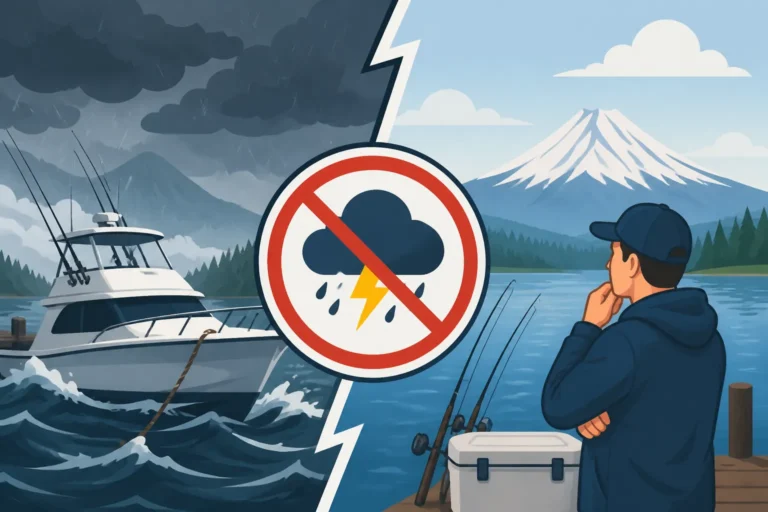
- Neah Bay: Offers direct access to the ocean, which means when it's calm, it's incredible. But when the weather turns, it can get rough very quickly. Guides here are highly skilled in reading the ocean, but even they can be limited by conditions. If you're an experienced ocean angler and not easily bothered by big waves, Neah Bay will give you that true offshore feel. Always check the forecast and listen to your guide's advice – safety is paramount. Bad weather is a common reason for What Happens If Weather Cancels a Washington Charter?.
Guide Availability and Booking Realities
Both Sekiu and Neah Bay have a finite number of experienced, reputable guides. During peak seasons (summer and early fall for salmon, specific halibut dates), guides book up fast.
- Booking in Advance: It's absolutely crucial, especially if you have specific dates in mind. Six months to a year out is not uncommon for prime weekend slots or opening days of major seasons.
- Researching Guides: Use online platforms like FishingBooker, read reviews, check out guide websites, and ask for referrals. Look for guides who specialize in the species you're after and who have a strong safety record. Don't be shy about asking questions about their boat, gear, and experience.
- Flexibility: If your schedule allows for mid-week trips, you'll often find more availability and potentially less crowded fishing grounds.
Booking Your Guide: Practical Steps to Ensure a Great Trip
Once you've narrowed down your choice between Sekiu and Neah Bay, it's time to take the plunge and book your guide. This process involves a bit of research and clear communication to ensure your trip is everything you hoped for.
Researching and Vetting Potential Guides
Finding the right guide is like finding the right fishing buddy – you want someone knowledgeable, reliable, and with a good personality. Start by looking at guides who operate out of your chosen location.
- Online Presence: Many guides have their own websites or social media pages showcasing their catches and contact information. Review sites like FishingBooker are also excellent resources, offering customer reviews, photos, and direct booking options. Pay attention to the recency of reviews and consistency of positive feedback.
- Specialties: Some guides are renowned for their salmon prowess, while others are known for putting clients on giant halibut or impressive lingcod. Match their specialty to your desired catch.
- Communication: Reach out to a few potential guides with your preferred dates and target species. Pay attention to how quickly and thoroughly they respond. A responsive guide is often a sign of professionalism. Ask specific questions: What is What's Included in a Washington Puget Sound Salmon Charter? What kind of boat do you run? What's your typical approach to fishing this time of year?
- Licensing and Insurance: A reputable guide will always be properly licensed and insured. Don't hesitate to ask if they are. This protects both you and the guide.
The Booking Process and What to Expect
Once you've chosen a guide, the booking process is usually straightforward.
- Deposits: Most guides will require a deposit to hold your date. This is standard practice. Understand their cancellation policy, especially regarding weather. Cancellation Policies for Washington Charters can vary.
- Confirm Details: Ensure all the important details are confirmed in writing (email is great): date, time, meeting location, species targeted, duration of trip (e.g., Half-Day vs Full-Day Salmon Charters), cost, and what's included (bait, tackle, fish cleaning, etc.).
- What to Bring: Your guide will usually provide a list of essentials, but generally expect to bring your valid Washington fishing license, a warm and waterproof jacket (even in summer!), appropriate footwear, sunglasses, sunscreen, a hat, snacks, drinks, and a cooler to take your catch home. Always assume it will be colder and wetter on the water than it is on land. Don't forget your Carrying Your Washington Fishing License: Paper, Phone or the MyWDFW App.
Preparing for Your Guided Trip to Washington's Coast
A little preparation goes a long way in ensuring a fantastic fishing experience.
- Physical Preparation: If you're prone to seasickness, consider taking medication like Dramamine the night before or a few hours before departure. Eating a light, non-greasy breakfast is also a good idea. Hydrate well.
- Gear Check: Double-check you have your fishing license and any required endorsements, such as Who Needs Washington's Columbia River Salmon and Steelhead Endorsement, though that one is for the Columbia and not typically relevant to Sekiu/Neah Bay. Make sure your layers are ready.
- Communicate Any Concerns: If you have any physical limitations, preferences (e.g., you really want to try jigging for lingcod), or concerns, communicate them to your guide ahead of time. They want you to have a great trip and can often accommodate reasonable requests.
- Have Fun! Fishing with a good guide is an incredible experience. Relax, enjoy the scenery, learn from your guide, and savor the opportunity to fish some of Washington's most breathtaking and productive waters.
Ultimately, both Sekiu and Neah Bay offer truly memorable guided fishing experiences in Washington. Your choice will come down to weighing the travel, the type of water you prefer to fish, and the specific species you're dreaming of landing. With good research and clear communication, you'll be well on your way to a fantastic adventure.
Disclaimer
This article is for general informational purposes only and does not constitute professional advice. Laws, prices and regulations vary by location and change over time. Consult a qualified professional for guidance on your specific situation.