Three-Day Washington Fishing License Cost
Planning a quick fishing getaway to Washington, maybe just a weekend or a few days, can feel a bit overwhelming when you start looking at license requirements. You just want to know how much that short-term license is going to set you back, and honestly, navigating the Washington Department of Fish and Wildlife (WDFW) website can sometimes feel like trying to untangle a particularly stubborn fishing knot. This guide is here to clear up exactly what you can expect to pay for a three-day Washington fishing license, ensuring you spend less time confused and more time casting.
Why a Three-Day License is a Smart Choice for Short Trips
When you're only visiting Washington for a limited time, or perhaps you're a local just dipping your toes into a new type of fishing for a quick weekend adventure, committing to an annual fishing license might feel like overkill. That's where the three-day option truly shines. It’s designed specifically for those shorter excursions, offering a cost-effective way to enjoy Washington's incredible fisheries without the commitment of a full year.
Think about it: if you're traveling from out of state to experience the fabled Puget Sound salmon fishery for a long weekend, or maybe you're a Washingtonian who wants to try your hand at Eastern Washington walleye for a couple of days, an annual license might not make financial sense. The three-day license provides the necessary legal coverage for your chosen fishing type for 72 consecutive hours, beginning from the time of purchase. It's about flexibility and convenience, especially for those impromptu trips or when you're just passing through and decide to wet a line. It’s significantly cheaper than a full annual nonresident license, making it a popular choice for visitors.
Breaking Down the Cost: Freshwater, Saltwater, and Combination Options
The cost of your three-day Washington fishing license isn't a one-size-fits-all number. It depends on a few key factors: whether you're a Washington resident or a nonresident, and what type of water you plan to fish. Washington offers distinct licenses for freshwater, saltwater, or a combination that covers both. Each has its own price point, and it’s crucial to pick the right one to avoid any potential headaches on the water.
Generally, nonresident licenses are more expensive than resident ones, which is a standard practice across most states to help fund local conservation efforts. For a three-day license, this difference can still be notable, so it's essential to understand How Nonresident Rules Differ From Resident Rules when planning your purchase. A three-day freshwater or saltwater license for a nonresident typically hovers around the $30-$40 mark, while a combination option might be closer to $50-$60. For residents, the costs are usually lower, often in the $15-$25 range for freshwater or saltwater, and a combination might be around $30-$40. These figures are subject to change, so always check the official WDFW website or a licensed dealer for the most current pricing.
| License Type (3-Day) | Resident (Approx. Cost) | Nonresident (Approx. Cost) | What it Covers |
|---|---|---|---|
| Freshwater | $15 – $25 | $30 – $40 | Rivers, lakes, streams (non-saltwater) |
| Saltwater | $15 – $25 | $30 – $40 | Puget Sound, coastal marine areas |
| Combination | $30 – $40 | $50 – $60 | Both freshwater and saltwater |
Keep in mind that these prices are just for the base three-day license. They provide you with the fundamental permission to fish. However, certain species or locations may require additional endorsements, which will add to your total cost. For example, if your three-day adventure includes targeting salmon or steelhead in the Columbia River or its tributaries, you'll need a Columbia River Salmon and Steelhead Endorsement Cost on top of your base license. We'll dive into those extras a bit later, but it’s a critical point to consider in your budgeting.
Where and How to Purchase Your Three-Day License
Getting your three-day Washington fishing license is pretty straightforward, thankfully, whether you prefer the convenience of online shopping or a more traditional in-person experience. The WDFW has made it relatively accessible, so you won't have to jump through too many hoops.
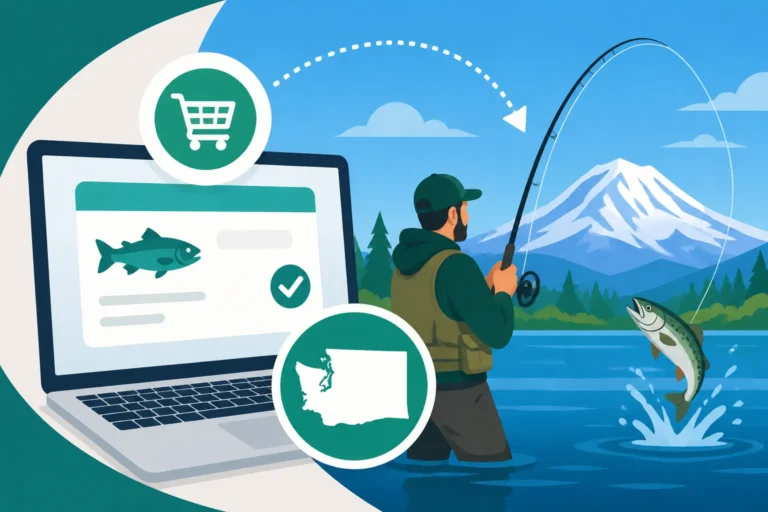
Your easiest and often quickest option is to purchase it online directly through the WDFW's "Go Outdoors Washington" licensing system. This is a secure portal where you can select your license type, provide your personal details, and pay with a credit card. It’s a seamless process, much like making a purchase on Amazon, though obviously for a state license. Once purchased, you can often print a temporary copy immediately, or receive an email confirmation that serves as valid proof until your official license arrives. Remember, you need to be able to Carry Your Washington Fishing License: Paper, Phone or the MyWDFW App while fishing, so having it readily accessible is key.
If you prefer to buy your license in person, you have plenty of options. Most sporting goods stores, like Bass Pro Shops or even smaller local tackle shops across the state, are authorized WDFW license dealers. Even some grocery stores or hardware stores in smaller towns might sell them. This can be a great way to also grab some last-minute tackle or get local fishing reports from the shop staff. Just make sure to bring a valid ID, and if you’re a resident, proof of residency might be required. For those wondering, you won't find fishing licenses for sale on Amazon, as they are government-issued permits, but you can certainly find plenty of fishing gear to pair with your new license there!
Essential Add-Ons: Endorsements and Catch Record Cards
While the three-day license gets your foot in the door, Washington's diverse fisheries often require additional endorsements to legally pursue specific species or use certain gear. These add-ons are crucial to understand, as they directly impact your overall cost and fishing opportunities, even for a short trip.
Columbia River Salmon and Steelhead Endorsement
If your three-day fishing plan involves the mighty Columbia River or any of its tributaries, and you're targeting salmon or steelhead, you absolutely need the Washington's Columbia River Salmon and Steelhead Endorsement, Explained. This isn't optional; it's a legal requirement designed to help fund management and conservation efforts specifically for these iconic anadromous fish in that vast system. The cost of this endorsement is separate from your base three-day license and applies whether you're a resident or nonresident. It's a non-negotiable expense if you plan to fish for these species in that particular waterbody, so factor it into your budget before you head out. Missing this can lead to fines, which no one wants on their fishing trip.
Two-Pole Endorsement
For anglers who love the idea of doubling their chances, the Washington's Two-Pole Endorsement and Who Needs One is a game-changer. This endorsement allows you to fish with two lines in most freshwater lakes, ponds, and reservoirs. It's important to note that this endorsement generally does not apply to marine waters or most rivers, especially those with salmon or steelhead runs where single-pole rules are often strictly enforced for conservation reasons. If your three-day trip focuses on a lake known for its trout or bass, adding the two-pole endorsement can significantly enhance your experience. It's an extra cost, usually around $15-$25, but many anglers find it well worth it for the added action.
Catch Record Cards
Beyond the monetary costs, there's another "cost" in terms of responsibility: the Catch Record Card. When you purchase any license that allows you to fish for salmon, steelhead, or halibut, you'll be issued a Catch Record Card (CRC). This card isn't an endorsement with an additional fee, but it's a critical component of Washington's fisheries management. Even if you only have a three-day license, you're required to possess and fill out this card every time you retain one of the listed species. Learning How to Fill Out a Washington Catch Record Card correctly is paramount.
The purpose of the CRC is to collect vital data on harvest rates, which WDFW uses to set seasons and ensure sustainable fishing for future generations. For a short-term angler, it’s easy to overlook, but the rules are just as strict. Even if you're only fishing for a few days, failure to properly record your catch or return the card at the end of the year (even if you caught nothing) can result in fines and even impact your ability to purchase licenses in the future. So, while it doesn't add to the upfront cost, it's a significant responsibility that comes with the privilege of fishing for these prized species. You can also use the Electronic Catch Record Cards and the Fish Washington App to make this process easier.
Making the Most of Your Three-Day License
With your three-day license and any necessary endorsements in hand, you’re all set to hit Washington's waters. Whether you're targeting Chinook Salmon: Washington's King of Fish in Puget Sound, drifting for Steelhead: Washington's Ocean-Run Rainbow Trout in a coastal river, or casting for Rainbow Trout Fishing in Washington in a high-mountain lake, that three-day window can be incredibly productive.
Before your trip, it's always a good idea to check the specific regulations for the area you plan to fish, as rules can change frequently due to emergency closures or in-season adjustments. A great resource for this is the official WDFW website, or by looking at Reading the Washington Sport Fishing Regulations Pamphlet. You can also find valuable gear on Amazon, like specialized tackle or portable fish finders, to help maximize your success during your limited fishing time. Just remember, a three-day license is a fantastic, flexible option for short visits, offering an affordable entry into Washington's world-class fishing without breaking the bank.
Disclaimer
This article is for general informational purposes only and does not constitute professional advice. Laws, prices and regulations vary by location and change over time. Consult a qualified professional for guidance on your specific situation.