Daily Steelhead Limit in Washington
Trying to figure out exactly how many steelhead you can keep in Washington can feel like navigating a maze blindfolded, especially when the rules seem to change with the weather. It's frustrating to plan a fishing trip, only to discover that the daily limit you thought was standard has been modified or completely closed for your chosen river. This guide aims to cut through that confusion, giving you a clear, comprehensive understanding of Washington's daily steelhead limits, why they vary, and how to ensure you're always on the right side of the regulations.
Understanding Washington's Steelhead Regulations
Let's be honest, Washington's fishing regulations for steelhead are not always straightforward. They're intricate, dynamic, and can vary wildly from one river system to another, and even within different stretches of the same river. This complexity often leads to confusion and, unfortunately, can sometimes result in unintentional violations. Many anglers express frustration over the sheer volume of information to sift through, or the feeling that just when they've learned the rules, an emergency closure or modification changes everything. But these detailed rules exist for a critical reason: to protect and manage our precious steelhead populations, particularly the wild stocks that are often under immense pressure.
The Washington Department of Fish and Wildlife (WDFW) works hard to balance fishing opportunities with conservation needs. This means that rules are constantly being evaluated based on run forecasts, actual returns, and environmental factors like water levels and temperature. What might be open with a generous limit one year could be entirely closed or heavily restricted the next. It’s a constant dance, and as anglers, we're all expected to keep up. Having a solid grasp of the general guidelines and knowing where to look for the most current updates is key to a successful and legal steelhead season. For a deeper dive into the overall regulatory landscape, you might find our guide on Washington Fishing Regulations Every Angler Should Know incredibly helpful.
The Standard Daily Steelhead Limit in Washington
When we talk about a "standard" daily steelhead limit in Washington, we're generally referring to a baseline that applies to many hatchery-supported fisheries, primarily outside of sensitive wild steelhead zones. Typically, the default daily limit for steelhead in open areas is two hatchery steelhead. This limit is foundational, but it's crucial to understand what "hatchery steelhead" means and why this distinction is so important.
A hatchery steelhead is a fish that has had its adipose fin – a small, fleshy fin located on its back between the dorsal and tail fins – clipped before release. This fin clip is a visual cue, a clear signal that the fish originated from a hatchery program. Wild steelhead, on the other hand, retain their adipose fin. The purpose of this distinction is purely for conservation: by allowing anglers to keep hatchery fish, WDFW aims to provide fishing opportunities while simultaneously protecting the more vulnerable wild populations that are crucial for genetic diversity and long-term sustainability. If you're ever in doubt about identifying your catch, our article on Wild Steelhead vs Hatchery Steelhead in Washington can provide crucial visual cues. Furthermore, a thorough understanding of What a Clipped Adipose Fin Means will help you correctly identify your catch on the water.
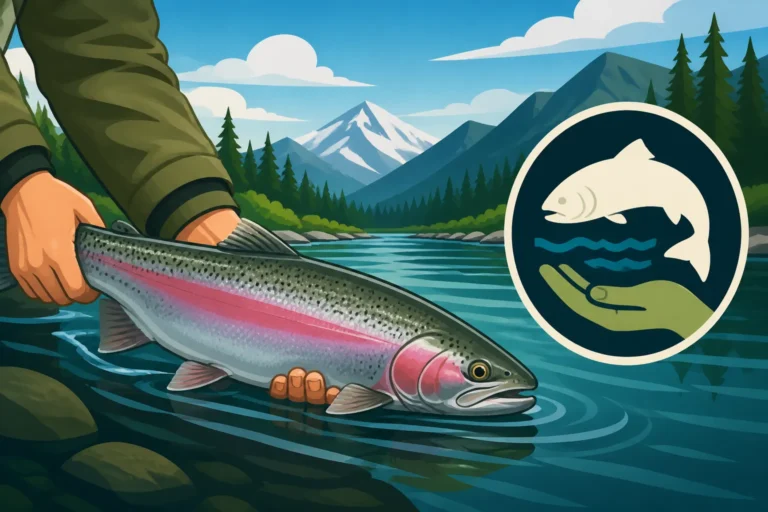
Imagine you're out on a brisk winter morning on the Cowlitz River, a popular spot known for its hatchery returns. You hook into a beautiful chrome bright fish, and after a good fight, you land it. Your first step should always be to check for that clipped adipose fin. If it's there, congratulations, that's a hatchery fish, and it counts towards your two-fish daily limit. If it's a wild fish with an intact adipose fin, it must be released unharmed, often immediately and without removal from the water. This two-hatchery-fish limit is the most common scenario, but as we'll explore, it's frequently superseded by more specific, often stricter, regional or emergency rules.
Here's a simplified table illustrating common steelhead daily limits. Remember, these are general examples and actual limits can change without notice. Always check current regulations!
| Fishery Type/Location | Daily Steelhead Limit (General) | Notes |
|---|---|---|
| General Hatchery Rivers | 2 hatchery steelhead | Adipose fin clipped |
| Wild Steelhead Rivers | 0 (catch-and-release only) | All wild steelhead must be released |
| Selective Gear Rules Rivers | 0 (catch-and-release only) | Specific rivers often have gear restrictions & C&R for steelhead |
| Emergency Closures | 0 (all steelhead) | No steelhead retention or fishing allowed |
Navigating Area-Specific and In-Season Rule Changes
This is where things can get incredibly complex, and where many anglers understandably feel overwhelmed. The "standard" two-hatchery-steelhead limit is often just a starting point. Washington's vast and diverse fishing landscape means that daily steelhead limits can vary drastically depending on the specific river, tributary, marine area, and even the time of year or specific run (e.g., winter vs. summer steelhead). To make it even more challenging, these rules are subject to in-season emergency changes, which can happen with little notice and dramatically alter fishing opportunities.
For instance, rivers on Washington's Olympic Peninsula, renowned for their wild steelhead runs like the Sol Duc or the Hoh, frequently have zero-retention rules for steelhead, meaning all steelhead caught must be released. These areas are often managed as "wild steelhead gene banks" to protect precious native stocks. Trying to keep a wild steelhead in one of these areas would result in serious penalties, even if you were unaware of the specific regulation. Our detailed guide on Wild Steelhead Release Rules on Washington's Olympic Peninsula Rivers can help you understand these sensitive areas better.
Emergency rule changes are particularly vexing. These aren't pre-planned annual adjustments; they're reactive measures taken by WDFW when run sizes are lower than anticipated, or environmental conditions become detrimental to fish. A river that was open for retention yesterday could be catch-and-release only, or even completely closed for steelhead, today. These changes are crucial for conservation but demand constant vigilance from anglers. To avoid disappointment and potential legal issues, it’s absolutely essential to consult the latest WDFW regulations before every trip. You can often find a current regulation pamphlet through retailers like Amazon, but that shouldn't be your only source. Always cross-reference with the WDFW's official online channels, as print publications can quickly become outdated. Knowing how to track these changes is so vital that we've dedicated an entire article to Emergency Rule Changes: Why Washington's Rules Shift Mid-Season.
The Critical Role of Catch Record Cards
Beyond understanding the daily limit itself, knowing your responsibilities regarding the Catch Record Card is paramount. For any species that requires a Catch Record Card – and steelhead absolutely do – it's not enough to simply adhere to the daily limit; you must also properly record your catch. This applies to all salmon and steelhead you retain, even if you only keep one fish. Failing to correctly fill out your Catch Record Card is a violation, regardless of whether you stayed within the daily limit.
The Catch Record Card is a vital tool for WDFW to monitor fish populations and manage fisheries. It provides critical data on harvest rates, which directly influences future season setting and emergency rule decisions. When you keep a steelhead, you need to immediately record the date, species, and location (marine area or river name) on your card. Many anglers, myself included, keep a small, waterproof pen or pencil attached to their license or tackle box, ensuring it’s always handy for recording. You can easily find these types of practical accessories, like waterproof notebooks or pens, through online retailers like Amazon. Don't wait until you get home; immediate recording is a requirement. If you’re unclear on what information is needed or when to record, our guide on The Washington Catch Record Card and What It Requires and How to Fill Out a Washington Catch Record Card will walk you through the process step-by-step. Without this data, WDFW can't make informed decisions, which ultimately impacts fishing opportunities for everyone.
Beyond the Daily Limit: Possession and Annual Limits
Understanding the daily limit is a great first step, but it’s just one piece of the puzzle. Washington fishing regulations also include possession limits and, for some species, annual limits. While often tied closely to the daily limit, these can sometimes differ and are important to comprehend to avoid accidental violations, especially on multi-day trips.
A possession limit refers to the maximum number of fish of a certain species you are allowed to have in your possession at any given time, whether that's on your person, in your cooler, in your vehicle, or at your home. For steelhead, the possession limit is typically the same as the daily limit – meaning you can't have more than two hatchery steelhead in your possession if the daily limit is two. However, there are scenarios where this could vary, particularly if you're fishing different areas with different rules or if you're transporting fish across state lines. It’s always smart to verify this in the specific regulation pamphlet for your target area. To dive deeper into these distinctions, check out our article on Possession Limits vs Daily Limits in Washington.
Annual limits, while not as common for steelhead as they are for some salmon species in certain areas, represent the total number of fish you can harvest in an entire season. For steelhead, the primary control is through the daily and possession limits, but it's important to be aware that annual limits exist for other species and that the cumulative data from your Catch Record Card informs WDFW about overall harvest. These reporting mechanisms are critical for stock assessment and management. Our article on Annual Limits and How Washington's Catch Reporting Works sheds more light on the importance of these broader limits. Ensuring you track your catch not just daily, but throughout the season, is part of responsible angling. Many anglers find it helpful to keep their fishing essentials, including their license and a copy of the regulations, in a dedicated, waterproof bag or small box – a practical item easily sourced from Amazon.
Why Steelhead Limits Matter: Conservation and Management
It's easy to get caught up in the details of rules and limits, and sometimes it can feel like a bureaucratic headache. However, understanding the why behind these regulations can help foster a greater appreciation for their necessity. Daily and possession limits for steelhead, along with the strict wild vs. hatchery distinction, are fundamental tools in Washington's conservation and fisheries management efforts.
The primary reason for these limits is to protect and rebuild wild steelhead populations. Wild steelhead are an iconic species, native to Washington's rivers, but they face numerous threats, including habitat loss, hydropower dams, and historical overfishing. By implementing tight restrictions, including catch-and-release only rules on many rivers, WDFW aims to minimize impact on these vulnerable stocks, allowing more wild fish to return to their spawning grounds and reproduce successfully. Rivers designated as Wild Steelhead Gene Bank Rivers, Explained often have the strictest rules precisely for this reason.
Hatchery programs play a role in providing fishing opportunities while wild stocks recover. The adipose fin clip, which designates a fish as hatchery-origin, allows anglers to retain these fish, alleviating pressure on wild fish. However, even hatchery limits are carefully calculated to prevent overharvest and ensure that enough fish return to the hatchery to sustain future generations. It’s a delicate balance, and every fish caught and recorded contributes to the data that helps WDFW make these critical decisions. The question of Can You Keep a Wild Steelhead in Washington? is a constant reminder of the conservation efforts at play and is almost always answered with a resounding "no" in most areas. Ultimately, respecting these limits isn't just about avoiding a fine; it's about being a responsible steward of Washington's incredible natural resources and ensuring that future generations can also experience the thrill of steelhead fishing.
Practical Tips for Staying Compliant
Given the dynamic nature of Washington's steelhead regulations, staying compliant requires a proactive approach. It's not enough to just buy your license and assume you're good to go; continuous education and vigilance are your best allies. Here are some practical tips to help you navigate the ever-changing landscape of steelhead limits:
First and foremost, check the regulations before every trip. Yes, every single one. Even if you fished the same river last week, an emergency rule change could have been implemented overnight. The official WDFW website is your primary source for up-to-the-minute updates. They typically post emergency rules immediately. You can find out more about this crucial habit in our article, What to Check Before Every Washington Fishing Trip.
Secondly, download the MyWDFW or Fish Washington app. These mobile applications are invaluable tools for anglers. They often allow you to access current regulations, check emergency rules, and even report your catch electronically in some cases. Having this information readily available on your phone can save you a lot of guesswork and ensure you're always operating with the latest information. Learn more about its utility in our guide, Does Washington Have a Mobile Fishing License App?.
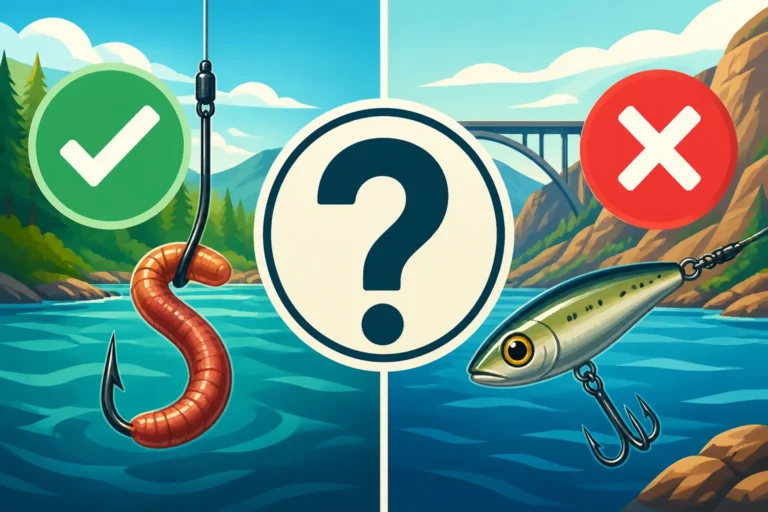
Third, know your target area thoroughly. Understand if you're fishing in a wild steelhead zone, a hatchery-supported fishery, or a selective gear area. Each of these designations comes with its own set of rules that often go beyond the basic daily limit. For instance, some areas may require barbless hooks or ban bait, in addition to specific catch limits. Being informed about your specific stretch of river is non-negotiable.
Lastly, always assume conservatism. If you're unsure about a rule, err on the side of caution. Release the fish, use barbless hooks, or simply choose a different location. It’s better to miss out on a fish than to face a hefty fine or, worse, contribute to the decline of a vulnerable stock. When you're out there, having the right gear that allows for quick and clean releases, like quality pliers or hemostats, is essential. You can find excellent, durable options for these tools on Amazon to ensure you're always prepared.
Following these tips will not only help you stay legal but will also contribute to the long-term health of Washington's steelhead fisheries, ensuring these magnificent fish remain a part of our angling heritage.
Disclaimer
The information provided in this article is intended for general guidance and informational purposes only. Washington fishing regulations are complex and subject to frequent change. Always consult the most current Washington Department of Fish and Wildlife (WDFW) fishing regulations pamphlet and emergency rule updates before engaging in any fishing activity. It is the angler's responsibility to know and adhere to all applicable rules and regulations.