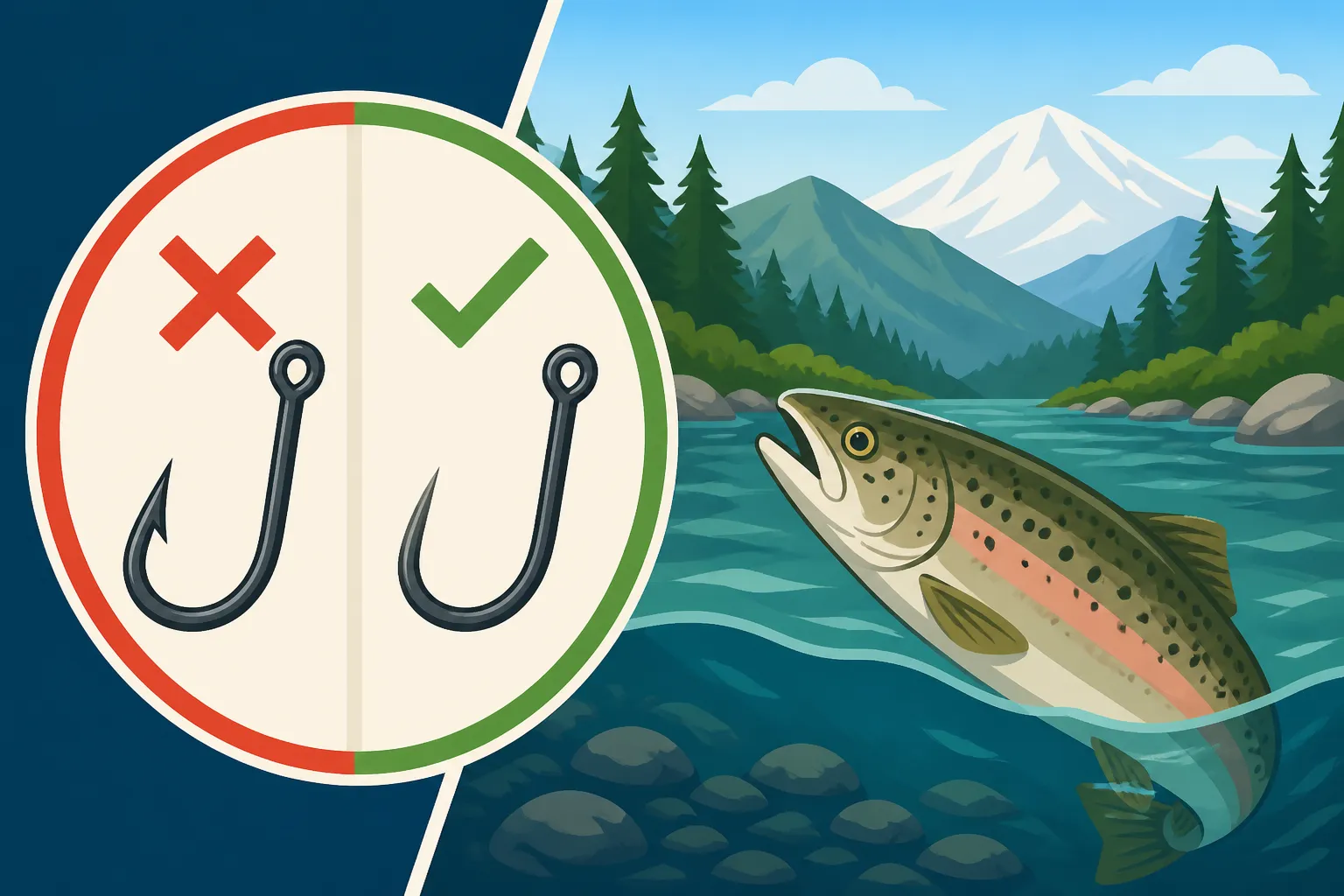
Are Barbless Hooks Required on the Skykomish?
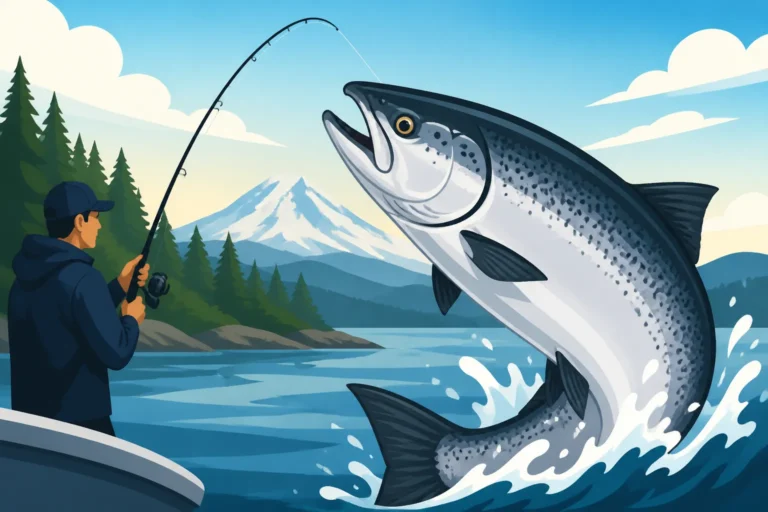
It can feel incredibly frustrating trying to keep up with all the fishing regulations here in Washington, especially when rules can change on a dime or vary from one river to the next. You're out there, just wanting to enjoy a peaceful day on the water, and suddenly you're second-guessing every piece of tackle. One common area of confusion revolves around hook types, particularly on popular rivers like the Skykomish. This guide is here to clear up whether barbless hooks are required on the Skykomish River and help you understand the reasoning behind these rules, so you can fish with confidence and stay on the right side of the law.
The Specifics of Barbless Hooks on the Skykomish River
Navigating Washington's fishing rules can sometimes feel like solving a complex puzzle, and the Skykomish River is no exception. Its popularity with anglers means it's often under close management, and hook regulations are a key part of that oversight. Let's dig into the specifics of what you need to know about barbless hooks on this iconic river.
Why Barbless Hooks Are Often Required in Washington
Before we get to the Skykomish specifically, it’s helpful to understand the broader conservation philosophy behind barbless hook requirements in Washington state. The Washington Department of Fish and Wildlife (WDFW) implements these rules primarily to protect our precious wild fish populations, especially during times when catch-and-release is either mandatory or highly likely. Think about it: when you're targeting sensitive species like wild steelhead or native salmon that might need to be released, the goal is to minimize any harm or stress to that fish. A barbed hook, by its very design, creates a small anchor in the fish's mouth, making removal more difficult and often causing more tissue damage. This can lead to increased stress, longer handling times out of the water, and ultimately, a lower survival rate once the fish is released.
By requiring barbless hooks, WDFW aims to make the unhooking process as quick and gentle as possible. This approach is a cornerstone of modern fisheries management, especially in rivers with struggling wild runs. It’s about giving every released fish the best possible chance to survive and contribute to future generations. For a comprehensive overview of statewide rules, you might want to check out our guide on Washington Fishing Regulations Every Angler Should Know.
Current Regulations for the Skykomish River
Alright, let's get right to the point: yes, barbless hooks are generally required on the Skykomish River for salmon and steelhead. This isn't a blanket rule for all fishing on the Skykomish, but rather applies to specific fisheries and seasons, particularly those targeting salmon and steelhead. It's especially crucial during periods where wild fish are present, or when specific species are catch-and-release only. For instance, when the Skykomish is open for winter steelhead, you can almost always expect a barbless hook requirement, especially if wild steelhead are in the system and need to be protected.
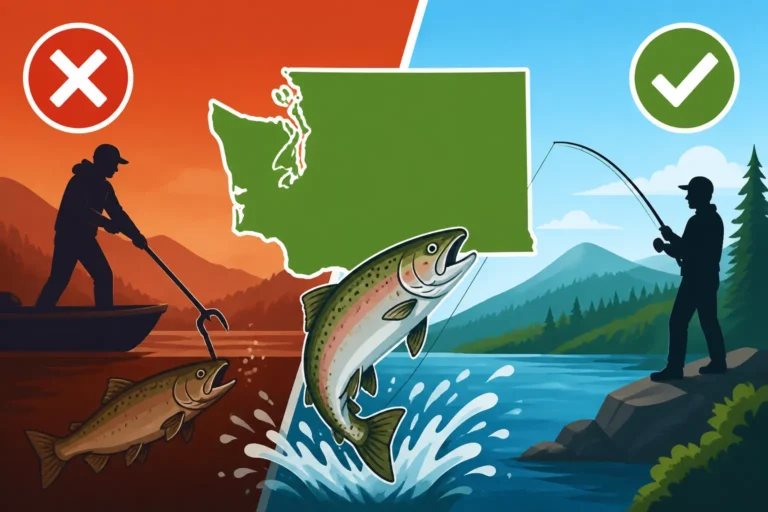
The WDFW regulations for the Skykomish River, much like many other rivers in Washington, often specify "single-point barbless hooks" for certain species during particular seasons. This means no treble hooks, no double hooks, and definitely no barbed hooks of any kind. This rule is particularly stringent in areas that see high angling pressure or are crucial spawning grounds. Always remember that regulations can, and often do, change. What was legal last week might not be legal tomorrow, especially with factors like fish returns or river conditions fluctuating. That's why it's absolutely vital to check the latest WDFW regulations before every trip. You can often find detailed information by consulting our guide on Washington Sport Fishing Seasons and Emergency Closures or by looking at Where to Find Current Washington Fishing Rules.
What Exactly Constitutes a Barbless Hook?
So, what does "barbless" really mean? It’s pretty straightforward. A barbless hook is simply a hook that has no barb or has had its barb completely removed or crimped down flat against the shank. The barb is that little pointy protrusion near the tip of the hook that helps prevent a fish from throwing the hook once it's set. Without it, the hook can slide out much more easily, which is exactly the point when you're releasing fish.
If you have hooks with barbs, converting them to barbless is a simple process. All you need is a good pair of pliers or forceps. You just grab the barb firmly and crimp it down until it's flush with the hook shank. Make sure it’s truly flat – if you can still feel a bump or snag your fingernail on it, it’s not truly barbless in the eyes of a game warden. Many anglers, myself included, simply buy hooks that are manufactured without barbs. Brands like Gamakatsu, Owner, and Mustad all make excellent barbless hooks, and you can easily find them on platforms like Amazon or at your local tackle shop. Having a dedicated set of pliers for de-barbing in your tackle box is a smart move, and you can pick up a reliable pair of fishing pliers on Amazon that will last you for years.
Understanding the "Why" Behind Barbless Hook Rules
It’s easy to feel annoyed by rules that seem to add an extra layer of complexity to your fishing trip. But understanding the deeper reasons behind regulations like barbless hook requirements can help you appreciate their importance and even enhance your experience on the water. These aren't just arbitrary rules; they're critical tools for conservation.
Protecting Wild Steelhead and Salmon Runs
The Skykomish River is legendary for its steelhead and salmon runs. However, many of these wild populations are facing significant challenges, from habitat loss to climate change and historical overfishing. This is where regulations like barbless hooks come into play. When anglers are primarily targeting hatchery-origin fish (which are often marked with an adipose fin clip, indicating they can be retained), but there are also wild, unmarked fish present in the system, barbless hooks become a crucial safety net. The Skykomish, in particular, is known for its beautiful wild winter steelhead, which are typically protected by catch-and-release rules.
Imagine hooking a magnificent wild steelhead, a fish that has traveled hundreds or thousands of miles from the ocean to return to its natal waters. That fish represents the future of the run. A barbed hook can cause deep tears or puncture vital organs if the fish struggles, significantly reducing its chances of survival after release. A barbless hook, however, allows for a quick, clean release, minimizing the time the fish is out of the water and the physical trauma it endures. This approach is fundamental to protecting and rebuilding these vulnerable stocks. While the Skykomish isn't designated as a specific "Wild Steelhead Gene Bank River," the principle of protecting wild, native fish through careful handling is paramount across all of Washington's fisheries, especially for species like steelhead that return to spawn multiple times.
Minimizing Stress and Injury to Fish
Beyond just physical damage, the act of being hooked and fought is inherently stressful for a fish. Prolonged fights, excessive handling, and difficulties in hook removal all contribute to what's known as "post-release mortality." Even if a fish swims away vigorously, it might succumb to stress or injuries hours or days later. Barbless hooks are one of the most effective tools we have to combat this.
When you hook a fish on a barbless hook, the fight itself might feel a little different – you'll need to maintain constant pressure to keep the fish from throwing the hook, which can actually make you a more attentive and skilled angler! But when it comes time to unhook, the difference is night and day. Often, a gentle twist of the hook or a pair of long-nosed pliers is all it takes to free the fish, sometimes even without removing it from the water. This dramatically reduces handling time, keeps the fish submerged, and minimizes contact with its delicate slime coat and gills. The less stress and injury a fish experiences, the higher its chances of successfully spawning and completing its life cycle. For those who practice catch and release, especially when Catch-and-Release Rules During Wild Steelhead Closures are in effect, using barbless hooks is a foundational ethical practice.
The Role of Angler Responsibility and Ethics
At its heart, the requirement for barbless hooks on rivers like the Skykomish isn't just about compliance; it's about responsible angling and a shared ethic to preserve our fisheries. We, as anglers, are stewards of these natural resources. Our actions on the water have a direct impact on the health and sustainability of fish populations. By willingly adopting barbless hooks, even when they might not be strictly mandated for every species in every section of the river, we demonstrate a commitment to conservation that goes beyond the bare minimum.
It cultivates a mindset of care and respect for the fish we pursue. It encourages us to learn better fish handling techniques and to prioritize the well-being of the fish over an easy landing. This ethical approach is vital for the long-term enjoyment of fishing in Washington. It contributes to a culture where conservation is a collective effort, ensuring that future generations will also have the opportunity to experience the thrill of catching a magnificent Skykomish steelhead or salmon.
Practical Advice for Fishing the Skykomish with Barbless Hooks
Fishing with barbless hooks might require a slight adjustment to your technique and preparation, but it's an easy transition that makes you a more skilled and ethical angler. Here’s some practical advice to ensure your next trip to the Skykomish is successful and compliant.
Checking the Latest Regulations Before You Go
I cannot stress this enough: always, always check the most current regulations before you head out. Washington's fishing rules are incredibly dynamic, especially for highly managed species like salmon and steelhead in popular river systems. Emergency Rule Changes: Why Washington's Rules Shift Mid-Season are a common occurrence, driven by factors like in-season run updates, escapement goals, or environmental conditions. What was open or required one day could be closed or changed the next.
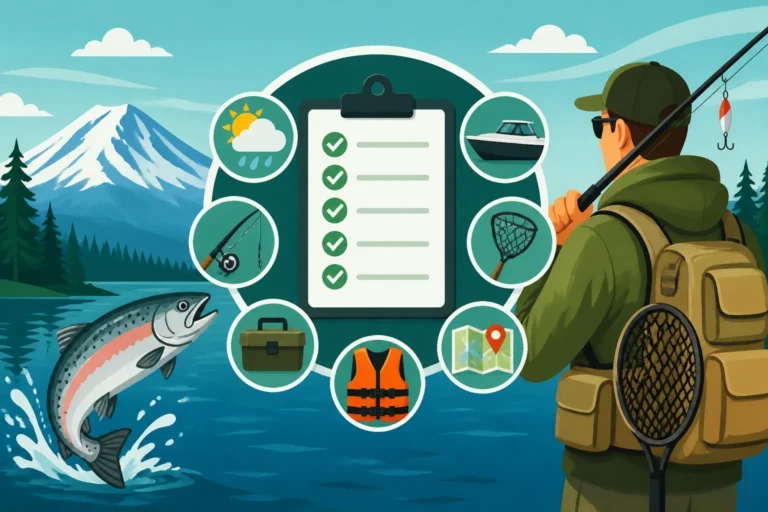
The best place to check is the WDFW website, specifically their "Emergency Rules" page, which is updated frequently. You can also download the Fish Washington App, which is an invaluable tool for real-time regulation checks right on your phone. Make it a routine to check the night before your trip, and even a quick glance in the morning before you leave. There’s nothing worse than getting to the river, rigged up and ready, only to find out you’re not compliant, or worse, that the river section you planned to fish is closed. Our guide on How to Check for Emergency Rule Changes in Washington provides step-by-step instructions on where to find this critical information. Don't rely solely on word-of-mouth or last year's regulations pamphlet, as What an Emergency Rule Change Actually Modifies can be significant.
Gear Considerations for Barbless Fishing
When you're fishing with barbless hooks, you'll find that maintaining constant pressure on the fish is key to preventing it from shaking the hook. This sometimes means adapting your gear slightly.
- Rods: A rod with a more moderate or parabolic action can be beneficial. These rods tend to bend more throughout their length, acting like a shock absorber and helping to keep constant tension on the line, even during headshakes or sudden runs. A stiff, fast-action rod can sometimes lead to more pulled hooks with barbless designs, as it offers less forgiveness.
- Lines: Consider running slightly heavier leaders than you might typically for the water conditions, assuming it doesn't spook the fish. This gives you a bit more confidence to apply firm pressure during the fight.
- Hooks: While you can crimp the barbs on any hook, many anglers prefer to buy hooks that are designed barbless from the start, or at least feature very small, easy-to-crimp micro-barbs. Single-point hooks are almost always required on the Skykomish for salmon and steelhead, so ensure you're not using trebles or doubles. Having a supply of high-quality barbless hooks is essential. You can easily stock up on various sizes and patterns on Amazon or at any reputable tackle shop. For example, octopus-style hooks are popular for bait and eggs, and many come in barbless options.
- Tools: Always have a good pair of long-nosed pliers or forceps readily accessible. These are indispensable for quickly and safely removing hooks, especially when a fish is deeply hooked or you want to keep it in the water. Again, a sturdy, corrosion-resistant pair of fishing pliers from Amazon is a wise investment.
Remember, the goal is to make the fight and release as efficient as possible. Adjusting your technique to keep that rod bent and line tight will do more for landing fish on barbless hooks than any other gear change.
Best Practices for Catch and Release with Barbless Hooks
Using barbless hooks is just one part of responsible catch and release. How you handle the fish after it’s hooked is equally important. Here are some best practices:
- Minimize Fight Time: The longer a fish is fought, the more exhausted it becomes, increasing its stress and post-release mortality risk. Apply firm, steady pressure to bring the fish in as quickly as possible without breaking your line.
- Keep Fish in the Water: Whenever possible, unhook the fish while it’s still in the water. This is by far the best method for ensuring its survival. If you need to net the fish, use a rubberized, knotless net, which is much gentler on their scales and slime coat than traditional nylon nets.
- Support the Fish Properly: If you must lift the fish from the water for a quick photo (and I mean quick), support its body horizontally with both hands. Never hold a large fish vertically by its jaw or tail alone, as this can damage its spine and internal organs.
- Quick Hook Removal: With a barbless hook, removal is usually effortless. Use your pliers to grasp the hook and gently twist it out. If the fish is deeply hooked, you may need to cut the line as close to the hook as possible. Don't try to rip it out.
- Revive the Fish: Once unhooked, hold the fish gently in the current, facing upstream, allowing water to flow over its gills. Don't pump it back and forth; just hold it steady until it regains its strength and can swim away on its own. It should swim away strongly.
These practices, combined with barbless hooks, significantly improve a fish's chances of survival, contributing to healthy fisheries on the Skykomish and beyond. For more detailed insights on ethical practices, our guide on Wild Steelhead Release Rules on Washington's Olympic Peninsula Rivers offers excellent principles that apply broadly to all sensitive species.
Common Misconceptions and Troubleshooting
Despite their widespread use and conservation benefits, barbless hooks can still stir up some questions and concerns among anglers. Let's tackle a few common misconceptions and provide solutions to typical issues you might encounter.
Do Barbless Hooks Affect Catch Rates?
This is perhaps the most common concern among anglers when first switching to barbless hooks: "Will I lose more fish?" It's a valid worry, and in all honesty, there might be a slight learning curve. You might feel a fish shake off more easily initially, especially if you're used to fighting fish with barbed hooks and occasionally letting your line go slack.
However, the consensus among experienced anglers, including many guides who fish barbless exclusively, is that with proper technique, barbless hooks do not significantly reduce your landing rates. What they do require is constant tension on the line. No slack, ever. When a fish head-shakes or makes a sudden run, you need to react immediately, keeping that rod bent and the line tight. This attentiveness can actually make you a more focused and skilled angler in the long run. Many veteran steelhead and salmon anglers prefer barbless hooks because they can release fish so quickly, allowing them to get their gear back in the water faster and target the next fish without undue stress on their catch. So, while it might feel different at first, trust that with a little practice, your catch rates won't suffer.
What to Do If You Accidentally Use a Barbed Hook
Mistakes happen, especially when you're rummaging through a tackle box full of various hooks or trying to rig up in low light. If you find yourself on the Skykomish (or any other river where barbless hooks are required) and realize you've accidentally tied on a barbed hook, here's what you should do:
- Stop fishing immediately. Seriously, do not make another cast with that hook.
- Crimped the barb down: If you have pliers, crimp the barb down right there on the spot until it's completely flat against the shank. This is the quickest and safest way to rectify the situation without losing fishing time.
- Replace the hook: If you can't crimp it, cut off the barbed hook and replace it with a compliant barbless one.
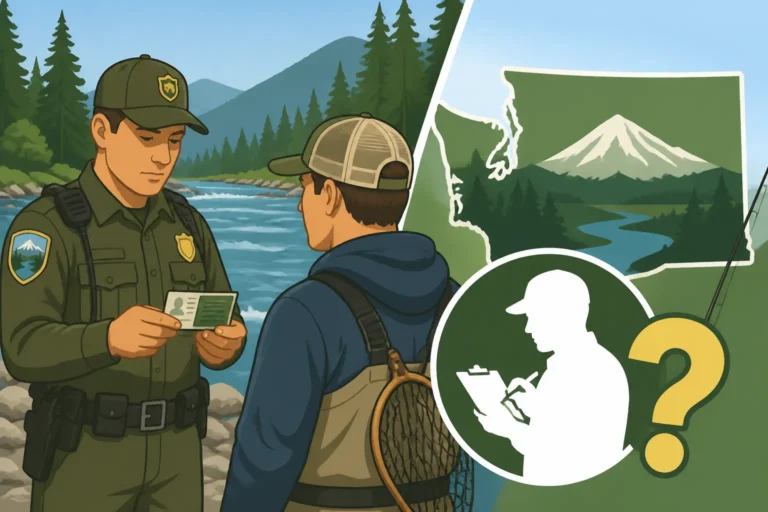
- No harm, no foul (usually): If a game warden checks you and you're in the process of correcting the mistake, or if you haven't actually made a cast with the barbed hook, they're generally understanding. However, if you're found actively fishing with a barbed hook in a barbless-only area, you could face consequences. The penalties for fishing violations, even seemingly minor ones, can range from warnings to significant fines. It's always best to be prepared and double-check your gear before your first cast. You can learn more about Fines and Penalties for Common Fishing Violations in our detailed guide.
The key is diligence. Before you leave the house, and certainly before your first cast, quickly inspect your hooks. Make it a habit.
Where Else Are Barbless Hooks Required in Washington?
While we've focused on the Skykomish River, it's important to understand that barbless hook requirements are not unique to this waterway. These rules are common across many of Washington's salmon and steelhead fisheries, particularly on systems with sensitive wild runs or during periods of low fish returns where conservation is paramount.
You'll frequently encounter barbless hook rules on:
- Olympic Peninsula Rivers: Rivers like the Sol Duc, Hoh, Bogachiel, and Quillayute often have specific rules requiring barbless hooks, especially for steelhead. This is critical for protecting the region's iconic wild steelhead populations.
- Columbia River and its Tributaries: Certain sections and seasons on the Columbia River and many of its tributaries (like the Cowlitz, Kalama, Lewis, and Snake) will mandate barbless hooks, especially during salmon and steelhead seasons.
- Puget Sound Salmon Fisheries: Depending on the specific marine area and target species, you'll often find barbless hook requirements for salmon in Puget Sound, particularly for Chinook and coho during catch-and-release periods or when wild stocks are present.
- Trout Streams: Some designated trout streams or specific high-conservation value areas might also have barbless hook regulations.
The best way to stay informed is to regularly consult the WDFW Sport Fishing Regulations pamphlet, either online or in print. Pay close attention to the special rules for each river, marine area, and species. Our comprehensive article on Barbless Hook Requirements on Washington Rivers can offer a broader perspective on where and when these rules apply across the state. Remember, these regulations are designed to protect and enhance the very fisheries we all cherish.
| Feature | Barbless Hooks | Barbed Hooks |
|---|---|---|
| Hook Removal | Easy, quick, minimal damage | More difficult, can cause more tissue damage |
| Fish Survival | Higher post-release survival rates | Lower post-release survival rates (for released fish) |
| Angler Skill | Requires constant tension, improves technique | More forgiving of slack line |
| Conservation | Preferred for catch & release, protects wild fish | Less conservation-friendly for released fish |
| Legality | Often required in sensitive fisheries | Can be illegal in certain areas and seasons |
| Availability | Widely available, easy to crimp existing hooks | Standard hook type, but easily converted |
Disclaimer
Fishing regulations, seasons, and requirements in Washington State can change frequently and without prior notice due to in-season adjustments by the Washington Department of Fish and Wildlife (WDFW). While this guide provides general information and aims to be as accurate as possible, it is essential for all anglers to consult the official WDFW regulations pamphlet, emergency rule updates, and any local signage before engaging in any fishing activity. Relying solely on third-party information, including this guide, may result in violations. Always prioritize checking the most current WDFW resources for the specific body of water and species you plan to fish.