Eastern Washington’s Best Fishing Lakes
For many anglers, the thought of fishing in Washington immediately conjures images of the Puget Sound's salmon runs or the famed steelhead rivers of the Olympic Peninsula. But head east of the Cascade mountains, and you’ll discover an entirely different, equally captivating world of freshwater fishing. Eastern Washington's lakes offer a vast and varied landscape of opportunities, from sprawling reservoirs holding monster walleye to crystal-clear alpine lakes teeming with trout. This guide aims to pull back the curtain on these incredible fisheries, providing you with the in-depth knowledge you need to plan your next unforgettable trip.
The Allure of Eastern Washington's Freshwater Fisheries
Eastern Washington's fishing scene is a world apart from its western counterpart, shaped by a different climate, geology, and aquatic ecosystems. While Western Washington is often characterized by lush, rainforest-like conditions and prolific anadromous runs, the east offers drier, more arid landscapes, vast plains, and volcanic basalt formations that cradle a diverse array of lakes. Understanding these fundamental differences is key to appreciating the unique angling experiences available.
Distinct Differences from Western Washington Waters
When you cross the Cascade Mountains, the air changes, the landscape shifts, and so does the fishing. Western Washington rivers are often snow-fed, swift, and relatively short, emptying into the saltwater of Puget Sound or the Pacific. They're primarily known for their incredible salmon and steelhead runs, which draw anglers from around the globe. The lakes on the west side, like Lake Washington or Lake Sammamish, are often urbanized, deep, and can offer good fishing for resident coho, bass, and trout, but they rarely boast the sheer volume and diversity of species that many eastern lakes do, especially warmwater species.
Eastern Washington, by contrast, is dominated by the vast Columbia River basin and its numerous tributaries and impoundments. The lakes here are often much larger, created by ancient glacial floods or modern damming projects, leading to vastly different ecological niches. We're talking about huge bodies of water like Lake Roosevelt and Banks Lake, which can feel more like inland seas than typical lakes. The focus here often shifts from purely migratory fish to a robust mix of resident coldwater species like rainbow trout, Kokanee, and Mackinaw, alongside thriving populations of warmwater game fish such as walleye, smallmouth bass, and crappie. The fishing seasons also tend to be longer for many species, and ice fishing becomes a legitimate, exciting possibility in the colder months, a rarity in milder Western Washington.
Understanding the Diverse Habitat Types
The varied topography and hydrological features of Eastern Washington create a rich tapestry of habitats, each supporting different fish species and demanding unique angling approaches. You'll find everything from massive, dammed reservoirs, deep natural lakes, and smaller, often shallow, pothole lakes.
Reservoirs like Lake Roosevelt and Banks Lake are essentially slow-moving river systems, vast and expansive. They often feature rocky shorelines, deep channels, and submerged timber, providing excellent cover for various fish. Walleye, for example, thrive in these large, often turbid waters, feeding on baitfish in the deeper sections. Smallmouth bass gravitate towards the rocky points and ledges, while Kokanee often school in the open water columns. Understanding the structure of these reservoirs – old river beds, submerged roadbeds, and creek channels – is crucial for consistent success.
Then there are the natural lakes, some glacial in origin like Lake Chelan, which boasts incredible depths and pristine, cold waters, perfect for Mackinaw (lake trout) and Kokanee. Others, like Curlew Lake, are shallower and warmer, ideal for panfish, bass, and even unique species like tiger muskie. These natural lakes often have varied bottom compositions, from silty flats to rocky points and weed beds, offering diverse ecosystems for different species to flourish.
Finally, the region is dotted with countless smaller, often nutrient-rich pothole lakes, particularly in areas like the Columbia Basin. Many of these are heavily stocked by the Washington Department of Fish and Wildlife (WDFW) with rainbow trout, offering incredible opportunities for family fishing and consistent action. These smaller lakes are often more accessible for bank anglers and provide a perfect entry point for beginners. Each lake type demands a slightly different approach, from trolling deep for Mackinaw to jigging for Kokanee or casting plastics for bass.
Trophy Trout and Kokanee Lakes
Eastern Washington is renowned for its exceptional trout and Kokanee fisheries, offering everything from massive, deep-dwelling lake trout to feisty, acrobatic rainbow trout, and schooling Kokanee salmon. These waters provide diverse challenges and rewards for anglers of all skill levels.
Lake Chelan: Deep Water Giants and Landlocked Salmon
Nestled in the heart of the Cascades foothills, though firmly on the "east side" in terms of its fishing character, Lake Chelan is a true marvel. It's the third-deepest lake in the United States, plunging to over 1,486 feet in some spots, and this incredible depth dictates the type of fishing it offers. The pristine, cold waters of Lake Chelan are the perfect habitat for two primary target species: Mackinaw (lake trout) and Kokanee salmon.
Anglers targeting Mackinaw on Lake Chelan are often after truly gargantuan fish. These deep-water predators can grow to impressive sizes, with 20-pounders not uncommon and much larger specimens being caught regularly. The key to success here often involves specialized deep-water trolling techniques. Using downriggers is essential to present large spoons, dodgers, or plugs at depths ranging from 100 to 400 feet, sometimes even deeper. The Mackinaw hold near structure on the lakebed, often around submerged points or drop-offs, especially in the lower basin closer to the town of Chelan. Patience is a virtue when targeting these powerful fish, but the reward of battling a trophy Mackinaw is unparalleled. Many guides operate on Chelan, and booking one is a fantastic way to learn the ropes of this unique fishery. You can find experienced guides through platforms like FishingBooker, especially if you're unfamiliar with deep-water trolling. For more insights on this specific lake, check out our guide on Lake Chelan, Washington for Mackinaw and Kokanee.
Kokanee salmon, the landlocked sockeye, are another popular species in Lake Chelan. These smaller, but incredibly hard-fighting fish, provide consistent action, particularly in the spring and early summer. Kokanee typically school in the upper water column (usually 20-80 feet deep) and are often targeted by trolling small dodgers or flashers rigged with scented hoochies, wedding rings, or small spoons. Their vibrant red flesh makes them excellent table fare, and their aggressive bites provide constant excitement. The upper reaches of the lake, particularly around Stehekin, can be phenomenal for Kokanee, especially as they begin their spawning runs later in the season.
Rufus Woods Lake: Home of Monster Triploid Rainbows
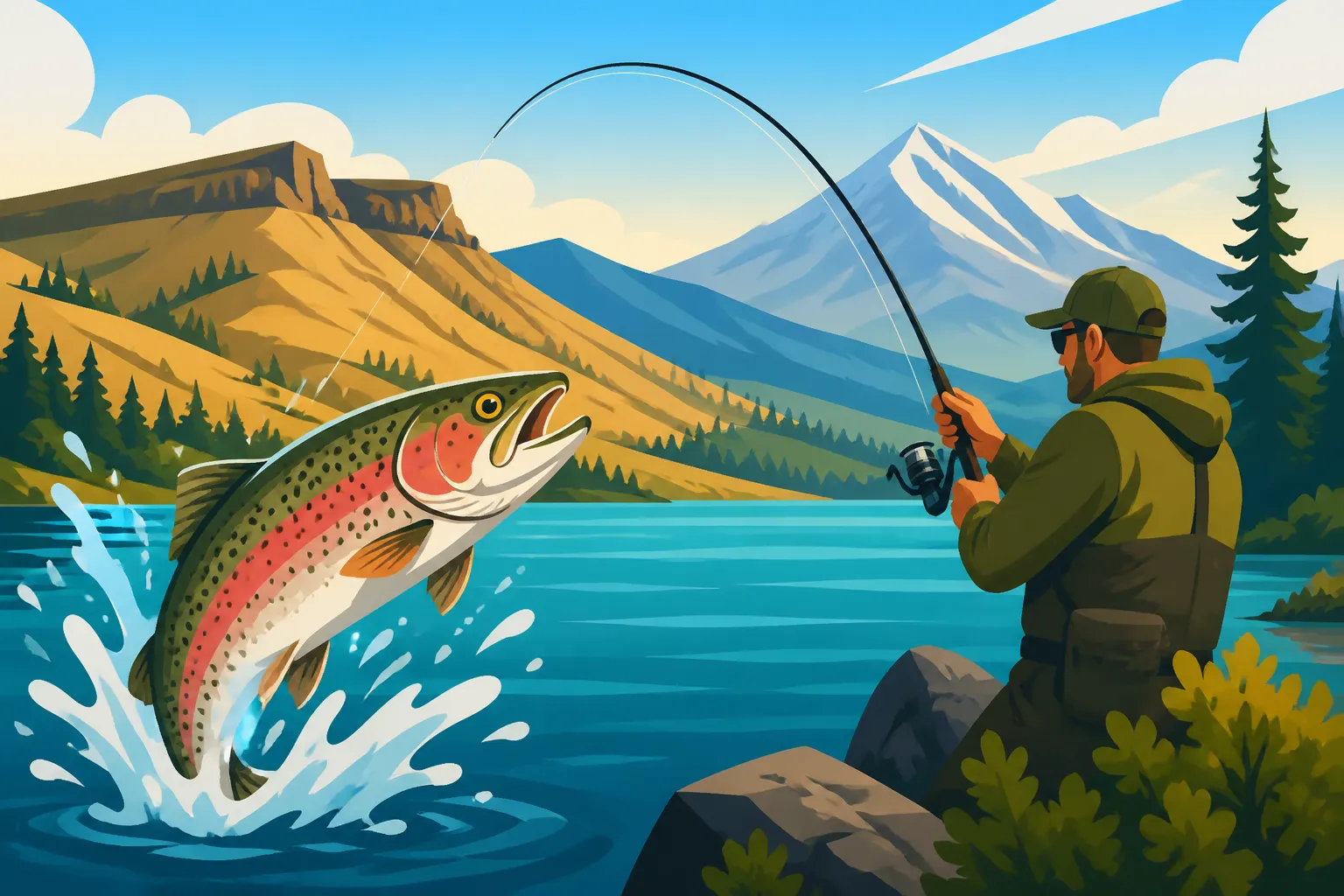
Downstream on the Columbia River, formed by Chief Joseph Dam, lies Rufus Woods Lake – a legitimate trophy rainbow trout factory. This narrow, deep reservoir is renowned for producing some of the largest rainbow trout in the state, specifically triploid rainbow trout. Triploids are sterile fish that put all their energy into growing larger rather than reproducing, and in Rufus Woods, they grow huge. It's not uncommon to catch rainbows weighing in the double digits, with fish pushing 15-20 pounds being a real possibility.
The fishing here is intense, often involving heavy tackle to handle these powerful fish. Bank fishing is very popular, especially near the net pens where some of these fish are raised before being released. Anglers cast large spoons, spinners, or bait such as PowerBait or worms, often fished on the bottom. From a boat, trolling large plugs, mag lips, or spoons is highly effective, especially around current breaks and submerged structures. The sheer size and fighting power of Rufus Woods rainbows make it a bucket-list destination for many trout anglers. The current and deep water present unique challenges, but the potential for a personal best rainbow keeps anglers coming back year after year. To learn more about these impressive fish, our detailed article on Rufus Woods Lake in Washington for Triploid Rainbow Trout offers great insights.
Other Notable Trout Fisheries
While Chelan and Rufus Woods dominate the trophy scene, Eastern Washington is dotted with countless other fantastic trout lakes, many of which are heavily stocked by the WDFW to provide accessible and abundant fishing opportunities.
- Pothole Lakes (Columbia Basin): The Columbia Basin region is home to a multitude of smaller, shallow lakes and ponds, often called "pothole lakes" due to their formation in ancient geological events. Many of these, like those in the Quincy Wildlife Area or around the Winchester Wasteway, are stocked annually with thousands of rainbow trout, providing excellent bank fishing for families and beginners. Lakes like Burke Lake, Quincy Lake, and many others offer consistent action from spring through fall, and often provide great ice fishing opportunities in winter. These lakes are typically fished with light tackle, using PowerBait, worms, or small spinners and flies. They're perfect for a casual outing and introducing new anglers to the sport.
- Medical Lake: Near Spokane, Medical Lake is a popular choice for rainbow trout. It’s managed for quality fishing, often producing good numbers of decent-sized rainbows. It's a great spot for both boat and bank anglers, with diverse techniques working well, from trolling to still-fishing with bait.
- Spectacle Lake: This lake, located near Loomis, is another excellent trout destination known for its good populations of rainbow and cutthroat trout. It’s a beautiful lake with good access, often providing steady action for anglers using various methods.
- Sprague Lake: While also known for warmwater species, Sprague Lake near Sprague offers decent trout fishing, especially in the cooler months. It's a large, diverse lake with plenty of room to explore.
These lakes, and many others across the region, are vital components of Eastern Washington's diverse trout fishing landscape, ensuring there's always a good spot to cast a line, regardless of your experience level or target size.
Walleye and Bass Powerhouses
Beyond trout, Eastern Washington truly shines for its warmwater fisheries, particularly for walleye and smallmouth bass. These hard-fighting, great-tasting fish thrive in the region's large reservoirs and warmer lakes, offering exciting action for anglers willing to explore.
Lake Roosevelt: Walleye, Kokanee, and More
Lake Roosevelt, stretching over 130 miles behind Grand Coulee Dam, is an immense body of water and a true multi-species marvel. While we mentioned its Kokanee, it's perhaps most famous for its incredible walleye fishery. The sprawling reservoir offers a vast amount of suitable habitat for these elusive and highly prized fish, which prefer rocky bottoms, submerged structure, and areas with current.
Walleye fishing on Lake Roosevelt can be phenomenal, particularly from spring through fall. Anglers often target them by trolling crankbaits, bottom bouncers with worms or spinner rigs, or jigging spoons and soft plastics near structure. The key is to find the schools of baitfish, often smelt or kokanee, that walleye prey upon. Popular areas include the deeper sections around Kettle Falls, Porcupine Bay, and near the dam. Early mornings and evenings are often the most productive times, as walleye are light-sensitive predators. The sheer size of Roosevelt means there are always new areas to explore, and the challenge of consistently finding walleye keeps anglers engaged. Besides walleye and Kokanee, Roosevelt also offers good fishing for rainbow trout, burbot (lingcod), and even some smallmouth bass in certain areas. This diverse fishery makes it a prime destination for a multi-day trip. Our guide on Lake Roosevelt in Washington for Kokanee and Walleye provides more in-depth strategies for this expansive lake.
Potholes Reservoir: A Mecca for Walleye and Crappie
Potholes Reservoir, located in the heart of the Columbia Basin near Moses Lake, is another premier warmwater fishery, especially celebrated for its walleye and crappie populations. This unique reservoir is characterized by its "dunes" – hundreds of small, sandy islands and submerged humps, remnants of ancient glacial floods. These dunes create a complex, highly productive habitat with abundant cover and feeding opportunities.
Walleye fishing at Potholes can be outstanding. The shallower, warmer waters of the reservoir, particularly around the "dunes area" and the north end, make it an ideal environment for walleye to thrive. Anglers employ similar tactics to Roosevelt, including trolling spinner rigs, crankbaits, or casting jigs and soft plastics into current breaks and over submerged humps. The spring and fall periods are particularly hot for walleye, as they move into shallower water to spawn or feed aggressively before winter. Fishing the channels between the dunes, especially during low light, can yield impressive results.
Beyond walleye, Potholes Reservoir is a legitimate crappie paradise. Schools of crappie can be found throughout the reservoir, particularly in areas with submerged brush, timber, or weed beds. Anglers target them with small jigs, minnows, or even tiny spoons, often fished under a bobber. Catching a limit of slab crappie from Potholes is a common occurrence, making it a fantastic destination for panfish enthusiasts. The reservoir also holds healthy populations of largemouth and smallmouth bass, yellow perch, and rainbow trout. For more detailed information on this superb fishery, check out our article on Potholes Reservoir in Washington for Walleye and Crappie.
Banks Lake: Walleye, Bass, and Year-Round Action
Just west of Grand Coulee Dam, Banks Lake is a massive, 27-mile-long reservoir that serves as a storage and regulating basin for the Columbia Basin Project. It's a phenomenal fishery that offers year-round action for multiple species, including excellent walleye and smallmouth bass.
Banks Lake features extensive rocky shorelines, numerous bays, and islands, providing ample habitat. Walleye here behave similarly to those in Roosevelt and Potholes, often found near current breaks, rocky points, and submerged structures. Trolling, jigging, and bottom bouncing are all effective techniques. Banks Lake is also known for producing some truly large smallmouth bass. These aggressive fish are found along the rocky banks, around submerged trees, and near drop-offs. Anglers targeting smallmouth use a variety of lures, including spinnerbaits, crankbaits, jigs, and soft plastics. Topwater action can be explosive during warmer months.
What makes Banks Lake particularly appealing is its accessibility and consistent fishing through different seasons. It's a popular spot for both boat and bank anglers, and its diverse structure means there's always a new corner to explore. Beyond walleye and smallmouth, Banks Lake also holds largemouth bass, rainbow trout, Kokanee, yellow perch, and even a few tiger muskie. It's truly a multi-species wonderland that caters to a wide range of angling preferences. Dive deeper into its offerings with our article on Banks Lake in Washington for Walleye and Smallmouth Bass.
Discovering Unique Species and Hidden Gems
While the big names like Chelan, Roosevelt, and Potholes offer incredible fishing, Eastern Washington also holds some truly unique angling opportunities and hidden gems for those willing to venture a little further or try something different.
Curlew Lake and Tiger Muskie Opportunities
Curlew Lake, nestled in Ferry County near the Canadian border, is a beautiful, natural lake that offers a distinctive fishing experience: the chance to catch a tiger muskie. These fearsome, hybridized predators are a cross between northern pike and muskellunge, and they are the ultimate freshwater apex predator in Washington, often growing to impressive sizes.
Tiger muskie were introduced to Curlew Lake (and a few other select lakes in Washington, like Silver Lake and Newman Lake) as a biological control for overpopulated coarse fish, but they've since become a cult favorite for dedicated trophy hunters. They are known for their explosive strikes and powerful fights. Targeting tiger muskie requires specialized heavy tackle, large lures such as oversized crankbaits, bucktails, and soft plastics, and immense patience. It's often referred to as the "fish of a thousand casts," but the reward of landing a toothy muskie exceeding 40 inches is an unforgettable angling achievement.
Aside from muskie, Curlew Lake also offers excellent fishing for rainbow trout, Kokanee, and various panfish species like perch and crappie, making it a well-rounded fishery. Its scenic beauty and the thrill of potentially hooking a monster muskie make it a unique and highly recommended destination. Anglers should always check the WDFW regulations for specific size and bag limits for tiger muskie, as these are very strictly managed.
High Mountain Lakes for Brook Trout and Solitude
For those seeking a more remote and serene angling experience, Eastern Washington's high mountain lakes offer a stunning escape and the chance to catch beautiful native and non-native trout species, most notably brook trout. These lakes, often accessible only by hiking trails, are typically found in the national forests and wilderness areas of the eastern Cascades, Okanogan, and Selkirk mountains.
The journey to these lakes is often as rewarding as the fishing itself, taking you through breathtaking scenery of old-growth forests, alpine meadows, and rugged peaks. Once there, the solitude is profound. Brook trout, with their vibrant colors and feisty nature, are the primary target. These fish are usually not large, often in the 8-12 inch range, but they are abundant and aggressive, readily taking small spinners, spoons, flies, or even a simple worm under a bobber.
Some popular areas for high mountain lake fishing include the Colville National Forest, the Okanogan-Wenatchee National Forest, and the vast wilderness surrounding places like Lake Chelan, particularly in its upper reaches. Fishing these lakes requires careful planning, appropriate backpacking gear, and a good understanding of wilderness safety. However, the opportunity to cast a line in a pristine, crystal-clear lake with no one else in sight, surrounded by nature's grandeur, is an experience that resonates deeply with many anglers. Remember to practice Leave No Trace principles to preserve these fragile ecosystems.
Lower Columbia River Impoundments for Diverse Species
While the mainstem Columbia River itself is a behemoth, its various impoundments and associated lakes in Eastern Washington also provide significant fishing opportunities for a diverse range of species. These aren't always "lakes" in the traditional sense, but broad, slow-moving sections of the river system that function as large reservoirs.
Lakes such as Lake Wallula (behind McNary Dam) and Lake Umatilla (behind John Day Dam) are prime examples. These areas are incredibly productive for warmwater species like walleye and smallmouth bass, mirroring the success found in Roosevelt or Potholes but within a powerful riverine system. Anglers often drift or troll for walleye using crankbaits or bottom bouncers, paying close attention to current breaks and channel edges. Smallmouth bass can be found along rocky banks and submerged structure.
Beyond these popular species, these lower Columbia impoundments also hold impressive populations of channel catfish, particularly in the warmer backwaters and bays, and even some sturgeon (though sturgeon fishing is often catch-and-release only, and heavily regulated). The sheer volume of water and the constant influx of nutrients from the river create a rich environment for a wide array of fish, making these impoundments a fantastic option for anglers looking for variety and the chance at a truly large river fish. Just be aware of the strong currents and potential for significant commercial and recreational boat traffic on the mainstem Columbia.
Essential Gear and Techniques for Eastern Washington Lakes
Success on Eastern Washington's diverse lakes often hinges on having the right gear and understanding the most effective techniques for the species and conditions you'll encounter. Unlike ocean or river fishing, lake angling often requires adaptability, as fish can be found at various depths and in different habitats.
Recommended Rods, Reels, and Lines for Different Species
Matching your tackle to your target species is paramount.
- For Trout and Kokanee: For general trout fishing in smaller, stocked lakes or high mountain lakes, a light to medium-light spinning rod, typically 6 to 7 feet in length, paired with a small spinning reel (1000-2500 size) spooled with 4-8 pound monofilament or fluorocarbon line is ideal. This setup allows for casting light lures and baits while still providing enough backbone to handle a feisty rainbow. For deeper-dwelling Kokanee, especially when jigging, a slightly stiffer, shorter rod (5.5-6.5 feet) with a fast action can be beneficial for detecting subtle bites. For trolling Kokanee, longer, softer action rods are often preferred.
- For Trophy Mackinaw (Lake Chelan): This requires heavy-duty gear. A stout trolling rod, often 7-9 feet in length with a moderate to heavy action, paired with a large baitcasting reel or conventional reel spooled with 30-50 pound braided line and a heavy fluorocarbon leader is common. This setup needs to withstand the incredible power of a large Mackinaw and handle heavy weights from downriggers.
- For Walleye: A medium to medium-heavy spinning or baitcasting rod, 6.5 to 7.5 feet in length, is versatile for most walleye techniques. Pair it with a 2500-3000 size spinning reel or a baitcasting reel spooled with 8-12 pound fluorocarbon or braided line with a fluorocarbon leader. A sensitive rod tip is crucial for detecting the often subtle "thump" of a walleye bite.
- For Bass (Smallmouth and Largemouth): Medium-heavy power, fast action rods (6.5 to 7.5 feet) are excellent for bass fishing. Spinning gear is often preferred for lighter techniques and finesse presentations, while baitcasting setups excel with heavier lures like spinnerbaits and jigs. Use 10-15 pound fluorocarbon or braided line with a fluorocarbon leader for abrasion resistance.
- For Tiger Muskie: This is specialized. You'll need extra-heavy power, fast-action rods, often 8-10 feet long, designed for casting massive lures. Pair this with large, robust baitcasting reels (often "muskie specific" models) spooled with 80-100 pound braided line and a heavy wire leader (100-200 pound test) to prevent bite-offs from their razor-sharp teeth.
Mastering Baits, Lures, and Trolling Strategies
The variety of species means a diverse tackle box is a good idea.
- Trout and Kokanee:
- Baits: PowerBait, worms, corn, and even small marshmallows are effective for still-fishing stocked rainbows. Scented baits are key.
- Lures: Small inline spinners (e.g., Rooster Tails, Mepps), spoons (Kastmasters, Dick Nites), and tiny crankbaits work well. For Kokanee, wedding rings, hoochies, and small Kokanee-specific spoons (e.g., Paulina Peak Tackle, Mack's Lures) trolled behind dodgers or flashers are indispensable. Jigging small, glow-in-the-dark spoons or plastics is also very effective for Kokanee, especially when they school deep. Our guide on Jigging for Kokanee in Washington Lakes offers comprehensive tips.
- Walleye:
- Trolling: Crankbaits (Rapala Shad Raps, Berkley Flicker Shads, WDFW-approved brands), bottom bouncers with spinner rigs (often tipped with a worm or plastic minnow), and lipless crankbaits are highly effective. Varying trolling speed and depth is crucial.
- Jigging/Casting: Jigging spoons (Swedish Pimples, blade baits), soft plastic swimbaits, and grubs on jig heads are excellent for vertical jigging over structure or casting to points.
- Bass:
- Largemouth: Spinnerbaits, jigs with plastic trailers, soft plastic worms (Texas-rigged or Carolina-rigged), crankbaits, and topwater lures (frogs, poppers) are popular.
- Smallmouth: Jigs, tubes, drop-shot rigs, small crankbaits, spinnerbaits, and jerkbaits are all highly productive, especially when fished around rocky structure.
- Tiger Muskie: Large bucktail spinners, oversized crankbaits (Rapala Super Shad Rap, Musky Mania), and large glide baits or swimbaits are standard. Presentation is key; a figure-eight maneuver at the boat can often entice a following muskie to strike.
Trolling is a particularly dominant technique on many of Eastern Washington's larger lakes, especially for Mackinaw, Kokanee, and walleye. Learning to use equipment like downriggers, planer boards, and line counters will significantly increase your success by allowing you to present lures at precise depths and distances from the boat.
Ice Fishing Opportunities in Winter
When winter descends, many of Eastern Washington's lakes freeze over, opening up an entirely new dimension of fishing: ice fishing. This popular pastime offers a unique way to target trout, perch, crappie, and even some walleye through the hard water.
- Trout: Many stocked lakes, especially in the Columbia Basin, offer fantastic ice fishing for rainbow trout. Anglers typically use light ice fishing rods, small jigs (often tipped with PowerBait or a mealworm), or small spoons. Drilling multiple holes and moving around to find active fish is a common strategy.
- Perch and Crappie: Potholes Reservoir and other panfish-rich lakes become prime ice fishing destinations for these tasty species. Small jigs, minnows, or wax worms are often suspended just off the bottom or around submerged structure.
- Walleye: While more challenging, walleye can also be targeted through the ice on lakes like Roosevelt and Banks Lake. Heavier jigging spoons, Rapala Ice Jigs, or tip-ups rigged with live bait are effective.
Safety is paramount when ice fishing. Always check ice thickness before venturing out, fish with a buddy, and carry safety equipment like ice picks and a rope. Understanding ice conditions can vary widely, even on the same lake. For a comprehensive overview, our article on Ice Fishing on Washington's Eastern Lakes provides essential information to get you started safely and successfully.
| Lake Name | Primary Species Targeted | Key Fishing Season | Best Techniques | Access Type | Notable Features |
|---|---|---|---|---|---|
| Lake Chelan | Mackinaw (Lake Trout), Kokanee | Year-round (Mackinaw), Spring/Early Summer (Kokanee) | Deep trolling, Downriggers, Jigging | Boat, Shore | Deepest lake in WA, trophy Mackinaw |
| Lake Roosevelt | Walleye, Kokanee, Rainbow Trout | Spring-Fall, Winter (ice) | Trolling (crankbaits, bottom bouncers), Jigging | Boat, Shore | Immense reservoir, diverse fishery |
| Potholes Reservoir | Walleye, Crappie, Bass | Spring-Fall, Winter (ice) | Trolling, Jigging, Casting Soft Plastics | Boat, Shore | "Dunes" habitat, excellent panfish |
| Banks Lake | Walleye, Smallmouth Bass, Trout | Year-round, Winter (ice) | Trolling, Casting (jigs, cranks), Jigging | Boat, Shore | Rocky structure, consistent action |
| Rufus Woods Lake | Triploid Rainbow Trout | Year-round (best Spring/Fall) | Casting (spoons, bait), Trolling (plugs) | Boat, Shore | Trophy-sized rainbows |
| Curlew Lake | Tiger Muskie, Trout, Panfish | Spring-Fall | Large Lures, Trolling, Still-fishing | Boat, Shore | Unique tiger muskie fishery |
| Medical Lake | Rainbow Trout | Spring-Fall, Winter (ice) | Trolling, Bait fishing, Jigging | Boat, Shore | Stocked trout, family-friendly |
Navigating Regulations, Access, and Guided Trips
Fishing in Eastern Washington, like anywhere else, requires a solid understanding of local regulations and how to access the water. While the WDFW strives for clarity, specific rules can change based on species, location, and even in-season emergency rule modifications.
Key Regulations Specific to Eastern Washington
Before you even think about packing your tackle, a valid Washington fishing license is non-negotiable. For many Eastern Washington lake fisheries, a freshwater license is sufficient, but if you plan to venture into any tributaries or specific sections of the Columbia River that might fall under different endorsements (like the Washington's Columbia River Salmon and Steelhead Endorsement, Explained), it's vital to confirm.
The most critical resource for all anglers is the annual WDFW Sport Fishing Regulations pamphlet. You can find this online or at any license vendor. Crucially, pay close attention to the specific rules for each lake you plan to fish. Unlike the general rules, many lakes have their own unique regulations, including:
- Bag and Possession Limits: These vary significantly by species and waterbody. For example, the daily limit for walleye might be different on Lake Roosevelt than on Banks Lake. Trout limits also vary based on whether the lake is a "trophy" fishery, a general season lake, or managed for specific size classes.
- Size Limits: Some species may have minimum or maximum size limits, or even slot limits, where fish within a certain size range must be released. Always know these limits to avoid violations.
- Gear Restrictions: While less common on general lakes, some waters may have specific gear restrictions (e.g., fly fishing only, single barbless hooks, bait bans) to protect certain fish populations, especially for trout.
- Season Dates: While many lakes are open year-round for certain species, others may have specific opening and closing dates, particularly for popular trout openers in the spring.
Always check for emergency rule changes, which can occur mid-season due to conservation needs or unexpectedly high returns. The WDFW website is the best place for the most up-to-date information. Our comprehensive guide on Washington Fishing Regulations Every Angler Should Know is an excellent resource to understand the broader framework of fishing laws in the state.
Finding Boat Launches and Shore Access
Accessing Eastern Washington's lakes is generally quite good, but it varies from extensive paved boat launches on major reservoirs to remote trailheads for high mountain lakes.
- Major Reservoirs (Roosevelt, Banks, Potholes, Chelan): These large lakes feature numerous developed boat launches with ample parking, docks, and often restrooms. Many are operated by state parks, the U.S. Forest Service, or local municipalities. Fees may apply for launching or parking. Shore access can be extensive but often requires some walking to find prime spots, especially for bank fishing for trout or bass along rocky areas.
- Smaller Stocked Lakes: Many of the smaller, stocked pothole lakes in the Columbia Basin have designated WDFW access sites, often with small boat ramps (suitable for smaller boats or kayaks) and good bank access points. These are often designed with families in mind.
- High Mountain Lakes: Access here is almost exclusively by foot. Trailheads are usually marked, but be prepared for wilderness hiking, which may include significant elevation gain. Consult maps from the U.S. Forest Service or local hiking guides for detailed access information.
- Private vs. Public Access: Always be mindful of private property when seeking access. Respect posted signs and avoid trespassing. Many popular lakes have sections that are privately owned, so stick to designated public access points.
Utilizing online maps, such as Google Maps satellite view or dedicated fishing apps, can be incredibly helpful for scouting out boat launches, parking areas, and potential shore fishing spots before you go.
When a Fishing Guide Can Make All the Difference
For anglers unfamiliar with Eastern Washington's vast lakes, hiring a local fishing guide can dramatically improve your success and overall experience. A good guide offers much more than just a boat ride; they provide invaluable expertise.
- Local Knowledge: Guides spend countless hours on the water and understand the nuances of each lake – where the fish are holding, what they're biting on, and how conditions change day-to-day. This local knowledge is especially critical on large, complex systems like Lake Roosevelt or Chelan.
- Specialized Equipment: Guides typically have all the necessary specialized equipment, from high-end electronics (fish finders, side imaging) to specialized rods, reels, and tackle that you might not own. For deep-water Mackinaw or muskie fishing, this can be a game-changer.
- Learning Opportunity: A guided trip is an excellent way to learn new techniques, understand fish behavior, and gain confidence for future DIY trips. Guides are often happy to share tips and tricks, helping you become a more proficient angler.
- Safety and Convenience: Guides know the hazards of the water, can navigate safely, and ensure you comply with all regulations. They also handle the logistics, so you can focus purely on fishing.
When choosing a guide, look for those who specialize in the species and lake you're interested in. Read reviews, ask for references, and ensure they are licensed and insured. You can often find reputable guides through local tackle shops, fishing forums, or online platforms like FishingBooker, which makes it easy to compare options and book a trusted professional. Our detailed guide on How to Book a Fishing Charter in Washington offers excellent advice on this process.
Preparing for Your Eastern Washington Lake Adventure
A successful fishing trip to Eastern Washington is about more than just rods and reels; it's about preparation. The region's diverse climate and sometimes remote locations require thoughtful planning to ensure a safe, comfortable, and productive adventure.
Planning Logistics: Lodging, Supplies, and Travel
Eastern Washington covers a vast area, and travel times between lakes can be considerable. Therefore, careful logistical planning is crucial.
- Lodging: Depending on your chosen lake, lodging options range from full-service resorts and hotels (e.g., Chelan, Spokane, Moses Lake) to smaller motels, vacation rentals, and abundant camping opportunities. Many state parks and national forests offer developed campgrounds, and dispersed camping might be an option in some areas (check regulations). For multi-day trips, consider booking accommodations close to your primary fishing destination to maximize your time on the water.
- Supplies: Stock up on fishing tackle, bait, and any necessary licenses before heading to more remote areas, as local bait shops might be limited. Beyond fishing gear, remember to pack for the weather. Eastern Washington can experience significant temperature swings, from hot summers to cold winters. Layered clothing is always a good idea. Sunscreen, hats, sunglasses, and plenty of water are essential during summer months. During winter, warm, waterproof clothing, insulated boots, and proper ice safety gear are critical if you plan to ice fish.
- Food and Drink: Plan your meals, especially if you're camping or fishing in remote areas. Bring a cooler with plenty of ice for your catch.
- Vehicle Preparation: If you're trailering a boat, ensure your vehicle and trailer are in good working order. Check tire pressure, fluid levels, and bring spare tires and basic tools. Road conditions can vary, especially on routes to high mountain lakes.
- Communication: Cell service can be spotty or nonexistent in many remote areas. Inform someone of your itinerary, consider carrying a satellite communication device, or have a backup plan for emergencies.
Safety on the Water and in Remote Areas
Safety should always be your top priority, especially when exploring new waters or venturing into remote wilderness.
- Boating Safety: If you're on a boat, ensure it's in good mechanical condition and equipped with all required safety gear (life jackets for everyone, fire extinguisher, horn, bailing device, navigation lights). Understand boating laws and operate your vessel responsibly. Be aware of changing weather conditions on large lakes like Roosevelt or Chelan, where strong winds can whip up quickly, creating dangerous waves.
- Personal Safety: Always wear a life jacket, even on smaller boats or kayaks, especially if water temperatures are cold. Inform someone of your float plan, including where you're going and when you expect to return.
- Wildlife Awareness: Eastern Washington is home to various wildlife, including bears, cougars, and rattlesnakes. Be aware of your surroundings, carry bear spray in wilderness areas, and know how to react to encounters.
- Weather and Hypothermia: Even in summer, mountain weather can change rapidly. Always carry extra layers, rain gear, and a way to start a fire. Hypothermia is a real risk, even in milder temperatures, if you get wet.
- First Aid: Carry a well-stocked first-aid kit for minor injuries. For remote trips, consider taking a wilderness first-aid course.
Practicing Conservation and Ethical Angling
As stewards of our natural resources, anglers have a responsibility to practice ethical angling and conservation to ensure these incredible fisheries remain healthy for future generations.
- Know and Follow Regulations: This is the most fundamental aspect of ethical angling. Strict adherence to bag limits, size restrictions, and gear rules helps manage fish populations sustainably.
- Catch and Release Best Practices: For fish you intend to release, minimize handling, keep the fish in the water as much as possible, use a de-hooking tool, and avoid touching the gills. Barbless hooks can also facilitate easier release, especially for trout or wild steelhead (where required).
- Minimize Your Impact: Practice "Leave No Trace" principles. Pack out all your trash, including fishing line and bait containers. Avoid damaging vegetation or disturbing wildlife.
- Report Violations: If you witness illegal fishing activity, report it to the WDFW enforcement division. Protecting our fisheries requires the vigilance of all anglers.
- Respect Other Anglers: Whether on a busy boat launch or a remote lake, be courteous to others. Give other anglers space and avoid disrupting their fishing experience.
By embracing these principles, we can all contribute to the long-term health and enjoyment of Eastern Washington's spectacular fishing lakes.
Disclaimer
Disclaimer: Fishing regulations, seasons, and conditions can change rapidly. Always consult the official Washington Department of Fish and Wildlife (WDFW) regulations pamphlet and emergency rule changes before heading out on the water. This guide is for informational purposes only and should not replace official WDFW resources.