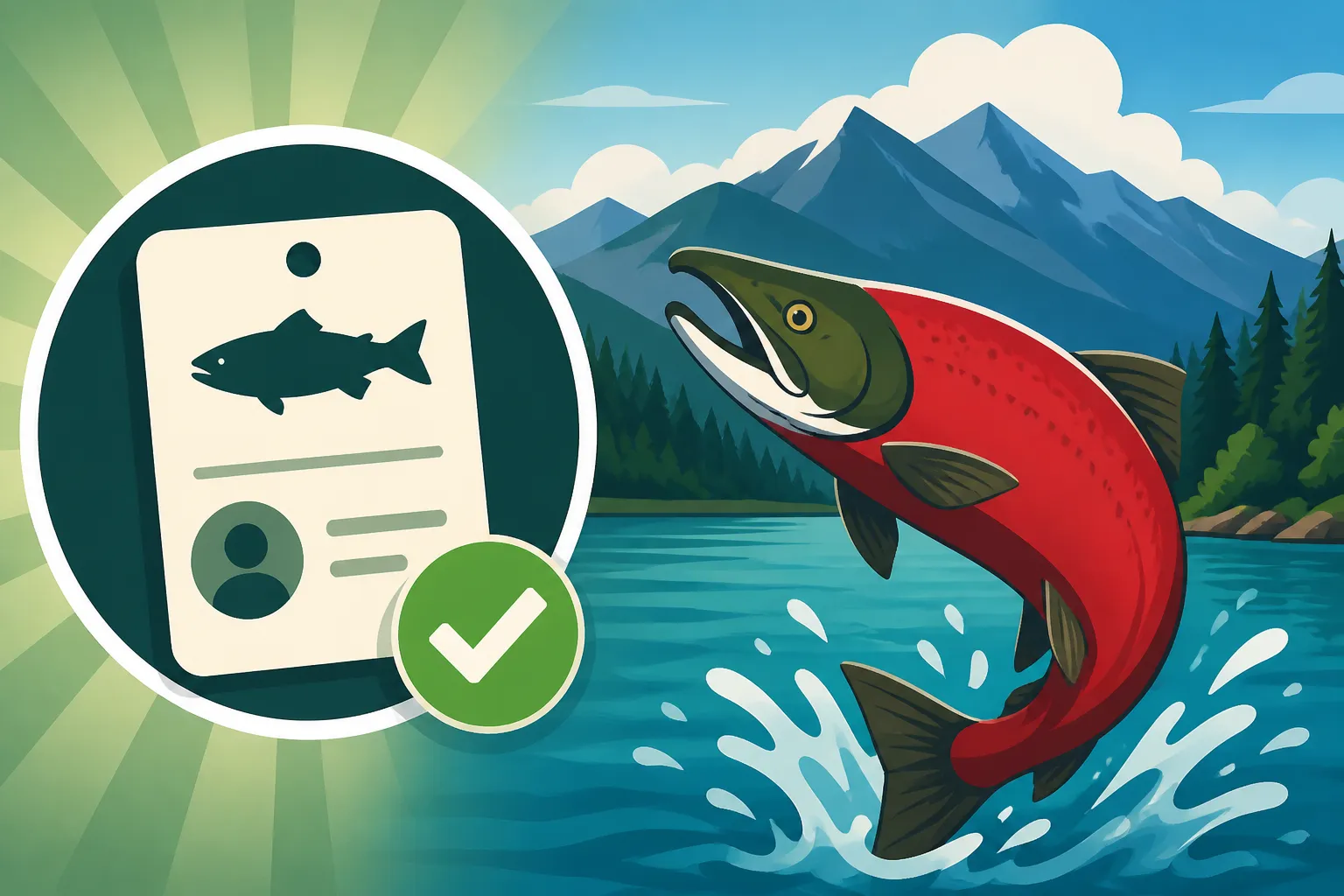
How to Get a Baker Lake Sockeye Permit
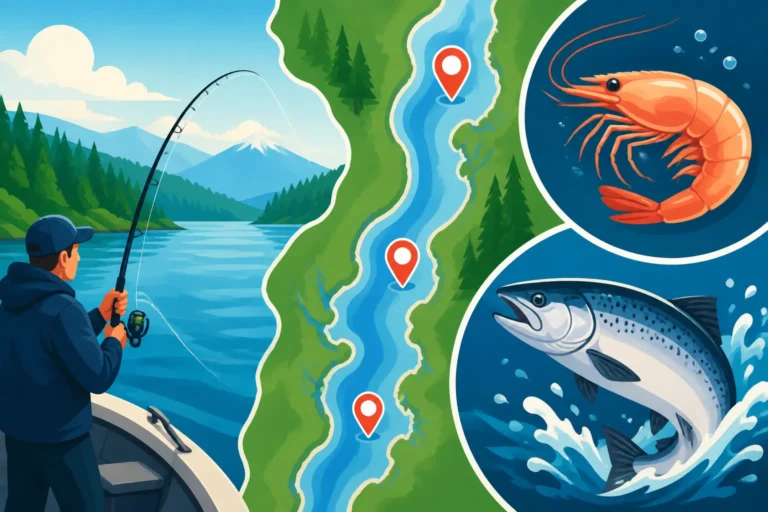
Dreaming of catching those vibrant, delicious sockeye salmon from Baker Lake? You're not alone! It's an incredibly unique and rewarding fishery, but let's be honest, navigating the rules and getting your hands on that special permit can feel like trying to untangle a bird's nest of fishing line. Many anglers get frustrated trying to figure out if they need one, when to apply, and what exactly the permit entails. This comprehensive guide is designed to cut through the confusion and walk you through every step of securing your Baker Lake Sockeye permit, ensuring you're ready when the season hits.
Understanding the Baker Lake Sockeye Fishery and Permit Requirement
Baker Lake sockeye fishing isn't your average salmon trip; it's a highly anticipated, tightly managed, and often short-lived season that requires a specific permit in addition to your regular Washington fishing license. This isn't just bureaucracy for the sake of it – it's crucial for managing a unique and sensitive fishery.
Why a Special Permit for Baker Lake Sockeye?
The Baker Lake sockeye run is truly special, representing a monumental success story in salmon recovery. These fish return to the Baker River system, a tributary of the Skagit River, and are then trapped at a facility downstream from the lake and transported above the Lower Baker Dam. This unique "trap and haul" operation, managed cooperatively by the Washington Department of Fish and Wildlife (WDFW) and the Baker River Treaty Tribes (specifically the Upper Skagit Indian Tribe and the Sauk-Suiattle Indian Tribe), helps them bypass the dams and reach their spawning grounds.
Because of this intensive management, the number of fish available for recreational harvest is carefully controlled. The WDFW works closely with the tribal co-managers to set harvest quotas based on the strength of the return, ensuring that enough sockeye make it upstream to spawn and rebuild future generations. This collaborative approach means that access to the recreational fishery must be managed through a permit system, which allows the state to allocate limited fishing opportunities fairly and track angler effort. It’s all about conservation and ensuring the long-term health of this incredible run, while still providing a chance for anglers to participate in a truly unique fishery.
Who Needs a Permit and When?
Let's clear this up right away: if you plan to fish for sockeye salmon in Baker Lake, you must have a special Baker Lake Sockeye Permit. This permit is absolutely mandatory for every individual angler, regardless of age, who intends to harvest sockeye. Even if you're just catch-and-release fishing for sockeye during the designated season, the permit is still required.
It's important to understand that this permit is in addition to your standard Washington Fishing License Guide for Nonresidents or resident license. A general freshwater fishing license is your baseline, but the sockeye permit is a specific authorization for this particular species and location. You’ll also need to be mindful of other statewide requirements, such as ensuring you have a current The Washington Catch Record Card and What It Requires to properly record any sockeye you keep. While Baker Lake isn't on the Columbia, understanding the full scope of Washington's licensing can prevent issues.
The permit system applies only during the specific, short sockeye season, which typically occurs in late summer. If you're targeting other species in Baker Lake outside of the sockeye season, or during the sockeye season but not for sockeye, you generally won't need this specific sockeye permit. Always double-check the current regulations, as things can change.
Key Dates and Seasons for Baker Lake Sockeye
The Baker Lake sockeye season is notoriously short and dependent on a variety of factors, primarily the strength of the returning fish run. Generally, the season runs for a few weeks, often starting in late July and continuing through August or early September. However, this is highly variable. The WDFW monitors fish returns closely, and the season can open, close, or have its rules modified on short notice via emergency rule changes. This dynamic nature means staying informed is paramount.
You really need to be on top of the announcements from WDFW. They will publicize the anticipated season dates and when the permit application period will open. Missing these windows means missing your chance to apply. It’s not uncommon for the season to be adjusted mid-stream if fewer or more fish return than expected, or if other unforeseen circumstances arise. This is why understanding Washington Sport Fishing Seasons and Emergency Closures and paying close attention to Emergency Rule Changes: Why Washington's Rules Shift Mid-Season is critical for any Washington angler, especially those targeting highly managed species like Baker Lake sockeye. Don't just set your calendar once and forget about it; plan to check for updates frequently as the season approaches.
The Application Process for Your Baker Lake Sockeye Permit
Getting your permit isn't overly complicated, but it does require timely action and attention to detail. It's not something you can typically do spontaneously the day before you want to go fishing.
When and How to Apply
The application window for Baker Lake sockeye permits usually opens in late spring or early summer, typically around May or June. The WDFW will announce the specific dates well in advance on their official website. This isn't a walk-up-and-buy situation; it's a specific application process, and often, if demand is high, a lottery system might be employed to distribute the limited permits fairly.
You'll apply online through the WDFW licensing system. This is the same system you use to purchase your annual fishing license. You'll need to navigate to the "Special Permits" or "Drawings" section once the application period is open. It's crucial to submit your application within the designated timeframe. If you miss the window, you're out of luck for that year unless WDFW opens a second application period due to higher-than-expected fish returns or low initial participation, which isn't guaranteed.
It’s always a good idea to create an account on the WDFW licensing website ahead of time if you don't already have one. This allows you to quickly log in and apply once the window opens, avoiding any last-minute technical glitches or delays.
Information You'll Need for the Application
When you sit down to apply, make sure you have all your ducks in a row. The WDFW application system is designed to be straightforward, but having the necessary information at hand will make the process much smoother. You’ll typically need:
- Your WDFW WILD ID: This is your unique customer identification number issued by the WDFW. If you've purchased a license in Washington before, you'll have one.
- A valid Washington Fishing License: You must possess a current, valid Washington freshwater fishing license before you apply for the sockeye permit. The system will usually verify this automatically. If you don't have one, you'll need to purchase it first. You can learn more about Washington's Annual, Short-Term and Combination License Options if you're unsure which one suits you best.
- Personal Information: Your full name, address, date of birth, and contact information.
- Payment Method: While the permit itself might be free or a nominal fee, you'll need a credit or debit card for the transaction, even if it's just to process the application.
Make sure all information is accurate and matches your existing WDFW records to avoid any issues or disqualifications.
Permit Allocation and Notification
Once the application period closes, WDFW will process all entries. If the number of applications exceeds the number of available permits (which is often the case for such a popular fishery), a random drawing or lottery system will be used. This ensures that every eligible applicant has an equal chance, rather than it being purely first-come, first-served in a chaotic online rush.
Applicants are typically notified of the outcome via email. It’s vital to ensure the email address associated with your WDFW account is current and that you check your spam folder regularly during the notification period. If you’re successful, you’ll receive instructions on how to access and print your permit. If you weren't drawn, you'll also be notified, and it’s simply a matter of trying again next year. Don't be too discouraged if you don't get one on your first try; the Baker Lake sockeye fishery is highly sought after!
Permit Fee and Payment
Good news here! Historically, the Baker Lake sockeye permit itself has been offered at no additional charge beyond your regular fishing license. This is a fantastic benefit, as many special permits in other states come with a significant fee. However, always confirm the current year's policy on the WDFW website during the application period. While the permit might be free, you'll still go through a "checkout" process on the WDFW site to officially "purchase" and activate it, even if the total is $0. This ensures it's correctly linked to your WDFW WILD ID and fishing license.
What to Do Once You Have Your Permit (and What if You Don't)
Congratulations, you've secured your permit! Now what? Knowing how to properly use and understand the nuances of the permit, as well as what to do if you weren't successful, is key.
Carrying and Using Your Permit
Once you have your permit, it's your golden ticket. You must have it with you while fishing for sockeye on Baker Lake. Just like your fishing license, you have a few options for carrying it:
- Printed Copy: Many anglers prefer a physical printout. Keep it in a waterproof bag or laminated.
- Digital on Your Phone: Washington allows anglers to carry their licenses and permits digitally on their phones, typically through the MyWDFW app. This is incredibly convenient, but make sure your phone is charged! Read up on Carrying Your Washington Fishing License: Paper, Phone or the MyWDFW App for more details on accepted methods.
In addition to having the permit, you need to be intimately familiar with the specific rules for the Baker Lake sockeye fishery. These will be outlined with your permit and in the current fishing regulations pamphlet. Pay close attention to:
- Daily Bag Limits: How many sockeye you can legally keep per day.
- Possession Limits: The maximum number of sockeye you can possess at any given time, including those at home.
- Gear Restrictions: Are bait bans in effect? Are treble hooks allowed? What about the Washington's Two-Pole Endorsement and Who Needs One? While two-pole endorsements are common, specific sockeye fisheries might have different rules.
- Catch Record Card: Any sockeye you keep must be immediately recorded on your Catch Record Card. This is a non-negotiable requirement. Ensure you know how to fill it out correctly for sockeye.
Failing to adhere to these rules can result in citations and fines, even with a valid permit.
Understanding Emergency Rules and Fishery Updates
As mentioned, the Baker Lake sockeye fishery is highly dynamic. Unexpected changes can occur at any time, even mid-season. These emergency rule changes are put in place by WDFW, often in consultation with tribal co-managers, to protect the resource if fish returns are lower than expected, or to extend opportunities if returns are exceptionally strong.
It's your responsibility as an angler to stay updated. Before every trip to Baker Lake for sockeye, make it a habit to check the WDFW website for emergency rule changes. You can also call the WDFW fishing hotline or subscribe to their email alerts. This diligence will save you a lot of grief and prevent accidental violations. For more in-depth information, explore resources like How Washington's WDFW Sets In-Season Emergency Rules and Where to Find Current Washington Fishing Rules. Ignorance of the rules is never a valid excuse for a violation.
Alternative Sockeye Fishing Opportunities
If you weren't successful in getting a Baker Lake Sockeye permit, don't despair! Washington offers other opportunities to target sockeye, although they can be just as sought-after and unpredictable. The most notable alternative is usually Lake Wenatchee in Eastern Washington. The Lake Wenatchee sockeye run is another highly anticipated fishery, and like Baker Lake, it's heavily dependent on fish returns and is managed with specific seasons and often an endorsement or permit system.
Other rivers might see sockeye returns, but these are rarely open to retention for recreational anglers due to conservation concerns. While Lake Wenatchee requires a similar level of attention to WDFW announcements, it at least offers another shot at these fantastic fish. For a broader look at sockeye in the state, including Baker Lake, check out Sockeye Salmon at Washington's Baker Lake and Beyond.
Essential Gear and Techniques for Baker Lake Sockeye
Okay, permit in hand, let's talk about actually catching those sockeye! Baker Lake sockeye typically inhabit deeper water, meaning specific gear and techniques are often more effective.
Recommended Rods, Reels, and Line
For Baker Lake sockeye, you'll generally be trolling or jigging in fairly deep water. Here's a breakdown of what works well:
- Rods: A medium-light to medium action trolling rod, typically 7 to 9 feet in length, is ideal. You want enough backbone to handle a sockeye's fight but enough sensitivity to detect subtle bites from these often light-hitting fish, especially when using lighter tackle. If jigging, a sensitive 6-7 foot medium-light to medium fast-action spinning or casting rod works well.
- Reels: For trolling, a small to mid-sized levelwind baitcasting reel (like a Shimano Tekota 300 or Daiwa Accudepth 27LC) spooled with braid is excellent for precision depth control. If spinning, a 2500-4000 series reel will do. When jigging, a good quality spinning reel in the 2500-3000 size range offers smooth drag and good line retrieval.
- Line: Many anglers prefer braided main line (15-20 lb test) for its sensitivity and lack of stretch, especially when trolling or jigging deep. Top it off with a fluorocarbon leader (8-12 lb test) of 15-30 feet, which offers invisibility and abrasion resistance. Monofilament can work too, but the stretch makes it harder to detect light bites at depth.
Top Baits and Lures for Sockeye
Sockeye salmon can be incredibly finicky, but a few offerings consistently get their attention:
- Wedding Rings: These small, colorful spinner-flies are sockeye magnets. Tipped with a small piece of corn, they become irresistible. Popular colors include red, pink, orange, and chartreuse. Often, they are trolled behind a dodger or flasher. Learn more about Trolling Wedding Rings for Kokanee, as similar tactics apply to sockeye.
- Small Hoochies/Squid: Tiny plastic squid skirts (1.5-3 inches) in pink, red, or orange can be very effective, especially when paired with a small bead chain swivel and trolled behind an 8-inch dodger or a small Pro-Troll flasher. Again, tipping with corn is a common and often essential trick.
- Kokanee Bugs/Jigs: Small jigs designed for kokanee, often with a little hootchie-style skirt or dressed with Mylar, can work when jigging. Sizes often range from 1/16 oz to 1/4 oz.
- Corn: Don't underestimate the power of a few kernels of Shoepeg corn, soaked in a scent like Anise or Krill, on a bare hook or tipped on a lure. It's often the secret sauce.
When trolling, a dodger or flasher is almost always used to create attraction and impart action to your lure. Experiment with dodger sizes (usually 4-8 inches) and colors (chrome, red, pink, chartreuse).
Accessing Baker Lake and Fishing from Shore vs. Boat
Baker Lake is large, approximately 9 miles long, and much of the sockeye fishing occurs in deeper water.
- Boat Access: This is by far the most effective way to fish for sockeye on Baker Lake. There are public boat launches available, such as the Horseshoe Cove Campground launch. Be prepared for potentially crowded conditions, especially during peak season weekends. The lake can also get choppy, so a stable boat is advisable.
- Shore Fishing: While theoretically possible, shore fishing for sockeye on Baker Lake is much more challenging and generally less productive for sockeye. The sockeye tend to hold in deeper water, making them difficult to reach from the bank. Most shore anglers targeting sockeye typically find limited success. If you're without a boat, consider focusing on trout or other species closer to shore, or exploring other sockeye fisheries that are more amenable to bank fishing.
How to Find Fish on Baker Lake
Sockeye are a schooling fish and often hold at specific depths. Success on Baker Lake often comes down to knowing where and how deep to fish.
- Electronics are Your Friend: A good fish finder is invaluable. Look for schools of baitfish or arches that indicate salmon. Sockeye often show up as distinct, dense schools. Pay close attention to the depth at which you see fish.
- Depth is Key: Sockeye are temperature-sensitive and typically hold in a specific temperature band. In the summer, this means they often congregate in the cooler, deeper waters. Trolling at various depths, from 30 to 80 feet, is common. Downriggers are the most efficient way to achieve and maintain precise depths. Without downriggers, you'll rely on leaded line, diving planes, or heavy weights, which makes depth control more challenging. You can learn more about Downrigging for Deep Kokanee in Summer, as the principles are very similar for sockeye.
- Understand Sockeye Behavior: Sockeye are plankton feeders in the ocean, and while they're not actively feeding once they enter freshwater, they are still attracted to small, flashy, or scented offerings. Pay attention to reports from other anglers and local tackle shops regarding productive depths and colors.
- Timing: Early mornings and late evenings often provide the best bite. The activity for sockeye can also be influenced by light penetration and weather conditions.
- Check Reports: Local tackle shops and online fishing forums are excellent resources for up-to-date information on where the fish are being caught and at what depths. This kind of intel is often shared in real-time and can dramatically increase your chances of success. Staying informed about When the Baker Lake Sockeye Run Is at Its Best can also help you plan your trips around peak activity.
Remember, patience and persistence are key, especially with sockeye. They can be finicky, but when you hit the right combination of depth, speed, and lure, the action can be fast and furious!
Baker Lake Sockeye Permit Application Key Steps
To help you keep track, here’s a quick overview of the typical permit application process for Baker Lake sockeye:
| Step | Description | Timing (Approximate) | Where to Act |
|---|---|---|---|
| 1. Purchase WA Fishing License | Ensure you have a valid Washington freshwater fishing license. This is a prerequisite for the sockeye permit. | Any time before Step 2 | WDFW Licensing Website (GoWILD) |
| 2. Monitor WDFW Announcements | Keep an eye on the WDFW website for news regarding the Baker Lake sockeye run forecast, permit application dates, and potential season openings. | Spring (April-May) | WDFW Website, Email Alerts |
| 3. Apply for the Permit | During the announced application window, log into your WDFW account and apply for the Baker Lake Sockeye Permit. Provide all necessary personal and license information. | Late Spring (May-June) | WDFW Licensing Website (GoWILD) |
| 4. Await Notification | After the application period closes, WDFW will conduct a draw if necessary and notify applicants of their status via email. | Early Summer (June-July) | Your Email (check spam!) |
| 5. Access/Print Permit | If successful, follow the instructions in your notification email to access and print your permit, or download it to the MyWDFW app. | Early Summer (July) | WDFW Licensing Website (GoWILD) / MyWDFW App |
| 6. Check for Emergency Rules | Before every fishing trip, check the WDFW emergency rule updates for any last-minute changes to the sockeye season or regulations. | Throughout season | WDFW Website (Emergency Rules), Hotline, MyWDFW App |
| 7. Prepare Gear & Go Fish! | With your permit and current regulations understood, gather your gear and head to Baker Lake. Don't forget your Catch Record Card! | Season (July-Sept) | Your boat, local tackle shop, Baker Lake |
This structured approach will greatly increase your chances of getting a permit and having a successful, legal, and memorable Baker Lake sockeye fishing experience.
Disclaimer
Fishing regulations, seasons, and permit requirements in Washington State are subject to change by the Washington Department of Fish and Wildlife (WDFW) at any time. This guide is intended for informational purposes only and is based on general practices and historical data. It is the individual angler's responsibility to verify all current regulations, seasons, and permit requirements directly with the WDFW before engaging in any fishing activity. Always refer to the official WDFW website and current fishing pamphlet for the most up-to-date and accurate information.