Is Lake Chelan Good for Deep-Water Mackinaw?
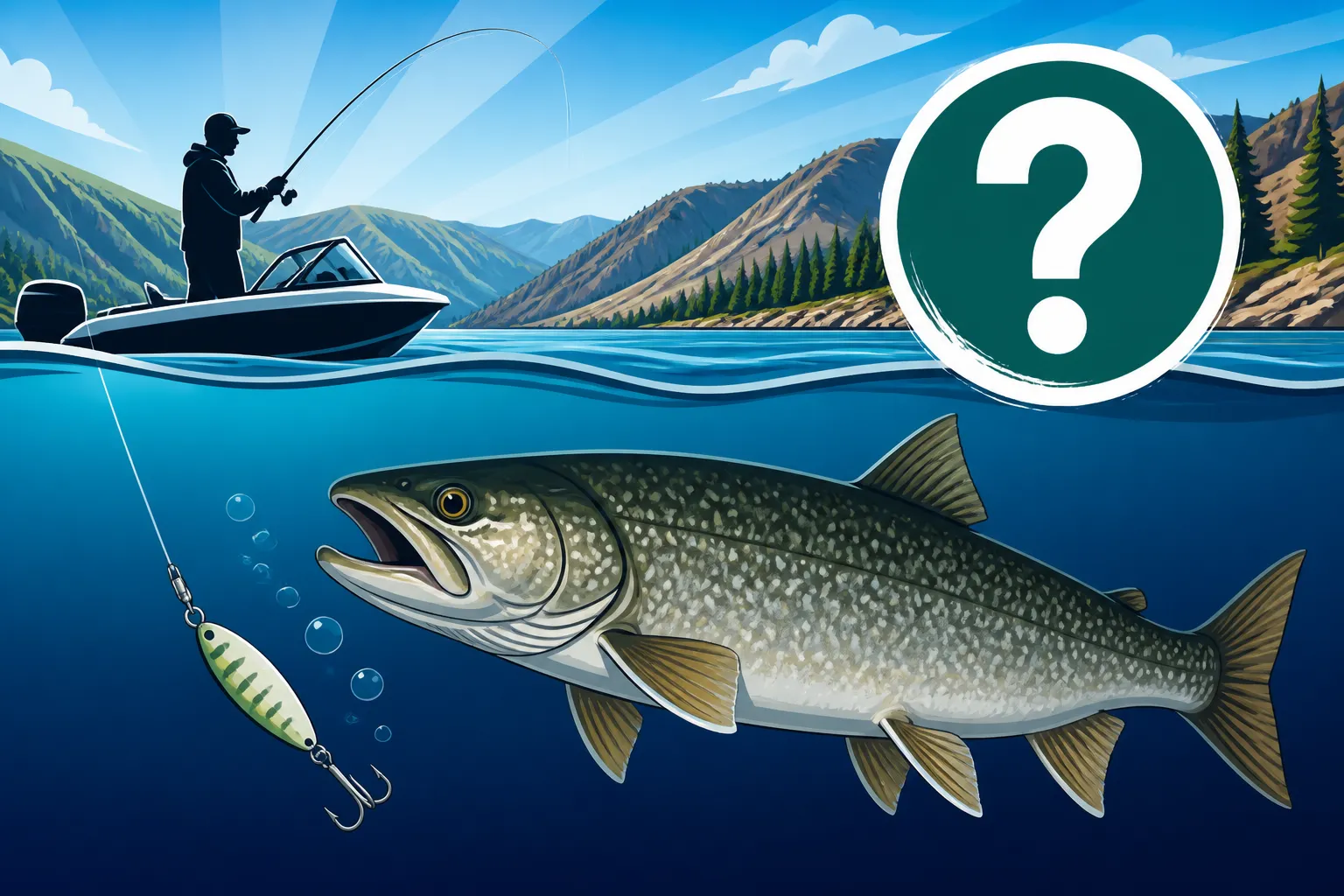
It's a common question among Washington anglers, and frankly, a very smart one: is Lake Chelan truly a prime spot for chasing deep-water Mackinaw, also known as Lake Trout? Many of us have heard the whispers of monster fish lurking in its depths, but often, the sheer size and profound mystery of Chelan can feel intimidating. This guide is here to cut through the speculation, offering a comprehensive look at why Lake Chelan is indeed a fantastic destination for targeting these elusive, powerful predators, and exactly how you can increase your chances of success.
Lake Chelan's Incredible Mackinaw Potential
Lake Chelan isn't just a pretty face; it's a geological marvel that provides the perfect habitat for thriving Mackinaw populations. This isn't just some local legend; the science behind it is pretty clear, and the fishing results speak for themselves, even if these fish make you work for them!
Why Lake Chelan is a Mackinaw Paradise
First off, let's talk about depth. Lake Chelan is the deepest natural lake in Washington State, plunging to over 1,486 feet in some spots. This incredible depth means it stays exceptionally cold year-round, which is exactly what Mackinaw love. They are cold-water fish, perfectly adapted to these frigid, oxygen-rich environments. The lake's vastness also offers them an enormous amount of territory to roam, feeding on abundant forage fish. Imagine a world of deep canyons and expansive underwater plateaus – that's their playground.
Beyond the depth, the water clarity of Lake Chelan is truly astounding. On a calm day, you can often see down 30 or 40 feet, sometimes even more. This crystal-clear water, while beautiful, also means Mackinaw can be incredibly spooky. They’ve got excellent eyesight, making them particularly wary of shadows, boat noise, and unnatural presentations. It adds an extra layer of challenge, but also immense satisfaction when you finally hook into one of these deep-dwelling giants. The sheer volume of water also helps distribute the fish, meaning you’re not typically fishing over a concentrated school like you might with other species.
The Abundance of Forage for Lake Trout
Mackinaw don't get big on good looks; they get big by eating. And in Lake Chelan, their primary food source is the kokanee salmon. These landlocked sockeye salmon are incredibly prolific in Chelan, providing a rich, fatty diet that allows Mackinaw to grow to truly impressive sizes. If you've ever spent time Jigging for Kokanee in Washington Lakes, you know how abundant they can be, particularly during certain seasons. Where there are kokanee, there will be Mackinaw, often shadowing the schools, waiting for their opportunity.
The relationship between Mackinaw and kokanee is crucial. Understanding the movements and depths of kokanee throughout the year is often the key to locating Mackinaw. For example, during the summer months, kokanee tend to suspend deeper in the water column, seeking cooler temperatures and plankton. This means the Mackinaw will follow suit, often found at similar depths, sometimes even deeper. Without this robust forage base, Lake Chelan simply wouldn't be able to support the trophy-sized Mackinaw that anglers dream of. The interplay between these two species defines much of the fishing strategy on the lake.
Understanding Lake Chelan's Unique Environment
Fishing Lake Chelan for Mackinaw isn't like fishing a typical shallow lake or a bustling river. It demands respect for its vastness and an understanding of its unique characteristics. The sheer scale can be daunting, but once you begin to break it down, it becomes more manageable and, frankly, exhilarating.
Navigating the Lake's Vast Depths
Lake Chelan stretches for over 50 miles, a long, narrow ribbon of water that winds its way through the mountains. This means "the lake" isn't a single, uniform fishing ground. The upper reaches, often referred to as the "upper lake," tend to be deeper and more remote, while the lower lake, closer to the town of Chelan, can see more recreational boat traffic. Each section has its own nuances, and Mackinaw will utilize different parts of it depending on the season, water temperature, and kokanee movements.
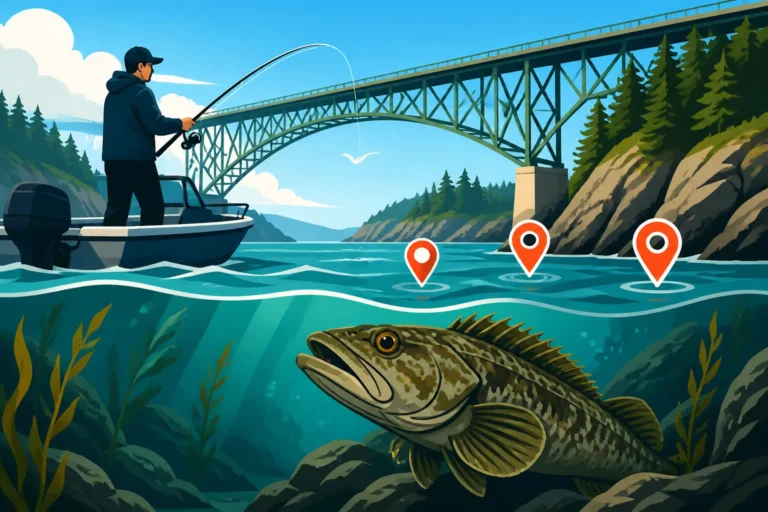
Successfully navigating these depths often requires good sonar and GPS technology. You're not just looking for fish; you're looking for structure – underwater points, humps, ledges, and channels that might concentrate kokanee or provide ambush points for Mackinaw. Anglers often spend a significant amount of time just scouting, marking promising spots on their chartplotters before ever dropping a line. Being able to read your electronics and understand what they're telling you about the bottom contour and bait presence is arguably more important here than in many other fisheries.
Seasonal Patterns for Mackinaw
The seasons play a huge role in how and where Mackinaw can be found in Lake Chelan. While you can catch them year-round, certain times of the year are definitely more productive or require specific adjustments. For example, in late winter and early spring, Mackinaw might be found relatively shallower as the entire water column is colder and kokanee haven't fully descended. As the surface waters warm in summer, both kokanee and Mackinaw retreat to deeper, cooler zones.
This means your gear, presentation, and even your fishing hours might need to change drastically from one season to the next. Understanding Washington Fishing Seasons: A Month-by-Month Guide can give you a broader context for how fish behavior shifts throughout the state, but Chelan, with its unique characteristics, often has its own micro-seasons within these general trends. Fall can be a fantastic time as fish become more active, feeding heavily before winter, and often you'll find them closer to spawning grounds.
| Season | Typical Depth Range | Preferred Techniques | Mackinaw Behavior |
|---|---|---|---|
| Spring | 80-200 feet | Trolling, Jigging | More active, chasing bait |
| Summer | 150-350 feet+ | Deep Trolling, Vertical Jigging | Deep, lethargic, following kokanee |
| Fall | 100-250 feet | Trolling, Jigging | Aggressive feeding, pre-spawn |
| Winter | 50-150 feet (ice-out) | Trolling, Jigging | Slow, but can be shallower after turnover |
Essential Techniques for Deep-Water Mackinaw
If you’re serious about hooking into a trophy Mackinaw on Lake Chelan, you need to be prepared for deep-water fishing. This isn't your grandpa's bobber and worm setup; we're talking specialized gear and precise techniques to reach fish often hundreds of feet below the surface.
Mastering Deep-Water Trolling
Trolling is arguably the most consistent method for catching Mackinaw in Lake Chelan. Because these fish are often spread out over vast areas and can be found at extreme depths, covering water effectively is key. This usually means employing downriggers, which allow you to precisely control the depth of your lure. Most serious Mackinaw anglers will run at least two downriggers, often more, deploying different lure styles and depths to find what the fish are keying in on.
When you're trolling for Mackinaw, boat speed is critical. It's often much slower than what you might imagine for other salmonids, typically in the 1.5 to 2.5 miles per hour range, but it's important to experiment. The goal is to give your lures a natural, enticing action. Another crucial component is the use of flashers or dodgers. These aren't just for attracting attention; they impart a specific action to your trailing lure, mimicking the erratic movement of an injured kokanee. Pay close attention to what other anglers are having success with, but don't be afraid to try different combinations of flashers and lures.
Effective Jigging Strategies
While trolling covers more water, vertical jigging can be incredibly effective when you've pinpointed a school of Mackinaw or a specific piece of structure holding fish. This technique is more active and requires a good understanding of your fish finder. You'll often see guides and seasoned anglers hovering directly over marked fish, dropping heavy jigs or specialized spoons down to their depth.
The key to successful jigging for Mackinaw is in the presentation. It’s not about wildly flailing your rod; it’s about controlled lifts and falls, mimicking a wounded baitfish. Different jigs work better at different times, but heavy metal jigs, large tube jigs, or even massive blade baits can be highly effective. The retrieve often involves a sharp lift, followed by a controlled fall, allowing the lure to flutter or dart. Sometimes a slow, methodical retrieve is best, while other times a more aggressive action will trigger a strike. Keep an eye on your sonar for fish reacting to your jig; that's your immediate feedback loop.
Choosing the Right Gear
Your gear choices are paramount when targeting deep-water Mackinaw. Forget your trout rod; you need something robust. Heavy-action trolling rods, typically 7 to 9 feet long, paired with large capacity baitcasting reels are standard. These reels need to hold a lot of line, often 300+ yards of braided line, which has minimal stretch and allows for better depth control and sensitivity at extreme depths. On top of the braid, many anglers will splice in a fluorocarbon leader of 20-30 lb test, which is virtually invisible underwater and offers excellent abrasion resistance against those toothy Mackinaw mouths.
Lures can vary widely, but common choices include large plugs, spoons, and flies. Brands like Silver Horde, Luhr Jensen, and Mac's Lures are very popular on Chelan. Color patterns often mimic kokanee: silver, blue, green, and chartreuse are perennial favorites. Don't forget the importance of sharp hooks; Mackinaw have tough mouths, and a dull hook means missed opportunities. Regularly check and sharpen your hooks, or replace them if necessary. For those curious about the nuances of Reading the Washington Sport Fishing Regulations Pamphlet, remember to always double-check gear restrictions specific to Lake Chelan or any other body of water you're fishing.
Planning Your Lake Chelan Mackinaw Trip
A successful Mackinaw trip to Lake Chelan involves more than just having the right gear and techniques; it also requires careful planning and a good understanding of the local conditions and regulations. The last thing you want is to be caught off guard by a rule you didn't know about or to miss the peak fishing window.
Navigating Regulations and Seasons
Washington State fishing regulations can be complex, and Lake Chelan often has its own specific rules. Before you even think about launching your boat, make sure you have a valid Washington fishing license. Whether you're a resident or a non-resident, the state offers various options, and knowing your Washington Fishing License Guide for Nonresidents can save you a headache. Pay close attention to Mackinaw-specific rules for Lake Chelan regarding bag limits, size restrictions, and any special endorsements. These rules can change annually, so always consult the most current WDFW regulations pamphlet or website.
It's also crucial to understand that even within Lake Chelan, certain areas might have different rules or recommendations. For example, some sensitive areas might have different bait restrictions or seasonal closures to protect spawning fish or other species. Always make sure you're aware of the specific marine areas or sections of the lake you plan to fish. You wouldn't want to accidentally be fishing in an area designated for Catch-and-Release Rules During Wild Steelhead Closures if you're targeting Mackinaw.
Hiring a Local Guide for Mackinaw
For anglers new to Lake Chelan, or those looking to maximize their chances of success, hiring a local fishing guide is an invaluable investment. These professionals spend countless hours on the water and possess an intimate knowledge of the lake's ever-changing conditions, Mackinaw movements, and the most effective techniques. They'll have all the specialized gear, from calibrated downriggers to the perfect spread of lures, and they can put you on fish faster than you could ever hope to do on your own.
When you're ready to book that deep-water Mackinaw trip, platforms like FishingBooker can connect you with experienced local guides who specialize in Lake Chelan. Look for guides with strong reviews and a clear focus on Mackinaw fishing. A good guide will not only help you catch fish but will also teach you the nuances of deep-water fishing, how to read your electronics, and the best ways to present your lures. They are an amazing resource, especially on a lake as vast and challenging as Chelan. If you're wondering about the cost, a full breakdown can be found in a guide like What a Washington Guided Fishing Trip Costs.
Essential Boat and Safety Considerations
Lake Chelan can get rough, especially when the wind kicks up or when recreational boat traffic is high. For deep-water Mackinaw fishing, a sturdy boat with reliable electronics is essential. You'll need a boat capable of handling choppy conditions, with ample space for downriggers, multiple rods, and, hopefully, your catch! Always ensure your boat is properly equipped with all required safety gear, including life jackets, flares, a marine radio, and a first-aid kit.
Beyond the boat itself, having a quality fish finder/chartplotter combo is non-negotiable. Being able to mark depths, identify structure, and spot schools of kokanee or individual Mackinaw is critical. Take the time to learn how to use your electronics effectively before your trip. The water in Chelan is cold, and while beautiful, it can be extremely dangerous if an accident occurs. Always let someone know your float plan, and never take unnecessary risks. A successful trip is always a safe trip, so be prepared for anything the lake can throw at you.
Disclaimer
Please remember that fishing regulations, seasons, and local conditions can change frequently. Always consult the latest Washington Department of Fish and Wildlife (WDFW) regulations before planning your fishing trip to ensure compliance and to stay informed about any emergency rule changes.