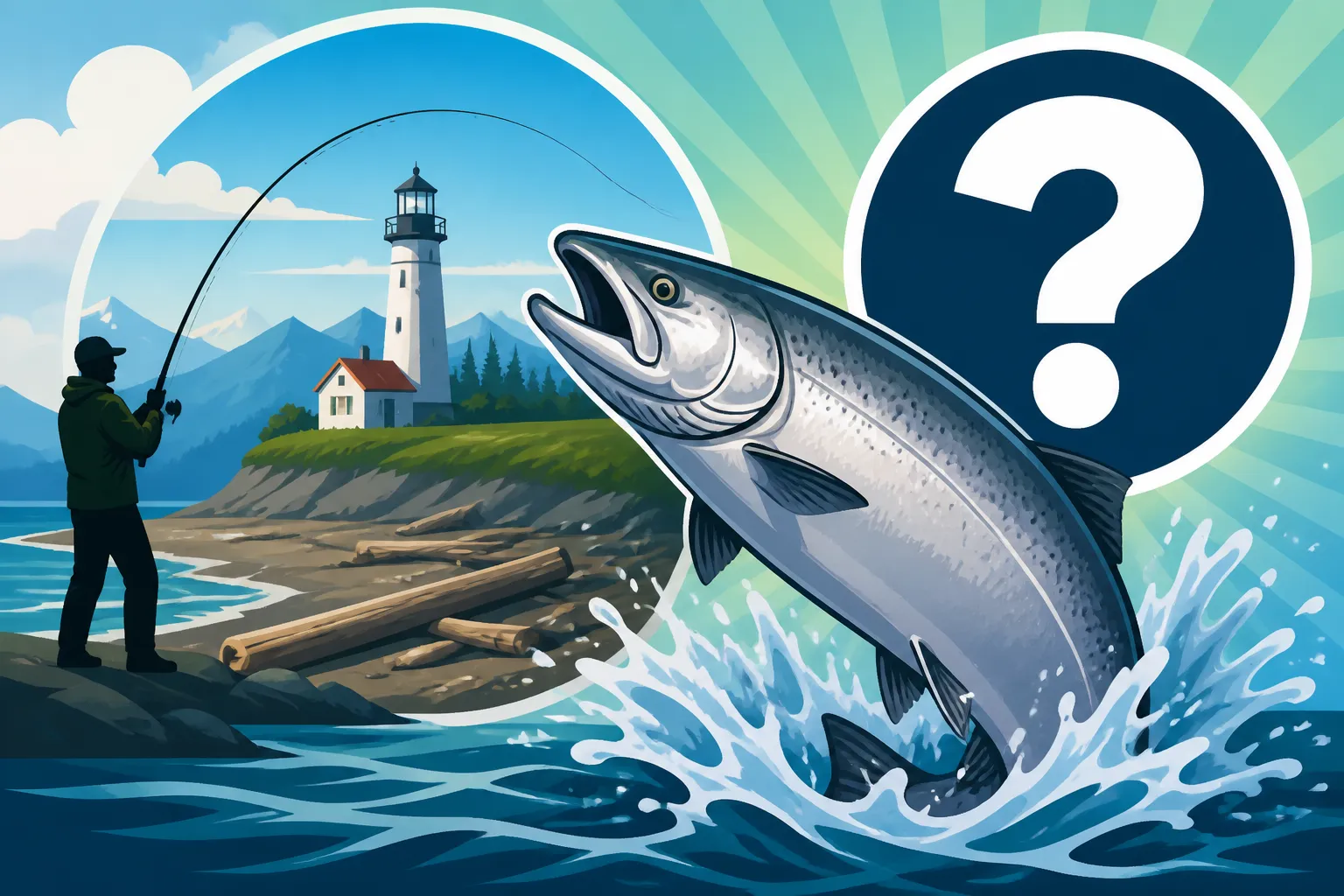
Is Point No Point Good for King Salmon?
It’s a common dilemma for Washington anglers: you hear whispers of a great salmon spot, maybe a picture of a monster King Salmon caught there, and suddenly, you’re wondering if it’s truly the holy grail. Point No Point is one of those legendary names that often comes up, particularly when talking about Chinook, or King Salmon. This guide will dive deep into why Point No Point has earned its reputation and what you can genuinely expect when targeting these magnificent fish here, helping you plan your next angling adventure with confidence.
Understanding Point No Point as a King Salmon Hotspot
Point No Point, located at the northern tip of the Kitsap Peninsula in Hansville, truly is a special place in Puget Sound. It’s a convergence zone, a funnel, and a natural chokepoint for migrating salmon making their way to various rivers and hatcheries further south and east. For King Salmon, in particular, this geographic quirk makes it an irresistible, often incredibly productive, fishing ground. But it’s not just its location; there’s a whole ecosystem at play that makes this spot shine.
The Unique Geography and Current Dynamics
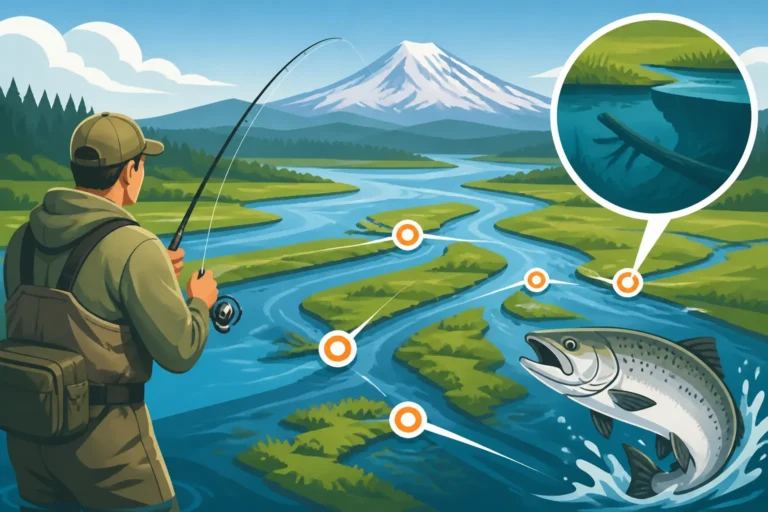
Imagine a giant underwater funnel. That’s essentially what Point No Point represents. As the currents from Admiralty Inlet and the Strait of Juan de Fuca push into Puget Sound, they converge and accelerate around this narrow spit of land. This creates an incredibly dynamic marine environment with strong rips, eddies, and upwellings that concentrate baitfish – the primary food source for hungry King Salmon. These powerful currents also act as a natural migratory highway for salmon heading towards rivers like the Puyallup, Nisqually, and even the Fraser River in Canada during certain runs. Salmon, being energy-efficient creatures, often use these currents to their advantage, staging and feeding in the turbulent waters.
The underwater topography is also a key player. There's a significant drop-off and various submerged structures that provide excellent holding areas for salmon and their prey. This combination of strong currents and complex bottom structure creates an ideal ambush point for salmon that are actively feeding or simply resting before continuing their journey. It’s why you'll often see a flotilla of boats congregating here during peak seasons, all trying to tap into this unique natural phenomenon. Understanding the precise current direction and speed is critical; a strong tide can sometimes make fishing difficult, but it’s often what brings the fish in.
Historical Performance and Local Lore
Point No Point has a storied history among local anglers, often spoken of with a mix of reverence and frustration, depending on the day's catch. For decades, it has been synonymous with robust Chinook fishing, especially during the summer and fall runs. While specific returns fluctuate year to year based on hatchery production, ocean conditions, and river escapement goals, the potential for big Kings always exists here.
Local tackle shops and veteran guides will tell you tales of triple hook-ups and personal bests landed right off the point. This isn't just a random spot; it's a known quantity. The sheer number of salmon that pass through here annually ensures that if you put in your time and employ the right techniques, your chances of encountering a King are significantly higher than in many other areas of Puget Sound. Of course, like any fishing hot spot, it can get crowded, especially on sunny summer weekends. But that crowd is often a testament to the spot's consistent productivity. It’s not uncommon to hear stories of a truly massive Chinook, often referred to as a "hog" or a "tackle-buster," being landed from either a boat or even the beach at Point No Point. This lore keeps anglers coming back, hoping to write their own chapter in the point's rich fishing history.
Prime Seasons and Tides for King Salmon at Point No Point
Timing is everything when it comes to salmon fishing, and Point No Point is no exception. Knowing when the fish are likely to be present and when they are most active can dramatically improve your success rate. It's a combination of understanding the biological rhythms of the Chinook and the daily dance of the tides.
When Chinook Salmon Run Through Point No Point
Point No Point sees migrating salmon throughout much of the year, but for King Salmon (Chinook), there are definitely peak windows. Generally, you're looking at two primary seasons when these magnificent fish move through this bottleneck:
- Summer Chinook (Late June through August): This is often considered prime time for many Puget Sound salmon fisheries. As the ocean-bright fish begin their migration into the Sound, Point No Point acts as one of the first major staging and feeding grounds. These fish are usually aggressive, actively feeding, and offer a fantastic fight. This period aligns with many of the larger runs heading towards southern Puget Sound and even into the Fraser River in British Columbia. If you're looking for information on When Chinook Salmon Run in Washington's Puget Sound, this summer window is crucial. The larger the run, the more consistent the fishing tends to be at the point.
- Fall Chinook (September through October): While often overlapping with coho and chum salmon runs, fall Chinook also pass through Point No Point, albeit sometimes in smaller numbers compared to the summer peak. These fish are typically more focused on reaching their spawning grounds, so while they may be less inclined to feed aggressively, they are still present and can be targeted effectively with the right presentations. You might encounter larger, more mature fish during this time, often with a darker, more spawning-phase coloration.
It's vital to remember that these are general guidelines. The exact timing and strength of salmon runs vary year to year. Always check the latest Washington Department of Fish and Wildlife (WDFW) regulations and season forecasts. Sometimes, Emergency Rule Changes: Why Washington's Rules Shift Mid-Season can occur, impacting open dates or gear restrictions, so staying informed is crucial.
Tides and Currents: The Angler's Best Friend (or Foe)
The tidal exchange at Point No Point is incredibly powerful, and mastering its rhythm is paramount for King Salmon success. Strong currents are a double-edged sword: they bring in the bait and position the salmon, but they can also make it challenging to keep your gear in the strike zone.
Anglers often prefer the periods around a tide change, especially the slack tides and the early stages of the incoming or outgoing tide.
- Slack Tide: This is when the water movement slows down significantly between the ebb and flood. While the fishing can sometimes slow during the dead slack, the minutes just before and after are often highly productive. Salmon can move more freely, and your gear is easier to control.
- Incoming (Flood) Tide: As the tide rushes in, it can bring fresh baitfish and new schools of salmon into the area. Many anglers find the first few hours of a strong flood tide to be excellent for King Salmon at Point No Point, as the fish move against the current, waiting for opportunities.
- Outgoing (Ebb) Tide: Similarly, a strong ebb tide can also be productive, especially if baitfish are being flushed out of shallower areas or if salmon are moving out of the Sound.
For detailed strategies on how these movements impact your fishing, refer to Best Tides for Puget Sound Salmon Fishing in Washington. The key is to pay close attention to the tide charts for Admiralty Inlet or Possession Sound, as these will most accurately reflect the currents at Point No Point. Many experienced anglers use online tools or apps like Navionics or even dedicated tide apps to precisely time their drifts and presentations, especially when boat fishing. Don't underestimate the power of these currents; they can make or break your day. Booking a guide through platforms like FishingBooker can often provide insights into the optimal tidal windows for your trip.
Essential Techniques and Tackle for Point No Point Kings
Fishing Point No Point, especially for powerful King Salmon, requires specific techniques and a good understanding of the gear that stands up to these hard-fighting fish. Whether you're trolling from a boat or casting from the beach, precision and robust tackle are your allies.
Trolling Strategies for Success
For boat anglers, trolling is the most popular and often most effective method for King Salmon at Point No Point. The vast open water and migratory nature of the fish lend themselves perfectly to covering ground.
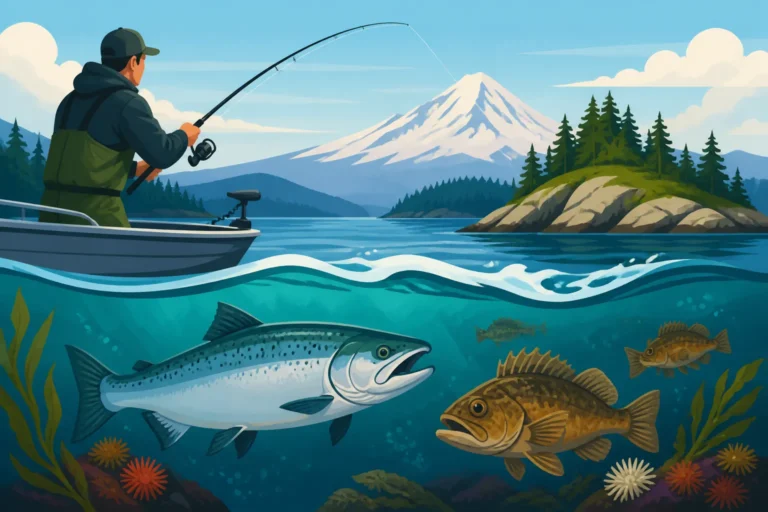
- Downriggers are King: Due to the depth and the need to present lures precisely in the strike zone, downriggers are almost a necessity. Salmon at Point No Point can be found anywhere from 30 to 150 feet deep, often suspended at specific depths where bait is concentrated. Having multiple lines at different depths increases your chances.
- Flashers and Hootchies/Spoons: The classic Puget Sound trolling setup involves a flasher followed by a leader and a lure. Flashers, like the Gibbs Delta or Pro-Troll, create flash and vibration that attract salmon. Behind the flasher, popular lures include plastic hootchies (squid imitations) in green, white, or chartreuse, or various spoons like Silver Horde Coho Killers or Tomic Plugs. Herring also remains a top bait choice, either whole or cut-plug, often rigged behind a flasher or dodger. Check out Trolling Herring for Puget Sound Chinook in Washington for detailed rigging tips.
- Speed and Direction: Pay close attention to your trolling speed. Chinook often prefer a slower, more deliberate presentation, typically between 1.5 to 2.5 miles per hour. However, don't be afraid to experiment. The direction of your troll relative to the current can also be critical. Trolling with or against the current will affect your lure's action and depth, so adjust accordingly. Observing other successful boats can give you clues, but adapting to the fish's mood is key.
- Covering Water: Don't just troll in a straight line. Make S-turns or gentle curves to vary the speed and depth of your lures, which can often trigger a strike from a following fish. Pay particular attention to depth changes, bait balls on your sonar, and areas where currents meet.
Bank Fishing from the Point: Tips and Tricks
For those without a boat, Point No Point offers some of the best bank fishing opportunities in Puget Sound for salmon. The public access area, including the historic lighthouse grounds, allows for excellent casting into productive waters. This is where Bank Fishing Techniques for Washington Salmon truly shine.
- Casting Spoons and Jigs: Heavy casting spoons (like a Luhr Jensen Krocodile or P-Line Laser Minnow) and lead jigs are highly effective. You need weight to get your lure out into the current and down to where the salmon are. Cast far and let your lure sink before starting a retrieve. Vary your retrieve speed and add pauses or jerks to mimic a wounded baitfish.
- Mooching: While primarily a boat technique, skilled bank anglers can sometimes "mooch" effectively by casting weighted bait (typically cut-plug herring) and allowing it to drift with the current, then reeling in slowly and repeating. This requires a bit of finesse and understanding of the currents. Mooching for Salmon and How Washington Anglers Do It can provide more details.
- Timing Your Casts: Again, tides are critical. Casting during the slack or the early stages of a tide can make it easier to reach the fish without your lure being immediately swept away. However, sometimes the strongest bites occur right when the current is ripping, so you'll need heavier gear to reach them. Reading Water for Bank-Fishing Salmon will give you great insights into where fish might be holding.
- Safety First: The currents around Point No Point can be strong, and the bottom can be slippery. Always be mindful of your footing and wear appropriate footwear. Also, be considerate of other anglers; this is a popular spot.
Gear Recommendations for Robust Chinook
King Salmon are known for their power and endurance, so your tackle needs to be up to the task. Don't skimp on quality.
- Rods and Reels: For trolling, a sturdy 9-10 foot medium-heavy action rod paired with a high-quality level-wind baitcasting reel (like a Shimano Tekota or Daiwa Saltist) spooled with 25-30 lb monofilament or braided line is ideal. For bank fishing, a longer (10-12 foot) heavy-action rod and a durable spinning reel capable of casting heavy lures is preferred. Think 20-30 lb test main line. For more specifics, consider Rod and Reel You Need for Washington Puget Sound Salmon.
- Line and Leader: Use strong, abrasion-resistant main line. When using braid, a fluorocarbon or monofilament leader of 25-40 lb test is crucial. Chinook have sharp teeth and powerful head shakes that can snap lighter leaders.
- Terminal Tackle: Always carry an assortment of swivels, lead weights (cannonball or banana sinkers for trolling, casting weights for bank fishing), and sharp, strong hooks. Size 3/0 to 5/0 octopus hooks are common for bait, while treble hooks are often found on spoons and plugs. Ensure your snaps and swivels are rated for heavy fish; a lost trophy due to cheap hardware is a heartbreaker.
- Net and Boga Grip: A large, sturdy landing net with a long handle is essential for boat fishing. For bank fishing, consider a robust net or even a Boga Grip to safely handle and release fish, especially if you plan on releasing certain sizes or species.
Navigating Regulations and Maximizing Your Catch
Fishing Point No Point for King Salmon means being acutely aware of the rules. Washington's salmon regulations are complex and change frequently, often to protect vulnerable wild stocks while allowing harvest of abundant hatchery fish. Staying on top of these rules is not just about avoiding fines; it's about being a responsible steward of the resource.
Local Rules and Emergency Changes
Point No Point falls within Marine Area 9, one of Puget Sound's most popular and often most regulated marine areas. This is a critical distinction because regulations can vary significantly from one marine area to another, and Marine Area 9 for Salmon Fishing, Explained is essential reading.
When targeting King Salmon here, you must be aware of:
- Seasons: Salmon seasons in Marine Area 9 are often split into different periods, with specific dates for Chinook, Coho, or other species. These are usually outlined in the annual WDFW Sport Fishing Regulations pamphlet.
- Daily Bag Limits: There will be specific daily limits for King Salmon, often differentiating between hatchery-marked (adipose fin-clipped) and wild (unclipped) fish. Wild Chinook are frequently catch-and-release only, or have very restrictive limits. How to Tell a Chinook From a Coho and understanding fin clips is vital for proper identification and compliance.
- Size Limits: Minimum or sometimes even maximum size limits can apply to King Salmon. Always measure your fish carefully.
- Gear Restrictions: Specific gear types might be required or prohibited, such as barbless hooks, specific leader lengths, or bait restrictions. Washington Fishing Regulations Every Angler Should Know is your foundational guide, but you must also consult the specific Marine Area 9 rules.
- Emergency Closures: Perhaps the most frustrating but necessary aspect of Washington salmon fishing is the potential for Puget Sound Salmon Closures: What Washington Anglers Need to Know. WDFW biologists closely monitor run sizes and can implement emergency closures or rule changes on very short notice to ensure conservation goals are met. This means what was open last week might be closed today. Always check the WDFW website for emergency rule changes before you head out. This proactive check can save you a wasted trip and potential legal trouble.
It's highly recommended to download the MyWDFW or Fish Washington app on your phone, as these are often the quickest ways to access the most current regulations and emergency updates. If you're booking a guided trip through a service like FishingBooker, your guide will be an invaluable resource for current regulations, but it’s always good to be informed yourself.
Respecting the Environment and Fellow Anglers
Fishing in a popular area like Point No Point means sharing the resource and the space. Responsible angling practices are paramount:
- Give Space: Whether on the water or the bank, give other anglers ample space. Avoid crowding someone's drift or casting directly over their line.
- Handle Fish Responsibly: If you're releasing a fish (especially wild Chinook or undersized fish), do so quickly and carefully. Keep the fish in the water as much as possible, use a soft, knotless net, and avoid excessive handling. Using a descending device for bottomfish caught incidentally is also a good practice, though less common for salmon.
- Pack It In, Pack It Out: Leave no trace. Take all your trash, including discarded fishing line and bait wrappers, with you.
- Know Your Limits: Understand and adhere strictly to How Bag and Possession Limits Work in Washington. Don't try to stretch the rules; conservation ensures there will be fish for future generations. If you catch your limit, consider changing species, heading home, or practicing catch-and-release with extreme care if allowed.
- Report Violations: If you witness illegal fishing activity, report it to WDFW enforcement. Protecting the resource is everyone's responsibility.
By understanding the unique characteristics of Point No Point, mastering the appropriate techniques, and diligently following regulations, you can significantly increase your chances of having a memorable King Salmon experience in this iconic Puget Sound location.
Point No Point King Salmon Essentials
To help summarize the key aspects of fishing for King Salmon at Point No Point, here's a quick reference table:
| Aspect | Recommendation | Key Considerations |
|---|---|---|
| Prime Seasons | Late June – August (Summer Chinook); September – October (Fall Chinook) | Always check WDFW regulations for specific open dates and emergency closures. |
| Best Tides | Around slack tide, early incoming, or early outgoing. | Strong currents can be challenging; look for current breaks and eddies. |
| Boat Techniques | Trolling with downriggers, flashers, hootchies, spoons, or cut-plug herring. | Vary speed and depth. Focus on bait balls and structure. |
| Bank Techniques | Casting heavy spoons, jigs; mooching with weighted cut-plug herring. | Long casts are crucial; retrieve speed and action matter. Watch your footing. |
| Recommended Gear | 9-10 ft medium-heavy rods (boat), 10-12 ft heavy rods (bank); 25-40 lb line/leader. | Quality reels, sharp hooks, large net, strong terminal tackle. |
| Marine Area | Marine Area 9 | Rules are highly specific to this area; always check current WDFW pamphlet/website. |
| Key Challenge | Strong currents, crowded conditions, rapidly changing regulations. | Patience, adaptability, and prior research are crucial. |
Disclaimer
Fishing in Washington State carries inherent risks and is subject to rapidly changing regulations. Always consult the official Washington Department of Fish and Wildlife (WDFW) regulations pamphlet and website for the most current rules, seasons, and emergency closures before embarking on any fishing trip. The information provided in this guide is for general informational purposes only and should not be considered a substitute for official WDFW regulations.