Do You Need a Drift Boat for the Sol Duc?
Navigating Washington's incredible rivers can feel like a puzzle, especially when you're trying to figure out the best way to access those elusive fishing holes. The Sol Duc River, with its legendary steelhead runs, is a prime example of a waterway that presents both immense opportunity and significant challenges for anglers. If you've ever found yourself wondering whether you really need a drift boat to effectively fish the Sol Duc, you're not alone. This guide will dive deep into the unique characteristics of this iconic Olympic Peninsula river, explore your options for accessing its waters, and help you decide if a drift boat, a guide, or a dedicated bank-fishing strategy is right for your next Sol Duc adventure.
Understanding the Sol Duc River's Character
The Sol Duc River is more than just a waterway; it's a dynamic, living system that demands respect and understanding from anyone hoping to fish its currents. Flowing from the Olympic Mountains westward towards the Pacific Ocean, it carves a path through dense rainforests, creating a breathtaking, albeit sometimes challenging, fishing environment. Its reputation for incredible wild steelhead runs, particularly during the winter months, draws anglers from far and wide, but its specific characteristics often dictate the most effective fishing strategies.
The River's Unique Flow and Structure
Imagine a river that constantly reshapes itself, a true force of nature, especially after heavy rains common to the Olympic Peninsula. That's the Sol Duc. It’s characterized by a powerful, often swift current, interspersed with deep, boulder-strewn runs, gravel bars, and occasional log jams. The water clarity can vary dramatically from gin-clear on a calm winter day to a chocolate milk torrent after a significant downpour. These conditions mean that what might be a wadeable riffle one week could be a raging, uncrossable channel the next. The riverbed is a mix of cobble, gravel, and large rocks, which provides excellent holding water for fish but can be treacherous for wading. Its constantly shifting nature also means that prime fishing spots can move and change from season to season, making local knowledge invaluable. These characteristics make it a classic river for those seeking the challenge of Wild Steelhead vs Hatchery Steelhead in Washington.
One of the biggest frustrations for bank anglers on the Sol Duc is the sheer density of the surrounding forest. The Olympic National Park and surrounding wilderness areas mean access points are often limited and undeveloped. Steep banks, thick brush, and private property can prevent easy access to long stretches of the river. You might find a promising seam from the road, but getting down to it safely and being able to cast effectively is another story entirely. This topographical reality is a major factor in why specific types of boats have become so synonymous with fishing the Sol Duc.
Why Drift Boats Are So Popular Here
Given the Sol Duc's nature, it quickly becomes clear why drift boats have become the preferred vessel for serious anglers here. A drift boat is designed to float downstream with the current, allowing anglers to cover vast amounts of water that would otherwise be inaccessible. Think about it: a bank angler is confined to a relatively small stretch, often just a few hundred yards, maybe less. A drift boat, however, can put you on miles of prime water in a single day, smoothly gliding over shallow riffles and deep pools alike.
Beyond sheer coverage, drift boats offer a stable, elevated platform for casting and fighting fish. When you're standing on a slippery, uneven river bottom or struggling with overhead branches from the bank, landing a powerful Steelhead: Washington's Ocean-Run Rainbow Trout can be incredibly difficult. In a drift boat, you have a solid footing, better visibility of the water, and the ability to maneuver the boat to gain an advantage during a fight. This stability is particularly crucial when employing techniques like Drift Fishing for Steelhead in Washington Rivers, where precise lure placement and controlled drifts are key. The ability of the guide or rower to "hold" the boat in a key seam or slow down through a promising run dramatically increases your chances of presenting your bait or fly perfectly. It’s about more than just getting downstream; it’s about maximizing your time in prime fish-holding water, something that bank anglers often struggle to achieve consistently on a river like the Sol Duc.
The Realities of Fishing the Sol Duc Without a Drift Boat
While a drift boat offers undeniable advantages, it's certainly not the only way to fish the Sol Duc. Many anglers prefer the challenge and intimacy of bank fishing or wading. However, it’s crucial to go into this endeavor with realistic expectations and a thorough understanding of the river's challenges when not using a boat.
Accessing Prime Bank Fishing Spots
Finding good bank access on the Sol Duc can feel like searching for a needle in a haystack, especially for those unfamiliar with the area. Unlike some other Washington rivers with extensive public access points or developed shorelines, much of the Sol Duc flows through remote, forested terrain. Your best bets often lie near bridges, specific public parks, or designated access areas managed by the Washington Department of Fish and Wildlife (WDFW) or the Olympic National Park.
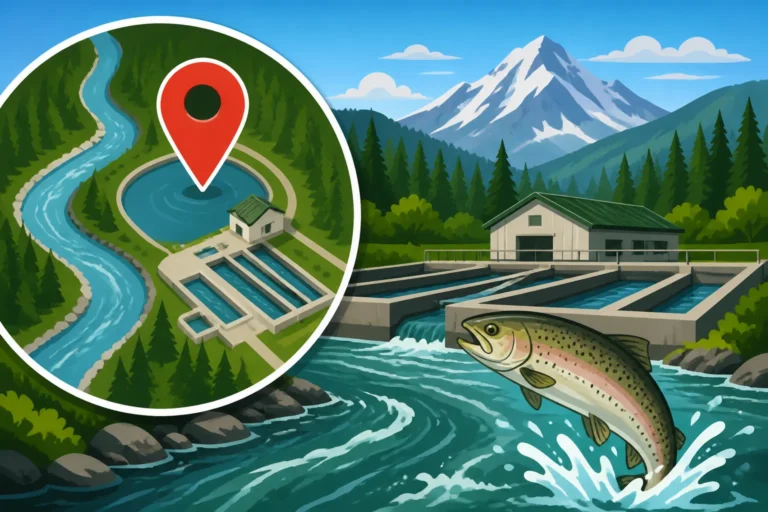
For instance, the Sol Duc Hatchery area often provides some bank access, as does the area around the Sol Duc Campground within the Olympic National Park. These spots are usually more heavily fished due to their accessibility, but they can still yield fish, especially during peak runs. You might also find small pull-offs along Highway 101 or Olympic Hot Springs Road, but these often require a scramble down steep, slick banks, and many are on private property, so always be mindful of signage and respect landowners. Local knowledge is truly king here. Asking at local tackle shops in Forks or Clallam Bay can sometimes provide invaluable, up-to-date information on accessible spots, particularly if you explain your intentions to fish from shore. Just remember, these spots can get crowded, especially during prime Washington Fishing Seasons: A Month-by-Month Guide for steelhead.
When you do find a good bank spot, be prepared for limited casting room due to the dense vegetation. Overhand casts might be impossible, requiring you to master roll casts or switch casts if you're fly fishing, or careful side-arm casts with conventional gear. Getting a good drift in the main current from the bank can also be challenging due to eddies, snags, and varying water depths close to shore.
Wading: When It's Possible and When It's Not
Wading on the Sol Duc is a high-risk, high-reward proposition. On one hand, it allows you to explore pockets of water away from the immediate bank, extending your reach and potentially finding less-pressured fish. On the other hand, the Sol Duc is a powerful river with a notoriously slippery, uneven bottom, and fluctuating water levels. Even experienced waders can find themselves in precarious situations.
Generally, wading is only advisable during periods of lower, clearer water, typically in late summer or early fall before the heavy winter rains arrive, or during extended dry spells in winter. Even then, exercise extreme caution. Always use a sturdy wading staff, wear a reliable wading belt, and invest in good quality wading boots with aggressive felt or studded soles for maximum grip. Never wade alone, and always let someone know where you're going and when you expect to return. Be acutely aware of sudden increases in water flow, which can happen rapidly after upstream rainfall, turning a manageable wading section into a dangerous torrent. This is especially important when checking Emergency Rule Changes: Why Washington's Rules Shift Mid-Season, as high flows can lead to closures or restrictions.
The river's structure, with its deep pools and swift chutes, often means that truly effective wading access to the best fish-holding lies is simply not possible or safe. Many of the prime steelhead runs are in the middle of the river or along the far bank, requiring a full-river crossing that is frequently too deep and fast to attempt. If the water is above your knees and moving swiftly, it's generally best to reconsider wading that section.
Gear Considerations for Shore-Bound Anglers
For those committed to fishing the Sol Duc from the bank or by wading, specific gear choices can significantly improve your experience and safety.
- Rods and Reels: A longer rod (10-11 feet for spinning/casting, or 12-14 feet for Spey/switch rods) is a huge advantage. The extra length helps you manage your line, achieve longer casts from cramped bank positions, and keep your line clear of bankside obstructions. A good quality reel with a smooth drag is essential for battling powerful steelhead.
- Line and Leader: Opt for heavier mainline than you might typically use on smaller rivers, often 15-20 lb braided line for conventional gear or strong running line for fly setups, to contend with the Sol Duc’s current and potential snags. For leaders, fluorocarbon in the 10-15 lb range is a good choice for its abrasion resistance and low visibility.
- Terminal Tackle: A variety of weights (pencil lead, slinkies, split shot) will be necessary to achieve proper drifts in varying current speeds and depths. For bait anglers, good quality cured roe, shrimp, or sand shrimp are classics. For lure fishermen, spoons, spinners, and jigs can be effective. Fly anglers will need a selection of weighted intruder patterns, Hoh Bo Speys, and various nymph and egg patterns to match conditions.
- Wading Gear: As mentioned, a stout wading staff is non-negotiable. Quality breathable waders and a good wading jacket are vital for staying comfortable in the often-chilly and wet Olympic Peninsula weather. Consider studs for your wading boots for extra grip on slippery rocks. Don't forget your fishing license! You can learn more about where to get one in the guide, Where and How to Buy a Washington Fishing License.
- Safety Essentials: A personal flotation device (PFD) is always a good idea when wading any significant river, especially one with the Sol Duc's reputation. Carry a small first-aid kit, a whistle, and a means of communication (a fully charged cell phone in a waterproof bag, or a satellite messenger if in truly remote areas). Always dress in layers, and bring Rain Gear You Need for Winter Steelheading.
When a Drift Boat Becomes Essential (or Highly Recommended)
While bank fishing the Sol Duc is possible, there are undeniably situations and aspirations where a drift boat transitions from a luxury to an essential tool. Understanding these scenarios can help you make an informed decision about your approach.
Covering Water and Reaching Untouched Runs
The biggest, most undeniable advantage of a drift boat on the Sol Duc is its ability to cover mileage. A skilled drift boat angler and rower can systematically fish several miles of river in a day, presenting their offerings to countless prime holding lies that are simply unreachable from the bank. Imagine drifting past a series of deep, dark pools, then shallow, gravelly riffles, then another deep slot under a log jam – all in one continuous, controlled motion. This allows for a comprehensive approach that bank fishing can’t replicate.
Many of the most productive runs on the Sol Duc are located in the middle of the river or against the far bank, areas that are either too deep to wade or too far for a consistent cast from the shore. A drift boat places you directly in these prime zones. This is especially true during higher water conditions, when the river spreads out, and fish often hold in areas with less current that are surrounded by deep water. Without a boat, these spots are effectively closed off, severely limiting your opportunities. For anglers who want to experience the full potential of the Sol Duc’s fishery, especially targeting those elusive Winter vs Summer Steelhead Runs in Washington, Explained, a drift boat offers unparalleled access and efficiency.
Safety and Efficiency on Larger Drifts
Beyond just access, a drift boat provides a significant safety advantage on a powerful river like the Sol Duc. Wading, as discussed, carries inherent risks. From the relative safety and stability of a drift boat, you’re less exposed to fast currents, slippery rocks, and the sheer force of the river. If you hook a large fish, you have the ability to maneuver the boat to fight the fish effectively and safely, often moving with it downstream rather than being pulled off your feet or into precarious positions.
The efficiency a drift boat brings to the table is also remarkable. Instead of spending precious fishing time bushwhacking, scrambling down banks, or carefully wading, you're constantly fishing. A good rower can position the boat perfectly for each cast, ensuring your lure or fly is presented in the most productive manner. This means more casts in prime water, and ultimately, more opportunities to hook a fish. For serious anglers looking to maximize their time on the water and increase their chances of success, especially on multi-mile floats that characterize the best Sol Duc trips, a drift boat is a game-changer.
Exploring Guided Drift Boat Trips
If the thought of navigating the Sol Duc in a drift boat sounds appealing but you don't own one, or perhaps you're just not experienced in rowing a large river, booking a guided trip is an excellent solution. Professional guides operating on the Sol Duc have intimate knowledge of the river's ever-changing conditions, fish habits, and access points. They not only provide the drift boat but also all the necessary gear, expertise, and safety equipment.
A guided trip eliminates the logistical headaches of shuttling vehicles, figuring out launch and take-out spots, and deciphering complex river maps. The guide's sole focus is putting you on fish and ensuring a safe, enjoyable experience. They know where the fish are holding based on current water levels and conditions, and they can adjust tactics on the fly. This local knowledge is priceless, especially for a river as nuanced as the Sol Duc. Many excellent guides offer trips here, and you can often find them listed on platforms like FishingBooker, which makes finding and booking a reputable outfitter straightforward. When booking, always make sure to ask What to Bring on a Washington Fishing Charter and whether you need to bring your own Washington Fishing License Guide for Nonresidents.
Moreover, a guide can teach you specific techniques that work best for the Sol Duc, whether it's side-drifting bait, swinging flies, or jigging. They understand the nuances of the river and can provide personalized instruction. For many, the investment in a guided trip represents the best chance at success and a deeper understanding of this incredible fishery, all from the comfort and effectiveness of a well-equipped drift boat. You can find out more about reputable outfitters through guides like Washington's Olympic Peninsula Steelhead Guides.
Weighing Your Options: DIY vs. Guided Adventure
Deciding how to tackle the Sol Duc often comes down to personal preference, budget, and experience. Both going solo without a boat and opting for a guided drift boat trip have their distinct advantages and disadvantages.
Pros and Cons of Going Solo Without a Boat
Let's be real: fishing the Sol Duc from the bank or wading can be incredibly rewarding. There’s a special satisfaction in earning your fish through sheer persistence and intimate knowledge of a small stretch of water. It’s also generally more budget-friendly than a guided trip. However, it's not without its drawbacks, especially for this particular river.
| Aspect | Pros of Solo/Bank Fishing | Cons of Solo/Bank Fishing |
|---|---|---|
| Cost | Significantly cheaper, only requiring gear and license. | None, other than opportunity cost of not fishing prime water. |
| Flexibility | Can fish whenever and wherever public access allows, no fixed schedule. | Limited access points, making it hard to find good spots consistently. |
| Water Coverage | Focuses on a small, intimate stretch, fostering deep understanding. | Cannot cover significant mileage; many prime lies are inaccessible. |
| Safety | Avoids the risks of river navigation for inexperienced boaters. | Wading can be dangerous due to fast currents and slippery bottoms. Remote areas are isolated. |
| Success Rate | Can be high if you find a good, unpressured spot and master bank techniques. | Often lower due to limited access to key fish-holding water and casting challenges. |
| Learning Curve | Challenges force you to develop keen observational and casting skills. | Very steep for understanding complex river dynamics and fish behavior from shore. |
| Gear Required | Can be done with basic gear, though specialized long rods are helpful. | Requires robust wading gear and safety equipment for any wading attempt. |
| Physical Effort | Can involve significant hiking, scrambling, and careful wading. | Can be strenuous, especially in winter conditions and difficult terrain. |
| Privacy/Crowds | Can find solitude in less accessible areas. | Accessible spots can be crowded, especially during peak season. |
| Overall Experience | Sense of accomplishment, intimate connection to the river. | Frustration from limited access, missed opportunities, and safety concerns. |
As you can see, the DIY bank approach is definitely viable, but it comes with a particular set of challenges on the Sol Duc. It really suits anglers who enjoy the grind, are highly mobile, and perhaps have years of experience reading similar rivers. For others, the limitations can quickly lead to frustration.
The Value of a Professional Guide on the Sol Duc
When you boil it down, a professional guide on the Sol Duc isn't just about providing a boat; it's about providing an entire, expertly curated experience. For a river that is as challenging and rewarding as the Sol Duc, the value of a guide often far outweighs the cost, especially for those new to the area or seeking to maximize their chances of success.
First, there's the unparalleled local knowledge. A good Sol Duc guide has spent countless hours on the water, observing fish patterns, understanding how different water levels affect runs, and knowing where fish hold at different times of the season. They know the subtle nuances that only come from years of experience. This means they can put you on fish when a less experienced angler might struggle to even find an access point. This insight is why many anglers choose to consult sites like FishingBooker to secure a spot with a highly-rated, experienced local guide who truly understands the river.
Secondly, a guide provides the essential tools and safety. Their drift boat is custom-built for river conditions, and they're highly skilled at navigating it safely through rapids and around obstructions. They'll have all the right gear, from rods and reels to a diverse selection of flies, lures, and bait, saving you the expense and guesswork of acquiring specialized tackle. They also prioritize safety, carrying first aid, communication devices, and knowing how to handle emergencies. For a first-timer or someone looking for a worry-free day on the water, this peace of mind is invaluable.
Finally, a guided trip is a fantastic learning opportunity. You’ll not only learn effective techniques for the Sol Duc but also gain insights into reading water, understanding fish behavior, and river etiquette. You'll likely see more water and have more productive fishing opportunities in one guided day than you might in several days of trying to go it alone from the bank. While a guide trip represents a higher upfront cost, for many, it's an investment in a memorable, successful, and safe fishing adventure on one of Washington's most iconic steelhead rivers.
Disclaimer
Please remember that fishing regulations, seasons, and access points can change frequently. Always consult the latest Washington Department of Fish and Wildlife (WDFW) regulations pamphlet or website before heading out on the water. This information is for general guidance only and should not replace official sources.