Can You Fish From a Kayak in Puget Sound?
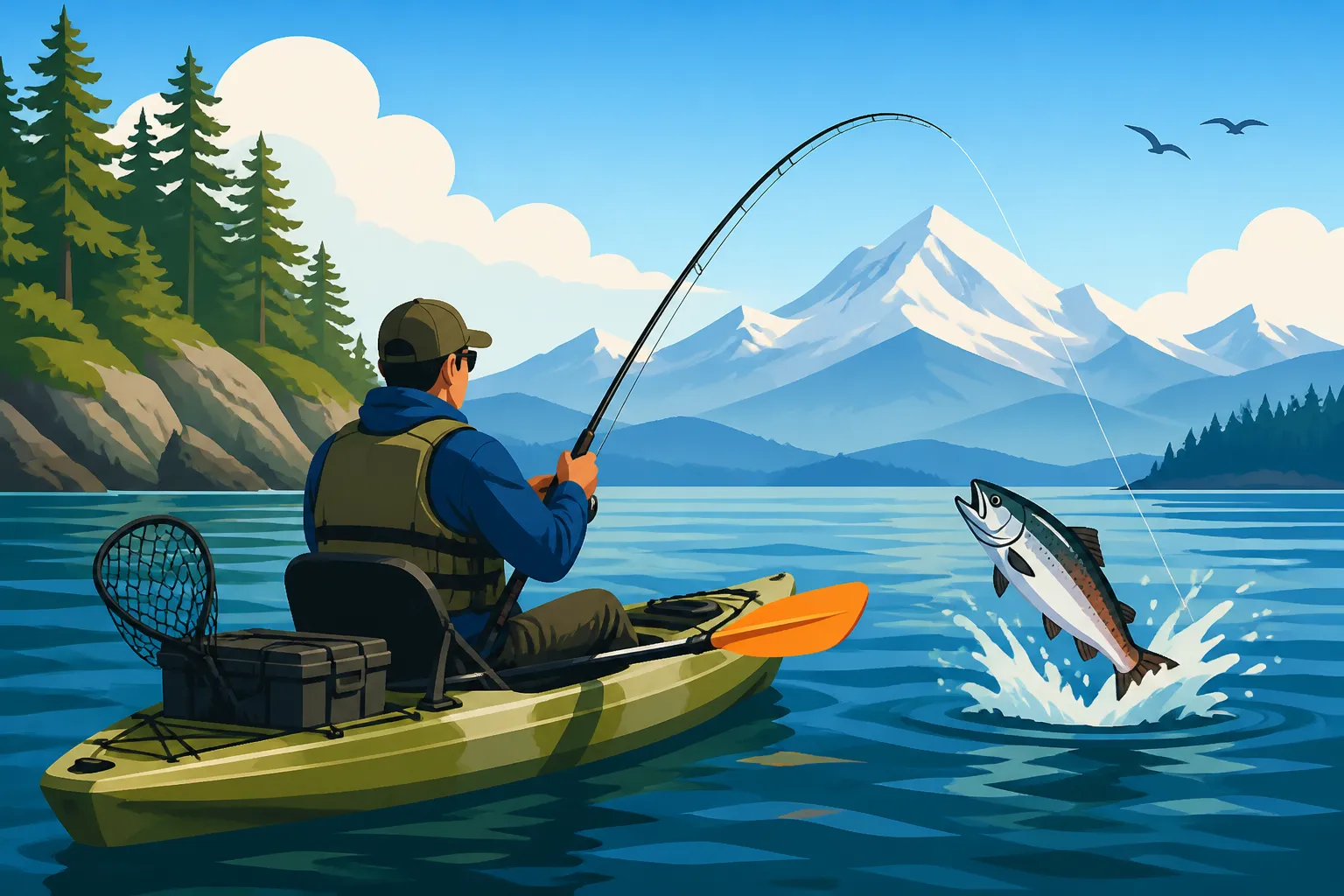
Oh, the sheer thought of gliding silently across the calm, glassy waters of Puget Sound at dawn, paddle dipping gently, with the hopeful promise of a chrome-bright salmon on the line… it's a dream for so many anglers. But then reality hits: isn't Puget Sound a massive, often unforgiving body of water? Can you really fish effectively and safely from a kayak out there? The answer, my friends, is a resounding yes – with the right knowledge, preparation, and respect for the powerful environment you're entering. This guide is all about equipping you with that knowledge, helping you navigate the unique challenges and incredible rewards of kayak fishing in Washington's iconic Puget Sound.
The Allure of Kayak Fishing in Puget Sound
There's something uniquely captivating about kayak fishing, especially in a place as majestic as Puget Sound. It’s a completely different experience from being on a larger powerboat or casting from shore, offering a blend of peaceful solitude and thrilling engagement with nature. For many, it reconnects them with the pure essence of angling.
Why Kayaks are Perfect for Puget Sound (with the right approach)
Let's be real, a kayak isn't going to replace a 25-foot center console for offshore halibut, but for certain types of fishing in Puget Sound, it offers undeniable advantages. First off, there's the stealth factor. Kayaks move silently through the water, allowing you to approach fish without the thrum of an outboard engine spooking them. This can be a game-changer when targeting wary salmon or bottomfish holding close to structure. You become part of the environment, not just an observer.
Secondly, kayaks offer unparalleled access. There are countless coves, estuaries, and shallow kelp beds in Puget Sound that larger boats simply can't reach. Think about those hidden pockets along the shoreline or the quiet corners of bays where baitfish congregate. A kayak slips right in, giving you a chance at fish that rarely see a hook. This also extends to launch points; you don't need a boat ramp with a kayak. A sandy beach or even a gentle bank can be your entry point, opening up a world of less-pressured fishing spots.
Finally, there's the cost-effectiveness and simplicity. No fuel costs, no expensive moorage, and generally lower maintenance. For many anglers who might not be ready to invest in a full-sized fishing boat, a kayak offers an incredibly accessible entry point to the rich fisheries of Puget Sound. It’s an intimate, low-impact way to experience the Sound, and for those who enjoy the physical activity, it’s a fantastic workout too!
Species You Can Target from a Kayak in Puget Sound
Puget Sound is a treasure trove of diverse fish species, and many of them are perfectly suited for kayak anglers. You might be surprised at the variety you can realistically pursue.
Salmon: Oh, the king of Washington fishing! Targeting salmon from a kayak is one of the most popular pursuits. You’ll be primarily looking for Chinook (often called King salmon or Blackmouth when in Puget Sound), Coho (Silver salmon), and sometimes even Chum or Pink salmon during their specific runs. Chinook and Coho are prime targets for kayak anglers, especially during the various When Chinook Salmon Run in Washington's Puget Sound and When Coho Salmon Run in Washington throughout the year. The stealth of a kayak allows you to effectively troll smaller presentations or jig in deeper water where these salmon lurk. Imagine a hard-hitting Chinook peeling line off your reel just feet from your kayak – it's an adrenaline rush like no other!
Lingcod and Rockfish: These toothy bottom dwellers are incredibly fun to catch from a kayak. They often hold tight to rocky reefs, kelp beds, and submerged structures. With a kayak, you can carefully position yourself right over these sweet spots. Jigging heavy lures or dropping down bait is a highly effective method. Just be prepared for a strong fight, and remember to check the Washington Fishing Regulations Every Angler Should Know for specific seasons and bag limits for these species. Lingcod can grow quite large and put up an impressive battle, even from a small craft. Rockfish, while smaller, are plentiful and offer consistent action.
Dungeness Crab: While not strictly "fishing," crabbing from a kayak is absolutely doable and a fantastic way to supplement your catch. Deploying a lightweight crab pot or a ring net from your kayak is surprisingly simple. You can reach prime crabbing grounds in many bays and inlets. Just remember to mark your gear correctly and adhere to all Crabbing and Shellfishing in Washington's Puget Sound regulations regarding size, sex, and limits. A fresh Dungeness crab cooked over a campfire after a day of paddling? Pure bliss.
Navigating the Challenges of Puget Sound Kayak Fishing
While the allure is strong, Puget Sound is not a lake. It's a vast, saltwater environment with strong currents, unpredictable weather, and commercial traffic. Respecting its power and preparing thoroughly is paramount for a safe and successful trip.
Understanding Tides, Currents, and Weather
This is perhaps the single most critical aspect of safe kayak fishing in Puget Sound. Tides are constantly changing, bringing with them powerful currents. A strong incoming or outgoing tide can turn a leisurely paddle into a strenuous battle against the water, or worse, sweep you into dangerous shipping lanes or out into the open Strait of Juan de Fuca. Always check the tide charts for your specific fishing area and plan your trip around slack tides, or use the currents to your advantage for drift fishing. Knowing when the tide will turn is essential for conserving energy and staying safe.
Weather in Washington can shift rapidly. A sunny, calm morning can quickly turn into a windy, choppy afternoon, making paddling extremely difficult and even hazardous. Always check marine forecasts before you launch, and be prepared for changes. Fog can roll in quickly, reducing visibility to mere feet, which is terrifying in a small craft with larger vessels operating nearby. Strong winds can create significant chop and waves, potentially swamping a kayak. Never overestimate your abilities or underestimate the Sound's power.
Essential Safety Gear and Practices for Kayak Anglers
Your safety gear is not optional; it's non-negotiable. Think of it as your life insurance policy on the water.
- Personal Flotation Device (PFD): Wear it. Every single time. No excuses. Even strong swimmers can be quickly incapacitated by cold water shock if they unexpectedly capsize.
- VHF Radio: A handheld VHF radio is crucial for communicating with other vessels and, most importantly, for calling the Coast Guard in an emergency. Cell phones can lose signal in many parts of the Sound, especially near bluffs or in certain coves.
- Paddle Leash: Don't let your most important propulsion system drift away if you drop it.
- Signaling Devices: Carry a whistle, a signal mirror, and ideally, an air horn. At night, a bright headlamp or 360-degree white light is legally required and essential for visibility.
- Knife/Cutting Tool: In case of a line entanglement or other emergency where you need to cut something quickly.
- Pump/Sponge: For bailing out any water that gets into your kayak.
- First-Aid Kit: Basic medical supplies for minor injuries.
- Float Plan: Always tell someone where you're going, when you expect to return, and what your backup plan is. This simple step can save your life if you run into trouble.
- Buddy System: Whenever possible, fish with a friend. Two kayaks are always safer than one.
Beyond gear, practicing self-rescue techniques is vital. Can you get back into your kayak if you capsize in cold water? Practice this in a safe, shallow environment. Understanding cold water immersion and how to prevent and treat hypothermia is also extremely important. Puget Sound waters are cold year-round.
Selecting the Right Kayak and Gear for Puget Sound
Not all kayaks are created equal, especially for fishing in a dynamic environment like Puget Sound.
- Kayak Type: A sit-on-top fishing kayak is almost universally recommended. They are inherently more stable, easier to re-enter if you capsize, and offer plenty of deck space for gear. Look for models specifically designed for fishing, with features like rod holders, storage hatches, and rudder systems for better tracking in wind and current. Brands like Old Town, Hobie, and Native Watercraft make excellent fishing kayaks.
- Stability: Prioritize stability over speed. A wider, flatter hull will be more forgiving in choppy conditions and when fighting a fish.
- Propulsion: While a paddle is standard, many advanced fishing kayaks offer pedal drive systems (like Hobie's MirageDrive or Native's Propel Drive). These are a game-changer for covering ground, fighting fish hands-free, and maintaining position in current. If your budget allows, a pedal drive is a worthy investment for Puget Sound.
- Fish Finder: A compact, waterproof fish finder (e.g., from Humminbird or Lowrance) can significantly improve your success by showing you depth, structure, and bait balls. Many kayaks have transducer scuppers for easy installation.
- Anchor System: A small anchor (2-5 lbs) with a cleat and anchor trolley system is essential for holding your position over structure or in a current. This allows you to effectively bottom fish or jig without constantly paddling.
- Cooler/Fish Bag: A soft-sided, insulated fish bag or a small cooler that can be strapped to your kayak will keep your catch fresh.
Effective Techniques for Kayak Fishing in Puget Sound
Once you're properly equipped and understand the safety aspects, it's time to talk about catching fish! The techniques you'll use from a kayak are often similar to those used from larger boats, just adapted for a smaller platform.
Trolling and Jigging from a Kayak
These are arguably the two most effective methods for targeting salmon and certain bottomfish from a kayak in Puget Sound.
Trolling: This involves paddling or pedaling along while dragging a lure or bait behind you. For salmon, popular trolling setups include:
- Downriggers: Smaller, manual downriggers can be mounted to your kayak, allowing you to get your lures down to the precise depth where salmon are feeding. This is crucial when they are holding deep.
- Flashers and Hootchies/Spoons: A standard salmon setup involves a flasher followed by a short leader to a hootchie (squid skirt) or a spoon (e.g., a "Coho Killer" or "Kingfisher" spoon). Experiment with colors and depths.
- Herring: Trolling with cut-plug herring or whole herring is a classic Puget Sound salmon technique. Rig them correctly for a natural spin.
- Speed: Maintain a consistent trolling speed, often between 1.5 to 3 mph, which you can monitor with a GPS on your fish finder or phone.
When trolling, keep an eye on your rod tips for bites and be ready for the sudden surge of a hooked salmon. It's a dance between paddling, steering, and reeling, especially when you have multiple lines out (if legally allowed with a Washington's Two-Pole Endorsement and Who Needs One).
Jigging: This is an active technique where you drop a weighted lure (jig) to the desired depth and then work it up and down to imitate a wounded baitfish.
- Metal Jigs: Heavy metal jigs (e.g., P-Line Laser Minnows, Gibbs Minnows) are excellent for targeting salmon, lingcod, and rockfish. Drop them to the bottom or into a fish school you see on your finder and vigorously jig them.
- Soft Plastics/Paddletails: Large paddletail swimbaits rigged on heavy jig heads can also be deadly for bottomfish, especially lingcod, especially when fishing around structure.
- Buzz Bombs/Point Wilson Darts: These classic Puget Sound lures are fantastic for casting and jigging, especially for Coho and Pink salmon.
Jigging is great because it's highly interactive and allows you to cover different depths quickly. It's particularly effective when you find a school of fish or are targeting structure where bottomfish are holding.
Bottom Fishing and Crabbing Considerations
When you're ready to explore the depths for lingcod or rockfish, or drop a pot for Dungeness, your kayak provides excellent control.
Bottom Fishing:
- Anchoring: An anchor is almost essential for effective bottom fishing. It allows you to stay stationary over a promising reef or rocky area. Use a quick-release system in case you get hung up.
- Bait Rigs: For rockfish, simple dropper loop rigs with bait (squid, herring, shrimp) are effective. For lingcod, live bait (if legal) like smaller rockfish or sculpin is hard to beat, but large swimbaits or jigs also work well.
- Structure: Focus your efforts around known rock piles, reefs, and sharp drop-offs. These are prime ambush points for bottomfish. Your fish finder will be invaluable here.
Crabbing:
- Gear: You'll need lightweight crab pots or ring nets designed for easy deployment and retrieval. Make sure they fit comfortably on your kayak.
- Marking: Use floats and lines that meet WDFW requirements for Crabbing and Shellfishing in Washington's Puget Sound. Clearly mark your gear with your name and address or WDFW customer ID.
- Bait: Chicken, fish carcasses, or specifically formulated crab bait work best.
- Placement: Look for sandy or muddy bottoms in bays and estuaries, typically in depths of 20-60 feet.
- Soak Time: Allow your pots to soak for a few hours or even overnight for best results.
Adapting to Different Marine Areas
Puget Sound isn't monolithic; it's a collection of diverse marine areas, each with its own characteristics, regulations, and fishing opportunities. From the bustling waters of Marine Area 10 (Seattle/Bremerton) to the more exposed reaches of Marine Area 9 (Admiralty Inlet) or the calmer, more sheltered Hood Canal (Marine Area 12), conditions can vary wildly.
Before heading out, always consult the WDFW fishing regulations pamphlet for your specific marine area. Rules on seasons, bag limits, and even gear restrictions can change frequently due to Emergency Rule Changes: Why Washington's Rules Shift Mid-Season. For example, Puget Sound Salmon Closures: What Washington Anglers Need to Know are common and often very specific to particular areas and species.
Consider starting in more sheltered bays or inlets, like those found around Olympia, Tacoma, or parts of Whidbey Island, before venturing into areas with stronger currents or more boat traffic. Familiarize yourself with the local boat launches and access points mentioned in guides like Washington's Puget Sound Fishing Spots for Salmon and Bottomfish. This phased approach will build your confidence and skills safely.
Planning Your Puget Sound Kayak Fishing Adventure
A successful and enjoyable kayak fishing trip in Puget Sound starts long before your paddle hits the water. Meticulous planning is key to maximizing your fun and minimizing risks.
Where to Launch and Find Good Spots
Choosing your launch site is crucial. Look for public access points with gentle slopes or sandy beaches that allow for easy kayak entry and exit. Many state parks, county parks, and WDFW access sites offer suitable launches.
- Sheltered Bays: For beginners or on windy days, sheltered bays like those around Edmonds, Everett, or Gig Harbor offer calmer waters. These areas can still hold good populations of resident Chinook and various bottomfish.
- Shoreline Structure: Look for areas with prominent points, rocky shorelines, kelp beds, or even submerged artificial reefs. These features attract baitfish and, in turn, predatory salmon and bottomfish.
- Tidal Exchanges: Areas with good tidal flow but manageable currents can be productive. The movement of water brings in nutrients and bait, creating feeding opportunities. However, as mentioned, these areas require extra caution from a kayak.
- Consult Local Resources: Online forums, local tackle shops, and fishing reports are invaluable for identifying current hot spots and getting advice from experienced local kayak anglers. You can also explore options through platforms like FishingBooker, which, while focusing on guided trips, can give you a sense of popular fishing areas and target species for the region.
Licenses, Regulations, and Catch Reporting
This is the boring but absolutely vital part. Fishing in Washington requires adherence to specific rules, and these rules are designed to protect fish populations and ensure sustainable fishing for everyone.
- Washington Fishing License: You absolutely need a valid Washington fishing license. Whether you're a resident or non-resident, annual, or short-term, make sure you have the correct license for the species you intend to pursue. Read up on the Washington Fishing License Guide for Nonresidents if you're visiting from out of state, or explore Washington's Annual, Short-Term and Combination License Options to find the right fit for your trip.
- Catch Record Card: If you're targeting salmon or steelhead, a The Washington Catch Record Card and What It Requires is mandatory. You must immediately record any kept salmon or steelhead. Failure to do so can result in hefty fines.
- Species-Specific Regulations: Every species has its own set of rules regarding open seasons, daily bag limits, size restrictions, and even gear restrictions (e.g., barbless hooks, bait bans). You can't just go out and catch anything you want. Always check the latest WDFW regulations pamphlet before every trip. This includes understanding Washington Sport Fishing Seasons and Emergency Closures, which can be updated frequently.
When to Go: Tides, Seasons, and Species Timing
Timing is everything in fishing, and even more so from a kayak.
- Tides: As discussed, slack tide periods are often the safest and most comfortable for kayak anglers, especially in areas with strong currents. However, the moving water during a tide change can also trigger feeding frenzies for some species. Learn to read the tides and use them to your advantage safely.
- Seasons: Each target species has its peak season.
- Chinook Salmon: Can be found year-round in various parts of Puget Sound (referred to as "Blackmouth" during their resident phase), with specific hatchery returns peaking in summer and fall.
- Coho Salmon: Primarily a late summer and fall fishery, with some early returns in mid-summer.
- Lingcod/Rockfish: Typically spring through early summer, with specific opening dates and areas.
- Dungeness Crab: Summer and fall are prime seasons, but check for specific recreational openings.
- Weather Windows: Always prioritize calm weather. Look for forecasts with light winds (under 10 knots) and clear skies. If the forecast is questionable, err on the side of caution and postpone your trip. A good marine forecast isn't just about comfort; it's about survival.
Here's a quick look at some key details for common kayak-friendly species in Puget Sound:
| Species | Primary Season | Preferred Kayak Technique | Key Considerations |
|---|---|---|---|
| Chinook Salmon | Year-round (Blackmouth), Summer/Fall Runs | Trolling (Downrigger/Diver), Jigging | Strong fighters, often deep, adhere to size limits |
| Coho Salmon | Late Summer – Fall | Trolling (Surface/Diver), Jigging | Fast, acrobatic, often shallower, check closures |
| Lingcod | Spring – Early Summer | Jigging, Bottom Fishing with Bait | Ambush predators, hold to structure, sharp teeth |
| Rockfish | Spring – Early Summer | Bottom Fishing with Bait/Jigs | Numerous species, identify legal ones, descending device recommended |
| Dungeness Crab | Summer – Fall | Pots or Ring Nets | Requires WDFW gear marking, measure carefully, males only |
Remember, this table is a general guideline; always confirm specific regulations with WDFW for the most current information before you hit the water. Sometimes even a quick call to a local tackle shop can give you the most up-to-date insight into what's biting and where.
Kayak fishing in Puget Sound is an incredible adventure waiting to happen. It demands respect for the environment and meticulous preparation, but the rewards—the quiet moments, the fierce battles with powerful fish, and the profound connection to nature—are truly unforgettable.
Disclaimer
The information provided in this article is for general guidance and informational purposes only, and does not constitute legal advice regarding fishing regulations. Washington Department of Fish and Wildlife (WDFW) regulations can change frequently and vary by species, location, and season. It is the responsibility of every angler to consult the official WDFW fishing regulations pamphlet and any emergency rule changes before engaging in any fishing activity. Failure to comply with regulations can result in fines and penalties. Always prioritize safety on the water.