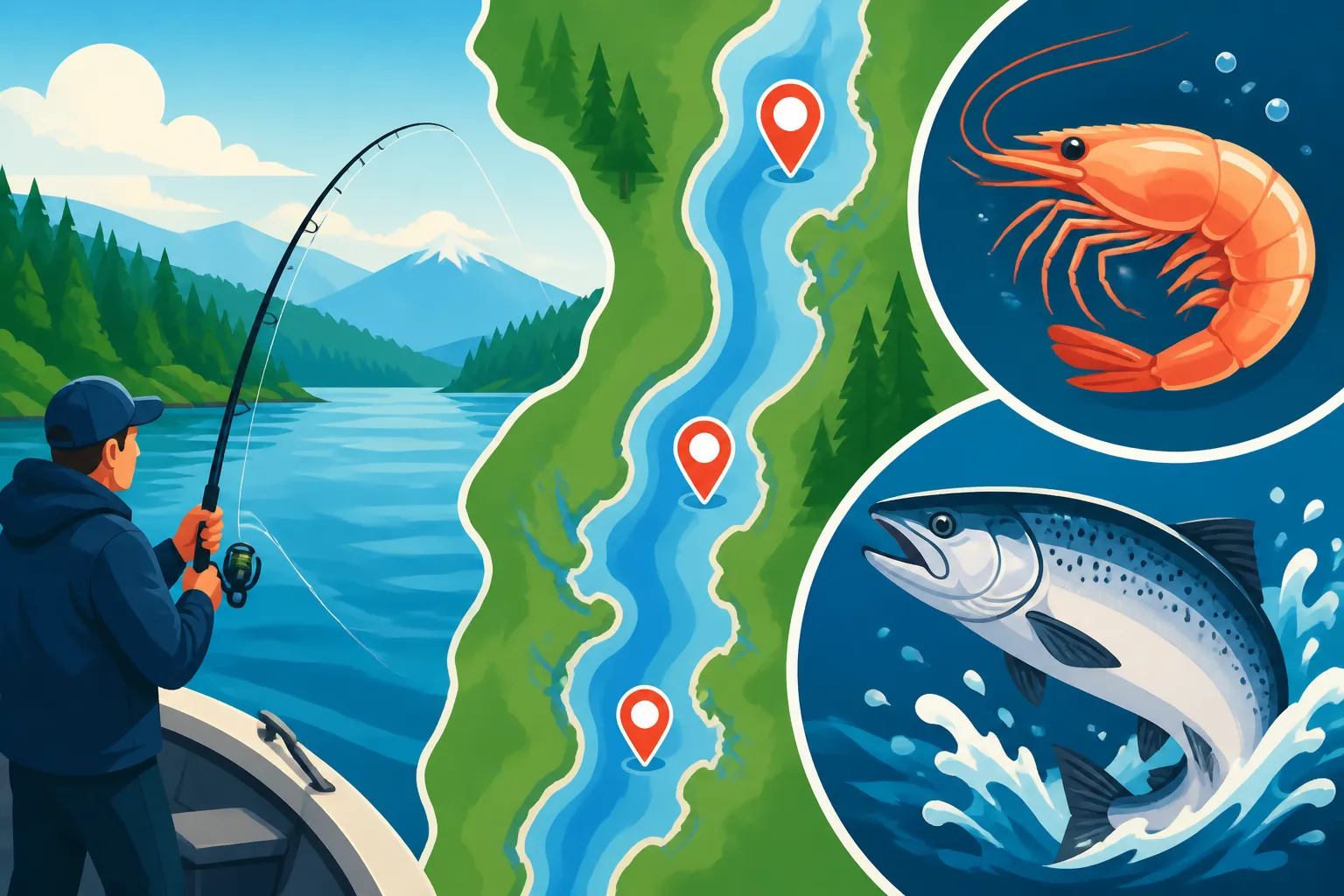
Where to Fish Hood Canal for Shrimp and Salmon
Ah, Hood Canal. It's a place that holds a special allure for many Washington anglers, a truly unique body of water that can be both incredibly rewarding and, let's be honest, a little perplexing if you're not familiar with its quirks. Navigating its diverse fishing opportunities, especially for sought-after species like salmon and delicious spot shrimp, can feel like cracking a secret code. This guide is here to demystify Hood Canal, walking you through everything you need to know to successfully fish these stunning, often challenging, waters for both salmon and shrimp.
Hood Canal's Unique Waters: A Primer for Anglers
Hood Canal isn't your typical saltwater fishing destination. It's actually a natural fjord, a long, narrow, and deep inlet of Puget Sound, carved by glaciers. This unique geological feature profoundly impacts everything from its water circulation to the marine life it supports, creating a distinct environment that anglers need to understand for success.
The Fjord's Influence on Fish and Shellfish
Because Hood Canal is a fjord, it's deep and relatively narrow, with a sill (a shallow ridge) at its mouth near the Kitsap Peninsula that restricts the flow of water from the main Puget Sound. This means the water in Hood Canal can behave very differently from the open Sound, sometimes experiencing lower oxygen levels in deeper areas, especially during warmer months. However, these same characteristics also create fantastic habitat. The steep underwater drop-offs, rocky reefs, and nutrient-rich waters support a vibrant ecosystem. For species like salmon, this means specific migration patterns and feeding habits often dictated by the availability of baitfish and water conditions. For shrimp, the deep, protected waters are ideal. The cold, oxygenated depths provide perfect shelter for spot prawns, making Hood Canal one of the premier shrimping destinations in the state. Understanding these dynamics is the first step to unlocking its secrets.
Public Access Points and Boat Launches
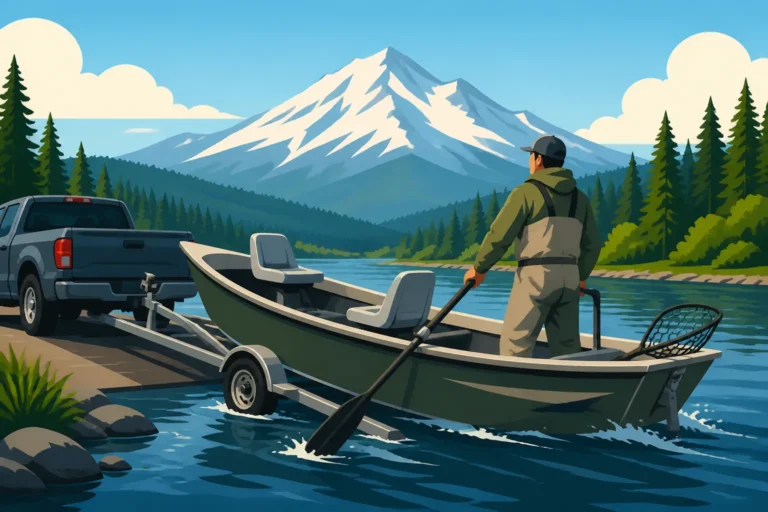
While much of Hood Canal is bordered by private property, there are thankfully numerous public access points for both shore-based anglers and those launching boats. On the Kitsap Peninsula side, popular spots include the Twanoh State Park boat launch, which is fantastic for accessing the central and southern parts of the Canal, and various WDFW access areas. Heading over to the Olympic Peninsula side, you'll find other convenient launches like at Brinnon, near Scenic Beach State Park, and Quilcene Bay. For shore anglers, many state parks like Twanoh and Belfair offer opportunities to cast a line directly from the beach, though often your range will be limited. Public piers and docks, while less common than in other parts of Puget Sound, also exist, providing a great option for those without a boat. Always check local maps and regulations for specific parking and access rules, as they can vary by location.
Understanding Tides and Currents
Tides and currents play a crucial role in Hood Canal fishing, perhaps even more so than in open Puget Sound due to its restricted flow. While the overall tidal exchange might seem less dramatic than in wider marine areas, the currents within the Canal can still be strong, especially around points and narrows. For salmon, incoming and outgoing tides often trigger feeding frenzies, as baitfish are pushed around and concentrated. Knowing the tidal swings will help you position your boat or cast your line effectively. For shrimping, strong currents can make setting and retrieving pots challenging, potentially dragging them off your desired spot. Many experienced shrimpers prefer to drop their pots during slack tide, allowing them to settle properly before the current picks up. Always consult a reliable tide chart before heading out, and pay attention to how the water moves once you're on site.
Mastering Salmon Fishing in Hood Canal
Hood Canal is renowned for its salmon fishing, offering opportunities for several species throughout the year. While it might not have the same sheer volume as some of the larger marine areas, the chance to target Chinook, Coho, and even Chum in such a stunning, relatively protected environment is a huge draw.
Key Salmon Species and Their Seasonal Runs
Hood Canal hosts robust runs of several salmon species.
- Chinook Salmon (Kings): While not as numerous as in other parts of Puget Sound, some decent Chinook fishing can be found, particularly in the summer and early fall. These are often hatchery-bound fish heading to local rivers. Keep an eye on emergency regulations for specific openings.
- Coho Salmon (Silvers): This is arguably the most popular salmon to target in Hood Canal. The main Coho season usually kicks off in late summer and continues strongly into the fall. These fish are aggressive feeders and put up a fantastic fight. Many of them are hatchery fish, making for some excellent harvest opportunities. If you're wondering When Coho Salmon Run in Washington, Hood Canal is definitely a key location for them.
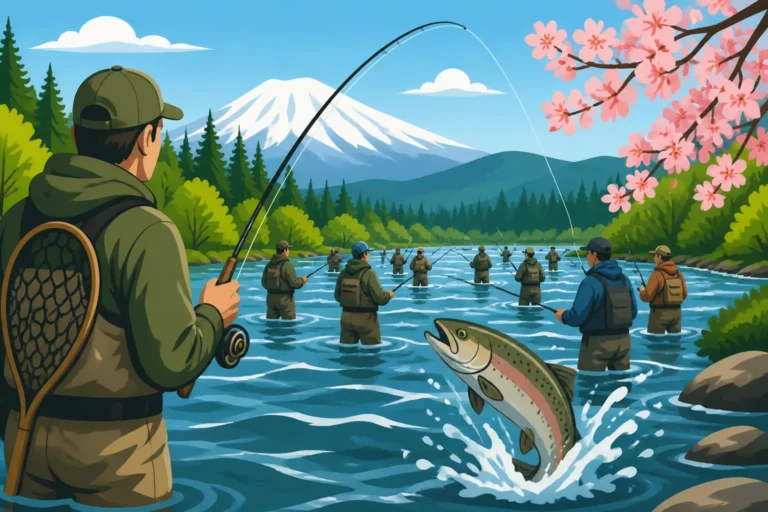
- Chum Salmon (Dog Salmon): Hood Canal is famous for its massive Chum salmon runs in the late fall. While often overlooked for their eating quality, fresh Chum are excellent, and they provide incredible sport. They can be found in huge numbers, especially as they stage near river mouths like the Skokomish.
- Pink Salmon (Humpies): These "odd-year" salmon (running in odd-numbered years like 2023, 2025, etc.) can provide a fun, fast-paced fishery in late summer. They're smaller but incredibly numerous during their peak.
Always, always consult the latest Washington Sport Fishing Seasons and Emergency Closures before heading out, as salmon seasons in Hood Canal are highly managed and can change on short notice.
Effective Techniques for Boat and Shore Anglers
Different approaches work best depending on whether you're fishing from a boat or the shore, and which species you're targeting.
Boat-Based Salmon Techniques
For boat anglers, trolling is king in Hood Canal. You'll typically be targeting fish at various depths, so downriggers are incredibly useful.
- Trolling with Herring: This is a classic for Chinook and Coho. Use a rotating flasher or dodger ahead of a brined or cut plug herring. Experiment with depths, often finding fish anywhere from 30 to 100 feet.
- Trolling with Spoons and Hootchies: Spoons like Silver Horde Coho Killers or Tomic plugs, and various hootchies (squid skirts) behind a flasher, are also highly effective, especially for Coho. Colors like green, chartreuse, and white are often productive.
- Mooching: While less common than trolling, mooching can be deadly when salmon are concentrated. This involves drifting with bait (usually herring) at a specific depth, allowing the current to impart a natural action. This can be fantastic for staging Chum salmon near river mouths.
Shore-Based Salmon Techniques
Fishing for salmon from the shore in Hood Canal requires a bit more finesse and knowledge of where fish travel close to the beach.
- Casting Spoons and Spinners: Heavy casting spoons (like a Buzz Bomb or a P-Line Lazer Minnow) and larger spinners (like a Blue Fox Vibrax) can be cast far out from public beaches, especially at dawn or dusk, or on an incoming tide. Retrieve them with a varying speed, mimicking a fleeing baitfish. This is a solid approach for targeting Coho and occasionally Chinook.
- Bobber and Jig: For Chum salmon, a bobber and jig setup can be incredibly effective, especially in areas where they are holding close to shore or in river estuaries. Use a large, bright jig (pink, purple, chartreuse) suspended under a float. The action of the bobber in the current can entice a bite from these often-picky fish. For more general advice, check out our guide on Bank Fishing Techniques for Washington Salmon.
Prime Locations for Chasing Kings and Silvers
Hood Canal offers several hotspots depending on the time of year and the salmon species you're after.
- The South End: Areas around Union, Alderbrook, and the Skokomish River mouth are particularly good for Chum salmon in the fall. These fish stack up heavily before heading upstream. This area also sees good numbers of Coho.
- Mid-Canal: Stretch from Twanoh State Park up towards Seabeck and Scenic Beach. This extensive section has a mix of depths and structure, making it a reliable area for trolling for Coho throughout their run. The points and deeper ledges are key.
- The North End: Near the entrance to Hood Canal, around Foulweather Bluff and Port Gamble, you'll find more consistent Chinook fishing, especially early in the season, as these fish move in from the broader Puget Sound. This area can also hold migrating Coho.
When you're out there, remember to respect private property and be mindful of other anglers. Utilizing resources like marine charts and reports from other anglers can also help pinpoint current hot zones. If you're looking for professional help, many guides listed on platforms like FishingBooker specialize in Hood Canal salmon trips and can provide invaluable local knowledge.
Shrimping Success: Spot Prawns in Hood Canal
If there's one thing Hood Canal is truly famous for, it's the incredible spot prawn fishery. These delicious crustaceans are a highlight for many Washington shellfishers, but catching them requires specific timing, gear, and knowledge of regulations.
Timing Your Shrimping Adventures
Spot shrimp seasons in Hood Canal are typically short, intense, and highly anticipated. The Washington Department of Fish and Wildlife (WDFW) sets the seasons, usually opening for a few days in May or June, and sometimes with additional openings later in the summer or fall, often on specific days of the week. These openings are announced well in advance but can be subject to change based on catch quotas and biological assessments. You absolutely cannot just decide to go shrimping whenever you want; it must be during an open season. The popularity is immense, with hundreds, sometimes thousands, of boats heading out on opening day. Being prepared and getting your pots in the water early during legal hours is key. For the most up-to-date information, always check the WDFW website for the current Shrimping Season in Hood Canal.
Essential Gear and Strategies for Prawn Pots
Shrimping for spot prawns isn't like crabbing; it requires specialized gear and a slightly different approach.
- Prawn Pots: These are typically pyramid or rectangular-shaped traps, often made of fine mesh, designed to retain the shrimp once they enter. They need to be heavier than crab pots to withstand deeper currents and be less prone to drift. Each pot must have a properly marked buoy displaying your WDFW customer identification number and "SHRIMP POT."
- Line and Weights: You'll need plenty of heavy line, usually ¼-inch or 5/16-inch poly line, as Hood Canal is deep. Expect to need 200-400 feet of line, sometimes more, depending on where you're setting your pots. Sufficient leaded line or weights are crucial to ensure your pot sinks quickly and stays put on the bottom.
- Bait: This is critical! Spot prawns are attracted to strong-smelling bait. Popular choices include fish-based pellets (often specially formulated shrimp bait), oily fish like salmon heads or carcasses, tuna cat food, or a combination. Many shrimpers use bait jars or mesh bags to contain the bait within the pot.
- Pot Puller: While you can pull pots by hand, an electric or manual pot puller makes life infinitely easier, especially when retrieving heavy pots from deep water. This is a game-changer for many shrimpers.
- Strategy: Finding deep pockets, ledges, and areas with good current flow in 100-300 feet of water is often productive. Many shrimpers drop their pots just before the legal opening time and leave them for a few hours (or the maximum soak time allowed by regulation, which can be short on opening days). When the season opens, consult the regulations for exact details, including the number of pots allowed per person (typically two) and per boat (a maximum of four, even with multiple licensed anglers on board).
Popular Shrimping Zones and Responsible Harvesting
While spot prawns can be found throughout Hood Canal, certain areas are perennial favorites due to their depth and prawn concentrations.
- The Great Bend: The deeper waters in the central part of Hood Canal, particularly around the "Great Bend" section (from Twanoh up past Hoodsport and Brinnon), are highly productive. Look for sharp drop-offs and ledges.
- Near Quilcene Bay and Dabob Bay: The northern reaches also offer excellent shrimping opportunities in deeper channels.
- Responsible Harvesting: The future of Hood Canal shrimping depends on everyone following the rules. This includes adhering to season dates, bag limits, and gear restrictions. Always check for soft-shelled shrimp, which should be released gently, as they are molting and vital for reproduction. Using a descending device or carefully releasing unwanted bycatch (which is rare in shrimping but can happen) helps ensure the health of the marine environment.
Navigating Hood Canal's Regulations and Conservation
Fishing and shrimping in Washington, especially in sensitive areas like Hood Canal, come with a detailed set of rules. Understanding and adhering to these regulations isn't just about avoiding fines; it's about protecting these precious resources for generations to come.
Licenses, Endorsements, and Catch Reporting
Before you even think about dropping a line or pot, you need to be properly licensed.
- Fishing License: Anyone 15 years or older needs a valid Washington fishing license. Depending on what you're targeting, you might need a combination license for both fresh and saltwater. You can learn more about Washington Fishing License Guide for Nonresidents or Where and How to Buy a Washington Fishing License to ensure you're covered.
- Shellfish/Seaweed Endorsement: For shrimping and crabbing, a separate annual Shellfish/Seaweed Endorsement is mandatory, in addition to your basic fishing license.
- Catch Record Cards: For salmon and steelhead, you'll need a The Washington Catch Record Card and What It Requires. This card is a crucial tool for WDFW to gather data on harvest rates. Every salmon or steelhead you keep must be immediately recorded on your card. For shrimp and crab, specific catch record cards are also required to report your harvest. You can even use the Electronic Catch Record Cards and the Fish Washington App for convenience. Failing to record your catch promptly or accurately can result in significant penalties.
Specific Rules and Emergency Closures to Know
Hood Canal often has specific rules that differ from other Puget Sound marine areas.
- Marine Area 12: Hood Canal is designated as Marine Area 12. Most regulations, including season dates and bag limits, will specify "Marine Area 12."
- Selective Fisheries: Many salmon fisheries in Hood Canal are "selective," meaning you can only retain hatchery-marked (adipose fin-clipped) fish. Wild fish must be released unharmed. This is particularly common for Chinook and Coho.
- Shrimp Seasons: As mentioned, shrimp seasons are highly localized and often very short, sometimes only a few hours per day or specific days of the week. Do not assume; always check.
- Emergency Rule Changes: Regulations can and do change frequently, often due to in-season catch data or conservation concerns. These Emergency Rule Changes: Why Washington's Rules Shift Mid-Season are common and it's your responsibility to stay informed. A quick check of the WDFW website or hotline before every trip is absolutely essential. Don't rely on old information from last year or even last month.
Sustainable Practices for Future Generations
Being a responsible angler and shrimper goes beyond just following the rules; it's about understanding and actively participating in conservation.
- Careful Release: When releasing wild salmon or undersized shrimp, do so quickly and gently. Minimize their time out of water.
- Reduce Bycatch: While shrimping is fairly selective, if you do catch anything other than your target species, release it with care.
- Pack It In, Pack It Out: Leave no trace. Take all your trash, old lines, and bait containers with you.
- Report Violations: If you witness illegal fishing or shrimping activity, report it to WDFW enforcement. This helps protect the resource for everyone.
Every angler has a role to play in ensuring the health of Hood Canal's fisheries. By being informed and responsible, we can all enjoy these incredible waters for years to come.
Beyond the Big Two: Other Fishing Opportunities
While salmon and spot shrimp often steal the spotlight in Hood Canal, this diverse fjord offers a variety of other exciting fishing and shellfishing opportunities for those willing to explore. You might be surprised at what else you can find!
Crabbing and Other Delicious Shellfish
Beyond the sought-after spot prawns, Hood Canal is also a fantastic place to try your hand at crabbing, particularly for the delectable Dungeness crab, and sometimes for Red Rock crab.
- Dungeness Crab: The deeper, muddy bottom areas throughout Hood Canal provide excellent habitat for Dungeness crab. Crabbing seasons are also regulated by WDFW and typically run from summer into the fall, often with specific daily openings or areas. You'll need a Shellfish/Seaweed Endorsement, just like for shrimping, and a separate catch record card for crab. Standard crab pots or rings, baited with oily fish, chicken, or commercially prepared crab bait, are the preferred gear. Check out our detailed guide on Crabbing and Shellfishing in Washington's Puget Sound for more comprehensive tips on gear and techniques.
- Other Shellfish: Depending on the specific beach and local habitat, you might find opportunities for clams, mussels, or oysters, especially in the shallower, brackish areas near river estuaries. Always check WDFW regulations for season dates, bag limits, and any public health advisories (like paralytic shellfish poisoning, or PSP) before harvesting any bivalves.
Bottomfish and Resident Species
While Hood Canal isn't generally known as a prime bottomfishing destination compared to the outer coast, there are still opportunities for various species.
- Lingcod and Rockfish: Around the rocky reefs and underwater structures, you might find lingcod and several species of rockfish. Jigging with metal jigs, large curly-tail grubs, or fishing with bait on the bottom can be effective. However, rockfish populations are heavily managed, and many species are protected, so it's critical to know your Rockfish Species Along the Washington Coast and understand the specific regulations for retention, if any, in Marine Area 12. Many areas are catch-and-release only for certain species or within specific depth restrictions.
- Flounder and Sole: These flatfish are common over sandy or muddy bottoms and can be targeted with simple bait rigs fished right on the seafloor.
- Resident Trout: In the brackish and freshwater sections of rivers feeding into Hood Canal, you might find opportunities for resident cutthroat trout or even some rainbow trout. These fisheries often require different licenses and fall under freshwater regulations, so always check the specific rules for the river you intend to fish.
Hood Canal is a treasure trove of marine life. By diversifying your targets and understanding the regulations for each, you can truly make the most of your time on these unique waters. Even if you don't book a dedicated guide through FishingBooker, you can often find a lot of great local insights by chatting with fellow anglers at the boat launch.
Disclaimer
Fishing and shrimping inherently carry risks. Always prioritize safety on the water, wear appropriate personal flotation devices, and be aware of changing weather conditions. Regulations mentioned are subject to change; always consult the Washington Department of Fish and Wildlife (WDFW) website for the most current rules and emergency closures before heading out on any fishing or shrimping trip. This guide is for informational purposes only and does not constitute legal advice.