Best Bait for Washington Rockfish
Trying to figure out what bait to use for Washington rockfish can feel like a guessing game sometimes. You walk into a tackle shop, and there's a wall of options, each promising to be "the one," leaving you overwhelmed and wondering if you're making the right choice. This guide is here to cut through the confusion and give you the real scoop on the best baits, both artificial and natural, that consistently get those rockfish to bite in our beautiful Washington waters.
Understanding Rockfish Feeding Habits and What They Crave
Before we dive into specific baits, it's really helpful to understand what makes a rockfish tick, especially when it comes to their dinner preferences. These fish aren't picky eaters by any stretch, but knowing their general feeding habits will give you a significant edge when choosing your arsenal.
General Forage and Opportunistic Feeding
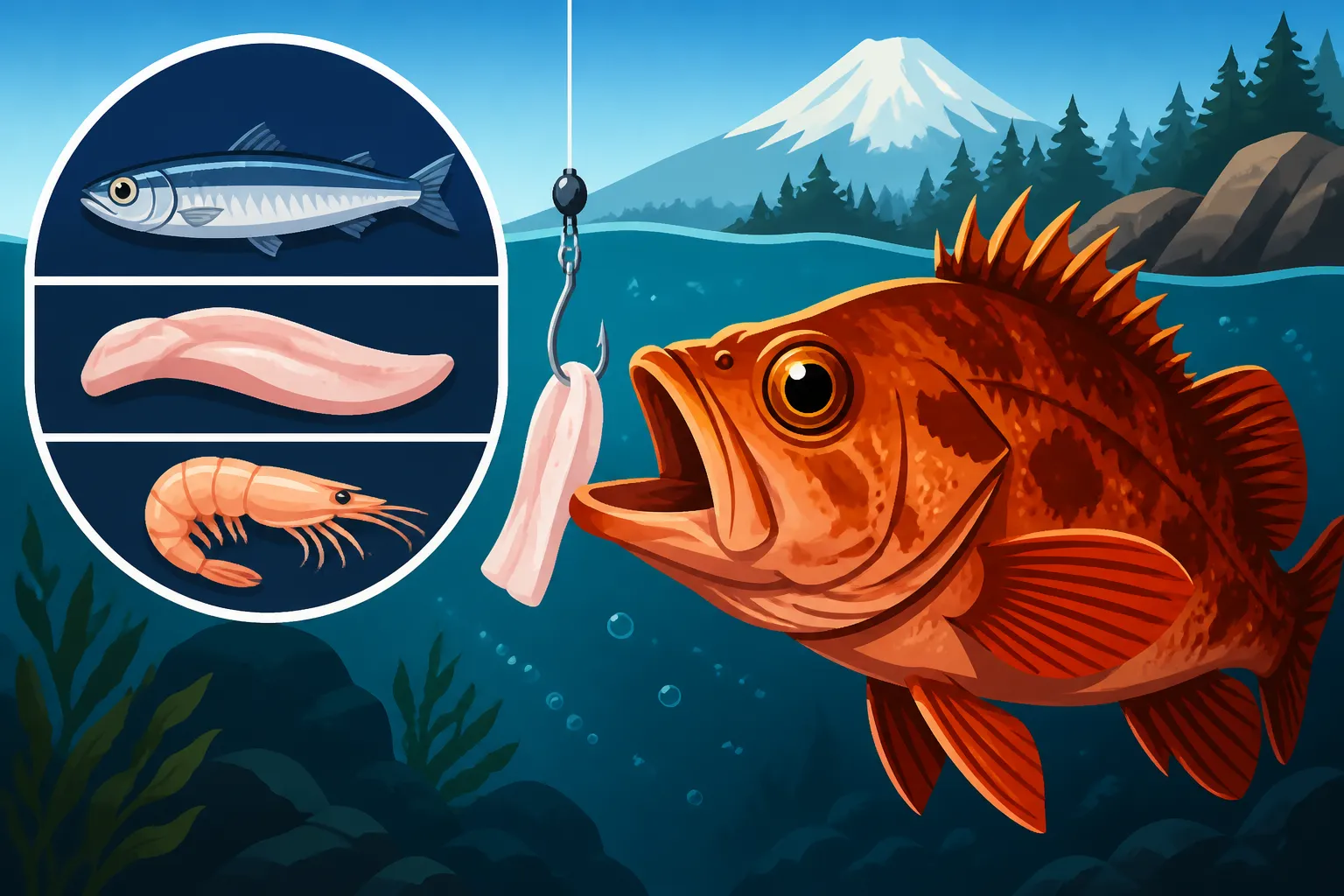
Rockfish, like the common black rockfish or the strikingly colored copper rockfish you might encounter in Puget Sound or along the coast, are primarily ambush predators and opportunistic feeders. They spend a lot of their time tucked away in rocky reefs, kelp beds, or around underwater structures, waiting for an easy meal to swim by. Their diet is incredibly varied, reflecting whatever small prey happens to be abundant in their habitat. This includes a smorgasbord of smaller fish like herring, anchovies, and juvenile salmon, as well as crustaceans such as shrimp and crabs, and even cephalopods like squid.
What this means for you, the angler, is that successful bait choice often boils down to "matching the hatch" or, more broadly, presenting something that looks and acts like their natural prey. When you see schools of baitfish flickering on your sonar, that’s your cue to select a lure or bait that mimics those fish. If you're fishing deeper structure where crustaceans might be more prevalent, a different presentation could be more effective. This adaptability in their diet is why a diverse tackle box often yields the best results when targeting Rockfish Species Along the Washington Coast.
The Importance of Presentation and Scent
While rockfish are certainly opportunistic, they aren't completely devoid of discernment. The way your bait is presented can make or break your day. A natural, lifelike presentation is key, whether you're using live bait that swims enticingly or an artificial lure that perfectly imitates an injured baitfish. Jerky, unnatural movements can spook them, especially in clearer waters. Think about how a real baitfish or shrimp would move – often with subtle twitches, pauses, and sudden darting movements. Your retrieve should try to replicate this natural rhythm.
Beyond movement, scent plays a surprisingly significant role, especially when rockfish are a bit finicky or when fishing in deeper, darker waters where visibility is reduced. Fish rely heavily on their sense of smell to locate food. Many artificial baits now come pre-scented, or you can add external scent attractants to both artificial lures and dead baits. Products like Berkley Gulp! or Smelly Jelly are incredibly popular for a reason – they release a potent scent trail that can draw in curious rockfish from a distance, turning a tentative nibble into a committed strike. This added olfactory appeal can often be the difference between a slow day and a productive one.
Top Artificial Baits for Washington Rockfish
Artificial baits have revolutionized rockfish fishing, offering convenience, durability, and a wide array of presentations that can perfectly mimic natural prey. They're often the go-to for many experienced anglers due to their effectiveness and ease of use.
Jigs: The Versatile Workhorse
When it comes to artificial baits for Washington rockfish, jigs are arguably the undisputed champions. Their versatility is unmatched, allowing you to imitate everything from darting baitfish to floundering crustaceans, depending on the jig's style and how you work it. Metal jigs, also known as "speed jigs" or "knife jigs," are fantastic for mimicking wounded baitfish. Dropping them down quickly and then retrieving with sharp, upward jerks makes them flash and flutter erratically, which often triggers aggressive reaction strikes. These are especially effective for black rockfish that are often suspended in the water column. Popular brands like P-Line and Daiwa offer a range of sizes and colors that can be deadly.
Lead-head jigs paired with soft plastic bodies are another rockfish killer. The lead head gets your bait down to where the fish are holding, and the soft plastic body provides lifelike action. You can find these jigs in various weights, from a quarter-ounce for shallower water to several ounces for deep-water bottom fishing. The key here is to choose a jig head that’s heavy enough to reach the bottom quickly and stay there in current, but not so heavy that it completely kills the action of your plastic. Pairing them with a soft plastic swim bait or grub tail (which we'll discuss next) is a classic and highly effective setup.
Soft Plastics and Grub Tails: Mimicking Natural Prey
Soft plastic baits, often referred to as grub tails, swim baits, or curly tails, are incredibly effective when threaded onto a lead-head jig. Their soft, pliable bodies and enticing tails create irresistible action in the water, making them look like a struggling baitfish or a succulent shrimp. The beauty of soft plastics is the sheer variety: you can get them in almost any color imaginable, from natural patterns that mimic herring and anchovies to vibrant chartreuses and pinks that stand out in murky water. Sizes also vary, allowing you to match the size of the forage in the area.
When selecting soft plastics, look for those with good tail action. A curly tail that wiggles with even the slightest movement, or a paddle tail that thumps enticingly, will draw more attention. Some anglers even prefer plastics infused with glitter for added flash. Brands like Berkley Gulp!, often available on Amazon, are particularly popular because they combine the visual appeal and action of soft plastics with a powerful scent attractant that rockfish simply can't resist. Rigging them properly so they swim straight and naturally is crucial for maximizing their effectiveness.
Scented Baits and Enhancers
We touched on scent earlier, but it's worth emphasizing just how much of an edge it can give you, especially when fishing artificials. Traditional plastic baits rely heavily on sight and action to entice a strike. However, when fish are sluggish, water visibility is poor, or you’re fishing deep where light doesn’t penetrate well, scent becomes paramount. Scented artificial baits, like the aforementioned Berkley Gulp! series, are designed to release a strong, fish-attracting odor into the water, essentially creating a scent trail that leads rockfish directly to your lure. These baits often have a more porous texture to hold and release scent more effectively.
If your favorite artificial jig or soft plastic doesn't come pre-scented, don't despair! There are numerous scent enhancers on the market that you can apply directly to your lures. Popular options include Pro-Cure, Smelly Jelly, and Atlas Mike's scents, which come in various flavors like anchovy, herring, shrimp, or even a general "garlic" or "crab" formula. Simply squirt or smear a generous amount onto your soft plastic or jig before each drop, and reapply periodically. This added layer of sensory appeal can significantly increase your hook-up rates, turning tentative followers into aggressive biters. Remember, even a small improvement in catch rate can make a huge difference over a day of fishing, especially when you're looking for dinner!
Natural Bait Options for Washington Rockfish
While artificials are highly effective, there's just something about natural bait that rockfish, and many other species, find irresistible. When they're being particularly finicky, or you want to try a more passive approach, natural bait can be your secret weapon.
Live Bait: The Undeniable Appeal
For sheer effectiveness, nothing quite beats live bait. The natural movement, scent, and distress signals of a struggling live fish or crustacean are often more than a rockfish can handle. If you're targeting bigger rockfish or fishing in an area with a lot of pressure, live bait can definitely give you an advantage. The most common live baits for Washington rockfish include small herring, anchovies, or even small greenling if you can catch them in bait traps. Prawns or shrimp are also excellent choices, especially for those copper rockfish and kelp greenling that love to hug the bottom structure.
The challenge with live bait is acquiring it and keeping it alive. You’ll need a bait tank with aeration and a good net. Rigging live bait effectively usually involves a single or double hook rig, carefully placed to allow the bait to swim naturally without being instantly killed. A popular setup for Bottom Fishing for Lingcod and Rockfish off Washington might involve a simple dropper loop rig with a weight on the bottom, keeping your live bait just off the seafloor where rockfish lurk. Just be aware of any regulations regarding the use of live bait in specific marine areas, as rules can sometimes vary.
Dead Bait: Tried and True Classics
Don't underestimate the power of dead bait. While it lacks the enticing movement of live bait, it still releases a potent scent trail that can draw in hungry rockfish. Plus, dead bait is often much easier to acquire, transport, and keep fresh. Whole or cut pieces of herring are a perennial favorite in Washington. You can buy frozen herring at most tackle shops. Cut herring chunks, particularly those that include some guts for added scent, can be deadly when presented on a simple bait rig.
Squid is another excellent dead bait option. Its tough, white flesh stays on the hook well and releases a good amount of scent. You can use whole small squid or cut larger squid into strips or chunks. Many anglers will combine squid with a piece of herring for a "cocktail" bait that offers both visual appeal and a robust scent profile. Prawns and shrimp, whether fresh or frozen, are also incredibly effective, especially for bottom-dwelling rockfish. You can often find frozen shrimp designed for bait at local sporting goods stores or even larger grocery chains. The key with dead bait is to ensure it’s fresh and presented cleanly on your hook to maximize its scent dispersal and minimize unnatural spinning in the current.
Matching Your Bait to the Fishing Scenario
Successfully catching rockfish isn't just about having the right bait; it's also about knowing when and where to use it. Washington offers diverse fishing environments, and your strategy might need to change slightly depending on where you drop your line.
Puget Sound vs. Coastal Fishing Differences
Fishing for rockfish in Puget Sound often presents different conditions than fishing out on the open coast, and these differences can influence your bait choice. In Puget Sound, many anglers target black rockfish in areas around structure, kelp beds, and jetties. The waters can be calmer, and you might encounter more specific regulations regarding gear and depth. Here, jigs in the 1-3 ounce range with soft plastics or flutter jigs are extremely effective. The water can be quite clear in many areas, so natural baitfish patterns and presentations that mimic herring or sand lance are often key. For those bottom-hugging copper rockfish, dropping a prawn or a scented grub right into the rocky crevices can be productive. Knowing Washington's Puget Sound Fishing Spots for Salmon and Bottomfish can really help pinpoint where to start.
When you head out to coastal Washington, say off Westport or Neah Bay, you're dealing with different conditions entirely. Deeper water, stronger currents, and potentially rougher seas are common. Here, heavier jigs, often 4 ounces or more, are necessary to get your bait down quickly and keep it in the strike zone. Large swimbaits on heavy lead heads, or even a dead herring or a large strip of squid, become more prominent. The fish here can also be larger and more aggressive, so durable baits that can withstand multiple strikes are a plus. The sheer size of the ocean and the depths involved make robust presentations crucial. You'll often find yourself in areas where Rockfish Species Along the Washington Coast are abundant, but also deeper dwelling species, making a good sounder critical.
Gear Considerations and Rigging Strategies
Choosing the right bait goes hand-in-hand with selecting the appropriate gear and rigging techniques. A medium to heavy action rod with a sensitive tip is ideal for detecting subtle rockfish bites, especially in deeper water. Pairing this with a reel spooled with braided line (which has no stretch, offering excellent sensitivity) and a fluorocarbon leader (for its abrasion resistance and low visibility) is a common and effective setup.
When it comes to rigging, simplicity often reigns supreme for rockfish.
Here are a couple of popular rigging strategies:
- Jigging Setup: This is straightforward. Tie your braided main line to a fluorocarbon leader (20-40 lb test is common), and then tie your jig directly to the leader. This setup works for both metal jigs and lead-head jigs with soft plastics. The direct connection maximizes sensitivity and allows the jig to work unimpeded.
- Dropper Loop Rig (for natural bait): This is fantastic for fishing dead or live bait near the bottom. Tie a loop in your leader material about 12-18 inches above your sinker. Attach your hook to this loop (a snelled hook works great here), and then tie your main line to a swivel above the leader. The sinker on the bottom keeps your bait down, and the hook floats just above the seafloor. This is a very common setup for Bait Rigs for Rockfish on the Washington Coast.
- Three-Way Swivel Rig: Similar to a dropper loop, a three-way swivel allows you to attach a sinker to one eye, a leader with your bait to another, and your main line to the third. This keeps your bait elevated off the bottom and allows for a slightly different presentation.
Always make sure your knots are strong and that your hooks are sharp. Rockfish have tough mouths, and a dull hook can lead to missed opportunities. Don't forget to consider using a descending device, as some Rockfish Species That Must Be Released in Washington are sensitive to barotrauma when brought up from deep water.
Artificial vs. Natural Bait for Washington Rockfish
| Feature | Artificial Baits (Jigs, Soft Plastics) | Natural Baits (Herring, Squid, Shrimp) |
|---|---|---|
| Effectiveness | Highly effective, especially with active fish. Excellent for reaction strikes. | Often irresistible to even finicky fish due to natural scent and texture. |
| Convenience | Easy to store, reusable, no refrigeration needed. | Requires special handling (refrigeration, bait wells), can be messy. |
| Durability | Very durable, can withstand multiple fish, less prone to being stolen by small fish. | Less durable, easily picked off by small fish, needs frequent checking/replacement. |
| Versatility | Wide range of colors, shapes, actions to mimic various prey. | Limited to available natural prey species; less variation in action (unless live). |
| Scent | Can be pre-scented or enhanced with external attractants. | Natural, potent scent trail is inherent. |
| Cost | Higher upfront cost, but reusable. | Can be cheaper per unit, but adds up with frequent replacement and storage needs. |
| Skill Level | Requires more active retrieve techniques. | Can be fished passively; good for beginners to feel bites. |
Ultimately, the best bait for Washington rockfish is often a combination of what the fish are feeding on, the conditions you're fishing in, and your personal preference. Don't be afraid to experiment! Start with some reliable jigs and soft plastics, maybe add some scent, and keep some dead herring or squid on hand. With a little trial and error, you’ll soon find what works best for you and the hungry rockfish under the waves.
Disclaimer
Fishing regulations, seasons, and licensing requirements can change frequently. Always consult the latest Washington Department of Fish and Wildlife (WDFW) regulations before heading out on the water. This information is for general guidance only and should not be considered a substitute for official WDFW publications.