How to Fish a Spin-N-Glo for Steelhead
Many anglers in Washington state know the frustration: you’re out on a beautiful river, the conditions feel right, but those elusive steelhead just aren't biting. It can be disheartening, especially when you're trying a new lure or technique. This guide is here to unravel the mystery of fishing with a Spin-N-Glo for steelhead, offering practical, in-depth advice to help you maximize your chances of success on Washington's renowned steelhead waters.
Understanding the Spin-N-Glo Phenomenon
The Spin-N-Glo is a classic piece of steelhead and salmon tackle that has stood the test of time for a reason: it works. But understanding why it works, and how to leverage its unique properties, is key to turning those frustrating days into memorable catches. It's more than just a piece of plastic; it's a carefully engineered system designed to trigger a fish's predatory instincts.
Anatomy of a Spin-N-Glo
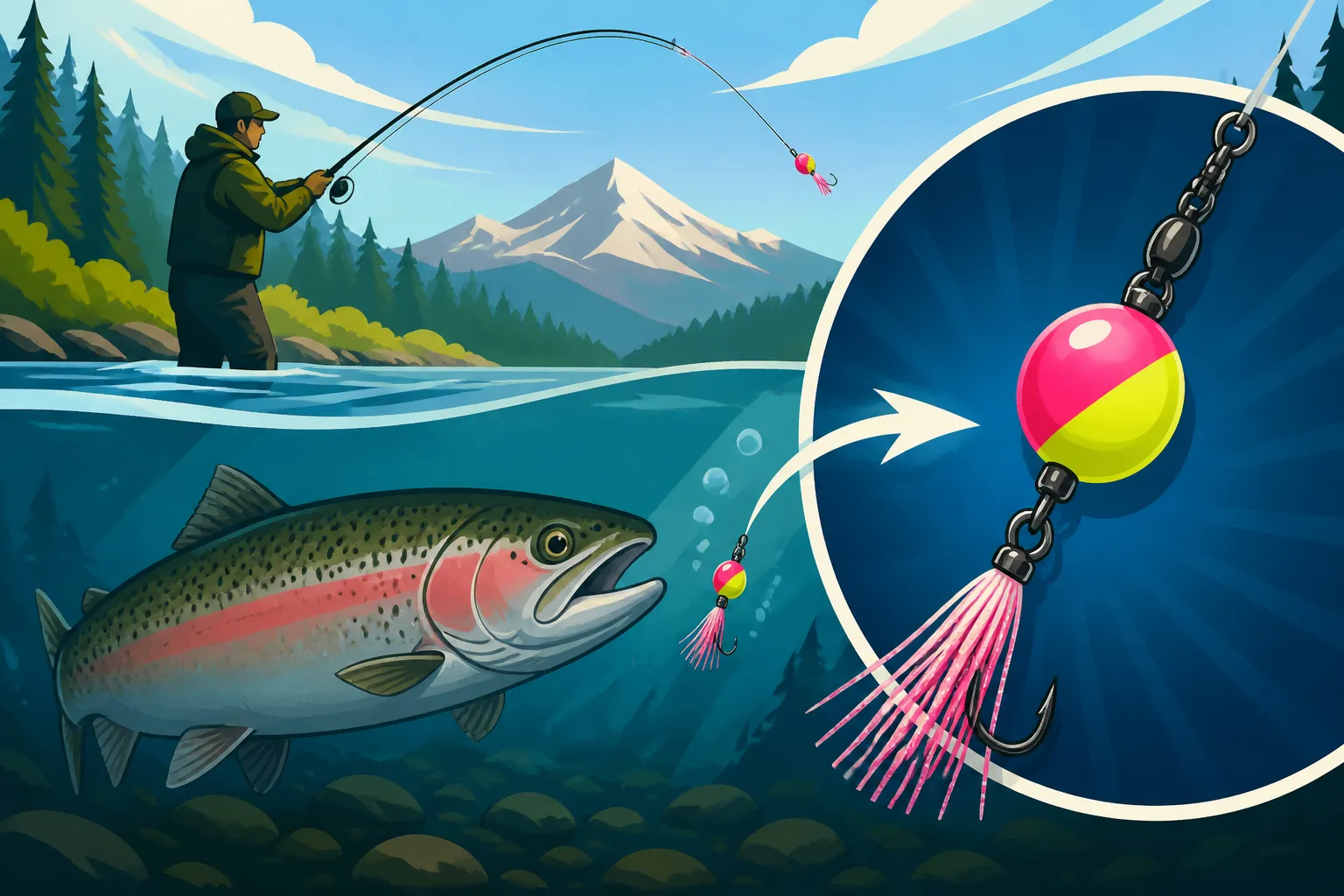
At its core, a Spin-N-Glo is a buoyant, plastic body with a plastic wing, threaded onto a wire shaft with beads. When pulled through the water, the wing catches the current, causing the body to spin and flutter erratically. This isn't just a simple spin; it's a complex hydrofoil action that creates both visual appeal and a unique vibration signature. You'll find them in various shapes, from more streamlined torpedo-like designs to wider, more cylindrical bodies, each creating a slightly different action in the water. The beads serve multiple purposes: they protect the knot, create additional noise, and space the Spin-N-Glo correctly above your hook, allowing it to spin freely. Many Spin-N-Glos also come in fluorescent or glow-in-the-dark finishes, adding another layer of attraction, especially in low light or turbid water conditions. The buoyancy of the lure is also critical, helping to lift your presentation off the bottom, keeping it from snagging and making it appear more natural as it tumbles along with the current.
Why Steelhead Can't Resist It
Steelhead are opportunistic feeders, but they're also incredibly sensitive to their environment. The Spin-N-Glo taps into several of their primary senses. First, there's the visual appeal: the spinning action creates a flash and a blur that mimics baitfish or dislodged prey. In stained or murky water, the bright colors and glow properties stand out. Second, and perhaps even more crucial, is the vibration. That erratic spinning generates subtle pressure waves in the water, which steelhead can detect with their lateral lines, even when visibility is poor. This vibration can signal a struggling prey item, drawing the fish in for a closer look. Finally, when combined with bait, the Spin-N-Glo acts as a delivery system, dispersing scent into the current, further enticing dormant or wary fish. The combination of flash, vibration, buoyancy, and scent makes it an irresistible offering to a steelhead that might otherwise ignore static presentations. It’s like a tiny, irresistible dance party happening right in their strike zone.
Choosing the Right Size and Color
Selecting the appropriate Spin-N-Glo is less about guesswork and more about understanding the conditions you're facing. Generally, larger Spin-N-Glos (size 0, 00, 000) are better for big, powerful rivers with high, off-color water, or when targeting larger, more aggressive fish. Their increased buoyancy helps keep your bait off the bottom, and their larger profile is more visible. Smaller sizes (size 2, 4, 6) are ideal for lower, clearer water conditions, or when fish are more lethargic and prefer a more subtle presentation.
Color choice is equally vital and often debated among anglers. A good rule of thumb is "bright in dirty water, natural in clear water." Fluorescent colors like chartreuse, orange, and cerise (a bright pinkish-red) are excellent for stained or turbid water, as they provide maximum contrast. In clearer water, more natural shades like white, pearl, or even light blue can be surprisingly effective. Don't be afraid to experiment, though! Sometimes a hot pink or "fire tiger" pattern can trigger bites on a sunny day in clear water, defying conventional wisdom. Many anglers have a go-to color that simply works for them on specific rivers, and you can build your own confidence colors over time. You might even find a great selection of unique color patterns and sizes on platforms like Amazon if your local tackle shop has a limited stock.
Here's a quick guide to help you get started:
| Water Clarity | Water Flow | Recommended Spin-N-Glo Size | Recommended Colors | Notes |
|---|---|---|---|---|
| High/Murky | High & Fast | #00, #0 | Chartreuse, Orange, Cerise, Glow White | Max visibility & buoyancy needed. |
| Stained/Turbid | Moderate | #0, #2 | Orange, Cerise, Chartreuse, Two-Tone | Good contrast, still need some brightness. |
| Clear/Low | Slow to Moderate | #2, #4 | White, Pearl, Light Green, Blue, Natural | Subtle presentation, less flash. |
| Low Light | Any | #00, #0, #2 (Glow) | Glow-in-the-Dark, Chartreuse, White | UV-active or phosphorescent colors excel. |
Rigging Your Spin-N-Glo for Success
A perfectly tied rig is the foundation of effective Spin-N-Glo fishing. If your rig isn't balanced, if your knots aren't strong, or if your bait isn't presented correctly, even the best Spin-N-Glo won't perform as intended. It's about creating a seamless, natural presentation that fools even the wariest of steelhead.
Essential Terminal Tackle
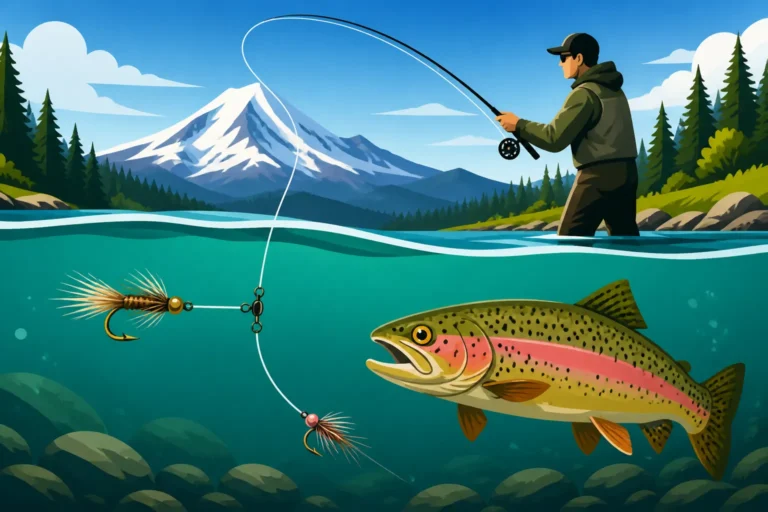
Before you even think about tying on a Spin-N-Glo, make sure you have the right terminal tackle. You'll need a good quality mainline, often 15-20 lb monofilament or braided line, which connects to a barrel swivel. The swivel is crucial to prevent line twist, which can be a major headache with spinning lures. Below the swivel, you'll attach your lead (sinker) and then your leader. For sinkers, slinky weights or pencil lead are popular choices for drift fishing as they snag less on rocky bottoms. For stationary fishing or "plunking," a pyramid sinker or flat bottom sinker might be more appropriate to hold your rig in place. When choosing your hooks, a sharp, strong hook is non-negotiable. Many anglers prefer single hooks for steelhead to minimize harm for catch-and-release, especially where Barbless Hook Requirements on Washington Rivers apply. Size 1 or 2 octopus-style hooks are common, but always check local regulations as some areas may have specific hook size or type restrictions. Ensure your hooks are sharp enough to easily prick your thumbnail; if not, sharpen them or replace them.
The Proper Leader Length and Material
Leader length and material are critical for a natural presentation. For most drift fishing scenarios, a leader between 24 and 48 inches is a good starting point. The specific length can depend on water clarity and speed. In clear, slow water, a longer leader (36-48 inches) can make your bait appear more natural, giving the steelhead more time to inspect it without being spooked by your mainline or sinker. Conversely, in fast, murky water, a shorter leader (24-30 inches) can improve feel and bite detection. For deeper insights, you might find our guide on Leader Length for Clear Water Steelhead in Washington particularly helpful.
As for material, fluorocarbon leaders (10-15 lb test) are often favored in clear water due to their near invisibility underwater and abrasion resistance. Monofilament, while more visible, offers more stretch and can be more forgiving with strong runs from a powerful steelhead. Experiment to see what works best in your local conditions. The key is to have a leader that allows your Spin-N-Glo to tumble and spin freely without being hindered. Some anglers pre-tie their leaders at home, securing the Spin-N-Glo and hook, making for quicker changes on the riverbank.
Adding Bait for Extra Appeal
While a Spin-N-Glo alone can be effective, pairing it with bait significantly increases its drawing power. The most common and effective bait for steelhead is cured roe. A small chunk of roe, tied into a sac or simply threaded onto the hook, adds crucial natural scent that steelhead simply can't ignore. The roe works in tandem with the Spin-N-Glo, providing a scent trail while the lure provides flash and vibration.
Other popular baits include a small piece of shrimp, especially on coastal rivers, or even a worm. The goal is to have a bait small enough not to impede the Spin-N-Glo's spinning action but large enough to provide a good scent profile. Thread your bait onto the hook so it dangles just below the Spin-N-Glo, allowing both elements to work harmoniously. Sometimes, a tiny bit of bait is all it takes. For more details on incorporating roe, check out our article on Back-Bouncing Roe for Steelhead, Explained. Remember to always check current Washington Bait Bans and When They Apply for your specific fishing area, as rules can change frequently.
Fishing Techniques with a Spin-N-Glo
Having the perfect rig is just the first step. Knowing how to present that rig effectively in diverse river conditions is where the true artistry of steelhead fishing comes into play. The Spin-N-Glo is incredibly versatile, but it demands understanding and precision in its application.
Mastering the Drift Fishing Technique
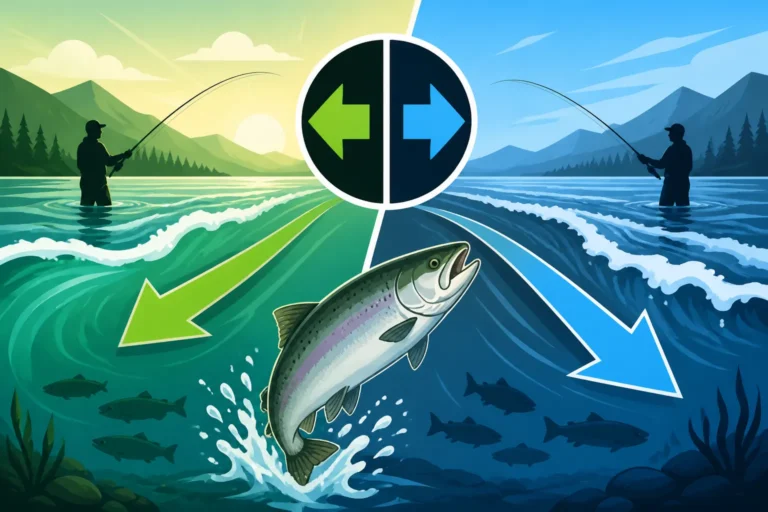
Drift fishing is arguably the most common and effective way to fish a Spin-N-Glo for steelhead in rivers. The goal is to present your rig so it tumbles naturally along the bottom, at the same speed as the current, mimicking dislodged food items. This "dead drift" is crucial. To achieve it, cast your rig slightly upstream and across the current. As it drifts downstream, immediately mend your line (toss a belly of slack line upstream) to keep your main line from being pulled faster than your rig by the current. This allows your bait to sink and tumble naturally.
Keep your rod tip high and maintain just enough tension to feel subtle bites without impeding the drift. Pay close attention to your line; any hesitation, sudden stop, or unusual movement could indicate a bite. Steelhead bites can be incredibly subtle – sometimes just a light tap, a feeling of "mush," or even just your line stopping prematurely. When you suspect a bite, set the hook firmly but smoothly. This technique is extensively covered in our guide to Drift Fishing for Steelhead in Washington Rivers, which offers even more granular detail on line management and feel. Getting the right amount of weight is also critical here; too little, and your bait washes over the fish; too much, and you snag constantly. Our piece on Sinker Weight for Drift Fishing can help you dial this in.
Stationary Fishing: Plunking with a Spin-N-Glo
While drift fishing covers a lot of ground, sometimes stationary fishing, often called "plunking," is the most effective method, especially in high, murky water or when fishing from the bank in specific spots. Plunking involves casting a heavy sinker with your Spin-N-Glo rig attached and letting it sit in a productive current seam. The heavy sinker anchors your rig, and the current does the work, spinning the Spin-N-Glo and dispersing the scent of your bait. This method is particularly useful when fish are holding in distinct travel lanes or deeper holes where a perfect drift is difficult to achieve.
When plunking, find a current seam that looks promising, where steelhead might rest or travel. Cast your rig upstream and allow it to settle to the bottom. It's often beneficial to use a heavier rod with a sensitive tip to detect subtle bites. You might even consider using two rods if regulations allow and you possess The Two-Pole Endorsement in Washington, Explained. This technique is less about constant action and more about patience, letting the fish come to your static presentation. It’s particularly effective in areas where fish are staging or funneling through a narrow channel.
Reading the Water for Optimal Presentation
Understanding where steelhead hold and travel in a river is paramount, regardless of your chosen technique. Steelhead are often found in "holding water" – areas where they can rest out of the main current but still have access to passing food. Look for current seams, which are the boundaries between fast and slow water. Often, steelhead will lie on the slower side of a seam, darting into the faster current to intercept food.
Other prime spots include the tail-outs of pools, which are the shallower, faster sections at the downstream end of a deep pool, and the heads of riffles, where the river transitions from calm to turbulent. Large boulders, submerged logs, and undercut banks also provide excellent cover and current breaks. Water color and flow are also huge indicators; steelhead prefer specific conditions. If the water is off-color after a rain, they'll often move closer to the banks. If it's clear and low, they might be in deeper pools or shaded areas. Knowing how to interpret these signs, as detailed in our guide on How to Read Water for Bank-Fishing Salmon (many principles apply to steelhead), is critical. You also need to consider How Water Clarity Affects Steelhead Fishing when making decisions about your Spin-N-Glo size and color.
Tips for Maximizing Your Catch in Washington
Catching steelhead in Washington is often about attention to detail and adapting to ever-changing conditions. These fish are notorious for their finicky nature, so having a few extra tricks up your sleeve can make all the difference between a skunk and a successful day.
Matching the Hatch and Water Conditions
"Matching the hatch" isn't just for fly anglers. For Spin-N-Glo fishing, it means matching your lure's presentation to what the steelhead might be expecting or reacting to. In high, murky water, bigger, brighter Spin-N-Glos that create more vibration are often best. The turbulent water requires a more aggressive lure to be noticed. Conversely, in low, clear water, a smaller, more subtle Spin-N-Glo, perhaps in a natural or subdued color, might be necessary. The water temperature also plays a role; in colder water, fish are often lethargic, so a slow, deliberate drift with a smaller, less flashy presentation can be more effective.
Don't be afraid to change your presentation throughout the day. What works in the morning might not work in the afternoon, or what works in a shaded run might not work in a sunny riffle. Keep a variety of Spin-N-Glo sizes and colors on hand, easily purchased from retailers like Amazon, and don't hesitate to switch them out if you're not getting bites. This adaptability is key to consistent success.
Understanding the Bite and Setting the Hook
Steelhead bites can range from an aggressive tug to an almost imperceptible tap. Often, particularly with drift fishing, a bite will feel like a slight hesitation in the drift, a feeling of your lead suddenly getting "heavy," or a distinct tick. It takes practice to distinguish a fish bite from snagging on the bottom. The key is to be attentive and react quickly. When you feel anything out of the ordinary, particularly after a long, natural drift, assume it's a fish.
To set the hook, sweep your rod sideways or slightly upwards in a firm, smooth motion. Avoid a violent, overhead hookset, as this can often pull the hook out of the fish's mouth or break your line. Maintain constant tension once the fish is hooked to prevent it from shaking free. Steelhead are famous for their acrobatic jumps and powerful runs, so be prepared to let the drag do its work and fight the fish patiently.
Seasonal and Regional Considerations in Washington
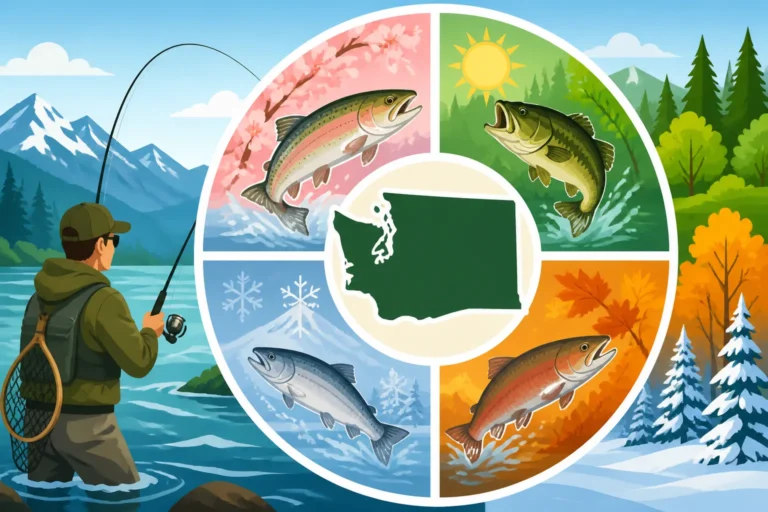
Washington state offers incredible steelhead fishing, but the seasons and techniques can vary greatly depending on the river and whether you're targeting winter or summer runs. Winter steelhead, robust and powerful, enter rivers from late fall through spring. They often respond well to larger, brighter Spin-N-Glos, especially during periods of high, off-color water. Summer steelhead, smaller and more aggressive, typically run from late spring through early fall and are often found in clearer, warmer waters, making smaller, more natural presentations effective. Our detailed guide on Winter vs Summer Steelhead Runs in Washington, Explained can give you an even better picture of what to expect.
Different regions also have unique characteristics. Rivers on the Olympic Peninsula, like the Sol Duc or Hoh, are known for their wild steelhead and often demand a more subtle approach. Rivers in Southwest Washington, such as the Cowlitz, often have significant hatchery returns and can be more forgiving. Always check the specific regulations for the river you plan to fish, as rules regarding bait, gear, and retention can change frequently and vary by waterway. Consulting resources like the WDFW website for Washington Sport Fishing Seasons and Emergency Closures is a must before every trip.
Disclaimer
Fishing regulations in Washington State can change frequently and vary by specific body of water, season, and species. Always consult the latest Washington Department of Fish and Wildlife (WDFW) regulations pamphlet or their website before heading out on any fishing trip. This guide is for informational purposes only and should not be considered a substitute for official WDFW regulations.