Can You Be Cited for Snagging a Salmon in Washington?
There's a deep-seated frustration many anglers feel when they see others bending the rules, especially when it comes to something as fundamental as how you catch a fish. The question of snagging a salmon in Washington isn't just about legality; it's about ethics, conservation, and ensuring our precious fisheries remain viable for everyone. This guide will walk you through exactly what constitutes snagging, the serious penalties you could face, and, most importantly, how to fish legally and responsibly in Washington State.
What Exactly Constitutes Snagging a Salmon in Washington?
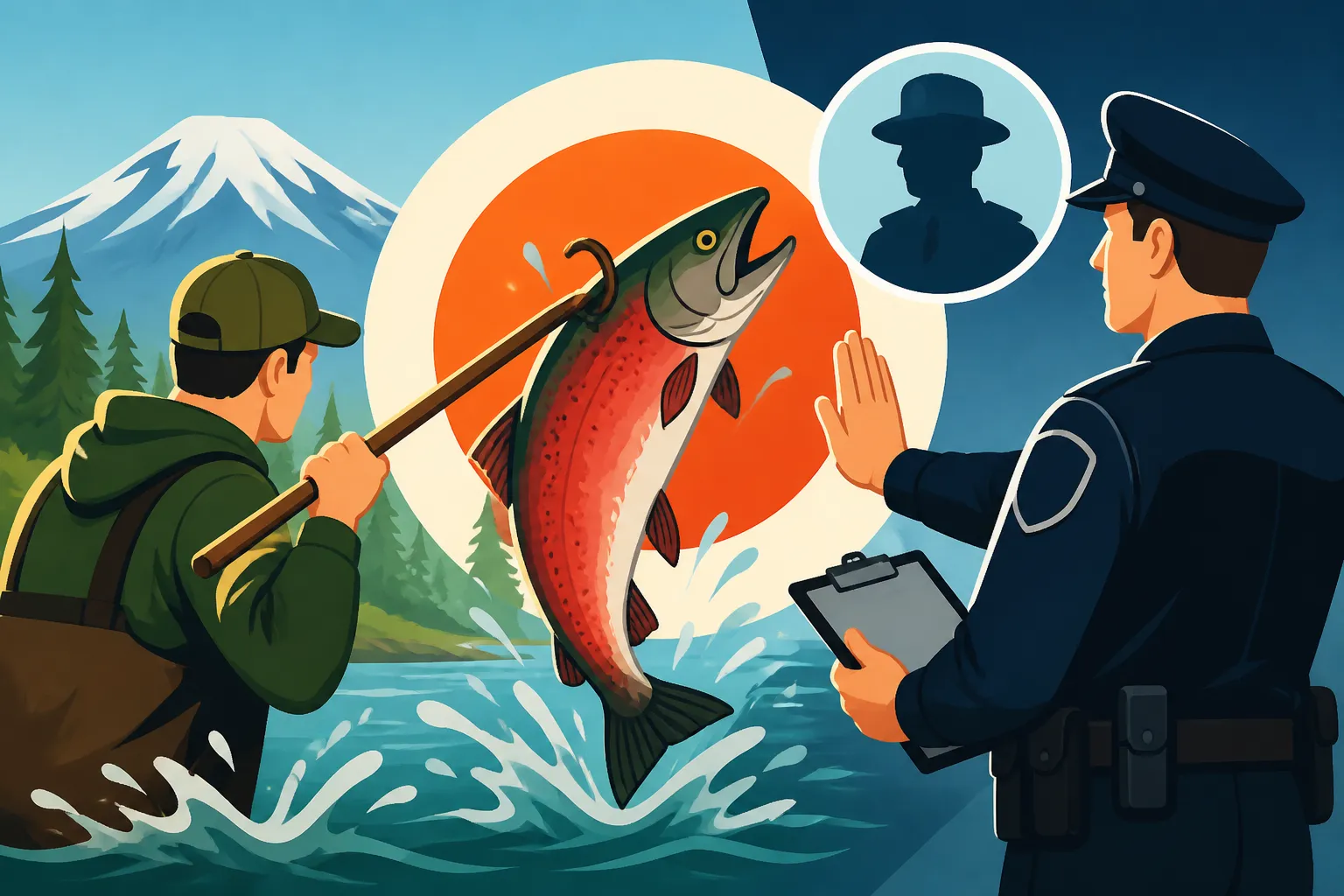
Let's get right to it because this is where a lot of confusion, and sometimes even intentional deception, can happen. Snagging, in its simplest definition according to the Washington Department of Fish and Wildlife (WDFW), is attempting to catch a fish by hooking it in any part of its body other than the mouth or jaw. It sounds straightforward, but in practice, things can get a little murky, especially with accidental foul-hooking. The intent is key here, but evidence often speaks louder than words when a WDFW enforcement officer is watching.
Think about it: salmon, especially during their spawning runs, are often concentrated in rivers, sometimes shoulder-to-shoulder. They might not be actively feeding, making them incredibly hard to entice with a traditional bait or lure. This is precisely when the temptation to "floss" or "line set" them can arise, which is just another term for snagging. It's a method that directly violates the spirit of fair chase and sustainable fishing practices.
Defining "Legal" vs. "Illegal" Hooking
The line between legal and illegal hooking is clear in the regulations, even if it feels blurry on a crowded riverbank. A fish is legally caught when it takes the bait or lure entirely into its mouth, and the hook sets cleanly within the mouth or jaw area. This is the essence of angling: luring a fish into striking. Anything else, fundamentally, is considered foul-hooking.
Now, sometimes, a fish will roll on your line, or dart at your lure in an aggressive way that results in a hook setting outside its mouth, say, in a fin or along its belly. This is an accidental foul-hook. The critical distinction is the intent. Did you actively try to hook the fish elsewhere, or was it a genuine accident while fishing in a legitimate manner? WDFW officers are trained to look for specific behaviors: repeated casting into schools of non-biting fish, exaggerated hook sets when a fish brushes the line, or using gear designed to sweep fish rather than entice them to bite. Understanding this difference is crucial for any responsible angler in Washington. The rules are designed to protect the fish and maintain fair angling practices, which you can read more about in our guide on Washington Fishing Regulations Every Angler Should Know.
Why Snagging is Such a Big Deal to WDFW
Snagging isn't just a minor infraction; it's seen as a serious threat to fish populations and the integrity of recreational fishing. Here’s why it’s so heavily policed and penalized in Washington:
First, it’s inherently unsporting. Fishing is about the challenge of outwitting a fish, not about forcibly extracting it from the water. Snagging undermines the very foundation of ethical angling. Second, and perhaps more importantly from a conservation standpoint, snagged fish often suffer severe injuries. Hooks tearing into their flanks, bellies, or eyes can cause internal damage, stress, and significantly reduce their chances of survival, even if they are released. This is particularly devastating for wild, spawning salmon and steelhead, whose survival is paramount for future generations.
Furthermore, snagging disrupts the natural behavior of fish. When anglers are constantly trying to snag them, fish become more agitated and stressed, which can affect their spawning success. It also creates a negative perception of anglers among the public and can lead to stricter regulations for everyone. WDFW invests significant resources into managing and conserving fish stocks, and snagging actively works against those efforts. It's why they take a zero-tolerance stance.
The Serious Penalties and Consequences of Snagging a Salmon
The feeling of a salmon on the end of your line is exhilarating, but the consequences of that fish being illegally hooked can be swift and severe. It's not just a slap on the wrist; the penalties for snagging in Washington are designed to be a significant deterrent. WDFW enforcement officers patrol rivers and marine areas regularly, and they know the tell-tale signs of someone attempting to snag a fish.
Imagine you've driven hours, spent money on gear, and finally found yourself on a beautiful Washington river like the Cowlitz or the Skykomish. The last thing you want is to have your day — or even your fishing future — ruined by a citation for snagging. These aren't just hypotheticals; they happen to anglers every season. Understanding the specific repercussions can help reinforce the importance of always fishing ethically.
Fines and Legal Ramifications
If you are caught snagging a salmon, the financial penalties can be substantial. A first offense can result in fines that run into hundreds of dollars, potentially reaching over a thousand, depending on the specifics of the violation and any additional charges. For example, if you snag a fish during a closed season or in a prohibited area, or if you exceed bag limits by snagging multiple fish, the fines will escalate rapidly.
Beyond the immediate fine, you might also face court costs and administrative fees. The WDFW takes these violations to court, and a conviction goes on your record, potentially impacting your ability to purchase licenses in the future. It’s not uncommon for snagging violations to be classified as gross misdemeanors, which can carry even more severe penalties, including jail time, although this is usually reserved for repeat offenders or egregious cases. You can learn more about the general structure of fines in our article on Fines and Penalties for Common Fishing Violations.
Loss of Privileges and Reputation
Perhaps even more impactful than the financial hit is the potential loss of your fishing privileges. A conviction for snagging can lead to the suspension or revocation of your Washington fishing license for a period of time, sometimes for multiple years. This means no fishing, crabbing, or shellfishing in Washington waters, regardless of the season or location. For passionate anglers, this is often the most painful consequence.
Your reputation within the angling community can also take a significant hit. Washington’s fishing community is tight-knit, and news of poaching or illegal activities spreads. Many guide services and fishing clubs have strict ethical codes, and being caught snagging can lead to ostracism from these groups. Furthermore, if you’re fishing with others, their licenses could also be scrutinized, even if they weren't directly involved in the snagging, particularly if they aided or abetted the illegal activity. It casts a shadow over everyone involved and hurts the overall image of responsible anglers.
How to Avoid Snagging and Fish Legally
Navigating the complexities of Washington fishing regulations can sometimes feel like a puzzle, but when it comes to snagging, the rules are clear: don't do it. The best defense against an unintentional foul-hook or the temptation to snag is a commitment to legal and ethical angling practices. It’s about understanding your gear, reading the water, and knowing what to do when things don't go perfectly.
It’s easy to get frustrated when fish aren't biting, especially during peak runs where thousands of salmon are visible but seem to ignore every offering. But this is precisely when discipline is most important. Resist the urge to switch to tactics that skirt the edge of legality. There are always legitimate ways to improve your chances.
Understanding Proper Gear and Techniques
The gear you choose and how you use it play a huge role in avoiding snagging. Here are a few key considerations:
- Hook Selection: Using hooks appropriate for the size of the fish and your bait/lure is critical. Oversized hooks increase the chance of foul-hooking. Also, be mindful of specific regulations regarding hook types, especially Barbless Hook Requirements on Washington Rivers. Many popular salmon and steelhead rivers in Washington mandate single-point, barbless hooks, which are designed to reduce harm to fish, particularly those intended for release. While barbless hooks don't prevent snagging, they do make accidental foul-hooked fish easier to release with less injury.
- Lure/Bait Presentation: The goal is to present your offering in a way that encourages a fish to strike and inhale it. For drift fishing, this means using just enough weight to get your bait or lure to the fish's level without constantly dragging bottom or sweeping through schools. For casting and retrieving, it means working your lure with movements that mimic natural prey, making it an enticing meal rather than something to be avoided or brushed. If you're wondering about the right setup, checking resources for Rod and Reel You Need for Washington Puget Sound Salmon can be a good starting point for proper gear.
- Line Control: Maintaining good line control is essential. Slack line can lead to missed bites and an increased chance of foul-hooking as your lure drifts haphazardly. Always try to keep a direct connection to your lure or bait, allowing you to feel subtle takes and set the hook properly.
- WDFW Gear Restrictions: Always check the WDFW regulations pamphlet for the specific body of water you're fishing. Some areas have very strict gear restrictions, such as single-point hooks, specific leader lengths, or even bait bans. These rules are often in place to protect sensitive fish stocks or reduce snagging opportunities. You can find these details in Reading the Washington Sport Fishing Regulations Pamphlet.
Recognizing "Snaggy" Situations
Sometimes, the environment itself can increase the risk of foul-hooking. Being aware of these situations can help you adjust your technique to stay legal:
- Crowded Spawning Grounds: When salmon or steelhead are densely packed into shallow spawning areas, they are often not biting. Repeatedly casting into these areas, especially with heavy gear designed to sink quickly, significantly increases the chance of accidentally (or intentionally) snagging a fish. It's often best to avoid these areas if the fish are clearly focused on spawning rather than feeding.
- Low, Clear Water: In low and clear water conditions, fish can be very spooky and reluctant to bite. They may also be more visible, making the temptation to snag higher. In these conditions, use lighter lines, smaller presentations, and focus on areas where fish might feel more secure and be more inclined to feed. How Water Clarity Affects Steelhead Fishing provides useful insights into adjusting your approach.
- "Flossing" or "Lining": Be wary of fishing techniques that involve deliberately using the current to sweep your line and leader across a fish's body, hoping the hook snags on its way through. This is a clear attempt at snagging and is illegal. Your offering should be presented as a genuine bait or lure, not a tripwire.
What to Do if You Foul-Hook a Fish Accidentally
Even the most careful angler can accidentally foul-hook a fish. It happens. Here's what you need to do:
- Release it Immediately: If you foul-hook a fish outside the mouth or jaw, you must release it immediately, with as little harm as possible. Do not bring it to shore, do not take photos, and do not attempt to "re-hook" it in the mouth. This is critical.
- Cut Your Line if Necessary: If the hook is deeply embedded or the fish is thrashing severely, it may be better to cut your line as close to the hook as possible rather than risk further injury trying to remove it. This minimizes handling time and stress on the fish.
- Adjust Your Technique: After a foul-hook, take a moment to assess why it happened. Were you fishing too deep? Were you using too much weight? Was your lure too large? Adjust your presentation to reduce the likelihood of it happening again.
- Know the Rules for "Fish You Can Legally Keep Year-Round in Washington": While salmon and steelhead have very specific rules, other species might have different regulations. However, the rule of legally hooked in the mouth/jaw generally applies to all game fish.
Remember, the officer's interpretation of your intent will be heavily influenced by your actions immediately after foul-hooking. Releasing the fish quickly and adjusting your method demonstrates a commitment to legal fishing.
Specific Washington Regulations on Hooking
Washington State's fishing regulations are designed to be comprehensive, covering a wide array of scenarios to protect fish and ensure fair angling. When it comes to how a fish must be hooked, there are particular nuances that every angler needs to be aware of. Ignorance of the law is never an excuse, and understanding these specific rules can keep you on the right side of WDFW enforcement.
It’s not just about avoiding snagging; it's also about knowing the conditions under which you can fish and the type of gear that’s permitted. These rules often change based on the body of water, the time of year, and even the specific run of fish. Keeping up with Washington Sport Fishing Seasons and Emergency Closures is paramount.
Where a Salmon Must Be Hooked to Legally Keep It
This is perhaps the most fundamental rule when it comes to keeping a salmon or steelhead in Washington: The fish must be hooked in the mouth or jaw. If it's hooked anywhere else on its body, it is considered foul-hooked and must be released immediately. There are absolutely no exceptions to this rule.
Even if you hook a salmon cleanly in the mouth, but then it wriggles free and gets re-hooked in its side before you land it, it's still considered foul-hooked if the final landing hook placement is outside the mouth/jaw. This might seem strict, but it removes any ambiguity and prevents anglers from trying to rationalize keeping a fish that was clearly snagged. The WDFW wants the fish to bite your offering, not get caught on it.
Barbless Hooks and Their Role
Many of Washington's most popular salmon and steelhead rivers, especially those with wild fish populations or strong catch-and-release ethics, require the use of barbless hooks. This regulation is specifically designed to minimize harm to fish, particularly those that are caught and released. A barbless hook allows for quicker, cleaner removal, reducing injury and stress to the fish, which increases its chances of survival.
While barbless hooks don't inherently prevent snagging, they do make it easier to release an accidentally foul-hooked fish. They are a sign of a conservation-minded approach. Always check the specific regulations for the river or marine area you're fishing to see if barbless hooks are mandatory. Not using them where required is a direct violation, even if you hook a fish perfectly in the mouth. Many anglers choose to use barbless hooks even when not required, understanding the ecological benefit. You can easily find barbless hooks or tools to crimp down barbs on existing hooks from retailers like Amazon.
Special Rules for High-Density Areas or Low-Water Conditions
In certain circumstances, WDFW implements additional rules to further prevent snagging and protect fish populations. These often occur in areas where fish congregate heavily, such as at the mouths of rivers, below dams, or in constricted sections during low water.
- Gear Restrictions: You might find regulations limiting the number of hooks, the size of weights, or even prohibiting certain types of lures or bait that could be used to snag. For instance, in some low-water steelhead rivers on the Olympic Peninsula, regulations might restrict anglers to a single-point barbless hook with no added weight, further reducing any chance of snagging.
- Time of Day/Week Restrictions: Sometimes, fishing might be restricted to certain hours or days to reduce pressure on congregating fish, indirectly reducing snagging attempts.
- Closed Areas/Seasons: The most severe measure is to close an area entirely to fishing if snagging becomes rampant or if a fish run is particularly vulnerable. These emergency closures are not uncommon, as discussed in Emergency Rule Changes: Why Washington's Rules Shift Mid-Season. They are put in place to protect the resource when other measures are insufficient.
It's crucial to always check the most current WDFW regulations before heading out, especially for highly pressured areas or during sensitive spawning periods. These rules are put in place to protect the fisheries for everyone, now and in the future.
Disclaimer
Please remember that fishing regulations can change frequently based on season, species, and location. While this guide provides comprehensive information, it is not a substitute for checking the official Washington Department of Fish and Wildlife (WDFW) regulations pamphlet and emergency rule changes before every fishing trip. Always ensure you are compliant with the most current laws.