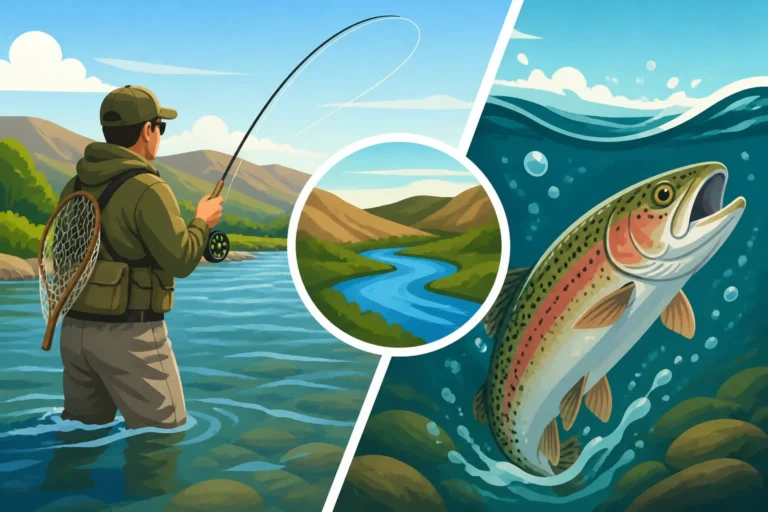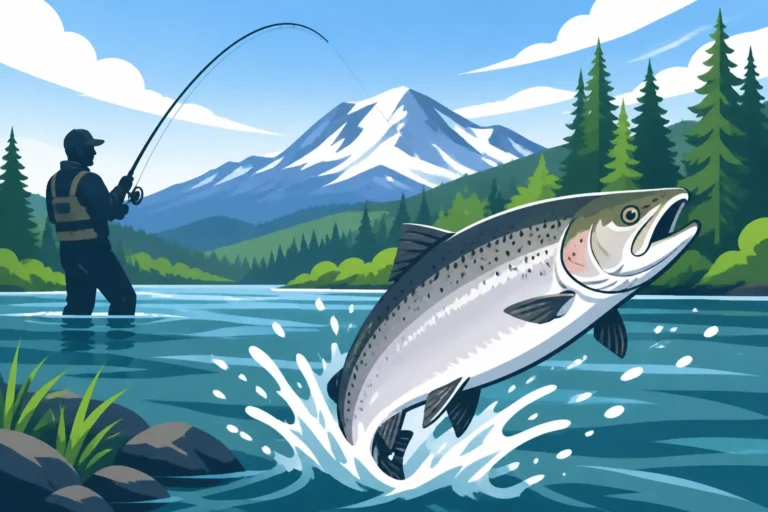
Fishing the Skykomish Near Reiter Pond Hatchery in Washington
It can be incredibly frustrating to hear about the fantastic fishing opportunities on the Skykomish River, particularly around the famous Reiter Pond Hatchery, only to arrive feeling utterly unprepared for the crowds, complex regulations, and diverse techniques required. This comprehensive guide aims to demystify fishing this iconic Washington river stretch, helping you confidently pursue salmon and steelhead.
Understanding the Skykomish River Fishery Near Reiter Pond
The Skykomish River, often affectionately called the "Sky," is a powerhouse fishery in Western Washington, and the area around Reiter Pond Hatchery is a particular magnet for anglers. This isn't just a place where fish are released; it's a dynamic ecosystem where hatchery-raised fish mingle with wild returns, all while navigating a complex river system. Understanding this specific stretch is key to enjoying your time and, hopefully, finding some success.
The Allure of Reiter Pond Hatchery
Reiter Pond is more than just a place to pick up your hatchery fish; it's a critical hub for steelhead and salmon in the Skykomish system. For decades, this facility has played a pivotal role in augmenting fish runs, especially for winter steelhead and coho salmon. The sheer volume of fish released from, and returning to, Reiter Pond makes the surrounding river sections incredibly popular, particularly during peak seasons. You'll find a massive parking area and well-worn trails leading to various bank fishing spots, a testament to its popularity. However, this popularity comes with a caveat: prepare for company. Weekends, especially when the fishing is good, can see anglers lined shoulder-to-shoulder, casting into prime runs. It’s a competitive but often rewarding environment.
The hatchery itself, located just outside of Gold Bar, is strategically positioned to attract returning adult fish. As these anadromous species make their way upriver to spawn, they are drawn to the scent of the hatchery water and the presence of other fish. This concentration effect creates fantastic opportunities for bank anglers who might not have access to a boat. For many, a trip to Reiter Pond isn't just about catching fish; it's an annual pilgrimage, a chance to be part of a vibrant fishing community, even if it means elbow-to-elbow combat for a prime casting lane. You'll often see seasoned anglers helping newcomers, sharing tips, and celebrating catches, fostering a unique camaraderie despite the competition.
Primary Target Species and Their Seasons
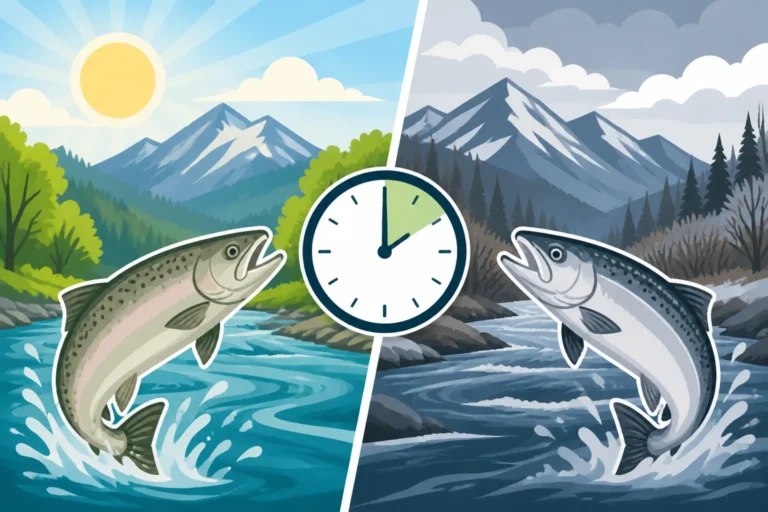
The Skykomish River, particularly around Reiter Pond, is renowned for its salmon and steelhead runs. While regulations change frequently, the general patterns remain. Winter steelhead are a huge draw, with hatchery returns typically peaking from December through March. These chrome-bright fish offer a powerful fight in cold water and are a prized catch. Then, as spring approaches, you'll start to see spring Chinook, though their numbers and seasons can be much more restricted and highly dependent on forecasts. Later in the year, usually from late summer into fall, coho salmon make their grand appearance, providing another exciting fishery, often alongside some chum salmon.
Each of these species presents a different challenge and requires specific techniques. Winter steelhead fishing is often a game of patience and precision, focusing on drift fishing presentations or bobber and jig setups in deeper runs. Coho, on the other hand, are often more aggressive and can be caught on spinners, spoons, or by twitching jigs. Knowing when each species is expected to return is critical, as seasons are tightly managed by the Washington Department of Fish and Wildlife (WDFW). Always consult the most current regulations, as emergency closures or rule changes are common. You'll want to be familiar with the nuances of Washington Fishing Seasons: A Month-by-Month Guide. For a deeper understanding of the specific fish you might encounter, our guide on Steelhead: Washington's Ocean-Run Rainbow Trout can be very helpful.
Unique Characteristics of This River Stretch
The Skykomish River around Reiter Pond has a distinct personality. Upstream from Gold Bar, the river flows through a more mountainous, forested canyon, offering a mix of fast riffles, deep pools, and boulder fields. This diverse structure provides excellent holding water for fish at various water levels. Downstream, as it approaches the town of Sultan, the river widens, slows, and becomes braided in some sections. Near Reiter Pond itself, you'll find an immediate deep hole often referred to as the "pond," followed by significant runs and gravel bars both upstream and downstream. The substrate here is primarily rock and gravel, which means good spawning and holding habitat.
Water clarity and level are massive factors in this section. After heavy rains, the Skykomish can blow out quickly, turning a muddy brown and making fishing nearly impossible. Conversely, during periods of low, clear water, fish can become incredibly spooky, requiring lighter leaders and more subtle presentations. Access near the hatchery is fantastic for bank anglers, but for those with boats, launching further upstream or downstream might be necessary depending on river conditions and specific target areas. Understanding these dynamics—the crowds, the species, and the fluctuating river conditions—is your first step to a successful day on the Sky.
Navigating Regulations and Gear Requirements
Fishing in Washington, especially for prized species like salmon and steelhead, comes with a labyrinth of regulations. Ignoring them isn't just risking a fine; it's detrimental to the conservation efforts that make these fisheries possible. The area around Reiter Pond, being so popular and biologically sensitive, often has very specific rules that you absolutely must understand before wetting a line.
Essential Licenses and Endorsements
Before you even think about what lure to tie on, you need to ensure your paperwork is in order. To fish for salmon and steelhead in Washington, you'll need a valid Washington fishing license that includes a Puget Sound Salmon endorsement. For residents, this typically means a Freshwater, Saltwater, or Combination license with the appropriate add-on. Non-residents also need a valid license, and it's essential to understand How Nonresident Rules Differ From Resident Rules and obtain a non-resident fishing license. Furthermore, for any kept salmon or steelhead, you must possess a valid Catch Record Card. This isn't just a formality; it's how WDFW gathers vital data on fish harvest, which directly influences future seasons.
Getting your license and Catch Record Card is straightforward. You can purchase them online through the WDFW licensing system, at many sporting goods stores like Cabela's or your local tackle shop, or via the MyWDFW app. Always carry your physical license or have it readily accessible on your phone through the official app. A warden can and will ask for it. It's not uncommon to see WDFW enforcement officers patrolling the Reiter Pond area, checking licenses and adherence to regulations, especially during peak seasons. Being prepared saves you hassle and ensures you're contributing to sustainable fishing practices. If you're planning a short visit, figuring out the Best Washington License for a Weekend Trip can save you money and ensure you're covered.
Gear Restrictions and Ethical Angling
The Skykomish, like many Washington rivers, has specific gear restrictions, particularly for salmon and steelhead. A common rule you'll encounter is the requirement for single-point barbless hooks. This is a critical regulation designed to minimize harm to wild fish that must be released. Even if you plan to keep a hatchery fish, you still need barbless hooks if that's the standing rule for the area and species. Using barbed hooks when prohibited can result in a significant fine. You should also be aware of potential bait bans that might be in effect for certain species or times of year, usually aimed at protecting wild fish. Always check Barbless Hook Requirements on Washington Rivers and the current regulations pamphlet.
Beyond the legal requirements, ethical angling is paramount, especially in crowded areas like Reiter Pond. This means practicing proper catch-and-release techniques for any fish you're not legally allowed to keep or choose to release. Avoid dragging fish onto dry ground, use a net with a rubberized mesh if possible, and handle fish gently, minimizing their time out of water. Snagging, which means intentionally hooking a fish anywhere other than in the mouth, is strictly illegal and heavily enforced. Even accidental foul-hooking requires immediate release of the fish. Being a responsible angler not only prevents legal trouble but also ensures the health of the fishery for everyone. Understanding Catch-and-Release Rules During Wild Steelhead Closures is particularly important in this region, as wild fish stocks are often protected.
Staying Informed About Emergency Rules
Here's a common source of frustration for Washington anglers: the rules can change on a dime! WDFW often implements emergency rule changes mid-season based on run forecasts, actual returns, or conservation concerns. This means that what was open last week might be closed today, or a bag limit might have been adjusted. Relying solely on the annual regulations pamphlet isn't enough; you need to actively check for updates.
The best way to stay informed is to regularly visit the WDFW website, specifically their "Emergency Rule Changes" page. You can also sign up for email alerts or check local tackle shop bulletin boards, as they usually have the latest notices posted. For instance, sometimes Emergency Rule Changes: Why Washington's Rules Shift Mid-Season impact the Skykomish directly, leading to immediate changes in open dates or retention rules. Imagine planning a trip weeks in advance, driving all the way to Reiter Pond, only to find out the season for your target species closed yesterday. It happens, and it's a gut punch. So, a quick check the night before, and even the morning of, your trip is an absolute must. Trust me, it beats the disappointment of a wasted journey or, worse, a citation. For detailed information on where to find these crucial updates, refer to Where Washington Posts Fishing Rule Changes.
Effective Techniques for Skykomish Anglers
The Skykomish River demands a versatile approach. What works one day might not work the next, largely due to changing water conditions, fish behavior, and pressure from other anglers. Having a few proven techniques in your arsenal will significantly increase your odds of success, especially in a popular spot like Reiter Pond.
Drift Fishing and Bobber Dogging Strategies
Drift fishing is arguably the most iconic and effective technique for steelhead and salmon in Washington rivers like the Skykomish. It involves presenting bait or an artificial lure naturally along the bottom, where fish are often holding. For hatchery steelhead, a classic setup involves a sliding weight (like a Slinky or pencil lead), a bead chain swivel, and a leader ending in a bait, typically cured roe, a plastic worm, or a drift bobber like a Cheater or Corky. The key is to match your weight to the current, so your offering tumbles along the bottom without dragging or flying over the fish. This requires a sensitive rod and good feel.
"Bobber dogging," or side-drifting with a float, is another extremely popular and effective method, especially from a drift boat or pontoon. However, it can also be adapted for bank anglers in certain slower-moving seams. This technique uses a weighted float to suspend bait (often roe bags) at a precise depth, allowing it to "dog" or tumble downstream just above the riverbed. The visual strike of a bobber disappearing is exhilarating. For bank anglers around Reiter Pond, finding slower-moving pockets or the edges of current seams where you can control your drift is essential for both these techniques. Remember, fish often hold in predictable spots behind structure or in current breaks, waiting for food to drift by. Understanding Drift Fishing for Steelhead in Washington Rivers will give you a significant edge.
Best Lures and Baits for Success
When it comes to lures and baits on the Skykomish, variety is your friend. For steelhead, cured roe is king, whether fished in an egg loop on its own or within a small mesh bag (roe bag). Pink worms (drifted or under a bobber), plastic eggs, and even small jigs tipped with a prawn or shrimp imitation can be deadly. When the fish are more aggressive or water clarity is slightly off, spinners and spoons really shine. Brands like Blue Fox Vibrax spinners, Koho spoons, or the classic Dick Nite spoons in various colors (chartreuse, orange, silver, brass) are common choices. Try casting them slightly upstream and across, letting them swing through holding water.
For salmon, especially coho, twitching jigs has become incredibly popular. These involve a lead-head jig with a skirt, often tipped with a piece of prawn or scent. You cast it out and retrieve it with a sharp "twitch-twitch-pause" motion, mimicking an injured baitfish. Plunking with large Spin-N-Glos and heavy weights can also be effective in high water or specific bank locations for salmon, though it's less active. Remember, scent plays a huge role in attracting fish, so don't be shy about using popular fish scents or incorporating real bait. For those keen on Casting Spoons and Spinners for Washington Steelhead, experimenting with different retrieves and depths is key.
Fly Fishing Considerations
While the Skykomish around Reiter Pond is predominantly gear-oriented, there are definitely opportunities for fly anglers, particularly during certain seasons or in specific stretches. Winter steelhead on the fly is a challenging but incredibly rewarding pursuit. Spey casting with large, weighted flies (like intruders or Hoh Bo Speys) allows you to cover water effectively and present your fly deep in cold, fast currents. Understanding how to "swing" a fly through a run, letting the current do the work, is fundamental.
For other species, especially sea-run cutthroat trout or resident rainbow trout that might be found in quieter sections or tributaries, nymphing or even dry fly fishing can be productive during warmer months. However, the sheer size and power of the Skykomish, combined with the presence of larger anadromous fish, means you'll need robust fly gear – a 7- to 9-weight rod is usually appropriate for steelhead, capable of handling heavy lines and big fish. While the crowds at Reiter Pond itself might make fly casting difficult, exploring upstream or downstream away from the main hub can often yield more solitude and better fly water. Just be mindful of other anglers and ensure you have enough space for your backcast!
Prime Fishing Spots Beyond the Hatchery
While Reiter Pond Hatchery is a significant draw, confining yourself to just that immediate area means missing out on incredible opportunities elsewhere on the Skykomish. The river offers a diverse range of access points and fishing structures, each with its own advantages and challenges. Expanding your knowledge of these locations can make your trip much more productive and enjoyable, especially when the main hatchery area is packed.
Bank Access Points and Wade-Fishing Opportunities
Beyond the direct hatchery access, the Skykomish River boasts numerous public access points that cater to bank anglers and those looking to wade. Downstream from Gold Bar, near the towns of Sultan and Monroe, you’ll find several parks and WDFW access sites with decent bank access. These spots often feature a mix of gravel bars, slower runs, and deeper holes where fish can hold. Look for areas with a slower current adjacent to a faster seam, or deep pockets behind large boulders or log jams. These are classic holding water for both salmon and steelhead.
Wade fishing is also a popular approach, allowing anglers to get away from the immediate bank pressure and access prime water. However, the Skykomish can be a powerful, swift-moving river, and safety is paramount. Always use a wading staff, wear appropriate wading boots with good traction, and understand your limits, especially in cold water. Some of the more remote, upstream sections, like those closer to Index or farther into the National Forest lands, offer more solitude for adventurous waders, but access can be challenging. Always respect private property and be mindful of your surroundings. Remember, areas where Wild Steelhead vs Hatchery Steelhead in Washington might intermingle often have very specific rules regarding retention.
Boat Launch Information and Drift Planning
For many serious anglers, a drift boat or pontoon boat is the preferred way to fish the Skykomish, offering the ability to cover vast stretches of water and present baits more effectively in undisturbed areas. Several public boat launches are available along the river. Popular launches include those near the town of Gold Bar, Sultan, and Monroe. Each launch provides access to different sections of the river, offering varied fishing experiences. For instance, a drift from Gold Bar down to Sultan can cover miles of prime steelhead and salmon habitat.
Planning your drift is crucial. You need to know your put-in and take-out points, understand the river's flow and any potential hazards (log jams, rapids), and ensure you have reliable transportation to shuttle vehicles. Many guides who operate on the Skykomish utilize drift boats extensively, and if you’re new to the river, a guided trip can be an invaluable way to learn these sections. You could look up guides on platforms like FishingBooker who specialize in the Skykomish and its specific drifts, providing local insights and handling the logistics of boat handling and shuttles. They can also provide up-to-date information on river conditions and where the fish are holding.
Seasonal Hotspots and Their Challenges
Different sections of the Skykomish become "hot" depending on the season and the target species. During the peak of winter steelhead season, the runs directly upstream and downstream from Reiter Pond are prime, as fish stage before entering the hatchery. However, these areas also see the most intense pressure. Further downstream, closer to the confluence with the Sultan River, can be excellent for coho salmon in the fall, as these fish often stack up before continuing their journey. Early season Chinook might be found in deeper pools throughout the lower and middle sections of the river.
The challenge with these hotspots is often crowding. It’s not uncommon to arrive at a popular bank access only to find it already occupied by several anglers. Having alternative spots in mind, or being willing to hike a bit to find less pressured water, is a smart strategy. Additionally, certain conditions might make some spots unfishable; high water can make wading treacherous in some areas, while low water might expose snags or make boat navigation difficult. Always be flexible and adapt your plan based on current conditions. Checking local fishing reports or talking to tackle shop owners in towns like Gold Bar or Sultan can provide invaluable, real-time insights into which spots are currently producing. Knowing Understanding Washington's Daily Bag Limits by Species for each type of fish you might encounter is also essential, as limits can vary greatly.
Hiring a Guide vs. DIY Exploration
The Skykomish River, with its complex flows, frequent regulation changes, and often crowded popular spots, can be intimidating for newcomers or even experienced anglers visiting for the first time. Deciding whether to go it alone or enlist the help of a professional guide is a common dilemma, and each option presents its own set of pros and cons.
When a Guided Trip Makes Sense
A guided fishing trip on the Skykomish River can be an absolute game-changer, especially if you’re new to the area, targeting a specific species during a short visit, or want to learn the ropes from an expert. Professional guides spend hundreds of days a year on the water; they know the river like the back of their hand – where the fish are holding, what baits and techniques are currently working, and how to navigate the ever-changing regulations. They provide all the necessary gear, bait, and often even handle the fish cleaning. This means less stress about licenses, gear, boat shuttles, and reading the river, allowing you to focus purely on fishing.
For example, if you're visiting Washington for a weekend and want to experience the thrill of winter steelhead fishing without the huge upfront investment in specialized gear or the learning curve of a new river, a guide is an excellent option. They can teach you proper drift fishing techniques or how to effectively swing a fly. Platforms like FishingBooker can connect you with reputable local guides who have extensive experience on the Skykomish. Reading reviews and checking their specialties (e.g., drift boat trips, specific species) can help you find the perfect match. While a guided trip involves a financial investment, the knowledge gained and the increased chances of success often make it well worth the cost, transforming a potentially frustrating day into a memorable adventure. You might even learn invaluable tips that will serve you on future solo trips, making it a powerful educational experience. Think of it as an accelerated course in Winter vs Summer Steelhead Runs in Washington, Explained.
Preparing for a Self-Guided Adventure
If you prefer the challenge and satisfaction of a DIY trip, the Skykomish offers plenty of opportunities for self-guided exploration, but it requires significant preparation and a realistic understanding of the river. First and foremost, you need to be self-sufficient with all your gear: a sturdy rod and reel setup capable of handling powerful salmon and steelhead, a good selection of weights, leaders, hooks (barbless, of course!), and a variety of baits and lures. A quality pair of waders and wading boots are essential for bank fishing, and a proper PFD (personal flotation device) is non-negotiable if you’re using a drift boat or even wading in swift currents.
Beyond gear, your preparation should include extensive research. Pour over current WDFW regulations, check for emergency rule changes, and study river maps to identify public access points and potential holding water. Understanding Washington Fishing Regulations Every Angler Should Know is not just a suggestion, it's a requirement. Be prepared for crowds, especially at popular spots like Reiter Pond, and have backup plans for alternative access points if your primary spot is occupied. Packing enough food, water, and appropriate rain gear (because this is Washington, after all!) will ensure you're comfortable. While it's more work, a successful self-guided trip on the Skykomish, especially if you land a prized steelhead or salmon, is an incredibly rewarding experience that builds confidence and river knowledge.
Comparing Fishing Approaches on the Skykomish
To help you decide whether a guided trip or a self-guided adventure is right for you, here's a quick comparison of the key aspects:
| Feature | Guided Trip | Self-Guided Trip |
|---|---|---|
| Cost | Higher upfront investment (guide fees) | Lower upfront cost, but gear investment required |
| Gear Provided | All tackle, bait, boat, safety gear often included | You supply all your own gear |
| Local Knowledge | Expert insights on current conditions, hotspots, techniques | Requires extensive personal research and scouting |
| Regulations Navigation | Guide handles compliance, informs you of rules | Your responsibility to know and follow all rules |
| Logistics | Guide handles boat shuttle, access, fish cleaning | All planning, shuttling, and processing is on you |
| Catch Potential | Generally higher chance of success due to expertise | Varies greatly based on experience and preparation |
| Learning Curve | Accelerated learning from a seasoned professional | Slower, self-directed learning, often through trial and error |
| Flexibility | Limited to guide's schedule and chosen itinerary | Full control over your schedule and fishing spots |
As you can see, both options have their merits. If you're looking for a stress-free experience with a higher likelihood of success and a chance to learn from the best, a guide is an excellent choice. If you enjoy the challenge of figuring things out on your own and want full autonomy over your trip, then the self-guided route offers immense satisfaction. Ultimately, the best approach depends on your budget, experience level, and personal preferences.
Disclaimer
Fishing regulations in Washington State are subject to frequent change. Always consult the latest official Washington Department of Fish and Wildlife (WDFW) regulations pamphlet and emergency rule updates before heading out on the water. This article provides general information and should not be considered a substitute for official WDFW publications. Ensure you have the proper licenses, endorsements, and catch record cards as required by law.