Winter Steelhead vs Summer Steelhead in Washington
The world of Washington fishing can sometimes feel like a secret language, full of specific terms and distinctions that aren't immediately clear. One of the biggest head-scratchers for many anglers, myself included when I was starting out, revolves around steelhead: specifically, the difference between winter steelhead and summer steelhead. It's not just a seasonal label; these are two distinct life histories of the same species, and understanding their unique behaviors, preferred habitats, and even their physical appearance can make all the difference in your success on the water. This guide aims to clear up that confusion, offering a deep dive into what makes each run unique and how you can best prepare for your next Washington steelhead adventure.
Understanding the Washington Steelhead Identity
Before we dive into their seasonal distinctions, let's nail down exactly what a steelhead is. It’s a fish that holds a legendary status here in Washington, drawing anglers from all over for its incredible fight and elusive nature.
The Anadromous Rainbow Trout
At its heart, a steelhead is simply a rainbow trout that has decided to take an epic journey to the ocean. Unlike its resident rainbow trout cousins that spend their entire lives in freshwater lakes and rivers, the steelhead undergoes a remarkable physiological change that allows it to survive in saltwater. This makes it "anadromous," a term you'll hear often in salmon and steelhead country, meaning it lives most of its adult life in the ocean but returns to freshwater to spawn.
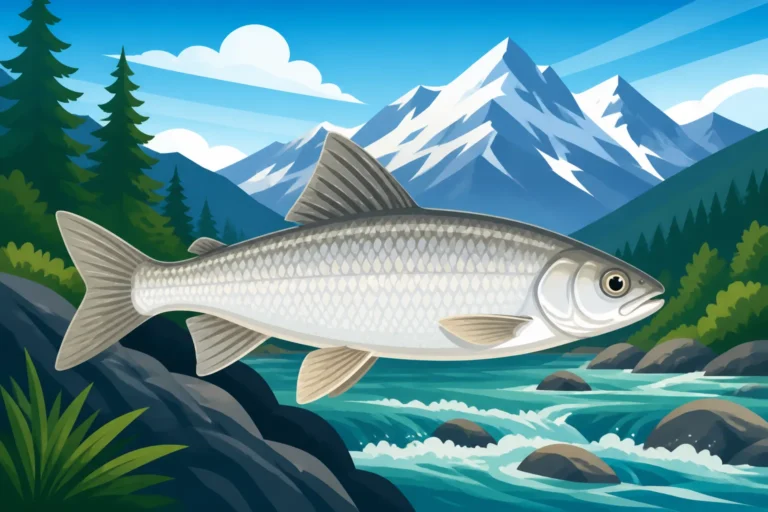
Once these young trout (often called "smolts" at this stage) migrate from their natal rivers out to the vastness of the Pacific, they feed voraciously, growing significantly larger and stronger than their freshwater counterparts. They develop a sleek, chrome-bright coloration—a stark contrast to the colorful reds and spots of a stream-dwelling rainbow. This ocean-phase growth and transformation is what makes them such a prized catch. They are powerful, acrobatic, and notoriously difficult to hook and land, embodying the wild spirit of Washington's rivers. Many anglers consider catching a Steelhead: Washington's Ocean-Run Rainbow Trout to be the pinnacle of freshwater fishing.
Why the "Steelhead" Distinction?
The name "steelhead" itself comes from this change in appearance—their heads often appear steely-blue or grey, and their bodies take on that characteristic bright, metallic sheen after spending time in the ocean. But why distinguish between winter and summer runs if they're the same species? The reason lies in their distinct migration timing and biological strategies. While both are ocean-run rainbow trout, they undertake their freshwater migrations at different times of the year and exhibit different states of maturity and behavior upon entering the rivers.
Think of it this way: a spring blossom and a winter snowdrop are both flowers, but they have adapted to thrive in entirely different seasons. Similarly, winter and summer steelhead have evolved different life history patterns to navigate varying river conditions and food availability. These adaptations dictate everything from when and where you'll find them to the best tactics for catching them. Understanding this fundamental split is key to unlocking the full potential of Washington's diverse steelhead fisheries.
Deciphering the Seasonal Differences
The distinction between winter and summer steelhead is far more than just a calendar date; it encompasses their biological clock, physical attributes, and behavior in the river system. These aren't just fish swimming in at different times; they are fundamentally different in their approach to reproduction.
Run Timing and River Residency
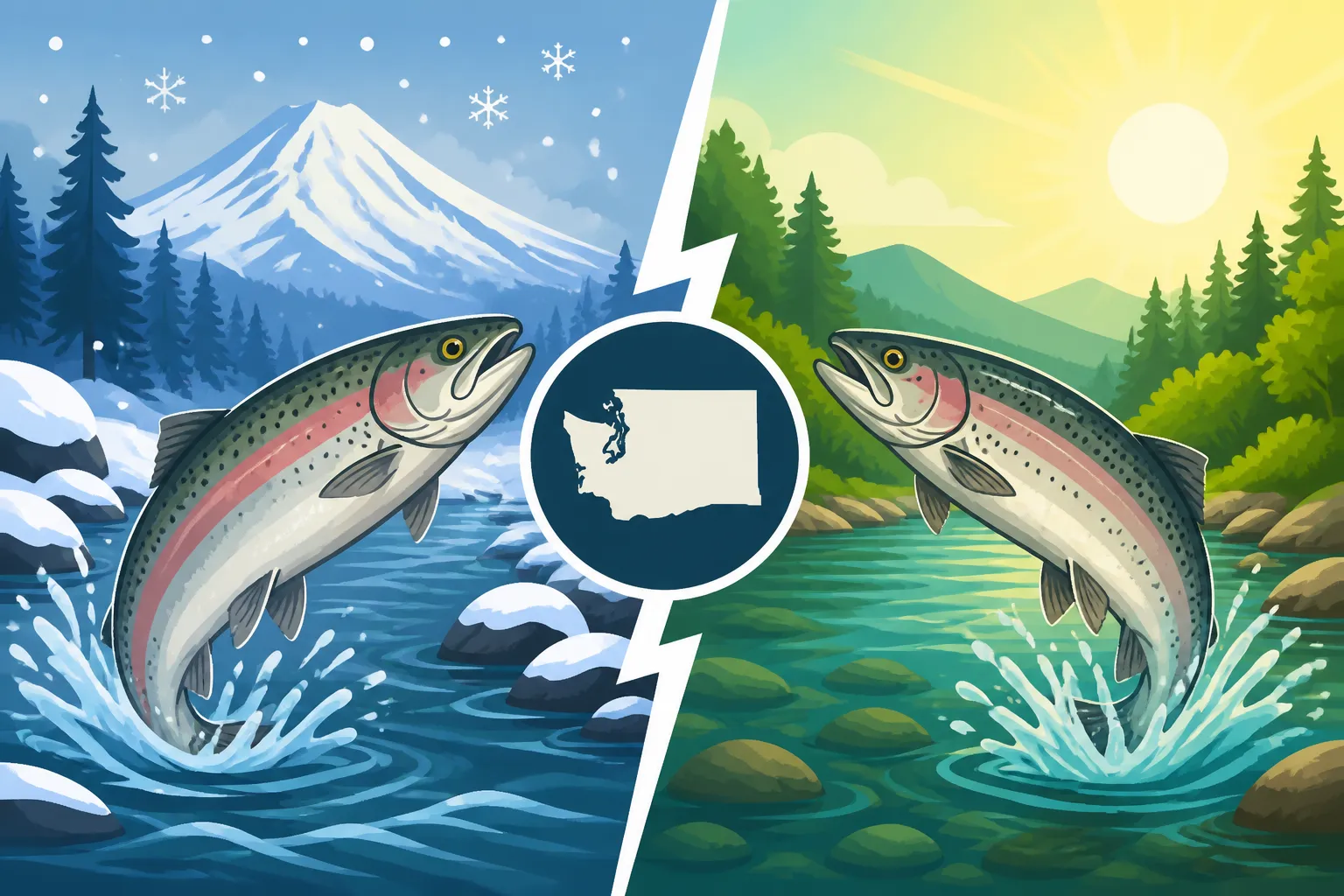
This is perhaps the most defining difference. Winter steelhead typically begin their migration into Washington's rivers during the late fall, with the bulk of the runs occurring from December through March, sometimes stretching into April or even May on certain rivers. These fish enter the river system in a sexually mature state, or very close to it. They swim directly to their spawning grounds, which can be far upstream, and are ready to spawn relatively soon after arrival, typically in late winter or early spring. Because they enter mature and move quickly to spawn, they spend less time "holding" in a particular stretch of river before spawning.
Summer steelhead, on the other hand, start showing up in Washington rivers much earlier, often as early as April or May, and their runs can continue through the summer and into early fall. The crucial difference is that summer steelhead enter the rivers in an immature state. They spend months, often the entire summer and fall, holding in deep pools and cooler sections of the river, maturing sexually, before they finally spawn the following spring. This extended residency in freshwater makes them behave quite differently from winter-run fish, often requiring different angling tactics. This long period of waiting in the river is a unique characteristic that sets them apart. You can learn more about these distinct patterns in Winter vs Summer Steelhead Runs in Washington, Explained.
Physical Characteristics and Condition
While both are formidable fish, you'll often notice subtle but consistent differences in their physical condition when they are caught fresh from the ocean.
Winter steelhead, especially those caught early in their run, tend to be incredibly robust and bright. They've just left the ocean's bounty, carrying a lot of fat reserves and appearing very chrome-silver, often with a darker back. Their flesh is typically firm and red, much like prime salmon, reflecting their recent abundant ocean feeding. As they spend more time in the river, especially closer to spawning, their condition can start to degrade, and their color may darken and take on a more pronounced red stripe as they mature, but their initial entry is usually a picture of power and oceanic health.
Summer steelhead, due to their prolonged stay in freshwater before spawning, often look a bit different. When they first enter the river, they are also chrome-bright and in excellent condition. However, as they hold in the river over months, they begin to lose their oceanic brilliance, taking on a more "resident" rainbow trout appearance—sometimes with a distinct red band and more pronounced spotting. They also burn through their fat reserves during their extended freshwater stay, so their flesh, if kept, might be paler and less firm than a freshly-run winter steelhead. While they are still incredibly strong, their endurance can sometimes reflect the long journey and period of fasting they've endured in the river.
Spawning Behavior and Post-Spawn Survival
Both types of steelhead are part of a unique group of salmonids that, unlike most Pacific salmon, don't necessarily die after spawning. They are iteroparous, meaning they can survive to spawn multiple times, though it's not a guarantee and often depends on the individual fish and river conditions.
Winter steelhead, upon entering the river, are geared to spawn relatively quickly. They migrate upstream, find suitable gravel beds, and engage in their spawning ritual in late winter or early spring. After spawning, many "kelts" (spent steelhead) will attempt to drop back to the ocean, recover, and potentially return to spawn again in a subsequent year. However, the harsh conditions of winter rivers—cold temperatures, high flows, and increased energy expenditure—mean that many winter kelts don't survive the downstream journey or the rigors of spawning.
Summer steelhead, having entered the river much earlier and matured over months, also spawn in the spring, typically around the same time as winter steelhead. Their longer freshwater residence means they have endured different challenges, such as warmer water temperatures and lower flows, which can also be stressful. However, those that do survive spawning and drop back to the ocean often have a slightly better chance of repeat spawning, possibly because they return to the ocean during a more benign season (late spring/early summer) with more favorable conditions for recovery. The resilience of these fish, whether winter or summer run, to survive such a demanding journey and reproductive cycle is truly remarkable and a testament to their wild nature.
Prime Locations and Environmental Factors
Washington State offers an incredible diversity of rivers, from the rushing torrents of the Olympic Peninsula to the mighty Columbia, each attracting steelhead. Knowing which rivers host which runs, and what conditions bring them in, is vital for success.
Winter Steelhead Strongholds
When the days grow short and the rain starts to fall, the focus of many Washington steelheaders shifts to the western side of the state, particularly the coastal and Puget Sound tributaries. These rivers swell with winter rains, creating the perfect conditions for winter-run fish to push upstream. The sheer number of systems means there's almost always an opportunity somewhere.
The rivers of the Olympic Peninsula are legendary for their wild winter steelhead runs. Think of names like the Hoh, Sol Duc, Bogachiel, and Quillayute—these are often called "steelhead alleys" for a reason. These systems receive a tremendous amount of rainfall, keeping flows high and cold, which winter steelhead thrive in. Further north, the Puget Sound rivers like the Skagit, Stillaguamish, and Skykomish also see strong winter returns, though often with a higher proportion of hatchery fish. Each river has its own personality, and current conditions are always key. I always make sure to consult the Best Steelhead Rivers in Washington before planning a trip, as conditions can change rapidly. Rivers like the Washington's Skagit River and Its Winter Steelhead Run are prime examples of classic winter steelhead destinations.
Summer Steelhead Havens
While winter steelhead dominate the conversation on the west side during colder months, summer steelhead find their refuge in different, often larger, river systems that can sustain cooler water temperatures throughout the warmer months. These fish tend to prefer rivers with deep, cool pools where they can hold for extended periods while they mature.
The Columbia River system and its major tributaries are undoubtedly the kings of summer steelhead in Washington. The Snake River, the Grande Ronde, and the Wenatchee all have significant summer runs. These fish travel incredible distances from the ocean, pushing hundreds of miles upstream to their summer holding grounds. On the west side, some larger systems like the Cowlitz and even parts of the Skykomish also see decent summer runs, though typically less heralded than their winter counterparts. The Yakima River, renowned for its trout fishing, also sees summer steelhead, providing a unique challenge for fly anglers. Fishing the Yakima River Fly Fishing for Wild Trout in Washington for these summer-run fish is a truly special experience. These rivers offer a completely different experience than the coastal torrents, often requiring stealth and precision in clearer, warmer conditions.
Water Conditions and River Influence
No matter if you're chasing winter or summer steelhead, river conditions are paramount. These fish are incredibly sensitive to their environment, and understanding how factors like flow, clarity, and temperature impact their behavior is crucial.
For winter steelhead, higher, slightly colored water is often ideal. The freshets (spikes in river flow) brought by winter rains encourage new fish to enter the river and help existing fish move upstream. However, too much rain can lead to a "blown out" river—a chocolate milk torrent that makes fishing impossible and forces fish to hold in slower water or off-channel areas. Conversely, low, clear water in winter can make fish extremely wary and difficult to approach. You really need to pay attention to river gauges and reports, as fishing a river when it's just coming into shape after a rain event can be magical. How Water Clarity Affects Steelhead Fishing is an essential read for understanding these dynamics.
For summer steelhead, stable, cooler water temperatures and moderate flows are generally preferred. Since they hold in the river for so long, consistent water quality is key to their survival and well-being. During hot summer months, seeking out rivers with cold water inputs (like snowmelt or dam releases) or targeting shaded, deep pools becomes critical. Low water can concentrate fish but also make them more susceptible to stress and make them incredibly spooky. High water in summer, while less common, can scatter fish and make them harder to locate. Regardless of the season, understanding the river's pulse and how it relates to the steelhead's behavior is a constant learning process that keeps us coming back for more. It's truly a dance with nature.
Tailoring Your Approach: Techniques and Tackle
Successfully catching steelhead, whether winter or summer run, is a rewarding challenge that demands patience, adaptability, and the right gear. These fish are notoriously tough to fool, and what works for one type of steelhead might not work for the other.
Strategies for Battling Winter Steelhead
Winter steelheading is often a game of "searching" water. Given the typically higher, murkier conditions, traditional methods focus on presenting baits or lures effectively to fish that are moving or holding in slower seams.
Drift fishing is perhaps the most iconic winter steelhead technique in Washington. This involves using a weighted rig to bounce bait or artificial presentations along the river bottom, imitating natural food items drifting with the current. Often, anglers will use cured roe, shrimp, or brightly colored soft plastics (like a Cheater Worm or a small Gooey Bob) under a float or with lead weights. The idea is to cover a lot of water and put your presentation right in front of a fish's nose in the often-limited visibility. Finding the right weight and float setup to achieve a perfect, natural drift is a subtle art that takes practice. Mastering Drift Fishing for Steelhead in Washington Rivers is key to success.
Float fishing, where a bobber suspends your bait or jig at a precise depth, is another incredibly effective method, especially in slower-moving runs and holes. This allows you to meticulously work a promising piece of water, keeping your presentation off the bottom where it can snag, but still in the strike zone. Jigs tipped with bait or small plastic worms are popular choices.
Casting and retrieving spoons or spinners can also be deadly, particularly in clearer water or when fish are more aggressive. The flash and vibration can trigger an instinctual strike from a fish holding in a seam or behind a boulder. These active techniques can be very exciting when a steelhead decides to hammer your offering.
Pursuing Elusive Summer Steelhead
Summer steelheading often feels like a completely different sport, requiring more finesse and stealth due to clearer, lower water conditions and the fish's prolonged residency in freshwater. These fish have seen it all, making them incredibly wary.
Fly fishing truly shines for summer steelhead, particularly on rivers with wild populations like the Yakima or those on the Olympic Peninsula. Anglers often employ dry-line techniques with large, attractive dry flies that skate across the surface, especially during low light conditions or hatches. More commonly, nymphing with weighted flies that imitate insects or small fish, or swinging traditional wet flies and spey flies, can be highly effective. The key is often a delicate presentation and a long, controlled drift to fool these educated fish. Fly Fishing Techniques for Winter Steelhead in Washington primarily focuses on cold water, but many of the principles of presentation and reading water apply to summer fly fishing, too.
For gear anglers, drift fishing with lighter line and smaller presentations can still work. Small cured eggs, beads, or subtle soft plastics can be effective when bounced through prime holding water. Casting small spinners or spoons is another viable option, especially in faster runs where fish might be more inclined to chase. Stealth is paramount: approach pools carefully, keep a low profile, and avoid heavy footsteps or loud noises that can spook fish in clear water. Sometimes, just sitting quietly and observing the water for subtle signs of fish activity can be the best first step.
Essential Gear for Washington Steelheading
No matter which run you're targeting, having the right gear is crucial for comfort, safety, and success.
For both seasons, a good quality medium-heavy to heavy action rod (8'6" to 10'6" in length) paired with a reliable spinning or baitcasting reel spooled with 15-20lb mainline is a good starting point for gear anglers. Fly anglers will typically use 7-9 weight rods, often spey or switch rods for swinging flies.
Waders and sturdy wading boots are non-negotiable for river fishing, keeping you dry and warm in cold winter waters and comfortable in cooler summer flows. A good rain jacket (waterproof and breathable!) is also essential, especially for Washington's famously wet winters. You can find excellent options for all these essentials, from budget-friendly to high-performance, conveniently on Amazon. Don't forget layers of clothing; it's always easier to shed a layer than to shiver all day.
Beyond the basics, you'll need a selection of terminal tackle tailored to your chosen technique:
- For drift fishing: lead weights (pencil lead, slinkies, hollow-core), swivels, leader line (10-15lb fluorocarbon is common), hooks (single, barbless are often required).
- For float fishing: various floats (pencil, Drennan, Raven), jigs, split shot.
- For casting: a variety of spoons and spinners in different colors and sizes.
- For fly fishing: a selection of flies (nymphs, streamers, dry flies, spey flies), leaders, and tippet material.
A reliable net with a rubberized mesh (fish-friendly) is also a must-have for landing and safely releasing fish. And speaking of safety, a wading staff can be a lifesaver in slippery, fast-moving rivers. Always prioritize safety over that extra cast! Many anglers also carry a small tackle box or bag with extra hooks, weights, and maybe even a few specialized lures or baits they purchased from Amazon just for those "what if" moments.
Navigating Regulations and Supporting Conservation
Fishing for steelhead in Washington isn't just about the thrill of the catch; it's also about understanding and respecting the intricate web of regulations designed to protect these vital fish. Steelhead populations face numerous challenges, and our role as anglers is critical in their conservation.
Specific Seasons, Limits, and Endorsements
The first, and most crucial, step before any steelhead trip is to check the current regulations. Washington's fishing rules are complex and can vary significantly by river, species, and even time of year. A general Washington Fishing License Guide for Nonresidents or Washington Fishing Regulations Every Angler Should Know is a good starting point, but always drill down to the specific river you plan to fish.
Steelhead seasons are carefully managed. While there might be general "winter" or "summer" seasons, specific river sections often have opening and closing dates, or even specific days of the week that are open to fishing. Bag limits for steelhead are often very restrictive, sometimes as low as one hatchery fish per day, or even entirely catch-and-release, especially for wild populations. It's also important to be aware of the two-pole endorsement if you plan to fish with more than one rod, which is only allowed in specific waters.
Many rivers require the use of single-point barbless hooks for steelhead. This regulation is put in place to minimize harm to fish, particularly those that are released. Carrying a pair of pliers or forceps to quickly and gently remove hooks is also essential. Remember, regulations can change mid-season due to Emergency Rule Changes: Why Washington's Rules Shift Mid-Season based on run forecasts or in-season counts, so always check the latest updates from the Washington Department of Fish and Wildlife (WDFW) before heading out.
Wild vs. Hatchery: Understanding the Rules
This is perhaps the most critical distinction in Washington steelhead fishing. Many rivers have both wild (naturally spawned) and hatchery (raised in hatcheries and released) steelhead. To help conserve wild populations, which are often listed as threatened or endangered, regulations frequently differentiate between the two.
Hatchery steelhead are typically identified by a missing adipose fin (the small, fleshy fin on their back, between the dorsal and caudal fins). This fin is "clipped" or removed when the fish are young, marking them as hatchery origin. In many fisheries, anglers are allowed to keep a certain number of hatchery steelhead, while wild steelhead (those with an intact adipose fin) must be immediately and carefully released. Understanding Wild Steelhead vs Hatchery Steelhead in Washington is fundamental to ethical angling.
The reasons for these strict rules are rooted in conservation. Wild steelhead are the genetic backbone of the species; they have adapted over generations to their specific river systems and are crucial for the long-term health and resilience of the population. Hatchery fish, while providing angling opportunities and supplementing runs, can sometimes pose genetic or ecological risks to wild fish. Therefore, protecting wild fish by ensuring their safe release is a cornerstone of responsible steelheading in Washington. It is our duty to properly identify our catch and abide by the rules.
Being a Responsible Steelhead Angler
Beyond just following the letter of the law, being a responsible steelhead angler means adopting a conservation-minded approach every time you hit the water.
- Handle Fish Gently: If you catch a wild steelhead (or any fish you plan to release), keep it in the water as much as possible. Use a rubberized net, avoid squeezing, and release it quickly. If you must take a photo, do it swiftly with the fish partly submerged, supporting its belly.
- Minimize Stress: During warmer summer months, consider avoiding steelhead fishing during the hottest parts of the day or when water temperatures are high, as this can severely stress fish, even those released.
- Clean Up: Pack out everything you pack in, and perhaps even a little more. Leave the river bank cleaner than you found it.
- Educate Yourself and Others: Take the time to read the Reading the Washington Sport Fishing Regulations Pamphlet thoroughly. Share your knowledge with new anglers, fostering a culture of respect for the resource.
- Support Conservation Efforts: Consider joining local fishing and conservation groups that advocate for healthy rivers and sustainable fisheries.
Steelhead are a true treasure of Washington State. By understanding the unique characteristics of winter and summer runs, adapting our techniques, and committing to responsible angling practices, we can help ensure that these magnificent fish continue to grace our rivers for generations to come.
| Feature | Winter Steelhead | Summer Steelhead |
|---|---|---|
| Run Timing | Late Fall through Spring (Dec-Apr/May) | Spring through Fall (May-Oct) |
| Maturity on Entry | Sexually mature or near-mature | Sexually immature, matures in freshwater |
| River Residency | Relatively short; migrate to spawn quickly | Extended; hold in river for months before spawning |
| Water Conditions | Higher, often turbid flows from winter rains | Lower, clearer flows; seek deep, cool pools |
| Typical Location | Coastal rivers, Puget Sound tributaries | Columbia River tributaries, larger systems |
| Fresh from Ocean | Very bright chrome, robust, high fat reserves | Bright chrome initially, fades over time in river |
| Angling Challenge | Locating fish in big water; adapting to changing flows | Stealth, finesse in clear water; wary fish |
| Primary Methods | Drift fishing, float fishing, spoons/spinners | Fly fishing (nymphing, swinging), light gear |
Disclaimer
This article is for general informational purposes only and does not constitute professional advice. Laws, prices and regulations vary by location and change over time. Consult a qualified professional for guidance on your specific situation.