Brown Trout in Washington’s Lakes and Rivers
For many anglers in Washington, the quest for trout often centers on the familiar rainbow or the elusive native cutthroat. But if you’re overlooking the brown trout, you’re truly missing out on a fantastic angling experience that offers a unique challenge and incredible rewards. It can be frustrating to know these beautiful fish exist but not quite grasp where to find them or how to entice them, especially when they can be notoriously shy. This comprehensive guide will illuminate the world of brown trout in Washington, helping you understand their history, habitats, and the best ways to connect with these wily fish.
Understanding Brown Trout in Washington
Brown trout are absolute legends in the angling world, known for their stunning beauty, aggressive takes, and often, their sheer size. However, they're a bit different from some of our more common native trout in Washington, and understanding their background here is key to appreciating them.
Are Brown Trout Native to Washington?
Let's clear this up right from the start: no, brown trout are not native to Washington state. They are an introduced species, originally hailing from Europe and western Asia. These robust trout were brought to North America in the late 19th century, with some of the earliest successful introductions happening on the East Coast. They were initially stocked in many waters across the continent because they proved to be incredibly adaptable and provided an exciting sport fishery where native trout populations might have struggled due to habitat changes or fishing pressure.
In Washington, brown trout were introduced to various lakes and rivers over the decades, primarily by state fish and wildlife agencies looking to diversify angling opportunities. While they've certainly carved out a niche for themselves and established wild, self-sustaining populations in many areas, they are not indigenous to our Pacific Northwest ecosystems. This distinction is important because it sometimes influences how management agencies prioritize them compared to native species like cutthroat or bull trout. Nevertheless, they offer a fantastic fishery for those willing to learn their ways.
Identifying Washington Brown Trout
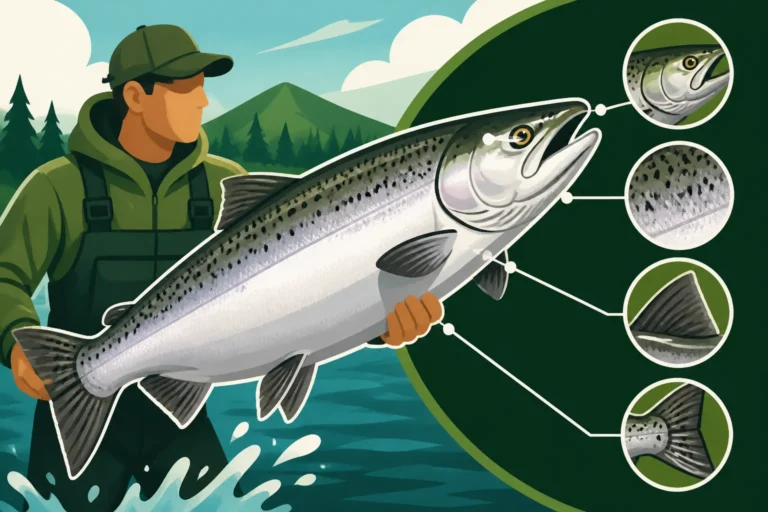
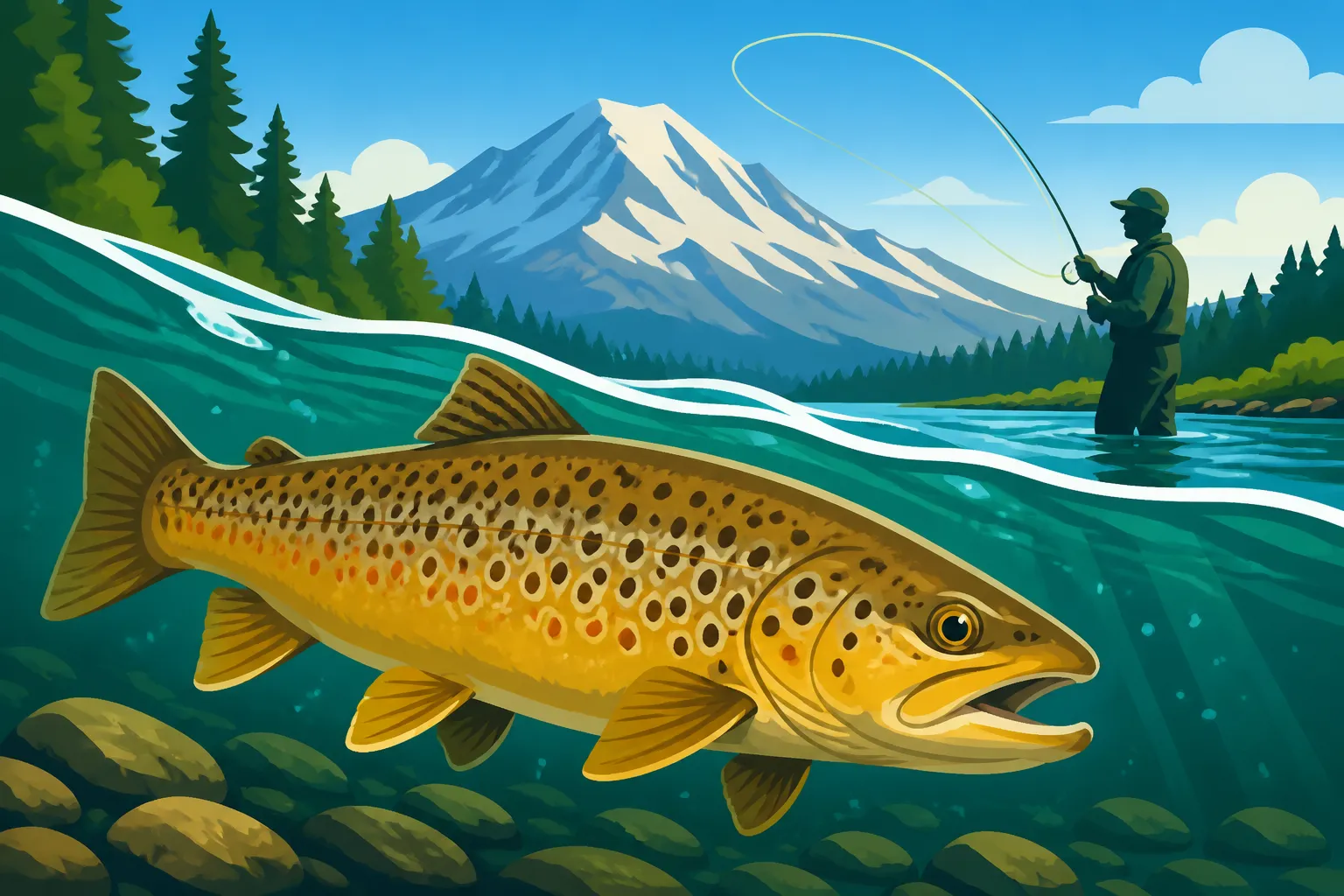
Brown trout are truly handsome fish, and once you get an eye for them, they're pretty distinct from their rainbow and cutthroat cousins. Typically, they have a sleek, torpedo-shaped body, with a coloration that can vary quite a bit depending on their habitat and diet. Most often, you'll see them sporting a brownish-gold to olive-green back, fading to lighter flanks that are sometimes yellowish or silvery, and a creamy white belly. What really stands out are their spots.
Brown trout are usually covered in dark spots, often ringed with a lighter halo, scattered over their backs, sides, and dorsal fin. They also have distinctive red or orange spots, sometimes with a light halo, particularly on their flanks. These reddish spots are a key identifier, though they can be less pronounced on fish living in very clear, open water or those that spend a lot of time in saltwater (known as "sea trout" in some parts of the world, though less common here). Their tail fin is typically square or slightly forked, and usually lacks the prominent spotting you'd see on a rainbow trout's tail. If you're comparing them to a cutthroat, remember the tell-tale red or orange slash marks under the jaw of a cutthroat, which browns lack entirely. Knowing these subtle differences can make a big difference when trying to identify your catch and ensure you're adhering to specific regulations. You'll find them mentioned when looking at Cutthroat Trout in Washington's Rivers and Lakes as well.
Where Brown Trout Live in Washington
Brown trout are incredibly adaptable, which is a big part of why they've thrived in Washington. They generally prefer cooler, well-oxygenated water, but they can tolerate slightly warmer temperatures than some native trout, especially if there's plenty of shade and structure. You'll find them in a variety of environments across the state, from slow-moving rivers and spring creeks to larger lakes and reservoirs.
What really attracts a brown trout is structure. Think about deep pools with undercut banks, fallen timber, large boulders, or thick weed beds. These areas provide cover from predators, ambush points for prey, and respite from strong currents. In rivers, they often hold in slower runs adjacent to faster currents, or behind obstructions where they can dart out to feed. In lakes, they'll cruise along drop-offs, near submerged timber, or around rocky points. Their preference for cover often means they're not as easily visible as some other trout, making them a true challenge. While they are more prevalent in some specific regions, it’s not uncommon to stumble upon a population in an unexpected corner of the state, especially where food sources are abundant and competition with other species isn't too fierce.
Prime Washington Waters for Brown Trout
While brown trout aren't as widely distributed as rainbow trout in Washington, there are certainly some standout locations where they thrive and offer exceptional angling opportunities. Knowing where to focus your efforts can save you a lot of time and lead to some truly memorable catches.
Noteworthy Rivers for Brown Trout
When it comes to rivers, brown trout tend to favor streams with good cover, consistent flows, and ample insect life or baitfish. In Washington, some rivers in the eastern part of the state are known for their brown trout populations, particularly those with a mix of riffles, runs, and deep, slow pools that offer plenty of holding lies. These rivers often have a more moderate gradient, allowing for varied habitats. You might find them in the lower reaches of some tributary systems or in rivers that flow through agricultural or forested lands where structure is plentiful.
It's not usually the large, glacial rivers of the Olympic Peninsula that hold them in great numbers, as those are typically prime Steelhead: Washington's Ocean-Run Rainbow Trout or salmon strongholds. Instead, look for rivers with stable water temperatures, especially those fed by springs, which can provide ideal conditions even during warmer months. The key is seeking out those rivers that mimic their European origins: rocky, structured environments with plenty of hiding spots for these often nocturnal predators. Anglers often keep their specific brown trout river spots a bit hush-hush, but a good place to start your research is often with local tackle shops or online forums for eastern Washington fisheries.
Top Lakes for Brown Trout in Washington
Lakes can be fantastic for brown trout, often growing them to impressive sizes due to abundant food sources and less current to fight. In Washington, many of the premier brown trout lakes are found in the eastern and central parts of the state. These are often cold, deep lakes or reservoirs with good forage fish populations, like kokanee or various minnows, which browns absolutely love to feast on. When browns have a consistent supply of protein, they can pack on serious pounds.
Good examples of lakes that historically or currently hold brown trout might include some of the larger, deeper reservoirs or even smaller, high-elevation lakes that have been stocked at some point. These lakes typically feature a variety of structures such as submerged timber, rocky reefs, ledges, and deep drop-offs. Brown trout will often relate to these structures, especially during daylight hours, only moving into shallower feeding zones during low light. While specific lake names can vary from year to year based on stocking efforts and habitat conditions, asking around at a local fishing shop in areas like Spokane or Chelan can often yield good intel on current hotspots. For those interested in Rainbow Trout Fishing in Washington, many of these lakes will also hold healthy populations of rainbows.
Finding Hidden Brown Trout Gems
Discovering those hidden brown trout gems is often the most rewarding part of the chase. While there are well-known rivers and lakes, some of the best brown trout fishing can be found in smaller, lesser-known waters. These might be secluded mountain lakes, forgotten beaver ponds, or even quiet stretches of larger rivers that get less pressure. The trick is to do your homework and be willing to explore.
Start by poring over topographical maps and satellite imagery. Look for areas with good cover – fallen trees, deep bends, or converging currents in rivers. For lakes, identify inlets, outlets, and prominent points or submerged islands. Check local stocking reports, if available, which can sometimes hint at brown trout introductions. Don't be afraid to hike into remote areas; often, the harder a spot is to reach, the less pressure it receives and the better the fishing can be. Sometimes, a creek that seems too small for significant fish might hold a few surprisingly large browns that have grown fat on insects and small baitfish, lying hidden under an overhanging bank. These secret spots often require a bit more effort, but the reward of a beautiful, unpressured brown trout is well worth it. You might even discover a new favorite spot for other species, too, especially if you're looking for The Best Places to Fish in Washington State.
The Brown Trout's Diet and Behavior
Understanding what brown trout eat and how they behave is fundamental to consistently catching them. These aren't always the easiest fish to fool, and their survival instincts are finely tuned. Cracking their code often means thinking like a predator.
What Washington Brown Trout Eat
Brown trout are opportunistic and voracious feeders, which is a huge part of why they grow so large. Their diet changes with the season, habitat, and the size of the fish. When they are smaller, their diet largely consists of aquatic insects—nymphs, larvae, and pupae of caddisflies, mayflies, and stoneflies are staples. They'll also readily rise to the surface to take adult insects during hatches. Terrestrial insects like grasshoppers, ants, and beetles are also fair game, especially when they fall into the water from overhanging vegetation.
As brown trout grow larger, their diet shifts significantly towards protein-rich meals. This is where they become truly predatory. They will actively hunt smaller fish, including minnows, sculpins, and even juvenile salmon or trout. Mice, voles, and other small rodents that fall into the water are also prime targets, particularly for very large browns, leading to the use of large "mouse patterns" by fly anglers. Crayfish, leeches, and other invertebrates also make up a substantial part of their menu. This varied diet means that to target bigger browns, you often need to present a larger, more imitative offering that screams "big meal" rather than "tiny snack."
Seasonal Behavior Patterns
Brown trout behavior is heavily influenced by the seasons, especially temperature and spawning cycles. In spring, as water temperatures rise, browns become very active feeders, trying to recover from winter and capitalize on emerging insect hatches. This is often an excellent time for both fly and spin anglers. As summer progresses and water temperatures peak, brown trout tend to become more nocturnal, seeking cooler, deeper water during the day and moving into shallower feeding lies during low-light hours like dawn, dusk, or even through the night.
Fall is a critical period for brown trout because it's their spawning season. Unlike Pacific salmon, brown trout can survive spawning and repeat the process in subsequent years. During late summer and fall, mature brown trout will develop vibrant spawning colors and become very aggressive and territorial. They'll migrate to shallower gravelly areas in rivers or lake tributaries to build redds (nests). This aggressive behavior makes them vulnerable to anglers, but it's also a time when many anglers choose to leave them undisturbed to ensure successful reproduction. After spawning, they focus on recovery, often feeding heavily again before winter sets in. Understanding these cycles helps you know not only when and where to find them, but also how to best respect their needs.
Brown Trout as a Prized Game Fish
There’s a reason brown trout are so revered among anglers worldwide: they are incredibly challenging and rewarding to catch. They aren’t always as acrobatic as a rainbow trout, but their fight is often characterized by powerful runs, deep dives, and a surprising strength. They are cunning and wary, especially the larger specimens, making them a true test of an angler's skill and patience.
What makes them so prized is often their elusiveness and their tendency to hold in complex, structured environments. You're not usually just casting into open water; you're often trying to place a fly or lure precisely under an overhanging branch, along an undercut bank, or behind a submerged boulder. The "big brown" is the dream of many, a fish that might only feed a few times a day, making every hookup feel like a hard-earned victory. Plus, their stunning colors, especially during the fall spawning season, make them a truly beautiful fish to behold, adding to their allure as a sport fish.
Effective Techniques for Catching Washington Brown Trout
Successfully catching brown trout in Washington requires a blend of skill, patience, and the right approach. Whether you prefer the elegance of fly fishing or the versatility of spin fishing, there are proven tactics that can increase your chances of hooking into one of these wily fish.
Fly Fishing Strategies
Fly fishing for brown trout is an art form, and it can be incredibly effective, especially in rivers and streams. Given their diverse diet, fly anglers often need a varied fly box.
- Nymphing: This is often the most consistent method, especially when fish aren't actively rising. Presenting nymphs like Prince Nymphs, Hare's Ears, Pheasant Tails, or stonefly patterns dead-drifted near the bottom, often with an indicator, mimics the insects brown trout feed on most frequently. Focusing on seams, current breaks, and deep pools where trout hold is crucial. You might find a lot of crossover with methods described in Nymphing for Trout on Washington's Yakima River.
- Streamers: For targeting larger, more aggressive brown trout, streamers are king. Patterns like Woolly Buggers, Sculpzillas, or articulated baitfish imitations stripped through deep pools, along undercut banks, or near submerged structure can trigger a predatory strike. Vary your retrieve speed and depth until you find what triggers a chase.
- Dry Flies: While browns can be particular, they will absolutely key in on a hatch. Matching the hatch with patterns like caddis, mayfly, or hopper imitations can lead to explosive surface takes. Early morning, late evening, or overcast days are often the best times for dry fly action. Reading the water for subtle rises is key. This is a common technique used for Dry Fly Fishing Washington's Rivers.
Spin Fishing Tactics
Spin fishing offers another fantastic way to target brown trout, allowing you to cover water efficiently and effectively. The range of lures and baits available provides immense versatility.
- Lures: Small inline spinners (like Mepps or Panther Martins), spoons (such as Kastmasters or Little Cleos), and crankbaits or jerkbaits that imitate baitfish are excellent choices. Cast them accurately towards structure, letting them sink to the fish's holding depth, then retrieve with varying speeds and pauses to entice a strike. For larger browns, don't be afraid to throw bigger, more aggressive lures.
- Bait: Live bait, where legal, can be highly effective. Worms, salmon eggs, or even small minnows (again, check regulations carefully) presented on a simple drift rig or under a bobber can be irresistible to brown trout. Fish bait in natural drifts through prime holding water, allowing it to tumble along the bottom as it would naturally.
- Jigging: In lakes, vertical jigging with small spoons or soft plastic jigs can be productive, especially when fish are holding deep near structure. Use your fish finder to locate schools of bait or individual fish, then drop your jig right to them.
Gear and Tackle Considerations
Having the right gear makes a huge difference, whether you're fly fishing or spin fishing. For fly anglers, a 4- to 6-weight rod with a matching reel and floating line is versatile for most stream applications, with sinking tips or full sinking lines useful for streamers or deep nymphing. For spin anglers, a light to medium-light action rod between 6 to 7 feet, paired with a reliable spinning reel spooled with 4-8 lb monofilament or braided line, is ideal.
Leader and tippet choice are also crucial. Brown trout, especially larger ones in clear water, can be very line-shy. Using fluorocarbon leaders and lighter tippets can significantly improve your hook-up rates. Don't forget essentials like waders and wading boots for river fishing, a good pair of polarized sunglasses to spot fish and structure, and a net for safely landing and releasing fish. If you're looking to stock up on new lures, line, or a new rod, Amazon is a great place to browse a wide variety of options and read reviews from other anglers. Having a well-stocked tackle box with a variety of lures and flies for different conditions will always give you an edge when targeting these smart fish.
Conservation and Responsible Angling
As with any fishery, responsible angling practices are crucial for maintaining healthy brown trout populations in Washington. These fish are a valuable resource, and it's up to us to ensure they thrive for future generations.
Regulations and Limits for Brown Trout
Before you even make your first cast, it is absolutely essential to familiarize yourself with the current Washington fishing regulations. Brown trout regulations can vary significantly depending on the specific lake, river, or even stretch of water you're fishing. Some areas might have specific size restrictions, daily bag limits, or even special gear rules, like barbless hook requirements or bait bans. For instance, you’ll want to review Washington Fishing Regulations Every Angler Should Know and specifically Understanding Washington's Daily Bag Limits by Species.
The Washington Department of Fish and Wildlife (WDFW) sets these rules to manage fisheries sustainably. Always check the current fishing pamphlet or the WDFW website before each trip. Don't rely on old information or assumptions. What was legal last year or in a different part of the state might not be legal where you are now. Ignoring these regulations not only risks fines but can also harm the very fish populations we love to pursue. Understanding When Washington's Trout Season Opens and Closes is also vital.
Catch and Release Best Practices
Many anglers, especially those targeting larger brown trout, practice catch and release. This is a fantastic way to ensure these magnificent fish can continue to grow and reproduce. However, catch and release needs to be done correctly to minimize harm to the fish.
Here are some best practices:
- Minimize Fight Time: Bring the fish in as quickly as possible without over-stressing it. A prolonged fight can exhaust the fish, reducing its chances of survival.
- Use Barbless Hooks: Barbless hooks greatly reduce tissue damage and make hook removal much easier and quicker. You can often crimp down the barb on a regular hook with pliers.
- Keep the Fish in Water: If possible, unhook the fish while it's still in the water. If you must remove it, do so for the absolute shortest time possible. Never drag a fish onto dry rocks or sand.
- Wet Hands: Always wet your hands before handling a fish. Dry hands can remove the fish's protective slime layer, making it vulnerable to disease.
- Gentle Handling: Support the fish horizontally, never vertically by the jaw or tail, as this can damage its internal organs or spine.
- Proper Reviva: If a fish seems sluggish, hold it gently upright in the current (in a river) or move it back and forth gently (in still water) until it regains its strength and can swim away on its own.
By following these simple steps, you significantly increase the likelihood that your released fish will survive and continue to contribute to the fishery. You might even want to consider a rubber mesh net, which is gentler on a fish's fins and slime coat than traditional nylon nets. If you're shopping for one, Amazon has many highly-rated options.
Protecting Brown Trout Habitats
Ultimately, the health of brown trout populations depends on the health of their habitat. Clean water, ample cover, and diverse food sources are critical. Anglers can play a vital role in protecting these environments.
- Pack It In, Pack It Out: Always take all your trash with you, and even pick up any litter you find. Fishing line, bait containers, and other debris can be harmful to wildlife.
- Respect Riparian Zones: Stay on established trails and avoid trampling vegetation along riverbanks and lake shores. Healthy riparian zones provide shade, prevent erosion, and contribute organic matter to the ecosystem.
- Avoid Spawning Beds: During the fall spawning season, be mindful of where you're wading. Avoid walking on gravelly areas where brown trout might be building or guarding redds, as disturbing these can destroy eggs.
- Report Violations: If you witness pollution, poaching, or other activities that harm fish populations or their habitats, report it to WDFW.
- Support Conservation Efforts: Consider joining or supporting local conservation groups that work to protect and restore aquatic habitats in Washington. Your voice and actions can make a real difference in preserving these beautiful fish and their homes.
Table of Washington Trout Identification Quick Guide
Knowing the difference between trout species can be crucial for adhering to regulations and appreciating your catch. Here's a quick guide to help distinguish brown trout from some of Washington's other common trout species.
| Feature | Brown Trout | Rainbow Trout | Cutthroat Trout |
|---|---|---|---|
| Origin | Introduced (European) | Native (Pacific Northwest) | Native (Pacific Northwest) |
| Primary Color | Brownish-gold to olive green, often yellow/silver flanks | Silvery to olive green, often a pink/red stripe | Golden brown to olive green, often silvery |
| Spots | Dark spots (often haloed) + distinct red/orange spots on flanks | Numerous small black spots (often on tail) | Black spots, often larger, concentrated towards tail |
| Jaw Marks | No red/orange slash under jaw | No red/orange slash under jaw | Distinct red/orange slash marks under jaw |
| Tail Fin | Square or slightly forked, few/no spots | Slightly forked, covered in small spots | Slightly forked, often with few spots or larger spots |
| Habitat Preference | Structure-oriented (undercut banks, logs), tolerates slightly warmer water | Diverse (rivers, lakes), often in faster currents | Varied, often smaller streams & coastal areas, sensitive to warm water |
| Diet | Highly opportunistic, eats insects, baitfish, rodents, crayfish | Insects, small fish, zooplankton | Insects, small fish, crustaceans |
Disclaimer
This article is for general informational purposes only and does not constitute professional advice. Laws, prices and regulations vary by location and change over time. Consult a qualified professional for guidance on your specific situation.