What a Clipped Adipose Fin Means
You’re out on a beautiful Washington river, perhaps the Cowlitz or the Skagit, and you hook into a gorgeous salmon or steelhead. As you bring it in, you notice something a little off about its back – a tiny, fleshy fin that should be there is missing, or it looks like a small scar. You might wonder, "What in the world happened to this fish?" This often-seen but sometimes misunderstood detail, the clipped adipose fin, holds significant meaning for every angler in Washington, dictating whether that fish can go home with you or if it needs to be gently released. Understanding this simple mark is crucial for legal and ethical fishing in our amazing state, and this guide will walk you through exactly what it means for your next fishing adventure.
The Mystery Solved: What Exactly is an Adipose Fin and Why is it Clipped in Washington?
For many, the adipose fin is just a small, almost insignificant appendage on the back of certain fish. But for fisheries managers and conservationists, it's a key identifier, and its presence or absence tells a powerful story. If you've ever felt confused or unsure about whether a fish with a missing fin is legal to keep, you're certainly not alone. It's a common point of contention and confusion, but once you understand the "why," it all starts to make sense.
Anatomy of the Adipose Fin
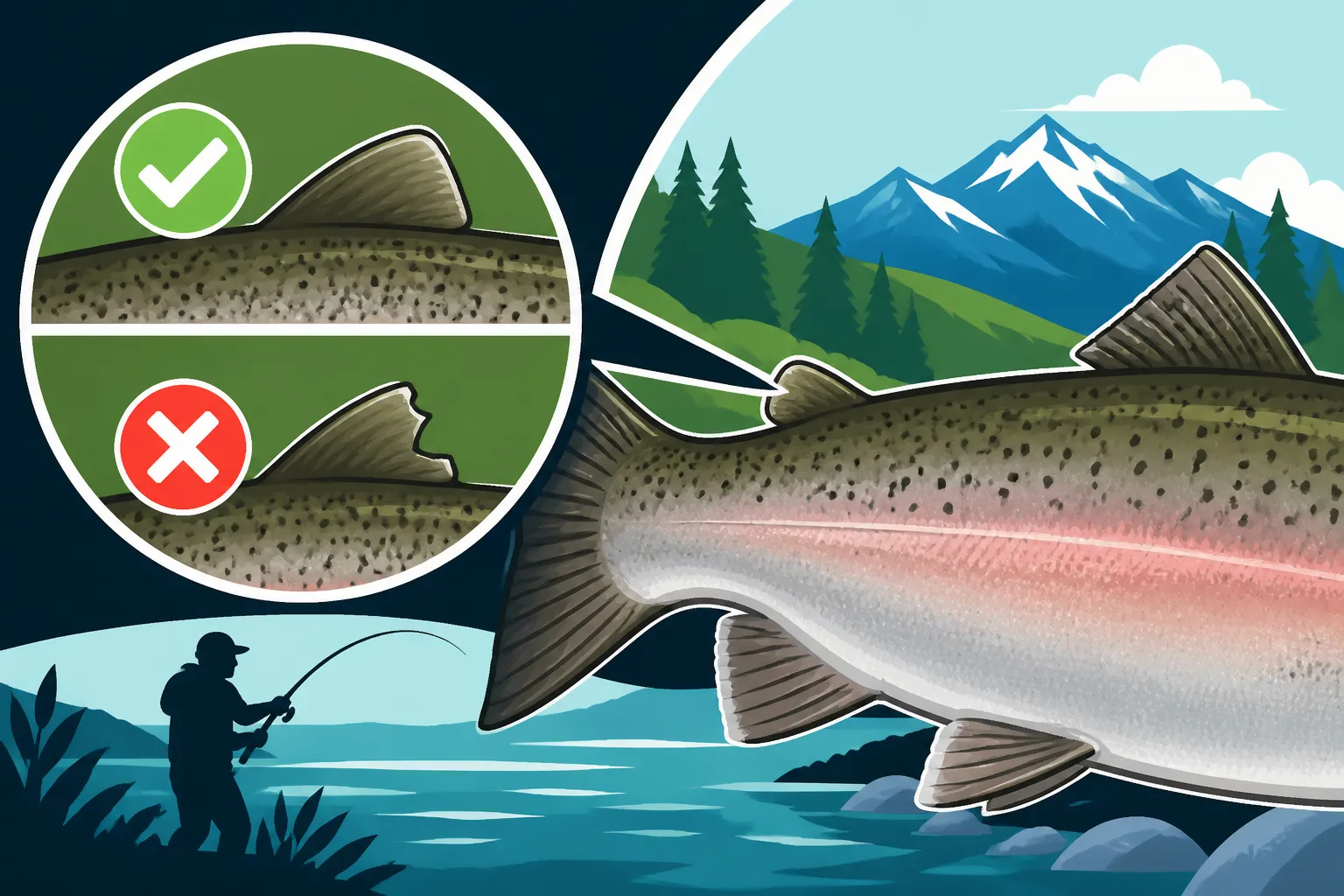
First things first: what is an adipose fin? It's that small, fleshy, rayless fin located on the back of many fish species, specifically behind the dorsal fin and just forward of the caudal (tail) fin. You’ll find it on salmon, trout, steelhead, and char, among others. Unlike the dorsal or pectoral fins, it lacks skeletal support, making it feel quite soft and fatty – hence the name "adipose," meaning fat. Its exact purpose in fish is still a bit of a scientific debate, but it's generally thought to play a role in stability or possibly even sensory function. For anglers, however, its most important characteristic is its ability to be removed without causing significant harm to the fish.
The Purpose of Adipose Fin Clipping
Now, for the big reveal: the main reason you see fish with a clipped adipose fin in Washington is to mark them as hatchery-reared. This is a widespread practice, particularly for salmon and steelhead, and it's absolutely vital for managing our fisheries. When juvenile fish are being raised in a hatchery, usually before they're released into rivers or saltwater, technicians will carefully snip off this small fin. It's a quick, relatively painless procedure for the fish that leaves a permanent, unmistakable mark.
Why go through all this effort? It boils down to conservation and providing fishing opportunities. Washington State, like many other regions with strong anadromous fish populations (those that migrate from freshwater to the ocean and back), faces the complex challenge of balancing fishing demand with the need to protect wild, native fish stocks. Wild fish are those born and raised in natural river systems, and they carry unique genetic diversity crucial for the long-term health and resilience of the species. Hatchery fish, while essential for supplementing runs and offering harvest opportunities, are genetically less diverse and can sometimes pose risks to wild populations if they interbreed indiscriminately. By clipping the adipose fin, fisheries managers create a simple, visual way for anglers and enforcement officers to tell the difference at a glance.
The Critical Distinction: Hatchery vs. Wild Fish in Washington Waters
This distinction between hatchery and wild fish isn't just a biological curiosity; it's the bedrock of many of Washington’s fishing regulations. Miss this critical difference, and you could find yourself in violation of the rules, facing penalties you really don't want. The frustration of carefully identifying your catch only to realize you made a mistake is something many anglers dread, which is why taking the time to understand this is so important.
Why Protecting Wild Stocks is Paramount
Washington is home to incredible wild salmon and steelhead runs, species that have adapted over millennia to specific river systems and conditions. These wild populations are the foundation of our fisheries, carrying the genetic blueprints for survival in an ever-changing environment. They are more resilient to disease, environmental shifts, and predation than their hatchery counterparts. Protecting these wild fish ensures that the species can continue to reproduce naturally, sustaining themselves without constant human intervention.
Because of their immense ecological value and often struggling numbers, many wild fish populations in Washington are protected. This protection usually manifests as "catch-and-release" mandates, meaning if you catch a wild fish (one with an intact adipose fin), you must release it unharmed. This can feel tough when you’ve had a great fight on the line, but it's a vital part of ensuring future generations can experience the same thrill.
The Role of Hatcheries in Washington Fishing
On the flip side, hatcheries play a critical role in providing fishing opportunities that wouldn't otherwise exist. Many areas simply don't have enough wild fish returning to support a harvestable fishery. Hatcheries raise millions of salmon and steelhead annually, releasing them to grow in the ocean and return as adults, specifically to be caught by anglers. These hatchery-produced fish are typically identifiable by their clipped adipose fin. The idea is to create "selective fisheries" where anglers can target and keep hatchery fish, while wild fish are protected. This is a delicate balance, and Washington Fishing Regulations Every Angler Should Know are constantly updated to reflect the latest science and fish returns.
For instance, in many Puget Sound salmon fisheries, you might only be allowed to keep Chinook or Coho salmon that have a clipped adipose fin. If you catch one with an intact adipose fin, it's considered a wild fish and must go back into the water immediately. The same often applies to steelhead rivers across the state, where keeping a wild steelhead can result in significant fines and penalties. This is why knowing Wild Steelhead vs Hatchery Steelhead in Washington is so vital for many anglers.
Your Angler's Checklist: Identifying a Clipped Fin and Following Washington's Rules
So, you're out fishing, and you hook into something big. The fight is on, and eventually, you bring it to the net. Now comes the moment of truth: is it a keeper, or does it need to go back? Properly identifying an adipose fin clip isn't always as simple as it sounds, but with a keen eye and a bit of practice, you'll become a pro.
What to Look For: The Visual Cues
When you bring a fish alongside your boat or to the bank, always make the adipose fin check your first priority.
- Clipped Fin: A hatchery fish will have a completely missing adipose fin. There might be a smooth scar, a small divot, or sometimes even a slightly rougher area where the fin once was. It should be unambiguously absent. It’s not just "partially" gone; it’s completely removed. Sometimes, a particularly large fish can have a healed area that almost looks like a tiny fin, but careful inspection will confirm its absence. A small magnifying glass, easily found on Amazon, can be a handy tool for close inspection, especially in low light conditions or if you're unsure.
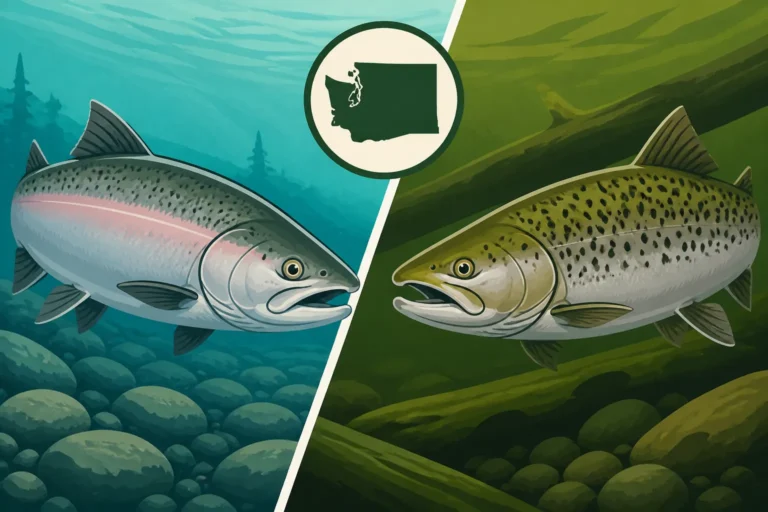
- Intact Fin: A wild fish will have its adipose fin fully present and intact. It might be small, but it will be clearly there, a soft, distinct appendage behind the dorsal fin.
Here's a quick visual guide:
| Feature | Hatchery Fish (Often Keepable) | Wild Fish (Often Release Only) |
|---|---|---|
| Adipose Fin | Completely absent, smooth scar/divot | Fully present, distinct, fleshy fin |
| Other Marks | May have other fin clips or tags | Typically no other artificial marks |
| Body Shape | Can sometimes be more robust/uniform | May vary more in shape/condition |
Remember, the adipose fin is the primary indicator for this specific regulation. While other markings like pectoral or ventral fin clips are sometimes used, they are less common and typically not the determining factor for "wild vs. hatchery" for general harvest rules.
Proper Handling and What to Do Next
Once you've identified your fish, your next steps are critical.
-
If it's a Wild Fish (Intact Adipose Fin): This fish must be released immediately and carefully. Minimizing stress is key to its survival.
- Keep it in the water: Try to unhook the fish while it's still in the net and in the water.
- Use proper tools: Barbless hooks are often required in Washington anyway (check Barbless Hook Requirements on Washington Rivers), making release easier. Forceps or needle-nose pliers are essential for quick hook removal. You can find excellent quality release tools on Amazon.
- Avoid excessive handling: Don't squeeze the fish, especially around its belly. If you must handle it, wet your hands first to protect its slime coat.
- Revive if necessary: If the fish seems sluggish, hold it gently facing into the current (if in a river) or move it back and forth to force water over its gills until it regains strength and swims away on its own.
- This applies particularly to species like Steelhead: Washington's Ocean-Run Rainbow Trout and some Chinook Salmon: Washington's King of Fish and Coho Salmon Fishing in Washington populations. For detailed guidance, see Catch-and-Release Rules During Wild Steelhead Closures.
-
If it's a Hatchery Fish (Clipped Adipose Fin) and Within Limits: Congratulations, you’ve got a keeper!
- Record your catch: If it's a species like salmon or steelhead, you'll need to immediately record it on your The Washington Catch Record Card and What It Requires. This is a legal requirement and something wardens check diligently. Understanding When You Must Record a Salmon You Keep is crucial. If you prefer digital, the Electronic Catch Record Cards and the Fish Washington App can be a lifesaver.
- Secure your catch: Dispatch the fish quickly and humanely. Place it on ice to preserve its quality.
- Enjoy the harvest: You've successfully navigated the regulations and earned your meal!
Remember, identifying the clip is just one part of the puzzle. You also need to be aware of daily bag limits, size restrictions, and gear rules specific to the waterbody and season you’re fishing. Always check Where to Find Current Washington Fishing Rules before you head out.
Beyond the Clip: Understanding the Bigger Picture for Washington Fisheries
The adipose fin clip isn't just a simple mark; it's a symbol of the complex interplay between conservation, recreation, and fishery management in Washington State. While it provides a clear distinction for anglers, the system it supports is constantly evolving and subject to ongoing discussion.
The Dynamics of Fishery Management
Fisheries management in Washington is a dynamic field, constantly balancing the needs of various stakeholders: recreational anglers, tribal fishers, commercial operations, and environmental conservation groups. The adipose clip is one of the primary tools in this complex balancing act, allowing for targeted harvest of abundant hatchery fish while protecting vulnerable wild stocks. Without this distinction, many popular fisheries would likely be closed or severely restricted to protect wild fish. This would be a huge blow to the thousands of people who enjoy fishing across the state, from the coastal rivers to the Puget Sound.
However, it's not without its challenges. There's ongoing scientific research into the effectiveness of the clipping program, the impacts of hatchery fish on wild populations, and alternative marking methods. Fishery rules are often adjusted mid-season based on real-time data, such as test fishery counts and projected returns. This means that what was allowed yesterday might change today, emphasizing the need for anglers to stay informed. These Emergency Rule Changes: Why Washington's Rules Shift Mid-Season are a constant reality for Washington anglers.
Your Responsibility as an Angler
Ultimately, the responsibility for identifying your catch and adhering to regulations falls squarely on your shoulders as an angler. This might sound a bit daunting, especially for newcomers, but it’s a crucial part of being a responsible participant in Washington's fishing community.
- Stay Informed: Make it a habit to check the Washington Department of Fish and Wildlife (WDFW) website or the Fish Washington app before every trip. Regulations can and do change frequently, sometimes even on short notice. Many anglers even pick up waterproof notebooks or dedicated fishing logbooks from Amazon to keep track of their catches and important regulatory notes, which can be super helpful for staying organized.
- Learn Your Fish: Beyond the adipose fin, take the time to learn the basic identification characteristics of the fish you're targeting. Knowing the subtle differences between a Chinook Salmon: Washington's King of Fish and a Coho Salmon Fishing in Washington can be just as important as the fin clip in some areas.
- Practice Ethical Angling: Even if you're allowed to keep a fish, consider your own impact. Practice proper catch-and-release techniques for all fish you don't intend to keep, regardless of whether they're wild or hatchery. This includes using appropriate gear, minimizing fight time, and handling fish gently.
The adipose fin clip is a small mark with massive implications. It's a testament to the ongoing efforts to manage and conserve Washington's precious fish resources while still providing opportunities for anglers to enjoy the sport. By understanding what a clipped adipose fin means and acting accordingly, you play a vital role in ensuring the health and future of Washington fishing for everyone.
Disclaimer
This article is for general informational purposes only and does not constitute professional advice. Laws, prices and regulations vary by location and change over time. Consult a qualified professional for guidance on your specific situation.