Elevation Brook Trout Live at in Washington
If you're an angler in Washington State, you've likely heard whispers of wild brook trout inhabiting remote, high-alpine waters. But finding them isn't as simple as driving to your nearest lake. Brook trout, while not native to our beautiful state, have found a niche in very specific environments, and understanding the elevation they prefer is key to unlocking some truly unique fishing experiences. This guide will dive deep into the world of Washington's brook trout, focusing on where in the mountains you're most likely to encounter these colorful, tenacious fish.
The Alpine Domain: Where Brook Trout Call Home in Washington
When we talk about brook trout in Washington, we're not typically discussing the lowland rivers or large, easily accessible lakes that might hold rainbow or cutthroat trout. Brook trout, or "brookies" as many affectionately call them, have a particular affinity for colder, cleaner, and often more secluded waters. This preference naturally pushes them to higher elevations throughout our state's vast mountain ranges.
The Non-Native Success Story in High Lakes
It might surprise some, but Salvelinus fontinalis, the brook trout, isn't native to Washington. They were introduced many decades ago, and while they can be a bit of a mixed blessing in some ecosystems due to competition with native species, they've absolutely thrived in many of our state's high-mountain lakes and streams. These pristine, often glacier-fed waters, mirror the cold, oxygen-rich environments of their ancestral homes in the eastern United States. Think of the North Cascades, the Olympic Mountains, and the diverse ranges of Eastern Washington – these are the playgrounds where brook trout have established themselves.
They tend to prefer lakes and small streams that are at least 3,000 feet in elevation, often stretching up to 6,000 feet or even higher, depending on the specific mountain range and local climate. At these altitudes, the water stays consistently cool, even through the warmest parts of summer, which is crucial for brook trout survival. This cold water also means higher dissolved oxygen levels, another vital factor for these finicky fish. It's in these remote basins, often requiring a significant hike to reach, where you'll find healthy, vibrant populations. You might stumble upon them in a small, nameless tarn just below a ridge or in a larger, named lake tucked away in a national forest. This is a stark contrast to where you might find Rainbow Trout Fishing in Washington or Cutthroat Trout in Washington's Rivers and Lakes.
Mountain Streams and Tributaries
It's not just lakes; many of the feeder streams and smaller tributaries that tumble down from these high-elevation lakes and snowfields also hold brook trout. These streams often cascade over rocks, creating plenty of riffles and small plunge pools that provide ideal holding lies for brookies. The constant flow of water keeps temperatures low and oxygen levels high, even as these streams descend to slightly lower elevations. However, as these waters merge with larger rivers or reach warmer valleys, you'll find their presence diminishes or disappears entirely, as other trout species become more dominant. They are truly creatures of the headwaters and the cold, unyielding embrace of the mountains.
For example, a stream might originate from a cirque lake at 5,000 feet, meandering through subalpine meadows before plunging into a denser forest. Brook trout can be found throughout the colder stretches of that stream, but once it drops below a certain elevation and the water warms significantly, or it meets a larger, slower river, they are usually replaced by other species better adapted to those conditions.
The Ecological Niche: Why High Elevation Suits Brook Trout
Brook trout aren't just found at high elevations; they actively seek out and thrive in these environments for very specific ecological reasons. It’s a matter of survival, plain and simple, and understanding these factors can significantly improve your chances of locating them.
Temperature and Oxygen: Non-Negotiables for Brookies
Brook trout are cold-water specialists. They have a relatively narrow optimal temperature range, generally preferring water between 45 and 65 degrees Fahrenheit. Anything much warmer than that, and they become stressed, cease feeding, and can even die. High-elevation lakes and streams, fed by snowmelt and glaciers, naturally provide these consistently low temperatures, even during the peak of summer. The colder the water, the more dissolved oxygen it can hold, which is another critical requirement for brook trout. As water temperatures rise, oxygen levels drop, making it harder for these fish to breathe and thrive.
This is why, as you ascend in elevation, you’ll notice a shift in fish species. The robust, warm-water tolerant species like bass or carp won’t be present, and even some native trout species might struggle where brookies are just hitting their stride. The harsh, short growing season at high altitudes creates a unique microclimate perfectly suited for brook trout. When you're planning a trip to these areas, monitoring forecasted daytime temperatures, especially near the water, can give you a clue as to how active the brookies might be.
Reduced Competition and Predation
Another significant reason brook trout excel at higher elevations is the reduced competition and predation. Many high-alpine lakes were historically fishless before stocking efforts. This meant that when brook trout were introduced, they often found an environment with abundant food sources (insects, crustaceans, smaller fish) and very few, if any, natural predators. Without larger predatory fish like pike, or even larger, more aggressive native trout, brook trout can establish healthy, prolific populations.
In some lower elevation systems where brook trout have been introduced, they can sometimes outcompete native trout like cutthroat due to their aggressive feeding habits and high reproductive rates. However, in the truly high and remote basins, the harsh conditions naturally limit the diversity of fish species, creating a sanctuary for brook trout. This relative isolation contributes to the often "wild" feel of catching them – even if they aren't technically native. This unique dynamic is part of the allure of Brook Trout in Washington's Mountain Lakes.
Hunting for High-Altitude Brook Trout
Fishing for brook trout in Washington's high country is an adventure in itself. It’s not just about the fish; it’s about the journey, the pristine wilderness, and the quiet solitude that comes with reaching these remote destinations. You're typically not looking for massive, trophy-sized fish, but rather vibrant, acrobatic, and plentiful catches that offer an unparalleled outdoor experience.
Planning Your Expedition
Accessing high-elevation brook trout waters almost always involves hiking, often strenuous backpacking. This means your preparation needs to be as thorough for the hike as it is for the fishing. Researching trail conditions, weather forecasts, and route difficulty is paramount. Topographic maps (which you can often find readily available, or even waterproof versions on Amazon) and a GPS device are essential. Many of these lakes are within wilderness areas or national parks, which might have specific regulations regarding permits, campfires, and even fishing gear. Always check the current regulations before you go, including for Washington Sport Fishing Seasons and Emergency Closures.
When packing, lightweight gear is king. You'll be carrying everything on your back, so every ounce counts. Consider a collapsible fishing rod, a small reel, and a selection of compact lures or flies. Think minimalist, but don't skimp on safety essentials like a first-aid kit, extra layers, and plenty of water or a water filter.
Gear and Techniques for Mountain Lakes
Brook trout, especially in these high-altitude environments, are often eager eaters. They don't see as much pressure as their lowland cousins, and food sources can be scarcer, making them less finicky. A light spinning rod or a 3- to 5-weight fly rod is ideal.
For spin fishing, small inline spinners (like Mepps or Panther Martin, readily available on Amazon), tiny spoons, or even micro jigs can be incredibly effective. Cast towards drop-offs, submerged structure, or where feeder streams enter the lake. Retrieving at a slow to medium pace is often all it takes.
Fly fishing can be particularly rewarding. Brook trout readily take dry flies (like an Adams, Elk Hair Caddis, or Parachute Adams) when insects are hatching, especially in the calmer hours of morning and evening. During the day, or when fish are holding deeper, nymphing with patterns like Prince Nymphs, Hare's Ears, or Pheasant Tails can be deadly. Small streamers mimicking baitfish or leeches can also tempt larger brookies. You can explore more about techniques in Fly Fishing Washington's Rivers and Lakes.
A small, lightweight tackle box with a few key items is usually more than enough. Remember, you're not going to be changing your entire setup multiple times a day. Simplicity and portability are your best friends. Many anglers find great success with a simple How to Fish a Dropper Rig for Trout in these settings.
Ethical Angling and Conservation
While brook trout populations can be abundant in some high-elevation lakes, practicing ethical angling is always important. Consider catch-and-release, especially for the larger, healthier fish that contribute most to the population's genetics. If you do keep fish, only take what you plan to eat and adhere strictly to Washington Fishing Regulations Every Angler Should Know, including the specific Washington River Trout Limit for the area.
Some high-alpine lakes are stocked, while others are self-sustaining. Knowing the status of the lake can inform your approach. Always check for bait restrictions – many mountain lakes are "flies and lures only" to protect water quality and discourage gut-hooking. Be mindful of your impact on these fragile ecosystems; pack out everything you pack in, and leave no trace. The beauty of these places is part of the experience, and it's up to us to preserve it.
The Challenges and Rewards of High-Elevation Fishing
Fishing for brook trout in Washington's high country isn’t just about the angling; it's a full-body, full-sensory experience that combines demanding physical activity with immense natural beauty and the thrill of discovery. It presents its own set of challenges, but the rewards are truly unforgettable.
Navigating the Elements
The weather in the mountains can change in an instant, even in summer. A sunny, warm morning can quickly give way to thunderstorms, hail, or even snow, especially at higher elevations. Being prepared for all conditions is not just smart; it's essential for safety. Proper layering, waterproof outer shells (you can find excellent lightweight options on Amazon), and sturdy hiking boots are non-negotiable. Always let someone know your itinerary, and consider carrying a satellite communication device for emergencies, as cell service is often non-existent in these remote areas.
Beyond weather, the terrain itself is a challenge. Steep inclines, rocky trails, river crossings, and even lingering snowfields can make the journey arduous. Physical fitness is a definite asset, but careful planning and a realistic assessment of your abilities are even more crucial. Don't push beyond your limits, and remember that getting there is only half the battle – you still need to hike back out.
The Unforgettable Payoff: Solitude and Scenery
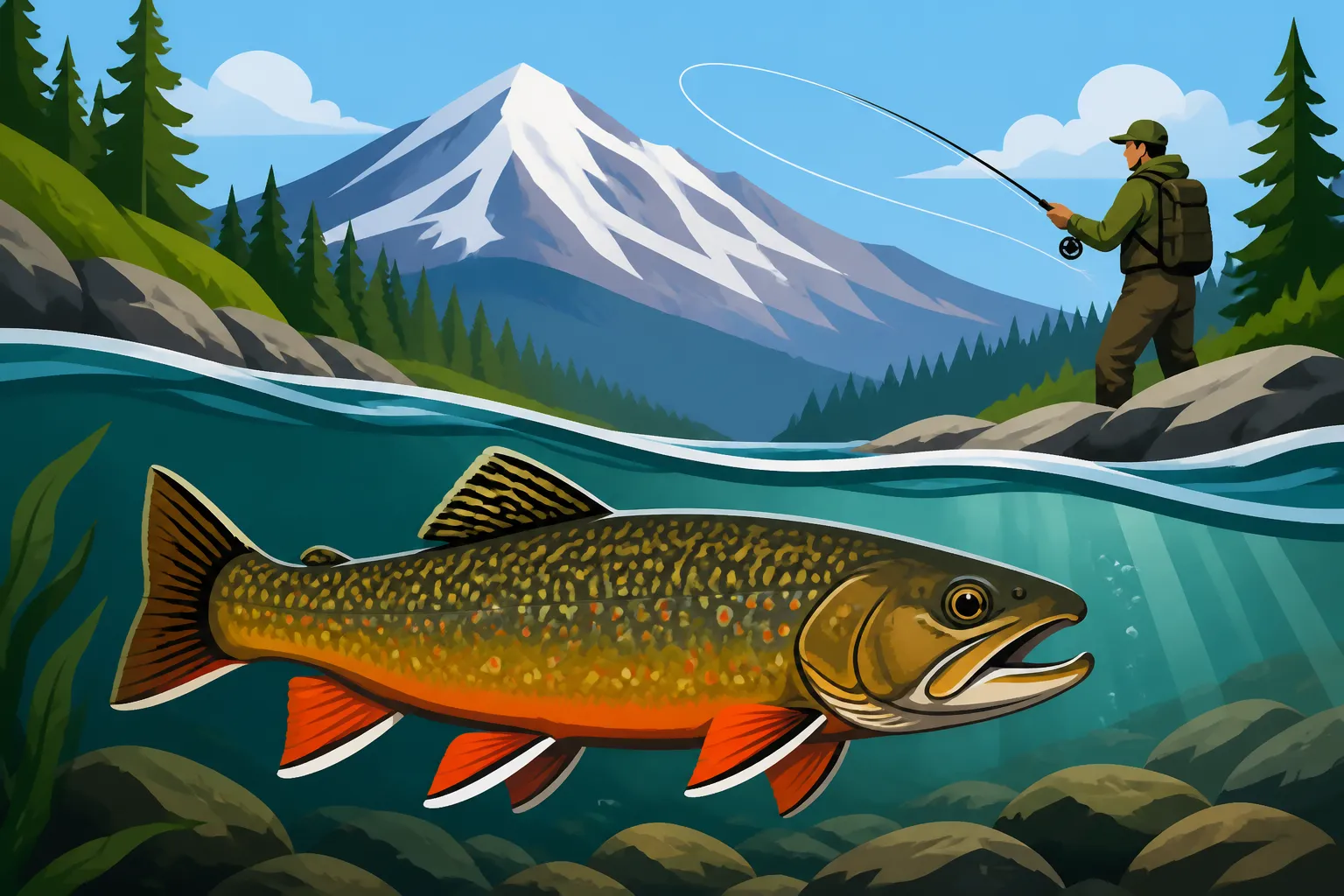
Despite the challenges, the rewards of fishing high-elevation lakes for brook trout are profound. Imagine casting a fly onto a mirror-still alpine lake, surrounded by towering peaks, with not another soul in sight. The air is crisp, the silence is profound, and the vibrant colors of a brook trout flashing in the clear water are a sight to behold. These fish, often smaller but incredibly tenacious, put up a spirited fight on light tackle. Their brilliant, speckled flanks – a mosaic of reds, oranges, blues, and yellows – are a testament to their wild environment.
It’s an opportunity to truly disconnect from the hustle and bustle of daily life and reconnect with nature on a deep level. The fish become almost secondary to the holistic experience of being in such a magnificent setting. It's an adventure that builds character, offers unparalleled photo opportunities, and creates memories that last a lifetime. For many, it's the pinnacle of Washington fishing, a true wilderness pursuit that offers something far more valuable than just a full creel.
| Aspect of Fishing | Low Elevation Lakes/Rivers | High Elevation Lakes/Streams |
|---|---|---|
| Typical Elevation | Sea level to 2,500 feet | 3,000 feet to 7,000+ feet |
| Primary Fish Species | Rainbow, Cutthroat, Bass, Salmon, Steelhead | Brook Trout, Cutthroat, Golden Trout |
| Water Temperature | Varies widely, can get warm in summer | Consistently cold, snowmelt-fed |
| Accessibility | Roads, boat launches, established trails | Backpacking, strenuous hikes, remote |
| Gear Recommendation | Standard fishing gear, boat, waders | Lightweight backpacking/fishing gear, compact |
| Fishing Pressure | High to Moderate | Low to Very Low |
| Average Fish Size | Can be larger, but varies | Often smaller, but plentiful |
| Primary Challenge | Crowds, fluctuating conditions | Weather, terrain, physical exertion |
| Primary Reward | Convenience, diverse fishing | Solitude, pristine scenery, unique experience |
Disclaimer
This article is for general informational purposes only and does not constitute professional advice. Laws, prices and regulations vary by location and change over time. Consult a qualified professional for guidance on your specific situation.