Lakes That Stock Tiger Muskie in Washington
Finding that elusive trophy fish, the one that truly tests your skill and patience, can be a real quest. If you're an angler in Washington state, you've probably heard whispers about a unique, hard-fighting predator that calls some of our lakes home: the Tiger Muskie. It's not every day you get to target a fish with such an aggressive strike and formidable size, and knowing which lakes offer this incredible opportunity is half the battle. This guide will take you through the specific Washington lakes where you can pursue these magnificent hybrids, arming you with the knowledge you need to plan your next big adventure.
Understanding Washington's Tiger Muskie Program
Before we dive into specific locations, it helps to understand what a Tiger Muskie is and why Washington's fisheries managers choose to stock them. These aren't your typical native trout or salmon; they're a unique addition to our aquatic ecosystems, and they bring a whole different kind of excitement to the fishing scene.
What Exactly is a Tiger Muskie?
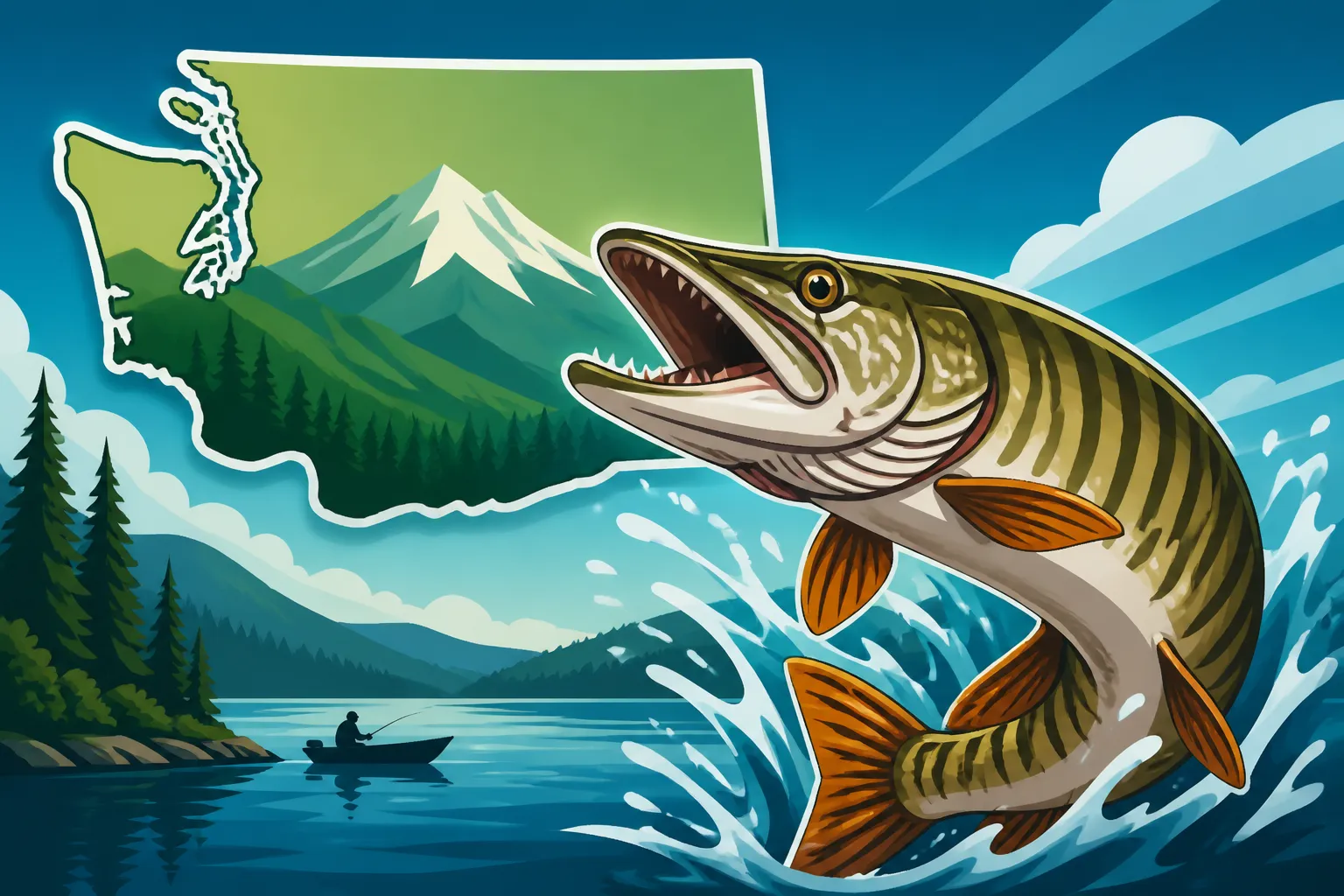
A Tiger Muskie isn't a naturally occurring species; it's a sterile hybrid, a cross between a Muskellunge (often called "Muskie") and a Northern Pike. Picture a Northern Pike's aggressive nature and elongated body combined with the Muskie's sheer size potential and distinct tiger-like stripes or blotches. That's your Tiger Muskie. These fish are known for their voracious appetites, their incredible power when hooked, and their elusive nature, which is part of what makes them such a prized catch for anglers seeking a challenge. Because they are sterile, they cannot reproduce, which is a key factor in why they are chosen for stocking programs, as it prevents them from establishing unchecked populations that could potentially outcompete native species. If you're curious about their origins and why they're stocked, you might find more details in Tiger Muskie in Washington and Whether It's Native.
They grow remarkably fast, feeding on smaller fish, and can reach impressive sizes, often exceeding 30-40 inches, with some pushing even larger. Their teeth are formidable, requiring specific handling techniques and robust tackle. Anglers targeting them often remark on their ability to follow a lure right to the boat, only to turn away at the last second, showcasing their intelligent and often frustrating behavior. It's a game of patience, presentation, and sometimes, a little bit of luck to entice one of these monsters to strike. For more on their size potential, check out How Big Washington Tiger Muskie Get.
Why are Tiger Muskie Stocked in Washington?
The stocking of Tiger Muskie in Washington is a deliberate fisheries management strategy, primarily focused on balancing ecosystems and providing unique recreational opportunities. One of the main reasons is their effectiveness as a biological control. Many Washington lakes can become overpopulated with undesirable, non-native fish species, such as overabundant suckers or smaller panfish, which can negatively impact water quality and the health of more desirable sport fish populations. Tiger Muskie, being top predators with massive appetites, excel at reducing these populations. They act as "aquatic vacuum cleaners," keeping the numbers of these smaller fish in check, which can lead to healthier, more balanced fisheries overall.
Beyond ecological management, Tiger Muskie offer an unparalleled angling experience. They represent a true trophy fishery, attracting dedicated anglers from across the region who are keen to test their skills against a powerful, elusive fish. This provides a diverse fishing option that isn't typically available with native species, adding another dimension to Washington's already rich fishing landscape. It also helps to spread angler pressure across different species and locations, ensuring that all our fisheries remain sustainable and enjoyable.
The Prime Tiger Muskie Waters in Washington
When it comes to pursuing Tiger Muskie in Washington, there are a few standout lakes that have consistently provided opportunities for anglers. These are the spots where the Washington Department of Fish and Wildlife (WDFW) has invested in stocking programs, and where dedicated muskie anglers tend to focus their efforts.
Curlew Lake: A Premier Tiger Muskie Destination
Located in Ferry County in northeastern Washington, Curlew Lake is arguably the most well-known and productive Tiger Muskie fishery in the state. This beautiful lake is a large, relatively shallow body of water with ample weed beds and structure, providing ideal habitat for muskie to ambush their prey. WDFW has stocked Tiger Muskie here for decades, creating a robust population of trophy-sized fish. Anglers frequently report catching muskie in the 35-inch range, with fish over 40 inches making regular appearances. The lake's clear waters in the summer and its abundance of smaller fish, like suckers and perch, make it a perfect feeding ground for these predators.
Fishing Curlew often involves trolling large crankbaits or casting oversized bucktails and swimbaits along weed lines and submerged points. Early mornings and late evenings, especially during the warmer months, tend to be the most productive. The lake offers good public access with boat launches and several resorts and campgrounds around its shores, making it a popular destination for a multi-day fishing trip. The sheer size and numbers of fish here mean it's often the first recommendation for anyone serious about catching a Washington Tiger Muskie. This eastern Washington gem provides a unique experience for any angler seeking that big bite. You can learn more about fishing in the region in Fishing Washington's Eastern Lakes.
Silver Lake: Opportunities in Southwest Washington
For anglers in southwest Washington, Silver Lake, located in Cowlitz County near Mount St. Helens, offers a much more accessible Tiger Muskie option than the journey to Curlew Lake. While perhaps not as renowned for the sheer size of its muskie as Curlew, Silver Lake still boasts a healthy population of fish that provide excellent sport. This lake is shallower and has extensive lily pad fields and submerged vegetation, which are classic muskie haunts. The fish here also tend to average in the 30-inch class, offering plenty of exciting action.
Silver Lake is particularly popular with those who prefer to fish from smaller boats, kayaks, or even canoes, allowing access to the shallower, weedy areas where muskie often lurk. Casting is a primary method here, working lures through pockets in the weeds or along the edges of structure. The lake is generally easy to access, with several boat launches and public fishing areas. It's a fantastic spot for a day trip or a weekend adventure for those not wanting to make the long drive to the northeastern part of the state.
Evergreen Reservoir: A High-Desert Gem
Moving further east into Grant County, you'll find Evergreen Reservoir, another lake stocked with Tiger Muskie, albeit with a slightly different character than Curlew or Silver. Evergreen is part of the Columbia Basin wildlife area, nestled in a more arid, high-desert landscape. This reservoir is known for its clear, cool waters and steep drop-offs, providing a different challenge and environment for muskie. While perhaps not yielding the same quantity of fish as Curlew, the muskie in Evergreen can also grow to substantial sizes, and the unique setting makes for a memorable fishing experience.
Fishing Evergreen might require different tactics, often involving deeper presentations or targeting structure along the reservoir's edges. Because of its remote location, it tends to see less pressure than some other muskie lakes, which can be appealing to anglers looking for a more solitary experience. Access might be a bit more rugged, but the rewards can be significant for those willing to explore this distinct fishery. As with all these lakes, checking the current WDFW regulations and advisories before heading out is always a good practice.
Mastering the Hunt: Gear, Tactics, and Rules for Tiger Muskie
Chasing Tiger Muskie isn't like targeting panfish or even most trout. These are powerful, intelligent predators, and you need to come prepared. That means having the right gear, understanding their behavior, and respecting the specific rules designed to protect this unique fishery.
Essential Gear and Tackle
When gearing up for Tiger Muskie, think heavy-duty. Your standard bass or trout rod simply won't cut it. You'll want a stout, fast-action baitcasting rod, typically 7 to 9 feet long, capable of handling large lures and powerful fish. Pair this with a robust baitcasting reel spooled with strong braided line, usually 65 to 100-pound test. This heavy line isn't just for fighting the fish; it's essential for casting the oversized lures that muskie prefer and for dealing with abrasive weed beds.
A crucial piece of equipment is a heavy-duty leader, at least 12 inches long, made of wire or thick fluorocarbon (100-150 lb test) to prevent their razor-sharp teeth from cutting your line. Lures are often large and flashy: big inline spinners, bucktails, jerkbaits, glide baits, and large crankbaits are all popular choices. You can find a fantastic selection of these specialized muskie lures on platforms like Amazon, making it easier to get exactly what you need delivered right to your door, especially if your local tackle shop has a limited muskie selection. Don't forget long-nosed pliers or jaw spreaders and a large, rubberized landing net to safely handle these toothy fish without harming them or yourself.
Best Times and Techniques for Success
Tiger Muskie fishing often peaks during the warmer months, from late spring through early fall, when the fish are most active and feeding aggressively. Water temperatures play a significant role, and muskie tend to be more active in comfortable ranges. Overcast days, periods of stable weather, and those magical "muskie moon" phases are often cited as prime times by dedicated anglers. Many experienced muskie hunters also swear by "power hours" around dawn and dusk.
Technique-wise, casting and retrieving large lures along weed lines, over submerged structure, and around points is very effective. A common method involves a "figure-eight" maneuver at the boat, sweeping the rod in an "8" pattern as the lure approaches to entice any following fish into striking at the last moment. Trolling large crankbaits at various depths can also be highly productive, especially on larger lakes like Curlew. Understanding the lake's forage base and matching your lure size and color to what the muskie are eating can also make a big difference. For those who enjoy using multiple rods, understanding rules like The Two-Pole Endorsement in Washington, Explained is essential, though most muskie anglers focus on one heavy setup.
Regulations and Conservation for Tiger Muskie
Because Tiger Muskie are a specialized fishery and a vital part of the WDFW's management strategy, there are specific regulations in place to ensure their sustainability and success. These often include strict size limits (e.g., a minimum length of 30 or 38 inches, or even larger), and very low daily bag and possession limits, often just one fish. These regulations are designed to protect the larger, trophy-sized fish and allow them to continue their work as biological controls. It’s absolutely critical to be familiar with the current regulations for the specific lake you plan to fish, as rules can vary and change. Always consult the official WDFW fishing regulations pamphlet or their website before you head out. Washington Fishing Regulations Every Angler Should Know is a good general resource, but double-check the species-specific rules for muskie.
Conservation is paramount. Most Tiger Muskie fishing is done with a strong emphasis on catch-and-release, even for legal-sized fish, especially given their role in the ecosystem. Proper handling techniques are non-negotiable. Use those long-nosed pliers to remove hooks quickly, minimize their time out of the water, and support their body fully if you lift them for a photo. A large, knotless, rubberized net is essential for quick and safe landing. It's about respecting these incredible fish and ensuring that future generations of anglers can also experience the thrill of a Washington Tiger Muskie. For more on how limits work, take a look at How Bag and Possession Limits Work in Washington.
Planning Your Washington Tiger Muskie Adventure
A successful Tiger Muskie trip requires more than just knowing where the fish are; it involves careful planning, understanding access points, and leveraging local knowledge. These are often full-day pursuits, sometimes requiring an overnight stay, especially for the more remote locations.
Accessing Tiger Muskie Lakes
Each of Washington's Tiger Muskie lakes offers different access opportunities. Curlew Lake, for example, has multiple public boat launches and private resorts that cater to anglers, offering services and easy access to the water. Silver Lake also features several public access points suitable for various boat sizes, and its shallower nature makes it more accommodating for smaller craft. Evergreen Reservoir might present a slightly more rugged access experience, with fewer developed ramps, so checking local conditions before you go is a smart move.
Whether you're fishing from a boat or exploring limited bank access, understanding the lay of the land is key. Maps, aerial views, and local fishing reports can help you identify prime fishing areas, weed beds, and structure. Remember that Fishing From Boats vs Banks: Different Rules might apply to specific areas or techniques, so be mindful of local advisories. Always be prepared for varying weather conditions, especially in Eastern Washington where temperatures can swing dramatically, and ensure you have all necessary safety gear, especially if you're venturing out onto a large lake in a boat.
Local Resources and Community Knowledge
One of the best ways to improve your odds when chasing Tiger Muskie is to tap into local knowledge. Fishing reports from tackle shops near Curlew Lake or Silver Lake often provide invaluable, up-to-date information on water conditions, recent catches, and effective lures. Online fishing forums and social media groups dedicated to Washington fishing are also excellent resources where experienced anglers share tips and insights. Joining these communities can provide a wealth of information, from specific retrieve patterns to current bait preferences.
Don't hesitate to visit local sporting goods stores in towns near these lakes. Staff members are often local anglers themselves and can offer personalized advice, point you to the hottest lures, and provide insights that you won't find in a general guide. They might even recommend specific brands of gear, like the latest muskie lure available on Amazon, that are proven producers in their local waters. Checking the WDFW website for specific lake information, stocking reports, and any Washington Sport Fishing Seasons and Emergency Closures is also crucial before any trip. Always do a final check of What to Check Before Every Washington Fishing Trip to ensure you're fully prepared.
Conclusion
Chasing Tiger Muskie in Washington is truly an adventure. It’s a pursuit that demands dedication, the right gear, and a healthy dose of patience, but the reward of landing one of these striped titans is an experience you won't soon forget. From the renowned waters of Curlew Lake to the more accessible opportunities at Silver Lake and the unique challenges of Evergreen Reservoir, Washington offers distinct battlegrounds for the muskie angler. By understanding the species, knowing where to go, and preparing thoroughly, you're well on your way to adding a magnificent Tiger Muskie to your list of angling accomplishments.
Disclaimer
This article is for general informational purposes only and does not constitute professional advice. Laws, prices and regulations vary by location and change over time. Consult a qualified professional for guidance on your specific situation.