Fish You Can Legally Keep Year-Round in Washington
It can be incredibly frustrating to plan a fishing trip, only to find out the season for your target species is closed, or that emergency rules have just shut down your favorite river. Washington's fishing regulations are known for their complexity, with seasons often changing on a dime due to conservation needs. This guide aims to cut through some of that confusion, focusing on the finfish species you can often legally keep year-round in Washington, offering more consistent opportunities for anglers.
Why "Year-Round" Is a Rare and Cherished Term in Washington Fishing
For many anglers in Washington, the idea of a "year-round" fishing season feels like a dream. We're so used to checking daily updates, scanning pages of the regulation pamphlet, and crossing our fingers that our favorite salmon run or steelhead river hasn't been closed due to low returns or habitat concerns. It’s a dynamic, ever-changing landscape that can make planning a simple fishing outing feel like a full-time job. This constant state of flux, while sometimes maddening, is a critical part of managing Washington's diverse and precious fisheries.
The Intricacies of Fishery Management
The Washington Department of Fish and Wildlife (WDFW), along with tribal co-managers, works tirelessly to balance recreational fishing opportunities with the long-term health and recovery of fish populations. This is especially true for anadromous species like salmon and steelhead, which spend part of their lives in freshwater and part in the ocean. Their survival depends on a myriad of factors – ocean conditions, freshwater habitat quality, predation, and harvest pressure. Because these factors can fluctuate wildly from year to year, or even month to month, the seasons for these iconic species are often highly restrictive, with specific opening and closing dates, as well as complex bag and possession limits.
Think about the effort that goes into managing something like a Puget Sound Chinook fishery. Decisions are made based on pre-season forecasts, in-season test fishery data, and habitat conditions, all aimed at ensuring enough fish make it back to spawn. This is why you'll see phrases like "selective fishery," "barbless hooks required," or "catch-and-release only" for many prized species during certain times. The goal isn't to make fishing difficult, but to ensure there are fish for future generations. So, when we talk about species that are open year-round, it’s usually because their populations are more robust, less susceptible to overfishing, or simply managed differently. They offer a refreshing consistency in a world of ever-shifting rules.
Reading Between the Lines of the Regulations Pamphlet
If you've ever tried to decipher the Washington Sport Fishing Regulations Pamphlet, you know it can feel like reading a legal document written in a foreign language. Marine Area 9, the Columbia River, the Skagit—each has its own set of rules, often with different dates, gear restrictions, and species-specific caveats. When a regulation states a species is "open year-round," it typically means exactly that for that specific waterbody and specific species, but it's crucial to understand that exceptions can, and often do, apply. Reading the Washington Sport Fishing Regulations Pamphlet is a skill every Washington angler needs to cultivate.
For instance, a particular lake might be open year-round for trout, but perhaps it has a selective gear rule, or maybe a slot limit on larger fish. A saltwater marine area might be open year-round for certain bottomfish, but only within a specific depth range, or with different rules if you're fishing from shore versus a boat. There are also emergency rule changes that can, and frequently do, alter even these "year-round" opportunities, sometimes without much warning. It's always, always best practice to check the current regulations through the WDFW website or the Fish Washington app before heading out, even for species you believe are always open. An extra minute of checking can save you a significant fine. How to Check for Emergency Rule Changes in Washington is something you should learn to do consistently.
Freshwater Fish You Can Legally Keep Year-Round
While salmon and steelhead grab the headlines, Washington's freshwater systems are teeming with fish that offer consistent, year-round angling opportunities. These species are often abundant, widely distributed, and provide excellent action for anglers of all skill levels, from beginners to seasoned veterans looking for a relaxed day on the water.
Panfish: Crappie, Perch, and Bluegill
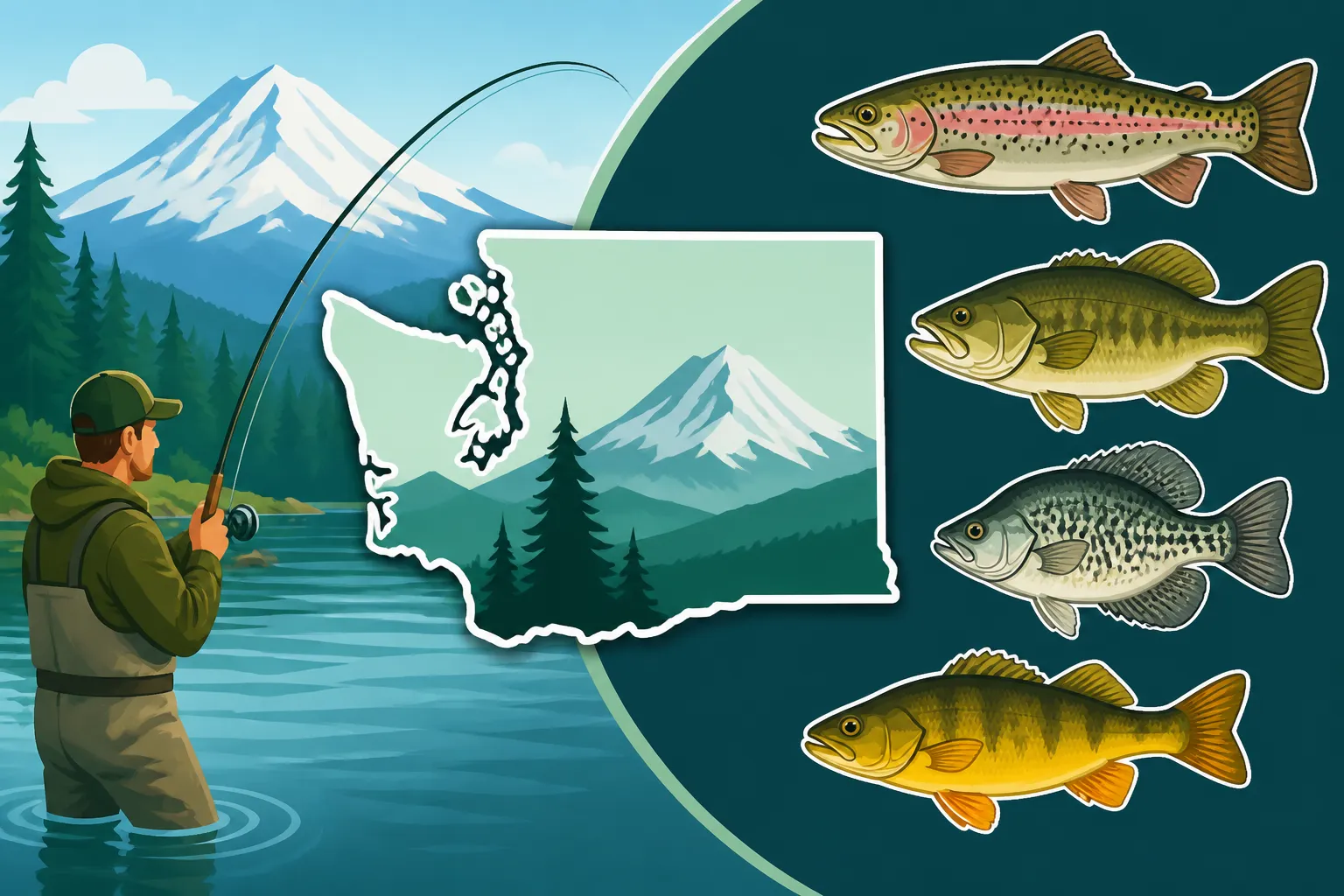
If you're looking for consistent action and a delicious meal, panfish are your go-to year-round target. These smaller, schooling fish like black crappie, yellow perch, and bluegill are found in countless lakes, ponds, and slow-moving rivers across Washington. They tend to be prolific breeders, meaning their populations can handle sustained fishing pressure, and thus, often enjoy year-round seasons with generous bag limits.
Crappie, with their silvery, disc-like bodies, are particularly popular. They often hang around submerged structures like fallen trees, docks, or weed beds. You can catch them using simple setups: small jigs, mini crankbaits, or a bobber with a live minnow or a piece of worm. Yellow perch, identifiable by their distinct vertical stripes, are another excellent choice. They're aggressive eaters and will readily strike at small jigs, worms, or even tiny spoons. Bluegill, often recognized by their iridescent blue-green and orange coloration, are a blast to catch on ultralight gear and a tiny hook with a piece of worm. These species are perfect for a family outing, and you can often find great spots for them from public docks or shorelines without needing a boat. Many anglers stock up on panfish tackle from Amazon because it's inexpensive and effective.
The beauty of panfish is their accessibility. You don't need fancy gear or a specialized boat. A simple spinning rod, a handful of hooks, bobbers, and some worms or small lures are all you really need. These fish are fantastic table fare, too, with sweet, flaky white meat. They're a staple for many anglers who value consistent catches over trophy hunting. Always double-check the specific lake's regulations, as some may have specific rules, but generally, panfish offer some of the most reliable year-round fishing in Washington.
Bass: Largemouth and Smallmouth Everywhere
Bass fishing in Washington is incredibly popular, and thankfully, both largemouth and smallmouth bass often provide year-round opportunities in many parts of the state. While certain tournaments or specific waters might have temporary restrictions, the general season for bass is often continuous, making them an excellent choice for anglers seeking consistent action.
Largemouth bass, known for their aggressive strikes and powerful fights, thrive in warmer, weedy lakes and ponds, particularly in western Washington. They love to ambush prey from cover, so focusing your efforts around lily pads, submerged timber, and boat docks is usually productive. Common lures include plastic worms, spinnerbaits, crankbaits, and topwater frogs. They're a thrilling target, especially when they explode on a surface lure. If you're looking for spots, check out Largemouth Bass in Western Washington Lakes.
Smallmouth bass, on the other hand, prefer cooler, rocky environments, making them prevalent in the larger rivers like the Columbia and Snake, as well as many eastern Washington lakes. These "bronze backs" are renowned for their dogged fighting style and aerial acrobatics. They respond well to crankbaits, jigs, tubes, and swimbaits, especially when fished around rocky points, ledges, and current breaks. For those venturing east, learning about Smallmouth Bass on Washington's Columbia and Snake Rivers can open up incredible opportunities. Both species are a blast to catch, and while some anglers release them all, they are also excellent eating, particularly the smaller ones. Many bass anglers find great deals on a variety of lures and soft plastics on Amazon.
Resident Lake Trout and Char: Often Open, But Check Local Rules
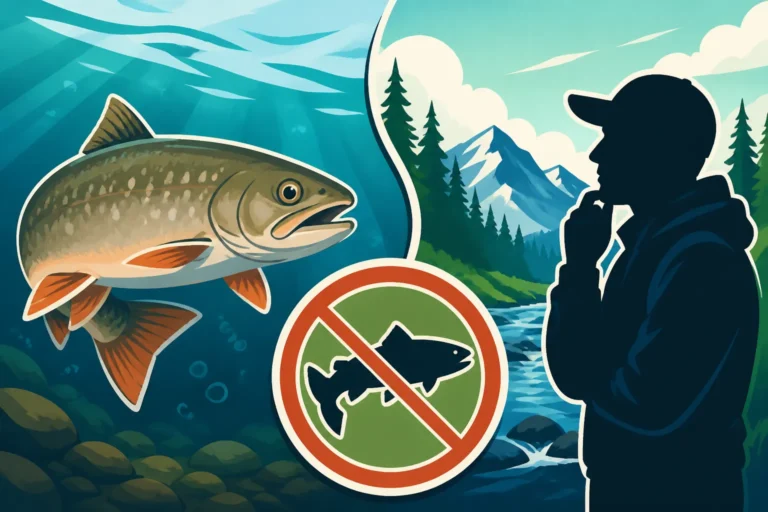
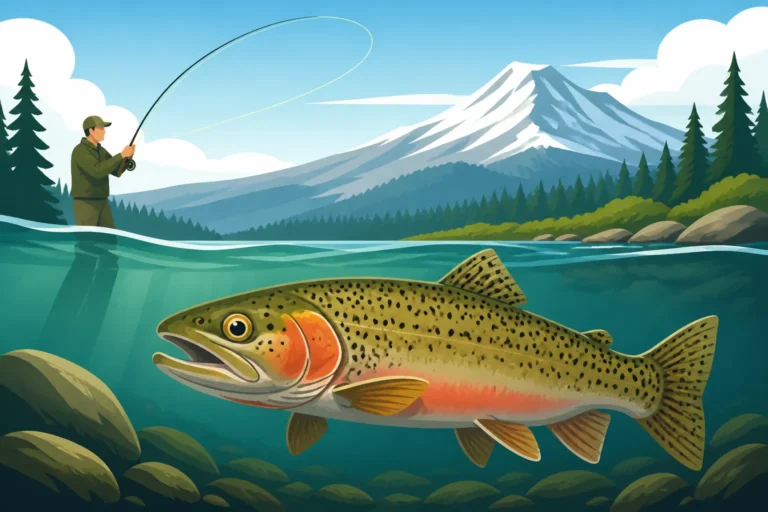
While migratory trout and char species like steelhead and Bull Trout have strict, often closed, seasons (with Bull Trout being primarily catch-and-release due to conservation status), many resident lake trout and stocked rainbow trout provide year-round fishing in designated lakes. This is a vital distinction to make in Washington. Rainbow Trout Fishing in Washington is a diverse fishery.
Many of Washington's thousands of lakes are managed for resident trout populations. The WDFW regularly stocks these lakes with rainbow trout, and often, these waters remain open year-round for trout fishing. This means you can often find good opportunities even in the dead of winter, sometimes even ice fishing in eastern Washington, or during the hottest summer months by targeting deeper, cooler water. These stocked fisheries are often designed to provide consistent recreational opportunities, making them a reliable choice when other fisheries are closed.
However, "resident lake trout" is a broad term. Species like Mackinaw (Lake Trout) in deep, cold lakes like Lake Chelan often have year-round seasons, but they might come with specific size limits, gear restrictions, or even depth restrictions designed to protect deeper-dwelling, slower-growing fish. For instance, in Lake Chelan, Mackinaw can be caught year-round, but specific rules apply to size and number. Always consult the WDFW pamphlet for the specific lake you intend to fish. Even for seemingly generic "trout," regulations can vary wildly from lake to lake, so don't assume.
Here's a quick overview of some common year-round freshwater species:
| Species | Typical Location | General Season | Common Bag Limit (Check WDFW) | Notes |
|---|---|---|---|---|
| Yellow Perch | Lakes, Ponds, Slow Rivers (statewide) | Year-round | Often 10-25 fish | Excellent eating, schooling fish. Great for kids. |
| Black Crappie | Lakes, Ponds, Reservoirs (statewide) | Year-round | Often 10-25 fish | Look for submerged structure. |
| Bluegill | Lakes, Ponds (statewide) | Year-round | Often 10-25 fish | Small, feisty, great on light tackle. |
| Largemouth Bass | Warmer, weedy lakes & ponds (esp. Western WA) | Year-round | Often 5 fish (size limits) | Aggressive fighters, topwater action. |
| Smallmouth Bass | Columbia, Snake Rivers, rocky lakes (esp. Eastern WA) | Year-round | Often 5 fish (size limits) | Strong fighters, like current and rocks. |
| Resident Rainbow Trout | Many stocked lakes (statewide) | Often Year-round | Often 5 fish (size limits) | Many lakes open year-round, check specific lake rules. |
| Mackinaw (Lake Trout) | Deep, cold lakes (e.g., Lake Chelan, Lake Roosevelt) | Year-round | Often 2 fish (size limits) | Deep water species, often jigged or trolled. Specific rules apply. |
Disclaimer: This table provides general information. ALWAYS check the current Washington Sport Fishing Regulations for the specific body of water and species you plan to fish, as rules can change frequently and vary by location.
Coastal and Marine Species with Year-Round Retention
Moving from the calm waters of lakes and rivers to the vastness of the Pacific Ocean and Puget Sound, the opportunities for year-round fishing shift dramatically. While popular species like salmon and halibut are subject to highly restrictive seasonal windows, there are still marine fish that can provide consistent action throughout the entire year, particularly for those targeting bottomfish from shore or specific marine areas. However, the complexity of marine regulations means diligence is key. Washington Fishing Regulations Every Angler Should Know really emphasizes this point.
Surf Perch: The Reliable Shoreline Target
If you love fishing from the beach, a pier, or a jetty, surf perch are your year-round heroes. Several species of surf perch, including redtail surfperch, silver surfperch, and pile perch, are abundant along Washington's coastlines, inside bays, and even in many areas of Puget Sound. They are not managed with the same highly restrictive seasons as salmon or rockfish, largely due to their prolific nature and the generally lower pressure from recreational anglers compared to other species.
These feisty fish can be caught throughout the year, making them a fantastic option when salmon or halibut seasons are closed. They tend to school up in shallow, sandy areas where they forage for small crustaceans and baitfish. You don't need a boat to target them; a medium-light spinning rod, some pyramid sinkers, and a high-low rig baited with clam necks, shrimp, or sand worms is all you need. They provide consistent tugs and are a lot of fun on light tackle. Plus, they're surprisingly good eating! The meat is firm and white, perfect for pan-frying. Many anglers grab their surf fishing tackle and bait from local shops or online retailers like Amazon.
While surf perch are generally open year-round, it's vital to remember that bag limits still apply, and you should always be aware of any localized closures or specific marine area rules that might affect even these abundant species. For example, some piers or docks might have special regulations. The general rule of thumb is: if you're fishing saltwater, check the marine area regulations carefully.
Certain Bottomfish and Sculpins: Lesser-Known Opportunities
Beyond surf perch, there are other bottomfish that can offer year-round, or at least very extended, opportunities in Washington's marine waters, though these often come with more caveats and require careful attention to the regulations. It's not a blanket "all bottomfish year-round," but rather specific species in specific areas.
Many species of sculpin, for instance, are often open year-round with liberal limits. While perhaps not as glamorous as a Chinook salmon or a halibut, sculpins are numerous, found in rocky intertidal zones and deeper reefs, and can provide steady action for shore anglers or those fishing from boats. They readily take small jigs, pieces of bait, or even tiny plastics. They might not be trophy fish, but they're fun to catch and can be surprisingly good to eat.
Another category to consider are certain types of greenling. Similar to sculpins, greenlings are often found in rocky, nearshore habitats and can be targeted year-round in many marine areas. They're often caught on light tackle with bait or small lures and offer a consistent bend in the rod.
However, a word of caution: when talking about "bottomfish" in Washington, it's crucial to distinguish between these generally open species and more heavily regulated species like rockfish and lingcod. Rockfish, in particular, have very complex regulations, including depth restrictions, species-specific closures, and even requirements for descending devices to release them properly. Rockfish Species Along the Washington Coast is a deep dive into these complexities. Lingcod also have very specific seasons that are not year-round. Therefore, while fishing for "bottomfish," you must be able to identify your catch to ensure you're complying with the rules. If you're unsure about identification, it's best to release the fish. How Bag and Possession Limits Work in Washington applies to all species, even those with year-round seasons.
Understanding these nuances is why carrying your physical regulation pamphlet, or having the Fish Washington app readily accessible on your phone, is absolutely non-negotiable for saltwater fishing in Washington. The responsibility for knowing the rules always falls on the angler, and ignorance is no excuse for a violation. Washington's Columbia River Salmon and Steelhead Endorsement, Explained shows just how detailed rules can get. Many anglers will purchase their essential marine fishing tools, like jigs, leader material, and specialized pliers, from reliable sources like Amazon.
Disclaimer
This article is for general informational purposes only and does not constitute professional advice. Laws, prices and regulations vary by location and change over time. Consult a qualified professional for guidance on your specific situation.