Can You Keep a Fish With a Damaged Fin?
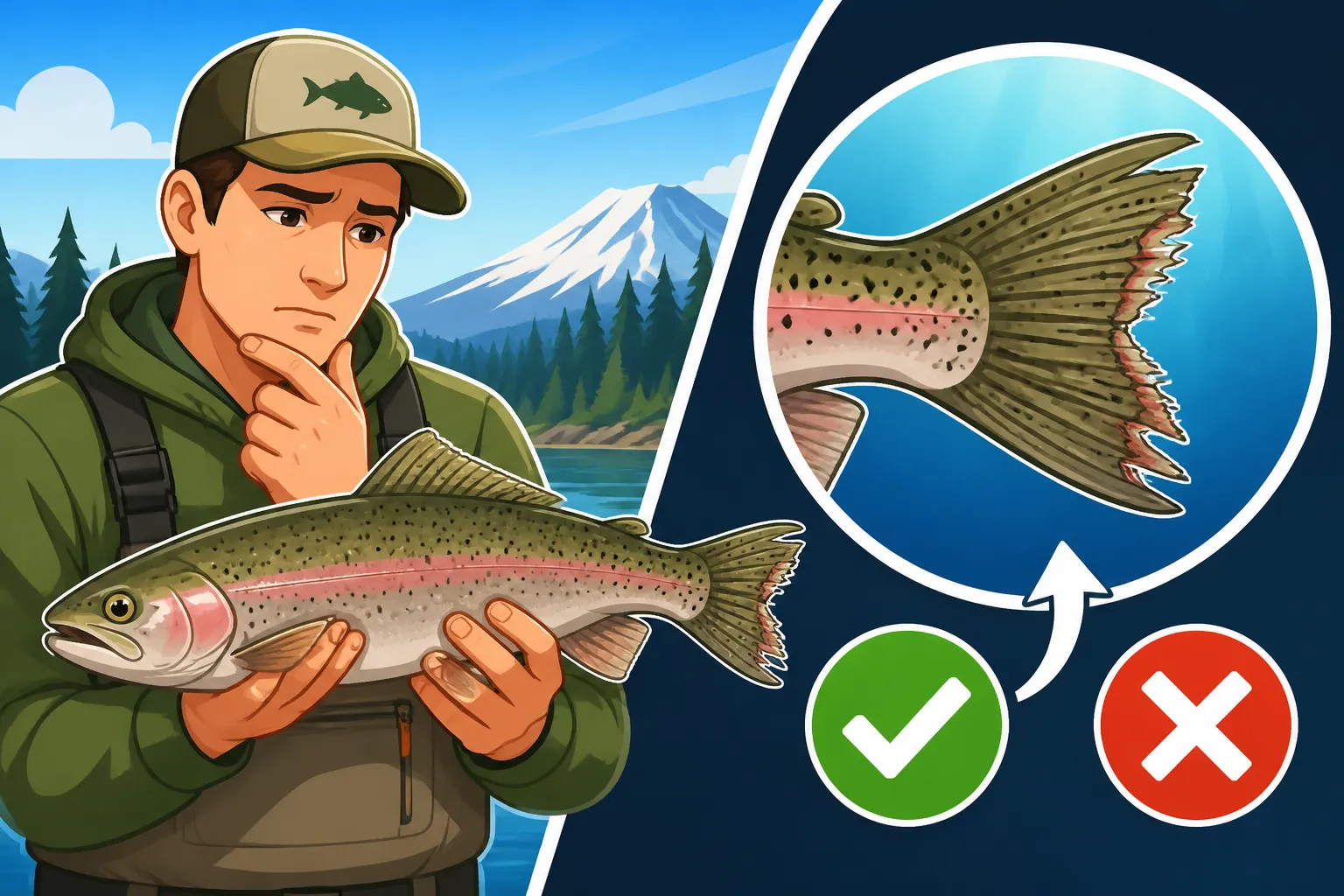
It's a moment many of us have faced out on the water: you reel in a beautiful fish, heart thumping with excitement, only to notice something isn't quite right. Maybe it's a chunk missing from its tail, a frayed pectoral fin, or a dorsal fin that looks like it's been through a blender. A common question immediately pops into your head: "Can I even keep this fish with a damaged fin, or do Washington's rules say I have to let it go?" This guide is here to clear up that confusion, diving deep into Washington's fishing regulations and the ethical considerations around keeping a fin-damaged fish.
Understanding Washington's General Regulations on Fish Condition
Washington's fishing regulations are designed to manage fish populations, ensure fair chase, and promote conservation. When it comes to the condition of a fish you've caught, the primary concerns almost always revolve around identification and legal compliance. It's not usually about whether the fish is "pretty enough" to keep, but rather if its physical state allows you to confidently confirm it meets all the legal requirements for retention.
The Core Principle: Is the Fish Legally Catchable and Identifiable?
At its heart, the rule of thumb is this: if you can clearly identify the species of fish, measure it accurately for length limits, and verify it meets any other specific harvest criteria (like a clipped adipose fin for hatchery fish), then minor fin damage generally isn't a disqualifier. Think about it, fish live in a wild environment. They fight, they spawn, they escape predators, and sometimes they get hooked by other anglers. They're going to have battle scars. A small chip out of a tail fin from a previous encounter with a sea lion, or a slightly frayed fin from rubbing against rocks, typically won't impact your ability to tell if it's a legal keeper.
The key here is clarity. Can you still confidently say, "Yes, this is definitely a legal Chinook salmon of X length," or "This is a hatchery steelhead with a clear adipose clip"? If the answer is yes, then a bit of cosmetic damage usually won't be an issue. However, the moment that damage starts to obscure those critical identification markers, you're entering a gray area that demands a cautious approach. Always remember the broader scope of Washington Fishing Regulations Every Angler Should Know when making these decisions.
When Fin Damage Becomes a Problem for Retention
While minor nicks and scrapes are usually fine, there are distinct situations where fin damage absolutely becomes a problem for retention. These issues usually stem from the damage obscuring a regulatory marking or making accurate identification impossible. The most common and critical example in Washington State involves the adipose fin, especially when you're targeting salmon and steelhead.
If a fin is so severely damaged that you can't tell what species it is, or if you can't accurately measure its length, then you've got a problem. Imagine trying to measure a fish for a slot limit when half its tail is gone, making an accurate overall length assessment impossible. Or, if a fish has been so mangled that you can no longer distinguish between a legal-to-keep species and a protected one. In these cases, the damage directly interferes with your ability to comply with the rules. Furthermore, if the damage makes it impossible to verify a crucial mark, like the absence of an adipose fin, that fish effectively becomes illegal to keep. It's a tricky situation, and often the best course of action is to err on the side of conservation.
Specific Scenarios: Common Fish with Fin Damage in Washington
Understanding the general principles is one thing, but applying them to specific species you're likely to encounter in Washington waters is another. Different fish have different regulations, and what's critical for one might be irrelevant for another.
Salmon and Steelhead: The Adipose Fin Rule
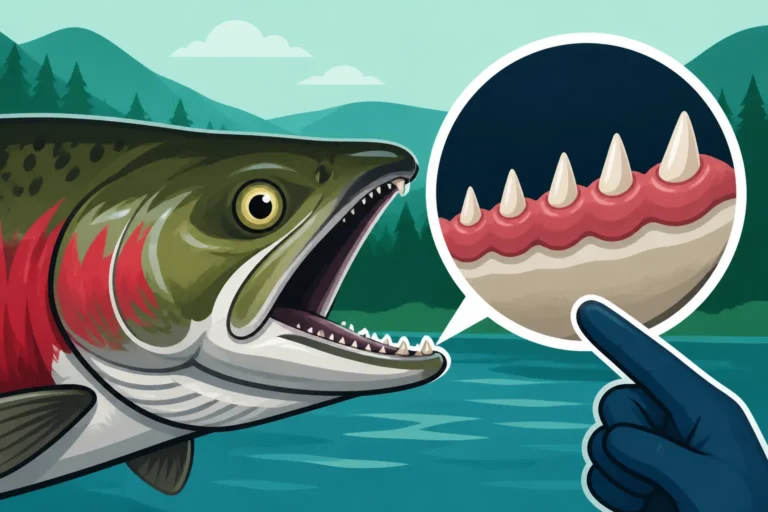
For many anglers in Washington, particularly those pursuing anadromous fish, the adipose fin is paramount. This small, fleshy fin located between the dorsal fin and the tail is the universal indicator for hatchery-raised salmon and steelhead. Hatchery fish are typically marked by clipping this fin, allowing wild, naturally spawning fish to be protected through catch-and-release rules. The importance of this clip cannot be overstated.
If you catch a salmon or steelhead, and there's any ambiguity about whether the adipose fin is present or absent due to damage, you are generally required to release that fish immediately and unharmed. This is where a lot of ethical dilemmas arise. Perhaps the fin was partially torn off, or there's scar tissue that makes it look like it was clipped when it wasn't. The rule is quite strict: if it's not clearly and unequivocally clipped, it's considered a wild fish and must be released in areas where wild fish retention is prohibited. Trying to argue that a damaged fin looks like it was clipped is a risk no responsible angler should take. Getting familiar with Wild Steelhead vs Hatchery Steelhead in Washington can save you a lot of guesswork and potential trouble. Knowing What a Clipped Adipose Fin Means is fundamental for anyone fishing these species.
Trout and Other Freshwater Species: Size and Species Identification
When you're chasing trout in Washington's myriad lakes and rivers, fin damage mostly comes into play with size limits and, occasionally, species identification. Many trout fisheries have minimum or maximum size restrictions, or even slot limits, where only fish within a specific length range can be kept. If a trout's tail fin is severely damaged or missing, it can become incredibly difficult to get an accurate measurement from the tip of the snout to the tip of the tail. In such cases, if you can't confidently confirm it meets the legal size, it's safer to release it.
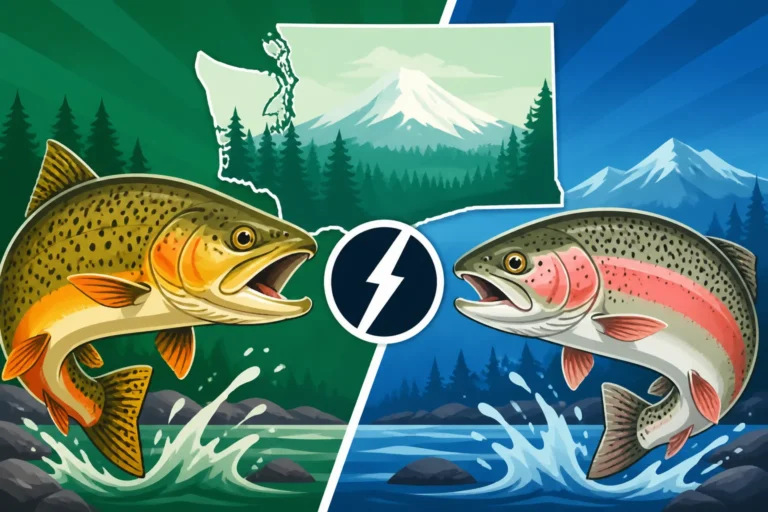
Distinguishing between trout species can also be subtly influenced by fin characteristics, though less commonly than with salmon and steelhead. For example, knowing How to Tell a Steelhead From a Rainbow Trout or Cutthroat Trout vs Rainbow Trout in Washington sometimes relies on subtle differences that could be obscured by extreme damage, though usually other markers are more definitive. If you're ever in doubt about the species or its legal length, especially for regulations like Smallest Legal Trout You Can Keep, it's always best practice to release.
Bottomfish and Other Marine Species: Injury vs. Identification
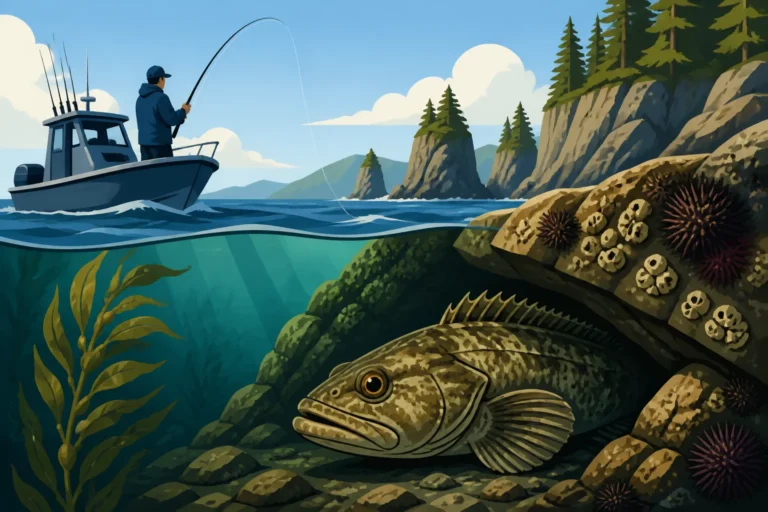
Out in Puget Sound or along the Washington coast, when you're targeting bottomfish like lingcod, rockfish, or even halibut, fin damage is often less about a specific regulatory mark and more about general injury. These fish are often found in rocky, abrasive environments, and they're frequently involved in tussles with prey, predators, and other fish. It's not uncommon to catch a lingcod with a ragged dorsal fin or a rockfish with a torn pectoral fin.
For these species, the key questions remain: can you positively identify the species, and can you accurately measure it against any minimum or maximum size limits? For example, with rockfish, there are many different species, some of which are protected and must be released. If fin damage is so extensive that it makes distinguishing between, say, a legal black rockfish and a protected yelloweye rockfish difficult, then you should absolutely release the fish. Otherwise, common battle scars on bottomfish usually don't make them illegal to keep, as long as identification and measurement are clear. Understanding the various Rockfish Species Along the Washington Coast is crucial for marine anglers.
| Fish Type (Example) | Common Fin Damage Scenario | Regulatory Concern | Typical Action |
|---|---|---|---|
| Salmon/Steelhead | Adipose fin appears partially clipped or ambiguous due to injury | Hatchery vs. Wild identification (critical for retention) | Release (if not clearly and completely clipped) |
| Salmon/Steelhead | Tail fin heavily damaged, making length measurement difficult | Minimum/maximum length limits, species identification | Release (if measurement or ID is unclear) |
| Trout | Tail fin damaged, impacting overall length measurement | Minimum/slot length limits | Release (if measurement is unclear) |
| Trout | Minor nicks or tears on pectoral or dorsal fins | None, as long as species and length are clear | Keep (if all other regs met) |
| Lingcod/Rockfish | Ragged dorsal or pectoral fins from fighting/habitat | Species identification, measurement (less common) | Keep (if species and size are clear, and it's a legal species) |
| Bottomfish | Significant damage making species identification ambiguous | Identification of protected vs. harvestable species | Release (if species ID is unclear) |
Best Practices and Ethical Considerations for Anglers
Beyond the letter of the law, there's also an angler's ethic that comes into play. We are stewards of the resource, and making responsible decisions in ambiguous situations is part of that role.
"When in Doubt, Let it Go": The Angler's Ethic
This is arguably the most important principle for any responsible angler, especially when faced with a fish that has questionable fin damage. If you're standing there on the bank of the Cowlitz or floating in Puget Sound, and you're genuinely unsure if that fish with the mangled fin is legal to retain, the answer should almost always be to release it. It's a conservative approach that prioritizes the health of the fish population and keeps you out of potential legal trouble. Washington Department of Fish and Wildlife (WDFW) enforcement officers generally appreciate anglers who err on the side of caution.
Think of it this way: releasing one questionable fish is a small sacrifice to make for the overall health of the fishery and your peace of mind. Plus, it upholds the conservation spirit that many of us cherish about fishing. This philosophy aligns perfectly with broader conservation efforts, especially in sensitive fisheries where Catch-and-Release Rules During Wild Steelhead Closures are common.
Tools and Techniques for Minimizing Fish Injury
Even if you intend to keep a fish, handling it properly to avoid unnecessary damage is crucial. And if you have to release a fish, minimizing harm is paramount for its survival. Having the right tools on hand can make all the difference, whether you're dealing with a damaged fin or preventing damage in the first place. For instance, a quality pair of hemostats or long-nose pliers can quickly remove hooks, especially if you're using barbless hooks, which are often required in Washington. Using Barbless Hook Requirements on Washington Rivers can greatly reduce injury.
A good, knotless rubber landing net is invaluable. Traditional knotted nets can strip scales and damage fins, but a rubberized net cradles the fish, protecting its delicate fins and slime coat. You can find excellent options for knotless nets on retailers like Amazon, which offer a wide variety of sizes and styles. Similarly, a specialized de-hooking tool (also easily found on Amazon) can help you quickly release fish with minimal handling, which is especially important for fish that must go back, regardless of fin condition. These simple additions to your tackle box can significantly reduce stress and injury to fish, whether they end up in your cooler or swim away to fight another day.
Reporting and Resources for Clarification
Sometimes, even after consulting guides and applying best practices, you might still encounter a truly perplexing situation. When in doubt, the best thing to do is consult the official regulations. The WDFW publishes a comprehensive sport fishing regulations pamphlet annually, available online and at license vendors. This pamphlet is your bible for all things regulatory. You should get in the habit of Reading the Washington Sport Fishing Regulations Pamphlet regularly, as rules can change.
For real-time updates, especially for emergency rule changes, the WDFW website is the go-to resource. They post notices about season closures, gear restrictions, and other critical information that might impact your day on the water. Many anglers also use the Fish Washington app, which can provide quick access to regulations and allow for electronic catch reporting. If you have a specific, complex question that isn't clearly covered, you can always contact a WDFW office or local enforcement officer. They are there to help ensure compliance and resource protection. Always check Where Washington Posts Fishing Rule Changes before heading out.
Ultimately, while a fish with a damaged fin might not always be illegal to keep, your ability to identify it accurately and confirm it meets all legal requirements is paramount. When uncertainty creeps in, the most responsible and ethical choice is almost always to release that fish, ensuring the health of Washington's incredible fisheries for years to come.
Disclaimer
This article is for general informational purposes only and does not constitute professional advice. Laws, prices and regulations vary by location and change over time. Consult a qualified professional for guidance on your specific situation.