Washington’s Puget Sound Salmon Charters: What to Expect
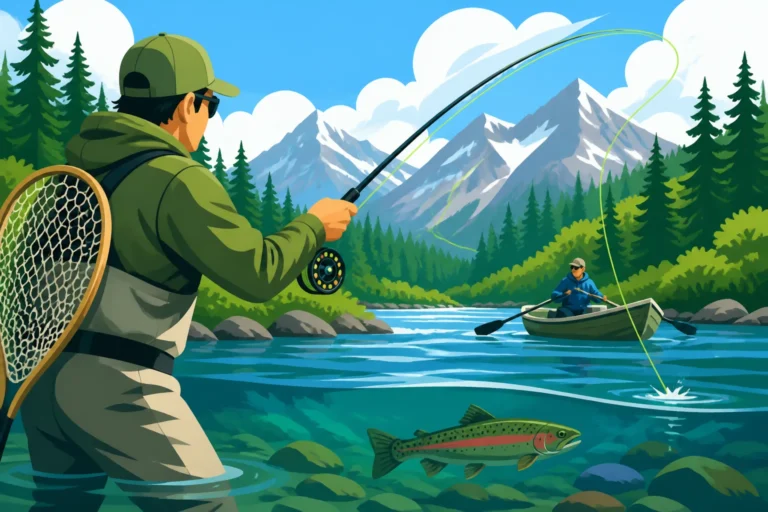
The Puget Sound holds a deep allure for anglers, promising the thrill of salmon fishing against a backdrop of stunning natural beauty. However, for many, the vastness of the Sound and the nuances of saltwater salmon fishing can feel incredibly overwhelming, especially if you don't own a boat or aren't familiar with local regulations. This comprehensive guide will pull back the curtain on what to truly expect when booking and embarking on a Puget Sound salmon charter, empowering you to navigate these waters with confidence and turn your fishing dreams into a memorable reality.
What Exactly Is a Puget Sound Salmon Charter?
When you hear "salmon charter," it probably conjures images of a boat on the water, fishing rods bent, and big smiles. While that's certainly the end goal, a Puget Sound salmon charter is much more than just a boat ride; it's a curated fishing experience led by seasoned professionals who know these waters like the back of their hand. They handle the complex logistics, provide the specialized gear, and offer invaluable expertise, allowing you to focus purely on the joy of the catch.
The Charter Boat Experience
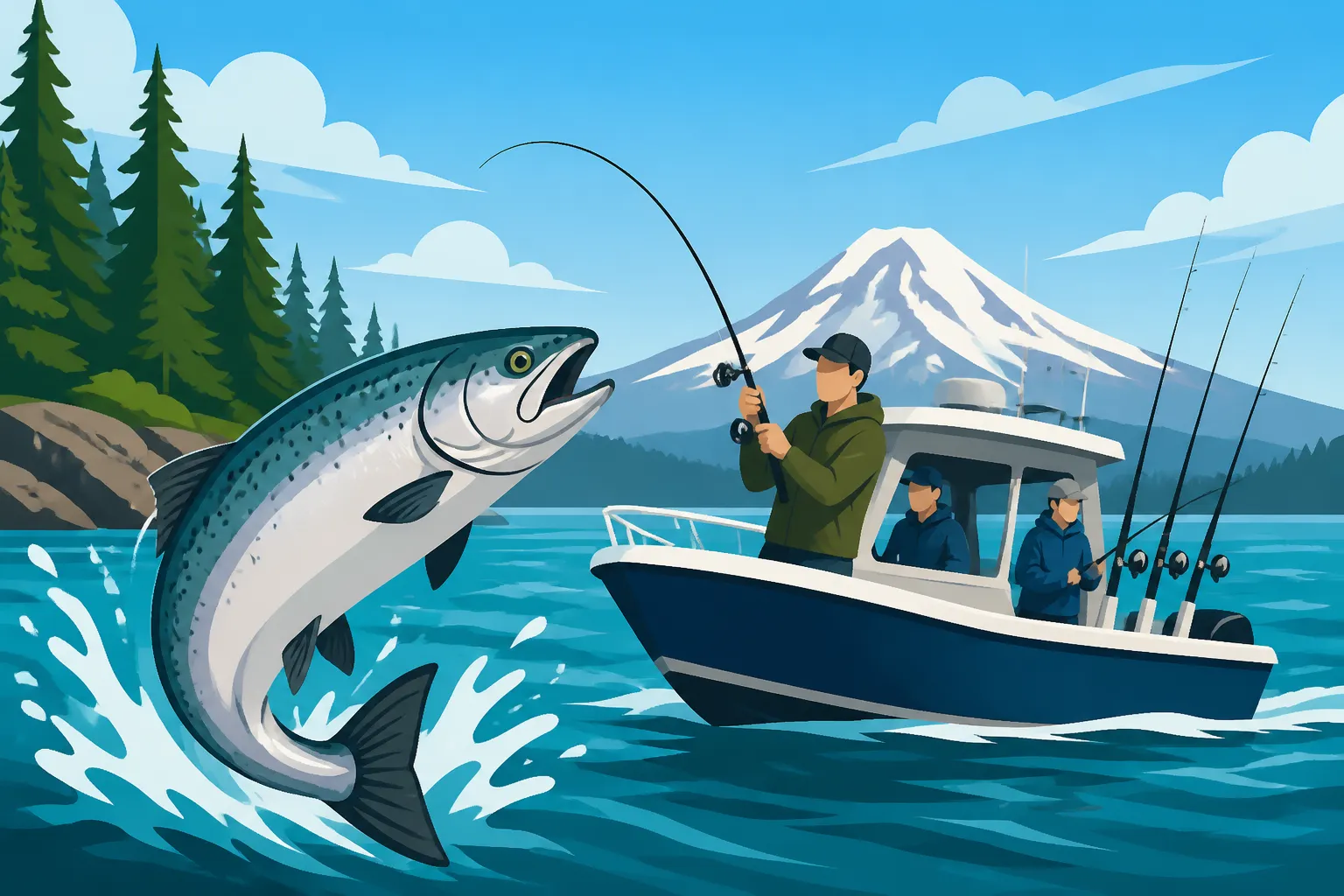
Imagine stepping aboard a comfortable vessel, typically designed for saltwater fishing, with all the necessary safety equipment and advanced electronics. These aren't just any boats; they are usually purpose-built or expertly adapted to handle Puget Sound's conditions, from calm, glassy mornings to choppier, windy afternoons. Most charters run stable, well-maintained boats ranging from 25 to 35 feet, often with enclosed cabins for shelter, comfortable seating, and sometimes even a restroom.
The crew, usually a captain and sometimes a deckhand, are licensed professionals with years, often decades, of experience fishing these specific waters. They're intimately familiar with salmon behavior, feeding patterns, migratory routes, and the ever-changing tides and currents of the Sound. More importantly, they stay on top of the intricate and frequently updated Washington Sport Fishing Seasons and Emergency Closures, ensuring your trip operates within legal parameters. They’ll be the ones setting up the specialized trolling gear, baiting the hooks, spotting fish on the sonar, and guiding you through the process of landing a salmon. It's truly a turnkey operation designed to maximize your chances of success and enjoyment without the headache of managing all the details yourself.
Who Should Consider a Charter?
A salmon charter is a fantastic option for a wide array of anglers, from complete novices to seasoned veterans just looking for a hassle-free day on the water. If you're a beginner, perhaps intimidated by the sheer volume of gear, techniques, and regulations, a charter provides an unparalleled learning experience. The crew will teach you the ropes, show you how to identify a bite, and walk you through fighting a powerful salmon. It’s a great way to dip your toes into the world of salmon fishing without a significant upfront investment in equipment or boat ownership.
Families often find charters ideal, as they can accommodate various skill levels and provide a safe, engaging environment for kids. It’s far less stressful than trying to manage a boat, gear, and children simultaneously. Even experienced anglers who own their own boats might opt for a charter when visiting a new area of the Sound, when they want to specifically target a certain species during a challenging bite, or simply when they desire a relaxing day without the demands of being captain. If you're weighing the options, exploring Choosing Between a Guide and a DIY Trip can offer further perspective on whether a charter aligns with your fishing goals and preferences. It truly caters to anyone looking for an efficient, enjoyable, and often highly productive way to fish Puget Sound.
Typical Trip Duration and Focus
Puget Sound salmon charters generally offer two primary trip durations: half-day and full-day excursions. A half-day trip usually lasts around 4 to 5 hours, while a full-day trip can run from 7 to 9 hours. The choice often depends on your budget, your endurance, and the specific fishing conditions or target species. Half-day trips are fantastic for families with younger children, those new to boating who might be prone to seasickness, or anglers on a tighter schedule. They provide a solid window of opportunity to get on the fish and experience the thrill.
Full-day trips, as you might expect, offer more fishing time, allowing the captain to explore more areas, adapt to changing conditions, and potentially target different species or depths if the bite is slow in one spot. This extended time can be particularly beneficial during certain times of the year or when targeting more elusive species like Chinook (King) salmon. It’s also worth considering that some species have shorter, more intense bite windows, and a full day gives you more chances to hit those prime times. To dive deeper into the nuances of these options, our guide on Half-Day vs Full-Day Salmon Charters provides a comprehensive comparison to help you decide which is best for your adventure. Ultimately, both options offer a fantastic opportunity to chase salmon in one of the most beautiful fishing grounds in the world.
Navigating the Waters: Types of Puget Sound Charters
The world of Puget Sound salmon charters isn't one-size-fits-all. Just like buying a car, there are different models and configurations designed to meet various needs, preferences, and budgets. Understanding the distinctions between these types of charters can help you make an informed decision and ensure your fishing trip aligns perfectly with your expectations.
Shared vs. Private Charters
One of the first decisions you'll make when booking a Puget Sound salmon charter is whether to opt for a shared or a private trip. A shared charter, sometimes called an open boat or "per person" charter, is where you book a spot on a boat with other individual anglers or small groups you don't know. The cost is typically lower per person, making it a more economical choice, especially if you're fishing solo or with just one or two companions. You'll share the deck, the rods, and the overall experience with other fishing enthusiasts, which can be a fun way to meet new people and learn from different perspectives. However, it also means you'll share the captain's attention and might have less flexibility in terms of where the boat goes or how long it stays in a particular spot.
A private charter, on the other hand, means you're booking the entire boat for your group, whether that's two people or six (the typical maximum for a "six-pack" charter). While the overall cost is higher, the per-person price can become quite reasonable if you fill the boat with friends or family. The main advantage here is exclusivity and flexibility. Your group has the captain's undivided attention, you can dictate the pace of the trip (within reason), and you might have more input on target species or specific fishing grounds. This can be ideal for corporate outings, special family events, or groups who simply prefer a more intimate experience. To help you weigh these options, we have a detailed comparison in Shared vs Private Fishing Charters in Washington that delves into the pros, cons, and nuances of each.
Specific Target Species Charters
Puget Sound is home to several species of salmon, and depending on the time of year, captains often specialize in targeting specific ones. While you might occasionally catch a variety, most charters will focus on the most prevalent and accessible species during your booking window. The most prized catch is often the Chinook salmon, also known as King salmon or "Blackmouth" when caught in the Sound as a resident fish. These are the largest and hardest-fighting salmon, making them a top target for many. Charters focusing on Chinook will typically use specific techniques and target deeper waters. You can learn more about these magnificent fish in Chinook Salmon: Washington's King of Fish.
Another highly popular species is the Coho salmon, or Silver salmon. These fish are known for their acrobatic jumps and spirited fights, offering an exhilarating experience, especially during their strong summer and fall runs. Charters will adjust their techniques, often trolling shallower or casting for Cohos, depending on their behavior. Our article Coho Salmon Fishing in Washington provides an in-depth look at these energetic fish. Less frequently targeted by dedicated charters, but still a possibility, are Chum and Pink salmon, which have strong but often shorter-duration runs. Always check with your charter captain about what species they anticipate targeting during your booked trip, as this can greatly influence your experience.
Different Departure Points
The sheer size of Puget Sound means there are numerous departure points for salmon charters, each offering access to different marine areas and fishing grounds. The most common hubs include Seattle, Everett, Olympia, and various smaller towns around the Sound, as well as the more remote San Juan Islands. Choosing your departure point can significantly impact your travel time and the specific waters you’ll be fishing. For example, a charter leaving from downtown Seattle will give you quick access to the central Sound, often targeting areas near Bainbridge Island or Kingston, while offering incredible city views.
Departing from a port like Everett might put you closer to fishing grounds in Marine Area 9 (Admiralty Inlet) or the lower parts of Saratoga Passage, known for different salmon runs. The San Juan Islands, while further afield, offer some truly world-class salmon and bottomfishing opportunities in a breathtaking setting, often requiring a bit more travel time to get there. It's crucial to consider where you're staying and how far you're willing to drive. Some charters might operate out of multiple ports depending on the season and where the fish are biting best. Discussing departure options with your chosen charter company is always a good idea to find the most convenient and productive starting point for your adventure.
Booking Your Puget Sound Salmon Adventure
Booking a Puget Sound salmon charter might seem daunting with so many options and details to consider, but with a bit of planning, it’s a straightforward process. The key is to secure your spot well in advance, especially during peak seasons, and to understand what you're getting into before you commit.
When and How to Book
The "when" is often as important as the "how" when it comes to booking a successful salmon charter. Peak salmon seasons in Puget Sound, particularly for Chinook and Coho, run from late spring through fall, with specific runs peaking at different times. These periods, especially weekends and holidays, book up incredibly fast. It's highly recommended to book your charter several weeks, or even months, in advance if you have a specific date or time frame in mind. Waiting until the last minute might leave you with limited choices, or no availability at all.
As for the "how," you have a few primary avenues. You can contact charter operators directly through their websites or by phone. Many local marinas and sporting goods stores also display brochures or recommendations for trusted local captains. Another increasingly popular and convenient method is through online booking platforms like FishingBooker. These platforms allow you to browse multiple charter operators in the Puget Sound area, compare prices, read reviews, and check availability all in one place. They provide a streamlined booking process and often offer helpful customer support. Using a platform like FishingBooker can save you a lot of time and effort in finding the perfect match for your trip.
Essential Questions to Ask Before Booking
Before you finalize your booking, whether directly or through a service like FishingBooker, it’s absolutely essential to ask a few key questions. This helps manage expectations and ensures there are no surprises on the day of your trip. First, inquire specifically about what is included in the price. Does it cover bait, tackle, and fuel, or are there any hidden fees? Some charters might include everything, while others might have small additional costs for items like fish cleaning or a fuel surcharge if you travel far.
Next, clarify the charter's cancellation policy. Cancellation Policies for Washington Charters can vary wildly, especially regarding weather, so understand their terms for rescheduling or refunds if conditions are unsafe or if you need to cancel for personal reasons. Ask about the maximum number of anglers allowed on the boat and whether children are counted towards that limit. Finally, confirm what amenities are on board (like a head/restroom) and if there are any specific rules or restrictions (e.g., alcohol policies, bringing your own food/drinks). Getting these details ironed out beforehand will make your experience much smoother and more enjoyable.
Understanding Deposits and Payments
When you book a Puget Sound salmon charter, it’s standard practice for the operator to require a deposit to secure your date. This deposit typically ranges from 25% to 50% of the total trip cost and is usually paid upfront. This helps the charter captain confirm your commitment and provides them with some security against last-minute cancellations. Reputable charter services, including those found on platforms like FishingBooker, will clearly outline their deposit requirements during the booking process.
The remaining balance of your payment is usually due on the day of the trip, often before you depart from the dock. It’s a good idea to confirm with your captain what forms of payment they accept – cash is often preferred, but many also accept credit cards. Having the exact amount ready in cash can sometimes expedite the morning check-in process. Always keep a record of your payment, whether it's an email confirmation from an online booking or a receipt directly from the captain. This transparency ensures both parties are clear on the financial agreement and helps prevent any misunderstandings down the line.
Preparing for Your Charter Day
So, you’ve booked your Puget Sound salmon charter – congratulations! Now comes the exciting part: getting ready for the big day. A little preparation can go a long way in ensuring your trip is comfortable, safe, and as productive as possible.
Licensing Requirements
This is arguably the most critical step before stepping foot on any fishing vessel in Washington: you absolutely need a valid Washington fishing license. Even though you're on a charter with a licensed captain, each individual angler is responsible for having their own license and any necessary endorsements. For most Puget Sound salmon charters, you'll need a Washington State saltwater fishing license. If your trip might involve fishing in freshwater portions of rivers that flow into the Sound, a combination license might be a safer bet, though most dedicated salmon charters stick to marine waters.
The good news is that obtaining a license is relatively easy. You can purchase one online through the Washington Department of Fish and Wildlife (WDFW) website, at authorized license dealers (like sporting goods stores), or sometimes even at the marina where your charter departs. It’s crucial to understand What License Do You Need on a Washington Charter Boat? and to have it in your possession, either a physical copy or digitally on your phone via the MyWDFW app, before you step aboard. Fisheries enforcement officers do check, and fishing without a license can result in hefty fines. Don't let this simple oversight ruin your trip! For a detailed guide on how to acquire one, check out Where and How to Buy a Washington Fishing License.
What to Wear and Bring
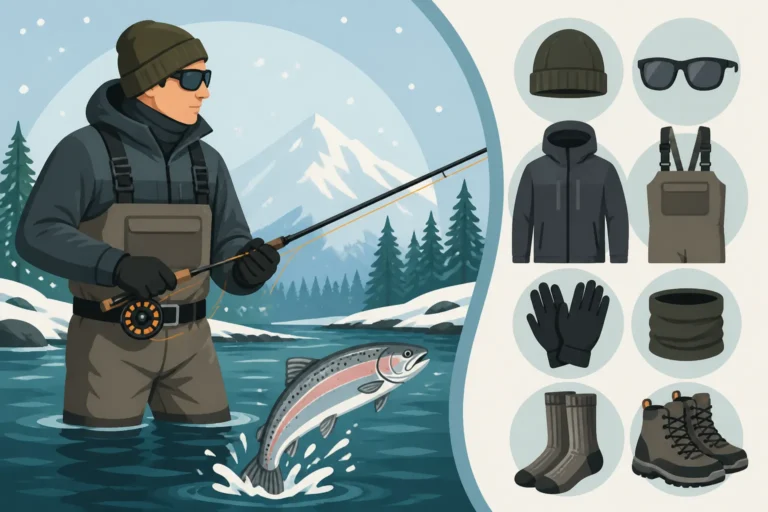
Puget Sound weather can be famously fickle, often changing dramatically within a single day. The key to comfort on a charter is layering! Start with a moisture-wicking base layer, add insulating layers (fleece or wool are great), and top it off with waterproof and windproof outerwear. Even on a sunny summer day, the wind out on the water can be chilly, and sea spray is always a possibility. Good quality rain gear is a non-negotiable, regardless of the forecast. Opt for bright, visible colors if possible, but dark practical colors are fine too.
Beyond clothing, here's a quick checklist of essentials to bring:
- Sun protection: Sunscreen, sunglasses (polarized are great for seeing into the water), and a hat are vital, even on cloudy days, as UV rays reflect off the water.
- Food and drinks: Pack a lunch, snacks, and plenty of water or other beverages. Most charters don't provide meals, though some might offer bottled water. Avoid glass containers if possible.
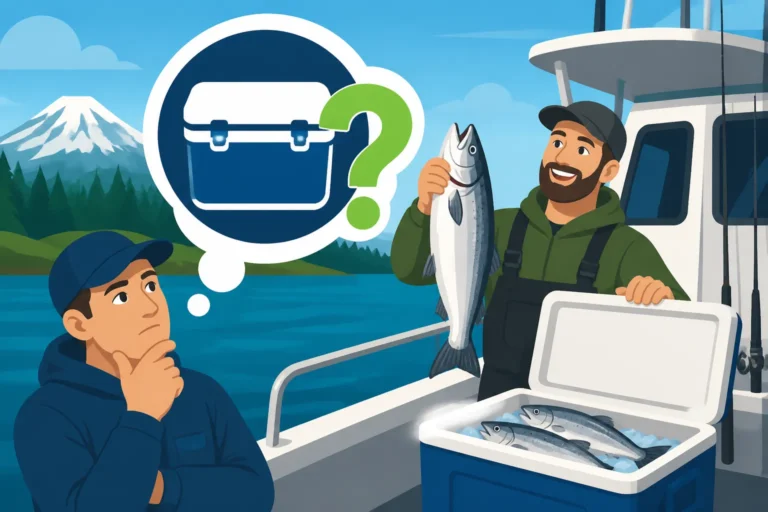
- Cooler: Bring a cooler with ice to transport your catch home. While charters might have a fish box on board, it's best to have your own ready in your vehicle for the drive.
- Camera: To capture those memorable moments!
- Small backpack: To keep your personal items organized and dry.
- Motion sickness medication: If you're prone to seasickness, take it before you board.
- Your fishing license and Catch Record Card.
For more detailed advice on dressing for success on the water, you'll find our guide on What to Wear on a Washington Puget Sound Charter incredibly helpful.
Dealing with Seasickness
The open waters of Puget Sound, while often calm, can sometimes get choppy, especially with wind or strong currents. If you're susceptible to motion sickness, or even if you're not sure, it's always best to be prepared. The last thing you want is to spend your dream fishing trip feeling unwell.
The most effective prevention is to take an over-the-counter motion sickness medication, like Dramamine or Bonine, the night before your trip and again in the morning before boarding. Don't wait until you start feeling queasy – by then, it's often too late. Choose non-drowsy formulas if possible. Other tips include getting a good night's sleep, avoiding heavy, greasy meals or excessive alcohol the night before, and staying hydrated. Once on the boat, try to stay on deck in the fresh air and focus on the horizon. Avoid reading or looking at your phone for extended periods. If you start to feel unwell, let a crew member know; they often have remedies or can offer advice. While most Puget Sound trips stay in relatively sheltered waters, it's not immune to motion, and understanding Is Seasickness Common on Washington Ocean Charters? can help you prepare mentally and physically for the conditions you might encounter.
The Onboard Experience: Fishing and Regulations
Stepping onto a Puget Sound salmon charter is like entering a well-oiled machine. The crew has a system, and understanding your role as an angler within that system, combined with a grasp of local regulations, will make for a harmonious and productive day.
The Gear and Techniques Used
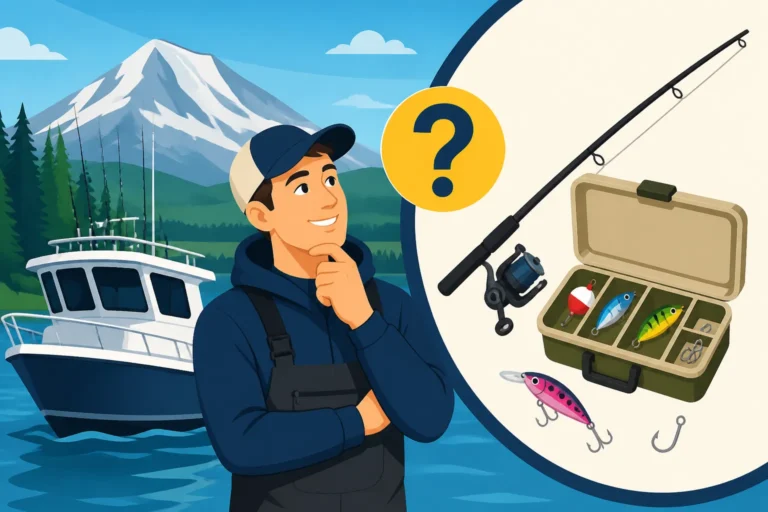
One of the great advantages of a charter is that all the specialized gear is provided. You won't need to worry about bringing your own rod, reel, or tackle. Puget Sound salmon charters primarily employ trolling as their fishing method. This involves using downriggers to precisely control the depth of your lure or bait, typically a herring, spoon, or flasher-and-hoochie combination, as the boat moves slowly through the water. The captain will position the boat in areas where salmon are actively feeding or migrating, often identified using advanced sonar systems.
The crew will typically set up multiple rods, often 4 to 6, each with a specific depth and lure presentation. When a fish hits, the rod will bend sharply, and the line will pop out of the downrigger clip – a signal often called a "release." This is your cue! The crew will hand you the rod, explain how to fight the fish, and offer guidance as you reel in your catch. They’ll also handle the netting of the fish once it's brought alongside the boat. The beauty of this system is its efficiency and effectiveness, all managed by experienced hands, making it accessible even for first-timers. If you're wondering if you need to bring your own equipment, our guide on Do Charters Provide Rods and Tackle? will confirm that typically, you won't.
Understanding Daily Bag Limits and Regulations
Washington state has incredibly specific and often complex fishing regulations, particularly for salmon, and these rules can change frequently due to conservation efforts. On a Puget Sound salmon charter, the captain and crew are your primary resource for understanding and adhering to these rules. They are experts in the current regulations, including species-specific daily bag limits, size restrictions, and any selective fishing rules (e.g., adipose fin clipped hatchery fish only).
Before you even drop a line, the captain will usually give a briefing on what species are open, what the daily limits are, and any other pertinent rules for that day's fishing grounds. It's crucial to listen carefully and follow their instructions without question. For example, some regulations might dictate that only hatchery-marked salmon (those with a clipped adipose fin) can be retained, while wild salmon must be released unharmed. There might be different limits for Chinook versus Coho, or even slot limits that require certain size fish to be released. Understanding Washington's Daily Bag Limits by Species is vital, but always defer to your captain's on-the-water guidance, as rules can be highly localized and change without much warning.
Catch Record Cards
Beyond having your fishing license, any time you catch and keep a salmon or steelhead in Washington, you are required to immediately record it on a Catch Record Card (CRC). This is a physical card, often issued when you purchase your license, that you must carry with you while fishing. For most Puget Sound salmon charters, you'll be required to fill out the species, date, and marine area for each salmon you retain. The information collected from these cards is absolutely vital for WDFW to monitor fish populations and manage future fishing seasons.
Your charter captain or crew will guide you on how and when to fill out your CRC properly. It's not something to put off until you get home; "immediately" means before you put the fish in the cooler or leave the fishing grounds. Forgetting to record a fish, or incorrectly filling out your card, can lead to fines and penalties, just like fishing without a license. It's a key part of responsible angling and resource management. Our detailed article, The Washington Catch Record Card and What It Requires, provides all the specifics you'll need to know about this essential document. Always remember to turn in your completed CRC at the end of the year, even if you didn't catch anything!
Post-Trip: What Happens After You Dock?
The excitement doesn't end when the lines are reeled in. What happens when you return to the dock after a successful Puget Sound salmon charter is just as important, especially when it comes to handling your prized catch and showing appreciation to your crew.
Fish Cleaning and Processing
One of the most common questions anglers have is about fish cleaning. Will the charter crew clean your fish? The answer is usually yes, but it’s important to clarify the details with your chosen operator. Many Puget Sound salmon charters offer fish cleaning and filleting as part of their service, often for no additional charge. This is a huge convenience, as cleaning a large salmon can be a messy and time-consuming task, especially if you're not experienced. The crew will expertly fillet your fish, ensuring you get maximum meat yield and it's ready for your cooler.
Some charters might charge a small fee for this service, so it’s always wise to confirm this when booking. Regardless of whether it's included or an extra charge, it's crucial to bring a large cooler filled with ice to the dock. This allows you to immediately transfer your cleaned fish into a well-chilled environment, preserving its quality for the journey home. Don't underestimate the importance of proper chilling, especially if you have a long drive ahead. For more detailed insights into this aspect, our article Do Charters Clean and Package Your Fish? offers valuable information.
Tipping Your Crew
Just like in other service industries, tipping your charter captain and crew is customary and highly appreciated, recognizing their hard work, expertise, and dedication to making your trip a success. These professionals work long hours, often in challenging conditions, and their income relies significantly on gratuities. A general guideline for tipping on a Puget Sound salmon charter is typically 15-20% of the total trip cost. If you had an exceptional experience, caught a lot of fish, or received outstanding service, feel free to tip more!
It's common practice to give the tip directly to the captain, who will then typically share it with their deckhand. If there are multiple crew members, it's still appropriate to give the full tip to the captain unless otherwise instructed. Cash is often preferred for tips, but some captains might be set up to accept digital payments. Always be prepared with your tip money beforehand, so you don't have to scramble at the end of a long day. Our guide on Tipping Etiquette for Washington Fishing Guides provides a more in-depth look at this important practice.
Transporting Your Catch Home
Once your fish is cleaned, filleted, and packed on ice in your cooler, the next step is getting it home safely. For local anglers, this usually means a direct drive. Ensure your cooler is well-sealed and insulated to maintain the cold temperature, especially on warmer days. Double-bagging fillets can prevent meltwater from soaking through.
If you're an out-of-state visitor planning to fly home with your catch, there are specific considerations. Most airlines allow fish as checked baggage, provided it's properly packaged. This typically means a sturdy, leak-proof cooler (often a hard-sided one) that is either frozen solid or packed with gel ice packs, not loose ice that could melt and leak. Many commercial fish processors near major fishing ports offer professional vacuum-sealing and shipping services, which can be a lifesaver. Always check with your specific airline in advance for their most current policies regarding perishable goods and baggage fees. Our article How to Ship Fish Home From Washington provides comprehensive advice on navigating the logistics of transporting your valuable catch.
Maximizing Your Puget Sound Salmon Charter
A Puget Sound salmon charter is an investment, both of your time and money. To truly make the most of it, it's not just about hooking fish, but about embracing the entire experience and approaching it with the right mindset.
Communication is Key
From the moment you book your charter until the final farewell at the dock, clear communication with your captain and crew is paramount. Before the trip, don't hesitate to ask any questions you have about the boat, the gear, the target species, or what you should bring. If you have specific preferences, like wanting to focus on a particular type of salmon or wanting to spend more time learning a certain technique, discuss this with the captain beforehand. They are there to provide a great experience, and knowing your expectations helps them tailor the day.
During the trip, if you're feeling unwell, need a break, or have a question about the fishing process, speak up! Your captain can't read your mind. Similarly, listen carefully to their instructions, especially regarding safety, fishing techniques, and regulatory compliance. A good charter experience thrives on mutual respect and open dialogue. This proactive communication ensures everyone is on the same page and helps create a more enjoyable and productive day for all onboard.
Embrace the Experience
While catching fish is undeniably the primary goal of any fishing charter, try to embrace the entire experience, beyond just the bending of a rod. Puget Sound offers some of the most spectacular scenery in the Pacific Northwest. Take moments to look around at the towering Olympic Mountains, the verdant islands, and the potential wildlife sightings, from bald eagles soaring overhead to seals and porpoises playing in the waves. The camaraderie with your fellow anglers, whether they are friends, family, or new acquaintances, is also a huge part of the fun.
Some days the fish bite like crazy, and other days they are more elusive. That's just fishing! Try not to let a slower bite diminish your enjoyment. The expertise of your captain, the comfort of the boat, and the sheer beauty of being on the water are all part of the value. Even on slower fishing days, a Puget Sound salmon charter offers a unique opportunity to learn, relax, and connect with nature. Remember, it's an adventure, and every moment contributes to the memory.
Respect the Resource
Responsible angling and conservation are at the heart of sustaining Washington's incredible salmon fisheries. As a charter guest, you play a vital role in respecting this precious resource. Always follow the captain's instructions regarding fish handling, especially for those you intend to release. Wild salmon, particularly endangered or threatened runs, often need to be released unharmed, and the crew will demonstrate the proper techniques to minimize stress and maximize their survival rate.
This includes understanding rules like barbless hook requirements or specific gear restrictions that might be in place for conservation. When you retain fish, avoid waste; clean and care for your catch properly so none of that delicious salmon goes to waste. Furthermore, be mindful of your impact on the marine environment. Don't litter, and understand that the future of these fisheries depends on all of us being good stewards of the natural world. Your charter captain is a frontline advocate for conservation, and by listening to their guidance, you contribute directly to the health of Puget Sound's amazing salmon populations.
Disclaimer
This article is for general informational purposes only and does not constitute professional advice. Laws, prices and regulations vary by location and change over time. Consult a qualified professional for guidance on your specific situation.