Ilwaco and the Columbia River Mouth Charters
There’s nothing quite like the raw power and immense bounty of the Pacific Ocean meeting the mighty Columbia River, and for many anglers, this confluence signals one thing: epic fishing. If you've ever dreamt of battling a chrome-bright Chinook or filling your cooler with feisty Coho, but felt overwhelmed by the thought of navigating those legendary waters yourself, you're not alone. This guide is here to demystify the experience of booking and enjoying a fishing charter out of Ilwaco, Washington, giving you the confidence to chase those dreams.
Introduction to Ilwaco and the Columbia River Mouth Fishery
The mouth of the Columbia River is a fishing destination steeped in legend, a place where millions of salmon funnel through on their way to spawning grounds far upstream. For anyone serious about salmon fishing in Washington, or even just curious about what truly world-class sportfishing looks like, Ilwaco is often the first name that comes to mind. It's not just a location; it's an experience, offering some of the most dynamic and productive fishing opportunities on the entire West Coast.
Why the Columbia River Mouth is a Fishing Mecca
The sheer volume of fish that pass through the Columbia River Mouth is staggering. We're talking about runs of Chinook (King) and Coho (Silver) salmon that number in the hundreds of thousands, sometimes even millions, in a good year. These fish are strong, ocean-bright, and incredibly eager to bite as they stage at the river's entrance before committing to their freshwater journey. The unique geography of the area, with its massive sand shoals and strong currents, acts like a funnel, concentrating these migrating fish into predictable lanes where charter boats can intercept them. This concentration, combined with the quality of the fish, is what elevates the Columbia River Mouth to an almost mythical status among anglers. It’s not uncommon for boats to return to port with limits of fish, providing memories and meals for families for months to come. The dynamic environment means every trip is an adventure, never quite the same as the last.
Ilwaco: The Gateway to Big Water Fishing
Nestled on the northern bank of the Columbia River, just a stone's throw from the Pacific Ocean, Ilwaco serves as the primary launch point for the vast majority of these incredible fishing charters. It's a charming, working fishing town that lives and breathes the rhythm of the tides and the salmon runs. The harbor is bustling, especially during peak season, with charter boats, private vessels, and commercial fishermen all sharing the waterways. From Ilwaco, captains have quick access to the famed "Buoy 10" fishery, a specific area just inside the river mouth that is legendary for its salmon numbers. The town itself provides all the necessary amenities, from lodging and restaurants to bait and tackle shops, making it incredibly convenient for visiting anglers. When you step onto the docks in Ilwaco, you can feel the energy, the anticipation of a big day out on the water, and the shared excitement among everyone there for the same reason: to catch fish.
Understanding the Target Species at the Columbia River Mouth
While the Columbia River Mouth is a diverse ecosystem, when people talk about fishing out of Ilwaco, they are almost exclusively referring to the pursuit of salmon. Specifically, two species dominate the conversation and the catch: Chinook and Coho. Understanding these fish, their habits, and when they run is key to maximizing your charter experience.
Chinook Salmon: The Prized Kings of the River Mouth
Ah, the Chinook, or King Salmon – the undisputed royalty of the Pacific Northwest. These magnificent fish are revered for their immense size, incredible fighting power, and rich, delicious flesh. When you hook into a Columbia River Chinook, you'll know it. They make blistering runs, often peeling line off your reel with alarming speed, and demand respect and strength to bring to the net. Anglers specifically target them because they represent the ultimate prize. At the Columbia River Mouth, these fish are in prime condition, having recently left the ocean, which translates to bright, chrome scales and powerful muscles. Their run usually peaks in late summer, often starting in August and continuing into early September, making it a highly anticipated season for guides and anglers alike. Fishing for them often involves trolling with large cut-plug herring or various salmon plugs, presenting bait or lures in the strong currents where these fish are holding. For more on these incredible fish, check out Chinook Salmon: Washington's King of Fish.
Coho Salmon: Abundant and Feisty Fighters
While Chinook get all the glory for their size, Coho salmon, also known as Silver salmon, are absolute champions in their own right. They might not reach the sheer mass of a King, but they make up for it with acrobatic jumps, aggressive strikes, and an unrelenting fight. A school of Coho can turn an otherwise slow day into a frenzy of activity, providing non-stop action that is thrilling for anglers of all skill levels. They are typically more abundant than Chinook, and their runs often overlap, extending further into the fall. This means that a Columbia River Mouth charter might offer a "combo" trip, targeting both Kings and Silvers, maximizing your chances for a full fish box. Coho also tend to be a bit less finicky than Chinook, often hitting a wider variety of lures and baits, which can be a relief on tougher days. You can learn more about these spirited fish in Coho Salmon Fishing in Washington.
Other Species You Might Encounter
While salmon are the main attraction, the Columbia River Mouth is a vibrant fishery, and you might occasionally encounter other species. For instance, sometimes a stray Steelhead, which is an ocean-going rainbow trout, might take a salmon offering. These are often protected species, and strict rules apply to their retention, so your guide will ensure any incidental catch is handled correctly. Sturgeon are also present in the lower Columbia River, though specialized gear and techniques are required to target them, and specific regulations dictate whether they can be retained. Bottomfish species like rockfish are generally found further out in the ocean and not typically targeted by charters focusing on the immediate river mouth salmon fishery, though if conditions allow and time permits, a versatile charter might offer a quick drop. Always defer to your captain’s expertise on what species are in season and legal to target.
What to Expect from an Ilwaco Charter Trip
Embarking on a fishing charter out of Ilwaco is an adventure, but knowing what to expect can help you prepare and fully enjoy the experience. These aren't just boat rides; they are highly coordinated fishing expeditions led by experienced professionals.
Typical Duration and Schedule of a Charter
Most Ilwaco salmon charters are full-day affairs, often lasting anywhere from 6 to 10 hours, depending on the bite, weather, and regulations. They typically start early. We're talking pre-dawn, sometimes as early as 4 or 5 AM, especially during the peak of the Buoy 10 season. This early start is crucial for several reasons: to beat the rush to prime fishing grounds, to take advantage of favorable tides and currents, and because salmon often feed most actively during the low light hours of dawn.
You’ll usually meet your captain and crew at the dock, sign any necessary waivers, and get a quick safety briefing. After a short cruise out to the fishing grounds, lines go in the water, and the fishing begins. Your captain will constantly monitor sonar, current, and other boats to keep you on the fish. While there might be some downtime between bites, the crew works tirelessly to ensure lines are in the water and lures are presented effectively. The trip usually concludes by mid-afternoon, giving you plenty of time to get your catch processed and celebrate your success.
What's Included and What You Should Bring
One of the great advantages of booking a charter is that much of the heavy lifting is handled for you. Typically, your charter fee covers the boat, the experienced captain and crew, all the necessary fishing gear (rods, reels, tackle, bait), and safety equipment. Many charters will also include basic fish cleaning at the dock, like gutting and filleting, though this can vary. Some might even provide drinks or snacks, but it's always a good idea to confirm this ahead of time.
As for what you should bring, layers are key in Washington, even in summer. The mornings can be chilly, the afternoons warm, and then there's the ever-present marine layer. A good waterproof jacket and pants are essential, as spray, rain, or even just wet fish can quickly make you uncomfortable. Don't forget sunscreen, a hat, sunglasses (polarized are great for seeing fish!), and comfortable, non-slip shoes. Pack your own lunch, snacks, and drinks, especially if the charter doesn't explicitly state they provide them. A cooler to transport your fillets home is also a must. For a more comprehensive list, consider looking at What to Bring on a Washington Fishing Charter.
The Experience: From Bar Crossing to Fish On!
The journey out of Ilwaco involves crossing the notorious Columbia River Bar. This is a dynamic, often challenging area where the river's outflow meets the Pacific Ocean's swells, creating conditions that can range from calm to extremely rough. It's why booking with an experienced, licensed captain is non-negotiable; they possess the knowledge and specialized vessels to navigate this area safely. Witnessing the skill with which a captain handles the bar is an experience in itself.
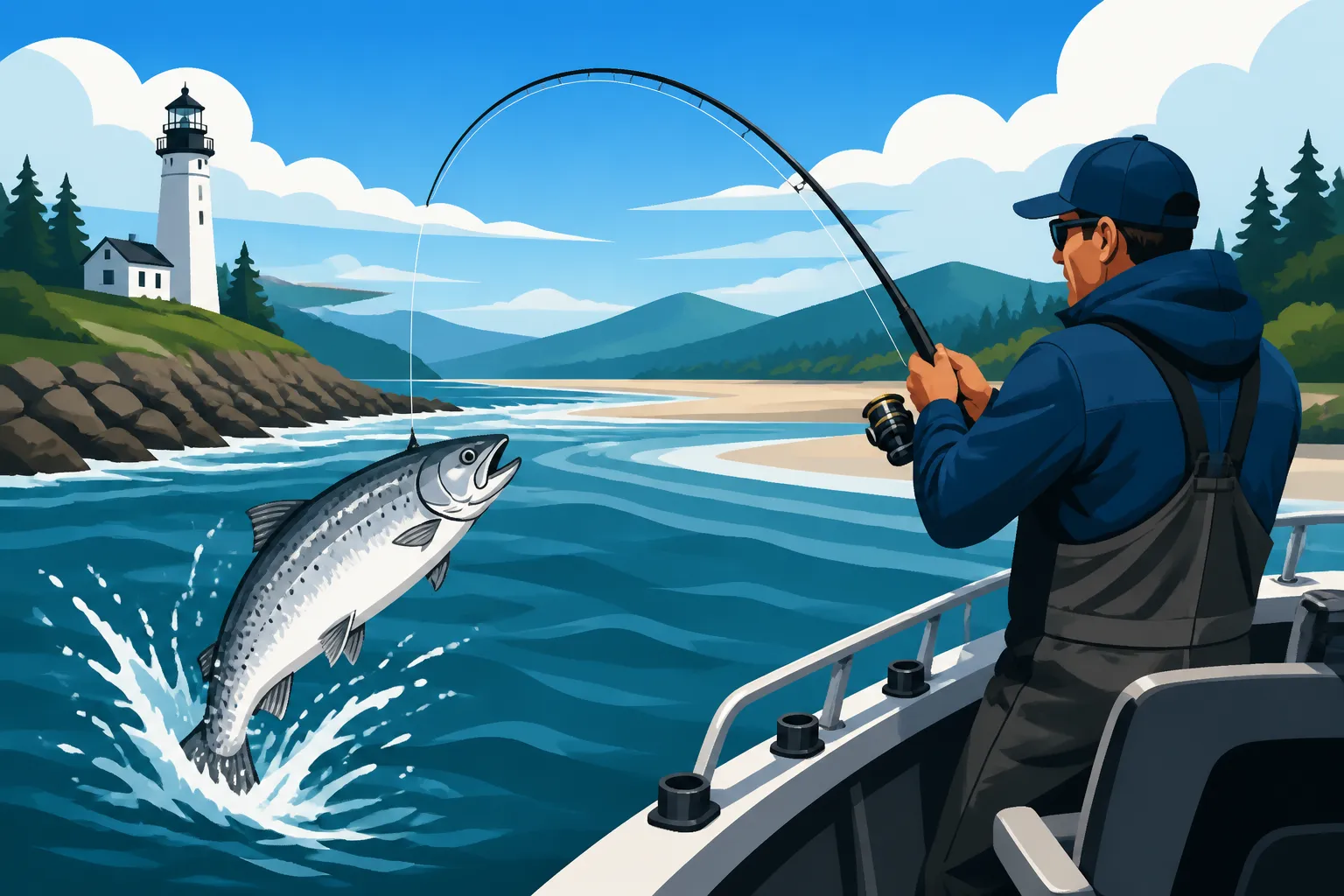
Once past the bar, or positioned just inside it, the real fishing begins. The crew will set up the rods, often using downriggers to troll multiple lines at precise depths. You'll hear the click-click-click of the reels, the hum of the boat, and the constant chatter of the crew. Then, suddenly, a rod will bury itself toward the water, the reel will scream, and someone will yell "Fish on!" This is the moment of truth. The crew will guide you on how to properly grab the rod, fight the fish, and ultimately bring it to the boat for netting. The excitement is palpable as a chrome bright salmon breaks the surface, thrashing against the line. This is the heart of the Ilwaco charter experience—the thrill of the chase and the satisfaction of a successful catch.
Choosing the Right Ilwaco Charter
With so many charter operators working out of Ilwaco, choosing the right one can feel a bit overwhelming. But by doing a little homework and asking the right questions, you can ensure a fantastic and memorable trip.
Researching Reputable Captains and Boats
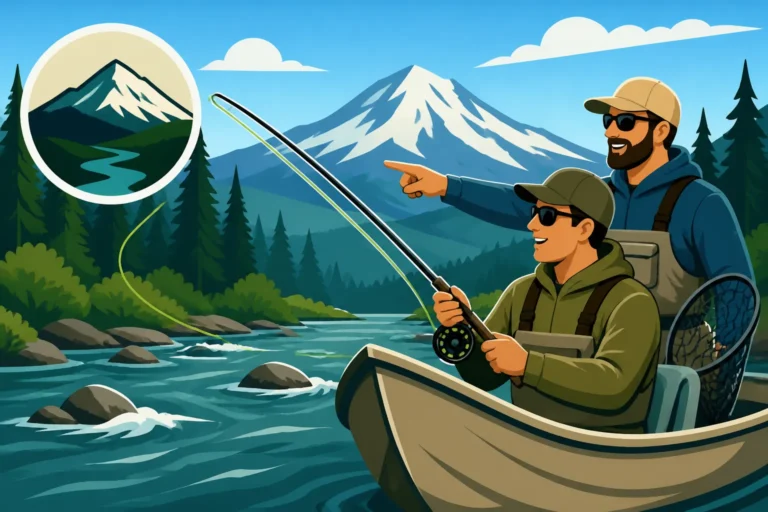
The most crucial factor in a successful charter trip is the captain and their boat. A good captain is not just a skilled boat handler; they are a fish whisperer, an expert on local currents, tides, and fish behavior, and a safety-conscious professional. Start by looking for captains with extensive experience on the Columbia River Bar and the surrounding waters. Online reviews, word-of-mouth recommendations, and even local tackle shops can be invaluable resources. Many experienced captains operate well-established businesses that have been running for years, sometimes even generations. Sites like FishingBooker can be helpful here, as they often feature detailed profiles of captains, customer reviews, and photos of their boats and past catches, allowing you to compare options and read testimonials from other anglers who have fished with them. Pay attention to comments about the captain's demeanor, their willingness to teach, and the overall cleanliness and safety of their vessel.
Shared vs. Private Charters: Deciding Your Experience
When booking, you'll generally have two options: a shared (or "open") charter or a private charter. Each has its pros and cons:
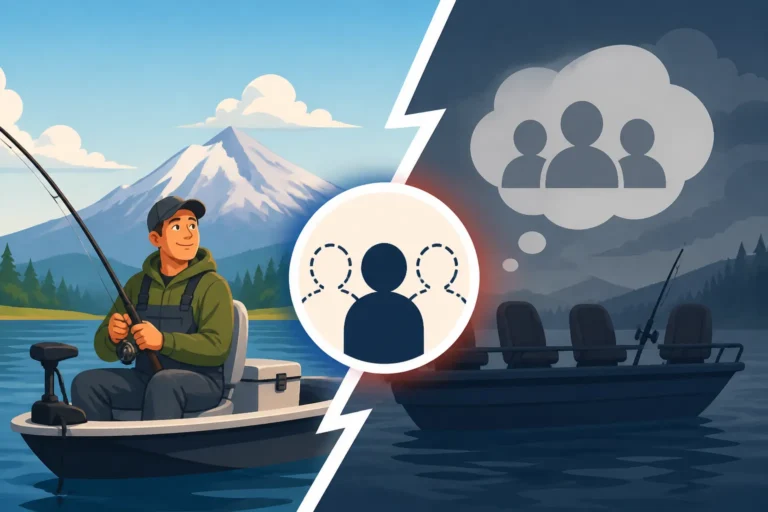
- Shared Charters: These are often more budget-friendly as you split the cost with other anglers. You'll be fishing alongside other individuals or small groups, typically up to six people, which is the maximum number allowed on many smaller "six-pack" charter boats. This can be a great way to meet new people, share stories, and learn from different fishing styles. However, you'll also share the fishing opportunities, and the group dynamics might not always align with your personal preferences. It's a good option for solo anglers or pairs who don't want to incur the full cost of a private boat.
- Private Charters: If you're traveling with a family, a group of friends, or planning a corporate outing, a private charter offers exclusivity and customization. You have the boat and the captain's full attention, allowing for more flexibility in target species (if regulations allow), fishing locations, and start/end times. It's ideal for creating a more intimate experience, especially if you have children or beginners who might benefit from more personalized instruction. The downside, of course, is the higher cost, as you are responsible for the entire boat fee.
Consider your group size, budget, and desired level of privacy and flexibility when making this choice.
Important Questions to Ask Before Booking
Before you finalize your booking, don't hesitate to ask these important questions to your potential captain or booking agent:
- What's included in the price? (e.g., tackle, bait, fish cleaning, drinks, snacks, fuel surcharge)
- What specific species will we be targeting? (Confirming Chinook, Coho, or both)
- What's the typical duration of the trip? (Hours, and expected start/end times)
- What are the current regulations for the area? (Bag limits, size limits, specific endorsements needed – your guide should be well-versed, but it's good to confirm)
- Do I need a Washington fishing license and any endorsements? (The answer is almost always yes, but ask for specifics like the Washington's Columbia River Salmon and Steelhead Endorsement, Explained)
- What is your cancellation policy, especially for weather? (Important for a coastal fishery)
- What are your recommendations for what to wear and bring? (They often have specific advice for their boat)
- Is fish cleaning and packaging included, and to what extent?
- Are there any age restrictions, particularly for children on a shared charter?
Being clear on these points upfront will help prevent misunderstandings and ensure a smoother trip.
Timing Your Trip: Seasons and Best Opportunities
Fishing is inherently seasonal, and the Columbia River Mouth is no exception. Understanding the peak times for salmon and being aware of how regulations can change are critical for planning a successful trip.
Peak Seasons for Salmon at the River Mouth
The Columbia River Mouth fishery, particularly the famous "Buoy 10" area, is primarily known for its summer and early fall salmon runs.
- Chinook Salmon (Kings): The prime time for Chinook often begins in early August and can run strong through the first couple weeks of September. These are typically bright, ocean-fresh fish making their initial push into the river system. Early in the season, they might be staging just outside the mouth, gradually moving inside as their biological clock ticks. Many anglers consider this the pinnacle of the salmon season.
- Coho Salmon (Silvers): Coho runs tend to overlap with Chinook, often starting strong in late August and continuing well into September and even early October. They can provide fantastic action after the Chinook bite has tapered off. Sometimes, late-season Coho offer some of the most consistent fishing, with high numbers of aggressive fish.
It’s important to remember that these are general windows, and the exact timing and strength of the runs can vary year to year based on ocean conditions, river flows, and natural cycles. Staying up-to-date with current fishing reports is always recommended. For a general overview of when different fish run in Washington, check out Washington Fishing Seasons: A Month-by-Month Guide.
Understanding Emergency Rule Changes and Their Impact
One of the biggest frustrations and challenges for anglers in Washington, especially on the Columbia River, is the frequent occurrence of "emergency rule changes." These aren't arbitrary decisions; they are enacted by the Washington Department of Fish and Wildlife (WDFW) in response to real-time data, such as lower-than-expected fish returns or concerns about specific stock conservation. The Columbia River is a particularly complex fishery because it's managed jointly by Washington and Oregon, and often involves multiple fishing sectors (tribal, commercial, recreational), all vying for a share of the resource.
These emergency rules can modify bag limits, change open/closed dates, or even alter gear restrictions literally overnight. For example, a hot bite one week might lead to a quota being met, resulting in a sudden closure the next. It’s absolutely vital to be aware of these changes, which can sometimes happen even mid-season. Reputable charter captains are always on top of these updates, as their livelihood depends on it. They will communicate any changes to you. Still, it's a good practice for anglers to check the WDFW website or the Fish Washington app themselves regularly leading up to their trip. For more details, see Emergency Rule Changes: Why Washington's Rules Shift Mid-Season.
Checking Forecasts and River Conditions
Beyond the fish runs and regulations, external factors like weather and river conditions play a huge role in the success and safety of your trip.
- Marine Weather Forecasts: The Pacific Ocean and the Columbia River Mouth can be unforgiving. Always check the marine weather forecast for the specific area (e.g., Astoria Bar or Columbia River Bar forecast). Pay close attention to wind speed, wave height, and swell period. High winds and large swells can make for a very rough, uncomfortable, and even unsafe trip, potentially leading to cancellations. Your captain will make the final call on whether to go, but knowing what to expect is helpful.
- River Flows and Clarity: The Columbia River's flow can impact fishing. High, turbid flows from heavy rains or dam releases can sometimes push fish out or make them harder to locate. Conversely, very low, clear flows can make fish spooky. Your charter captain is an expert at reading these conditions and will adjust tactics accordingly. While you won't control these, being generally aware of recent weather patterns upriver can provide some context.
Being flexible with your travel dates, if possible, can sometimes allow you to pivot to better weather windows, which is especially important for open ocean fishing.
Licenses, Regulations, and Other Essentials
Navigating the rules and requirements for fishing in Washington can feel like a labyrinth, but it's absolutely crucial for a legal and ethical fishing experience. When fishing out of Ilwaco, on the border of Washington and Oregon, there are some specific considerations.
Washington Fishing License and Endorsement Requirements
Before you even step foot on a charter boat, you'll need the proper Washington fishing license. For most salmon fishing at the Columbia River Mouth, a Washington Combination Fishing License is your best bet, as it covers both freshwater and saltwater species. If you're a nonresident, ensure you understand the specific requirements for Washington Fishing License Guide for Nonresidents.
Beyond the basic license, a critical component for salmon and steelhead fishing on the mainstem Columbia River, including the mouth, is the Columbia River Salmon and Steelhead Endorsement. Without this endorsement, your salmon and steelhead catches on the Columbia are not legal. It's a separate purchase from your main license, and it's mandatory for anyone fishing these specific waters. Many anglers forget this endorsement, only to realize their mistake when it's too late. Always purchase it alongside your annual or short-term license. Charters will usually remind you, but it’s ultimately your responsibility.
Catch Record Cards: Your Essential Reporting Tool
If you plan on keeping any salmon or steelhead, you absolutely need a Catch Record Card. This small paper card is not just a formality; it's a vital tool for WDFW to collect harvest data, which is then used to manage future fishing seasons and ensure conservation goals are met. When you purchase your fishing license, a catch record card (or cards, depending on the species and type of fishing you plan to do) will typically be issued with it.
Here’s how it works:
- Before Fishing: Ensure you have the correct Catch Record Card with you.
- Upon Catching a Fish: Immediately upon retaining a salmon or steelhead, you must record the catch on your card. This includes the species, location (Marine Area for saltwater, river name for freshwater), and the date. You cannot wait until you get back to the dock or home. It must be done immediately.
- Returning the Card: After your license year expires, you are legally required to return your completed (or even un-fished) Catch Record Card to WDFW by a specified deadline. Failure to do so can result in fines or difficulty obtaining future licenses.
Your charter captain will guide you through the process of filling out the card for your catch, but the responsibility to have and correctly complete it rests with you. For a deeper dive, read The Washington Catch Record Card and What It Requires.
Daily and Possession Limits Specific to the Columbia River Mouth
Fishing regulations, especially concerning daily and possession limits, are highly dynamic and specific to the Columbia River Mouth. These limits are set annually, but as discussed, can change in-season via emergency rules.
- Daily Limit: This is the maximum number of a specific species you can keep in a single day. For example, it might be two salmon, with certain restrictions on which species or if they are hatchery or wild.
- Possession Limit: This refers to the total number of fish you can have in your possession at any given time, whether on your person, in your cooler, in your vehicle, or at your home. Often, the possession limit is twice the daily limit, but it can vary. This is particularly relevant if you're staying for multiple days.
- Hatchery vs. Wild: Many salmon and steelhead regulations differentiate between hatchery-origin (clipped adipose fin) and wild fish. Often, wild fish must be released, while hatchery fish can be retained. Your charter captain will teach you how to identify these.
- Size Limits: Minimum or maximum size limits might also apply to certain species.
It is absolutely paramount to understand and adhere to these limits. Exceeding them, even accidentally, can lead to significant fines and penalties. Your charter captain is your best resource for the most current rules, but it’s always wise to familiarize yourself with Washington Fishing Regulations Every Angler Should Know and How Bag and Possession Limits Work in Washington before your trip.
| Salmon Species | Primary Run Time (Columbia Mouth) | Typical Daily Limit | Key Identifier |
|---|---|---|---|
| Chinook (King) | August – early September | 1-2 (Hatchery only often) | Large size, blunt nose, dark mouth/gums |
| Coho (Silver) | Late August – October | 2-3 (Hatchery only often) | Medium size, pointed nose, white gums |
| Steelhead | Variable, usually incidental catch | Often catch-and-release | Ocean-run rainbow trout, often wild |
Note: Daily limits are highly variable and subject to emergency rule changes. Always verify current regulations before fishing.
Beyond the Boat: Enjoying Ilwaco and the Long Beach Peninsula
While the fishing is undeniably the main draw, a trip to Ilwaco offers much more than just time on the water. The surrounding Long Beach Peninsula is a fantastic destination for families, couples, or solo travelers looking to extend their adventure.
What to Do in Ilwaco After Your Trip
After a long, exhilarating day of fishing, you'll likely be hungry and perhaps a bit tired, but the charm of Ilwaco awaits. Stroll along the bustling docks, watch the commercial fishing fleet unload their catches, or simply enjoy the salty air. Many excellent seafood restaurants in Ilwaco and nearby Chinook and Seaview offer fresh, local fare – perfect for celebrating your day's success, even if it's not your fish on the plate just yet.
Don't miss the opportunity to explore Cape Disappointment State Park, located right at the mouth of the Columbia. Here, you can hike to historic lighthouses, explore military bunkers, and take in dramatic coastal views where the river truly meets the sea. It's a breathtaking spot for photography and provides a sense of the immense natural forces at play in this region. You could also visit the Lewis and Clark Interpretive Center, which offers a fascinating look at the explorers' journey to the Pacific.
Local Amenities and Accommodations
The Long Beach Peninsula is well-equipped to host visitors, offering a range of accommodations to suit different preferences and budgets. In Ilwaco itself, you'll find charming motels and vacation rentals. Just a few miles north, the towns of Seaview and Long Beach provide even more options, from quaint bed and breakfasts to larger hotels and vacation homes, many with direct beach access. Booking in advance, especially during the peak salmon season (August-September), is highly recommended, as rooms fill up quickly.
For dining, seafood is, of course, king, but you'll also find cafes, pubs, and casual eateries. The area is known for its fresh oysters and razor clams (when in season). Beyond food and lodging, there are tackle shops for any last-minute gear needs, grocery stores, and gas stations, ensuring you have everything required for a comfortable stay.
Planning Your Full Washington Fishing Adventure
A trip to Ilwaco can easily be the centerpiece of a larger Washington fishing adventure. The Long Beach Peninsula is close enough to other major fishing destinations that you could combine experiences. For example, if you're coming from the Seattle area, you might consider Puget Sound Salmon Closures: What Washington Anglers Need to Know or even explore some of the freshwater options in Western Washington. If you're a serious angler, planning a multi-day trip allows you to hit different tides, or even different species if conditions change. When using platforms like FishingBooker, you can often find guides who offer multi-day packages or are willing to customize trips to explore different aspects of the local fishery. Think about what other types of fishing or outdoor activities you'd enjoy, and see how you can weave them into your Ilwaco trip for a truly unforgettable Washington experience.
Potential Challenges and How Charters Mitigate Them
While an Ilwaco charter trip promises excitement and big fish, it's also important to be realistic about potential challenges. The beauty of booking a professional charter is that they are equipped and experienced to mitigate these issues, ensuring your safety and maximizing your comfort.
Navigating the Columbia River Bar Safely
As mentioned, the Columbia River Bar is infamous for its challenging conditions. It's often called "the Graveyard of the Pacific" due' to the numerous shipwrecks it has claimed over the centuries. When the river's outgoing current clashes with incoming ocean swells, particularly during stormy weather, the waves can become dangerously steep and confused. This is not a place for inexperienced boaters.
However, professional charter captains who operate out of Ilwaco are specialists in navigating this bar. They monitor real-time weather and bar conditions, possess intimate knowledge of the currents and channels, and pilot vessels specifically designed and equipped for these waters. They have undergone rigorous training and carry advanced safety equipment. Their expertise is what transforms a potentially hazardous journey into a safe and often thrilling part of the adventure. If bar conditions are truly unsafe, a reputable captain will prioritize your safety and cancel or reschedule the trip, even if it means losing a day of business.
Dealing with Seasickness on the Ocean
For some, the thought of open ocean swells brings a tinge of dread: seasickness. Even on calmer days, the rolling motion of the ocean can affect sensitive individuals. The good news is that many charter boats are quite stable, and captains try to pick favorable weather windows.
If you are prone to seasickness, don't despair! There are several proactive steps you can take:
- Medication: Over-the-counter options like Dramamine or Bonine, or prescription patches (like Scopalamine), can be highly effective. Start taking them before you get on the boat, ideally the night before or at least an hour prior to departure.
- Ginger: Natural remedies like ginger chews, ginger ale, or ginger capsules can help settle your stomach.
- Focus on the Horizon: Keep your eyes fixed on the distant horizon rather than looking down at your phone or concentrating on small tasks inside the cabin.
- Fresh Air: Stay on deck in the fresh air rather than in an enclosed cabin.
- Light Meal: Eat a light, non-greasy meal before you go. Avoid heavy, acidic, or fatty foods.
Communicate with your captain or deckhand if you start to feel unwell. They are used to it and can often offer advice or help you find a comfortable spot. It's far better to address it early than to suffer in silence.
The Unpredictability of Fishing and Regulations
Even with the best captain, boat, and gear, fishing remains fishing – it's inherently unpredictable. There will be days when the bite is red-hot, and limits are achieved quickly. There will also be slower days, perhaps due to unusual weather, shifting fish patterns, or unexpected emergency closures. This unpredictability can be frustrating, especially if you've traveled a long distance.
Professional charters understand this, and while they can't guarantee fish, they do everything in their power to put you on them. They stay in constant communication with other captains, use advanced sonar and navigation, and adapt their techniques. They are also up-to-the-minute on Where Washington Posts Fishing Rule Changes to ensure you're always fishing legally. Your role as an angler is to be patient, enjoy the process, and appreciate the experience of being on the water, regardless of the size of the final haul. Remember, a bad day fishing is still better than a good day at work, and the thrill of the chase is often as rewarding as the catch itself.
Disclaimer
This article is for general informational purposes only and does not constitute professional advice. Laws, prices and regulations vary by location and change over time. Consult a qualified professional for guidance on your specific situation.