What’s Included in a Buoy 10 Charter Price
One of the most exciting, yet often confusing, aspects of planning a salmon fishing adventure on the mighty Columbia River is figuring out exactly what you're paying for when you book a Buoy 10 charter. It's frustrating to think you've got everything covered, only to be hit with unexpected costs or realize you need to bring more gear than you anticipated. This comprehensive guide will walk you through the typical inclusions and common exclusions of a Buoy 10 charter price, helping you understand the value and anticipate any additional expenses for your trip.
Unpacking the Buoy 10 Experience and Charter Fundamentals
Before we dive into the nitty-gritty of pricing, it's really helpful to understand what makes Buoy 10 such a special and sought-after fishery, and why charters in this area operate with certain considerations. This isn't just any fishing trip; it's a unique opportunity to intercept massive runs of Chinook and Coho salmon as they transition from the Pacific Ocean into the Columbia River. The intensity of the fishing, the sheer number of boats, and the highly regulated nature of the fishery all influence how charters structure their offerings.
The Significance of the Buoy 10 Fishery
The term "Buoy 10" refers to the area around navigation buoy 10 at the mouth of the Columbia River, near Ilwaco, Washington, and Astoria, Oregon. This stretch of water is legendary, especially from August through early September, when millions of salmon return from the ocean, creating one of the most prolific and exciting salmon fisheries in the world. Anglers from all over flock here for a chance at these chrome-bright, powerful fish. The concentration of fish, combined with the often challenging marine conditions, makes a guided trip here almost essential for many, particularly first-timers.
Because of its popularity and the highly migratory nature of the salmon, the season is often brief and intensely managed, leading to a scramble for prime dates. This high demand, coupled with the specialized equipment and expertise required to navigate and fish these waters effectively, naturally shapes the charter industry in the area. When you're Booking a Charter During Buoy 10 Season, you're often competing with many other eager anglers, which can affect availability and sometimes pricing.
Core Philosophy of Charter Services
A fishing charter, at its heart, is about providing access and expertise. For many, it's the only practical way to experience certain fisheries, especially those that require specialized boats, equipment, and deep local knowledge. Guides who run Buoy 10 trips are essentially offering their boat, their gear, their time, and their years of accumulated wisdom to help you have a successful and enjoyable day on the water. They know the currents, the tides, the bait preferences, and the ever-changing bite patterns that can make or break a trip.
The price you pay reflects this comprehensive service. It's not just a ride on a boat; it's an investment in a meticulously planned and executed fishing expedition designed to maximize your chances of catching fish. While every charter is different, the underlying philosophy is to remove the logistical burdens from the angler, allowing them to focus purely on the fishing experience. This often includes everything from preparing the bait to cleaning your catch at the end of the day, making it a truly hands-off experience for the client.
What Your Buoy 10 Charter Price Typically Covers
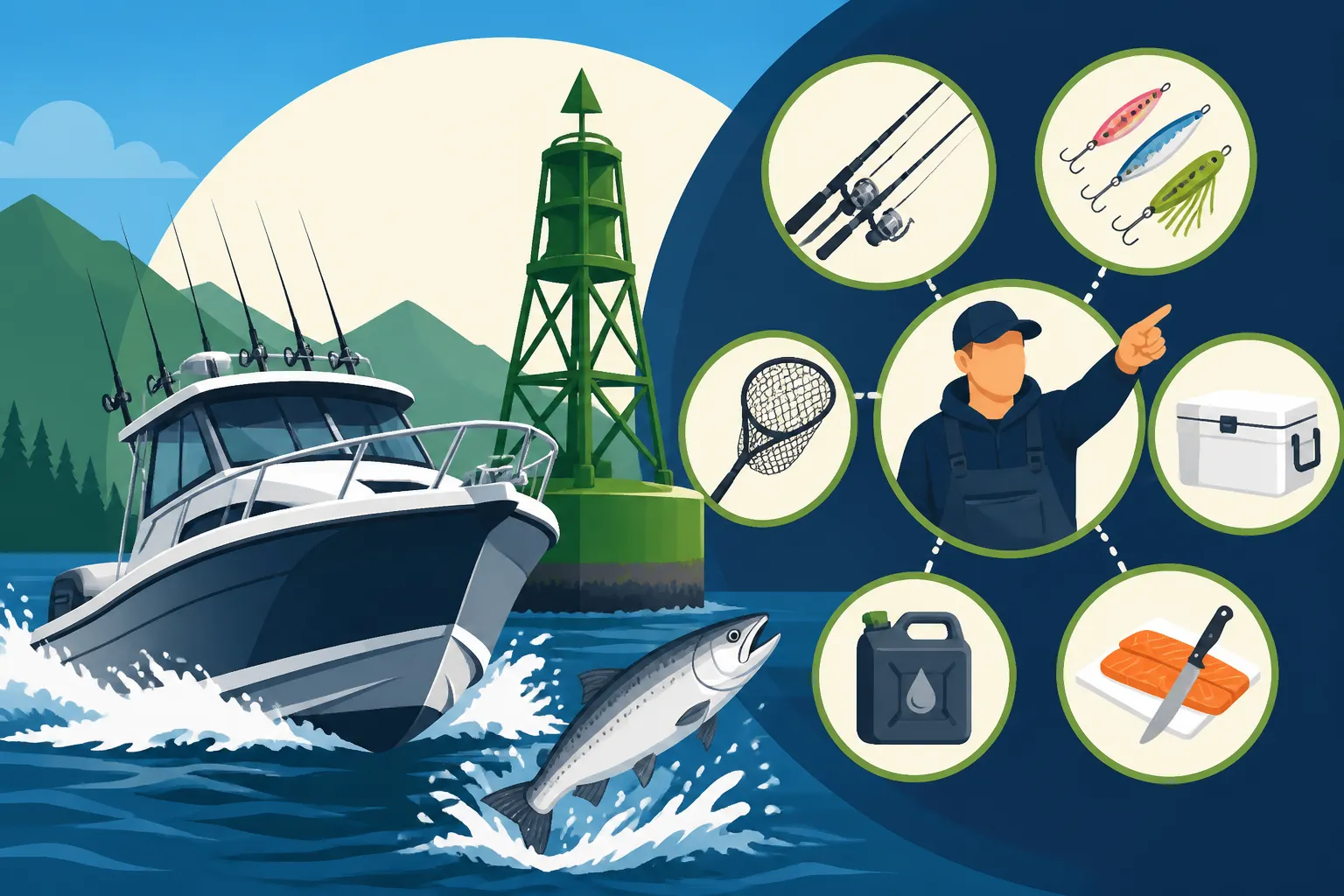
When you book a Buoy 10 charter, you're usually signing up for a package deal that includes the essential elements for a successful day. While it's always critical to confirm the specifics with your chosen guide, here's a rundown of what you can generally expect to be included in the advertised price.
The Boat, Its Equipment, and Fuel
This is probably the most obvious, but also one of the most significant, inclusions. Your charter price covers the use of a fully equipped fishing vessel, which for Buoy 10 means a boat capable of safely handling the big water and often choppy conditions at the mouth of the Columbia River. These aren't small craft; they are robust boats, often custom-built or extensively modified for salmon fishing, equipped with powerful engines, navigation systems, and fish finders. The cost of operating and maintaining such a vessel, including fuel for a full day of running to fishing spots and trolling, is a major component of the charter fee.
Think about the sheer amount of specialized gear on board: radar, GPS, downriggers, rod holders, safety equipment like life jackets, flares, and first aid kits. All of this is included in your booking. Guides spend countless hours maintaining their boats, ensuring they are safe, reliable, and equipped with the latest technology to put you on fish. The price reflects this investment in capital and ongoing operational costs, giving you peace of mind that you're fishing from a professional setup.
High-Quality Rods, Reels, and Tackle
Nobody wants to show up to a world-class fishery like Buoy 10 with subpar gear. Thankfully, a standard inclusion in most Buoy 10 charters is the provision of top-tier rods, reels, and all the necessary terminal tackle. This means you don't have to worry about owning heavy-duty salmon rods, expensive baitcasting reels spooled with quality line, or a tackle box full of leaders, weights, flashers, and lures specifically chosen for this fishery. The guide provides everything you'll need for the day.
This is a huge benefit, especially for those traveling from afar or new to salmon fishing. High-quality salmon gear can be quite expensive, and the constant wear and tear from saltwater fishing means regular replacement and maintenance. Guides meticulously prepare their setups each day, ensuring fresh line, sharp hooks, and the right combination of attractants and baits. They'll have a range of options on hand, ready to switch tactics at a moment's notice based on what the fish are biting. To confirm, you can always ask Do Charters Provide Rods and Tackle? when you book.
Bait and Lures
Fishing Buoy 10 almost always involves bait, and sometimes a lot of it. Fresh bait, typically herring or anchovies, is crucial for enticing those finicky salmon. Your charter price invariably includes all the necessary bait for the day. Guides often spend early mornings procuring the freshest bait, which can be a significant daily expense. They'll also provide any artificial lures, like spinners, plugs, or plastic hoochies, that might be used as part of their trolling spread or jigging setup.
Beyond just the cost, think about the time and expertise involved in preparing that bait. Guides often "brine" their bait, adding special cures and scents to make it more appealing and durable in the water. They know how to rig the bait perfectly for optimal spin and action, a skill that takes years to master. Having an ample supply of properly prepared bait, without you having to lift a finger, is a major convenience and value add that's built into your charter fee.
Guide's Expertise, Instruction, and Safety Briefing
This is arguably the most valuable inclusion, though it's not something you can physically hold. The guide's experience and knowledge of the Buoy 10 fishery are paramount. They've spent countless hours on the water, understanding migratory patterns, tidal influences, best depths, and the most effective techniques for the day. They're constantly monitoring fishing reports, emergency rule changes, and even test fishery counts to put you in the best position possible. This unparalleled expertise is a core component of your charter cost.
Moreover, a good guide will offer instruction, teaching you how to properly set the hook, fight a powerful salmon, and understand the nuances of the bite. They'll explain the techniques, answer your questions, and ensure everyone on board feels comfortable and confident. Crucially, they are also responsible for your safety. Before heading out, you'll receive a safety briefing covering emergency procedures and how to operate safely on the boat, especially in potentially rough conditions. This professional guidance ensures a fun, educational, and secure experience.
Fish Cleaning and Basic Processing
After a successful day of catching, the last thing most anglers want to do is spend hours cleaning fish. Thankfully, most Buoy 10 charters include the service of cleaning and filleting your catch at the end of the trip. The guide or deckhand will expertly clean your salmon, turning your prized catch into ready-to-cook fillets, often bagging them for you. This service saves you time and effort and ensures your fish are handled properly for optimal freshness.
While they'll clean and bag your fish, it's important to clarify the extent of "processing." Most charters provide basic cleaning and filleting, but they generally won't vacuum-pack, freeze, or arrange for shipping your fish. If you're wondering Do Charters Clean and Package Your Fish?, the answer is almost always yes for the basic cleaning. For more advanced processing or shipping services, you'll likely need to arrange that yourself with a local processor, which will be an additional cost.
Common Exclusions and Extra Costs to Anticipate
While a Buoy 10 charter price is quite comprehensive, there are several common items that are almost universally not included. Being aware of these upfront will prevent any surprises and help you budget properly for your ultimate fishing adventure.
Fishing Licenses and Endorsements
This is perhaps the most frequent point of confusion for new charter clients. Your fishing license and any required endorsements are always your responsibility. No charter boat provides these, nor can they purchase them for you. For Buoy 10 fishing, you'll need a valid Washington or Oregon fishing license, typically a combination freshwater/saltwater license, and often a Columbia River Salmon and Steelhead Endorsement, depending on where you're fishing and what you're targeting.
It's absolutely crucial to purchase your license before your trip. Showing up without one means you won't be able to fish, and your charter will likely not be refundable. You can often buy them online, at local tackle shops, or designated license dealers. Be sure to understand Washington Fishing Regulations Every Angler Should Know and specifically Who Needs Washington's Columbia River Salmon and Steelhead Endorsement for that particular fishery. Always double-check with your guide about the exact license and endorsements required for your specific trip dates and location.
Gratuities for the Guide or Deckhand
Just like in many service industries, tipping your fishing guide or deckhand is standard practice and expected. This gratuity is never included in the upfront charter price. A customary tip is typically 15-20% of the total charter cost, given directly to the guide at the end of a successful day. Even if the fishing is slow, a good guide works incredibly hard, and a tip acknowledges their effort, expertise, and dedication to your experience.
Many anglers view the tip as a personal expression of thanks for a well-run trip, regardless of the catch. Guides rely on these tips as a significant part of their income, reflecting their long hours, specialized skills, and physical labor involved in operating a charter. If you're unsure about Tipping Etiquette for Washington Fishing Guides, a general rule of thumb is to have cash on hand for this purpose.
Food, Beverages, and Personal Items
While your guide provides the fishing gear, you are responsible for your own personal comfort items. This includes food, snacks, and beverages for the day. A full day of fishing, especially in the elements, can work up an appetite and thirst. Pack a cooler with your lunch, snacks, and plenty of water or other drinks. Many guides will have a cooler on board for your items, but it's best to confirm in advance.
Beyond food, remember to bring other personal essentials like appropriate clothing layers (it can be cold and wet on the water, even in summer!), rain gear (a must in Washington!), sunscreen, sunglasses, a hat, and any personal medications you might need. Don't forget your camera to capture those memorable moments! What you should bring is often covered when you ask What to Bring on a Washington Fishing Charter.
Catch Record Cards
For certain species, particularly salmon and steelhead in Washington, a Catch Record Card is mandatory. This card tracks your catch and is a vital tool for fisheries management. Like your license, The Washington Catch Record Card and What It Requires is your responsibility to obtain and carry. While your guide will remind you and help you understand how to properly fill it out, they don't provide the card itself.
You usually receive a Catch Record Card when you purchase your annual fishing license. If you're buying a short-term license, sometimes the card is separate or included electronically. Make sure you have it, understand when and how to record your catch, and return it to WDFW at the end of the year, even if you didn't catch anything. Failing to carry or properly complete your catch card can result in fines.
Fish Processing Beyond Basic Filleting
As mentioned, most charters will fillet your fish. However, if you want your catch vacuum-sealed, portioned, smoked, or frozen for travel, these services typically fall outside the charter price. There are often local fish processors near popular charter ports like Ilwaco that can handle these advanced services for an additional fee. It's wise to research these options beforehand, especially if you're planning to fly home with your catch or keep it for an extended period.
The cost for these extra processing services can vary depending on the amount of fish and the specific services requested. Consider calling a local processor in advance to get an idea of their rates and turnaround times. This way, you can factor it into your overall trip budget and have a plan for preserving your delicious salmon.
Factors Influencing Buoy 10 Charter Pricing
The cost of a Buoy 10 charter can vary quite a bit. It's not a one-size-fits-all price tag. Several elements contribute to the overall cost, and understanding them can help you make an informed decision when booking your trip.
Duration and Type of Trip
The length of your trip is a primary factor in the price. Most Buoy 10 charters are full-day excursions, typically running 8-10 hours, allowing ample time to navigate to the fishing grounds, troll through various tides, and maximize your fishing opportunities. Some guides might offer half-day trips, though these are less common for the intense Buoy 10 fishery due to the travel time involved. A longer day on the water naturally commands a higher price because of increased fuel consumption, bait usage, and the guide's time.
The type of trip can also influence pricing. While Buoy 10 is primarily about salmon, some charters might offer "combo" trips if regulations allow, perhaps targeting sturgeon or bottomfish in addition to salmon, though this is less typical during the peak salmon season. Specialized trips, or those requiring unique gear or targeting more elusive species (if applicable), might have different pricing structures compared to a standard salmon charter.
Boat Size and Capacity
Larger boats generally cost more to operate and maintain, and this is reflected in the charter price. A charter boat licensed to carry six passengers (often called a "six-pack" charter) will likely have a different price point than a smaller boat designed for 1-4 anglers. The capacity also impacts whether you book a "private" charter (where you book the entire boat for your group) or a "shared" or "open load" charter (where individual anglers pay a per-person rate and share the boat with others).
Private charters, where you have the entire boat to yourselves, are almost always more expensive per person than shared trips, but they offer flexibility and a more personalized experience. Shared charters spread the cost among more people, making them more economical for solo anglers or smaller groups who don't mind fishing with strangers. Platforms like FishingBooker often clearly list whether a trip is private or shared, which helps in comparing prices.
Guide Experience and Reputation
Just like in any profession, experience and reputation play a significant role in pricing. Highly sought-after guides with years, or even decades, of experience consistently putting clients on fish often command higher rates. These guides have a proven track record, extensive local knowledge, and an understanding of the fishery that can only be gained over time. Their reputation often means they are booked far in advance, especially during the prime Buoy 10 season.
Newer guides or those still building their client base might offer slightly lower rates to attract customers. While they might still provide an excellent experience, you're paying a premium for the consistent success and deep understanding that comes with a seasoned veteran. When considering Columbia River Guided Salmon and Steelhead Trips in Washington, it's worth reading reviews and testimonials to gauge a guide's reputation before making a booking decision.
Time of Year and Demand
The Buoy 10 fishery is highly seasonal, with peak salmon runs occurring primarily in August and early September. This period sees the highest demand for charters, and consequently, prices might be at their highest. During the shoulder seasons or less productive times of year, if charters are even operating in the area, prices might be lower to reflect reduced demand and potentially fewer fishing opportunities.
The "hot" dates, particularly weekends during the peak of the Chinook or Coho run, are often the first to be booked and might come at a slight premium due to overwhelming demand. Planning your trip well in advance, especially for these prime dates, is crucial. You can find out When Chinook Salmon Run in Washington's Puget Sound and When Coho Salmon Run in Washington to get a general idea, though Buoy 10 is specific to the Columbia River mouth.
Tips for Understanding Your Charter Quote
Getting a clear understanding of what's included and what's not in your Buoy 10 charter quote is essential for a stress-free trip. Don't hesitate to ask questions!
Always Ask for a Detailed Breakdown
When you're ready to book, don't be shy about asking your guide for a detailed breakdown of what exactly is covered by the price. A reputable guide will be happy to provide this information. Ask specific questions: "Does the price include bait?" "Are rods and reels provided?" "Is fish cleaning part of the service?" "What about the Catch Record Card?"
Getting everything in writing, perhaps through an email confirmation or a link to their website's inclusions section, can prevent misunderstandings later on. Remember, clarity upfront saves headaches down the line. It's your right as a paying customer to know exactly what you're getting for your investment in a What a Washington Guided Fishing Trip Costs.
Clarify Payment, Deposit, and Cancellation Policies
Before committing, make sure you understand the guide's payment schedule, deposit requirements, and cancellation policy. Most charters require a deposit to secure your booking, with the balance due on the day of the trip. Cancellation policies vary widely; some guides offer full refunds for cancellations made far in advance, while others have stricter rules, especially for short-notice cancellations.
It's also important to understand their policy regarding weather cancellations. What happens if unsafe conditions prevent the trip from going out? Do you get a refund, or can you reschedule? These are crucial details that protect both you and the guide. Always clarify these points before sending any money. Many guides will have this outlined on their website or on booking platforms like FishingBooker.
Research and Compare Options
Don't just jump on the first charter you find. Take the time to research different guides and charter services operating in the Buoy 10 area. Compare their inclusions, prices, and cancellation policies. Read reviews from previous clients to get a sense of their reputation and the quality of their service. Platforms like FishingBooker are excellent for this, as they aggregate many charters and allow you to compare features side-by-side.
While price is a factor, it shouldn't be the only factor. Sometimes, paying a little more for a highly experienced guide with a strong track record and excellent equipment is well worth the investment for a better, safer, and more enjoyable fishing experience. A well-vetted guide can make all the difference, especially in a challenging fishery like Buoy 10.
| Feature | Typically Included in Buoy 10 Charter Price | Typically Excluded (Extra Cost) |
|---|---|---|
| Boat & Fuel | Yes (fully equipped vessel) | No |
| Rods & Reels | Yes (high-quality gear) | No (unless you bring your own) |
| Bait & Tackle | Yes (fresh bait, lures, terminal tackle) | No |
| Guide's Expertise | Yes (knowledge, instruction, safety) | No |
| Fish Cleaning | Yes (basic filleting and bagging) | Advanced processing (vacuum seal, smoke) |
| Fishing License | No (required for all anglers) | Yes |
| Endorsements | No (e.g., Columbia River endorsement) | Yes |
| Gratuities | No (15-20% customary) | Yes |
| Food & Drinks | No (bring your own) | Yes |
| Personal Gear | No (rain gear, sunscreen, meds) | Yes |
| Catch Card | No (your responsibility) | Yes |
This article is for general informational purposes only and does not constitute professional advice. Laws, prices and regulations vary by location and change over time. Consult a qualified professional for guidance on your specific situation.