Information Required on a Washington Catch Record Card
Oh, the Washington Catch Record Card. For many of us, it feels like another piece of paperwork that's easy to misunderstand or, let's be honest, lose in the bottom of a tackle box. But messing it up can lead to big headaches, fines, or even losing your fishing privileges. This guide is here to cut through the confusion and walk you through every bit of information you'll need to accurately fill out your Catch Record Card, ensuring your fishing adventures stay fun and legal.
Why Catch Record Cards Are So Important
Before we dive into the nitty-gritty of filling out the card, let's talk about why these little pieces of paper are so crucial. It’s easy to feel like they’re just another bureaucratic hurdle, but these cards are vital tools for fisheries management. The Washington Department of Fish and Wildlife (WDFW) uses the data from every single returned card to assess fish runs, set future seasons, and ensure sustainable fishing for generations to come. Without accurate reporting from anglers like us, they'd be flying blind, making it much harder to protect the very resources we love to fish for. It's a fundamental part of Washington Fishing Regulations Every Angler Should Know, giving WDFW the critical data they need to keep our fisheries healthy.
Think of it as your direct contribution to conservation. Every time you correctly record a kept or even certain released fish, you're providing a data point that helps biologists understand populations, spawning success, and the impact of fishing pressure. This data directly influences decisions on open seasons, bag limits, and whether certain areas need special protections. It’s more than just a rule; it’s a shared responsibility to preserve Washington’s incredible fishing opportunities.
The Essential Details Every Angler Must Record
Alright, let's get down to brass tacks. You’ve got your fishing license in hand, maybe a Two-Pole Endorsement, and now this Catch Record Card is staring at you. What information absolutely has to go on it? This section will break down each critical field, making sure you know exactly what to write, and where. Remember, the goal is clarity and accuracy, so grab a waterproof pen—you can find great options on Amazon, often sold in packs for just a few dollars—and let's get started.
Personal Identification and License Information
First things first, the card needs to know who you are. This might seem obvious, but it’s amazing how many people forget to fill in these basic details before hitting the water.
- Your Name and Address: Make sure this matches the information on your current Washington fishing license. If you've moved, ensure your license and card reflect your most recent residency.
- WDFW Customer ID/License Number: This is a unique identifier tied to your fishing license. It's usually printed clearly on your annual license or temporary printout. Double-check this number, as it links your catch data directly to your individual license record.
- Date of Birth: Another piece of standard identification that helps WDFW differentiate between anglers with similar names.
These details are crucial because they tie your catch directly to your identity and fishing privileges. If there’s ever a question about your catch, having this information accurate and legible on your card is your first line of defense. Remember, the Catch Record Card is essentially an extension of your Washington Fishing License Guide for Nonresidents (or residents!), so treating it with the same care is paramount.
Recording the Catch Event
This is where the action happens – documenting each specific fish you keep, and for some species, even those you release. Precision here is key.
- Date of Catch: This isn't just the day you caught it, but the exact date. If you fish over multiple days, each day's catch needs to be recorded on the specific date it was caught.
- Species: Washington has distinct categories: Salmon, Steelhead, and Halibut each have their own sections on the card. Within the Salmon section, you'll see boxes for Chinook, Coho, Chum, Sockeye, and Pink. Make sure you correctly identify your catch! For help, check out our guide on How to Tell a Chinook From a Coho.
- Location of Catch (Marine Area/River Section): This is one of the most critical pieces of data for WDFW.
- For Marine Areas: These are numbered zones in Puget Sound and along the coast (e.g., Marine Area 9 for Central Puget Sound, Marine Area 2 for Westport). You'll need to know which marine area you were fishing in when you hooked your fish.
- For Rivers/Lakes: You'll typically mark the specific river or lake. Sometimes, cards might ask for a specific section or tributary, so be as precise as possible. For instance, fishing the Cowlitz River might require simply marking "Cowlitz," but on larger systems like the Columbia, you might be asked for a river section.
- Hatchery vs. Wild (Marked/Unmarked): This is a huge one, especially for salmon and steelhead.
- Hatchery (Marked): These fish typically have their adipose fin clipped (a small, fleshy fin on their back, between the dorsal fin and tail). If it's clipped, mark it as "Hatchery" or "Adipose Fin Clipped." This usually means it's a fish from a hatchery program and can often be retained within specific limits.
- Wild (Unmarked): If the adipose fin is present and intact, it's considered a wild fish. For many species and in many areas, wild fish must be released, often unharmed. This distinction is vital for conservation efforts. Misidentifying a wild fish could lead to serious penalties. Always refer to the current regulations for the specific area and species you are targeting to know if you can keep a wild fish.
- Disposition (Kept or Released):
- Kept: For any fish you retain, you must immediately record it on your card. This isn’t a "when I get back to the dock" or "when I'm home" task. It’s immediately after you've decided to keep it and it's brought aboard or to shore.
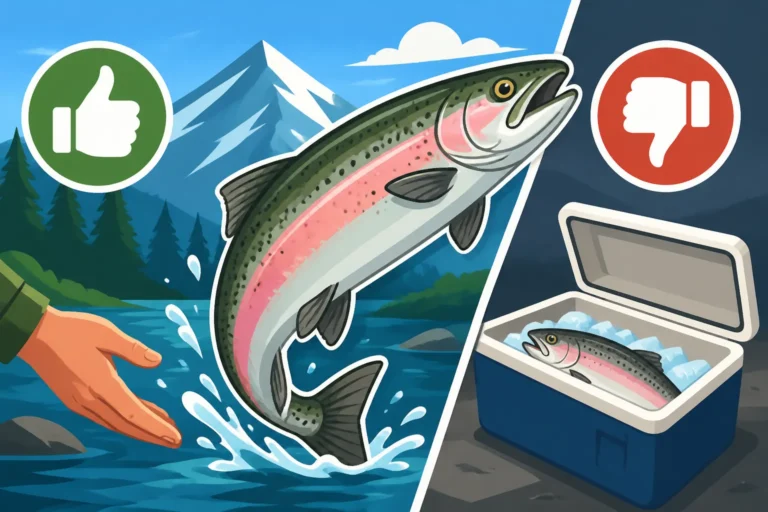
- Released (for specific species): This is a common point of confusion. For most trout or warmwater species, you don't need to record released fish. However, for species like Steelhead and Sturgeon, you do need to record all releases, even if you put them back. This is because these populations are often more vulnerable, and every interaction provides valuable data.
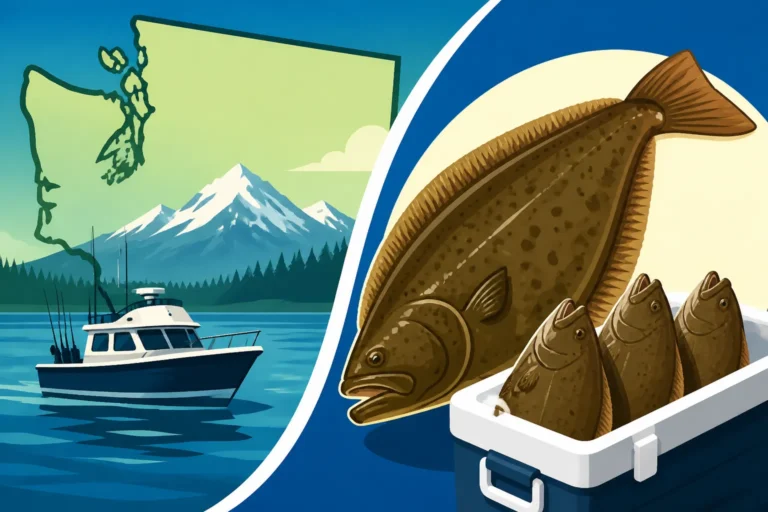
- Length (for certain species like Halibut, sometimes Sturgeon): Some species have minimum or maximum size limits, or slot limits. For Halibut, for example, you often need to record the length of the fish. Always carry a tape measure!
When and How to Handle Special Situations
Fishing rarely goes exactly as planned, and Catch Record Cards account for some common curveballs. Knowing how to handle these moments ensures you stay compliant.
Catch-and-Release Rules for Your Card
As mentioned, it's not always just about the fish you keep. When a Catch Record Card Is Required in Washington often depends on the species and even the intent.
- Steelhead and Sturgeon: This is critical: if you're fishing for steelhead or sturgeon, you must record every single fish you catch, whether you keep it or release it. Yes, that means even the small ones you immediately put back. This helps WDFW track effort and interaction rates with these sensitive populations. Make sure you clearly mark "Released" if that's the case. It’s easy to forget to do this for a released fish in the excitement, but it's a definite requirement.
- Other Species: For most salmon, trout, or bottomfish, you only record the fish you actually retain. If you're purely practicing catch-and-release for these species, you generally don't need to mark anything on your card. However, always double-check the current regulations, especially if there are Catch-and-Release Rules During Wild Steelhead Closures or specific gear restrictions.
Correcting Mistakes and Avoiding Penalties
Nobody's perfect, and mistakes happen. It’s far better to correct an error on your card than to leave it wrong or, worse, try to hide it.
- Making a Correction: If you make a mistake, simply draw a single line through the incorrect entry, write the correct information next to it, and initial the change. Do not try to erase or use white-out, as this can make it look like you're trying to obscure information, which can raise red flags for enforcement officers.
- Lost or Damaged Card: This is a nightmare scenario, but it happens. If your card is lost or destroyed, you need to obtain a replacement immediately. You can usually do this online through the WDFW licensing system, or by visiting a license dealer. Be aware that you might have to transfer any previously recorded catch information onto the new card, and you cannot fish for CRC-required species without a valid card in your possession. Losing your card is a quick way to risk Fines and Penalties for Common Fishing Violations.
- Voiding a Card: If a card becomes unusable due to extensive damage or multiple errors, you might need to void it and get a new one. Mark "VOID" clearly across the card and get a replacement. Make sure you understand How to Fill Out a Washington Catch Record Card correctly from the start to minimize these issues.
Fishing with a Guide or Charter
This is a common question, and the responsibility for the Catch Record Card typically remains with the individual angler.
- Your Responsibility: Even if you're on a guided trip, you are the license holder and therefore responsible for your own Catch Record Card. The guide will help you identify the fish and the marine area, but you are the one who fills out and possesses your card. Our guide on Can a Guide Fill Out Your Catch Record Card for You? dives deeper into this topic.
- Charter Boat Situations: Similar to guides, when you're on a charter boat, each angler is responsible for their own card. The crew will usually provide assistance and tell you which marine area you're in, but the act of filling it out is yours. They often have measuring tapes and will confirm species.
Electronic Catch Record Cards and Apps
Modern technology has made things a bit easier for some. Washington offers electronic options that can streamline the process.
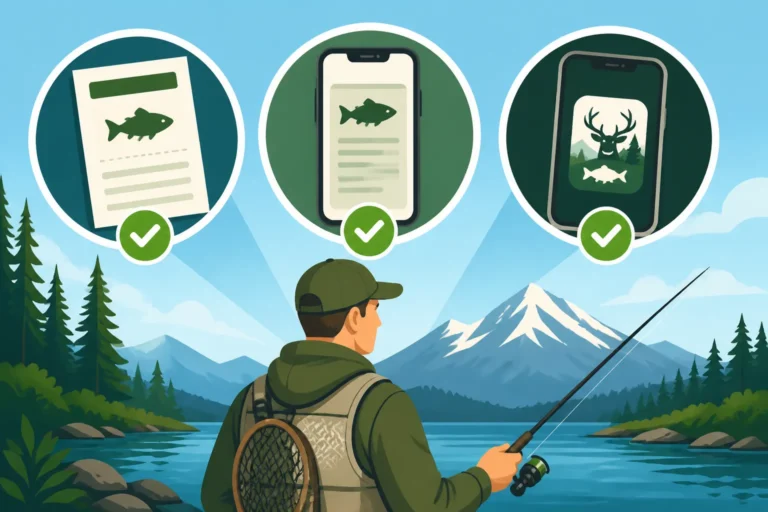
- Fish Washington App: WDFW has the "Fish Washington" app, which allows you to purchase licenses, check regulations, and in some cases, digitally record your catch. This can be a game-changer for those who prefer to keep everything on their phone. It's an authorized way to meet your catch reporting requirements. Check out Electronic Catch Record Cards and the Fish Washington App for more details on this convenient tool.
- MyWDFW Account: Your online MyWDFW account also provides a portal for managing your licenses and reporting catch. This is another excellent resource for tracking your fishing activities and ensuring compliance. Learn more about What the MyWDFW App Is Used For and how it can simplify your fishing trips.
Remember, whether you're using a physical card or a digital app, the information you provide needs to be accurate and recorded promptly. There's no substitute for being diligent.
Tips for Keeping Your Card in Top Shape
Your Catch Record Card is more than just a piece of paper; it's a legal document. Treating it with care ensures its validity and saves you potential headaches.
- Keep it Dry and Protected: Seriously, invest in a small, clear plastic baggie or a dedicated waterproof wallet. A wet, soggy, or ripped card is hard to read and looks suspicious to enforcement. You can find simple, effective waterproof pouches on Amazon for a minimal cost, protecting your license and card from the inevitable splashes and downpours that come with fishing in Washington.
- Fill it Out Immediately: This cannot be stressed enough. As soon as you decide to keep a fish, or for steelhead/sturgeon, as soon as you catch it (even if released), fill out your card. Don’t wait until you’re back at the launch or even later. It’s easy to forget details, mix up dates, or simply lose track of what you caught when the excitement wears off. An enforcement officer could check your catch at any time, and if it's not recorded, you could face consequences.
- Use a Permanent Marker or Waterproof Pen: Regular ballpoint pens can run when wet, making your entries illegible. A fine-tipped permanent marker or a waterproof pen (again, readily available on Amazon or any sporting goods store) is a small investment that makes a huge difference.
- Double-Check Before You Leave the Area: Before you pack up and head home, take a moment to review your card. Are all the dates correct? Did you mark the right species and location? Is the hatchery/wild distinction clear? A quick review can prevent issues later.
- Return Your Card on Time: Even if you didn't catch anything, or if you exclusively fished for species that don't require recording (like most trout), you are still required to return your Catch Record Card by the specified deadline (usually January 31st of the following year). WDFW uses data from all cards, including those with no catch, to assess angler effort. You can mail it back or drop it off at a WDFW office or authorized license dealer. Neglecting to return your card is a violation in itself and can lead to a penalty.
| Information Category | Details to Record | Why It's Important | Species Affected |
|---|---|---|---|
| Angler ID | Name, Address, WDFW Customer ID/License Number | Links catch to your identity & license | All CRC Species |
| Date of Catch | Specific Date (MM/DD) | Tracks fishing effort & run timing | Salmon, Steelhead, Halibut |
| Location of Catch | Marine Area # / River or Lake Name | Crucial for stock assessment & area-specific rules | Salmon, Steelhead, Halibut |
| Species | Chinook, Coho, Chum, Sockeye, Pink (Salmon) | Identifies target stock, aids species-specific management | Salmon, Steelhead, Halibut |
| Steelhead (Winter/Summer) | Differentiates between runs | Steelhead | |
| Halibut | Specific reporting for highly managed fishery | Halibut | |
| Marked/Unmarked | Adipose Fin Clipped (Hatchery) / Adipose Fin Intact (Wild) | Differentiates hatchery from wild stocks | Salmon, Steelhead (most critical) |
| Disposition | Keep (K) / Release (R) | Tracks harvest & angler-fish interactions | All CRC Species (Release for Steelhead, Sturgeon) |
| Length (if applicable) | Measured in Inches | Enforcement of size limits & biological data | Halibut, sometimes Sturgeon |
By diligently filling out your Catch Record Card, you're not just following the rules; you're actively participating in the management and conservation of Washington's incredible fishing heritage. It’s a small effort with a massive impact.
Disclaimer
The information provided in this guide is for general informational purposes only and is subject to change. Washington fishing regulations can be complex and are frequently updated, sometimes even in-season. Always consult the official Washington Department of Fish and Wildlife (WDFW) fishing regulations pamphlet or their website for the most current and legally binding rules before heading out on the water.