Best Washington Lakes for Trout Fishing
It can be incredibly frustrating to stare at a map of Washington State, dotted with hundreds of lakes, and have no idea where to start your trout fishing adventure. With so many options, from bustling urban lakes to serene alpine waters, knowing which ones truly hold the best trout and offer a rewarding experience is a common challenge. This comprehensive guide is here to cut through the confusion, helping you discover Washington's premier trout lakes and arm you with the knowledge to make your next angling trip a resounding success.
Understanding Washington's Diverse Trout Waters
Washington State is a true gem for trout anglers, boasting an incredible variety of lakes, each with its own unique charm and challenges. From the deep, cold waters of glacier-carved lakes to the shallower, warmer reservoirs in the drier eastern plains, the sheer diversity means there's a trout fishing experience for everyone. Understanding the different types of trout you might encounter and the characteristics of these varied waters is your first step toward a successful outing.
Types of Trout Found in Washington Lakes
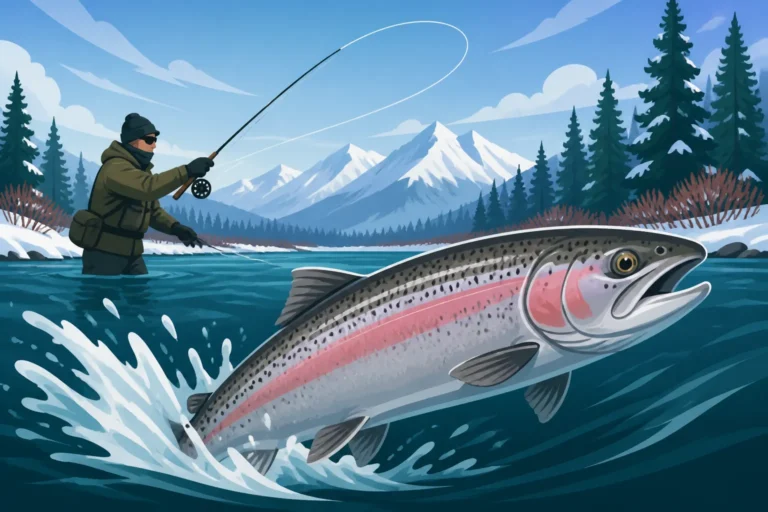
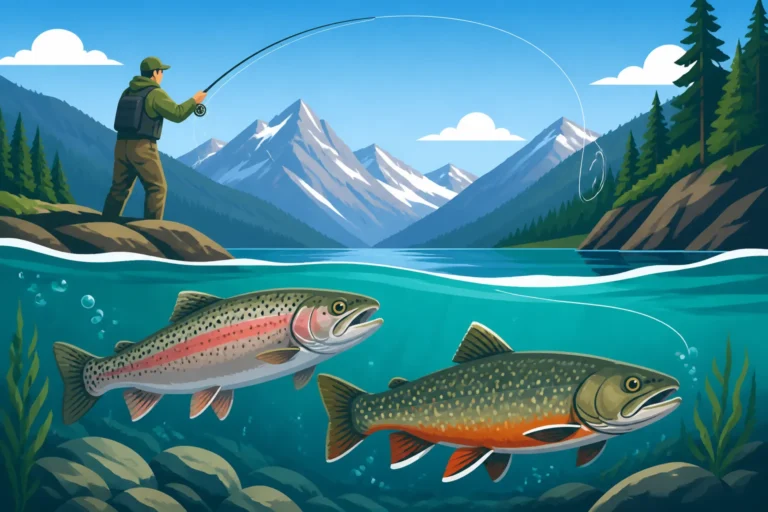
When you cast your line into a Washington lake, you're not just hoping for "a trout"; you could be targeting several distinct species, each with its own habits and preferred habitats. The most common residents are rainbow trout, often stocked by the Washington Department of Fish and Wildlife (WDFW) for sustained fisheries. These feisty fish are a staple for many anglers, especially during the popular spring opener. You'll also find native cutthroat trout, particularly in smaller, high-elevation lakes and those closer to river systems, identifiable by the distinctive red or orange slash under their jaw.
Beyond these two, Washington lakes host a fascinating array of other trout and salmonid species. Brown trout, known for their elusive nature and often larger size, have established populations in some lakes, typically preferring cooler waters and offering a rewarding challenge to experienced anglers. In many high mountain lakes, you'll encounter smaller, but equally beautiful, brook trout with their distinctive worm-like markings. And let's not forget the landlocked salmon cousins: kokanee, which are sockeye salmon that complete their entire life cycle in freshwater, provide exciting schooling action, especially when Jigging for Kokanee in Washington Lakes. Then there are the true giants of some deep lakes, the lake trout, often called Mackinaw, which can grow to immense sizes and require specialized techniques to target. Understanding what's likely to be in your chosen lake will greatly influence your approach.
Each of these species behaves differently. Rainbows, especially hatchery-raised ones, tend to cruise shorelines and feed readily on a variety of offerings. Cutthroat can be a bit more opportunistic, often hitting dry flies or small spinners. Browns are notorious for being nocturnal or crepuscular feeders, often lurking in cover, while brook trout, though small, are usually quite aggressive. Kokanee are pelagic, schooling in open water and feeding on zooplankton, which means you'll often need to troll or jig for them in specific depth ranges. Knowing these traits helps you choose the right gear and presentation.
For example, if you're heading to a lake known for its abundant WDFW-stocked rainbow trout, you might pack a selection of PowerBait, worms, and various small spoons or spinners. If you're venturing into the backcountry for cutthroat, a fly rod with dry flies and small nymphs could be your best bet. Targeting large lake trout in a deep reservoir would call for heavy tackle, large spoons, and possibly even downriggers. The WDFW website is an invaluable resource for checking specific lake stockings and species present.
Stillwater vs. Moving Water: What Lakes Offer
When we talk about "lakes," it's easy to picture a calm, static body of water. However, stillwater fishing encompasses a broad spectrum, from small, serene ponds to vast, wind-swept reservoirs. Each type presents different conditions and opportunities for trout. Small lakes and ponds often warm up faster in spring, triggering an earlier bite, and their more contained environments can make finding fish a bit easier, especially for beginners or those introducing kids to fishing.
Larger lakes and reservoirs, like Lake Chelan or Lake Roosevelt, offer expansive fishing grounds but can also be more challenging to navigate due to their sheer size and depth. They often have complex structures, like submerged islands, creek channels, and significant drop-offs, which become prime holding areas for trout. Fishing these larger bodies of water often requires a boat with electronics to locate fish and structure effectively, especially if you're targeting deeper-dwelling species like Mackinaw or kokanee.
The presence of feeder creeks or rivers entering a lake can also significantly impact trout behavior. These areas often bring in cooler, oxygenated water and food sources, attracting trout, especially during warmer months. Fish might also congregate near the mouths of these inlets during spawning runs or after heavy rains wash in nutrients. Understanding the hydrology of a particular lake – whether it's fed by glaciers, rivers, or springs – can give you crucial insights into where the trout might be.
For instance, a lake with a strong inflowing creek might be an excellent place to focus your efforts, especially early in the season or after a rain event. The current from the creek can also concentrate baitfish, which in turn attract larger predatory trout. Conversely, a lake with no significant inlets or outlets might fish very differently, with trout more spread out or concentrated around specific thermoclines or submerged structures. Always consider the water dynamics when planning your approach.
Stocked vs. Wild Trout Fisheries
Washington State manages both robust stocked fisheries and precious wild trout populations. The distinction is crucial, not just for the fishing experience but also for understanding regulations and conservation efforts. Stocked lakes are typically your bread-and-butter fisheries, receiving regular infusions of hatchery-raised trout, primarily rainbows, to ensure consistent angling opportunities. These are often the lakes that kick off the popular "spring opener" in late April, attracting thousands of anglers eager to fill their limits.
Hatchery trout are generally more eager to bite and are often found closer to shore, making them ideal targets for bank anglers and families. The WDFW stocking schedule is publicly available and an invaluable tool for finding lakes that have recently received a fresh batch of fish. These fisheries are designed for harvest, providing a great opportunity to bring home a meal of fresh trout. Knowing the difference between stocked and wild can also impact your gear; stocked trout might hit anything from PowerBait to worms, while wild trout can be more finicky.
Wild trout fisheries, on the other hand, offer a different kind of reward. These are lakes where trout reproduce naturally, sustaining their populations without human intervention. Often found in more remote, pristine environments like high-alpine lakes, these fish tend to be warier, harder-fighting, and can grow to impressive sizes, having survived on their own wits. Targeting wild trout often requires more refined techniques, such as fly fishing or using subtle lures, and a strong catch-and-release ethic is paramount to preserve these fragile populations. Many of these lakes might have special regulations, such as single-point barbless hooks or specific slot limits, which you need to be aware of.
Consider the satisfaction: while a limit of stocked rainbows is a fun day, landing a beautiful, robust wild cutthroat from a remote mountain lake is an experience that resonates deeply with many anglers. It's a testament to the health of the ecosystem and your skill as a fisherman. Always check Washington Fishing Regulations Every Angler Should Know and specific lake rules before heading out, as regulations for wild trout can be significantly different and often aim to protect these precious resources.
The Crown Jewels of Western Washington Trout Fishing
Western Washington, with its lush forests, Puget Sound, and proximity to the Olympic and Cascade mountain ranges, offers a diverse array of trout fishing opportunities. From highly accessible, heavily stocked lakes perfect for a family day out to remote, challenging alpine tarns, there's a body of water to suit every angler's desire. The key here is understanding accessibility and the types of trout each area typically holds.
High-Yield Lakes Near Populated Areas
For many anglers in Western Washington, the most convenient and productive trout fishing can be found right on the doorstep of major cities like Seattle and Tacoma. Lakes like Lake Washington, while massive and known for other species, do hold a healthy population of rainbow and cutthroat trout, especially near creek mouths and along drop-offs. Shore access can be challenging, but boat anglers often find success trolling or still-fishing. Similarly, Lake Sammamish, another large urban lake, offers good fishing for kokanee and stocked rainbows, particularly in its northern reaches.
However, the real "high-yield" lakes are often the smaller, regularly stocked waters managed by WDFW. Think of places like American Lake near Tacoma, or Lake Tapps in Pierce County, which receive thousands of rainbow trout each spring, providing fast action for boat and bank anglers alike. These lakes are perfect for those new to fishing, or families looking for consistent success without venturing too far from home. The WDFW even focuses on certain lakes as "Best Washington Lake for a Family Trip" due to their easy access and high stocking rates.
The key to these lakes is checking the WDFW stocking schedule. Lakes such as Beaver Lake (Issaquah), Cottage Lake (Woodinville), and Pine Lake (Sammamish) are routinely stocked, especially leading up to the lowland lakes opener. These lakes often fish best in spring and fall when water temperatures are cooler, and trout are more active near the surface or along shorelines. Standard tactics like fishing PowerBait off the bottom, casting small spinners (like Rooster Tails or Mepps), or trolling wedding rings are consistently effective.
Alpine and Mountain Lakes for Wilderness Adventures
For those seeking solitude and a true wilderness experience, Washington's alpine and mountain lakes are unparalleled. Tucked away in the Cascade and Olympic ranges, these often require a hike, sometimes a substantial one, but the reward is pristine waters, breathtaking scenery, and often, aggressive wild trout. The Alpine Lakes Wilderness, encompassing hundreds of lakes, is a prime example. Here, you'll find an abundance of brook trout, cutthroat, and sometimes rainbow trout, thriving in crystal-clear, cold waters.
Accessing these lakes means packing light and being prepared for varying trail conditions. Lakes like Gem Lake, Snow Lake, or the countless unnamed tarns in the Pasayten Wilderness offer incredible opportunities. These fish, being wild, are often highly opportunistic feeders, making fly fishing with dry flies or small nymphs incredibly effective. Spin fishermen can do well with ultra-light tackle and small spoons or spinners. Remember, many of these lakes are managed as wild fisheries, so practice catch-and-release and check for special regulations regarding bait or gear.
The experience of fishing an alpine lake goes beyond just catching fish; it's about the journey, the quiet, and the stunning natural beauty. Imagine hiking for hours, reaching a secluded lake surrounded by towering peaks, and casting a line into water so clear you can see the fish rise to your fly. This is where you connect with nature in a profound way. These waters are often at their best from late spring (after snowmelt) through early fall, before heavy snow returns.
Because these are often high-elevation waters, the growing season for trout can be shorter, meaning they might not reach the trophy sizes found in some lowland lakes. However, what they lack in size, they often make up for in fight and vibrant color. If you're looking for a true adventure and don't mind putting in the legwork, these mountain treasures are definitely worth exploring. Always be aware of weather changes in the mountains and carry appropriate gear.
Coastal and Peninsula Lakes
The western edge of Washington, particularly the Olympic Peninsula, offers a unique blend of coastal influence and freshwater opportunities. While rivers here are famous for steelhead and salmon, many lakes also provide excellent trout fishing. Lake Crescent, a stunningly beautiful, deep, glacially carved lake in Olympic National Park, is home to unique subspecies of cutthroat trout, the Beardslee and Crescenti trout. These fish can grow large, and fishing here requires specialized tactics due to the lake's immense depth and clarity.
Other lakes on the peninsula, such as Lake Ozette, Lake Quinault, and numerous smaller waters, are known for their resident cutthroat and rainbow trout populations. Many of these lakes are less pressured than the urban lakes and offer a more serene fishing experience amidst old-growth forests. Bank access can be limited on some, making a boat or kayak a significant advantage. Learning how to fish from a kayak on Lake Washington can translate well to these waters, providing excellent mobility.
Fishing methods on these peninsula lakes often involve trolling small spoons or Wedding Rings, bait fishing with worms or PowerBait near drop-offs, or fly fishing in quieter coves and inlets. Because of the lush, forested surroundings, insect hatches can be prolific, providing exciting dry fly opportunities, especially during warmer months. Remember that some of these lakes might be within tribal lands or national parks, requiring additional permits or adhering to specific regulations beyond the standard WDFW rules. Always consult the local regulations carefully.
The coastal lakes often benefit from the milder climate of the Pacific coast, meaning some can offer a longer fishing season compared to higher elevation lakes. However, they can also be subject to more rainfall, impacting water levels and clarity, so it's always wise to check local conditions before heading out.
Eastern Washington's Trout Havens and Desert Oases
Crossing the Cascade Mountains, Eastern Washington presents a dramatic shift in landscape and, consequently, in its fishing character. Here, the vast, arid plateaus are dotted with colossal reservoirs, productive irrigation lakes, and surprising desert oases, all teeming with various trout species. The climate is generally warmer and drier, influencing fish behavior and optimal fishing times.
Trophy Trout Lakes of the Inland Empire
Eastern Washington is renowned for some of the state's most iconic trophy trout waters. Lake Chelan, a deep, 50-mile-long glacial lake, is a prime example. It's famous for its enormous Mackinaw (lake trout) that can exceed 20 pounds, as well as kokanee and rainbow trout. Targeting these deep-dwelling Mackinaw often involves specialized techniques like downrigging with large plugs or herring at depths sometimes exceeding 200 feet, making it a serious deep-water endeavor.
Another titan is Rufus Woods Lake, a reservoir on the Columbia River, celebrated for its monster triploid rainbow trout. These hatchery-bred fish are sterile and grow to exceptional sizes, often weighing several pounds, with many reaching double digits. The WDFW regularly stocks these "Triploid Rainbow Trout, Explained" here, ensuring a consistent opportunity for trophy catches. Bank anglers and boaters alike find success using PowerBait, Pautzke's salmon eggs, or trolling large spoons and plugs.
Lake Roosevelt, a massive reservoir spanning over 150 miles on the Columbia River, also offers exceptional trout fishing, particularly for kokanee and rainbow trout. While known for its walleye, the sheer size and diverse habitat support a healthy trout population. Trolling for kokanee with Wedding Rings and dodgers is a popular and effective method, especially during the spring and early summer. For rainbow trout, targeting creek mouths and shallower bays with bait or spinners can yield good results.
These lakes aren't just about big fish; they offer big scenery and often big water. Boating on these expansive lakes requires proper safety gear and awareness of changing weather conditions. The sheer scale can be daunting, but with a bit of research and the right approach, these lakes can deliver the trout fishing experience of a lifetime.
Potholes and Reservoirs for Diverse Trout Action
Beyond the giants, Eastern Washington features a multitude of other productive lakes, particularly the "pothole" lakes of the Columbia Basin and various large irrigation reservoirs. Banks Lake, part of the Grand Coulee system, is a fantastic multi-species fishery, holding abundant rainbow trout, kokanee, and even some smallmouth bass and walleye. It's a vast lake, so understanding its structure, including numerous submerged rock piles and drop-offs, is key to success.
Potholes Reservoir, another large body of water, is famous for its abundant crappie and walleye, but it also supports a strong population of rainbow trout, especially in its deeper sections and near the O'Sullivan Dam. The unique dune area with flooded channels provides interesting fishing opportunities, though navigation can be tricky. Both Banks Lake and Potholes Reservoir are excellent for trolling with various lures or bait fishing from a boat or well-chosen bank access points.
These reservoirs often have fluctuating water levels due to irrigation demands, which can impact fishing conditions and access. Always check current conditions and consult local fishing reports. However, these changes can also concentrate fish in certain areas, providing new opportunities for astute anglers. A boat with a good fish finder is often invaluable on these large, complex bodies of water.
Many smaller, lesser-known pothole lakes, often found within wildlife areas or managed recreational lands, are regularly stocked with rainbow trout and can offer incredible fishing, especially early in the season. These can be fantastic for bank anglers or those with pontoons or kayaks. They might not hold the trophy fish of Chelan or Rufus Woods, but they offer consistent action and a chance to explore some unique landscapes.
High Desert Lakes for Unique Experiences
Venturing into the true high desert regions of Eastern Washington reveals another category of trout lake: smaller, often alkali-rich waters that can produce surprisingly large trout, particularly during cooler months. These lakes, while less numerous and sometimes harder to access, offer a unique and often solitary fishing experience. Places like Lenice Lake, known for its challenging but rewarding Lahontan cutthroat trout, epitomize this type of fishery.
These waters are often managed as quality fisheries, sometimes with fly-fishing-only regulations or specific gear restrictions. The trout here tend to be larger and very strong, accustomed to foraging in sparse environments. Because of the arid climate, water temperatures can get quite warm in summer, pushing fish deeper or making the bite tougher. Therefore, spring and fall are often the prime times to fish these high desert gems.
Tactics for these lakes often lean towards fly fishing with streamers, nymphs, or chironomids, imitating the aquatic insects that thrive in these specific ecosystems. Spin anglers can find success with small, subtle lures that mimic baitfish or insects. The barren, rugged landscape surrounding these lakes adds to the adventure, providing a stark contrast to the lush forests of Western Washington.
If you're looking for a departure from the typical stocked lake experience and are willing to explore a bit, these high desert lakes can offer some truly memorable trout fishing, complete with stunning sunsets and a sense of wild solitude. Just be sure to bring plenty of water, sun protection, and a keen eye for regulations specific to these unique environments.
Seasonal Strategies for Lake Trout Fishing Success
Trout fishing in Washington lakes isn't a one-season-fits-all endeavor. The changing seasons dramatically impact water temperature, fish behavior, and effective fishing techniques. Understanding these seasonal shifts is paramount to consistent success, ensuring you're employing the right strategies at the right time of year.
Spring Opener Excitement: When the Bite is Hot
Ah, the spring opener! For many Washington anglers, this is the most anticipated event on the calendar. Typically occurring in late April, the lowland lakes opener signals the official start of trout season for many of the state's most popular stocked lakes. Following months of dormancy, these waters have received fresh stockings of eager-to-bite rainbow trout, making for some of the fastest action of the year.
The key to spring success is that the water temperatures are cool, and the recently stocked trout are hungry and not yet wary. They'll readily take a variety of baits and lures. Bank anglers do incredibly well with PowerBait, worms, or Pautzke's eggs fished off the bottom with a small weight, often just a foot or two from shore. Brightly colored spinners (like Mepps or Rooster Tails) and small spoons (such as Dick Nites or Kastmasters) cast from shore or trolled slowly from a boat are also highly effective. It's often during this period that families flock to lakes, enjoying the quick bites and the opportunity to easily catch "How Big Washington Rainbow Trout Get in Lakes" that are perfect for the pan.
Remember to get there early on opening day, especially at popular lakes, as crowds can be significant. Boat ramps fill up fast, and prime bank fishing spots are claimed quickly. This is also a fantastic time to introduce new anglers, especially kids, to the sport, as the action is often consistent enough to keep their interest. Just be mindful of your Washington Fishing License Guide for Nonresidents and possession limits, as wardens are often out in full force.
As spring progresses into late May and early June, the surface bite might slow as waters warm. Trout will start to move deeper, but still, remain relatively active. This is when trolling with Wedding Rings and dodgers, or even small plugs, becomes more productive, targeting fish in the upper water column before the deep summer heat sets in.
Summer Tactics: Beating the Heat and Going Deep
Summer in Washington brings warmer weather, longer days, and often, more challenging trout fishing in many lowland lakes. As surface water temperatures rise, trout, being cold-blooded creatures, will seek refuge in deeper, cooler, more oxygenated waters. This means your shallow-water, spring opener tactics will likely become less effective.
To find summer trout, you need to think vertically. Boat anglers equipped with a fish finder have a significant advantage, as they can locate the thermocline – the layer of water where temperature changes most rapidly – which is often where trout congregate. Downriggers become invaluable for presenting lures or bait at precise depths. Trolling techniques shift to deeper presentations, using heavier spoons, larger plugs, or even diving planers to reach the fish. For kokanee, which inhabit the cooler, deeper parts of the water column even in summer, trolling small Wedding Rings or kokanee jigs behind a dodger is a go-to method.
Bank anglers facing warmer conditions might need to adjust their timing, fishing early in the morning, late in the evening, or even into the night when trout move into shallower water to feed under the cover of darkness. Targeting areas with shade, springs, or deeper drop-offs from shore can also increase your chances. Using natural baits like worms, shrimp, or even dough baits like PowerBait fished on the bottom in deeper pockets can still be productive.
In the high-alpine lakes, summer is often prime time, as the snow has melted, and trails are open. These lakes remain cold, and trout are active throughout the day, often rising to insect hatches. Fly fishing with dry flies, nymphs, or small streamers can be incredibly rewarding in these pristine environments. Remember that in many Washington lakes, you might be able to use a Two-Pole Endorsement in Washington, Explained to maximize your chances, especially in deeper waters where you can target multiple depths.
Fall and Winter Fishing: Solitude and Ice Fishing Opportunities
As autumn colors begin to grace Washington's landscapes, trout fishing can experience a resurgence, especially in lakes that hold larger, wilder fish. Cooler water temperatures trigger renewed activity, and trout often feed aggressively to build up reserves for winter. The crowds from summer dwindle, offering a more peaceful and solitary fishing experience.
Fall is an excellent time for targeting trophy trout. Larger fish, like brown trout or sizable rainbows, become more active and less wary. Trolling with larger plugs or spoons, casting suspending jerkbaits, or fly fishing with streamers can be highly effective. The cooler water also means trout might be found shallower than in summer, making them more accessible to bank anglers once again. Look for fish cruising rocky points, weed lines, or structure.
Winter fishing in Western Washington's lowland lakes is generally slow but can still yield results on milder days, especially for stocked trout. Tactics would involve slower presentations of bait or small jigs. However, it's Eastern Washington where winter truly shines for some trout enthusiasts, offering the thrilling prospect of ice fishing. While not all lakes freeze reliably, many in the colder, eastern half of the state, such as Bonaparte Lake, Curlew Lake, or some of the smaller pothole lakes, become prime ice fishing destinations.
Ice fishing for trout means a completely different approach. Anglers drill holes through the ice and use short rods with small jigs, spoons, or bait. It's a social and often productive way to fish, especially for rainbow and kokanee trout. Dress warmly, prioritize safety on the ice, and ensure you have all the necessary gear for ice fishing, including an auger, a scoop, and a reliable ice fishing shelter if you plan to stay out for extended periods. Understanding Jigging Through the Ice for Trout can greatly increase your chances. Always check local ice conditions before venturing out, as safety is paramount.
Essential Gear and Techniques for Washington Lakes
Having the right gear and understanding effective techniques are crucial for consistent success on Washington's diverse trout lakes. While a basic rod and reel can get you started, tailoring your setup to the specific lake and species you're targeting will dramatically improve your results and overall enjoyment.
Rods, Reels, and Lines for Stillwater Trout
For most general lake trout fishing in Washington, a versatile light to medium-light action spinning rod, typically 6 to 7 feet long, is an excellent choice. This provides enough backbone to cast lures and handle fish, yet enough sensitivity to detect subtle bites. Pair this with a matching spinning reel in the 1000 to 2500 size range, spooled with 4 to 8-pound test monofilament or fluorocarbon line. Monofilament offers good knot strength and stretch, acting as a shock absorber, while fluorocarbon is nearly invisible underwater and has less stretch for better sensitivity.
If you're targeting larger trout, like the Mackinaw in Lake Chelan or the big triploids in Rufus Woods, you'll want to step up your tackle. A medium-heavy action casting or spinning rod, 7 to 8 feet long, paired with a larger reel (3000-4000 size) spooled with 10-15 pound braided line (with a fluorocarbon leader) would be more appropriate. This setup provides the power needed to manage larger fish and heavy tackle, especially when downrigging. For dedicated fly anglers, a 5 or 6-weight fly rod is a versatile choice for most lake situations, capable of casting nymphs, streamers, and dry flies.
Leader material is also critical. A lighter fluorocarbon leader, typically 2-6 pound test, tied to your main line (especially if using braid) will help present your bait or lure more naturally to wary trout. The nearly invisible nature of fluorocarbon in water can make a significant difference in clear lakes. Experiment with leader length; sometimes a longer leader of 4-6 feet can be beneficial, especially for shy fish.
For those exploring the quietude of small, stocked ponds, a simple cane pole or a short ultra-light spinning rod and reel combo is often all you need. These simpler setups are fantastic for kids and beginners, offering immediate gratification when fishing for newly stocked trout.
Baits, Lures, and Flies That Produce Results
The array of effective baits, lures, and flies for Washington lake trout is vast, but some stand out as consistent producers.
Baits:
- PowerBait: This scented, moldable dough bait, in various colors (chartreuse, rainbow, glitter blends), is arguably the most popular and effective bait for stocked rainbow trout. Fish it off the bottom with a small marshmallow or floating PowerBait hook to keep it suspended just above the weeds.
- Worms: Nightcrawlers or garden worms are universal trout bait. Thread them on a hook or use a worm blower to make them float.
- Salmon Eggs: Canned or jarred salmon eggs (like Pautzke's Bait Eggs) are excellent, especially for stocked trout.
- Corn: Believe it or not, canned corn can be a secret weapon for trout, especially in heavily pressured lakes. It's cheap, effective, and mimics various small food items.
- Shrimp: Small cooked shrimp, cut into pieces, can be highly effective, particularly for larger trout or kokanee.
Lures:
- Spinners: Mepps, Rooster Tail, Panther Martin, and Blue Fox Vibrax spinners are perennial favorites. Sizes #0 to #3 are usually best. Vary your retrieve speed.
- Spoons: Dick Nite spoons, Kastmasters, and Little Cleos are excellent for casting or trolling. Silver, gold, or brass finishes, sometimes with a colored stripe, are popular.
- Wedding Rings: Often tipped with a worm or corn, these trolled lures behind a dodger or flasher are deadly for kokanee and also very effective for rainbow trout.
- Plugs: Small Rapala, Flatfish, or Kwikfish plugs are great for trolling, especially for larger trout.
- Jigs: Small marabou jigs, especially in white, black, or olive, can be effective when jigged vertically, particularly for kokanee or ice fishing.
Flies:
- Nymphs: Prince Nymph, Hare's Ear, Pheasant Tail Nymph are versatile subsurface patterns.
- Streamers: Woolly Bugger (black, olive, brown), Leech patterns, or small baitfish imitations work well, especially for aggressive trout.
- Dry Flies: Caddis, Mayfly, or Adams patterns can be deadly during insect hatches, particularly in alpine lakes or during calm evenings.
- Chironomids/Midges: Essential for stillwater fly fishing, these tiny patterns, often fished under an indicator, can be incredibly effective when trout are feeding on emerging insects.
Knowing How to Fish a Dropper Rig for Trout with flies or even small jigs and bait can present multiple offerings at different depths, increasing your chances.
Boat vs. Bank Fishing: Maximizing Your Access
Whether you're fishing from the bank or a boat significantly impacts your access to fish and the techniques you can employ.
Bank Fishing:
Bank fishing is the most accessible and often the starting point for many anglers. It's fantastic for families, beginners, or those who simply enjoy the tranquility of fishing from shore. Many stocked lakes in Washington have designated public access points, fishing piers, or shoreline trails that are regularly stocked with trout, making them ideal for bank fishing.
The challenge with bank fishing is limited reach. You're confined to what you can cast to, which means during warmer months, trout might be out of reach in deeper water. However, in spring and fall, and during early morning or late evening, trout often cruise near the shore, putting them well within casting distance. Tactics include casting PowerBait or worms on a slip sinker rig, tossing spinners or spoons, or float fishing with bait.
Look for areas with easy access, parking, and public amenities. The WDFW website often highlights lakes with good bank access. Being able to read the water from shore – identifying drop-offs, weed lines, or current breaks – can still greatly improve your success.
Boat Fishing:
A boat, whether a full-sized fishing vessel, a small aluminum skiff, a pontoon, or a kayak, opens up a world of possibilities on Washington's lakes. With a boat, you gain mobility, allowing you to cover vast amounts of water, explore distant coves, and access deeper water where larger trout often reside.
For serious trout anglers targeting bigger or deeper-dwelling fish, a boat equipped with a fish finder is almost essential. This allows you to pinpoint structure, baitfish schools, and the trout themselves, as well as identify the thermocline. Trolling is a primary method from a boat, allowing you to cover ground and present lures or baits at specific depths using downriggers, diving planers, or lead core line.
Still fishing from a boat, anchored over a known structure or a school of fish, is also highly effective. This allows you to present bait more precisely. For kayak anglers, the ability to quietly paddle into shallow coves or troll small lures makes them incredibly versatile. Exploring "Can You Fish From a Kayak on Lake Washington?" and applying those techniques to smaller lakes can be highly rewarding.
Ultimately, the choice between boat and bank depends on your personal preference, the type of fishing experience you seek, and the specific lake you're targeting. Many lakes offer excellent opportunities for both, and often, combining these approaches throughout the season will lead to the most consistent success.
Navigating Regulations and Conservation
Fishing in Washington, especially for trout in lakes, comes with a set of rules and responsibilities designed to manage fish populations and ensure sustainable angling for future generations. Understanding these regulations is not just about avoiding fines; it's about being a responsible steward of our natural resources.
License Requirements and Catch Limits for Lakes
First and foremost, nearly all anglers 15 years and older need a valid fishing license to fish in Washington State. For lake trout fishing, you'll need a freshwater fishing license, or a combination license if you plan to fish both fresh and saltwater. These are annual licenses, but short-term options (like 1-day or 3-day) are available, which can be perfect for visitors or those trying out the sport. You can usually find information on "Washington's Annual, Short-Term and Combination License Options" through the WDFW website or licensed vendors.
It's also crucial to remember that your license expires on December 31st each year, regardless of when you purchased it, so make sure to check the "Washington Annual Fishing License Validity Period". Always carry your license with you when fishing, whether it's the physical copy, a printout, or on the MyWDFW app, which you can use to "Can You Show Your License on Your Phone in Washington?".
Beyond the license, daily catch limits and possession limits are fundamental. The general statewide daily limit for trout in lakes is often 5 fish, but this can vary significantly by lake and species. For example, some lakes might have a specific limit for kokanee separate from rainbow trout, or a lower limit for larger, wilder species. Possession limits typically refer to the maximum number of fish you can have in your possession, including those at home, and are often twice the daily limit, though again, this can vary. Always consult the current WDFW Sport Fishing Regulations pamphlet or the online regulations database for the specific lake you intend to fish.
For species like salmon or steelhead in certain waters, you'll also need a The Washington Catch Record Card and What It Requires. While not always required for trout in lakes, it's essential for specific species and locations, so always double-check. Non-compliance with licensing and limits can result in substantial fines and even loss of fishing privileges.
Understanding Slot Limits and Special Rules
Many Washington lakes have special rules in place to manage fish populations, enhance trophy fisheries, or protect vulnerable species. Among the most common are "slot limits." A slot limit means that only fish within a specific size range can be kept. For example, a regulation might state "daily limit 5 trout, only one over 18 inches." This allows anglers to keep smaller, more numerous fish while protecting the larger, reproductively valuable fish (or those with trophy potential).
Other common special rules include:
- Selective Gear Rules: These restrict the type of gear you can use, often to artificial flies and lures with single-point barbless hooks. This is common in wild trout fisheries to minimize harm to released fish.
- Bait Bans: Some lakes prohibit the use of bait entirely, again, to promote catch-and-release success and minimize incidental mortality.
- Fly-Fishing Only Waters: A few specialized lakes are designated as fly-fishing only, catering to a specific angling community.
- Time of Year Restrictions: While many lowland lakes open in spring, some high-alpine lakes might not be accessible until summer due to snowmelt, and others might have specific closures for spawning.
It's absolutely vital to read the regulations carefully for each specific lake, as these rules are often listed under the "Special Rules" section in the WDFW pamphlet. A lake name might appear multiple times if different rules apply to different parts of the lake or for different species. Failing to understand these nuanced regulations can lead to unintentional violations. Always check "Washington Fishing Regulations Every Angler Should Know" before every trip.
Ethical Angling: Catch and Release Best Practices
Conservation is a cornerstone of responsible fishing, and catch-and-release is a powerful tool for maintaining healthy fish populations, especially in wild trout fisheries or when adhering to slot limits. Even if you plan to keep some fish for dinner, practicing proper catch-and-release for those you don't retain is essential.
Key best practices for catch and release include:
- Minimize Fight Time: Land the fish as quickly as possible to reduce stress.
- Handle With Care: Avoid touching the fish with dry hands, as this removes their protective slime layer. Wet your hands first, or use a knotless, rubberized landing net.
- Keep Fish in Water: If possible, unhook the fish while it's still in the water. If you must remove it for a quick photo, keep it out of water for the shortest time possible.
- Use Barbless Hooks: Barbless hooks (or crimping down barbs on barbed hooks) make removal much easier and cause less damage to the fish. Many selective gear rule waters mandate barbless hooks.
- Proper Hook Removal: Use needle-nose pliers or a hemostat to carefully remove the hook. If the fish is deeply hooked, especially in the gills, it's often best to cut the line as close to the hook as possible rather than tearing internal organs.
- Revive the Fish: Hold the fish gently facing into the current or move it gently back and forth in still water to help oxygenate its gills until it swims away under its own power. Don't just toss it back if it's lethargic.
By practicing these ethical angling principles, you contribute to the sustainability of Washington's trout fisheries, ensuring that these incredible resources remain vibrant for generations to come. It’s about respect for the fish and the environment.
Planning Your Ultimate Washington Lake Trout Trip
Embarking on a trout fishing adventure in Washington's lakes requires more than just a rod and reel; it demands thoughtful planning. From checking the latest fish stocking reports to deciding whether to hire a guide, a well-prepared trip often leads to a more successful and enjoyable experience.
Checking WDFW Stocking Reports and Regulations
Your first stop for any Washington lake trout trip planning should always be the Washington Department of Fish and Wildlife (WDFW) website. This is an indispensable resource for current information. The WDFW publishes detailed stocking reports, which are goldmines of information, telling you exactly which lakes have been stocked, with what species (e.g., rainbow, cutthroat, "Triploid Rainbow Trout, Explained"), and how many fish were planted. Timing your trip shortly after a stocking can significantly increase your chances of success, especially on heavily pressured lowland lakes.
Beyond stocking reports, the WDFW website hosts the most up-to-date fishing regulations. These can change frequently, sometimes even mid-season due to emergency rule changes, so always check just before your trip. Pay close attention to:
- Species-specific rules: Limits for trout, kokanee, or other species.
- Gear restrictions: Whether bait is allowed, fly-fishing only, or barbless hooks are required.
- Season dates: When Washington's Lake Trout Season Opens.
- Specific lake rules: Many lakes have unique regulations not found in the general statewide rules.
It’s tempting to rely on old knowledge or general rules, but a quick check of the WDFW website can save you from a missed opportunity or, worse, a violation. This is also where you can find information on how to buy a license or verify an existing one.
Finding Accommodations and Local Resources
Depending on where you plan to fish, finding suitable accommodations and tapping into local knowledge can greatly enhance your trip. For lakes closer to urban centers, you'll have a wide range of hotels, motels, and Airbnb options. For more remote locations, you might be looking at campgrounds, cabins, or even primitive backcountry camping (always check permits and regulations for wilderness areas).
When planning for more extended stays or trips to less-developed areas, consider booking lodging in advance, especially during peak fishing seasons or holidays. Towns like Chelan, Grand Coulee, or those around the Olympic Peninsula often have excellent amenities tailored to outdoor enthusiasts.
Local resources are invaluable. Stop by local tackle shops; they are often the best source for real-time fishing reports, hot baits, and current conditions. The folks working there are usually passionate anglers themselves and happy to share their knowledge. They can tell you what’s biting, where, and what specific lures are working best that week. Don't be afraid to ask for tips on "Best Washington Trout for the Table" methods or specific techniques for local fish.
Additionally, local marinas, general stores, or even small-town diners near your chosen lake can offer insights into weather patterns, water levels, or other factors that might impact your fishing. Engaging with the local community is part of the charm of fishing, and it often leads to unexpected discoveries.
Hiring a Guide: When It Makes Sense
For anglers new to Washington, those targeting specific species, or anyone looking to maximize their chances and learn advanced techniques, hiring a professional fishing guide can be an excellent investment. A good guide offers expertise, local knowledge, and often provides all the necessary gear, making your trip stress-free and productive.
When a guide makes sense:
- Targeting specific species: If you're dead-set on catching a trophy Mackinaw in Lake Chelan or focusing on kokanee, a guide who specializes in those fish will know exactly where and how to find them.
- Learning new techniques: Want to master downrigging, jigging, or fly fishing? A guide can provide hands-on instruction.
- Limited time: If you only have a day or two to fish, a guide ensures you're putting your line in the most productive spots immediately.
- Lack of gear: Guides typically provide rods, reels, tackle, and often even bait, saving you the hassle of purchasing or transporting specialized equipment.
- Access to difficult areas: Guides often have boats or know trails to access remote or challenging-to-reach fishing spots.
You can find reputable guides through local tackle shops, marina referrals, or online platforms. Websites like FishingBooker are excellent resources for finding and booking Washington fishing guides for various lakes and species, allowing you to read reviews, compare prices, and check availability. When considering a guide, always look for licensed professionals with a good safety record and positive client testimonials. Don't hesitate to ask them about their experience, what's included in the trip, and their cancellation policy. Using FishingBooker can streamline this process, connecting you with qualified guides across the state, whether you're looking for a tranquil day on a small lake or a hardcore trophy hunt. They offer various options, from half-day trips perfect for beginners to full-day excursions for seasoned anglers, ensuring your Washington lake trout fishing experience is precisely what you envision.
Disclaimer
Fishing regulations and conditions in Washington State are subject to change. While this guide provides comprehensive information, it is always the angler's responsibility to consult the most current Washington Department of Fish and Wildlife (WDFW) regulations before heading out. Local conditions, stocking reports, and emergency rule changes can impact fishing opportunities. Be safe, fish ethically, and protect our natural resources.