Is the Skykomish Good for Bank Fishing?
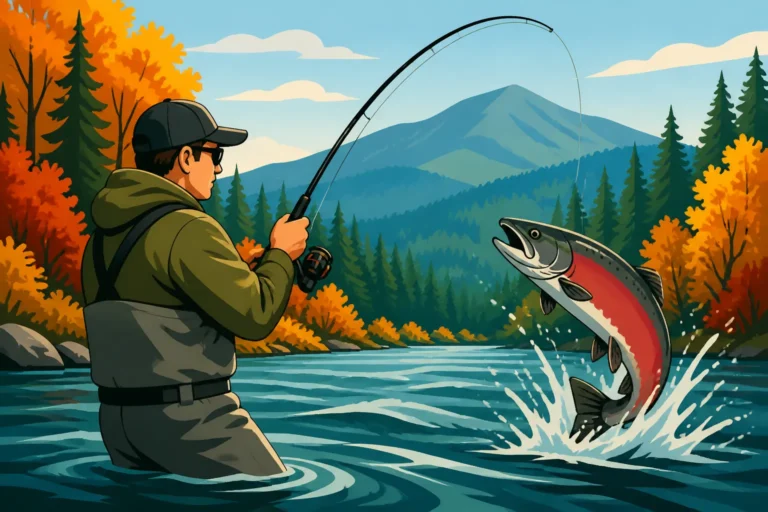
Finding a solid bank fishing spot on a popular river can feel like searching for a hidden treasure, especially when you're battling the perception that all the best holes are reserved for drift boats or private property. If you've been wondering if the Skykomish River in Washington, known for its incredible salmon and steelhead runs, is even worth the effort for bank anglers, you're not alone in that frustration. This comprehensive guide is here to shed light on exactly how viable—and rewarding—bank fishing on the Skykomish can be, along with the strategies and insights you'll need to make the most of it.
The Skykomish River: A Bank Angler's Perspective
The Skykomish, often simply called the "Sky" by locals, is a quintessential Western Washington river. It tumbles out of the Cascade Mountains, gathering strength from numerous tributaries before eventually joining the Snohomish River. It’s a powerful, dynamic river, famous for its strong runs of wild and hatchery steelhead, as well as a variety of salmon species. While it's undeniably popular with drift boaters who can cover vast stretches of water, don't let that deter you. The Skykomish absolutely offers fantastic opportunities for those willing to explore its banks.
Understanding the River's Character
Before you even tie on a lure, understanding the Skykomish's personality is key. This isn't a sleepy, meandering river; it's a vibrant, ever-changing system. It’s characterized by deep runs, swift riffles, gravel bars that shift with every freshet, and countless log jams that act as prime holding water for fish. The river often braids into multiple channels in its middle and lower sections, creating a complex network of flows.
For a bank angler, this means two things: incredible potential for finding fish, and significant challenges in accessing them. The river's power and ever-present structure (like those log jams and deep pockets) mean fish have plenty of places to hide. The trick is identifying those spots from shore and presenting your gear effectively. This often requires a bit of detective work and a willingness to move.
Pros and Cons of Bank Fishing the Skykomish
Every fishing method has its trade-offs, and bank fishing the Skykomish is no different. It's important to go into it with realistic expectations, which can prevent a lot of frustration.
Pros of Bank Fishing the Skykomish:
- Accessibility and Cost-Effectiveness: Unlike drift boating, which requires a boat, trailer, shuttle, and often a guide, bank fishing is accessible to anyone with a valid license and the right gear. It's often free (beyond parking fees at some public access points) and you can decide when and how long you want to fish. This makes it a fantastic option for impromptu trips or for those on a budget.
- Connection to Nature: There’s something truly special about standing on the riverbank, feeling the current at your feet, and being fully immersed in the environment. You become more attuned to the subtle shifts in the water, the wildlife around you, and the peaceful rhythm of the river. It’s a much more intimate experience than being in a boat.
- Targeting Specific Holds: While drift boaters cover miles, a bank angler can meticulously dissect a single productive piece of water. If you find a log jam, a deep eddy, or a current seam that's holding fish, you can work that spot thoroughly, making repeated drifts and presentations. This focused approach can sometimes outfish a quick pass from a boat.
- Learning Opportunity: Bank fishing forces you to develop crucial river-reading skills. You learn to identify subtle current breaks, depth changes, and fish-holding structure without the benefit of a fish finder. This makes you a more versatile and skilled angler in the long run.
Cons of Bank Fishing the Skykomish:
- Crowds and Pressure: The Skykomish is a popular river, especially during peak salmon and steelhead runs. Good bank access points can get crowded, particularly on weekends. You'll often be sharing the river with other bank anglers, and sometimes even competing for casting lanes with drift boats passing by. Patience and courtesy are essential.
- Limited Casting Room and Mobility: While drift boaters can follow the fish wherever they go, bank anglers are tied to the shore. This means limited casting angles, potential obstacles from trees or brush behind you, and difficulty reaching fish holding in the middle of the river. Covering water often means physically walking upstream or downstream, which can be exhausting in waders.
- Snag Hazards: The Skykomish is full of structure – logs, rocks, submerged trees. While these are great fish habitat, they're also notorious for snagging gear. Bank anglers often lose more tackle than boat anglers simply due to the proximity to bankside structure and the limitations of casting angles.
- Changing Water Conditions: The Skykomish can be heavily influenced by rain and snowmelt. High, turbid water can make bank fishing incredibly challenging, limiting visibility and making it difficult to find fish or keep your gear in the strike zone. Conversely, extremely low, clear water can make fish spooky and difficult to approach from the bank. Knowing How Water Clarity Affects Steelhead Fishing is vital here.
Navigating Access Points and Effective Strategies
The key to successful bank fishing on the Skykomish lies in knowing where to go and how to fish those spots effectively. It’s not about finding secret spots, but rather understanding how to maximize publicly accessible areas.
Key Bank Fishing Locations and Their Nuances
While specific "hot spots" can change with river conditions and fish migration, there are several general areas on the Skykomish that offer consistent bank access.
- Reiter Ponds Hatchery: This is arguably the most well-known and heavily fished bank access point on the Skykomish, especially during winter steelhead season. The hatchery itself draws fish, and the stretches of river immediately upstream and downstream offer good bank access.
- Nuances: Expect crowds, especially right by the hatchery. The river here can be quite deep and swift. Many anglers here use jigs under floats or large casting spoons. It's a great spot to learn by watching others, but be prepared for limited personal space.
- Sultan River Mouth: Where the Sultan River empties into the Skykomish, there's often good bank access, and the confluence creates ideal holding water. Fish moving upstream will pause and congregate here.
- Nuances: Access often involves walking, and parking can be limited. The currents can be tricky due to the converging rivers, requiring careful weight management. Fish can be found in the slower seams created by the two rivers meeting.
- Gold Bar / Big Eddy Area: Several public access points and parks around Gold Bar and the Big Eddy offer good bank opportunities. These areas tend to have more varied structure, including deeper pools and slower runs.
- Nuances: These spots might require a bit more exploration to find the productive water. The river can be quite wide here, making longer casts beneficial. During lower flows, gravel bars become exposed, creating walk-in access to prime water.
- Public Parks and Bridges: Throughout the Skykomish Valley, look for county or state parks with river frontage, and public road ends near bridges. These often provide limited but valuable bank access. Always be mindful of private property signs and respect landowners.
Here's a quick comparison of some common bank fishing scenarios on the Skykomish:
| Access Point/Area | Primary Target Species | Typical Techniques | Pros | Cons |
|---|---|---|---|---|
| Reiter Ponds Hatchery | Winter/Summer Steelhead, Coho | Bobber & Jig/Bead, Spoons | Easy access, high fish concentration | Very crowded, limited space, snaggy |
| Sultan River Mouth | Steelhead, Chinook, Coho | Drift, Plunking, Bobber & Jig | Good holding water, current seams | Parking can be tricky, strong currents |
| Gold Bar / Big Eddy | Steelhead, Chinook, Coho | Drift, Spoons, Plunking | More varied water, less concentrated crowds | Requires more walking, wider river often |
Techniques Tailored for Bank Anglers
Bank fishing on the Skykomish isn't about simply casting and hoping. It requires strategic thinking and adapting techniques to your position on shore.
- Drift Fishing with Floats (Bobber and Jig/Bead): This is arguably the most popular and effective method for bank anglers on the Skykomish, especially for steelhead. A float (often a large Drennan or Thill style) suspends your bait or lure (jig, bead, cured roe) at a precise depth, allowing it to drift naturally with the current.
- Strategy: Find a current seam or slot that looks like it would hold fish. Cast slightly upstream and across the current, letting your float drift naturally downstream, just faster than the current on the surface, ensuring your lure is tumbling along the bottom. Keep your line tight enough to detect subtle takes but loose enough for a natural drift. The key is to cover the water thoroughly, making repeated drifts through productive areas. Learning How to Drift Fish With Beads for Steelhead or using jigs can significantly improve your success.
- Plunking (Still Fishing): When the river is high and dirty, or during specific salmon runs, plunking can be a highly effective, low-effort technique. This involves casting a heavy lead weight with a Spin-N-Glo, Wiggle Wart, or bait (like cured roe) rig upstream and letting the current wash your offering into the strike zone.
- Strategy: Find a prominent current seam or a spot where fish might stack up. Cast your rig, let it settle, and place your rod in a sturdy rod holder with the bail open or clicker engaged. The idea is for passing fish to see your offering. This is often done with multiple rods (if legally permitted with a Washington's Two-Pole Endorsement and Who Needs One and the regulations for the specific area allow it), increasing your chances.
- Casting Spoons and Spinners: These active techniques are excellent for covering water, especially in faster runs or when fish are aggressive. Spoons (like Steelhead Spoons or Little Cleos) and spinners (like Blue Fox or Mepps) imitate baitfish and often provoke a reaction strike.
- Strategy: Cast across and slightly downstream, letting the lure swing through the current. Vary your retrieve speed to find what the fish prefer. Target current seams, drop-offs, and the edges of log jams. This is a great way to find active fish and can be incredibly exciting when a steelhead or salmon slams your lure. Understanding Best Spoon Size for Washington Steelhead can make a big difference.
No matter the technique, learning to "read the water" from the bank is paramount. Look for changes in current speed, seams where fast water meets slow, submerged rocks, log jams, and depressions in the riverbed. These are all prime holding areas for fish. Sometimes, simply observing the river for a few minutes before casting can reveal where fish might be. You can find more specific guidance in articles like Reading Water for Bank-Fishing Salmon.
If you're finding it tough to dial in these techniques on your own, consider booking a short guided trip. Websites like FishingBooker can help you find experienced local guides who can teach you the ropes of bank fishing on the Skykomish, giving you a huge leg up for future solo trips.
Essential Gear, Safety, and Angler Etiquette
Bank fishing on the Skykomish is more than just a rod and reel; it's about being prepared, staying safe, and respecting the river and your fellow anglers.
Must-Have Gear for Skykomish Bank Fishing
Having the right equipment not only increases your chances of success but also ensures your comfort and safety.
- Rod and Reel Setup: A longer spinning rod (9-10.5 feet) with a medium-heavy action is often ideal for bank fishing on the Skykomish. The extra length helps with casting distance, mending your line during drifts, and clearing bankside brush. Pair it with a reliable spinning reel spooled with 15-20 lb braided mainline and a fluorocarbon or monofilament leader. For heavier plunking, a stout casting rod might be preferred.
- Waders and Boots: Neoprene or breathable chest waders are essential. The Skykomish is cold, especially during winter runs, and you'll often need to wade out a bit to reach good casting positions or land fish. Pair them with sturdy wading boots that offer good ankle support and felt or studded soles for traction on slippery rocks. Investing in quality Rain Gear You Need for Winter Steelheading is also non-negotiable for comfort during Washington's often wet weather.
- Tackle Bag/Vest: A comfortable bag or vest to carry your weights, hooks, jigs, beads, leader material, float assortment, pliers, and other essentials. Keep it organized so you can quickly re-rig.
- Landing Net: A good quality, durable landing net is crucial for safely landing larger steelhead and salmon without unnecessarily stressing the fish or putting yourself at risk.
- Pliers/Forceps: For hook removal.
- Snips/Line Cutter: For clean cuts.
- Small First Aid Kit: For minor cuts and scrapes.
- Water and Snacks: Especially on longer trips, staying hydrated and fueled is important.
- Sun Protection: Even on cloudy days, UV rays can be strong. Hat, sunglasses, and sunscreen are a good idea.
Staying Safe and Respectful on the River
Safety on the Skykomish cannot be overstated. This is a powerful river, and cold water combined with strong currents and slippery rocks can be dangerous.
- Water Safety: Always wade with extreme caution. Test the depth and current with a wading staff before stepping into unknown water. Avoid wading alone, especially in swift or deep sections. Be aware of submerged obstacles. Hypothermia is a real risk in Washington's cold waters, so dress in layers and ensure your waders are leak-free.
- Private Property: Always be mindful of private property. Respect "No Trespassing" signs. Access the river only through designated public access points. This helps maintain angler access for everyone.
- Angler Etiquette:
- Space: Give other anglers ample space. Don't crowd someone's casting lane, especially if they were there first. A general rule of thumb is to allow enough room so that your back-cast doesn't interfere with another angler.
- Drift Boats: Be aware of drift boats. They have limited maneuverability, especially in tight runs. Try not to cast directly in their path, and understand that they are moving through.
- Moving Downstream: If you're walking downstream, try to pass behind other anglers, or at least give them a wide berth. If you need to walk past someone fishing a run, ask politely if you can pass.
- Noise: Keep noise to a minimum. Loud voices or splashing can spook fish.
- Leave No Trace: Pack out all your trash, including discarded fishing line and bait containers. Consider packing out any trash you find, even if it's not yours. Protecting the river environment is everyone's responsibility.
Navigating Regulations and Seasons
Washington's fishing regulations can be complex and change frequently, especially for popular rivers like the Skykomish that host threatened species. Ignorance of the rules is not an excuse for violations.
- Fishing License and Catch Card: You absolutely need a valid Washington fishing license. If you're targeting salmon or steelhead, you'll also need a The Washington Catch Record Card and What It Requires. Make sure you understand how to fill it out and return it.
- Emergency Rule Changes: Pay close attention to Emergency Rule Changes: Why Washington's Rules Shift Mid-Season. The Washington Department of Fish and Wildlife (WDFW) frequently issues emergency rules that can close fisheries, change bag limits, or alter gear restrictions mid-season, sometimes with very little notice. Always check the WDFW website or hotline before you go.
- Barbless Hooks: The Skykomish, like many Washington rivers, often requires Barbless Hook Requirements on Washington Rivers for salmon and steelhead. Always check the specific regulations for the area and species you're targeting.
- Species-Specific Rules: Understand the daily and seasonal bag limits for each species. For example, there might be specific Catch-and-Release Rules During Wild Steelhead Closures or particular rules about Daily Steelhead Limit in Washington. Hatchery fish (with a clipped adipose fin) usually have different rules than wild fish.
- Gear Restrictions: Beyond barbless hooks, there might be bait bans, restrictions on certain lure types, or limits on the number of hooks. Always read the current regulations pamphlet for the specific river and section you plan to fish.
If you're ever unsure about the rules, it's always best to err on the side of caution or consult the WDFW resources. Local tackle shops are also an excellent source of up-to-date information.
When to Fish the Skykomish from the Bank
Timing your trip to the Skykomish is crucial for success, as fish runs are seasonal and water conditions are highly variable.
Understanding Seasonal Runs
The Skykomish hosts several notable fish runs throughout the year, each offering unique bank fishing opportunities.
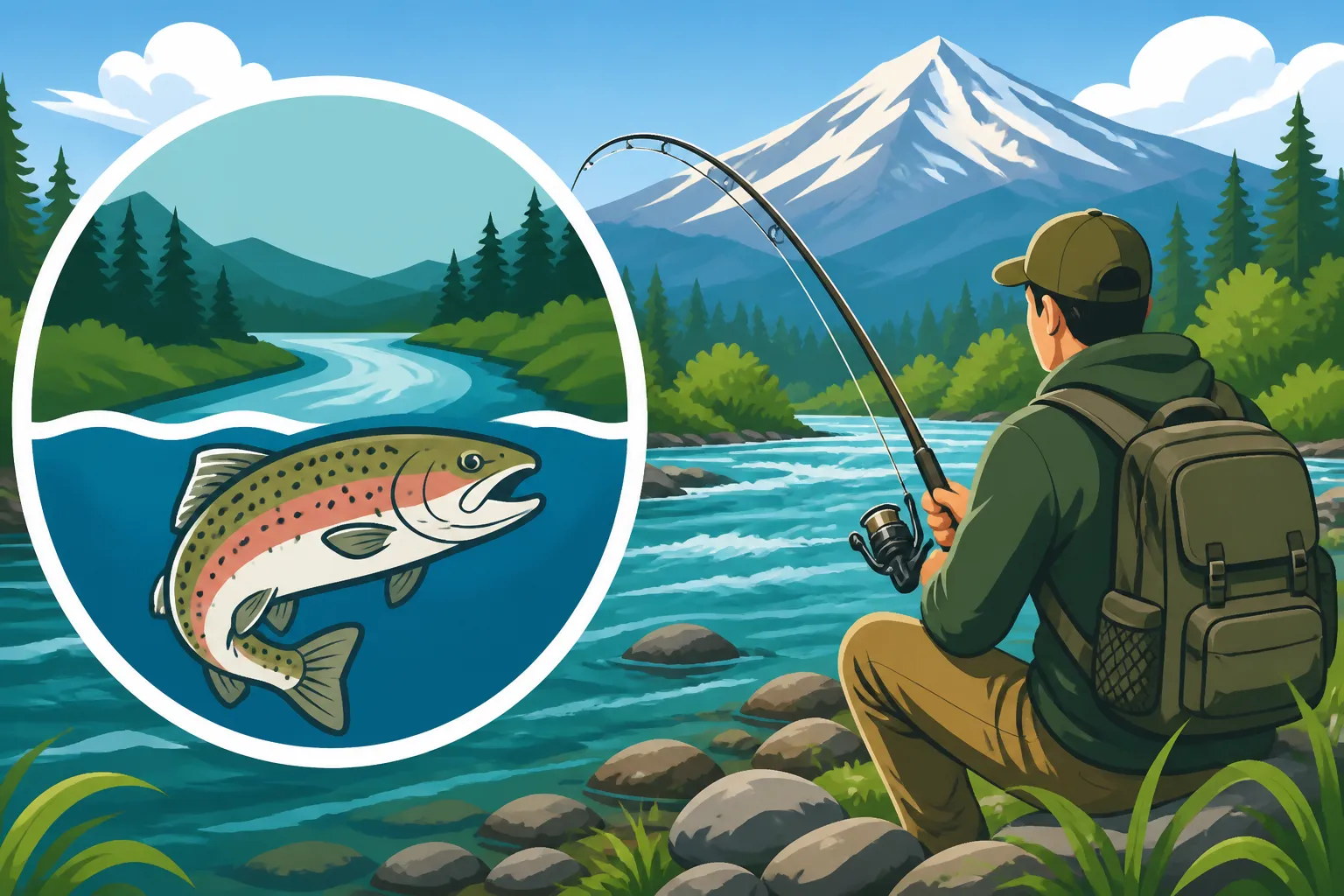
- Winter Steelhead: This is arguably the most famous fishery on the Skykomish, typically running from December through April, peaking in January and February. These chrome-bright anadromous rainbow trout are powerful fighters and are the primary draw for many bank anglers. Bank fishing for winter steelhead can be challenging due to cold weather and often high, turbid water, but the reward of a fresh hatchery or wild steelhead is immense. Understanding Winter vs Summer Steelhead Runs in Washington, Explained is helpful for overall knowledge.
- Summer Steelhead: A smaller run than their winter counterparts, summer steelhead typically arrive in late spring and early summer (May-July) and hold in the river through the warmer months. These fish are often more aggressive and can be targeted with different techniques, including dry flies for fly anglers, though bank access can still be challenging in lower, clearer water.
- Salmon: The Skykomish sees runs of Chinook (Kings) and Coho (Silvers), primarily in the fall.
- Fall Chinook: These powerful fish usually enter the river in late summer and early fall (August-September). They are large and extremely strong, making for an epic fight. Plunking with large lures or bait is often effective from the bank.
- Coho Salmon: Coho typically follow the Chinook, arriving in September and October. They are known for their acrobatics and aggressive takes. Casting spinners, spoons, or drifting jigs under a float can be very productive.
Remember, the exact timing and strength of these runs can vary year to year due to ocean conditions, hatchery returns, and river flows. It's always best to check WDFW reports and local fishing forums for the most current information.
Water Conditions: The Bank Angler's Best Friend (or Foe)
More than any other factor, water conditions dictate the success and safety of bank fishing on the Skykomish.
- High, Turbid Water (Blown Out): After heavy rains or significant snowmelt, the Skykomish can rise quickly and become very turbid ("blown out"). This makes fishing incredibly difficult from the bank. Fish tend to hug the banks in slower seams, but finding them and getting your gear in front of them with limited visibility is a huge challenge. During these conditions, safety is paramount; strong currents and floating debris make wading dangerous.
- Falling and Clearing Water: This is often the prime time for bank anglers. As the river drops and clears after a high-water event, fish become more active and visible. The receding water can also expose new gravel bars and create ideal holding lies that were previously unreachable. This is when your "reading the water" skills really shine.
- Low, Clear Water: While beautiful, very low and clear water can make fish wary. They are more easily spooked by bankside movement and bright presentations. Finesse techniques, lighter leaders, and a stealthy approach are necessary. Fishing during low light conditions (dawn, dusk) can also be more productive.
Always check the river gauges (available online through USGS or various fishing forecast sites) before heading out. Look for a river that is dropping or holding steady after a rise, with visibility improving. A little bit of color in the water can actually be beneficial, offering some cover for both fish and angler.
In summary, the Skykomish River absolutely is good for bank fishing, provided you approach it with preparation, patience, and the right strategies. It offers some of Washington's most exciting salmon and steelhead opportunities without needing a boat. Embrace the challenges, learn the river, and enjoy the profound satisfaction of hooking into a powerful fish from the bank.
Disclaimer
Fishing regulations and seasons in Washington State are subject to frequent change. Always consult the most current Washington Department of Fish and Wildlife (WDFW) regulations pamphlet and emergency rule updates before planning any fishing trip. This guide is for informational purposes only and does not constitute legal advice regarding fishing regulations.