The Elwha Salmon Run’s Recovery in Washington
For years, anglers and conservationists alike watched Washington's iconic Elwha River struggle, its once-bountiful salmon runs cut off and decimated by towering dams. The dream of a free-flowing Elwha, teeming with vibrant salmon returning to their ancestral spawning grounds, felt like a distant hope. This guide dives deep into the incredible story of the Elwha salmon run's recovery in Washington, exploring how this monumental river restoration project has brought life back to a river and offered a powerful beacon of hope for ecosystems worldwide.
The Elwha River: A History of Obstruction and Hope
The Elwha River, originating in the Olympic Mountains and flowing into the Strait of Juan de Fuca, was once a jewel among Washington's rivers, famed for its incredibly robust salmon and steelhead populations. Generations of the Lower Elwha Klallam Tribe relied on its bounty, and its reputation as a powerhouse fishery was legendary. However, the early 20th century brought a significant change that reshaped the river's fate for over a hundred years.
The Dam Era: A River Divided
The construction of two hydroelectric dams – the Elwha Dam in 1913 and the Glines Canyon Dam in 1927 – irrevocably altered the river. These concrete behemoths, while providing power, effectively segmented the river into isolated stretches, blocking salmon and steelhead from accessing over 70 miles of pristine upstream spawning and rearing habitat. Imagine a salmon, driven by instinct to return to its birthplace, only to hit a massive wall with no way around. That was the reality for Elwha fish for nearly a century. This blockage led to a drastic decline in all five species of Pacific salmon (Chinook, Coho, Pink, Chum, and Sockeye) and anadromous steelhead, confining them to only the lowest 5 miles of river below the Elwha Dam.
The ecological consequences were devastating. The dams not only prevented fish passage but also trapped sediment, woody debris, and nutrients vital for a healthy river ecosystem. Downstream, beaches and deltas eroded, while upstream, reservoirs filled with trapped silt, drowning historical spawning grounds. The very lifeblood of the river was interrupted, turning a dynamic, productive system into a shadow of its former self. The scientific community and local tribes recognized that true recovery would only be possible if these man-made barriers were removed.
The Monumental Task of Dam Removal
The decision to remove the Elwha and Glines Canyon Dams was a historic one, a testament to decades of advocacy by the Lower Elwha Klallam Tribe, environmental groups, and government agencies. Beginning in 2011, this massive undertaking commenced, becoming the largest dam removal project in U.S. history. It wasn't just about blowing up dams; it was a carefully orchestrated, multi-year process. The dams were deconstructed in stages to control the release of accumulated sediment, which had built up behind the dams for decades. This gradual approach was critical to minimize immediate downstream impacts and allow the river to slowly reshape its channel.
Workers, engineers, and scientists collaborated on this intricate project, which involved complex hydrological modeling and environmental monitoring. The removal wasn't merely about taking down concrete; it was about re-engineering the river's future. The scale of the project was truly humbling, demonstrating an unprecedented commitment to ecological restoration. The final pieces of the Glines Canyon Dam were removed in 2014, officially freeing the Elwha River for the first time in over a century. The hope was that nature, given a chance, would remember its way home.
Witnessing the Return: Salmon Species Bounding Back
What happened after the dams came down has been nothing short of miraculous, exceeding even the most optimistic predictions. The Elwha River quickly began to reclaim its natural form, and with it, the salmon and steelhead started their incredible journey back to the upper reaches of the watershed.
Chinook Salmon Leading the Charge
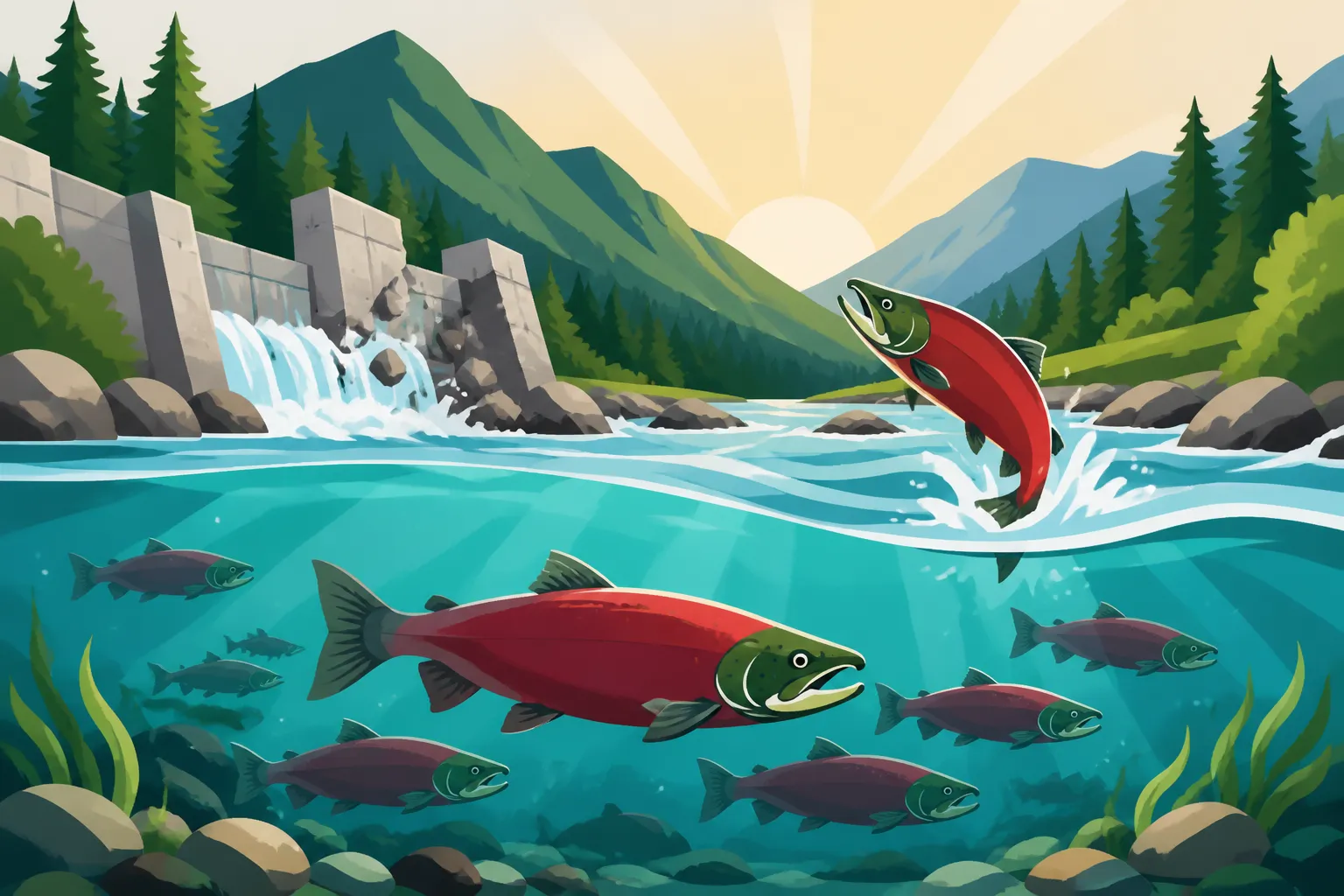
Perhaps the most dramatic success story has been the return of Chinook salmon, often called "King" salmon, to the Elwha. These magnificent fish, known for their size and power, were among the first to explore the newly accessible habitat. Within a few years of dam removal, researchers observed Chinook spawning in stretches of river that hadn't seen a salmon in over a century. These fish, whose ancestors had been confined to the lower river, now pushed miles upstream, navigating rapids and discovering fresh, clean gravel beds for their eggs.
The speed and vigor of their return caught many by surprise. The sheer number of Redd counts (salmon nests) in the upper Elwha watershed became a powerful indicator of the river's resilience. Biologists closely track these returns, and each year brings renewed excitement as more Chinook return, demonstrating the inherent memory and adaptability of these anadromous species. The recovery of the Elwha's Chinook run is a vital component of the river's overall ecological health, contributing significant biomass and nutrient cycling to the entire watershed.
Coho, Pink, and Sockeye Reclaiming Their Home
While Chinook often grab headlines, other salmon species are also making remarkable comebacks. Coho salmon, known for their acrobatic fights and brilliant silver flanks, are steadily increasing in number, returning to spawn in tributaries and smaller side channels that were once inaccessible. Their return helps diversify the river's fish populations and provides food for a wider range of predators. Pink salmon, which return in massive "odd-year" runs, have also demonstrated a strong rebound, contributing to the incredible spectacle of thousands of salmon moving upstream.
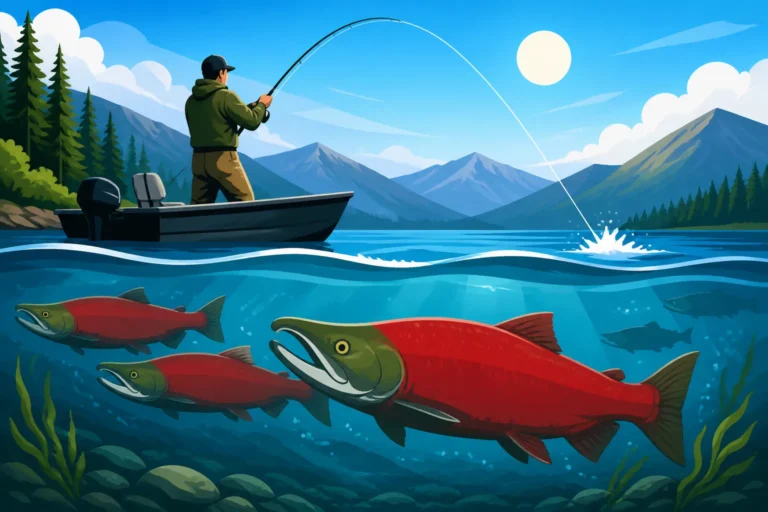
One of the most astonishing aspects of the Elwha's recovery has been the surprising return of Sockeye salmon. Sockeye are unique among Pacific salmon as they typically spend a significant portion of their lives in lakes before migrating to the ocean. The Elwha traditionally had a small, unique Sockeye population that spawned in a lake that formed behind the Glines Canyon Dam. With the dam gone, that lake habitat largely reverted to river, yet Sockeye have been observed returning to Lake Sutherland, a natural lake in the Elwha watershed. This suggests incredible genetic memory and adaptability, highlighting nature's ability to find a way even after a century of disruption. The ongoing efforts to help these Sockeye re-establish in their traditional lake habitats are a testament to the comprehensive approach to restoration.
Steelhead and Char Also Thriving
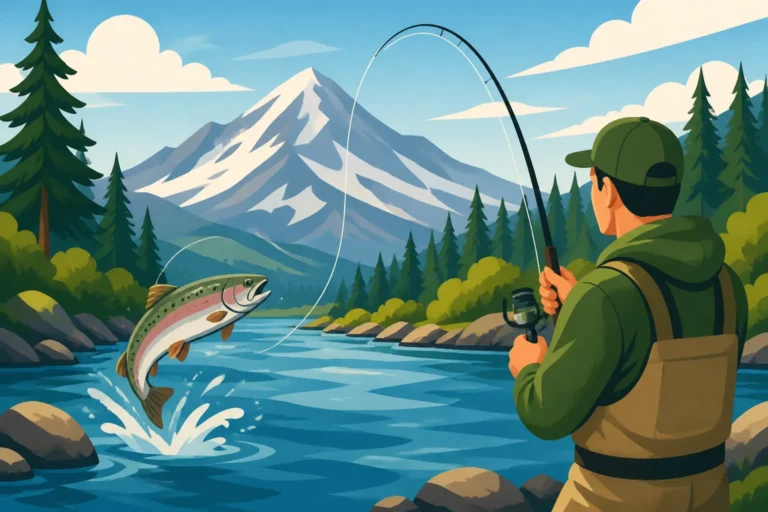
The benefits of dam removal extend beyond just salmon. Anadromous steelhead, which are ocean-going rainbow trout, also faced significant hurdles due to the dams. Like salmon, they now have unimpeded access to the vast spawning grounds upstream. The increase in steelhead populations is vital for the river's health, as they often spawn at different times than salmon, providing year-round ecological contributions. Steelhead: Washington's Ocean-Run Rainbow Trout are powerful, elusive fish, and their return is a cause for celebration among anglers and conservationists alike.
Additionally, native char species, such as Dolly Varden and Bull Trout, which require cold, clean water and often follow salmon migrations, are also thriving. With improved water quality, restored sediment processes, and a healthier food web, these native species are reclaiming their rightful place in the Elwha ecosystem. The interconnectedness of these species underscores that dam removal wasn't just about salmon; it was about restoring an entire aquatic community.
Beyond Salmon: Ecological Ripple Effects
The Elwha River project stands as a shining example of how restoring a river's natural processes can lead to widespread ecological benefits that extend far beyond just fish. The entire watershed is experiencing a profound rebirth.
Habitat Restoration and Ecosystem Health
One of the most critical long-term impacts has been the restoration of natural sediment transport. For decades, the dams held back millions of tons of gravel, sand, and silt. With the dams gone, these sediments are now naturally migrating downstream, reshaping the riverbed, creating new gravel bars, and nourishing the coastal delta. This process is essential for creating diverse spawning habitats and complex riverine structures where juvenile salmon can hide and grow. The river's channel is dynamically reforming itself, creating a mosaic of riffles, pools, and side channels that support a richer variety of aquatic life.
Furthermore, the decomposition of woody debris, the growth of riparian vegetation, and the introduction of marine-derived nutrients from returning salmon carcasses all contribute to a healthier ecosystem. Trees are taking root along newly formed banks, stabilizing soil and providing shade, which in turn helps regulate water temperature – a crucial factor for salmon survival. The Elwha is transforming from a segmented, impaired river into a vibrant, self-sustaining ecosystem.
The Return of Wildlife and Cultural Significance
The resurgence of salmon has had a cascading effect on the wider terrestrial ecosystem. Apex predators like black bears, bald eagles, and otters, which rely on salmon as a critical food source, are increasingly returning to the Elwha. Bears help distribute marine nutrients by dragging salmon carcasses into the forest, enriching the soil and supporting an even broader array of plant and animal life. The cries of eagles soaring overhead, snatching fish from the river, are now a more common and welcome sound.
For the Lower Elwha Klallam Tribe, the return of the salmon holds immense cultural significance. Their traditions, ceremonies, and sustenance have been intimately tied to the Elwha River and its fish for millennia. The dams represented a profound loss, and their removal signifies not just ecological restoration but also a cultural revitalization. The Elwha's story is a powerful narrative of resilience, reconciliation, and the enduring connection between indigenous peoples and their ancestral lands and waters. This project reminds us of the invaluable natural resources we steward and the importance of ecological balance for all communities.
Fishing the Elwha: Navigating the Recovery
While the Elwha River's recovery is a cause for celebration, it's crucial for anglers to understand the current situation regarding fishing access. The remarkable comeback of salmon and steelhead is still a fragile process, and the river is being managed with extreme caution to ensure these runs continue to strengthen.
Current Fishing Regulations and Restrictions
To protect the recovering wild salmon and steelhead populations, the Elwha River is currently closed to all fishing for salmon and steelhead indefinitely. This is a critical regulation that every angler must be aware of and respect. The Washington Department of Fish and Wildlife (WDFW), in close consultation with the Lower Elwha Klallam Tribe, has implemented these closures to give the wild fish the best possible chance to re-establish strong, self-sustaining runs. These rules are not arbitrary; they are based on scientific data and a deep understanding of what it takes to rebuild an entire ecosystem. Washington Fishing Regulations Every Angler Should Know details how these types of closures are put in place to ensure long-term sustainability.
Even though the fish are returning, allowing harvest too soon could jeopardize the progress made over the last decade. It's a long-game approach, prioritizing ecological health over immediate angling opportunities. Anglers should always check the latest WDFW regulations before planning any trip to the Elwha or its tributaries, as rules can change. While the Elwha is a designated fishing spot, patience is key here.
Future Outlook for Anglers
The long-term goal for the Elwha River is indeed to eventually allow for sustainable fishing opportunities, but this will only happen once the fish populations are robust enough to support harvest without impacting their continued recovery. The WDFW and the Lower Elwha Klallam Tribe will be monitoring fish returns and habitat conditions for many years to come, making data-driven decisions about when and how to potentially reopen the fishery. It's not a question of if fishing will return, but when and how responsibly.
When the time comes, it's likely that any future fishing seasons will be highly regulated, perhaps with strict catch-and-release rules for certain species or limited seasons to protect sensitive spawning periods. Anglers hoping to experience this future fishery will need to stay informed, perhaps even considering booking a trip with a knowledgeable guide through platforms like FishingBooker once regulations allow, as local expertise will be invaluable. The Elwha's recovery is a powerful story, and future anglers will be part of its ongoing narrative, helping to sustain its health for generations to come.
Why the Elwha's Story Matters for Washington Fishing
The Elwha River's dam removal project and the subsequent ecological renaissance represent far more than just a local success story. It offers profound lessons and inspiration for conservation efforts not just in Washington, but globally.
A Blueprint for River Restoration
The Elwha project has become an international model for river restoration and dam removal. Its success provides invaluable data and practical experience for similar initiatives worldwide. From the initial planning and stakeholder engagement to the complex engineering and long-term ecological monitoring, every step of the Elwha's journey has informed future projects. It demonstrates that with sufficient political will, scientific expertise, and community collaboration, even heavily impacted rivers can be brought back to life. Emergency Rule Changes: Why Washington's Rules Shift Mid-Season often reflect immediate needs, but the Elwha's story shows a long-term, strategic approach to rule-making for permanent ecological benefit.
The lessons learned from the Elwha are being applied to other rivers in Washington and beyond, influencing how we approach hydropower relicensing, dam management, and habitat recovery. It highlights the potential for humans to undo past ecological damage and actively participate in healing nature. This project has shifted the paradigm, moving from merely mitigating dam impacts to actively restoring the natural integrity of river systems.
The Value of Wild Salmon Runs
The Elwha's recovery emphatically underscores the immense ecological, cultural, and economic value of healthy, wild salmon runs. Wild salmon are keystone species; they are not just fish but vital components of an intricate food web, bringing rich marine nutrients far inland, supporting forests, wildlife, and entire ecosystems. Their intrinsic value extends to the cultural identity of indigenous tribes and the outdoor heritage of Washington State.
Furthermore, thriving wild salmon populations contribute to the overall health of Washington's fisheries. They provide genetic diversity, resilience against environmental changes, and ultimately, the foundation for sustainable angling opportunities for future generations. Protecting and restoring wild salmon, like the Chinook Salmon: Washington's King of Fish in the Elwha, ensures that Washington remains a premier fishing destination with a rich natural legacy. The Elwha stands as a powerful reminder that investing in ecological restoration is an investment in our future.
Elwha River Salmon Recovery Milestones
| Year(s) | Event | Key Impact on Salmon |
|---|---|---|
| 1913 & 1927 | Elwha and Glines Canyon Dams built | Blocked 90% of habitat |
| 2011-2014 | Dam Removal Project | River reconnected |
| 2012-Present | Chinook & Coho observed upstream | Rapid recolonization |
| 2014-Present | Pink & Chum increase in numbers | Habitat utilization |
| 2016-Present | Sockeye return to Lake Sutherland | Genetic memory evident |
| Ongoing | Habitat restoration, sediment transport | Long-term ecosystem health |
| Ongoing | Fishing Closure for Salmon & Steelhead | Protection of wild runs |
Disclaimer
Fishing regulations in Washington State are subject to change by the Washington Department of Fish and Wildlife (WDFW). Always consult the most current WDFW regulations and emergency rule changes before planning any fishing trip to ensure compliance and promote sustainable fishing practices. The information provided here is for general guidance only.