Best Bank Access on the Lewis River
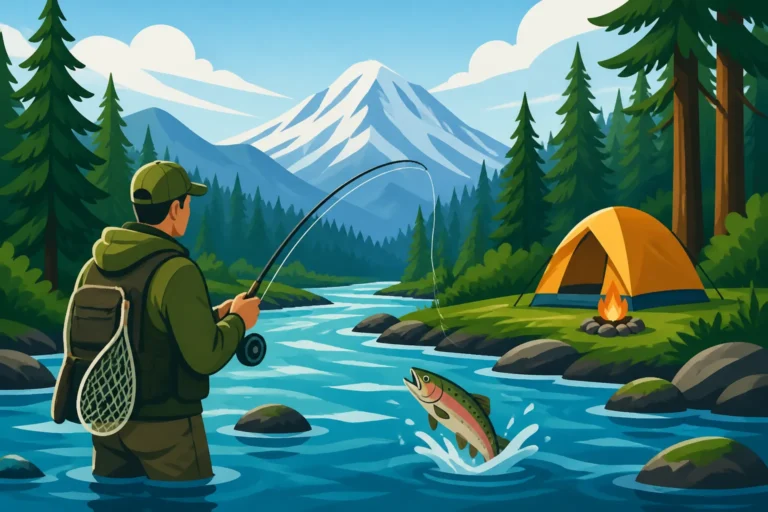
Finding reliable public bank access on a popular river like the Lewis can feel like searching for a needle in a haystack, especially when so much of the prime water is privately owned or best reached by boat. It's a common frustration for anglers who just want to wet a line without launching a drift boat, but fear not! This guide will walk you through the best public bank fishing spots on Washington's Lewis River, giving you the insider knowledge to make your next trip successful and stress-free.
Navigating the Lewis River for Bank Anglers: An Overview
The Lewis River, a significant tributary of the mighty Columbia River, is a true gem in Southwest Washington for salmon and steelhead anglers. However, for those without a boat, accessing its prime fishing spots can be a real head-scratcher. Much of the riverfront is either private property, boasts incredibly steep and brushy terrain, or is managed by utility companies with restricted access. This can be incredibly disheartening when you hear tales of incredible catches, but feel locked out.
The Lewis River is heavily influenced by a series of dams, including Merwin, Yale, and Swift, managed by PacifiCorp. These dams regulate water flow, which means river levels can fluctuate, impacting fishing conditions and accessibility. What looks like a promising gravel bar one day might be a raging torrent the next. This constant change adds an extra layer of challenge, but also a unique dynamic to bank fishing here. Despite these hurdles, there are dedicated public access points that offer fantastic opportunities for targeting a variety of anadromous fish throughout the year. Knowing where these spots are and how to approach them is half the battle won, transforming a potentially frustrating outing into a rewarding experience.
Prime Bank Fishing Locations on the Lower and Middle Lewis
While the Lewis River stretches far into the Cascades, the most productive and accessible bank fishing opportunities tend to be concentrated on the lower and middle sections, particularly downstream of the Merwin Dam and closer to its confluence with the Columbia. These areas benefit from hatchery returns and provide more consistent public access.
Daybreak Park
Daybreak Park, located near La Center and the I-5 corridor, is arguably the most well-known and heavily utilized bank fishing spot on the lower Lewis River. It's popular for a good reason: relatively easy access to the water's edge, ample parking, and a reputation for producing fish. This park offers a long stretch of bank, providing plenty of room to spread out, though it can still get quite crowded during peak salmon and steelhead runs. Anglers here often target fall Chinook and coho salmon, as well as winter and summer steelhead. The water here can be quite deep and swift, so understanding how to effectively fish these currents is key. You'll often see anglers employing [Bank Fishing Techniques for Washington Salmon] like plunking with Spin-N-Glos or Cheaters, or using heavier gear for drift fishing.
The park features paved paths leading to the river, making it accessible for many, but be prepared to walk a bit to find your preferred spot away from the initial crowds. The bank consists of gravel and sand, transitioning to larger rocks in places. It's a fantastic spot for families or those looking for a social fishing experience, though if solitude is your goal, you might need to arrive very early or scout less obvious trails downriver from the main park area. Always be mindful of private property signs beyond the designated park boundaries.
Merwin Fish Hatchery and Speelyai Park
Moving upstream, past the town of Ariel, you'll find the Merwin Fish Hatchery and Speelyai Park, both offering excellent bank access to the Lewis River. The Merwin Hatchery itself is a hub of activity, especially when fish are returning. There are designated public fishing areas around the hatchery outfall where returning salmon and steelhead congregate before entering the fish ladder. These spots can be incredibly productive, but also extremely popular and require adherence to specific hatchery rules, which might include gear restrictions or specific open seasons. Always check the [Washington Fishing Regulations Every Angler Should Know] and current [Washington Sport Fishing Seasons and Emergency Closures] before you go, as these areas often have emergency rule changes.
Speelyai Park, located just downstream from the Merwin Dam and hatchery, provides another significant bank access point. This park offers a campground, boat launch, and various access points to the river. The section of river immediately below the dam is a prime holding area for migrating fish, making it a hotspot for both salmon and steelhead. Anglers here can find good success with [Drift Fishing for Steelhead in Washington Rivers] methods, using bait, beads, or jigs. The terrain here can be a mix of rocky shoreline and steeper banks, so comfortable, sturdy footwear is a must. The currents can be powerful, so be cautious and aware of your surroundings, especially during periods of high water release from the dam. Both the hatchery area and Speelyai Park are critical access points for anglers looking to intercept fish fresh from their journey upriver.
Other Potential, Though More Limited, Access
Beyond these primary locations, finding consistent, legal bank access along the Lewis River can become more challenging. There are occasional pull-outs and informal trails, especially along State Route 503, but these often lead to steep, overgrown banks or are adjacent to private property. Always be vigilant for "No Trespassing" signs and respect private land. A great resource for identifying potential new spots or getting the lay of the land is by consulting with local tackle shops. They often have the most up-to-date information on hidden gems or temporary access opportunities. Some anglers also find success by exploring around smaller bridges or road crossings, but again, confirm public access before venturing out.
Here's a quick overview of some key bank access points:
| Access Point | Location | Target Species | Notes |
|---|---|---|---|
| Daybreak Park | Near La Center, off I-5 | Chinook, Coho, Steelhead | Most popular, easy access, can be crowded. Plunking often effective. |
| Merwin Fish Hatchery | Upstream of Ariel, SR 503 | Chinook, Coho, Steelhead | Fish congregate here; strict rules, high pressure. |
| Speelyai Park | Below Merwin Dam, off SR 503 | Chinook, Coho, Steelhead | Good holding water, mix of terrain. Drift fishing popular. |
| I-5 Bridge Area | Near Woodland | Chinook, Coho, Steelhead | Limited spots, often crowded. Check for legal access. |
Essential Strategies and Gear for Lewis River Bank Fishing
Successful bank fishing on the Lewis River isn't just about finding a spot; it's also about employing the right techniques and having the appropriate gear. Given the diverse conditions and target species, being prepared will significantly increase your chances of success.
Understanding Water Conditions and Timing Your Trip
The Lewis River's flows are highly regulated by the upstream dams. Checking the PacifiCorp website or local fishing reports for current and predicted water levels is paramount. High, fast water can make some bank spots unfishable and dangerous, while low, clear water might require a more finesse approach. The best conditions for bank fishing often fall within moderate flow rates, which allow fish to move upstream but don't make your gear impossible to hold bottom.
Timing your visit to coincide with peak runs is also crucial. For instance, [When Chinook Salmon Run in Washington's Puget Sound] is often discussed, but similar seasonal patterns apply to river systems like the Lewis. Spring Chinook often arrive earlier, followed by summer steelhead, and then the strong fall Chinook and [When Coho Salmon Run in Washington] migrations. Winter steelhead provide opportunities during the colder months, offering a chance at these powerful fish. Understanding these cycles, combined with checking current conditions, will guide you to the right place at the right time. For anglers targeting steelhead, learning the nuances of [Winter vs Summer Steelhead Runs in Washington, Explained] will further refine your approach.
Recommended Gear and Techniques
For bank fishing the Lewis, a medium-heavy to heavy action salmon/steelhead rod, typically 9-11 feet in length, paired with a robust spinning reel or baitcasting reel spooled with 20-30 lb monofilament or braid, is a good starting point. You'll need heavier line to contend with strong currents and large, powerful fish. Leaders will vary in strength, often 15-25 lb fluorocarbon, depending on water clarity and target species.
For techniques, plunking is very effective in the faster, deeper water, especially at Daybreak Park. This involves using heavy pyramid or flat weights to hold your offering (often a Spin-N-Glo, Cheater, or a bait rig) stationary in the current, waiting for a fish to swim by. Drift fishing is another staple, particularly in slower to moderate currents or holes. This technique involves presenting bait (like cured roe), jigs, or beads on a lighter leader, allowing them to tumble naturally along the bottom. You'll need an assortment of lead weights (pencil lead, slinky weights) and floats or bobbers if you're targeting specific depths. Always be ready to adjust your weight to match the current to ensure your gear is ticking the bottom without constantly snagging.
Understanding Regulations and Etiquette for Lewis River Bank Anglers
Fishing on the Lewis River, like any other body of water in Washington, comes with a specific set of rules and expectations. Adhering to these regulations and practicing good etiquette not only keeps you on the right side of the law but also helps preserve the fishing experience for everyone.
Licensing and Endorsements
First and foremost, you'll need a valid Washington State fishing license. For the Lewis River, which is a significant tributary of the Columbia, you will also need to purchase the [Washington's Columbia River Salmon and Steelhead Endorsement, Explained] if you plan to fish for salmon or steelhead. Many anglers overlook this, but it's a critical requirement that can lead to fines if you're caught without it. Make sure you understand the difference between a [Resident vs Nonresident Fishing Licenses in Washington] as costs and requirements can vary. Remember, your license is typically valid from April 1st through March 31st of the following year.
Beyond your license and endorsement, you'll also need a [How to Fill Out a Washington Catch Record Card] for salmon and steelhead. This card must be on your person while fishing and immediately filled out upon retaining any salmon or steelhead. This data is vital for fisheries management and ensuring the sustainability of these precious runs.
Daily Limits and Species Identification
The Lewis River often has specific bag and possession limits for various species, which can change frequently based on run forecasts and in-season updates. It's imperative to consult the current WDFW Fishing Regulations Pamphlet or their website before each trip. Pay close attention to [How Bag and Possession Limits Work in Washington] for species like Chinook, Coho, and steelhead, as well as any selective gear rules, bait restrictions, or length restrictions. For example, some periods might be hatchery-only retention for steelhead (marked with a clipped adipose fin), requiring the release of all wild fish. Misidentifying a fish or exceeding your limit can result in significant fines and penalties.
When fishing around public access points like Daybreak Park or Speelyai Park, always be mindful of other anglers. Give people ample space, especially when casting. Avoid cutting off other anglers' drifts, and if you're snagged, try to clear your line without interfering with others. Pack out all your trash, including discarded fishing line and bait containers. Consider the impact of your footsteps on fragile riverbanks. If you're new to the area or want to learn the ropes quickly, finding a local guide who knows the nuances of the Lewis River's bank fishing can be invaluable. You can often find reputable guides through platforms like FishingBooker, which can connect you with experts who understand the ever-changing conditions and regulations on this dynamic river.
Disclaimer
Always check the latest Washington Department of Fish and Wildlife (WDFW) regulations before heading out, as seasons, limits, and rules can change frequently due to in-season adjustments and emergency closures. This guide provides general information and should not be used as the sole source for legal fishing regulations.