How Crowded the Columbia Gets During Buoy 10
Ah, Buoy 10. For many anglers in Washington, just hearing those words conjures up a mix of exhilarating anticipation and, let's be honest, a little bit of dread. You're dreaming of chrome-bright Chinook and hard-fighting Coho, but the nagging question in the back of your mind is always, "How crowded is it actually going to be?" It's a valid concern, because while the fishing can be legendary, the sheer volume of boats can turn a serene morning on the water into an aquatic traffic jam. This guide is going to walk you through exactly what to expect when it comes to crowds at Buoy 10, why it gets that way, and how you can navigate the busy waters for a more enjoyable experience.
Understanding the Buoy 10 Phenomenon and Why It's So Popular
The Buoy 10 fishery, located at the mouth of the mighty Columbia River, is a true spectacle in the world of Pacific Northwest salmon fishing. It's not just a spot; it's an event, a tradition, and for many, the unofficial start of serious fall salmon season. But with that kind of reputation comes a level of popularity that inevitably brings crowds.
The Allure of Early Fall Salmon Fishing
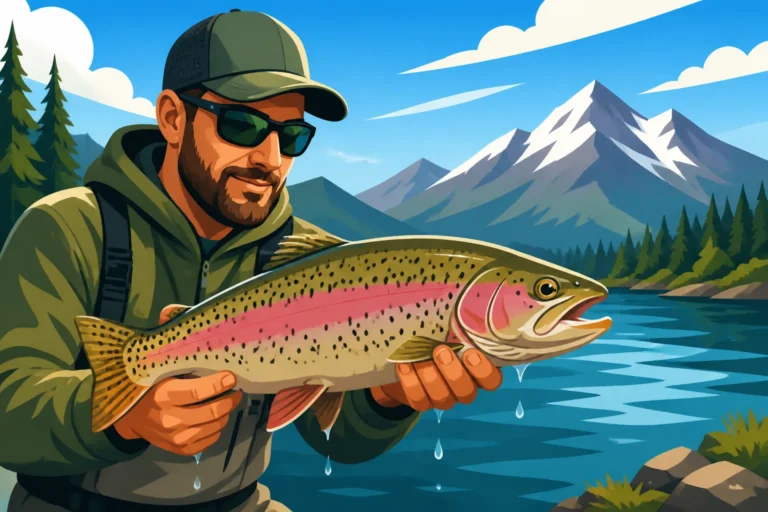
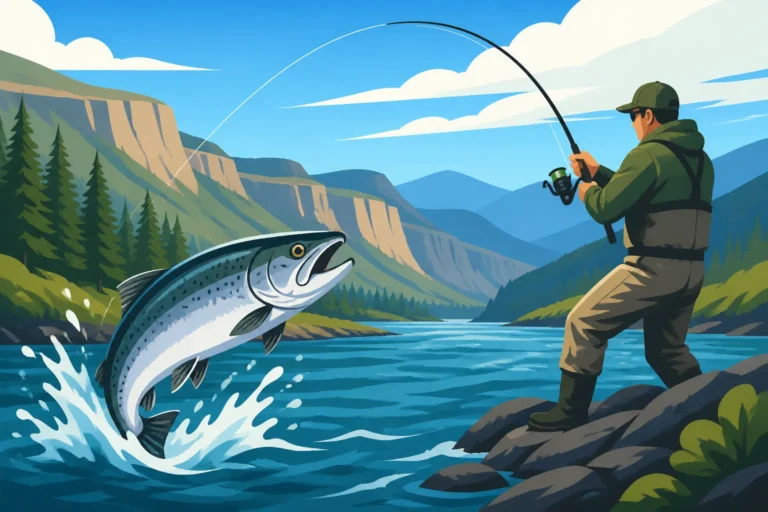
What makes Buoy 10 such a magnet for anglers? It's simple: opportunity. This is where the vast majority of the Columbia River's returning Chinook (King salmon) and Coho (Silver salmon) first re-enter freshwater. They've been out in the ocean, feeding and growing, and now they're funneling into a relatively narrow stretch of water before dispersing upriver. This concentration of fish means that, when the run is strong, the fishing can be absolutely phenomenal.
Imagine it: fresh, powerful salmon, often still sea-lice laden, hitting your bait or lure with incredible force. For many, it's the first real chance to target these prized fish after a long wait. The season typically kicks off in early August and can run through Labor Day, sometimes longer depending on the run strength and regulations. The promise of filling a cooler with some of the best-eating salmon on the planet is a powerful draw, leading anglers from all over Washington, Oregon, and beyond to converge on this famous stretch of water. It's a thrill that very few other fisheries can match, and that's precisely why so many people are willing to brave the crowds. For those keen to understand the nuances of salmon runs, our guide on Washington Fishing Seasons: A Month-by-Month Guide offers a broader perspective.
The Sheer Volume of Returning Salmon
Beyond the excitement of early season fishing, the actual number of salmon migrating through the Buoy 10 area is staggering. The Columbia River system is one of the largest salmon-producing rivers in the world, with countless tributaries in both Washington and Oregon. Every single one of those hatchery and wild fish that matured in the ocean has to pass through this relatively small gateway.
When a forecast predicts a strong return of Chinook or Coho, the buzz among anglers becomes almost palpable. Everyone wants a piece of the action, and who can blame them? The potential for high catch rates—sometimes even limits for multiple anglers in a boat—is a powerful motivator. This funneling effect, combined with the anticipation of a good run, naturally leads to an unprecedented concentration of fishing effort. It’s a classic supply and demand scenario: high supply of fish in a confined area creates immense demand from anglers, leading directly to the crowding we're discussing.
The Reality of Crowds: What to Expect on the Water
So, you've heard the hype, you've seen the photos, and you're ready to experience Buoy 10. But what does the term "crowded" actually mean when you're out there on the water? It's often more intense than first-timers anticipate.
Boats, Boats, Everywhere: Navigating the Chaos
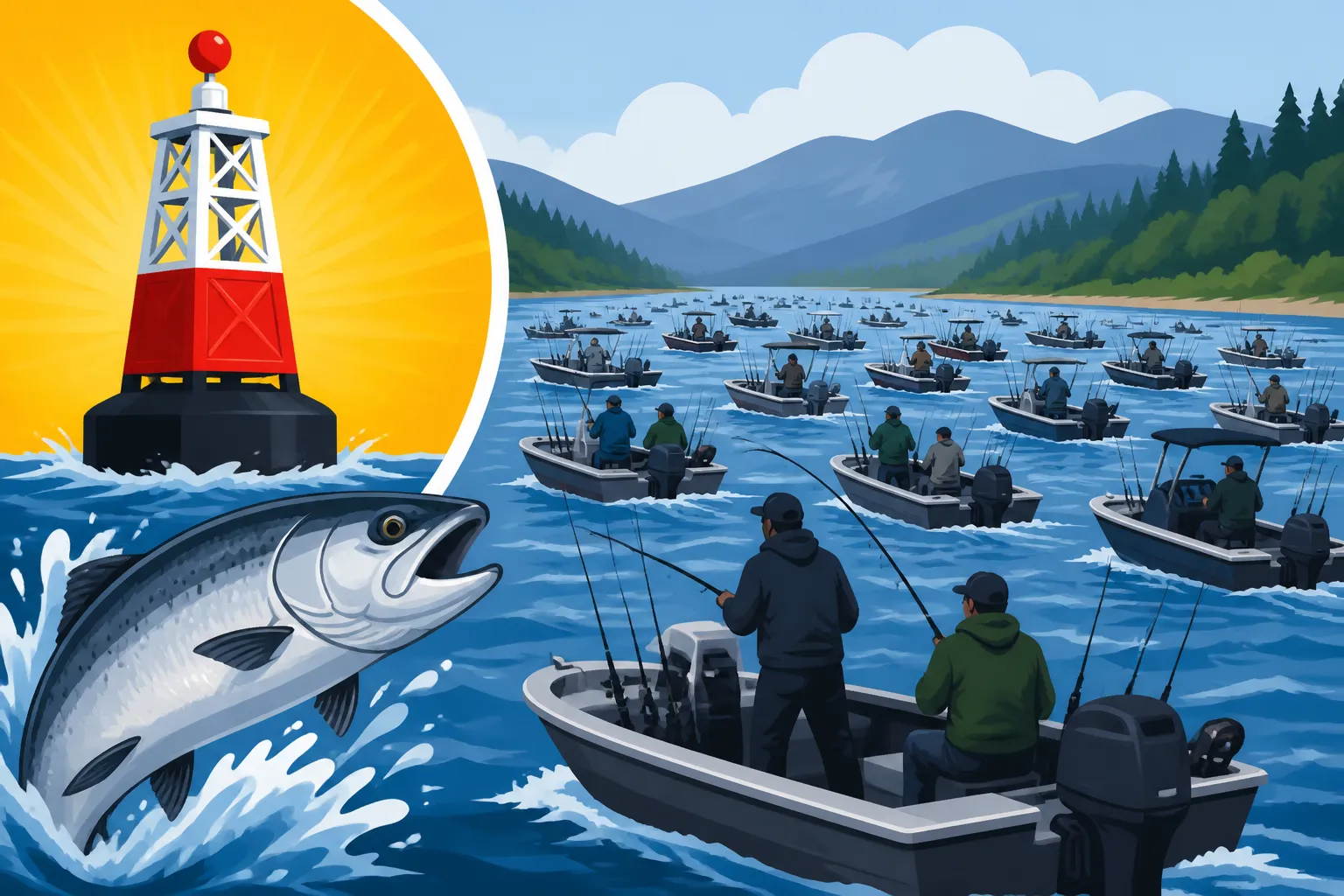
When the Buoy 10 fishery is in full swing, especially on a prime tide during a weekend, the scene can only be described as a floating city. You'll see hundreds, sometimes thousands, of boats ranging from small aluminum skiffs to large ocean-going vessels, all jockeying for position. Imagine a freeway at rush hour, but instead of lanes, you have unseen fishing lines, and instead of clear directions, you have everyone trying to do their own thing.
The challenges are manifold. First, there's simply finding a spot. Many boats arrive pre-dawn to secure a coveted piece of water. Once the sun rises, the river can look like a patchwork quilt of boats. Then comes the actual fishing. Drifting techniques are common, meaning everyone is slowly moving downriver, often side-by-side. Maintaining proper spacing, avoiding tangles with other boats' lines, and navigating wakes from passing vessels (including commercial traffic) requires constant vigilance. It’s a high-stress environment that demands excellent boat handling skills and a thick skin. Even getting to the prime fishing areas like the "Graveyard" or the "Church" can be an exercise in patience. For more on general boat rules, our guide on Fishing From Boats vs Banks: Different Rules can provide helpful context.
The Impact on Fishing Strategy and Success
The sheer number of boats doesn't just make for a crowded visual; it significantly impacts how you fish and your chances of success. When you're trolling or drifting, you need room to maneuver, to adjust your speed, and to follow the contours of the bottom where fish might be holding. In a crowded environment, that freedom is severely limited.
You'll find yourself constantly having to adjust your drift, pull in lines to avoid tangles, or even change your fishing location entirely if a particular spot becomes too congested. Trolling speeds become dictated by the boats around you, rather than what might be most effective for the fish. Noise from multiple engines and the constant movement of boats can also spook fish, pushing them into less accessible areas. While many fish do get caught, it’s often a testament to the abundance of salmon rather than an easy fishing experience. The constant risk of getting tangled with another boat's lines, especially when a big fish hits, is a common source of frustration.
Shore-Based Angling at Buoy 10: Is It an Escape?
For those without a boat, or who prefer a calmer experience, the idea of shore fishing might seem like a natural way to escape the boat crowds at Buoy 10. Unfortunately, due to the unique nature and location of this fishery, shore-based angling isn't really a viable alternative for most of the prime action.
The mouth of the Columbia River is vast and dynamic, with strong currents and deep channels that are difficult, if not impossible, to reach from the bank. Most of the effective fishing happens further out in the main channel. While there might be a few isolated spots near jetties or certain beaches, these locations are generally limited, heavily utilized, and often don't provide access to the concentrations of fish that boat anglers target. So, while you might avoid the boat-to-boat chaos, you’ll likely find the shore access points equally crowded with limited success, or simply won't be able to reach the fish. Buoy 10 is predominantly a boat fishery, and the best way to experience it is by getting out on the water.
Peak Times and Factors Influencing Crowding
Understanding when Buoy 10 gets crowded is just as important as knowing that it gets crowded. Certain days and specific tidal conditions are notorious for drawing the absolute maximum number of anglers.
Weekend Warriors vs. Weekday Opportunities
This might seem like an obvious point, but it bears repeating with emphasis: weekends are significantly more crowded than weekdays at Buoy 10. The vast majority of recreational anglers have jobs that keep them off the water during the week, so when Saturday and Sunday roll around, everyone rushes to get their fix. This phenomenon is particularly acute during the peak of the Chinook run in August and leading up to the Labor Day holiday.
If your schedule allows for it, fishing on a Tuesday, Wednesday, or Thursday can offer a markedly different experience. While still busy, you'll generally find more elbow room, less competition for prime drifts, and a slightly more relaxed atmosphere. Even taking one weekday off can drastically improve your enjoyment, as it often means less time spent dodging other boats and more time focused on fishing. Planning your trip around weekdays is perhaps the single most effective strategy for mitigating the crowd factor at Buoy 10.
Tidal Swings and Prime Fishing Windows
Beyond the day of the week, the tides play a monumental role in determining where and when fish—and therefore boats—congregate. At Buoy 10, the outgoing tide is often considered the "money tide" for salmon. As the massive volume of freshwater from the Columbia River rushes out to meet the Pacific Ocean, it creates distinct current seams and concentrations of baitfish that salmon absolutely love. This is when the fishing often turns on, and it's also when the fleet of boats reaches its maximum density.
Experienced anglers often plan their entire trip around hitting these specific outgoing tidal windows. You'll witness a dramatic increase in boat traffic in the hours leading up to and during the peak outgoing tide. It's like an aquatic rush hour, with boats jostling for position to get the best drift. Conversely, fishing during the incoming tide or around slack tide can sometimes offer more solitude, but often with reduced catch rates, especially for Chinook. Understanding and timing your trip with the tides is crucial, not just for catching fish but also for predicting and managing your expectations regarding crowds.
Salmon Run Strength and Forecasts
The projected strength of the salmon run is another huge factor in how crowded Buoy 10 gets. Every year, the Washington Department of Fish and Wildlife (WDFW) and Oregon Department of Fish and Wildlife (ODFW) collaborate to release forecasts for returning salmon. These forecasts, based on jacks and other data from previous years, are eagerly anticipated by anglers.
When the forecast predicts a robust return of Chinook or Coho, the enthusiasm skyrockets, and so does the number of boats planning to hit Buoy 10. A strong forecast means more people believe their chances of catching fish are higher, which acts as a powerful incentive to join the fray. Conversely, a weaker forecast might deter some anglers, leading to slightly less crowded conditions, though still busy. Keeping an eye on these official forecasts, often available through WDFW's website or reputable fishing forums, can give you a heads-up on what to expect. Knowing the Washington Sport Fishing Seasons and Emergency Closures is also critical, as closures can shift pressure to other open areas like Buoy 10.
Strategies for Dealing with Buoy 10 Crowds
Okay, so we know Buoy 10 gets crowded. That's a fact. But knowing is half the battle! There are absolutely ways to make your experience more enjoyable, even when you're sharing the river with a small armada of fellow anglers. It’s all about strategy, timing, and a bit of a mindset shift.
Timing Your Trip for Sanity
As we've touched upon, your best bet for avoiding the most intense crowds is to hit the water during the week. If you have the flexibility, prioritize weekdays, especially Tuesdays, Wednesdays, and Thursdays. Even a Monday or Friday will likely be less congested than a Saturday or Sunday, particularly during the peak of the season.
Beyond the day of the week, consider fishing outside the absolute prime tidal windows if your goal is more solitude. While the outgoing tide might offer the hottest bite, fishing the last couple of hours of the incoming tide or even a few hours into the outgoing tide (after the initial "mad dash") can sometimes yield decent results with fewer boats breathing down your neck. You might not fill your limit as quickly, but the trade-off in peace and quiet might be well worth it. Also, consider the very beginning or end of the overall Buoy 10 season. The first few days might be crazy with anticipation, but the very last week, as fish move further upriver and some anglers have already had their fill, can sometimes be a bit calmer. Our Washington Fishing Seasons: A Month-by-Month Guide provides a broader view of seasonal shifts.
Hiring a Professional Guide
One of the absolute best ways to navigate the chaos of Buoy 10, especially if you’re new to the fishery or want to maximize your chances of success without the stress, is to hire a professional fishing guide. These seasoned pros live and breathe the Columbia River. They know the subtle nuances of the tides, the preferred holding spots for fish, and perhaps most importantly, how to expertly weave through the crowded waters.
A good guide will have the right gear, the latest intelligence on where the fish are biting, and the experience to keep your lines clear and your boat safe amidst hundreds of others. They can put you on fish when you might struggle to do so on your own, and their local knowledge is invaluable. Think of it as having a personal escort through the aquatic traffic jam, ensuring you get to the destination (fish!) safely and efficiently. Booking platforms like FishingBooker are excellent resources for finding reputable, licensed guides operating out of ports like Ilwaco or Astoria, right at the mouth of the Columbia. They provide reviews and detailed information, making it easy to choose the right fit for your group. A guide also typically handles all the intricate details of How to Fill Out a Washington Catch Record Card and ensures you're compliant with all regulations.
Alternative Fishing Areas or Times
While Buoy 10 is fantastic, it's not the only game in town, nor is it the only place to catch Columbia River salmon. If the thought of the crowds is truly overwhelming, consider shifting your focus slightly upriver. As the season progresses, salmon move further upstream into various tributaries and mainstem Columbia River sections. Places like the Cowlitz River, Lewis River, or even the mainstem Columbia above Longview, can offer excellent fishing opportunities with considerably less intense crowding than Buoy 10 itself. These fisheries often have different tactics, such as Plunking for Salmon on Washington Rivers or jigging, which can be just as exciting.
Additionally, consider other Washington fisheries that might be hitting their stride during the same August/September timeframe. Puget Sound, for instance, has its own excellent salmon runs, including Chinook and Coho. While popular, these areas (like Marine Areas 9 or 10) often spread out the pressure more than the single choke point of Buoy 10. Our guide on Washington's Puget Sound Fishing Spots for Salmon and Bottomfish can provide some great alternatives. Sometimes, simply expanding your horizons beyond the most famous spot can lead to a more peaceful and equally rewarding fishing experience.
Embracing the Experience and Practicing Patience
Ultimately, a significant part of enjoying Buoy 10, despite the crowds, comes down to your mindset. If you go in expecting serene solitude, you're likely to be disappointed. However, if you embrace it for what it is—a bustling, high-energy, and often highly productive fishery—you can have an incredible time.
Practice extreme patience and good boat etiquette. Give other anglers room when possible, communicate clearly if you need to pass or change direction, and understand that tangles can happen. A courteous apology and a helping hand go a long way. Have a sense of humor about the chaos. Share in the excitement when a neighboring boat hooks up, and celebrate your own catches with enthusiasm. Recognize that everyone out there is chasing the same dream, and a shared passion can often turn strangers into friends, even amidst the busiest conditions. Bring plenty of snacks, drinks, and layered clothing, as you might be out there for a while.
Buoy 10 Crowding Levels at a Glance
To help you visualize the intensity of the crowds, here’s a quick overview of what to expect based on typical conditions. Remember, these are general guidelines, and any strong salmon forecast or emergency rule change can impact actual crowding.
| Day/Tide Factor | Expected Crowding Level | Notes |
|---|---|---|
| Weekday (Tue-Thu) | Moderate to Heavy | Still busy, but noticeably less congested than weekends. More room to maneuver and fish. |
| Weekend (Fri-Mon) | Very Heavy to Extreme | Peak crowding. Hundreds to thousands of boats. Expect tight quarters, competition for drifts, and significant boat traffic. Includes holidays like Labor Day. |
| Peak Outgoing Tide | Very Heavy to Extreme | The absolute busiest window. Everyone wants to be on the water for this prime bite. Can feel like a boat parade. |
| Slack Tide/Incoming Tide | Moderate to Heavy | Less crowded than outgoing tide, but still active, especially during weekends. May offer more solitude, but often slower fishing. |
| Strong Salmon Forecast | Increases Crowding | Higher angler participation across the board, regardless of day or tide. Everyone anticipates a banner year. |
| Weak Salmon Forecast | Slightly Less Crowded | Some anglers may opt out, but core enthusiasts still show up. Don't expect "empty" water, just a bit more breathing room. |
| Early Season (Aug 1-10) | Heavy | Initial rush of excitement, but may not be as concentrated as peak if runs haven't fully arrived. Still busy on weekends. |
| Peak Season (Aug 15 – Labor Day) | Extreme | The most intense period. Expect maximum crowds, especially on outgoing tides and weekends. Plan accordingly or seek alternatives. |
| Late Season (Post-Labor Day) | Heavy to Moderate | Crowds thin out somewhat as some anglers head home or fish upriver. Still good fishing, but often more manageable, especially on weekdays. |
Keep this table in mind when planning your adventure to Buoy 10. Knowing what to expect is the first step in enjoying this incredible, albeit busy, fishery.
Disclaimer
Please be aware that fishing regulations, seasons, and forecasts can change rapidly. Always consult the official Washington Department of Fish and Wildlife (WDFW) regulations and emergency rule changes before heading out on any fishing trip. This guide is for informational purposes only and does not substitute for official regulations.