Is There a Boat Launch at Ross Lake?
Oh, Ross Lake! What a stunning, pristine gem nestled deep in the North Cascades. It's the kind of place that calls to every angler's soul, but let's be honest, figuring out how to get your boat onto that beautiful water can feel like solving a complex puzzle. Many folks dream of casting a line in its turquoise depths but get utterly stumped by the logistics of access. This guide is here to untangle all that for you, explaining exactly how boat access works on Ross Lake so you can plan your unforgettable fishing adventure with confidence.
Understanding Ross Lake's Unique Access Challenges
Ross Lake isn't your typical drive-up, launch-your-boat-and-go kind of fishing destination, and that's precisely what makes it so special – and, yes, a bit challenging. Its remote location and the very specific way it was developed mean you can't just hook up your trailer and drive to a conventional boat ramp.
The Remote Nature of Ross Lake
This magnificent lake is a reservoir, part of the Skagit River Hydroelectric Project, tucked away in the heart of the North Cascades National Park Service Complex. This isn't just a state park; it's a vast wilderness area, managed with a strong emphasis on preservation and minimal human impact. When you're thinking about a fishing trip here, you're not planning a casual afternoon outing; you're planning an expedition into some truly wild country.
The sheer remoteness means that infrastructure, like paved roads leading directly to the water's edge, simply doesn't exist for most of its shoreline. This isolation contributes to the lake's incredible beauty and the feeling of stepping back in time, but it also dictates the unique access methods you'll need to employ. It’s part of the charm, but also the puzzle.
Why Direct Road Access is Limited
The primary reason for the lack of direct road access is the rugged, mountainous terrain surrounding the lake. The steep slopes, dense forests, and the very nature of the deep valley carved by the Skagit River make building roads right to the water's edge an engineering nightmare and an environmental disruption. Most access points, therefore, rely on water-based transportation or lengthy hikes.
Furthermore, being within a national park service area means strict regulations are in place to protect the delicate ecosystem. Road construction is carefully limited to preserve wilderness character and wildlife habitats. This means no sprawling parking lots or easy boat ramps like you might find at more developed lakes. These protective measures are precisely why the fishing and scenery are so exceptional, but they do require a more thoughtful approach to getting there.
Implications for Anglers and Boaters
For those of us eager to fish, these access limitations mean careful planning is paramount. You can't just decide on a whim to head out to Ross Lake with your boat. It requires advance reservations, understanding a multi-step process, and a commitment to a more involved journey. This isn't necessarily a bad thing; in fact, it often filters out casual visitors, leaving the lake less crowded and maintaining its pristine quality.
However, it also means you need to be realistic about what kind of boat you can bring and how much effort you're willing to put in. If you're looking for an easy, conventional boat launch, Ross Lake might not be your first choice. But if you're seeking a wilderness experience with incredible fishing for species like Rainbow Trout Fishing in Washington and the elusive Dolly Varden, then the unique access system is simply part of the adventure.
The Primary Boat Launch Experience: Ross Lake Resort and the Portages
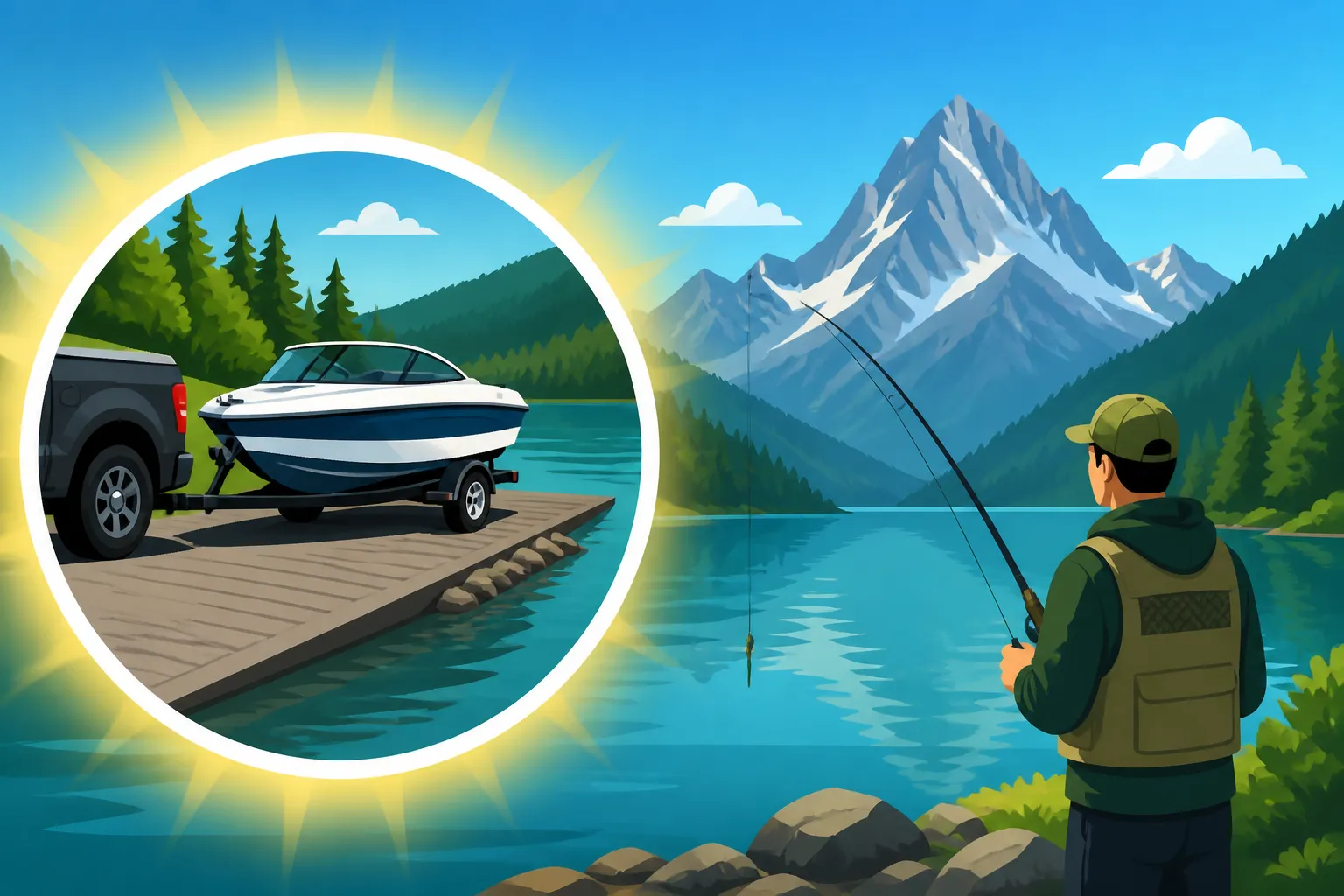
When it comes to getting a boat onto Ross Lake, there’s one main, established method that most anglers rely on: the unique services provided by Ross Lake Resort. This isn't a conventional launch ramp, but rather a multi-stage portage system that's been in operation for decades.
The Essential Role of Ross Lake Resort
Ross Lake Resort is nestled directly on Ross Lake itself, but even getting there is part of the adventure. The resort is the hub for all boat activity on the lake, primarily because they operate the vital portage system that makes launching boats possible. They literally move boats between two separate lakes and across land.
For many, staying at the resort in one of their charming floating cabins is part of the full Ross Lake experience, but even if you're just planning a day trip or camping elsewhere on the lake, you'll likely interact with their portage service. They are the gatekeepers and facilitators of motorized boat access, offering boat rentals as well as the crucial transportation for private vessels.
The Logistics of the Diablo Lake Portage
This is where the rubber meets the road—or, more accurately, where your boat meets a series of transfers. The journey to get your boat onto Ross Lake typically begins at Diablo Lake, which is accessible via Highway 20, the North Cascades Highway.
Here's a step-by-step breakdown of how the portage usually works:
- Arrival at Diablo Lake: You'll drive to the Diablo Lake ferry landing or the public boat ramp on Diablo Lake. This is your first major waypoint. You’ll need to make sure your vehicle and trailer are parked appropriately.
- Diablo Lake Crossing: From Diablo Lake, you (and your boat, if it's your private vessel) will need to cross Diablo Lake. The Ross Lake Resort operates a shuttle boat for passengers and a separate barge-like vessel for transporting private boats across Diablo Lake to the base of the portage. This usually involves a roughly 20-minute boat ride.
- The Truck Portage: Once you reach the east side of Diablo Lake, there's a short, unpaved road that connects Diablo Lake to Ross Lake. This is where the magic happens. The resort uses a specialized truck and trailer system to physically haul your boat overland from Diablo Lake to the Ross Lake launching area. This "portage" is about 1.5 miles long and involves a significant elevation change.
- Launching on Ross Lake: After the truck portage, your boat is then gently launched into Ross Lake. From there, you're free to explore the vast expanse of Ross Lake.
It’s a memorable, albeit somewhat involved, process. Imagine your boat, riding on a trailer through the forest, then splashing down into another lake – it's definitely a unique story to tell!
Planning Your Portage and Boat Rental
Successful boat access to Ross Lake hinges on making advance reservations with Ross Lake Resort. This is not something you can just show up and expect to do, especially during peak season.
- For Private Boats: If you're bringing your own boat, you'll need to arrange your portage reservation well in advance. They have specific times for these transfers, and space is limited. Be prepared to provide details about your boat's size and type. It's a good idea to confirm all the specifics directly with the resort when booking.
- For Resort Boat Rentals: If the portage sounds like too much hassle or you don't own a suitable boat, the resort offers a fleet of rental boats, including skiffs, canoes, and kayaks. This is often the simplest way to get on the water. You simply make your reservation, take the passenger shuttle across Diablo Lake, and your rental boat will be waiting for you at the resort's dock on Ross Lake. This bypasses the need to transport your own vessel entirely.
It's also worth noting that all boats, private or rental, must undergo an aquatic invasive species inspection by the National Park Service before being launched. This is a critical step to protect the pristine waters of Ross Lake and prevent the spread of harmful non-native species.
| Feature | Bringing Your Own Boat (via Portage) | Renting a Boat from Ross Lake Resort |
|---|---|---|
| Effort/Logistics | High (Multi-step transfer, coordination) | Low (Passenger shuttle, boat waiting) |
| Cost | Portage fees, fuel, your boat maintenance | Rental fees, fuel |
| Flexibility | Use your familiar gear, specific boat type | Limited to resort's fleet |
| Advance Booking | Essential, especially for portage slots | Essential, especially for peak season |
| Pre-Requisites | Invasive species inspection, secure trailering | Invasive species inspection (handled by resort for their boats) |
| Ideal For | Anglers with specific boat needs, multi-day trips | Day trips, lighter tackle, convenience |
Remember, prices and specific procedures can change, so always check the official Ross Lake Resort website or contact them directly for the most current information. This ensures your trip is smooth and worry-free.
Alternative Access and Considerations
While the Ross Lake Resort portage is the most common way to get a boat on the lake, it's not the only way to experience Ross Lake, though other options are considerably more challenging or restricted.
The Challenges of Self-Launching Without the Resort
Attempting to launch a boat on Ross Lake without using the Ross Lake Resort's portage service is, for all intents and purposes, nearly impossible for most motorized vessels and trailers. There are no other public boat ramps directly accessible by road. The terrain is simply too rugged, steep, and undeveloped.
While there are hiking trails that lead to various points along the lake, such as portions of the Ross Lake Trail, these are designed for foot traffic, not for hauling boats or heavy gear. Even carrying a very small, lightweight boat, like a pack raft, would involve a significant backcountry hike and considerable effort. You'd be contending with elevation changes, dense forest, and no easy access points designed for launching. For safety and practicality, relying on the established methods is highly recommended.
Smaller, Hand-Carried Craft Options
If you're an avid paddler, you might be wondering about bringing a kayak, canoe, or paddleboard. These smaller, hand-carried craft can be transported across Diablo Lake via the passenger ferry service operated by Ross Lake Resort, and then portaged (manually or with assistance, depending on size and resort policy) the short distance to Ross Lake. You would still need to make arrangements with the resort for this transfer.
The beauty of these craft is that once you're on Ross Lake, they offer an intimate way to explore its many nooks and crannies. You can access areas that larger boats might miss, and the quietness of paddling only enhances the wilderness experience. However, remember the scale of Ross Lake – it's a large body of water, and winds can pick up quickly, making long paddles challenging. Always wear a life jacket and be prepared for changing conditions. This is a great option for folks who want to fish for Cutthroat Trout in Washington's Rivers and Lakes from a different perspective.
Rules and Regulations for Boating on Ross Lake
Navigating Ross Lake isn't just about getting your boat there; it's also about adhering to the specific rules and regulations of being in a National Recreation Area. These are crucial for preserving the lake's ecological integrity and ensuring visitor safety.
- Aquatic Invasive Species (AIS) Inspections: As mentioned, this is mandatory for all vessels entering Ross Lake. This isn't just a suggestion; it's a strict requirement to prevent the introduction of species like quagga and zebra mussels, which can devastate aquatic ecosystems. You'll need to demonstrate your boat is clean, drained, and dry.
- National Park Service Regulations: Beyond WDFW (Washington Department of Fish and Wildlife) fishing rules, you must also abide by National Park Service regulations. This includes rules regarding camping, campfires, waste disposal, and wildlife interaction. Always check the official North Cascades National Park website for the latest rules.
- Permits: While a standard Washington fishing license is required for fishing (we'll dive into that in a moment), certain activities, like backcountry camping, might require additional permits from the National Park Service.
- Life Jackets and Safety Gear: Standard boating safety rules apply. Ensure you have enough US Coast Guard-approved life jackets for everyone on board, along with other essential safety gear like a throw cushion, whistle or horn, and navigation lights if operating after dark.
- Motor Restrictions: While motorized boats are allowed, be aware of any potential speed limits or no-wake zones, especially near shore or designated areas.
Understanding these regulations is part of being a responsible angler and boater in such a unique and protected environment. It ensures that Ross Lake remains a spectacular destination for generations to come.
Making Your Ross Lake Fishing Trip a Reality
So, you've decided the adventure of Ross Lake is calling your name, and you're ready to tackle the unique access challenges. Excellent! Planning is key to a rewarding and hassle-free trip.
Best Practices for Planning Your Trip
Embarking on a Ross Lake fishing trip demands a bit more forethought than heading to your local lake. Here are some best practices to ensure everything goes smoothly:
- Book Early: Whether you're reserving the boat portage service, renting a boat, or booking accommodation at Ross Lake Resort or backcountry campsites, make your reservations months in advance. Peak summer and fall dates fill up incredibly fast.
- Check All Regulations: Before you even leave home, thoroughly review the Washington Fishing Regulations Every Angler Should Know as well as the specific regulations for Ross Lake within the North Cascades National Park Service Complex. This includes fishing seasons, bag limits, and any gear restrictions. Remember, special rules apply for Dolly Varden and Bull Trout and Why You Can't Keep Them, which are often confused.
- Inspect Your Boat Thoroughly: If bringing your own vessel, perform a meticulous inspection to ensure it’s absolutely clean, drained, and dry to pass the AIS check. It's not just a formality; it's vital for the ecosystem.
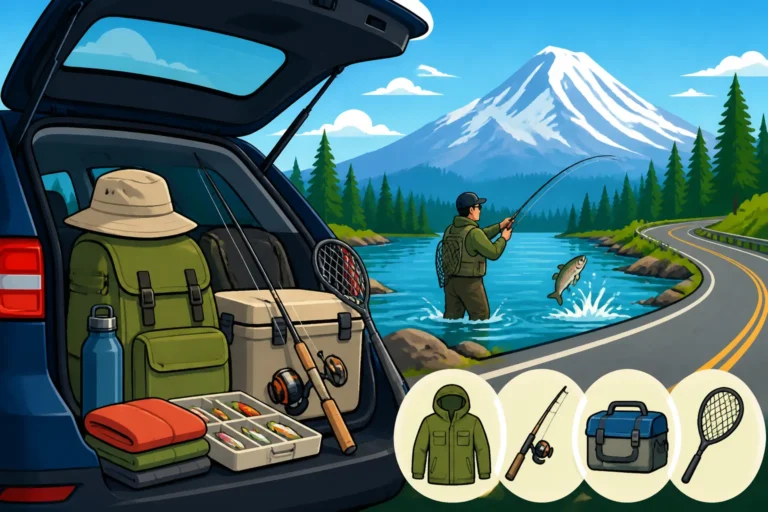
- Pack Smartly: The weather in the North Cascades can change rapidly. Pack layers, rain gear, and extra provisions. Cell service is spotty to nonexistent, so bring maps, a compass or GPS, and a satellite communication device if venturing far. Don't forget essentials like a first-aid kit, sun protection, and plenty of water.
- Obtain Your Fishing License: You'll need a valid Washington fishing license. Even if you're planning a strictly catch-and-release trip, you still need a license. Consider a freshwater combination license if you plan to fish other lakes or rivers during your Washington visit. You can purchase these online, at various vendors, or even through the MyWDFW app. Ensure you understand Carrying Your Washington Fishing License: Paper, Phone or the MyWDFW App.
What to Expect When Fishing Ross Lake
Ross Lake is renowned for its incredible populations of native Rainbow Trout and Coastal Cutthroat Trout, along with the elusive Dolly Varden (a char species often confused with bull trout). The fishing can be phenomenal, especially for those who enjoy trolling or casting with light tackle.
- Target Species: Rainbow Trout are abundant and aggressive, often willing to hit small spoons, spinners, or trolled flies. Dolly Varden are native char and are highly protected; catch-and-release rules often apply, so be sure to check current regulations. Ross Lake for Rainbow Trout and Dolly Varden offers some of the best fishing for these species in the state.
- Techniques: Trolling with small lures like Needlefish, Apex, or Wee Warts is very popular and effective. Fly fishing can also be productive, especially in calmer waters near inflows or submerged structure. Casting lures from shore, while challenging due to access, can also yield results.
- The Experience: Beyond the fishing, the scenery is simply breathtaking. Towering peaks, dense old-growth forests, and the vibrant turquoise water create an unparalleled wilderness backdrop. It's an experience that feels much more remote than its relative proximity to major cities might suggest.
When to Go and Booking Tips
The prime fishing season on Ross Lake generally runs from late spring (late May/early June, once the North Cascades Highway fully opens) through early fall (September/early October) before winter weather sets in.
- Spring/Early Summer: This is an excellent time for aggressive trout as they feed actively after the winter thaw. Water levels are typically high, and the weather is usually pleasant.
- Mid-Summer: Can be warm, but the deep, cool waters of Ross Lake mean good fishing can still be found, especially in the mornings and evenings or at deeper depths. This is also peak season for visitors.
- Fall: As temperatures cool, fishing can pick up again, and the surrounding foliage offers spectacular colors. Crowds tend to thin out after Labor Day. Always consult Washington Sport Fishing Seasons and Emergency Closures to ensure your desired dates are open.
For general trip planning or if Ross Lake seems a bit too complex for your first Washington fishing trip, resources like FishingBooker can be incredibly helpful for finding guides or charters in more accessible areas like the Puget Sound, Columbia River, or coastal towns. While FishingBooker doesn't directly handle the unique portage system for Ross Lake, it's a fantastic tool for exploring other guided fishing opportunities across Washington State, helping you connect with experienced captains who can navigate local regulations and provide all the gear. Even for Ross Lake, understanding the overall Washington fishing landscape through such platforms can aid in broader trip planning. Remember to cross-reference any information with the official WDFW site and the National Park Service for the most accurate and up-to-date details.
Disclaimer
The information provided in this guide is for general informational purposes only and is subject to change. Fishing regulations, access procedures, and resort services can be modified by the Washington Department of Fish and Wildlife (WDFW), the National Park Service, or Ross Lake Resort at any time. Always consult the official websites of WDFW, the North Cascades National Park Service Complex, and Ross Lake Resort for the most current and accurate information before planning your trip.