Drift Boat Launches on the Cowlitz
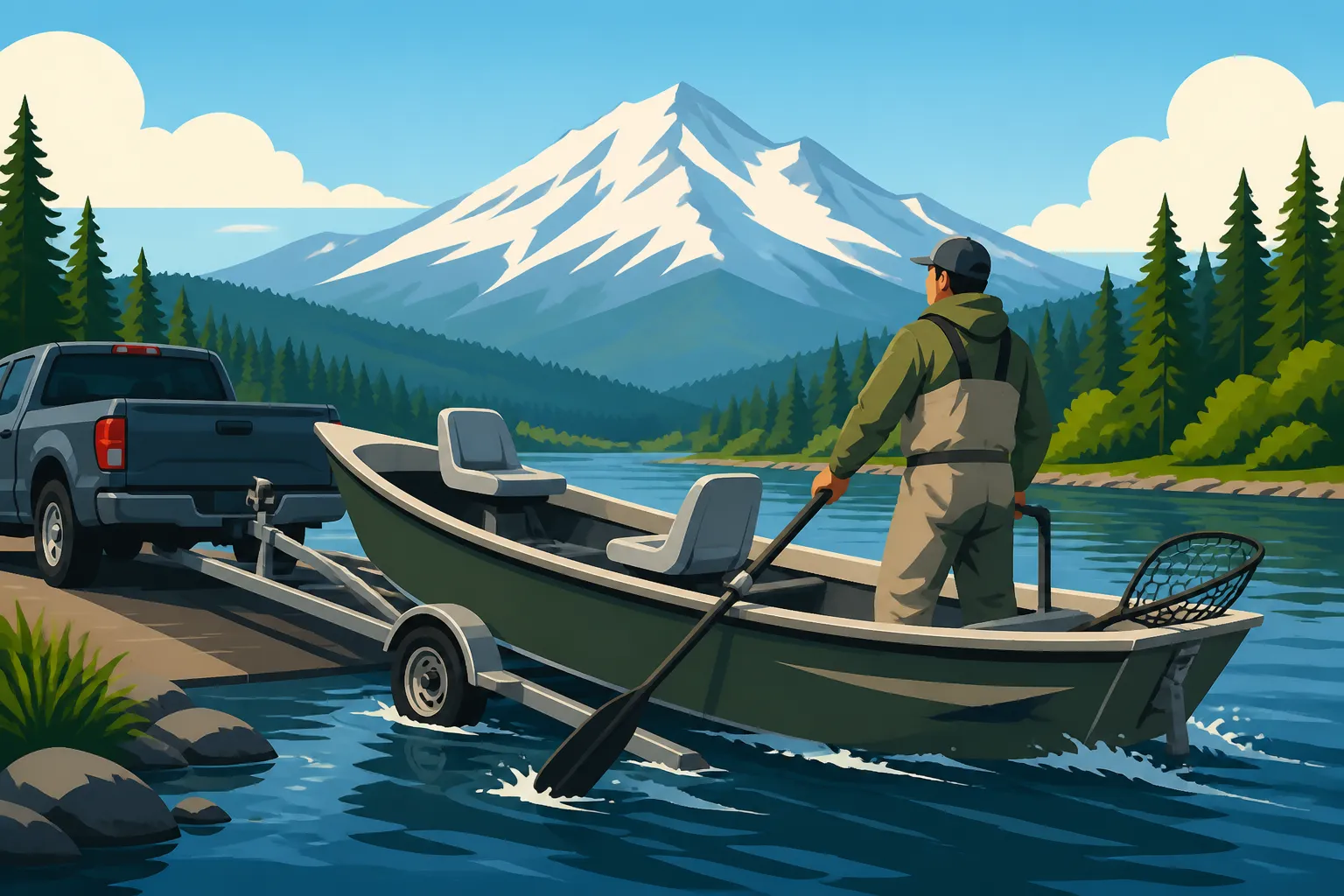
There’s nothing quite like the thrill of loading up your drift boat, the promise of steelhead or salmon on the Cowlitz River calling your name. But let's be real, half the battle, especially for us seasoned anglers, is knowing exactly where to put in and take out without a hitch. The Cowlitz can be a tricky beast with its ever-changing flows and popular spots, and nothing sours a trip faster than struggling with a sketchy launch or a packed parking lot. This guide is all about giving you the inside scoop on the best drift boat launches on the Cowlitz River, so you can spend less time stressing and more time fishing.
Why Finding the Right Drift Boat Launch on the Cowlitz Matters
We've all been there: you drive for hours, excited for a day on the water, only to pull up to a launch that's either too shallow for your boat, overcrowded, or just plain inaccessible due to river conditions. On a dynamic river like the Cowlitz, a good launch isn't just a convenience; it's a critical component of a safe and successful fishing trip. It impacts everything from how much time you spend actually fishing to whether you even get on the water at all.
The Cowlitz River's Unique Challenges for Drift Boaters
The Cowlitz River, fed by the glacial melt of Mount Rainier and managed by several dams, presents a unique set of challenges for drift boat anglers. Water levels can fluctuate dramatically, sometimes within hours, due to releases from the Cowlitz Falls Dam and the Riffe Lake Dam (part of the Mayfield and Mossyrock projects operated by Tacoma Power). What looked like a perfectly fine gravel bar yesterday could be a raging torrent or a bone-dry patch today.
Beyond the flows, the Cowlitz is incredibly popular, especially during peak salmon and steelhead runs. This means competition for prime launch and take-out spots can be fierce. You're not just looking for a ramp; you're looking for ample parking for your truck and trailer, enough space to maneuver your boat without irritating other anglers, and safe access to the water's edge. Then there’s the river itself: snags, shallow riffles, and powerful currents in certain sections demand careful navigation. A well-chosen launch point sets you up for success, allowing you to focus on the fishing, not fighting the river or the crowds.
The Importance of Strategic Put-Ins and Take-Outs
Think of your drift boat trip like a chess game; every move, especially your entry and exit points, needs to be strategic. The Cowlitz is renowned for its specific holding water and runs, often concentrated between certain launches. If you put in too high, you might spend hours floating over unproductive water. If you take out too low, you could miss that epic run you were targeting.
Strategic planning of your put-in and take-out points directly impacts your fishing success, efficiency, and overall enjoyment. For instance, some floats are known for specific species, like the stretch below Blue Creek for winter steelhead, or particular techniques, such as the slower water near Mission Bar for back-trolling plugs for Chinook. Understanding these nuances allows you to tailor your float to your angling goals. It also lets you avoid floats that might be too long or too short for the day's conditions or your available time. Getting your Washington Fishing License Guide for Nonresidents squared away is one thing, but knowing the lay of the river is just as crucial for a smooth trip.
Key Drift Boat Launch Locations on the Cowlitz River
Let’s get down to the nitty-gritty: the actual spots where you can get your drift boat on and off the Cowlitz. These are some of the most well-known and utilized launches, each offering access to different stretches of the river with their own unique characteristics.
Barrier Dam Public Access
- Location/Directions: This is as far upstream as most drift boats typically go on the mainstem Cowlitz, just below the Barrier Dam near Salkum, Washington. You'll find it off Highway 12.
- Features: The Barrier Dam launch typically offers a concrete ramp, suitable for all types of drift boats and smaller powerboats. There's usually a decent-sized parking area for trucks and trailers, along with basic restroom facilities. This spot is managed by Tacoma Power and is generally well-maintained.
- Best Uses/Sections of River: This put-in is a favorite for those targeting spring Chinook salmon and summer steelhead. The water immediately below the dam can be a real hotspot, drawing fish that are paused before ascending the fish ladder. A common float from here is down to the Blue Creek Hatchery area, often taking a full day depending on flows and how much time you spend fishing. This upper section of the Cowlitz is known for clearer, colder water and requires careful navigation, especially during lower flows when gravel bars and snags become more prominent. It's a fantastic drift for those who love to Drift Fishing for Steelhead in Washington Rivers.
- Challenges/Considerations: This area can get incredibly crowded, especially on weekends during peak runs. Parking fills up fast, so arriving early is often essential. Water levels here are directly influenced by dam releases, so always check the Tacoma Power generation schedule and USGS stream gauges before heading out. Sometimes, extremely high or low water can make launching or even fishing this stretch challenging.
Blue Creek Public Access and Hatchery
- Location/Directions: Located a few miles downstream from the Barrier Dam, near the confluence of Blue Creek, which houses the WDFW Blue Creek Hatchery. It's easily accessible off Spencer Road from Highway 12.
- Features: Blue Creek boasts a large, well-maintained concrete launch ramp, making it very accessible for drift boats. There’s extensive parking, often divided into separate lots for trucks with trailers and those just dropping off. You’ll also find improved restroom facilities here. It’s one of the most popular access points on the entire river.
- Best Uses/Sections of River: This is arguably the hotspot on the Cowlitz for winter and summer steelhead, as well as fall Chinook and coho salmon. The hatchery releases attract a significant number of returning fish, and the stretch of river around Blue Creek offers excellent holding water. Most anglers use Blue Creek as a put-in for floats down to Mission Bar or even further, depending on their desired float time and the river conditions. The float from Barrier Dam to Blue Creek is a classic, but many also launch here for shorter drifts. It's a prime example of where the Winter vs Summer Steelhead Runs in Washington, Explained really converge.
- Challenges/Considerations: Crowds, crowds, crowds! During peak seasons, Blue Creek can feel like a small city. Expect competition for parking and ramp space. Launching smoothly and quickly, having your boat ready before backing down, is a matter of courtesy and efficiency here. During very low water periods, parts of the river below Blue Creek can become quite shallow, requiring careful navigation. Always check current Emergency Rule Changes: Why Washington's Rules Shift Mid-Season for this specific section, as it's often subject to special regulations due to the hatchery.
Toledo Boat Launch
- Location/Directions: Situated further downstream, closer to the town of Toledo, this launch is easily accessed from I-5 by taking the Toledo/Vader exit. It's usually off State Route 506.
- Features: The Toledo launch typically features a concrete ramp, suitable for drift boats and larger vessels that can navigate the Cowlitz. Parking is generally adequate, though perhaps not as expansive as Blue Creek. Basic amenities like restrooms are usually available.
- Best Uses/Sections of River: Toledo serves as a great mid-river access point. It's popular for a variety of species throughout the year, including fall Chinook, coho, and steelhead. Anglers launching here might do a shorter float down to Mission Bar or a longer one to Castle Rock. The river widens a bit in this section, offering more diverse water types from riffles to deeper holes. It's a good option if you’re looking to avoid the intense congestion of the upper river while still being in productive water. This float gives you ample opportunities to try different Bank Fishing Techniques for Washington Salmon if you decide to pull over for a bit.
- Challenges/Considerations: While less crowded than Blue Creek, Toledo can still see significant use, especially on good fishing days. The drive from major cities is a bit longer, but the trade-off is often more elbow room. Water levels are still critical here, particularly if floating further downstream into shallower sections. Always check the river conditions before committing to a long float.
Mission Bar Public Access
- Location/Directions: Located further downstream from Toledo, Mission Bar is a popular take-out for many upper and mid-river floats. It's usually accessed via South Mission Road from Highway 506 or 505.
- Features: Mission Bar often has a concrete or well-maintained gravel ramp, suitable for drift boats. The parking area can be extensive but sometimes gets quite muddy during wet weather. There might be vault toilets available.
- Best Uses/Sections of River: Mission Bar is widely used as a take-out point, completing classic floats from Barrier Dam, Blue Creek, or Toledo. It can also serve as a put-in for floats further downstream towards Castle Rock or the I-5 Bridge. This section of the river is known for its fall salmon runs, particularly coho and Chinook, as well as winter steelhead. It's a great spot to target fish that have traveled a fair distance upstream and might be resting in deeper pools. When considering your Washington Sport Fishing Seasons and Emergency Closures, you'll often find this area highlighted.
- Challenges/Considerations: Like other popular Cowlitz access points, Mission Bar can be very busy, especially during peak take-out times. The gravel parking areas can become soft and muddy, so 4×4 vehicles are often recommended, particularly in winter. Always be mindful of other users and keep the launch clear for those backing up their boats.
Here’s a quick overview of these main launch points to help you visualize:
| Launch Location | Ramp Type | Parking Facilities | Restrooms | Typical Target Species | Common Float Sections (Put-in/Take-out) | Key Considerations |
|---|---|---|---|---|---|---|
| Barrier Dam | Concrete | Ample (can fill) | Yes | Spring Chinook, Summer Steelhead | Put-in for Blue Creek, Mission Bar | Heavily dam-controlled flows, very crowded in spring |
| Blue Creek Hatchery | Concrete | Extensive | Yes | Winter Steelhead, Fall Salmon | Put-in for Mission Bar, Take-out for Barrier Dam | Extremely crowded, subject to specific WDFW rules |
| Toledo Boat Launch | Concrete | Adequate | Yes | Fall Salmon, Steelhead | Put-in for Mission Bar, Castle Rock | Less crowded than upper river, good for mid-river floats |
| Mission Bar | Concrete/Gravel | Extensive (can be muddy) | Yes | Fall Salmon, Winter Steelhead | Take-out for Blue Creek/Toledo, Put-in for Castle Rock/I-5 Bridge | Popular take-out, can be muddy, 4×4 often useful |
Navigating the Cowlitz: Understanding Flows and Conditions
Fishing the Cowlitz isn't just about picking a spot; it's about understanding the river's pulse. The flows are everything, dictating everything from where the fish hold to how safe and enjoyable your drift will be.
How Water Levels Impact Launch Selection and Safety
The Cowlitz River is heavily influenced by the upstream dams. Tacoma Power operates these facilities, and their power generation schedules directly affect the river’s height and current. This means that a river that looked perfect at 6 AM could be dangerously high or frustratingly low by noon.
Before every trip, you must check the current river conditions. The Washington Department of Fish and Wildlife (WDFW) website often provides reports, but the most accurate real-time data comes from USGS stream gauges, specifically the ones for the Cowlitz River at Castle Rock or near Mayfield Dam. Additionally, Tacoma Power provides daily and hourly generation forecasts for the Mayfield and Mossyrock dams. A quick search for "Tacoma Power Cowlitz River flows" will get you to their page.
- High Water (above 10,000 cfs at Castle Rock): Launches can become submerged, making it impossible to put in or take out safely. The current can be incredibly strong, making rowing difficult and dangerous, especially for less experienced drift boaters. Fish tend to tuck into slower pockets and eddies.
- Moderate Water (4,000-8,000 cfs): Often considered ideal for drift boating. Launches are generally accessible, and the current provides a good drift speed without being overwhelming. Fish are more spread out and willing to chase.
- Low Water (below 3,000 cfs): Gravel bars and submerged hazards become exposed, making navigation tricky. Launches might have steep drop-offs or require long pushes to reach sufficient water. Fish tend to concentrate in deeper pools, but getting to them without spooking can be challenging.
Ignoring flow conditions isn't just inconvenient; it can be downright dangerous. Always err on the side of caution. It's better to cancel a trip and wait for better conditions than to risk your boat, your gear, or your life. A quick check will help you assess what kind of water you're going to encounter, helping you choose the best put-in and take-out for a successful day. Knowing Where to Find Current Washington Fishing Rules might also involve checking river conditions, as certain rules or closures can be triggered by flow levels.
Seasonal Considerations for Drift Boat Anglers
The Cowlitz is a year-round fishery, but each season brings its own flavor and challenges, impacting how you approach your drift boat trip.
- Winter Steelhead (December-March): This is prime time for many drift boaters. Water levels tend to be higher and colder. Launches can be icy or muddy, and you'll often face brisk temperatures. The fishing can be phenomenal, but you need to be prepared for the elements. Expect crowds at popular launches like Blue Creek.
- Spring Chinook Salmon (April-June): As temperatures warm, spring Chinook make their push. Water levels might still be moderate to high, but less prone to extreme winter surges. Launches are typically more accessible, but expect fierce competition, especially at Barrier Dam. This is When Chinook Salmon Run in Washington's Puget Sound is a hot topic, with the Cowlitz being a major contributor to regional fisheries.
- Summer Steelhead (June-September): Lower, clearer, and warmer water characterizes the summer months. Launches are easy to access, but exposed gravel bars can create navigational hazards. Fish are often found in cooler, deeper pools or riffles with good oxygen. Crowds can still be significant, particularly on weekends.
- Fall Salmon (August-November): Fall brings a mix of Chinook, coho, and chum salmon. Water levels can vary from low and clear in early fall to higher and murkier as the rains begin. Launches are generally good, but the river can see heavy use from a variety of anglers. This is when understanding Possession Limits vs Daily Limits in Washington becomes critical, as different species might have different regulations.
Each season demands a different approach to launch selection, gear, and fishing techniques. A launch that's perfect in summer might be impossible in winter, and vice versa.
Essential Gear and Best Practices for Cowlitz Drift Boating
Getting your boat on the water is just the first step. To truly enjoy your Cowlitz River drift, you need to be prepared with the right gear and mindful of best practices, especially on such a popular waterway.
What to Bring: Beyond Your Fishing Rod
While your rods, reels, and tackle are obviously essential, a drift boat trip on the Cowlitz demands a comprehensive approach to gear. Safety, comfort, and preparedness are paramount.
- Safety Gear: This is non-negotiable. Every person in the boat needs a properly fitting Personal Flotation Device (PFD). You should also carry a throw bag with rescue rope, a spare oar (even for motor-powered drift boats), a first-aid kit, a whistle, and a bailing device. A fully charged cell phone (in a waterproof case) or a satellite communication device is crucial for emergencies, especially in areas with spotty cell service.
- Boat Maintenance & Repair: Even the best drift boats can encounter issues. Carry an air pump and patch kit if you have an inflatable boat. For hard-sided boats, a small repair kit with duct tape, zip ties, and basic tools can save a trip. Make sure your boat’s drain plug is secure before you launch – a classic mistake we’ve all seen!
- Navigation & Communication: While the Cowlitz is relatively straightforward, having a river map (waterproof is best) can help identify good fishing runs, hazards, and alternative take-out points. A small GPS unit or a reliable fishing app on your phone can aid navigation and help you mark productive spots.
- Personal Comfort: The weather in Washington can change rapidly. Dress in layers, bringing waterproof outer shells, warm hats, and gloves, even on seemingly mild days. Pack plenty of water, snacks, and a hot thermos of coffee or soup for colder days. Sunscreen and sunglasses are essential year-round. Don't forget a cooler with ice for your catch! These details are part of a thorough What to Check Before Every Washington Fishing Trip.
Etiquette and Safety on a Busy River
The Cowlitz is shared by many, from drift boaters and bank anglers to kayakers and rafters. Practicing good etiquette ensures everyone has a positive experience.
- Respect Other Anglers: This is huge. If you're drifting down and see someone already fishing a run, give them ample space. Don't cut in front of them or cast over their lines. If you're fishing from the bank, don't hog prime spots, and be mindful of passing boats. A simple nod or wave goes a long way.
- Launch Ramp Manners: The launch can be a high-stress area. Have your boat fully prepped (lines untangled, rods ready, PFDs out) before you back down the ramp. Launch quickly and efficiently, then move your vehicle and trailer out of the way immediately. The same goes for taking out: be ready to load up swiftly.
- Floating Responsibly: Maintain control of your boat at all times. Give plenty of space to other boats, especially if they are actively fishing a run. Don't crowd fish, and avoid making excessive noise or splashing that could spook fish for yourself or others. If you see a snagged fish, offer help if it's safe to do so.
- Environmental Considerations: The "Leave No Trace" principles are vital. Pack out everything you pack in, and perhaps even a little more. Dispose of fishing line responsibly (it's deadly to wildlife). Be mindful of sensitive riparian areas and avoid disturbing wildlife. And always remember to fill out your The Washington Catch Record Card and What It Requires accurately for any salmon or steelhead you keep.
Navigating the Cowlitz in a drift boat is an incredible experience, offering access to some of Washington's most vibrant fisheries. By understanding the launches, the river's flows, and how to operate safely and courteously, you're set for many memorable days on the water.
Disclaimer
Please remember that fishing regulations, river conditions, and launch access can change frequently. Always consult the official Washington Department of Fish and Wildlife (WDFW) regulations pamphlet or their website, as well as real-time river flow data from sources like USGS and Tacoma Power, before planning any fishing trip. This article is intended for informational purposes only and does not substitute for official regulations or professional guidance. Stay safe and fish responsibly!