Back-Bouncing Roe for Steelhead in Washington
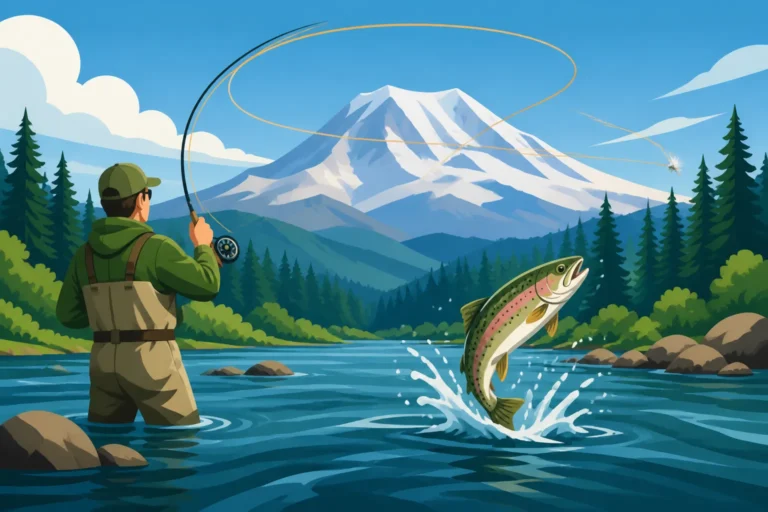
Many Washington steelhead anglers know the unique frustration of watching their perfectly presented bait drift by, untouched, in those fast, cold, unforgiving rivers. It's a common challenge to get your offering precisely where those elusive steelhead are holding, especially when currents are ripping, or the water is high and murky. This comprehensive guide will walk you through everything you need to know about back-bouncing roe for steelhead in Washington, a highly effective and time-tested technique that puts your bait right in the strike zone, dramatically increasing your chances of that thrilling, arm-jolting hook-up.
Understanding Back-Bouncing and Its Effectiveness for Steelhead
Back-bouncing is more than just a fishing technique; it's a strategic dance with the river current, a method designed to present bait as naturally as possible in areas where steelhead are known to hold. For years, anglers on rivers like the Cowlitz, Kalama, and Skykomish have relied on this approach, especially during the challenging winter steelhead runs when fish are often tucked into slower seams or behind structure. It’s about control, finesse, and understanding the subtle language of the river, ensuring your roe doesn’t just blow by, but rather tumbles along the bottom right into a waiting steelhead’s face.
The Mechanics of the Controlled Drift
At its heart, back-bouncing is a controlled, upstream-to-downstream drift where a heavy lead weight, or "bouncer," maintains bottom contact, while a short leader with your bait tumbles naturally behind it. Unlike traditional drift fishing where your weight is meant to roll or skip, back-bouncing involves lifting and dropping your weight rhythmically, just enough to feel it tap the bottom without dragging. This "bounce" prevents snags while allowing your bait to remain in the most productive zone, often where steelhead are resting or actively feeding. It’s a painstaking process, requiring constant attention to your line and the feel of the bottom, but the reward is often a solid strike when other methods fail.
The key to this controlled drift is minimizing line belly and keeping your rod tip high, directly over your line's entry point into the water. As your boat or position on the bank slowly moves downstream, or as you allow a tiny bit of line out, you're constantly feeling for that bottom contact. The rhythmic lift and drop isn't a huge jerk; it’s a gentle, controlled motion that keeps your weight just off the snags but always in touch with the riverbed. This is particularly effective in Washington rivers where the bottom often consists of gravel, small rocks, and occasional larger boulders, providing ample places for steelhead to hide. If you're looking to dive deeper into broader drift fishing strategies, you might find our guide on Drift Fishing for Steelhead in Washington Rivers quite helpful, as it covers the foundational principles of getting your bait down.
Why Roe is an Irresistible Offering
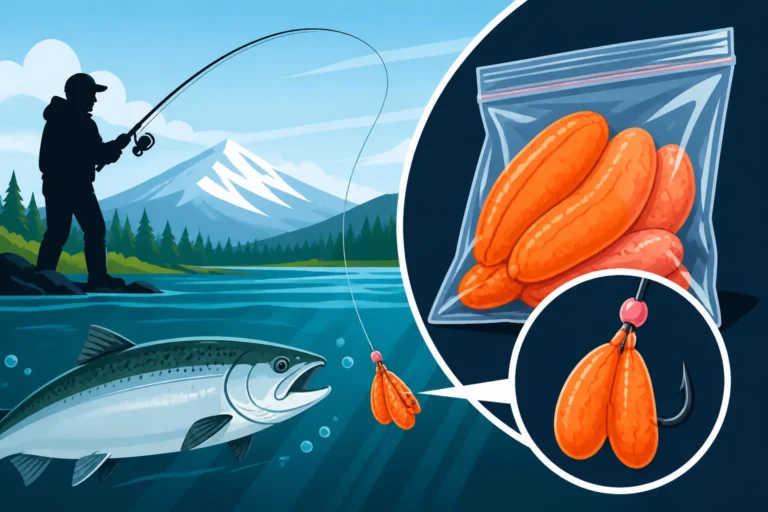
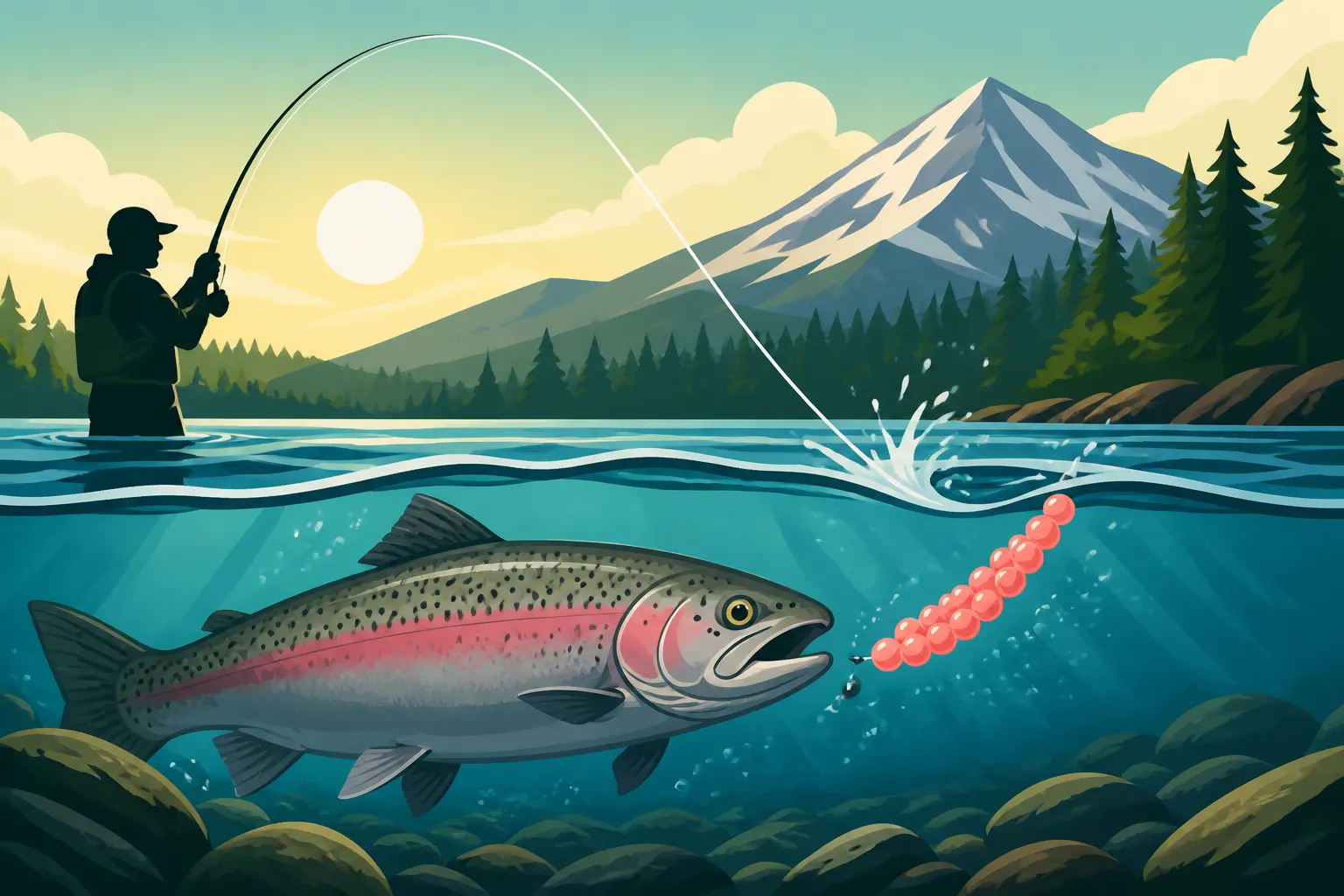
When it comes to steelhead, roe isn't just bait; it's a primary, natural food source, especially for fish moving upstream to spawn. Steelhead are opportunistic feeders, and eggs—whether from salmon or other steelhead—represent a high-energy meal. The scent, texture, and visual appeal of fresh, properly cured roe are incredibly potent attractants. It smells like home, like energy, and like something they instinctively know they should eat. Many anglers swear by roe, especially during the cooler months when steelhead are more sluggish and less likely to chase artificials.
The effectiveness of roe also lies in its versatility. It can be presented in small bags, cured chunks, or even loose eggs, allowing anglers to adapt to varying river conditions and fish preferences. The natural oils and amino acids in salmon or steelhead roe create a scent trail that can draw fish from surprising distances, making it an excellent choice when targeting steelhead that might be tucked away in deeper pools or turbulent seams. We'll get into the nitty-gritty of preparing and presenting roe later, but suffice it to say, if you're serious about back-bouncing for steelhead, roe should be at the top of your bait list. For those who also target salmon, understanding How to Fish Roe Bags for Salmon offers a great baseline that applies well to steelhead as well.
Assembling Your Back-Bouncing Arsenal
Having the right gear is absolutely non-negotiable for successful back-bouncing. This isn't a technique where you can just grab any old rod and reel and expect to do well. The precision required for feeling the bottom, detecting subtle bites, and fighting powerful steelhead demands specific equipment tailored to the task. Think of it as specialized tools for a specialized job – you wouldn't use a screwdriver to pound in a nail, and you shouldn't use a flimsy trout rod to back-bounce for winter steelhead.
Rod, Reel, and Line for Optimal Control
For back-bouncing, your rod is your primary sensory tool. You need a rod that's long, sensitive, and has enough backbone to handle heavy weights and strong fish. Typically, a graphite rod in the 9' to 10'6" range with a medium-heavy action is ideal. The length provides leverage for mending line and keeping it out of the current, while the sensitivity allows you to feel every tick and bump on the bottom, as well as those notoriously subtle steelhead takes. A good example might be something like a Lamiglas G1000 or a Fenwick HMX, which offer a great balance of sensitivity and power. For the reel, a high-quality baitcasting reel is preferred for its control over line release and retrieval. Brands like Shimano, Daiwa, or Abu Garcia offer models with smooth drags and robust gearing that can stand up to the rigors of steelhead fishing.
Line choice is critical. Most seasoned back-bouncers opt for braided mainline due to its zero-stretch properties, which transmit every vibration from the bottom and every gentle nudge from a fish directly to your hand. A 20 to 30 lb braided line is common, often paired with a 15 to 20 lb fluorocarbon leader for abrasion resistance and stealth in the water. Remember, the braid goes directly to your weight, and then your leader connects to that. Having a good quality, thin diameter braid reduces drag in the current, which is essential for maintaining that critical bottom contact. If you're still deciding on your general setup for various steelhead approaches, our article comparing Winter vs Summer Steelhead Runs in Washington, Explained might help inform your gear choices based on the season.
Sinker Selection and Strategic Weighting
The "bouncer" in back-bouncing is your lead weight, and selecting the right size is paramount. Too light, and your bait will skip over the bottom or get swept away; too heavy, and you'll constantly snag and miss subtle bites. The goal is just enough weight to gently tap the bottom in the current you're fishing. Sinker weights can range from 1 ounce to 6 ounces or even more, depending on river depth, current speed, and the type of bottom. Many anglers use pyramid or cannonball weights, but specialized "slinky" weights (made from lead shot inside a cordura tube) are incredibly popular because they snag less often.
It’s always a good idea to carry a variety of sinker weights in your tackle box. River conditions, especially in Washington, can change rapidly due to rain or dam releases, so being able to adjust your weight quickly is key to staying in the strike zone. On a fast, deep river like sections of the Columbia, you might be throwing 4-5 ounces, while on a slower, shallower Olympic Peninsula stream, 1-2 ounces could be plenty. Understanding Sinker Weight for Drift Fishing is crucial here, as it directly impacts your ability to maintain that critical bottom contact without constantly snagging up. Many excellent starter kits for sinkers, leaders, and swivels can be found on platforms like Amazon, offering a convenient way to stock up before your next trip.
Here's a quick reference for sinker weight selection:
| River Condition | Depth (feet) | Current Speed (MPH) | Suggested Sinker Weight (ounces) | Notes |
|---|---|---|---|---|
| Slow Current/Shallow | 2-5 | 1-2 | 1 – 2 oz | Light bounces, minimal snags. |
| Moderate Current/Medium Depth | 5-10 | 2-4 | 2 – 4 oz | Standard conditions, good bottom feel. |
| Fast Current/Deep | 10-20+ | 4-6+ | 4 – 6+ oz | May require heavier braid and careful bouncing. |
| High Water/Turbid | Variable | Fast | 5 – 8+ oz | Use enough to keep contact, consider slinkies. |
| Low Water/Clear | Variable | Slow | 1 – 3 oz | Lighter line, smaller profile weights. |
Note: These are general guidelines; always adjust based on your specific river conditions and personal preference.
Preparing Your Roe for Steelhead
The quality and preparation of your roe can make or break your back-bouncing success. Fresh, vibrant, and properly cured roe is far superior to old, freezer-burnt, or poorly prepared bait. You can buy pre-cured roe from tackle shops, but many experienced anglers prefer to cure their own for maximum freshness and to customize the scent and color. Salmon roe (especially Chinook or Coho) is often favored for its size and oil content, but steelhead roe can also be incredibly effective.
The curing process typically involves a specialized roe cure, often a mix of borax, salt, and various attractants that enhance color, toughen the eggs, and preserve their scent. Brands like Pautzke's Bait Co. or Pro-Cure offer excellent curing agents. The goal is to create eggs that are firm enough to stay on the hook or in a mesh bag, yet still juicy and potent enough to leach out scent in the water. Experiment with different colors and scents – sometimes a bright red roe works best in murky water, while a more natural orange might be preferred in clear conditions. Proper curing also helps the roe last longer, whether in a cooler on the riverbank or in the fridge between trips.
Rigging Up for Precision Back-Bouncing
Once you have your gear ready, the next crucial step is rigging up correctly. A poorly tied knot, an imbalanced leader, or the wrong hook can turn a promising day into a frustrating one. The back-bouncing rig is designed for simplicity and effectiveness, but every component plays a vital role in its performance. Taking the time to tie strong knots and assemble your rig with care will undoubtedly pay off when that steelhead finally decides to bite.
Constructing Your Mainline Setup
Your mainline setup for back-bouncing is relatively straightforward. Start with your braided mainline coming off your baitcasting reel. Many anglers use a small, high-quality swivel (like a barrel swivel or a three-way swivel) to connect their mainline to a short dropper line for the weight. This swivel helps prevent line twist, which can be a real nuisance, especially in strong currents. The dropper line should be slightly lighter than your main leader, typically 10-15 lb monofilament, and about 8-12 inches long. This lighter line acts as a "fuse" – if your weight snags, the dropper line breaks first, saving your main line and leader, allowing you to re-tie just the weight.
On the other end of that main swivel, you'll attach your leader. It’s critical that the transition from mainline to leader is smooth and strong. Some anglers use a directly tied leader, but a quality swivel helps manage twist and provides a reliable connection point. Make sure all your knots are strong and secure. Common knots for these connections include the Palomar knot or the improved clinch knot, both known for their reliability.
Crafting the Ideal Leader System
The leader is where your bait presentation really comes into play. For back-bouncing, your leader should be 15-25 lb fluorocarbon, generally between 18 and 36 inches long. The exact length can vary based on water clarity and current speed. In clear, slow water, a longer leader (30-36 inches) might be more effective as it allows the bait to drift more naturally away from the weight. In murky or faster water, a shorter leader (18-24 inches) keeps your bait closer to the bottom and easier to feel. Fluorocarbon is preferred because it's nearly invisible underwater, extremely abrasion-resistant (vital when fishing rocky bottoms), and sinks faster than monofilament.
At the end of your leader, you'll tie your hook. Depending on how you're presenting your roe (single eggs, skein, or roe bags), you might use one or two hooks. A common setup is a single hook for roe bags, or two hooks tied in a "tandem" or "egg loop" configuration for larger chunks of roe or skein. The leader should be strong enough to withstand the fight of a powerful steelhead but light enough to allow for a natural presentation. For specific rivers, like those on Washington's Olympic Peninsula Rivers, where runs can be substantial, a robust leader is key to landing those bigger fish.
Hook Choices and Bait Presentation
Your hook choice directly impacts your ability to hook and hold a steelhead. For back-bouncing with roe, anglers typically use octopus style hooks, ranging in size from 1/0 to 3/0, depending on the size of your roe and the mouth size of the fish you expect. These hooks have a wide gap and an inwardly turned point, which provides an excellent hook-up ratio and helps prevent snagging fish in the foul. It's also incredibly important to use sharp hooks – a dull hook will result in missed bites, especially with steelhead, which can be notoriously light biters.
When presenting roe, there are a few common methods. Small mesh bags (often made from pantyhose or specialized bait netting available on Amazon) are popular for holding loose eggs or smaller pieces of skein. These bags allow the scent to leach out while keeping the bait intact on the hook. For larger chunks of skein, an egg loop knot is a fantastic way to secure the roe directly to the hook shank, ensuring it stays put even through vigorous casts and drifts. Always make sure your hook point is exposed for a solid hook set. Remember that Barbless Hook Requirements on Washington Rivers are common for many steelhead fisheries, so ensure your hooks comply with local regulations.
Mastering the Art of Back-Bouncing on Washington Rivers
Back-bouncing isn't just about dropping a weight and waiting; it's a dynamic, interactive technique that demands your full attention. Success comes from understanding the river, interpreting your rod tip, and reacting quickly to the subtle cues that signal a steelhead bite. It’s an art form honed over many hours on the water, but with practice, anyone can learn to master it.
Reading Water and Identifying Holding Lies
Before you even make your first cast, you need to understand where steelhead are likely to be holding. Steelhead, especially during their spawning runs, are generally looking for three things: cover, current breaks, and adequate depth. Look for seams where fast current meets slower water, often indicated by a distinct line on the surface. These are prime resting areas. Also, target the calmer water behind large rocks, submerged logs (if legal and safe to fish near), or in deeper pockets just downstream of riffles. These areas provide relief from the main current and an ambush point for passing food.
On Washington rivers, understanding the structure of the riverbed is key. Pay attention to how the river flows around bends, over gravel bars, and through constricted areas. These features create natural holding lies. Remember that steelhead can be anywhere from a few feet deep to 20 feet or more, depending on the river and conditions. When the water is high and murky, as it often is during winter, fish tend to hug the banks and tuck into slower, deeper slots. In low, clear water, they might spread out more and be more sensitive to your presence. A great resource to help fine-tune this skill is our guide on How to Fish for Steelhead in High Water and also How to Fish for Steelhead in Low, Clear Water, as conditions dictate where steelhead will hold.
The Rhythm of the "Bounce"
The actual act of back-bouncing involves a rhythmic retrieve and release of line, coupled with slight rod tip movements, to keep your weight just tapping the bottom. Cast slightly upstream and across the current. As your weight sinks, engage your reel and use your rod tip (held high, pointed at your line's entry) to guide the drift. The goal is to let the current carry your weight downstream while you maintain a light, constant tension. You should feel your weight gently "tick" the bottom every few feet.
If you stop feeling the bottom, let out a small amount of line. If you're constantly snagging, reel in a foot or two, or try a lighter weight. The "bounce" comes from gently lifting your rod tip a few inches, allowing the weight to lift off the bottom, then lowering it to allow the weight to gently settle back down. This motion helps prevent snags and keeps your bait moving naturally. It takes practice to develop this feel, but once you get it, you’ll know exactly what’s happening at the end of your line. Don't be afraid to experiment with different cadences until you find what works for the specific section of river you're fishing.
Detecting Those Subtle Steelhead Takes
Steelhead bites, especially on roe, can be incredibly subtle. Sometimes it's a violent jerk, but more often, it's just a slight "tick," a momentary stop in your drift, or even just a feeling of added weight on your line. Your braided line and sensitive rod are your best friends here. Any deviation from the normal "tick-tick-tick" of your weight on the bottom should be treated as a bite.
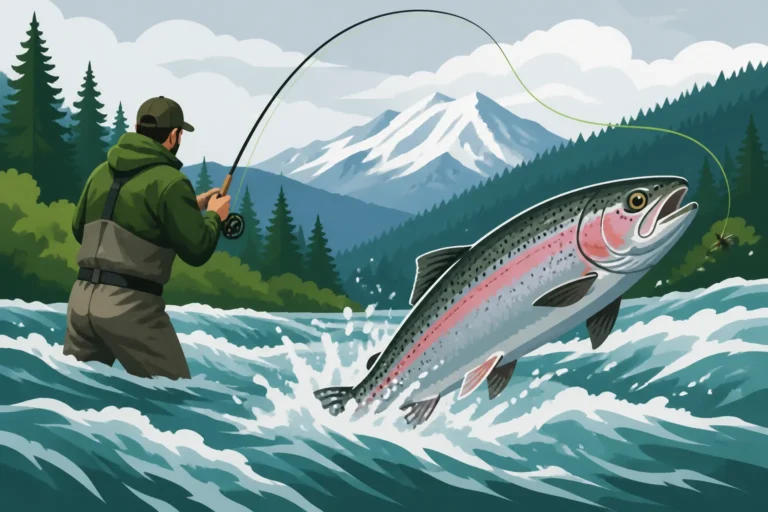
When you suspect a bite, don't hesitate. Drop your rod tip slightly towards the water, then sweep it sideways with a firm, powerful motion to set the hook. Do not rear back overhead like you're trying to cast to the moon; this often pulls the bait out of the fish's mouth. A strong, horizontal sweep provides a better hook set. Because back-bouncing often happens in currents, remember that the fish will likely use that current to its advantage, so be ready for a powerful fight. Always be prepared for a strong run and a potential aerial display once you've hooked up with a Washington steelhead.
Advanced Strategies and Troubleshooting
Even with the basics down, steelhead fishing, especially with back-bouncing, is a constant learning experience. Rivers change, fish behavior adapts, and the conditions are rarely the same twice. Developing advanced strategies and knowing how to troubleshoot common issues will elevate your success rate and make you a more versatile angler.
Enhancing Your Roe with Scents and Additives
While natural roe is highly effective, adding a boost can sometimes make all the difference, particularly in challenging conditions or crowded fisheries. Many anglers incorporate various scents and additives directly into their roe cure or apply them just before fishing. Common additives include krill, anise, garlic, or proprietary fish attractant gels. These can enhance the natural appeal of the roe, create a stronger scent trail, and sometimes even mask human odors that might deter wary steelhead.
Experimentation is key here. What works well on the Cowlitz might not be as effective on a different river like the Skykomish. Some days, a strong garlic scent might be the ticket, while others, a subtle shrimp or prawn oil is preferred. You can find a wide variety of these enhancers at local tackle shops or online retailers like Amazon. Just a small squirt on your roe bag can often be enough to trigger a bite. It’s not a magic bullet, but it’s another tool in your arsenal to tempt those finicky steelhead.
Adapting to Changing River Conditions
Washington rivers are dynamic ecosystems, constantly influenced by weather, dam operations, and seasonal changes. Successful back-bouncing means being able to adapt.
- High, Murky Water: When rivers are high and visibility is low, steelhead often move to the slower, shallower edges or inside seams. This is when heavier weights are crucial, along with brighter colored roe or scent additives to improve visibility and attract fish. Consider fishing closer to the bank and focusing on spots with more cover.
- Low, Clear Water: In contrast, low and clear conditions call for a more subtle approach. Downsize your leader (perhaps to 15 lb fluorocarbon), use smaller roe bags, and consider more natural roe colors. Your presentation needs to be incredibly stealthy, as steelhead in clear water are easily spooked. Long drifts and minimizing casting splashes are vital. This is also when understanding How Water Clarity Affects Steelhead Fishing becomes absolutely paramount.
- Rising/Falling Water: A rising river often triggers fish to move and can be a great time to fish the edges. A rapidly falling river can shut down the bite as fish feel exposed. Always check river flow data before heading out.
The ability to switch up your weight, leader length, bait color, and even your fishing location based on these changes is what separates consistent anglers from those who struggle. Being prepared with a range of options is essential.
Common Mistakes and How to Avoid Them
Even experienced anglers can fall into common traps when back-bouncing.
- Too Heavy/Too Light Weight: As discussed, incorrect weight is a primary culprit for poor drifts or constant snags. Always carry a range of weights and don't be afraid to change.
- Dragging the Weight: Back-bouncing is about bouncing, not dragging. A dragging weight often snags, and more importantly, it doesn’t present your bait naturally. Lighten up your touch, lift and drop.
- Missing Subtle Bites: Many anglers wait for a "hammer" bite. Steelhead often just tap or mouth the bait. If anything feels different, set the hook! The worst that happens is you reel in an empty hook.
- Poor Line Management: Excessive line belly in the current reduces sensitivity and makes it hard to feel bites or the bottom. Keep your rod tip high and mend your line frequently to minimize slack.
- Fishing the Wrong Water: Don't just cast anywhere. Take a moment to read the river and identify likely holding lies based on current, depth, and cover. If you're not getting bites after several drifts in a promising spot, move on. The fish are rarely everywhere.
By being mindful of these common pitfalls, you can refine your technique and significantly improve your chances of success.
Ethical Angling and Conservation for Steelhead
Beyond the thrill of the catch, responsible angling practices are fundamental to ensuring the future of Washington's steelhead fisheries. Steelhead populations face numerous challenges, and every angler plays a role in their conservation. It’s not just about following the rules; it’s about respect for the fish and the environment.
Responsible Catch-and-Release Practices
Many steelhead fisheries in Washington, particularly for wild steelhead, are catch-and-release only. This means handling fish with the utmost care to maximize their survival chances.
- Minimize Fight Time: Use appropriate gear to land fish quickly, reducing stress on the fish.
- Keep Fish in Water: Whenever possible, keep the fish in the water while unhooking and taking photos. This protects their delicate slime coat and gills.
- Wet Hands: Always wet your hands before touching a fish. Dry hands can remove the protective slime layer, making fish susceptible to disease.
- Careful Unhooking: Use pliers or a de-hooking tool to quickly remove the hook. If the fish is deeply hooked, cut the line as close to the hook as possible. Don't try to rip out a deeply embedded hook.
- Revive Gently: Hold the fish gently in the current, facing upstream, until it can swim away under its own power. Don't throw it back.
For detailed information on rules specific to releasing fish, particularly wild fish, our guide on Catch-and-Release Rules During Wild Steelhead Closures is an invaluable resource. Remember, the goal is to send these incredible fish back to continue their journey to spawn.
Respecting Regulations and Fellow Anglers
Knowing and following Washington fishing regulations is non-negotiable. This includes understanding bag and possession limits, selective gear rules, bait restrictions, and season dates for specific rivers and species. The Washington Department of Fish and Wildlife (WDFW) publishes these regulations, and they are subject to emergency rule changes, so always check the latest updates before you head out. Ignorance of the law is not an excuse, and violations can result in significant fines and loss of fishing privileges.
Beyond formal rules, common courtesy on the river goes a long way. This means giving other anglers ample space, not crowding their drift, and being mindful of noise levels. Respect private property, pack out all your trash, and leave the riverbank cleaner than you found it. Steelhead fishing is a solitary pursuit for many, but it's also a shared experience. By being a responsible and respectful angler, you contribute positively to the fishing community and help preserve these precious resources for generations to come.
Disclaimer
Please note: Fishing regulations in Washington State can change frequently due to emergency rule modifications, season adjustments, and other factors. Always consult the official Washington Department of Fish and Wildlife (WDFW) website or the latest Sport Fishing Rules pamphlet before heading out on any fishing trip. The information provided in this guide is for general informational purposes only and should not be considered a substitute for official WDFW regulations.