Can a Fish Finder Help You Locate Kokanee?
There’s nothing quite as frustrating as heading out onto a beautiful Washington lake, knowing that schools of delicious kokanee are swimming around somewhere, but having absolutely no clue where to find them. You spend hours trolling, casting, and praying, only to come back with an empty cooler and a bruised ego. This guide is here to tell you that modern technology can be your best friend in this scenario, specifically exploring how a good fish finder can dramatically increase your chances of locating those elusive kokanee salmon.
Understanding Kokanee Behavior and Why They’re Tricky to Find
Before we dive into the tech, it’s crucial to understand a bit about kokanee themselves. These aren't your typical bottom-dwelling trout that hang around structure. Kokanee are landlocked sockeye salmon, and they spend most of their lives in the open water column, feeding on zooplankton. This pelagic behavior makes them notoriously difficult to pinpoint without some help. They tend to school up, sometimes in massive, dense balls, and they often suspend at specific depths, which can change throughout the day and with the seasons.
Imagine a vast, deep lake like Lake Chelan or Lake Roosevelt. Without a fish finder, you're essentially blind, dragging lures through miles of empty water hoping for a lucky strike. This hit-or-miss approach can quickly dampen even the most enthusiastic angler’s spirits. The frustration is real; these fish move! What was a hot spot yesterday might be barren today. They’re also sensitive to light and temperature, meaning they'll dive deeper as the sun gets higher or move to different thermoclines. Trying to guess these patterns based solely on surface observations is like trying to find a needle in a haystack, blindfolded. That’s where a fish finder steps in, offering you a peek beneath the surface, transforming guesswork into a more strategic hunt.
How a Fish Finder Reveals the Underwater World for Kokanee Anglers
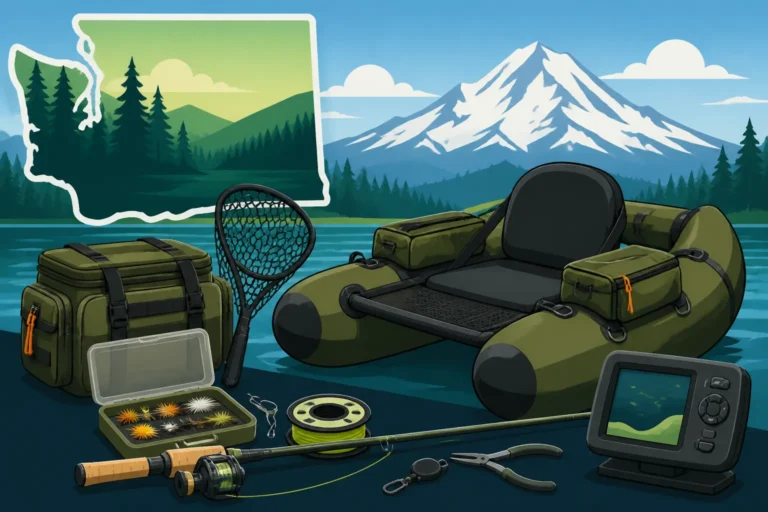
A fish finder, at its core, uses sonar technology to send sound waves into the water and interpret the echoes that bounce back. Think of it as your eyes below the surface, painting a real-time picture of what’s happening beneath your boat. For kokanee anglers, this technology isn't just a nice-to-have; it's often considered essential.
Seeing Schools and Structure
The primary benefit of a fish finder for kokanee is its ability to identify schools of fish. Because kokanee are often suspended in the water column and school tightly, they show up very distinctly on sonar. Instead of random arches, you'll often see dense clouds or distinct layers of arches, indicating a bait ball or a large school of kokanee. Modern fish finders, even entry-level models you can find on Amazon, are incredibly adept at distinguishing these masses. You can then adjust your trolling depth or jigging presentation to match where the fish are holding. This is a game-changer when you're trying to figure out if you're pulling your gear through fish or just open water. When you see a big, bright return on your screen, indicating a school, you immediately know you're in the right zone, which saves immense time and effort. It helps you quickly dial in the depth the fish are actively feeding or resting, allowing you to present your lures right in front of their noses. Without this visual confirmation, you might spend hours at the wrong depth, never realizing how close you were to success.
Pinpointing Depth and Thermoclines
Kokanee are particularly sensitive to water temperature. They thrive in specific temperature ranges, often congregating around the thermocline – the layer in the lake where water temperature changes rapidly. A good fish finder will not only show you the depth of fish schools but also often display water temperature at the surface and even mark the thermocline as a distinct line on your sonar screen. This information is invaluable. If you know kokanee are holding at 35 feet in a 50-degree water column, you can precisely set your downriggers or adjust your Jigging for Kokanee in Washington Lakes technique to hit that exact depth. This precision minimizes wasted time and maximizes your chances of a bite. Knowing the thermocline allows you to focus your efforts within the most productive water layers, avoiding areas that are too warm or too cold for kokanee, ensuring your lure is presented in the optimal zone. This feature alone makes a fish finder an indispensable tool for serious kokanee enthusiasts.
Mapping Contours and Waypoints
While kokanee often inhabit open water, they still relate to underwater features, especially when they move closer to shore or to specific drop-offs. Many fish finders come equipped with GPS and detailed mapping capabilities. These maps can show you underwater contours, channels, and humps that might attract kokanee. More importantly, you can mark waypoints directly on your map where you've found fish or had a strike. This allows you to return to productive areas easily, even if you’re fishing a vast lake. Imagine finding a hot school of kokanee, marking it, and then being able to troll back over that exact spot repeatedly. This eliminates the guesswork of trying to remember vague landmarks on shore. Being able to mark a specific point, whether it's where you hooked a fish or spotted a large school, provides a historical record that helps you learn the patterns of your favorite Best Washington Lakes for Trout Fishing. This navigational aid is particularly useful for tracking their movements over time, giving you an edge in predicting where they'll be next.
Advanced Fish Finder Features for Serious Kokanee Hunters
While basic fish finders provide crucial information, more advanced units offer specialized features that can elevate your kokanee game even further. These technologies provide clearer images and more detailed insights, helping you discern specific species and subtle patterns.
CHIRP Sonar for Unparalleled Clarity
Traditional sonar sends out a single frequency pulse, but CHIRP (Compressed High-Intensity Radiated Pulse) sonar sends a continuous sweep of frequencies, from low to high. When these varying frequencies return, the fish finder processes them to create an incredibly detailed, high-resolution image of what’s beneath your boat. For kokanee, this means clearer separation of individual fish within a school, better target identification (you might even be able to tell if it’s a kokanee or something else), and a much clearer picture of baitfish.
With CHIRP, those dense "clouds" of kokanee become more defined, allowing you to see individual fish arches within the school. This level of detail helps you understand the size of the fish and how tightly they’re schooled. If you're targeting How Big Washington Kokanee Get, having this clarity can make all the difference. High-end units from brands like Humminbird and Garmin, widely available online and in sporting goods stores, truly shine with CHIRP technology. The ability to distinguish between a tight school of kokanee and a loose group of baitfish can save you precious time and effort, ensuring you're dropping your gear exactly where the desirable fish are. This precision is especially valuable when fish are finicky or spread out, allowing you to identify even subtle aggregations that might otherwise go unnoticed on a less advanced unit.
Down and Side Imaging for Enhanced Views
Beyond traditional 2D sonar, many modern fish finders incorporate Down Imaging and Side Imaging technologies. These features use higher frequency sound waves to create photographic-like images of the underwater world, similar to an MRI scan for fish.
- Down Imaging: Provides a direct, high-resolution view of what’s directly beneath your boat. For kokanee, this means you can see the schools with incredible detail, almost like a photograph. It can help you distinguish fish from weeds or other structure more easily. If you're trolling, you can see your lure clearly against the backdrop of a kokanee school.
- Side Imaging: Scans areas to the left and right of your boat, often up to hundreds of feet. This is invaluable for quickly surveying a large area to locate suspended schools of kokanee that might not be directly under your boat. You can spot a school off to the side, then steer your boat over to it, saving you from endless blind trolling. This is particularly effective on large bodies of water like Lake Chelan, Washington for Mackinaw and Kokanee or Lake Roosevelt in Washington for Kokanee and Walleye, where covering vast areas efficiently is key. Many anglers find that scanning with Side Imaging first, then driving over to the fish and refining with CHIRP or Down Imaging, is a highly effective strategy. When you're Downrigging for Deep Kokanee in Summer, having the ability to see fish beyond your immediate path allows for proactive adjustments, rather than reactive ones after you've already passed them by.
GPS Chartplotter Integration and Mapping
Today's fish finders are often combined with GPS chartplotters, turning them into powerful navigation and fishing tools. These units allow you to:
- Create Custom Maps: Many advanced fish finders, including those from Lowrance and Simrad available through retailers like Amazon, allow you to create your own high-definition bathymetric maps of the lakebed in real-time as you drive over it. This is phenomenal for finding subtle structure that might not be on pre-loaded charts, like a specific hump or channel edge where kokanee might be holding at certain times.
- Track Trolling Paths: You can see your boat’s exact path, helping you maintain a precise course over productive areas. This is crucial for techniques like Trolling Wedding Rings for Kokanee where maintaining consistent depth and speed over a specific school is vital. You can also retrace a successful trolling run precisely.
- Waypoint Management: Save locations of fish schools, successful bites, or underwater features as waypoints. This allows you to build a personal "hot spot" library for all your favorite kokanee lakes, which you can revisit during different seasons or conditions. When you're out there looking for How Deep to Troll for Summer Kokanee, being able to mark a particular depth where you're consistently getting bites and then returning to it on subsequent trips is incredibly powerful.
Interpreting Your Fish Finder Screen for Kokanee Success
Having a fish finder is one thing; understanding what it's telling you is another. Interpreting the various signals on your screen is a skill developed over time, but there are some key indicators specific to kokanee that you’ll want to look for.
Identifying Kokanee Arches and Schools
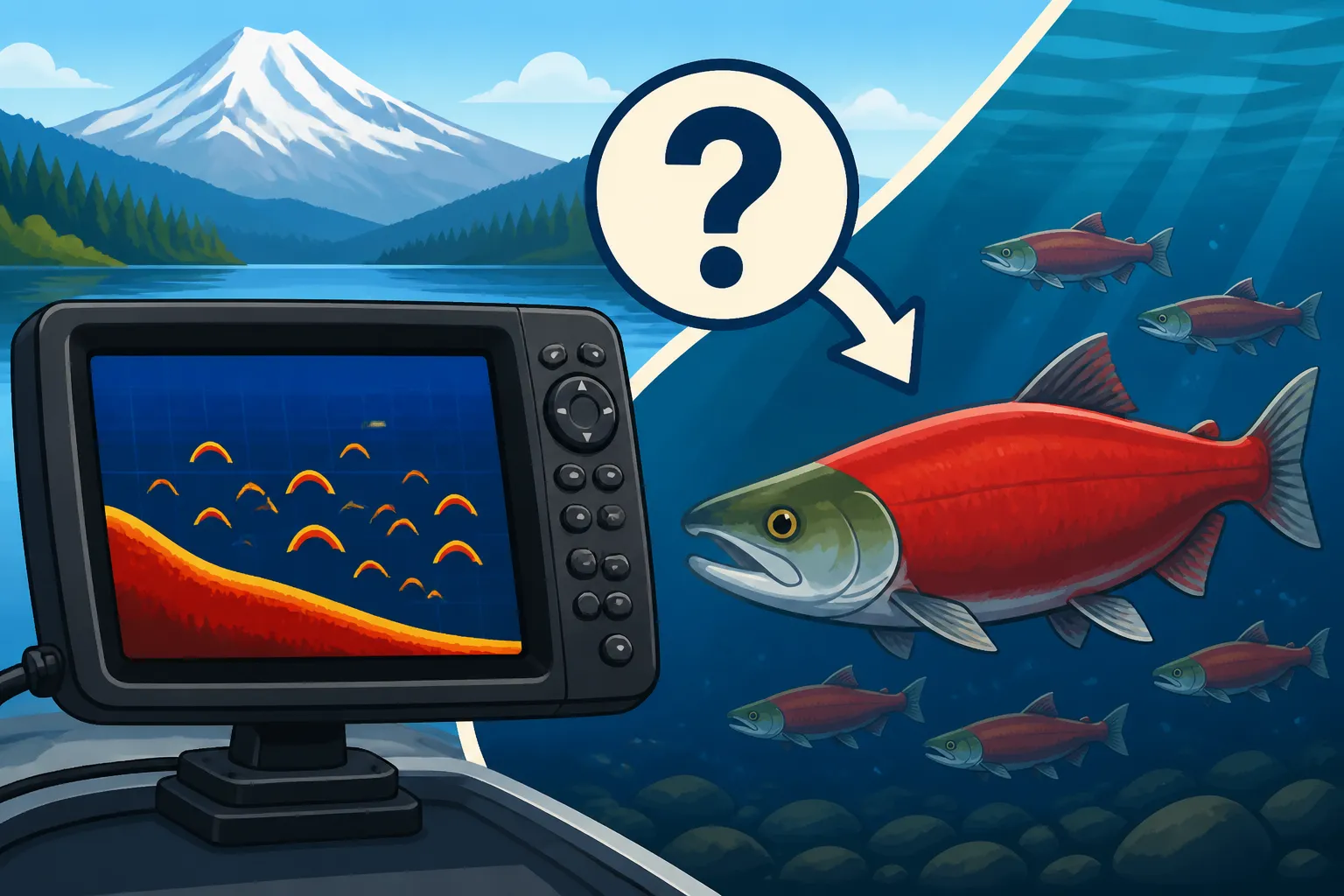
On traditional 2D sonar, individual fish appear as arches. The length and thickness of the arch often indicate the size and angle of the fish in relation to your transducer cone. However, kokanee typically school very tightly, often appearing as dense clouds or bands rather than distinct individual arches, especially in deeper water.
- Dense Clouds/Bands: Look for strong, consistent returns that form a cloud-like shape or a distinct horizontal band on your screen. These are classic kokanee schools. The denser and brighter the return, the more fish are packed into that area. These schools can be small, indicating a few dozen fish, or massive, stretching across your screen for considerable distances, signaling hundreds or thousands.
- Bait Balls: Sometimes, what appears to be a solid cloud of fish might actually be a large school of baitfish (like zooplankton), with kokanee feeding around or within it. Often, if kokanee are feeding in a bait ball, you'll see more distinct, larger arches on the edges or within the denser cloud. Adjusting your gain and sensitivity settings can help differentiate larger fish from smaller baitfish, though it requires some practice. When you spot these bait balls, you know you're in the right neighborhood, because kokanee are often right there, feasting.
- Depth and Movement: Pay close attention to the depth at which these schools are holding. Kokanee are known to suspend, so you might find them anywhere from 10 feet to 100 feet deep, depending on the time of day, season, and particular lake. Watch for how these schools move: are they rising or falling? Are they scattered or tightly grouped? This gives you clues about their activity level. For instance, if you see them rising, they might be actively feeding. Knowing the Washington Fishing Seasons: A Month-by-Month Guide can give you an idea of typical depths for kokanee activity.
Using Color Palettes and Sensitivity
Modern fish finders offer various color palettes and adjustable sensitivity settings that are crucial for fine-tuning your view and separating kokanee from clutter.
- Color Palettes: Different color schemes highlight stronger returns (fish) in brighter, warmer colors (like red, orange, yellow) and weaker returns (smaller bait, debris) in cooler colors (blue, green). Experiment with different palettes to find one that gives you the clearest contrast and helps you pick out kokanee schools. A good palette can make the difference between seeing a vague blob and a distinct school.
- Sensitivity (Gain): This setting controls how much detail your fish finder shows. Too low, and you'll miss faint returns (like smaller kokanee or scattered schools). Too high, and your screen becomes cluttered with noise, making it hard to distinguish fish. The trick is to increase the sensitivity until you start seeing noise, then back it off just slightly. This "sweet spot" will allow you to pick up the faintest fish signals without overwhelming the screen with irrelevant data. Many anglers find adjusting their sensitivity based on water clarity and depth can significantly improve their ability to locate fish, especially when dealing with schooling fish in deeper sections of lakes like Lake Chelan, Washington for Mackinaw and Kokanee.
Here's a quick comparison of basic vs. advanced fish finder features for kokanee:
| Feature | Basic Fish Finder (e.g., Entry-level Garmin Striker) | Advanced Fish Finder (e.g., Humminbird HELIX, Lowrance HDS) |
|---|---|---|
| Sonar Type | Standard 2D Sonar (single frequency) | CHIRP Sonar (multi-frequency sweep) for superior target separation |
| Imaging | Usually 2D only, sometimes basic Down Imaging | High-resolution Down Imaging, Side Imaging (Mega Imaging for Humminbird) |
| GPS/Mapping | Basic GPS, limited mapping, waypoint storage | Full GPS chartplotter, pre-loaded charts, custom map creation (e.g., Navionics, C-MAP) |
| Display | Smaller, lower resolution, black & white or basic color | Larger, high-resolution color displays, touchscreen options |
| Target ID | Shows arches, depth readings | Clearer arches, better distinction of individual fish in schools |
| Connectivity | Minimal (e.g., power, transducer) | Network capabilities, Wi-Fi, Bluetooth (for app integration, software updates) |
| Price Point | Usually $100-$300 | $500-$3000+ |
Environmental Factors and Reading the Lake
While a fish finder is a powerful tool, it doesn't replace traditional angling knowledge. Combining your screen's data with an understanding of kokanee behavior in specific Washington lakes will give you the ultimate edge.
- Time of Day and Season: Kokanee often move to different depths depending on light conditions. Early morning and late evening might find them shallower, while midday sun will push them deeper. Similarly, their patterns change throughout the year. For instance, spring might see them shallower after ice-out, while summer heat will drive them into deeper, cooler waters.
- Water Clarity: In clear waters, kokanee might be more easily spooked and hold deeper. In murkier conditions, they might be shallower and less wary. Your fish finder's sensitivity settings will need adjustment based on clarity.
- Lake-Specific Knowledge: Every lake is unique. Kokanee in Lake Roosevelt in Washington for Kokanee and Walleye might behave differently than those in Lake Chelan. Understanding the specific forage base, water temperatures, and predominant structures of your chosen lake will help you interpret your fish finder’s signals more accurately. Local intel, online fishing reports, and experience gained from repeated trips are invaluable.
A fish finder gives you real-time data, but your brain needs to process that data in the context of the environment. Think of it as a sophisticated sensor that feeds information to your angling intuition. Even the most expensive unit purchased from Amazon won't guarantee fish if you don't understand the habits of your quarry or the characteristics of the water you're fishing. It's about combining technology with knowledge to become a more effective and confident kokanee angler.
Disclaimer
Fishing regulations and seasons in Washington State can change frequently, often with short notice, due to emergency rule changes from the Washington Department of Fish and Wildlife (WDFW). Always consult the latest WDFW regulations pamphlet and check for emergency rule updates before heading out on the water. This information is for general guidance only and should not be considered a substitute for official WDFW regulations.