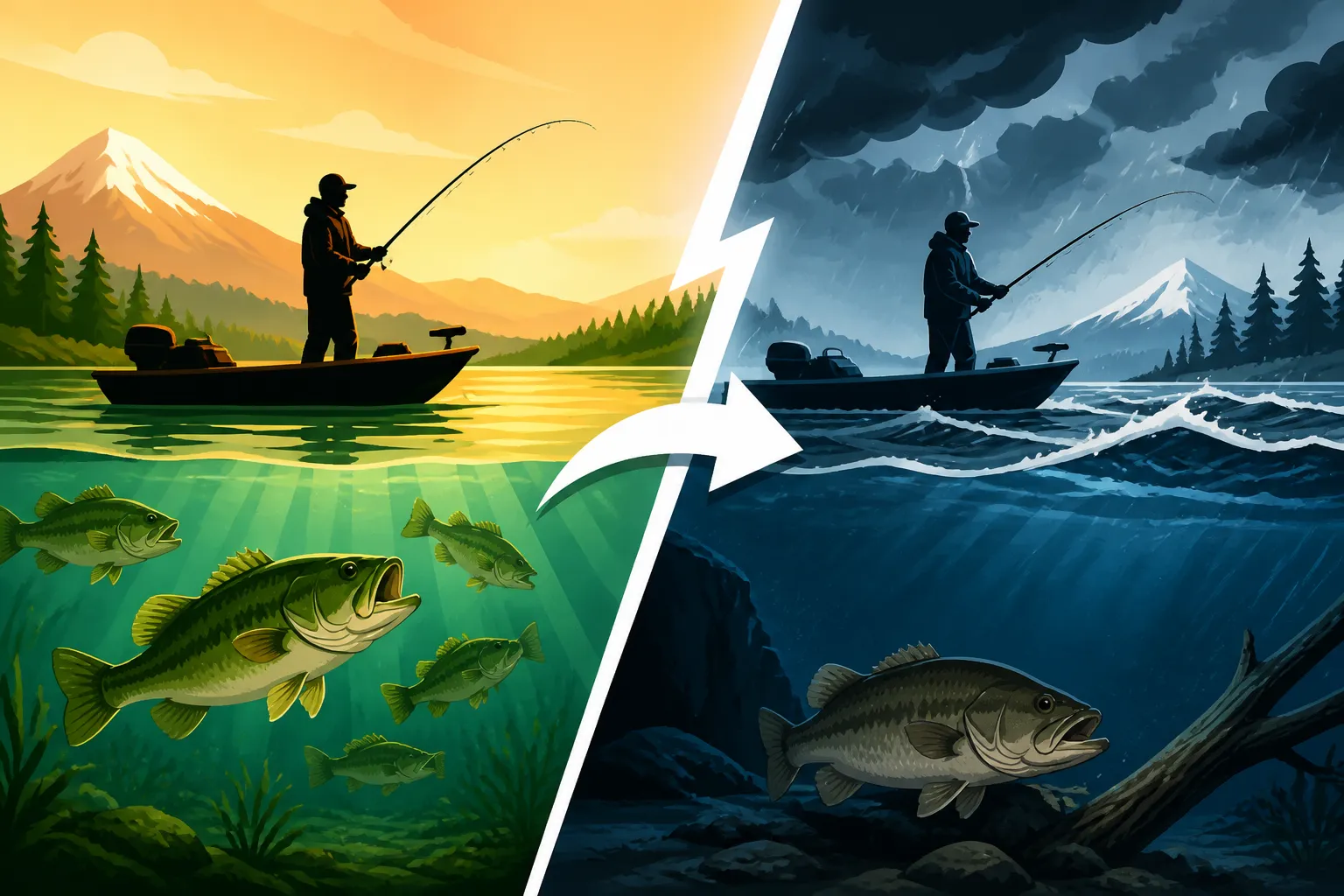
How Fishing Changes After a Cold Front
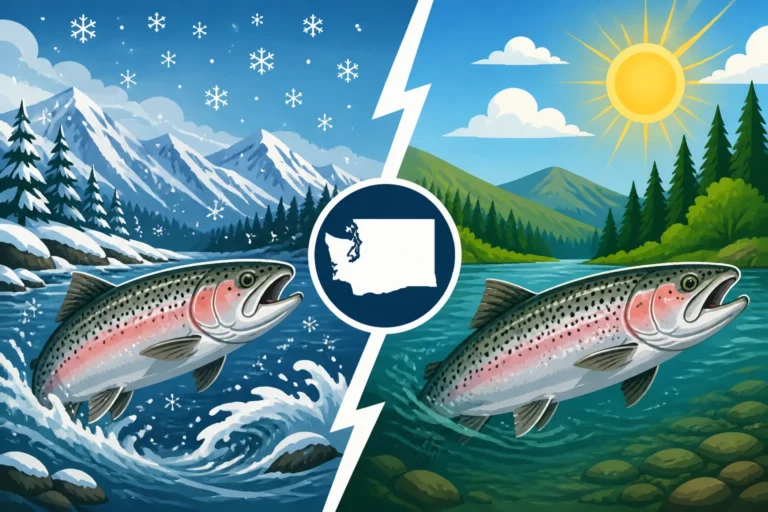
We’ve all been there: you wake up, see a beautiful forecast after a couple of days of unsettled weather, and think, "Today's the day the fish will bite!" But sometimes, that bright, clear sky after a cold front rolls through can actually make fishing surprisingly tough. It's frustrating when the conditions seem perfect, yet the fish just aren't cooperating. This guide will help you understand exactly how those sudden changes in weather impact fish behavior in Washington and give you actionable strategies to adapt your approach and still find success on the water.
Understanding the Science Behind a Cold Front's Impact
A cold front isn't just a change in air temperature; it brings a whole host of atmospheric and environmental shifts that send ripples through the aquatic world. From subtle changes in water chemistry to dramatic shifts in light, these factors directly influence how fish feel, move, and feed. If you understand the "why" behind their mood swings, you're already halfway to figuring out the "how" to catch them.
Barometric Pressure Drops and Fish Behavior
One of the most significant, yet often invisible, impacts of a cold front is the change in barometric pressure. Before a front arrives, you typically see a significant drop in pressure. Many anglers swear by fishing before the front hits because this falling pressure can often trigger an aggressive bite. Fish, especially those with swim bladders, can feel these changes. They might become more active, moving shallower to feed or simply feeling more comfortable in the water column as the pressure equalizes around them. Think of it as that feeling you get before a storm, where everything feels a bit more charged.
However, once the cold front passes, the barometric pressure typically stabilizes and then begins to rise. This post-front high pressure often coincides with those clear, sunny, beautiful days that fool us into thinking the fishing will be easy. For fish, this rising and stable high pressure can make them feel uncomfortable. It can push them deeper, make them less active, and generally put them in a sulk. They might clamp down, become lethargic, and suspend in deeper water, making them much harder to locate and entice. It's a huge shift from the pre-front frenzy, and it requires a completely different mindset.
Water Temperature Fluctuations and Fish Metabolism
Another critical factor that cold fronts bring is a drop in air temperature, which, in turn, can quickly affect water temperatures, especially in shallower lakes and rivers. This is particularly noticeable in smaller, shallower bodies of water, or during times of year when the water is already marginal, like early spring or late fall. A sudden dip in water temperature can send fish into a state of shock.
Fish are cold-blooded, meaning their metabolism is directly tied to the water temperature. When the water cools quickly, their metabolic rate slows down. They become less active, digest food slower, and generally have less energy. This means they're less likely to chase a fast-moving lure or expend energy on a large meal. Imagine trying to run a marathon after eating a huge holiday dinner – that's kind of how a fish feels. They're still there, but they're not in the mood for a lot of effort. This is why understanding the current water temperature is so crucial for success, as it really dictates the fish's energy levels.
Changes in Light Penetration and Fish Vision
Those crisp, clear skies that often follow a cold front might be lovely for us, but they can be a real game-changer for fish. Fewer clouds mean more direct sunlight penetrates the water, making it brighter and increasing visibility. While this sounds good, it often makes fish more skittish and prone to seeking cover. Just like we might squint in bright sunlight, fish can become light-sensitive. This increased light also makes your line and lures more visible to them, potentially making them warier.
On the flip side, before a front, you often have cloudier, darker conditions. This diffused light can make fish feel more comfortable and bolder, as they're less exposed to aerial predators and can hunt more effectively without being silhouetted. Post-front, with that bright sun, fish will often push deeper, seek out shadows under docks or submerged logs, or hug tight to structure where they can feel more secure. This also means you'll need to think about lure colors and profiles differently – something flashy might be too much, while a subtle, natural presentation could be key.
Strategies for Fishing During and After a Cold Front
Knowing why fish act the way they do is one thing, but actually changing your approach on the water is where the real challenge lies. A cold front demands a significant shift in your tactics, moving away from aggressive presentations to a more patient, subtle game. It's not about giving up; it's about outsmarting them when they're at their most finicky.
Targeting Deeper, Slower-Moving Water
When a cold front rolls through and the fish get lockjaw, their instinct is often to retreat to areas where they feel safe and comfortable. This almost universally means moving to deeper water, or at least areas with consistent depth and less current. In rivers like the Cowlitz or the Skagit, this might mean focusing on slow, deep pools or the calmer seams behind major current breaks, rather than fast-moving riffles. The fish aren't going to expend energy fighting strong currents when their metabolism is low and the pressure is high. They're looking for a quiet, stable refuge.
On lakes, this means moving away from those shallower flats or weed lines you might have fished effectively before the front. Instead, target drop-offs, submerged humps, or the deepest parts of the lake where temperatures are more stable. Even in saltwater, in places like Puget Sound, salmon might drop down to deeper thermoclines or hold tighter to the bottom structure. Focus on these areas, and once you find them, fish them thoroughly. Sometimes, just a few feet of added depth can make all the difference in finding fish that are willing to bite.
Adjusting Bait and Lure Presentations
This is where many anglers struggle after a cold front. Our natural inclination is often to keep working our favorite lures at our usual speeds. But with slowed metabolism and wary fish, that's often a recipe for failure. The key is to slow down, scale down, and simplify.
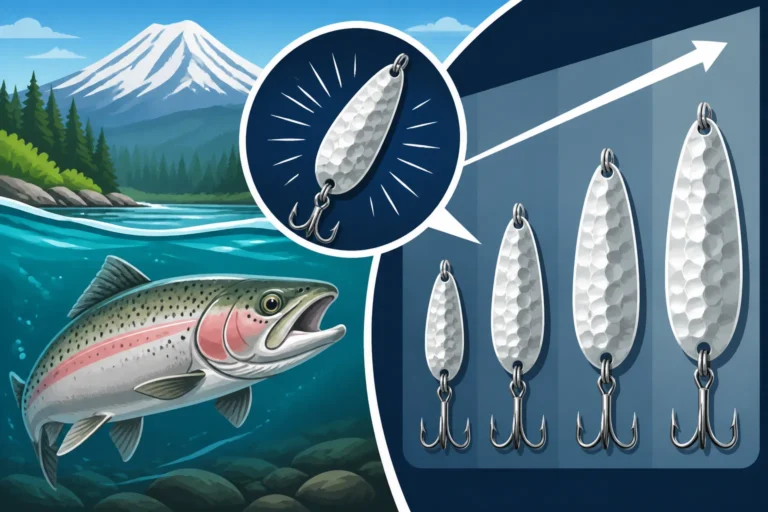
Instead of a fast retrieve, try a dead-sticking approach, letting your bait or lure sit motionless on the bottom for extended periods. If you're drifting bait for steelhead, let it tumble naturally with the current, barely bumping the bottom. Think subtle twitches, long pauses, and presentations that almost force the fish to react rather than chase. When it comes to lure size, often smaller is better. A big, aggressive swimbait that worked pre-front might be completely ignored. Try smaller jigs, Ned rigs, or subtle finesse worms for bass, or delicate beads and smaller yarn eggs for steelhead. For salmon, a slow trolled herring or a small dodger with a very short leader and a tiny spoon can sometimes coax a bite.
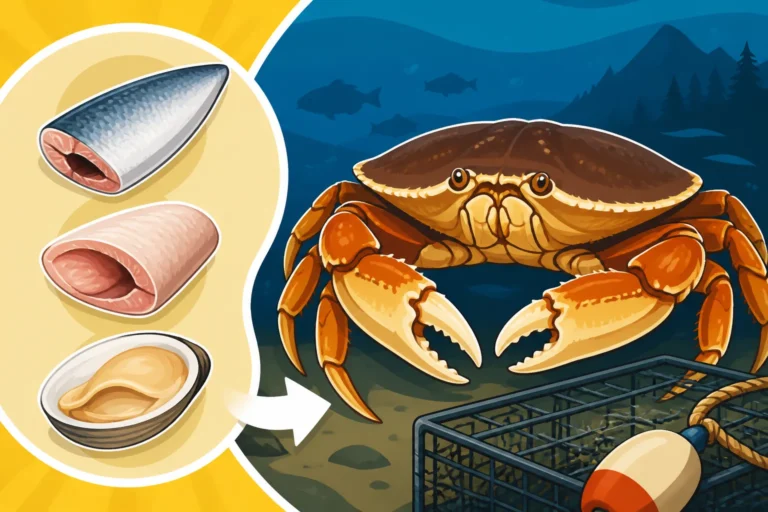
Bait choice can also be critical. Natural, scent-rich baits like cured roe, worms, or prawns often outperform artificials when fish are sluggish. The added scent can trigger a bite even from a reluctant fish. You can find many of these specialized fishing baits and lures on Amazon if you're looking to expand your tackle box for post-front conditions. Remember, you're trying to appeal to a fish that doesn't really want to eat, so make it as easy and enticing as possible.
Choosing the Right Time of Day
Those bright, clear, post-front days, while beautiful, aren't always best for the early morning bite. With higher light penetration and potentially colder overnight temperatures, fish tend to be even more inactive during the dawn hours. They might take longer to "wake up" and become willing to move.
Instead, shift your focus to the midday hours. As the sun climbs higher in the sky and warms the water even slightly, or simply provides a more consistent light, fish can become marginally more active. The period between 10 AM and 3 PM often sees an improved bite during post-cold front conditions. This doesn't mean the fish will be jumping into your boat, but they might be more receptive to a well-presented offering. Think about when the sun is at its highest, warming the surface and perhaps stimulating some subsurface activity. If you're fishing a river, this might be when the water temperature starts to tick up a degree or two, or when the shade moves off a key holding lie. This is a common pattern for trout in lakes and rivers, and even for salmon in certain river conditions, especially during the colder months.
Species-Specific Responses to Cold Fronts in Washington
Different fish species react to cold fronts in various ways, largely depending on their preferred habitat, metabolic rate, and feeding habits. What works for a Chinook salmon might not work for a smallmouth bass. Understanding these nuances can further refine your approach.
Salmon and Steelhead on Washington's Rivers
Anadromous fish like salmon and steelhead can be particularly tricky after a cold front. While they are driven by instinct to migrate, their willingness to bite can shut down dramatically. For Chinook and Coho salmon in rivers like the Columbia or those feeding Puget Sound, a post-front period often means they'll stack up in deeper, slower pools, or hold tight to major current breaks. Their bite can become incredibly subtle – just a light tap or a feeling of added weight. You’ll need to master Drift Fishing for Steelhead in Washington Rivers and Bank Fishing Techniques for Washington Salmon with an emphasis on slowing everything down.
Steelhead, especially the winter runs on rivers like the Hoh or Sol Duc, can also become very lethargic. They'll hug the bottom in deeper slots and only move if a presentation comes directly to them. During such times, using smaller presentations like colored beads, yarn eggs, or even tiny jigs fished slowly can be effective. Consider how Water Temperature That Triggers a Washington Salmon Run can influence their activity. Patience is paramount; make multiple drifts through prime water. Often, they won't chase, but if your offering tumbles right into their strike zone, they might just open their mouth.
Trout in Lakes and Streams
Trout are generally very sensitive to cold fronts. In lakes, rainbow and cutthroat trout will often drop deeper, seeking more stable water temperatures. They might suspend in the middle of the water column or go to the bottom of deep troughs. Trolling slowly with small lures or bait, or jigging vertically, can be effective. This is especially true after When Washington's Lake Trout Season Opens and those early season fronts hit.
In streams and rivers, trout will seek refuge in slower pockets, behind large rocks, or in deep pools. They'll conserve energy and be much less likely to move far for a meal. Fly anglers might need to switch from aggressive dry fly patterns to nymphing deep, slow runs with heavily weighted flies, or even euro nymphing for a precise presentation. For spin anglers, small spinners or spoons retrieved very slowly, or drifting natural bait, can coax a bite. Remember that How Water Clarity Affects Steelhead Fishing also applies to trout; clear, bright post-front water can make them extra wary.
Bass and Walleye in Eastern Washington
Warmwater species like smallmouth bass on the Columbia River or walleye in lakes like Roosevelt are highly sensitive to sudden temperature drops associated with cold fronts. Bass will often move from shallow, rocky flats to deeper rocky points, submerged timber, or even deep bends in the river. They become much less aggressive. Finesse techniques like drop-shotting, shaky heads, or slow-moving jigs often outperform crankbaits or spinnerbaits.
Walleye similarly become lethargic and will often drop to the deepest parts of their habitat, often right on the bottom. Trolling deep-diving crankbaits at reduced speeds, or vertical jigging with scent-enhanced baits, becomes the go-to tactic. They might be piled up in specific areas, so once you find one, thoroughly work that spot. It's a game of patience and precision for these species after the weather turns.
Essential Gear and Preparedness for Cold Front Fishing
Fishing after a cold front isn't just about changing your technique; it's also about preparing yourself and your gear for the new conditions. You need to be comfortable and have the right tools to execute those subtle presentations.
Dressing for Success
When the cold front passes, the air often gets crisp and cold, even if the sun is out. Being uncomfortable on the water will quickly sour your experience and make it harder to focus on the subtle bites. The key here is layering. Start with a good base layer that wicks moisture away from your skin, followed by insulating mid-layers like fleece or wool, and finally a waterproof and windproof outer shell. Don't forget a warm hat, gloves, and quality waterproof boots, especially if you're doing any wading.
Having the right Rain Gear You Need for Winter Steelheading is crucial, even if it's not actively raining, as it provides wind protection. You can often find excellent deals on high-performance base layers and outer shells from brands available on Amazon, ensuring you stay warm and dry no matter what Washington weather throws at you. Remember, if you're shivering, your focus isn't on the fish.
Tackle Box Adjustments
This is where you can really make a difference. As discussed, smaller, subtler presentations are often key. Make sure your tackle box includes a good selection of:
- Finesse Jigs: Think 1/8 oz to 1/4 oz jigs with smaller plastic trailers for bass and walleye, or tiny marabou jigs for trout.
- Soft Plastics: Downsize your worms, tubes, and creature baits. Having a selection of natural colors (green pumpkin, black, brown) is essential.
- Natural Baits: If allowed, cured salmon roe, worms, sand shrimp, or prawns. These often work wonders when fish are reluctant to hit artificials.
- Light Line and Leaders: When the water is clear and fish are wary, dropping down to lighter fluorocarbon leaders (e.g., 6-8 lb test for trout, 10-15 lb for salmon/steelhead) can increase your bites. Fluorocarbon is less visible underwater.
- Slower Lures: Small, shallow-diving crankbaits or twitch baits that can be fished slowly.
- Weight: A variety of weights (split shot, pencil lead, drop shot weights) to help get your presentation down to those deeper, holding fish without spooking them.
Always keep a close eye on the Washington Sport Fishing Seasons and Emergency Closures and thoroughly review the Reading the Washington Sport Fishing Regulations Pamphlet before you head out, as gear restrictions can change depending on the waterbody and time of year. Being prepared with the right gear means you're ready to adapt to whatever the post-front conditions demand.
Disclaimer
This article is for general informational purposes only and does not constitute professional advice. Laws, prices and regulations vary by location and change over time. Consult a qualified professional for guidance on your specific situation.