Sockeye Salmon at Washington’s Baker Lake and Beyond
Figuring out where and when to target Sockeye salmon in Washington can feel like cracking a secret code, especially with the iconic Baker Lake fishery often requiring special permits and timing. It's frustrating to hear about incredible runs but not know the ins and outs of joining in on the action. This comprehensive guide will demystify Sockeye salmon fishing in Washington, walking you through everything from identifying these unique fish to mastering the techniques and navigating the regulations, ensuring you're ready for a successful and memorable trip, whether you're headed to Baker Lake or beyond.
Understanding Washington's Sockeye Salmon: A Unique Story
Sockeye salmon, known for their brilliant red flesh and spirited fights, are truly a marvel of Washington's waterways. Unlike some of their salmon cousins, Sockeye have a very particular life history and dietary preferences that make them distinct, both for scientific study and for the angler hoping to connect with one. They represent not just a fishing opportunity, but a vital thread in the ecological and cultural fabric of our state.
What Makes Sockeye Different From Other Salmon?
When you talk about salmon in Washington, most folks immediately think of Chinook or Coho, but Sockeye stand in a league of their own. One of the most striking differences is their diet. While other salmon species feast on smaller fish, squid, and crustaceans in the ocean, Sockeye primarily consume zooplankton, tiny marine organisms that give their flesh its distinctive, deep red color and rich, buttery flavor. This plankton-heavy diet is why you'll often find them in more open water in the ocean, rather than hugging the coastline like some other salmon.
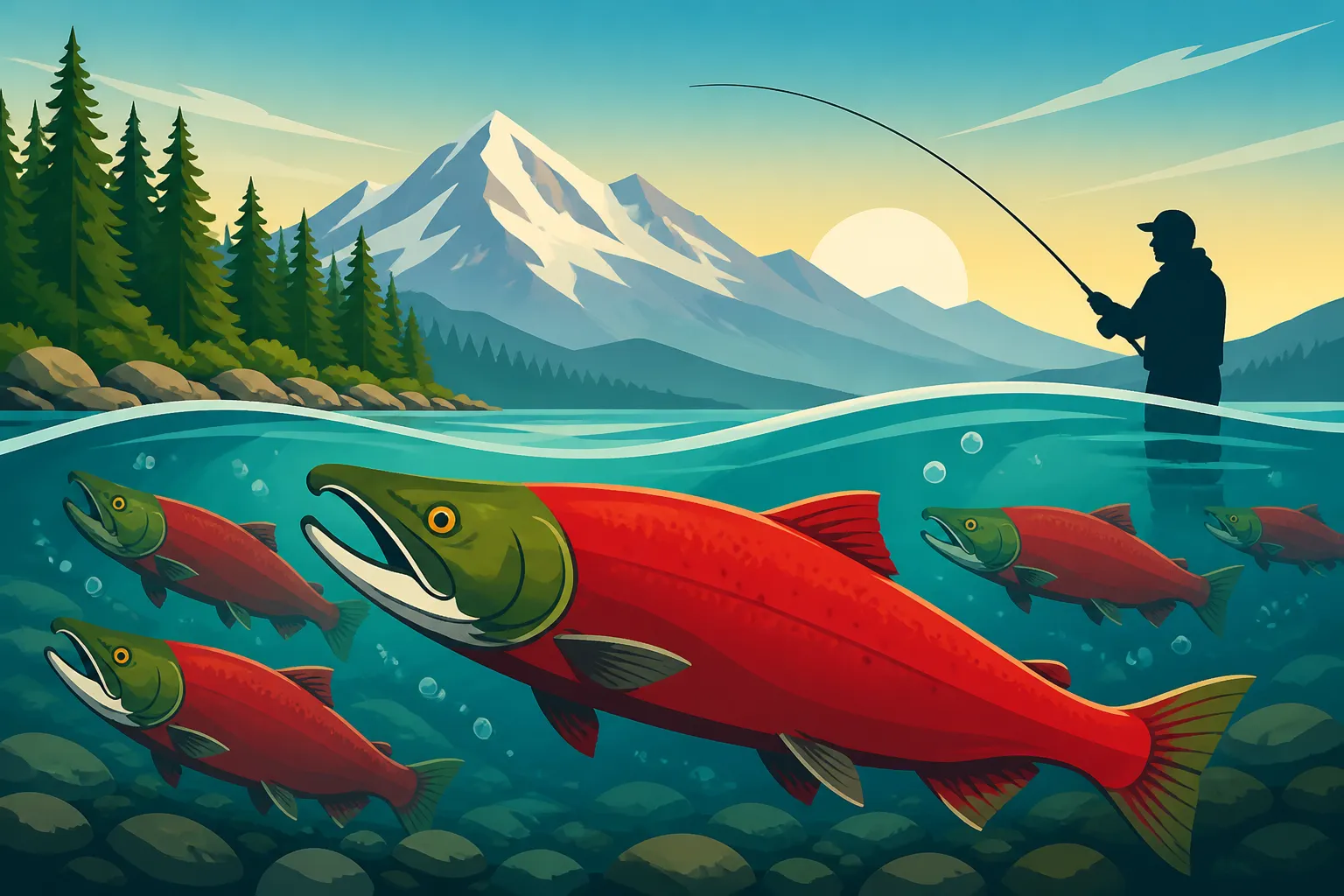
Their physical appearance also sets them apart, especially during their spawning migration. In the saltwater, Sockeye are typically metallic blue on their backs with silvery sides, lacking the spots common to Chinook or Coho. But when they enter freshwater to spawn, they undergo a dramatic transformation. Their bodies turn a brilliant, unmistakable crimson red, and their heads take on a greenish hue. The males develop a pronounced hump on their backs and a hooked jaw (kype), making them incredibly distinctive. This vibrant display is one of nature's most spectacular shows. If you're curious to learn more about their unique appearance, you can delve into How to Identify a Sockeye Salmon for a deeper dive. The transformation itself is quite remarkable, leading many to ask Why Do Sockeye Turn Red When They Spawn?.
Their life cycle is also fascinating. Most Sockeye spend one to three years in freshwater lakes after hatching, growing and developing before migrating to the ocean. After one to three years in the saltwater, they return to their natal lakes and rivers to spawn and complete their life cycle. This reliance on lake systems for early rearing is a critical factor in understanding where to find them and why certain fisheries are so significant.
The Importance of Sockeye in Washington's Ecosystem and Culture
Sockeye salmon aren't just a prize for anglers; they are a keystone species that plays a crucial role in Washington's delicate ecosystems. Their annual return provides a massive influx of marine-derived nutrients to freshwater and riparian environments, feeding everything from bears and eagles to countless insects and plants. The carcasses, after spawning, decompose and enrich the soil and water, supporting the next generation of salmon and the entire food web. Without these annual migrations, many of our river systems would be significantly less productive and vibrant.
Culturally, Sockeye salmon have been, and continue to be, incredibly important to Indigenous peoples throughout the Pacific Northwest. For millennia, tribes like the Upper Skagit and Swinomish have relied on Sockeye as a primary food source and for their spiritual significance. Traditional fishing methods, ceremonies, and cultural practices are deeply intertwined with the Sockeye's annual return. Modern management of Sockeye fisheries often involves close collaboration with tribal co-managers to ensure both conservation and the continuation of these vital cultural practices. The story of Sockeye is as much about human history and connection to the land as it is about fish.
The Kokanee Connection: Landlocked Sockeye
It might surprise you to learn that not all Sockeye salmon make the incredible journey to the ocean. There's a fascinating freshwater variant known as Kokanee, which are essentially landlocked Sockeye. These fish complete their entire life cycle within freshwater lakes, never migrating to the saltwater. They share the same scientific species name, Oncorhynchus nerka, with their anadromous (sea-run) counterparts, highlighting their close genetic relationship.
Kokanee are typically much smaller than sea-run Sockeye, usually reaching lengths of 8 to 14 inches, though some can grow larger in nutrient-rich lakes. Like their ocean-going relatives, they also feed primarily on zooplankton, which gives their flesh a similar reddish hue, although often not as intense as the ocean-faring Sockeye. Many lakes across Washington, particularly in the eastern part of the state and some mountain lakes, boast healthy Kokanee populations, offering a unique and often productive fishery. While they are smaller, Kokanee are known for being excellent table fare and provide a fun, accessible fishing experience for anglers of all skill levels. Understanding the difference and connection between Kokanee and Sockeye helps us appreciate the adaptability and diversity of this remarkable salmon species.
The Star of the Show: Baker Lake Sockeye
When most Washington anglers think of Sockeye, their minds immediately turn to Baker Lake. Nestled in the North Cascades, Baker Lake is home to one of the most unique and highly sought-after Sockeye fisheries in the entire state. The story of these fish, their incredible journey, and the efforts to support their return is truly a testament to conservation and a major draw for passionate anglers.
The Incredible Journey to Baker Lake
The journey for Baker Lake Sockeye is nothing short of epic. These fish don't just swim up a river; they navigate a complex system of fish ladders designed to bypass two major hydroelectric dams on the Baker River: the Lower Baker Dam and the Upper Baker Dam. These ladders, particularly the state-of-the-art fish collection facility at the Lower Baker Dam, are crucial for their survival. As the Sockeye arrive at the base of the Lower Baker Dam, they enter a trap where they are collected, enumerated, and then transported by truck to the waters of Baker Lake, upstream of both dams. This entire process is a marvel of engineering and environmental management, ensuring that the Sockeye can complete their migration despite significant human-made barriers.
Without these dedicated fish passage efforts, the Baker Lake Sockeye run, which was once decimated by the dams, simply wouldn't exist as it does today. The facilities are managed meticulously to ensure the highest survival rates for the migrating salmon. For the angler, understanding this journey provides a deeper appreciation for the fish they are pursuing and the conservation efforts that make this unique fishery possible. It’s a powerful example of how humans can adapt and mitigate environmental impacts to protect valuable natural resources.
When the Baker Lake Sockeye Run Is at Its Best
Timing is absolutely everything for the Baker Lake Sockeye fishery. The run typically begins in late June, with the first significant numbers of fish arriving at the Lower Baker Dam. The peak of the run usually occurs from mid-July through early August. However, like all wild fisheries, the exact timing and strength of the run can vary significantly from year to year, influenced by ocean conditions, river flows, and water temperatures. This variability is one of the frustrations anglers face, making it crucial to stay informed.
The Washington Department of Fish and Wildlife (WDFW) closely monitors the Sockeye returns at the Baker River fish traps and provides regular updates on the run progression. These updates are vital for anglers to determine the best time to plan their trip. You’ll want to watch for reports of strong daily counts at the fish traps, as this indicates a good number of Sockeye are making their way into the lake. While the fishery can extend into late August, the prime window for consistent action and good numbers of fish is definitely in that mid-July to early August timeframe. For the most up-to-date information on when the season opens and closes, checking Washington Sport Fishing Seasons and Emergency Closures is always a good idea, as these can shift annually. Knowing When the Baker Lake Sockeye Run Is at Its Best is the key to maximizing your chances.
Securing Your Spot: The Baker Lake Sockeye Permit System
Unlike most other fisheries in Washington, accessing the Baker Lake Sockeye fishery requires more than just a standard Washington fishing license. Due to the immense popularity and the desire to manage angler effort and protect the returning Sockeye, a special permit system is typically implemented. This system allocates specific fishing dates to anglers, ensuring a quality experience while preventing overcrowding and overharvest. It's a system designed to balance opportunity with conservation, and it can be a bit confusing if you're new to it.
Anglers usually apply for these permits well in advance, often through an online lottery system operated by the WDFW. The application period, drawing dates, and permit costs (if any) are announced annually, so it's critical to pay attention to these announcements. When you apply, you typically choose preferred dates, and if you're successful in the drawing, you'll be assigned a specific day or days to fish. Having a permit in hand is non-negotiable for participating in this fishery. If you're planning a trip, learning How to Get a Baker Lake Sockeye Permit should be your very first step after checking your license. Make sure you have your Washington Fishing License Guide for Nonresidents or resident license squared away before applying for any specific permits. This system ensures that the unique resource remains viable for years to come, even if it means a bit more planning for anglers.
Beyond Baker Lake: Other Washington Sockeye Opportunities
While Baker Lake undeniably holds the crown for Sockeye fishing in Washington, it's not the only place these vibrant fish can be found. There are other, often smaller, Sockeye populations that offer different angling experiences, sometimes with less pressure or in unique settings. Exploring these alternative opportunities can provide a rewarding fishing adventure for those willing to venture a bit further or adapt their plans.
Lake Wenatchee Sockeye: A Smaller, More Intimate Experience
East of the Cascades, Lake Wenatchee offers another significant Sockeye fishery, though often on a smaller scale than Baker Lake. This fishery has a passionate following and provides a beautiful, slightly more tranquil setting for pursuing Sockeye. The Sockeye here return to the Wenatchee River system, eventually making their way into the lake to spawn. Like Baker Lake, the run timing is crucial, typically peaking in July and August. However, the exact timing and open dates are highly dependent on the strength of the return, which is monitored carefully by fishery managers.
Fishing Lake Wenatchee for Sockeye often involves similar trolling techniques to those used on Baker Lake, focusing on presenting small, bright lures at specific depths. The sheer beauty of the surrounding mountains and the usually clearer waters add to the appeal of this fishery. Because the runs can be more volatile, it’s even more critical to check the WDFW regulations and emergency rule changes before making plans. When the fishery opens, it provides a fantastic opportunity to target Sockeye in a stunning natural environment.
Columbia River Sockeye: Transient Opportunities
The mighty Columbia River acts as a migration highway for Sockeye returning to tributaries far upstream, including those bound for the Okanogan River, Lake Wenatchee, and even into Canadian waters. While you won't typically find a dedicated "Columbia River Sockeye fishery" in the same way you do for Chinook or Coho, anglers targeting other salmon species on the Columbia will occasionally encounter Sockeye as bycatch or during specific, short-lived openings.
These Sockeye are usually moving quickly through the mainstem Columbia, so targeting them specifically requires an understanding of their migration corridors and depths. They often hold in deeper channels and can be caught using smaller trolling gear intended for Chinook or Kokanee. Catching a Columbia River Sockeye is often a bonus rather than a primary target, making it a delightful surprise for anglers. It underscores the vastness of the Columbia River system and its importance to multiple salmon runs. Always be aware of the specific regulations for the stretch of the Columbia you are fishing, as rules can change frequently based on run forecasts and in-season updates, particularly with Washington's Columbia River Salmon and Steelhead Endorsement, Explained.
The Elwha River's Sockeye Recovery
One of the most exciting and hopeful Sockeye stories in Washington is unfolding on the Elwha River on the Olympic Peninsula. After the monumental removal of the Elwha Dam and Glines Canyon Dam, the river system is slowly but surely recovering its historic salmon runs. While the focus has largely been on Chinook and Steelhead, Sockeye salmon are also making a return to this pristine watershed. Before the dams, the Elwha was home to a robust Sockeye population.
The recovery of the Elwha Sockeye is a long-term project, and currently, the fishery is primarily focused on conservation and monitoring. Angling for Sockeye on the Elwha is not yet a common practice, and regulations are very restrictive, if not entirely closed, to protect the fragile returning populations. However, for those interested in the future of salmon restoration, keeping an eye on The Elwha Salmon Run's Recovery in Washington is incredibly rewarding. It’s a powerful example of ecosystem restoration and the resilience of nature when given a chance. While it might not be a fishing destination today, the Elwha represents the potential for Sockeye fishing opportunities in the decades to come.
Gearing Up for Sockeye: Tackle and Techniques
Catching Sockeye salmon, especially those in lakes like Baker or Wenatchee, often requires a specialized approach. Unlike their aggressive, bait-chasing Chinook cousins, Sockeye can be notoriously finicky, favoring specific presentations and depths. The key to success often lies in finesse, precision, and understanding their unique feeding habits.
Essential Rods, Reels, and Line for Sockeye
When it comes to Sockeye, forget the heavy-duty gear you might use for trophy Chinook. Sockeye, with their smaller mouths and plankton-feeding habits, respond best to lighter tackle that allows for a more subtle presentation.
- Rods: Look for a light to medium-light action rod, typically 7 to 8.5 feet long. Fiberglass or a composite blank will offer a softer tip, which is ideal for detecting those subtle Sockeye bites and preventing the small hooks from tearing out of their delicate mouths. A fast action tip with a moderate backbone is a good balance, giving you the sensitivity to feel the light take and the power to control a fighting fish.
- Reels: A small, level-wind baitcasting reel or a good quality spinning reel spooled with light line is perfect. The key is smooth drag and reliable operation. For baitcasters, something in the 15-20 size is usually sufficient. For spinning reels, a 2500-3000 series is a good fit.
- Line: This is where many anglers can make or break their Sockeye success. Mainline should be 10-15 pound monofilament or fluorocarbon. Monofilament offers more stretch, which can be forgiving when a Sockeye makes a head shake. Fluorocarbon, being nearly invisible underwater and having less stretch, can be incredibly effective in clear lake waters. Many anglers also use a braided mainline (15-20 lb) for its sensitivity, then attach a long, clear fluorocarbon leader (8-12 lb test, 6-12 feet long) via a small swivel or knot. The lighter leader is crucial for stealth. Remember, Sockeye can be line-shy! If you're looking to stock up on some of these specialized lures or line, a quick search on Amazon can reveal a ton of options, often with reviews from other Sockeye anglers.
The Art of Trolling for Sockeye
Trolling is hands down the most popular and effective method for catching Sockeye in Washington's lakes. These fish often suspend in specific depth zones, following the plankton blooms, and trolling allows you to cover water and present your lure consistently at their level.
- Downriggers: These are almost essential for serious Sockeye trolling. Sockeye can hold anywhere from 30 to 80 feet deep, and downriggers allow you to precisely control the depth of your lure. Running multiple lines at different depths until you find where the fish are holding is a common strategy.
- Dodgers and Flashers: These are attractors designed to mimic a school of baitfish and create vibration, drawing Sockeye in. Popular dodgers for Sockeye are typically smaller, often 4-6 inches, and come in various colors like polished silver, red, or clear with glitter. Flashers are also effective. Experiment with different sizes and colors to see what the fish prefer on any given day. The dodger or flasher is usually attached to your main line, with a short leader (12-24 inches) trailing to your lure.
- Lures: Sockeye respond best to small, brightly colored lures. Mini Hoochies (small squid skirts) in pink, red, or orange are incredibly effective. Small spoons, like a Kokanee or Needlefish spoon, in similar colors can also work. The key is a small profile and often, a UV-reactive finish. Some anglers tip their hoochies or spoons with a tiny piece of corn or a maggot for added scent and appeal. The slow, rhythmic action imparted by the dodger is what really makes these lures irresistible to Sockeye. For a deep dive into this technique, check out Trolling for Salmon in Washington's Puget Sound, as many of the principles apply to Sockeye.
Other Effective Sockeye Fishing Methods
While trolling dominates the Sockeye scene, there are other methods that can be effective, particularly for Kokanee or in specific situations for sea-run Sockeye.
- Jigging: For suspended Sockeye or Kokanee, vertical jigging can be a fun and effective technique. Small, slender jigs (1/8 to 1/4 ounce) in metallic, white, or bright colors are lowered to the desired depth and then retrieved with a series of short, sharp lifts and drops. This method works well when fish are schooling tightly and can be located with a fish finder. Need a new fillet knife or a robust cooler? Amazon has countless options to get you ready for your trip and to handle your catch.
- Still Fishing/Anchoring: While less common for active Sockeye, anchoring and presenting bait can sometimes work, especially in areas where Sockeye are known to congregate. Small pieces of cured shrimp, corn, or powerbait can be effective when fished under a bobber or on a bottom rig. This method is more static and requires patience, but it can be a relaxing way to fish, especially if you're with family. However, this is far more common for Kokanee than for the actively migrating Sockeye.
- Specialized Setups: Some anglers employ advanced setups, like lead core line or specialized weights, to get their lures down to depth without the use of downriggers. Lead core line, with its color-coded segments, allows you to estimate your depth based on how many "colors" you have out. This can be a good option for smaller boats or those not equipped with downriggers, though precision depth control is more challenging.
Regulations and Conservation for Washington Sockeye
Navigating the rules and regulations for Sockeye fishing in Washington can feel like a full-time job. The Washington Department of Fish and Wildlife (WDFW) works tirelessly to manage these precious runs, and that often means highly specific rules that can change frequently. Understanding these regulations isn't just about avoiding a ticket; it's about ensuring the long-term health and sustainability of the Sockeye populations for future generations of anglers and ecosystems.
Understanding Daily Bag Limits and Special Restrictions
One of the most critical aspects of Sockeye fishing is knowing the daily bag limits and any special restrictions in place. These limits are not arbitrary; they are carefully determined based on run forecasts, spawning escapement goals, and tribal harvest allocations. For Sockeye, limits are often quite restrictive, especially compared to some other salmon species, reflecting the conservation challenges these fish can face.
For instance, the daily bag limit for Sockeye at Baker Lake typically ranges from 2 to 4 fish per person, but this can fluctuate annually and even mid-season if the run size changes unexpectedly. There might also be size restrictions or specific gear requirements, such as single-point barbless hooks. It's imperative that before every Sockeye fishing trip, you consult the most current WDFW regulations pamphlet and check for any emergency rule changes. You can usually find these updates on the WDFW website or through their "Fish Washington" app. Ignoring these rules can lead to significant penalties, including fines and potential loss of fishing privileges. A good starting point for understanding how these limits function across species is Understanding Washington's Daily Bag Limits by Species.
Catch Reporting: When a Catch Record Card Is Required in Washington
For many salmon and steelhead fisheries in Washington, including Sockeye, a Catch Record Card (CRC) is an absolute requirement. This little card, which comes with your annual fishing license, is a critical tool for fishery managers. Every Sockeye you retain, whether it's your first or your limit, must be immediately recorded on your CRC. This means noting the date, species, and location of catch.
The information you provide on your CRC is vital for WDFW to accurately assess harvest rates, evaluate the success of conservation efforts, and inform future management decisions. Without accurate catch data, it's much harder for managers to set appropriate seasons and limits, potentially jeopardizing the health of the Sockeye runs. Make sure you understand When a Catch Record Card Is Required in Washington and know How to Fill Out a Washington Catch Record Card correctly. At the end of the year, even if you didn't catch anything, your CRC must be returned to WDFW by the specified deadline. This ensures that managers have a complete picture of angling effort across the state. This is a non-negotiable part of responsible angling in Washington.
Protecting the Future: Conservation Efforts
The Sockeye salmon fisheries in Washington, particularly Baker Lake, are prime examples of intensive conservation and management efforts. From the massive fish passage systems at the Baker River dams to the careful monitoring of wild Sockeye returns in places like the Elwha, countless resources are dedicated to protecting and rebuilding these populations. As anglers, we play a crucial role in these efforts.
Beyond simply following the regulations, practicing ethical angling is paramount. This includes proper catch-and-release techniques for any fish you don't intend to keep, minimizing stress and injury to the fish. Avoiding snagging or foul-hooking, using barbless hooks when required, and understanding slot limits (if applicable) are all part of being a responsible steward of the resource. Participating in public meetings or providing feedback on proposed regulation changes can also contribute to the conservation conversation. Ultimately, the health of Washington's Sockeye salmon depends on a shared commitment between fishery managers, tribal co-managers, and the angling public. It's about respecting the fish and their incredible journey. For more detailed information on regulations that can apply across various species and locations, always have a copy of the Reading the Washington Sport Fishing Regulations Pamphlet handy.
Tips for a Successful Sockeye Fishing Trip
Hitting the water for Sockeye salmon is an exhilarating experience, but success often comes down to more than just having the right gear. It's about understanding the environment, anticipating conditions, and being prepared for anything. Here are some seasoned tips to help you maximize your chances and have a truly memorable trip.
Reading the Water and Finding the Fish
Sockeye salmon are pelagic fish, meaning they typically inhabit open water rather than hugging structure. This makes locating them a bit different than targeting other species.
- Depth is Key: Sockeye often suspend in a specific temperature range, known as the thermocline, where zooplankton is abundant. This depth can vary throughout the day and with weather conditions. A good fish finder is your best friend here. Look for dense schools of baitfish (plankton) and the distinct arches of Sockeye feeding within or below them. For a good quality fish finder that helps you locate those deep schools, many anglers turn to retailers like Amazon for various models and price points. Don't be afraid to experiment with your lure depth until you start getting bites. Many anglers start by setting their downriggers at various depths (e.g., 30, 40, 50 feet) and then adjust once fish are found.
- Current and Structure (in rivers): If you're targeting Sockeye in a river system like the Columbia (even as bycatch), pay attention to current seams, eddies, and deeper holes. While they aren't holding like Chinook, they will often use these features as resting points during their upstream migration. In lakes, though, the focus is almost entirely on open water suspended schools.
- Follow the Fleet: While you should always be respectful of other anglers' space, observing where successful boats are fishing can provide valuable clues about depth and location. Just remember, don't crowd them or troll through their lines! A quick scan with your binoculars can give you a lot of information about general areas where fish are being caught.
Weather and Water Conditions: What to Watch For
Weather and water conditions play a significant role in Sockeye behavior and angler success. Being aware of these factors can help you adjust your strategy.
- Sunlight and Cloud Cover: Sockeye often prefer deeper water or less intense sunlight. On bright, sunny days, they might be deeper, and stealthier presentations (clearer leaders, less flashy dodgers) might be more effective. Overcast days can sometimes bring them up higher in the water column and make them more active feeders.
- Water Temperature: Sockeye are sensitive to water temperature. Extreme heat or cold can push them deeper or make them less active. In lakes, understanding the thermocline – the layer where the water temperature changes rapidly – is vital, as this is often where Sockeye will hold. Keep an eye on your boat's temperature gauge if you have one.
- Wind and Waves: While Sockeye fishing is primarily a lake fishery, wind can still create chop and make boat control and lure presentation challenging. High winds can also make it difficult to effectively troll at a consistent speed. Always prioritize safety on the water, especially on larger lakes where conditions can change rapidly.
- River Flows (for migrating Sockeye): If you're targeting Sockeye in a river, higher or lower than average flows can affect their migration speed and where they hold. Very high, turbid water can make fishing difficult, while stable, moderate flows are generally preferred.
The Importance of Planning and Preparation
A successful Sockeye trip begins long before you launch your boat. Meticulous planning and preparation are essential, especially given the specific nature of this fishery.
- Check Regulations Religiously: As mentioned, Sockeye regulations can change frequently. Before you leave home, double-check the WDFW website for the most current rules, bag limits, and any emergency closures. Don't rely on old information or hearsay. It's worth reviewing Washington Fishing Regulations Every Angler Should Know annually.
- Gear Check: Ensure all your rods, reels, and downriggers are in perfect working order. Spool fresh line if needed, check your knots, and make sure your lures and dodgers are clean and ready. There's nothing worse than a gear malfunction when the fish are biting. Pack extra leaders, swivels, and your go-to Sockeye lures. Before heading out, double-check your gear. Things like rain gear, extra line, and even portable power banks for your electronics can be easily found on Amazon.
- Permit and License: Make absolutely certain you have your Baker Lake Sockeye permit (if applicable) and your valid Washington fishing license in your possession. Have them readily accessible, either as a paper copy or on your phone via the MyWDFW app.
- Boat Prep: If you're using a boat, ensure it's fueled, batteries are charged, and all safety equipment (life vests, flares, horn) is onboard and functioning. A reliable boat is crucial, especially on larger lakes.
- Local Intel: Don't be afraid to visit local tackle shops or online forums for the most up-to-date fishing reports. Anglers are often generous with information about what's working (lure colors, depths) if you're polite and respectful. Just remember that conditions change, so what worked yesterday might not work today. This blend of current information and solid planning will set you up for success.
Preparing Your Sockeye Catch: From Lake to Plate
You've put in the effort, navigated the regulations, and successfully landed some beautiful Sockeye salmon. Congratulations! But the journey isn't over yet. How you handle your catch from the moment it comes into the boat will significantly impact its quality on the plate. Sockeye are renowned for their rich flavor and vibrant red flesh, and proper care ensures you get to enjoy every delicious bite.
Handling Your Sockeye for Optimal Quality
The goal here is to preserve that exquisite flavor and texture. Immediate and proper handling is key to preventing spoilage and ensuring the best possible eating experience.
- Bleeding Immediately: As soon as you land a Sockeye you intend to keep, bleed it. This is perhaps the single most important step for quality. A quick, clean cut to the gill arch will allow the fish to bleed out thoroughly. This removes blood from the flesh, which can otherwise impart a "fishy" flavor and shorten shelf life.
- Icing Down Rapidly: After bleeding, get your Sockeye on ice as quickly as possible. A cooler filled with an ice-slurry (ice and a little water) is ideal, as it chills the fish rapidly and completely. Lay the fish flat, belly down, in the ice. This immediate cooling slows bacterial growth and helps firm up the flesh. Don't just toss them on top of a few ice cubes; ensure they are fully immersed or well-packed in ice.
- Cleaning Promptly: While you might wait until you get home, cleaning your Sockeye as soon as possible after bleeding and chilling is best. Remove the guts and rinse the cavity thoroughly with clean, cold water. Pat the fish dry with paper towels inside and out before storing. This further reduces bacterial growth and prepares the fish for storage or cooking.
Simple and Delicious Sockeye Recipes
Sockeye salmon's rich, firm, red flesh needs very little fuss to shine. Its natural oils and distinct flavor make it incredibly versatile.
- Grilled Sockeye: A classic for a reason! Brush Sockeye fillets or steaks with olive oil, season with salt, pepper, and perhaps a squeeze of lemon and fresh dill. Grill skin-side down first until the skin is crispy, then flip for a few minutes until cooked through (internal temperature of 145°F). The high heat caramelizes the natural fats, creating an irresistible crust.
- Baked or Roasted Sockeye: For a hands-off approach, bake Sockeye fillets at 400°F (200°C) for 12-15 minutes, depending on thickness. You can marinate them in a simple soy-ginger sauce, a creamy garlic-herb mixture, or just a pat of butter and a sprinkle of seasonings. The gentle heat preserves moisture and allows the natural flavors to come forward.
- Pan-Seared Sockeye: For a quick weeknight meal, pan-searing is fantastic. Heat a cast-iron skillet with a little high-smoke-point oil (like avocado oil) until shimmering. Place the Sockeye fillet skin-side down and cook for 4-6 minutes until the skin is crispy. Flip and cook for another 2-4 minutes until the flesh is opaque and flakes easily. Finish with a squeeze of lemon.
- Sockeye Salmon Taste Compared to Coho (for those who love a comparison!) is often described as richer, firmer, and more pronounced in flavor, making it a favorite for many. Ultimately, Sockeye is widely considered among the Best-Eating Fish in Washington Waters.
Preserving Your Catch: Freezing and Smoking
If you've had a successful trip and have more Sockeye than you can eat fresh, proper preservation allows you to enjoy your harvest for months to come.
- Freezing: For best quality, Sockeye should be vacuum-sealed before freezing. This removes air, preventing freezer burn and preserving flavor and texture for up to 6-12 months. If you don't have a vacuum sealer, wrap fillets tightly in plastic wrap, then in freezer paper or heavy-duty freezer bags, removing as much air as possible. Label with the date and type of fish. A vacuum sealer is a game-changer for preserving fish, and you can find a wide range of models on Amazon.
- Smoking: Smoked Sockeye is a delicacy! The process involves curing the fish (a salt-sugar brine) and then smoking it slowly at low temperatures. There are two main types: hot smoking (which cooks the fish) and cold smoking (which cures it without cooking, requiring refrigeration and a separate cooking step later). Hot smoking is more common for home use and yields a delicious, flaky product perfect for appetizers or meals. Different wood chips (alder, apple, cherry) impart unique flavors.
- Canning: While less common for home anglers, canning Sockeye is another excellent way to preserve it for long-term, shelf-stable storage. This is a more involved process requiring a pressure canner but results in a convenient, ready-to-eat product.
Regardless of your preferred method, proper preservation ensures that your memories of a successful Sockeye fishing trip can be savored long after the season ends.
Sockeye Salmon Identification and Key Features
| Feature | Sockeye Salmon (Ocean Phase) | Sockeye Salmon (Spawning Phase) | Other Salmon (General) | Kokanee (Landlocked Sockeye) |
|---|---|---|---|---|
| Body Color | Metallic blue back, silvery sides | Bright red body, green head, dark tail | Varies: green/blue/silver, spots | Silvery, turning orange/red at spawn |
| Spots | Generally no distinct spots on back/tail | Generally no distinct spots | Often distinct spots (Chinook, Coho) | Generally no distinct spots |
| Gums/Mouth | White gums, fine teeth | White gums, fine teeth (males develop kype) | Black gums (Chinook), white (Coho) | White gums, fine teeth |
| Eye Size | Relatively large eye | Relatively large eye | Varies | Relatively large eye |
| Tail Fin | Slightly forked | Slightly forked | Square (Chinook), slightly forked (Coho) | Slightly forked |
| Size (Adult) | 4-8 lbs, up to 15 lbs+ | 4-8 lbs, up to 15 lbs+ | Can be much larger (Chinook) | 8-14 inches (smaller than sea-run) |
| Diet | Primarily zooplankton | No feeding (spawning migration) | Fish, squid, crustaceans | Primarily zooplankton |
Disclaimer
This article is for general informational purposes only and does not constitute professional advice. Laws, prices and regulations vary by location and change over time. Consult a qualified professional for guidance on your specific situation.