Largemouth Bass in Western Washington Lakes
Finding consistent largemouth bass fishing in Western Washington can sometimes feel like chasing a ghost, especially when the region is so famous for its salmon and steelhead runs. It's easy to get discouraged when you hear about trophy bass coming out of warmer states, making our cooler, often clearer waters seem less hospitable. But I'm here to tell you that Western Washington holds some truly fantastic largemouth opportunities, and with the right knowledge, gear, and approach, you can absolutely land some memorable bucketmouths. This comprehensive guide will pull back the curtain on largemouth bass in our unique environment, helping you understand their habits, discover prime fishing locations, and master the techniques to catch them, no matter the season.
Understanding Western Washington Largemouth Bass: Not Just a Warm-Water Fish Anymore
When most people think of largemouth bass, they conjure images of lily pads and cypress trees in sun-drenched Southern states. It’s true that largemouth thrive in warmer waters, which is why Western Washington's generally cooler climate can make finding and catching them feel like more of a challenge. However, these adaptable fish have established healthy, vibrant populations in many of our lakes and ponds, proving that they are more than capable of adapting to the Pacific Northwest. Anglers here have learned to appreciate the unique fight and cunning of these fish in our colder, often clearer waters.
The Allure of Largemouth in the Evergreen State
There's a special kind of satisfaction that comes from coaxing a hefty largemouth out of a Western Washington lake. Unlike their salmon and steelhead cousins, which often require specialized gear and navigating complex river systems, largemouth offer a more accessible, often year-round pursuit that can be enjoyed from a boat, kayak, or even the bank. They challenge you to think, to "read" the water, and to constantly adapt your presentation. The thrill of a powerful strike, the acrobatic jumps, and the sheer bulldogging fight of a big bass is an experience that keeps many local anglers coming back for more. Plus, with fewer anglers solely focused on bass compared to other species, you often find less pressured waters, which can lead to more consistent action once you dial in the bite. Many dedicated bass anglers believe that Western Washington largemouth, due to their cooler environment, fight even harder than their southern counterparts.
They've made homes in many of our urban and rural lakes, tucked away in pockets of warmer water, dense aquatic vegetation, and intricate submerged structures. Finding these fish isn't always about brute force; it's about understanding their habits, their preferences, and how they react to the often-changing weather patterns of our region. This guide is your stepping stone to unlocking those secrets and experiencing the distinct allure of bass fishing in the Evergreen State.
Identifying Western Washington Largemouth vs. Smallmouth
One common point of confusion for anglers, especially those new to bass fishing, is telling the difference between largemouth and smallmouth bass, both of which are present in Washington state. While they share a similar shape, there are several key visual cues that distinguish the "bucketmouth" from the "bronzeback." Knowing these differences isn't just for bragging rights; it can also influence your fishing strategy, as these two species often prefer slightly different habitats and respond to different presentations.
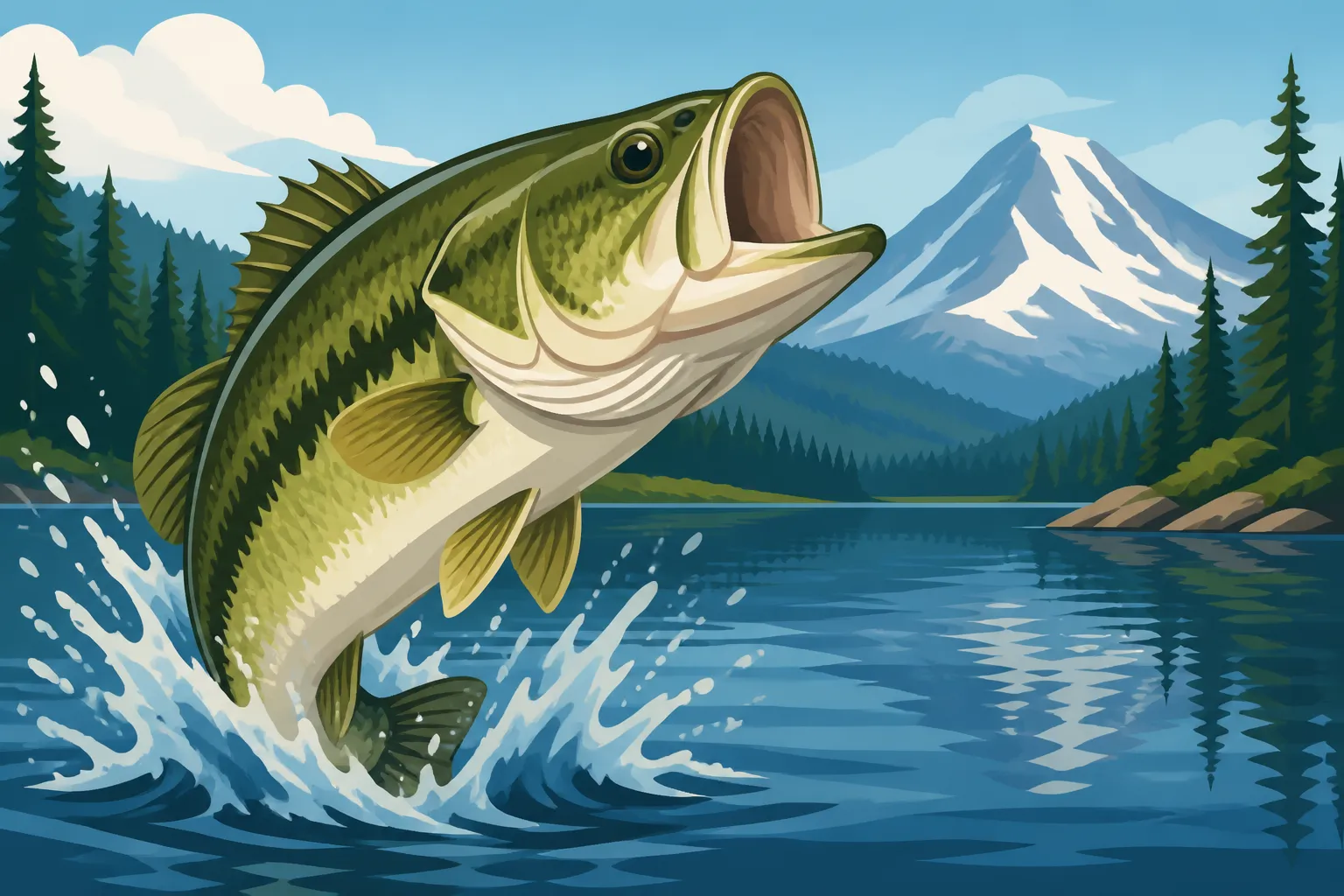
The most obvious difference lies in the mouth itself. A largemouth bass, as its name suggests, has a mouth that extends well past the rear of its eye when closed. Imagine a horizontal line drawn from the back of its eye; on a largemouth, the corner of the mouth will typically go past that line. Smallmouth, on the other hand, have a mouth that does not extend past the midpoint of the eye. Another tell-tale sign is the dorsal fin. Largemouth have a deep notch between the spiny front portion and the soft-rayed rear portion of their dorsal fin, making it look almost like two separate fins. Smallmouth have a much shallower, more continuous dorsal fin. You can learn more about how they measure up in How Big Washington Largemouth Bass Get and Are Smallmouth Bass Native to Washington?.
Beyond the mouth and dorsal fin, largemouth typically have a prominent dark, horizontal stripe or series of blotches running along their lateral line, often fading or becoming less distinct with age and water clarity. Their coloration tends to be a more olive green to dark green on the back, fading to lighter green or white on the belly. Smallmouth, by contrast, usually have vertical bars or splotches on their sides, often a bronze or brownish color, and typically lack the distinct horizontal stripe. They also tend to have redder eyes. While both are fantastic sport fish, understanding these distinctions will help you target them more effectively and appreciate the unique characteristics of each species in our Western Washington waters.
Where the Big Bass Hide: Top Western Washington Largemouth Lakes
Western Washington is a mosaic of diverse water bodies, from sprawling glacial lakes to smaller, shallower ponds. While largemouth bass might not be in every puddle, they thrive in specific environments that offer a combination of food, cover, and suitable water temperatures. Knowing what to look for in a lake and where to focus your efforts can drastically improve your success rate and cut down on wasted casting time. It's not just about finding water; it's about finding the right water within that body.
Key Characteristics of Productive Bass Lakes
Largemouth bass are ambush predators, and their habitat preferences reflect this. They love structure and cover – anything that breaks up the open water and provides a hiding spot from which to ambush prey or seek refuge. In Western Washington, this often means dense submerged vegetation like milfoil, lily pads, or cattails, especially during warmer months. These weed beds provide oxygen, shade, and a buffet of baitfish and insects. Look for areas where different types of vegetation meet, or where a weed line drops off into deeper water.
Beyond vegetation, hard structure is also a magnet for bass. Docks, pilings, submerged logs, rock piles, brush piles, and even old tires or sunken boats all offer prime real estate for a largemouth. These features provide shade, current breaks, and ambush points. Furthermore, consider the depth and contours of the lake bottom. Bass will relate to depth changes, such as points, humps, ledges, and channels. The transition zones where shallow water meets deeper water are often hotspots, as bass move between feeding grounds and deeper holding areas. Water clarity also plays a role; while bass can tolerate a range, moderately stained water often provides the perfect balance for both camouflage and hunting. You can discover some of the best places to find them in Washington Lakes With the Best Bass Fishing.
Notable Western Washington Bass Fisheries
While Eastern Washington boasts some renowned bass waters, Western Washington holds its own with several fantastic largemouth lakes. Many of these lakes are often overlooked by anglers solely focused on salmon or trout, which can be a huge advantage for the dedicated bass fisherman.
Lake Washington: This enormous urban lake, straddling Seattle and its eastern suburbs, might be famous for its salmon and trout, but it also harbors a surprisingly healthy largemouth population. The key here is understanding its vastness. Focus on the shallower, weedier bays, docks, and submerged structures along the shorelines. Areas with extensive lily pads, such as those found in the south end, or vast fields of milfoil, are prime locations. The lake's cooler, clearer water can make bass a bit more challenging, but the size potential is certainly there. For more details on this diverse fishery, check out Lake Washington for Trout and Bass and Can You Fish From a Kayak on Lake Washington?.
Lake Sammamish: Just east of Lake Washington, Lake Sammamish is another large, deep lake that offers excellent largemouth fishing, particularly in its extensive shallow bays and around its numerous docks. Similar to Lake Washington, look for weed lines, submerged timber, and residential docks. The bass here can be particular, but when you find them, they often bite aggressively. While it's known for kokanee, its bass fishery is equally rewarding. Find out more about fishing this lake in Lake Sammamish, Washington for Kokanee and Bass.
Smaller, Productive Lakes: Don't overlook the smaller gems scattered throughout Western Washington. Lakes like Long Lake (Thurston County), Tanwax Lake, Spanaway Lake, and numerous smaller county and city park ponds often have thriving largemouth populations. These smaller bodies of water can be less intimidating to navigate and may warm up quicker in the spring, making for earlier bites. They often feature abundant shoreline cover, docks, and weed beds, providing ideal bass habitat. Many of these smaller lakes are fantastic for a quick evening trip or for honing your skills. For a local favorite, you can dive into Best Lake Near Seattle for Bass. Always remember to check specific regulations for each lake through the WDFW, as rules can vary.
The Seasonal Bass Hunter: Largemouth Behavior Year-Round
One of the most exciting aspects of targeting largemouth bass in Western Washington is the ever-changing challenge presented by the seasons. Unlike some species that might disappear or become entirely dormant, bass are catchable year-round, but their locations, activity levels, and preferred baits shift dramatically with water temperature and photoperiod. Understanding these seasonal patterns is paramount to consistent success, transforming you from a casual caster to a strategic bass hunter.
Spring Awakening: Pre-Spawn and Spawning Strategies
As the chilly grip of winter loosens and water temperatures begin to climb into the upper 40s and 50s Fahrenheit, Western Washington largemouth bass begin their "spring awakening." This is the pre-spawn period, a time of increasing activity as bass shake off their winter lethargy and start to feed heavily in preparation for spawning. They'll move from deeper wintering holes to shallower staging areas, often congregating near points, humps, and channels that lead into known spawning flats. Look for them holding on the first significant cover you find near these transition zones. This is a fantastic time for crankbaits, spinnerbaits, and jigs, as bass are often aggressive and looking to pack on calories.
As water temperatures push into the 60s, the spawn begins. In Western Washington, this typically happens from late April through June, depending on the lake and specific weather patterns. Male bass will fan out circular nests in shallow, protected areas – often on hard bottoms, near docks, or within weed beds – to protect eggs and fry. During this time, bass are incredibly territorial and can be caught by sight fishing or by targeting lures that mimic intruders near their beds. Soft plastic baits like lizards, creature baits, or senkos worked slowly near visible nests can be deadly. Remember, during the spawn, proper catch-and-release practices are crucial to ensure the future health of the population.
Summer Domination: Post-Spawn and Deep Water Tactics
Once the spawn is complete and water temperatures reach their warmest, Western Washington largemouth transition into their summer patterns. The immediate post-spawn can be a bit tougher as fish recover, but soon they'll be on the feed again, often relating to deeper water and more substantial cover to escape the mid-day sun and heat. Weed lines, especially those that drop off into deeper water, become key. Bass will hold within these dense aquatic jungles, ambushing baitfish that venture too close. Flipping and pitching jigs or Texas-rigged creature baits into the thickest cover can be incredibly effective.
During peak summer, docks offer consistent shade and structure, making them prime targets. Bass will often suspend under the darkest parts of docks, especially those over deeper water. Topwater baits like frogs or poppers can provide explosive action during low-light conditions (early mornings, late evenings) over lily pads or shallow weed mats. As the sun climbs, switch to deeper presentations like deep-diving crankbaits along main lake points, or drop-shot rigs and Carolina rigs on offshore humps and ledges. Remember that Western Washington summers can vary, so always pay attention to daily water temperature fluctuations and adapt your depth accordingly.
Fall Feast: Aggressive Feeding Before Winter
As autumn arrives and water temperatures begin their gradual descent from their summer highs, Western Washington largemouth enter a glorious "fall feast" period. This is often one of the most productive times of year for consistent bass action. The fish sense the approaching winter and begin to feed aggressively, trying to put on as much weight as possible. They'll often school up and follow baitfish into shallower pockets, coves, and main lake points.
Look for schooling bass busting bait on the surface, especially during calm mornings. Spinnerbaits, chatterbaits, and lipless crankbaits excel at covering water and triggering reaction strikes from these active fish. As the water continues to cool, bass will move to deeper breaks and transition areas, often congregating on underwater humps, ledges, and channels. Deep-diving crankbaits, football jigs, and large Texas-rigged worms can be incredibly effective at targeting these deeper-holding fish. The key is to find the baitfish; where the bait goes, the bass will follow. The fall bite can be truly spectacular, offering some of the best opportunities to catch multiple quality fish.
Winter Lull: Finding the Deep-Water Holds
Winter in Western Washington brings the biggest challenge for largemouth bass anglers. As water temperatures drop into the 30s and low 40s, bass become much less active, their metabolism slowing significantly. They move to their deepest, most stable wintering holes, often congregating in large schools. These spots are typically in the deepest parts of the lake, such as channels, deep bends, ledges, or main lake basins. They will relate tightly to any vertical structure they can find, like standing timber, deep rock piles, or bridge pilings.
The key to winter bass fishing is extremely slow presentations and precise bait placement. Finesse techniques dominate. Drop-shot rigs with small plastics, Ned rigs, blade baits, and jigging spoons worked vertically over deep structure can entice bites. The strikes are often subtle – a slight tick, a feeling of weight, or simply a slack line. Patience is a virtue in winter; you might only get a few bites, but they are often from larger, healthier fish. Don't be afraid to fish a spot for a long time, meticulously working every inch of the deep cover. While challenging, catching a winter largemouth in Western Washington is a testament to an angler's skill and dedication.
Essential Gear and Tackle for Western Washington Largemouth
Having the right tools for the job can make all the difference in bass fishing, especially when you're dealing with the diverse conditions of Western Washington lakes. You don't need a tackle shop's worth of equipment to get started, but understanding what different rods, reels, lines, and lures are designed to do will greatly enhance your effectiveness and confidence on the water. Building a versatile arsenal will allow you to adapt to whatever the bass (or the weather) throws at you.
Rods, Reels, and Lines: Matching Your Presentation
The world of bass fishing rods and reels can seem overwhelming, but it boils down to matching your gear to the techniques you plan to employ. For Western Washington largemouth, you'll generally want a mix of baitcasting and spinning setups.
Baitcasting setups are your workhorses for power fishing. A medium-heavy to heavy action rod (6'8" to 7'6" in length) paired with a good quality baitcasting reel (with a gear ratio ranging from 6.3:1 for slower presentations to 8.1:1 for burning baits) is essential for throwing heavier lures like jigs, spinnerbaits, crankbaits, and frogs. These setups offer more power for setting hooks and pulling fish out of dense cover. For lines, fluorocarbon (12-20 lb test) is excellent for most applications due to its low visibility and sensitivity, while braided line (30-65 lb test) is indispensable for flipping heavy cover or fishing frogs over slop, offering incredible strength and no stretch. You can find a vast selection of these on sites like Amazon.
Spinning setups are crucial for finesse techniques. A medium-light to medium action rod (6'6" to 7'2" in length) paired with a reliable spinning reel (2500-3000 size) is perfect for lighter lures and more subtle presentations. These are ideal for drop-shotting, Ned rigs, wacky-rigged Senkos, and small swimbaits, especially in clearer waters or when bass are finicky. Use a braided main line (8-15 lb test) for sensitivity and casting distance, with a fluorocarbon leader (6-12 lb test) for invisibility. Having a good variety ensures you're prepared for whatever the situation demands.
Lures and Baits: The Western Washington Bass Arsenal
The variety of bass lures is seemingly endless, but a core selection will cover most scenarios you'll encounter in Western Washington. Here’s a rundown of essential lure types:
- Jigs: Whether it's a football jig for deep rock, a swim jig for covering water, or a flipping jig for heavy cover, jigs are incredibly versatile. Pair them with soft plastic trailers like craws or creature baits. These are year-round producers.
- Soft Plastics: The sheer adaptability of soft plastics makes them indispensable. Texas-rigged worms, creature baits, and senkos (wacky or Texas rigged) are perfect for fishing cover and tempting reluctant bass. Drop-shot worms and Ned rigs are paramount for finesse situations, particularly in clear or cold water. Many anglers swear by the effectiveness of these lures, and you can stock up on a wide variety of shapes and colors from Amazon.
- Crankbaits: These dive to various depths and mimic baitfish. Squarebill crankbaits are great for deflecting off shallow cover, while deep-diving crankbaits are essential for targeting fish on ledges or humps.
- Spinnerbaits and Chatterbaits: Excellent for covering water quickly, especially in stained water or around sparse cover. The flash and vibration can trigger aggressive reaction strikes.
- Topwater Lures: Frogs, poppers, and walking baits offer some of the most exciting bites when bass are active on the surface, particularly during summer mornings and evenings over matted vegetation.
- Swimbaits: Paddle-tail swimbaits on jig heads or weighted hooks are fantastic for mimicking baitfish and can be fished at any depth, from shallow retrieves to deep structure.
While it might seem like a lot, gradually building your collection and learning the strengths of each lure type will make you a more well-rounded and successful angler. Remember that bait color and size can often be adjusted based on water clarity, light conditions, and the size of the forage in the lake you're fishing. Even small details, like the type of hook or sinker, can matter, and you can find a comprehensive range of these terminal tackle items readily available on Amazon. For specific lure ideas, some crossover from Best Lures for Washington Smallmouth Bass might apply, but remember to prioritize largemouth-specific profiles for Western Washington.
Techniques for Targeting Western Washington Largemouth
Once you have your gear sorted, the real fun begins: learning how to present your lures effectively to entice a bite. Largemouth bass in Western Washington often require a blend of finesse and power fishing techniques, adapting to the varying conditions of our lakes. It's about being versatile and knowing when to slow down and when to speed up, when to be subtle and when to be aggressive.
Mastering the Finesse Game: When Less Is More
In many Western Washington lakes, especially those with clearer water or facing heavier fishing pressure, a finesse approach can be the most consistent producer. Finesse fishing is all about subtle presentations, lighter lines, and smaller baits that mimic natural forage without alarming wary bass. This is particularly effective during colder months, post-front conditions, or when bass are suspended and not actively chasing.
Drop-shotting is a prime example. This technique involves tying a hook directly to the main line, with a weight attached below, allowing your bait (usually a small plastic worm or creature bait) to suspend at a precise depth just off the bottom. It's deadly for bass holding on deep structure, points, or humps, and allows for incredibly subtle jigging movements without moving the weight.
The Ned rig is another fantastic finesse option, especially for colder water or tough bites. It's essentially a small, mushroom-shaped jig head paired with a short, buoyant soft plastic stick bait. The rig stands upright on the bottom, offering a tempting, subtle presentation that bass often can't resist.
Wacky rigging a Senko or similar stick bait involves hooking the plastic through its center, allowing both ends to wiggle seductively as it falls. This technique creates a slow, natural fall that is incredibly effective around docks, weed edges, and shallow cover. These finesse presentations often require patience and a keen eye for subtle line movement, but they can unlock bites when nothing else seems to work.
Power Fishing: Covering Water and Triggering Bites
While finesse has its place, there are plenty of times when a more aggressive, "power fishing" approach will outshine everything else. Power fishing involves using larger, more aggressive baits to cover a lot of water quickly, triggering reaction strikes from active bass. This is often the go-to strategy during warmer months, when bass are actively feeding, or when you're searching for fish in a new area.
Crankbaiting is a classic power fishing technique. Different crankbaits are designed to dive to various depths, allowing you to effectively target bass holding anywhere from shallow weed lines to deep ledges. The erratic wobble and vibration of a crankbait often provoke a strike from curious or territorial bass. For shallow cover, squarebill crankbaits that deflect off wood or rock are highly effective.
Spinnerbaits and chatterbaits are excellent choices for covering broad areas, especially around vegetation or sparse cover. The flash and vibration from the blades or vibrating lip create a disturbance that draws bass in, often prompting an aggressive ambush. These are particularly good for "search" baits, helping you locate active fish quickly.
Flipping and pitching are highly precise power techniques used for targeting bass in dense cover like lily pads, submerged brush, or dock pilings. This involves accurately dropping a jig or Texas-rigged plastic into small pockets of open water within the cover. The heavy weight and compact profile allow the bait to penetrate thick vegetation, and the sudden drop often triggers an immediate strike from an ambushing bass. Mastering these power techniques will enable you to effectively explore and dominate Western Washington's diverse bass habitats.
Reading the Water: Where to Cast Your Line
More than just casting, "reading the water" is the art of deciphering a lake's hidden clues to predict where bass might be holding. It's about observing the obvious and understanding the subtle. In Western Washington, where conditions can change quickly, this skill is invaluable.
Start by looking for visible structure and cover. Docks, fallen trees, brush piles, and weed lines are obvious targets. But go deeper: notice where the wind is blowing, as it can push baitfish and create current, which bass love. Look for areas where different types of cover meet – a weed line transitioning to a rock pile, or a shallow flat dropping into a channel. These "transition zones" are often highways for bass moving between feeding and resting areas.
Also, pay attention to the little things: a subtle ripple on the water from a baitfish school, a bird diving for food, or even the presence of shade lines, especially on sunny days. Bass are sensitive to light and will often position themselves in shaded areas or under docks during bright conditions. In clearer lakes, understanding light penetration is crucial. In stained or murky water, bass will often hold tighter to cover, relying more on vibration and scent. Each cast should be a deliberate decision, informed by your observations and knowledge of bass behavior. The more you practice reading the water, the more intuitively you'll know where to present your lure for the best chance at a bite.
Conservation and Responsible Angling Practices
As passionate anglers, we have a responsibility to protect the incredible fisheries we enjoy, especially when it comes to a thriving population like largemouth bass in Western Washington. Sustainable angling practices ensure that future generations can experience the same excitement and challenge that we do today. This means not only respecting the fish but also understanding and adhering to the regulations designed to manage these valuable resources.
Catch and Release Best Practices
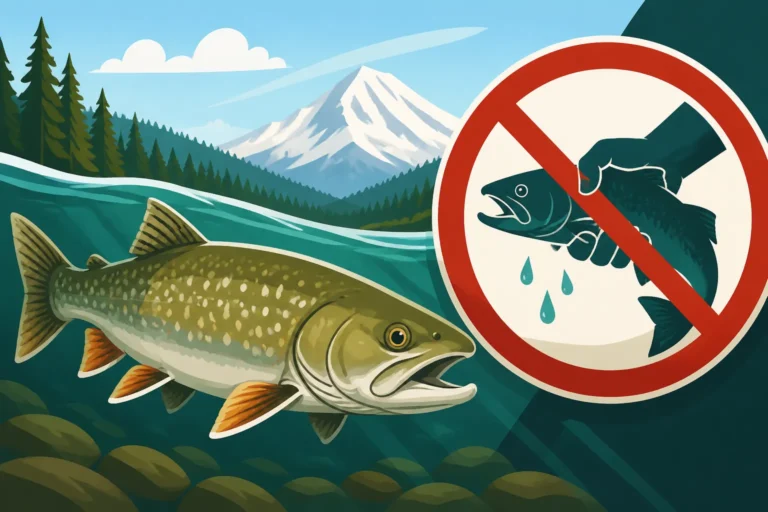
While largemouth bass are generally considered good eating, many serious bass anglers practice catch and release, especially for larger breeding-size fish, to promote healthy populations. If you choose to release your catch, doing so properly is absolutely crucial for the fish's survival. Always handle bass gently, minimizing their time out of the water. Avoid touching their gills, and support their body horizontally, especially larger fish, to prevent internal organ damage.
Use a pair of needle-nose pliers or a hook remover to quickly and carefully remove the hook. If the fish is deeply hooked, it's often best to cut the line as close to the hook as possible rather than tearing internal organs. Wet your hands before handling the fish to protect its slime coat, which is vital for disease prevention. Revive the fish by holding it upright in the water, allowing water to flow over its gills until it swims away strongly on its own. Using barbless hooks, or crimping down barbs on your hooks, can also greatly reduce fish mortality by making hook removal quicker and less traumatic. Taking these simple steps ensures that the bass you catch today can grow larger and spawn again, contributing to a robust fishery.
Understanding Regulations and Protecting Habitat
Fishing in Washington state means navigating a set of rules and regulations designed to protect fish populations and their habitats. For largemouth bass, this typically includes daily bag limits, possession limits, and sometimes specific size restrictions. These rules can vary from lake to lake and can change seasonally or even mid-season, so it's vital to always check the most current Washington Department of Fish and Wildlife (WDFW) regulations before heading out. You can find essential details in Washington Fishing Regulations Every Angler Should Know and How Bag and Possession Limits Work in Washington.
For instance, while a specific lake might have a general statewide limit for trout (see Washington Lake Trout Limit), bass regulations could differ significantly. Beyond the fish themselves, responsible angling also extends to protecting their habitat. This means avoiding littering, being mindful of boat wakes in shallow, vegetated areas where bass spawn or feed, and generally leaving the environment better than you found it. Respect private property, launch your boat responsibly, and be considerate of other anglers and water users. By being informed and practicing ethical angling, we can all contribute to the long-term health and enjoyment of Western Washington's fantastic largemouth bass fisheries.
Disclaimer
This article is for general informational purposes only and does not constitute professional advice. Laws, prices and regulations vary by location and change over time. Consult a qualified professional for guidance on your specific situation.