Where Brown Trout Live in Washington
Finding specific species can sometimes feel like searching for a needle in a haystack, especially when you're targeting a somewhat elusive fish like the brown trout here in Washington State. It's easy to get lost in the sheer volume of fishing information out there, wondering if you're even looking in the right places. This guide is here to cut through that confusion, helping you understand where these beautiful, wily fish typically thrive across our diverse landscapes.
The Allure of Brown Trout in Washington
Brown trout, often praised for their beautiful coloration and challenging nature, hold a special place in the hearts of many Washington anglers. They're not always the most abundant fish in every waterway, especially when compared to the ubiquitous rainbow trout, but their cunning and fighting spirit make them a prized catch. For those who enjoy the thrill of the chase and the reward of a hard-earned fish, brown trout offer an unparalleled experience.
A Challenging and Rewarding Catch
One of the biggest draws of brown trout is their reputation for being incredibly smart and wary. They're not typically eager to jump on just any lure or fly, often requiring anglers to employ a bit more stealth, skill, and patience. This can be a source of real frustration for beginners, but for seasoned anglers, it’s exactly what makes them so appealing. When you finally outsmart a good-sized brown, whether it’s a beautifully spotted river fish or a chunky lake dweller, the sense of accomplishment is truly something to savor.
It's not just about the fight, though. Brown trout are known for their stunning patterns, ranging from dark spots on golden flanks in rivers to more silvery hues in larger lakes. Each one feels like a unique piece of art from the depths, making the memory of the catch even more vivid.
Distinguishing Brown Trout from Other Species
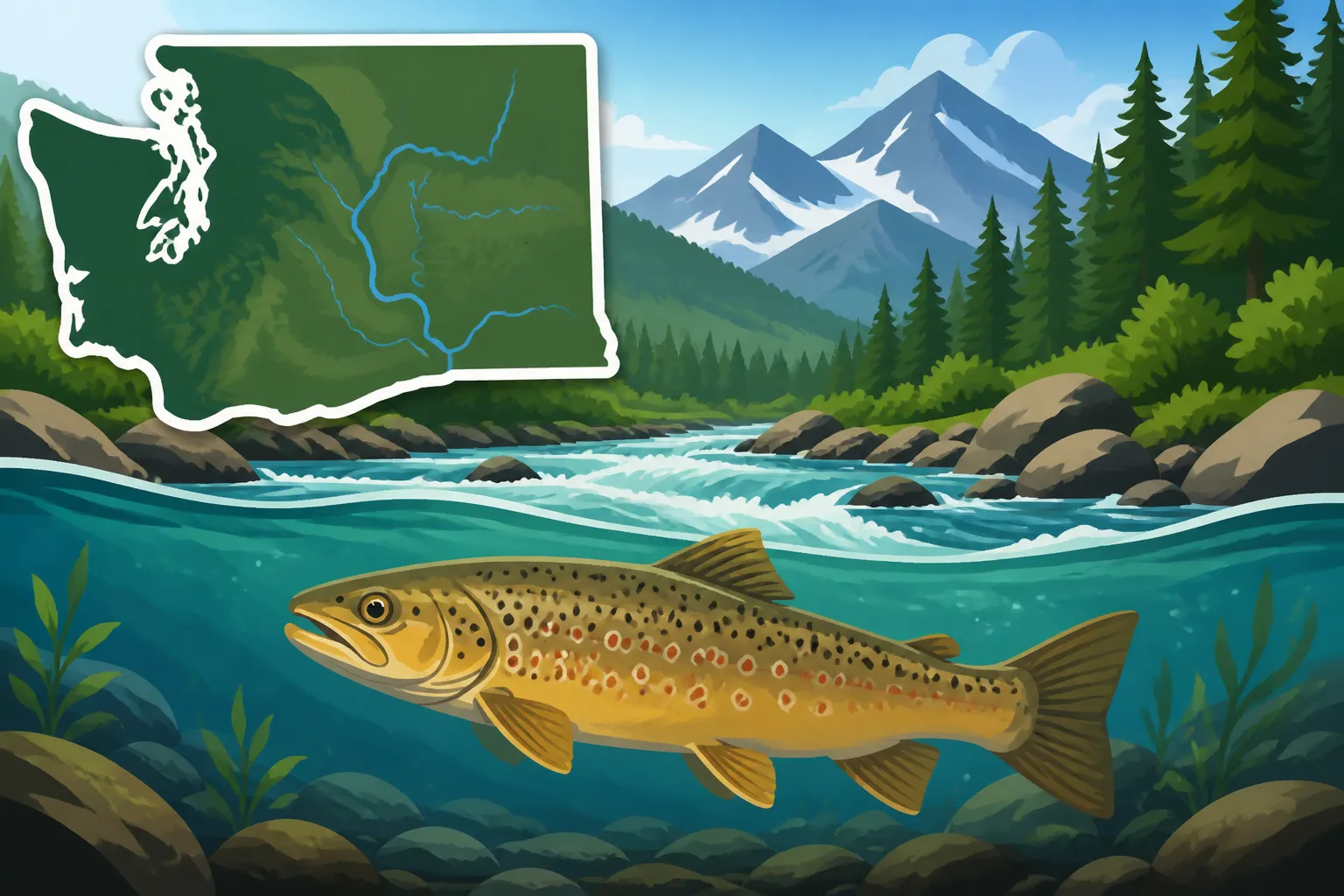
Before we dive into where to find them, it’s worth a quick note on what you’re looking for. Brown trout can sometimes be confused with other trout species, particularly in waters where multiple types coexist. Generally, brown trout are identifiable by their yellowish-brown to golden flanks, often adorned with dark spots surrounded by lighter halos, and reddish-orange spots that are usually larger and fewer in number, primarily on their sides. Their tails are typically square or slightly forked, and they lack the distinct red band often seen on rainbow trout.
Knowing these characteristics helps ensure you're indeed targeting the right fish and adhering to any specific regulations that might apply. If you're keen on learning more about trout identification, you might find this guide helpful: How to Tell Cutthroat From Rainbow Trout.
Key Regions for Brown Trout in Washington
When it comes to brown trout, Washington is a state of two halves. While they aren't native to North America, having been introduced from Europe, they've established strong populations in specific areas, primarily east of the Cascade Mountains. Western Washington, with its typically faster-flowing, less fertile, and often warmer coastal rivers, doesn't offer the same widespread ideal habitat, but there are exceptions.
Eastern Washington's Hidden Gems
Eastern Washington is truly the stronghold for brown trout in the state. This vast region, characterized by its drier climate, larger lakes, and diverse river systems, provides much of the cold, clear, and nutrient-rich waters that brown trout prefer. From the sprawling depths of Lake Roosevelt to countless smaller lakes and creeks in the Okanogan, Colville, and Spokane areas, opportunities abound.
These eastern waters often have abundant forage, including baitfish, insects, and crustaceans, which allow brown trout to grow to impressive sizes. The topography, with its mix of agricultural lands, dense forests, and high deserts, creates a variety of aquatic environments, each with its own brown trout potential. Anglers venturing east will often find themselves in more remote, tranquil settings, adding to the overall experience.
Lesser-Known Western Washington Haunts
While not nearly as prominent as in the east, brown trout can be found in some isolated pockets and smaller systems in Western Washington. These are usually smaller, cooler streams or high-elevation lakes that mimic the conditions found in their preferred eastern habitats. They are also occasionally stocked in certain lakes or ponds, particularly those managed for put-and-take fisheries or those with specific management goals.
However, if your primary goal is to target brown trout, focusing your efforts east of the Cascades will significantly increase your chances of success. It's always a good idea to check the latest WDFW stocking reports and fishing pamphlets for specific local information, as these situations can change. The question of Are Brown Trout Native to Washington? is an interesting one that highlights their introduced status and how they've carved out niches here.
Specific Lakes and Rivers Known for Brown Trout
Now let's get down to some names. While I can't provide an exhaustive list of every single brown trout spot in Washington (some secrets are best kept by local anglers!), I can highlight some of the more well-known and productive areas. Remember, conditions can change, so always do your homework before heading out.
Renowned Eastern Washington Lakes
Eastern Washington boasts several lakes famous for their brown trout populations. These waters provide ample space for large browns to grow and offer diverse fishing opportunities, from trolling deep to casting from shore.
-
Lake Roosevelt: This massive reservoir on the Columbia River is perhaps one of Washington’s best-kept secrets for trophy brown trout. While it's more widely known for kokanee and walleye, the lake's immense size and abundant forage base allow browns to grow to impressive proportions. Anglers often target them by trolling deep with large plugs or spoons, especially around structure and points. The sheer scale of Lake Roosevelt in Washington for Kokanee and Walleye means there's a huge amount of habitat to explore, and patience is definitely a virtue here. The best way to fish Roosevelt for browns is to cover a lot of water and pay close attention to any temperature breaks or bait schools you mark on your electronics.
-
Banks Lake: Another large reservoir, Banks Lake, offers a diverse fishery including healthy populations of brown trout. It's known for its productivity and can be a fantastic place for both boat and bank anglers. Browns here often feed on perch and other baitfish, so mimicking those forage species with your lures can be highly effective. The lake's varied structure, including rocky points, submerged humps, and weed lines, provides excellent ambush points for these predatory fish.
-
Other Eastern Lakes: Many smaller, often un-named or less publicized lakes in Ferry, Okanogan, and Stevens counties also hold respectable brown trout. These often involve a bit more exploration and sometimes a hike to access, but the reward can be a pristine fishing experience with less pressure. These are the kinds of spots where searching for local tips or consulting detailed topographical maps can pay off big time. For a broader look at the region's trout offerings, check out Best Washington Lakes for Trout Fishing.
Rivers and Streams Where Browns Thrive
While lakes get a lot of attention, many brown trout anglers prefer the challenge and intimacy of river fishing. Browns are often found in cooler, well-oxygenated rivers with plenty of cover, such as undercut banks, log jams, and boulder fields.
-
Yakima River (Upper Sections): While predominantly famous for its rainbow trout and fly-fishing opportunities, the upper stretches of the Yakima River and some of its tributaries can hold brown trout. These fish are often wild and blend seamlessly into the river's ecosystem. They will challenge even the most experienced fly angler. The key here is presenting flies naturally and being stealthy in your approach, as these river browns are incredibly spooky. If you're interested in honing your river trout skills, Nymphing for Trout on Washington's Yakima River offers great insights into techniques that can be adapted for browns.
-
Spokane River (Upper Reaches): The Spokane River, particularly its upper sections, also provides habitat for brown trout. These sections often feature varied flows, riffles, and deeper pools where browns can lie in wait for prey. Like the Yakima, these are often wild fish that require careful angling.
-
Tributaries and Mountain Streams: Don't overlook the myriad of smaller tributaries and higher-elevation mountain streams that feed into larger rivers and lakes in Eastern Washington. Many of these lesser-fished waters, especially those with good overhead cover from trees and plenty of cold, clear water, can be excellent for discovering untouched brown trout populations. These smaller systems are often best fished with lighter gear and a stealthy approach, mimicking natural insects or small baitfish.
Understanding Brown Trout Habitat and Behavior
To successfully fish for brown trout, it's not enough to know where they are; you also need to understand why they are there and what they're doing. Their behavior is largely dictated by their environment, specifically water conditions, available cover, and food sources.
Preferred Water Conditions
Brown trout are relatively adaptable but show a strong preference for certain conditions. They thrive in cool, well-oxygenated water, typically preferring temperatures between 55 and 65 degrees Fahrenheit. This is why you'll often find them in spring-fed streams or deeper, cooler sections of lakes, especially during the warmer months when other species might be more active in shallower, warmer waters.
They also value structure and cover. Unlike some trout that might hang out in open water, browns are ambush predators. They love hiding near undercut banks, submerged logs, large rocks, weed beds, and overhanging vegetation. These spots provide both protection from predators and ideal locations to surprise unsuspecting prey. Knowing this, you should always focus your casts near these types of features.
Seasonal Movements and Feeding Habits
Brown trout behavior can vary significantly with the seasons. In spring and fall, when water temperatures are ideal, they might be more active throughout a water body, venturing into shallower areas to feed. During these times, they're often more aggressive and willing to chase a wider range of lures or flies.
In the heat of summer, brown trout often retreat to deeper, cooler water in lakes or to shaded, faster-flowing runs and deep pools in rivers. Their feeding may become more nocturnal, or they might stick to early morning and late evening bites. They are opportunistic feeders, consuming a varied diet of aquatic insects, crayfish, sculpins, and even small rodents or frogs. Larger browns in lakes are particularly piscivorous, meaning they primarily eat other fish, which is why big baitfish imitations or lures are often effective.
Best Strategies for Locating Washington Brown Trout
Once you've identified a promising location for brown trout, having a few strategies up your sleeve will significantly improve your chances of success. It's all about understanding their preferences and presenting your offering in a way that appeals to their predatory instincts.
Reading the Water for Brown Trout
When you arrive at a brown trout stream or lake, don't just start casting randomly. Take a moment to "read the water." Look for those key features we discussed:
- Undercut Banks and Overhanging Cover: These are prime brown trout lies, offering shade and a hiding spot.
- Log Jams and Fallen Trees: Provide excellent cover and structure. Cast your lure or fly tight to these obstacles.
- Bolder Fields and Rock Piles: Create current breaks and crevices where browns can hold.
- Seams and Current Breaks in Rivers: The transition zone between fast and slow water is a highway for food and a great spot for browns to wait.
- Deep Drop-offs and Thermoclines in Lakes: During warmer months, browns will often be found along these deeper structures. A good fish finder can be invaluable for locating these areas in lakes.
Approaching these spots stealthily is crucial. Brown trout are very sensitive to vibrations and shadows, especially in clear water. Keep a low profile, avoid heavy footsteps on the bank, and make accurate, soft presentations.
Gear and Techniques for Success
The type of gear and technique you use will largely depend on whether you're fishing a small stream, a large river, or a lake, and of course, your personal preference.
-
Fly Fishing: For river and stream browns, fly fishing is incredibly popular and effective. Imitating local insect hatches (mayflies, caddis, stoneflies), baitfish patterns (sculpins, minnows), or even terrestrial insects (hoppers, ants) can yield fantastic results. Learning to nymph or fish streamers effectively will serve you well. Many anglers look for specific fly patterns or even specialty fly lines on platforms like Amazon to suit their regional needs. Fly Fishing Washington's Rivers and Lakes provides a great foundation for this approach.
-
Spin Fishing: Spin anglers can have great success with a variety of lures. Small spinners, spoons, crankbaits, and soft plastic swimbaits that imitate baitfish are often highly effective. Vary your retrieve speed and depth until you find what triggers a bite. Again, you can find a huge selection of reputable brands and specialized brown trout lures on Amazon, often with reviews from other anglers that can help guide your choices.
-
Trolling (Lakes): In larger lakes like Roosevelt or Banks, trolling is a popular method. Using downriggers or lead-core line to get your lures (like plugs, spoons, or wedding rings) down to the depth where the browns are holding is key. Experiment with different colors and sizes until you hit on what they're biting. A quality trolling motor and sonar are certainly helpful tools for lake fishing.
Remember, brown trout can be picky, so don't be afraid to change up your presentation, lure color, or fishing depth if what you're doing isn't working. Persistence and adaptability are your greatest allies.
Conservation and Responsible Angling
As with all fishing, practicing responsible angling is paramount, especially when targeting a species like brown trout that can be less numerous than others in certain areas. We all want to ensure healthy fish populations for generations to come, and our actions on the water play a direct role in that.
Catch and Release for Future Generations
Many brown trout anglers, particularly those targeting wild populations in rivers and streams, practice catch and release. This helps protect the breeding stock and allows these magnificent fish to grow larger and provide sport for other anglers. If you do plan to release fish, handle them with care:
- Minimize Time Out of Water: Get that photo quickly and get the fish back in the water.
- Wet Hands: Always wet your hands before touching a fish to protect its protective slime coat.
- Barbless Hooks: Consider using barbless hooks, which make release easier and reduce harm.
- Revive Carefully: Hold the fish gently in the water, facing into the current, until it's strong enough to swim away on its own.
Even if you choose to keep a legal limit, consider releasing the larger, trophy-sized fish to ensure they can contribute to future spawns.
Checking Regulations Before You Go
Washington State fishing regulations are dynamic and can change frequently, often with in-season emergency rule modifications. This is especially true for salmon and steelhead, but even trout regulations can vary by specific lake or river, including different bag limits, size restrictions, or even gear restrictions (like bait bans or single-point barbless hook requirements).
Before every fishing trip, no matter how familiar you are with the area, always consult the most current Washington Department of Fish and Wildlife (WDFW) regulations. You can find these online on the WDFW website, or pick up a physical pamphlet at most sporting goods stores or WDFW license vendors. It’s also wise to check for emergency rule changes, which are posted online. For comprehensive information on how to stay informed, take a look at Reading the Washington Sport Fishing Regulations Pamphlet and Where Washington Posts Fishing Rule Changes. Understanding Washington Sport Fishing Seasons and Emergency Closures is also crucial for a legal and successful trip. Don't forget to ensure you have the correct Washington's Annual, Short-Term and Combination License Options for your trip, too.
Table of Key Brown Trout Waters in Washington
Here's a quick overview of some notable brown trout locations in Washington, primarily focusing on Eastern Washington where they are more prevalent.
| Water Body | Primary Location | Type | Key Characteristics | Best Known For |
|---|---|---|---|---|
| Lake Roosevelt | Eastern Washington | Reservoir | Large, deep, abundant forage; can hold trophy-sized browns. | Trolling deep, baitfish imitations |
| Banks Lake | Eastern Washington | Reservoir | Productive, varied structure (rock, weeds); good for both boat and bank anglers. | Spin fishing, trolling, perch imitations |
| Upper Yakima River | Central Washington | River | Cold, clear, diverse insect life, plenty of cover; wild brown trout present in some sections. | Fly fishing (nymphs, streamers, terrestrials) |
| Spokane River (Upper) | Eastern Washington | River | Varied flow, riffles, deep pools, good cover. | Fly fishing, light spin gear |
| Smaller Mountain Lakes | Eastern Washington | Lake | Often remote, pristine, less pressure; can hold solid populations where conditions are right. | Fly fishing, small spinners, hike-in access |
Disclaimer
This article is for general informational purposes only and does not constitute professional advice. Laws, prices and regulations vary by location and change over time. Consult a qualified professional for guidance on your specific situation.