Do Charters Clean and Package Your Fish?
There's nothing quite like the thrill of a successful fishing trip on Washington's diverse waters, whether you're battling a Puget Sound Chinook or wrestling a feisty Columbia River steelhead. But once the lines are reeled in and the photos are snapped, a common question floats to the surface for many anglers: "Now what do I do with all this fish?" This guide will thoroughly explore the common practices of Washington fishing charters and guides when it comes to cleaning, filleting, and packaging your hard-earned catch, helping you set realistic expectations for your next adventure.
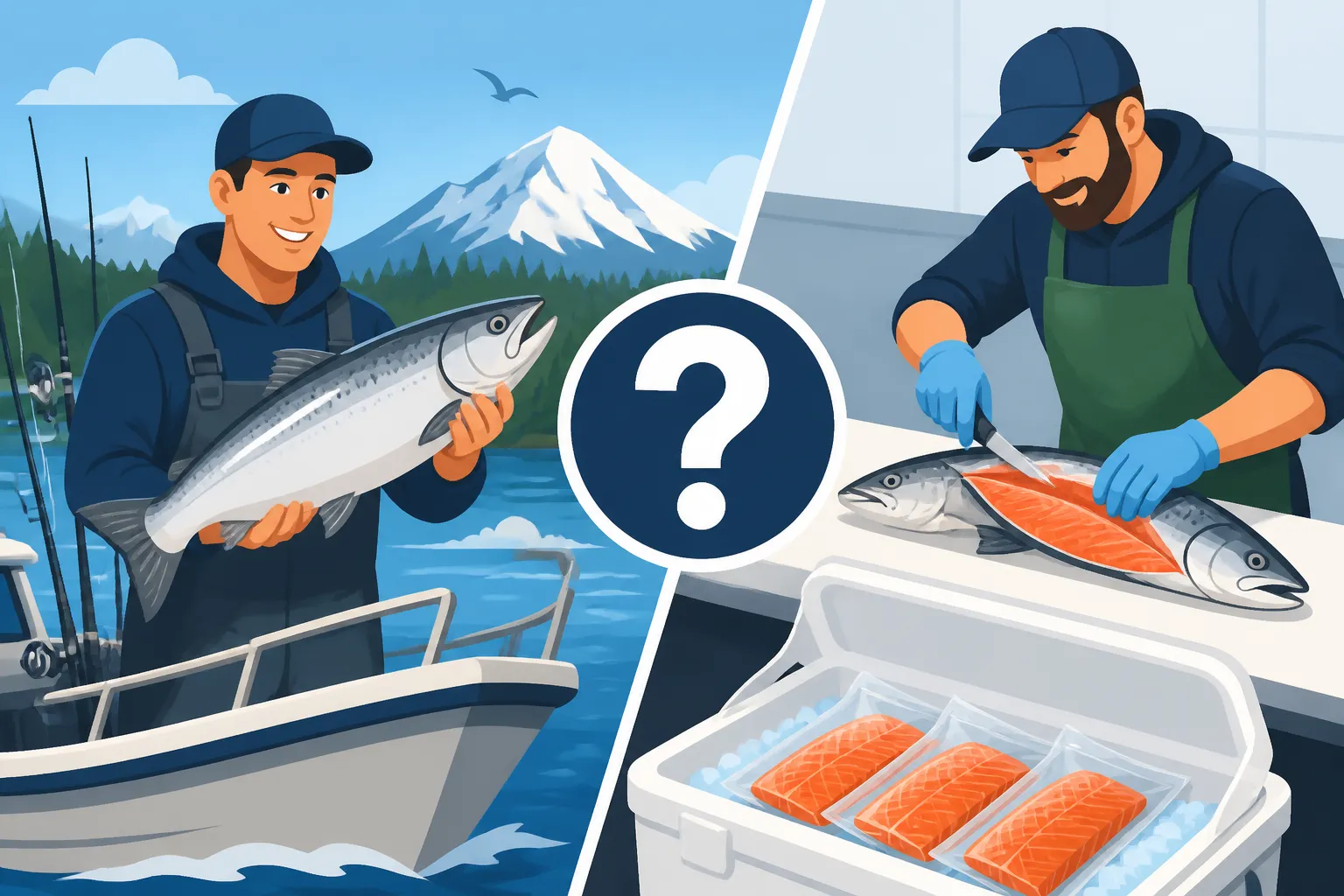
The Big Question: Do Washington Charters Handle Your Catch?
After a long day on the water, you're likely tired but exhilarated. You've got a cooler full of fresh fish, and the thought of breaking it all down yourself can feel a bit daunting. It's a natural question to wonder if your charter captain or guide will take care of this final, but crucial, step. The short answer is: it varies, but there are some general expectations you can usually count on.
The Excitement and the Logistics: Post-Catch Realities
Imagine you've just landed a beautiful limit of salmon in Marine Area 9, or perhaps you've had an incredible day on the Columbia River reeling in walleye. The adrenaline is still pumping, and you're already dreaming of that delicious dinner. However, the reality quickly sets in that those fish need to be processed. For many, this isn't just about cleaning, it's about preserving the quality of the catch. Nobody wants their prized fish to go to waste because they weren't prepared for the post-trip logistics. It’s a moment of truth, moving from the excitement of the catch to the responsibility of making sure it's table-ready.
Many anglers, especially those visiting Washington from out of state, might not have the space, tools, or even the desire to clean fish in their hotel room or rental car. This is where the charter's services, or lack thereof, become a really important detail. It's a common frustration, finding yourself with a bounty but without a clear plan for processing it, especially if you're unfamiliar with the local regulations or facilities. The thought of finding a public cleaning station or even doing it in a park can quickly dampen the post-fishing high.
Why Anglers Care About Fish Processing Services
Beyond the sheer convenience, there are practical reasons why anglers prioritize fish processing services. Firstly, proper handling immediately after the catch is critical for food quality. A fish left un-iced or improperly gutted can degrade quickly, affecting its taste and texture. A skilled crew knows how to bleed, gut, and ice fish quickly and efficiently, maintaining its prime condition. Secondly, for some, the cleaning process itself is a skill they haven't mastered, or frankly, don't enjoy. After investing in a Washington Fishing License Guide for Nonresidents or a Washington Fishing License Cost and the charter fee, anglers want to maximize their enjoyment and minimize the "work" part of the experience.
Finally, for those planning to transport their fish a long distance, proper filleting and packaging are essential. This could involve vacuum sealing, freezing, or preparing the fish to fly home, which often requires specific methods to meet airline or shipping requirements. Without these services, anglers are left scrambling to find a local fish processor or having to attempt a tricky filleting job themselves, often under less-than-ideal circumstances. It's about protecting your investment in the trip and ensuring you get to enjoy the fruits of your labor long after you've left the dock.
Standard Practices: What's Usually Included
While there's no universal rule, many Washington fishing charters and guides do offer some level of fish processing as part of their service. Knowing what's standard can help you understand what to expect and what you might need to arrange separately.
Basic Cleaning and Gutting: The Foundation
Most, but certainly not all, reputable fishing charters in Washington will include basic fish cleaning and gutting as part of their standard service, especially for smaller to medium-sized fish. This usually happens either on the boat during the trip, or more commonly, back at the dock after you've returned. The crew will typically bleed the fish (a crucial step for taste and preservation), remove the guts, and often rinse the cavity. For species like salmon, this might also involve removing the gills. The goal here is to get the fish cleaned enough so it can be safely iced down and transported without spoiling.
This basic service is a huge help, as it takes care of the messiest and most time-sensitive part of the process. You'll often find that even if a guide specifies "no filleting," they'll still perform this essential initial cleaning. It allows you to bring home a whole, cleaned fish, ready for you to fillet yourself or take to a professional processor. It's the bare minimum for preserving your catch and ensures your fish arrives home in good condition, ready for the next stage of preparation.
When Filleting and Packaging Become Extra Services
Here's where things often diverge. While gutting is sometimes included, full filleting, skinning, and detailed packaging (like vacuum sealing or portioning) are frequently considered additional, paid-for services. This is especially true for larger species like Pacific halibut or big Chinook salmon, where the filleting process is more labor-intensive and requires significant skill and time. Many guides offer these services at an extra charge, often calculated per pound of fish or as a flat fee per fish. It's a specialized skill, and the crew needs to be compensated for their time and expertise.
Some charters might have a dedicated fish cleaning station at the dock where a crew member, or even a third-party contractor, handles the filleting. For example, a Westport, Washington Halibut and Tuna Charter might offer filleting services for your large halibut right at the marina. These services are invaluable, transforming a whole fish into ready-to-cook portions. It's worth noting that if you opt for these services, it's customary to tip not just for the fishing trip itself, but also for the processing work. Don't forget to check Tipping Etiquette for Washington Fishing Guides when planning your budget.
Understanding "Dockside Processing" vs. On-Boat Prep
There's a subtle but important distinction between fish processing done directly on the boat during the trip and "dockside processing" once you've returned to the marina. On-boat prep usually involves immediate bleeding and gutting to ensure the fish stays fresh in the cooler. This is typically quick work, done efficiently to get the fish on ice as fast as possible. You might see your captain or deckhand taking care of this between hookups, especially on salmon or bottomfishing trips where you're catching multiple fish.
Dockside processing, on the other hand, is generally where more intensive work like filleting and detailed packaging occurs. This happens once the boat is tied up, and the crew has access to proper cleaning tables, running water, and packaging materials. This allows for a more thorough and hygienic process. It's also often where those extra fees for filleting come into play. Some smaller, river-based guides, like those running a Drift Fishing for Steelhead in Washington Rivers trip, might do all the cleaning themselves at the boat launch, while larger ocean charters often rely on dedicated dockside facilities or specialized crew members.
Factors Shaping Fish Processing Offerings
The services you can expect don't just depend on the individual guide, but also on the type of fishing trip, the vessel, and even the species you're targeting. These elements all play a role in determining what's feasible and customary.
Vessel Type and Fishing Style
The kind of boat you're on significantly impacts what processing can be done. On a large, well-equipped ocean charter boat, there might be dedicated space for basic cleaning. These vessels, common for Westport, Washington Halibut and Tuna Charters or Washington's Puget Sound Salmon Charters, often have ample cooler space to keep fish on ice throughout the trip, and sometimes a dedicated wash-down area. The crew is typically larger, allowing for more hands to assist with initial processing.
In contrast, a smaller drift boat or jet sled used for Columbia River Guided Salmon and Steelhead Trips in Washington or a fly-fishing guide on the Yakima River will have limited space and facilities. While a river guide will almost certainly bleed your salmon or steelhead, and might gut them at the boat launch, extensive filleting and packaging are less likely to be offered on the river. In these scenarios, the guide's primary focus is on the fishing experience, not on turning your catch into fillets. You'd typically take your whole, cleaned fish home for further processing.
Species Targeted and Regulations
The species you're after also influences processing. For instance, a small trout caught in one of Washington's Best Fishing Lakes is usually a simple affair to clean. A large halibut or lingcod, however, requires more effort, different tools, and considerable skill to fillet efficiently without wasting meat. Furthermore, regulations can affect how fish are processed. For example, certain species might need to be kept whole until reaching shore or a specific processing location to ensure compliance with size or identification rules.
When fishing for salmon or steelhead, certain areas or seasons might require the adipose fin to be present until the fish is processed to verify it's a hatchery fish (if wild fish retention is prohibited). This means filleting on the water might be restricted. Always be aware of Washington Fishing Regulations Every Angler Should Know and communicate with your guide about specific rules for your target species, especially regarding fin clipping and retention.
Individual Guide and Charter Business Policies
Ultimately, each charter and guide is an independent business, and their policies on fish processing will vary. Some high-end operations might include full processing as a premium service, while others keep their rates lower by making it an optional add-on. Some guides, particularly those who are passionate about the culinary aspect, might genuinely enjoy processing fish and make it a point to offer excellent service. Others might prefer to focus solely on the fishing itself and leave the processing to dedicated professionals at the dock.
It’s not uncommon to find guides who offer "basic clean and bag" as part of the trip, but charge extra for filleting, especially if you have a full cooler. Many guides will clearly state their policy on their website or when you're How to Book a Fishing Charter in Washington. If you're using a booking platform like FishingBooker, you can often find details about fish processing services listed under the amenities or "what's included" section for each specific charter. This transparency helps manage expectations and allows you to choose a service that aligns with your needs.
How to Confirm Processing Services Before You Book
The best way to avoid surprises and ensure your fish is handled to your satisfaction is to ask questions and do a little homework before your trip. Don't wait until you're back at the dock, exhausted and covered in fish scales, to find out what's included.
The Importance of Pre-Booking Communication
This cannot be stressed enough: always ask about fish processing services when you book your trip. A good charter captain or guide will be happy to clearly explain their policies. Don't just assume. Be specific with your questions:
- "Do you gut the fish?"
- "Do you fillet the fish?"
- "Is there an extra charge for filleting?"
- "Do you provide bags or packaging?"
- "Do you have ice on board for the catch?"
Knowing the answers upfront allows you to plan accordingly. If they don't offer filleting, you can research local fish processors near the marina or make sure you have the necessary tools and space to do it yourself. This simple conversation can prevent a lot of potential frustration at the end of what should be a fantastic day.
Utilizing Online Resources and Booking Platforms
Most modern fishing charters maintain a strong online presence. Check their websites, social media pages, and particularly, their listings on booking platforms like FishingBooker. Reputable charters usually detail what's included in their trip price, and often, what services are available at an additional cost. Look for sections like "What's Included," "Add-on Services," or "Amenities."
User reviews can also be a goldmine of information. Past clients often mention their experiences with fish cleaning and packaging. Did the guide do an excellent job filleting? Was there an unexpected charge? These insights from other anglers can provide a realistic picture of what to expect. If a charter doesn't explicitly mention fish processing, it's always safer to assume it's not included or only very basic services are provided, and then follow up with a direct inquiry. This due diligence is just as important as checking What to Bring on a Washington Fishing Charter before you leave home.
Being Prepared for DIY or Third-Party Processing
Even if your charter offers services, it's never a bad idea to be prepared for alternatives. Bring your own cooler filled with ice – this is crucial regardless of who cleans the fish, as it helps preserve freshness. If you plan to do your own filleting, consider bringing your own sharp knife, cutting board, and plenty of freezer bags. Knowing How to Fill Out a Washington Catch Record Card is also essential for any retained salmon or steelhead, regardless of who processes the fish.
Many marinas, especially in popular fishing hubs like Westport, Ilwaco, or the San Juan Islands, have commercial fish processing facilities nearby. These businesses specialize in filleting, vacuum sealing, and even flash-freezing your catch, often for a reasonable fee. They can be a fantastic option if your charter doesn't offer extensive processing, or if you want professional-grade preparation for shipping or long-term storage. Researching these options beforehand can save you time and hassle post-trip, providing peace of mind no matter how many fish you catch.
| Service Category | Typically Included (Often) | Often Extra Charge (Sometimes) | Rarely Offered (Usually DIY) |
|---|---|---|---|
| Basic Cleaning | Bleeding, gutting, rinsing | N/A | N/A |
| Filleting | For smaller, pan-sized fish (trout) | For most salmon, halibut, lingcod, bottomfish | N/A |
| Skinning | May be included with filleting | Often part of filleting service | N/A |
| Portioning | May be included with filleting | Common for larger fish; often for shipping | N/A |
| Packaging | Basic plastic bags | Vacuum sealing, specialized freezer bags | N/A |
| Freezing | Basic chilling in ice on board | Flash freezing at dockside processor | On-boat freezer for short-term |
| Shipping Prep | N/A | Provided by professional processors (e.g., custom boxes) | N/A |
Costs and Considerations for Post-Catch Services
Understanding the financial implications of fish processing is just as important as knowing what services are available. It helps you budget accurately for your trip and appreciate the value of the crew's work.
Unpacking Included vs. Additional Processing Fees
When fish processing is "included" in your charter price, it generally refers to the basic cleaning and gutting mentioned earlier. This means you won't see a separate line item on your bill for this initial prep work. However, if a charter offers filleting, skinning, or specialized packaging services, there will almost certainly be an additional fee. This fee can be structured in a few ways:
- Per Fish: A flat rate per salmon, halibut, or lingcod filleted. This is common for guides dealing with individual trophy fish.
- Per Pound: A charge based on the weight of the fish, either whole or filleted. This is popular for commercial processors or charters handling a large volume of fish like bottomfish.
- Flat Fee Per Trip: Sometimes, particularly for smaller boats or specific trip types, there might be a single, optional flat fee for all fish processed on that trip.
These fees are reasonable considering the time, skill, and equipment involved. Filleting a large fish correctly takes practice and effort. Always confirm the pricing structure when you inquire about processing services. It’s part of understanding What a Washington Guided Fishing Trip Costs in its entirety.
Tipping for Exceptional Fish Handling
Just as you would tip your guide for a great fishing experience, it's good practice to tip for excellent fish processing services, especially if it's an added service or if the crew goes above and beyond. Tipping is a way to show appreciation for their hard work, whether it's battling waves to find fish or meticulously filleting your catch. Even if filleting is a paid service, a small extra gratuity for a job well done is always appreciated.
Consider the effort involved: bleeding the fish immediately, carefully gutting and icing it on the boat, and then skillfully transforming it into clean fillets at the dock. This is all part of the overall service that makes your trip enjoyable and your harvest delicious. When planning your budget for the trip, always factor in potential tips for both the fishing guidance and any fish processing provided by the crew.
Beyond the Boat: Transporting and Preserving Your Harvest
Once your fish is cleaned, filleted, and packaged (or not, depending on your choices), the next crucial step is getting it home safely and preserving its quality. If you've opted for basic cleaning only, you'll need to transport whole, gutted fish. This requires a large cooler with plenty of ice or gel packs to keep the temperature consistently cold. Ensure the cooler is well-drained so the fish aren't sitting in melted water.
For filleted and packaged fish, especially if vacuum-sealed, keeping it frozen or very cold is paramount. If you're driving a long distance, consider dry ice for long-term preservation. If flying, you'll need to adhere to airline regulations for transporting seafood. This often means frozen, solid blocks of fish, packed in a sturdy, leak-proof cooler that meets airline size and weight limits. Many dockside processors can even pack and ship your fish for you, a truly invaluable service for out-of-state anglers. Don't forget to look into How to Ship Fish Home From Washington or Can You Fly Home With Fish From Seattle? if you're traveling a significant distance.
Preserving Your Catch: From Boat to Home
The journey of your fish doesn't end when it comes out of the water. Proper preservation from the moment it's caught until it reaches your kitchen is key to enjoying the best possible taste and quality.
On-Board Care and Storage
The immediate steps taken on the boat are critical. A good captain or deckhand will promptly bleed any retained fish. This involves making a cut to the gill arch or tail to allow the blood to drain, which significantly improves the flavor and shelf life of the meat. After bleeding, the fish should be immediately placed in a cooler full of ice. The colder you keep the fish, the slower the spoilage process. It's not just about covering them with ice; ensure they are fully submerged or packed tightly in ice to keep their core temperature down.
For larger fish like halibut or large salmon, your guide might have a dedicated fish box or insulated bag on deck. For smaller fish like rockfish or lingcod, they'll likely go directly into a cooler. The goal is to minimize time out of the water and maximize time on ice. This initial care, often handled by the crew, lays the foundation for a delicious meal later on. If you're on a multi-day trip, your guide will have specific methods for storing and preserving the catch over a longer period, perhaps even having a larger freezer or commercial ice machine on board.
Transporting Your Fish Home
Once you're off the boat and your fish is processed (or not), you need a plan to get it home. For local anglers, a well-insulated cooler with plenty of ice is usually sufficient for the drive. However, for those traveling longer distances, especially across state lines, more robust measures are needed. If your fish is already filleted and vacuum-sealed, that’s a huge advantage. If not, consider having it professionally processed and packaged.
When driving, consider using frozen gel packs in addition to ice, or even dry ice for extended trips. Dry ice can keep fish frozen for days, but it requires careful handling and ventilation. If flying, you absolutely need your fish to be frozen solid. Airlines have specific regulations regarding cooler materials and ice types (no wet ice allowed in checked baggage). It's always best to check with your specific airline and possibly a specialized fish shipper before your trip to understand their requirements. Remember, this isn't just about convenience; it's about protecting your valuable catch from spoilage and ensuring it arrives safely.
Professional Processors and Shipping Options
If your charter doesn't offer extensive filleting, vacuum sealing, or freezing, don't despair! Many fishing towns and marinas around Washington have excellent professional fish processors. These businesses are set up specifically to handle large volumes of fish, with commercial-grade equipment for filleting, skinning, portioning, vacuum sealing, and flash freezing. They often have experience with airline shipping requirements and can package your fish in airline-approved containers, sometimes even arranging shipment directly to your home.
This option is particularly popular with out-of-state visitors who want to take home a significant amount of fish without the hassle of doing it themselves or worrying about spoilage during travel. While there's a cost associated with these services, it's often a worthwhile investment to ensure your hard-earned catch arrives in pristine condition. It allows you to relax and enjoy the rest of your trip, knowing that the final step of preserving your fish is in capable hands.
Disclaimer
This article is for general informational purposes only and does not constitute professional advice. Laws, prices and regulations vary by location and change over time. Consult a qualified professional for guidance on your specific situation.