Is Seasickness Common on Washington Ocean Charters?
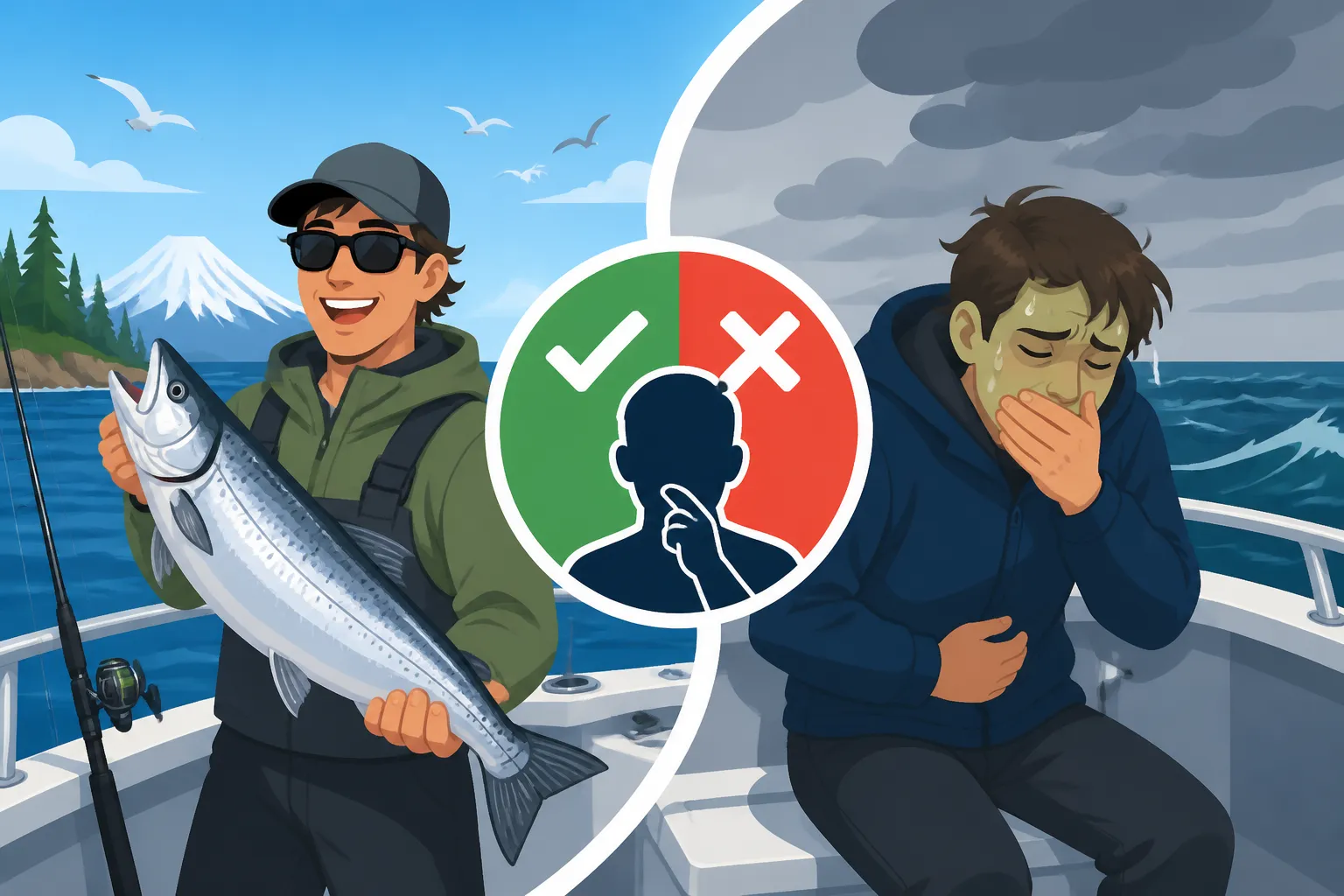
Oh, the age-old question that keeps many aspiring anglers from booking that dream ocean charter: "Will I get seasick?" It's a completely valid concern, and one that often causes more anxiety than the fishing itself! No one wants to spend a day on the beautiful Washington waters feeling green around the gills. This guide is here to tackle that worry head-on, breaking down what causes seasickness on our Pacific Northwest voyages, what factors might make it worse, and most importantly, what practical steps you can take to prevent it or manage it if it does strike.
Understanding Seasickness: What's Really Going On?
The thought of seasickness can fill even the most adventurous soul with dread. It’s a powerful, uncomfortable sensation that can quickly turn an exciting day on the water into a miserable ordeal. But what actually causes it, and why does it affect some people so much more than others? It's not just "all in your head," as some might suggest; it's a very real physiological response to conflicting sensory information.
The Science Behind the Queasiness
At its heart, seasickness, or motion sickness, is a conflict within your sensory system. Your inner ear, which is responsible for balance, detects motion – the rocking, pitching, and rolling of the boat. Meanwhile, your eyes might be focused on the relatively stable interior of the boat, or perhaps on a fixed point on the horizon, sending a different message to your brain. This mismatch of signals – one saying you're moving, the other saying you're still – creates confusion in your brain. Your brain, trying to make sense of these conflicting messages, can misinterpret them as a sign of poisoning. As a defense mechanism, it triggers symptoms like nausea and vomiting, attempting to rid your body of the perceived toxin.
It's a fascinating but deeply unpleasant biological glitch. For some folks, this sensory conflict is easily reconciled by their brain. They might feel a little off for a few minutes and then adapt, often without even realizing they’ve adjusted. For others, however, the conflict is much more profound, leading to severe and prolonged discomfort. This wide range of sensitivity means that what might be a calm day for one person could still be enough to trigger seasickness in another. It's truly a lottery of individual physiology, and there’s no shame in being on the more sensitive side.
Common Symptoms to Watch For
Recognizing the early signs of seasickness can be incredibly helpful, as early intervention is often the most effective. The progression of symptoms can vary from person to person, but there’s a general pattern many experience. Often, the first sign is a feeling of unease or a general sense of "not quite right." This might manifest as a slight headache or a peculiar sensation in your stomach, almost like a knot tightening. You might also notice a subtle dizziness or lightheadedness, as if the world is gently swaying even when you're looking at something stationary.
As seasickness progresses, these initial feelings can intensify. Nausea is, of course, the most widely recognized symptom, ranging from a mild queasiness to a truly overwhelming urge to vomit. You might also experience cold sweats, particularly on your forehead or the back of your neck, accompanied by a sudden pallor as blood rushes away from your skin. Fatigue and drowsiness are also common, as your body expends energy trying to cope with the confusing signals. Some people even report increased salivation or a strange metallic taste in their mouth. It’s important to understand these symptoms are your body's legitimate reaction, and being aware of them can help you take action before they escalate into full-blown misery.
Factors Influencing Seasickness on Washington Ocean Charters
When you're out on the vast, beautiful waters of Washington, a lot of things can contribute to how comfortable (or uncomfortable) you feel. It's not just about how "tough" you are; it's about the interplay of environment, vessel, and your own unique constitution. Understanding these factors can help you make informed decisions when planning your next fishing adventure.
Weather and Sea Conditions
Hands down, the single biggest factor influencing seasickness on an ocean charter is the weather and the resulting sea conditions. A calm, glassy day on the Pacific Ocean feels completely different from a day with 4-foot swells. Wind is often the primary driver of wave action. High winds, especially those blowing against the current, can create a choppy, confused sea state that feels like a washing machine. This kind of motion, with its erratic, unpredictable jolts and pitches, is often far worse for seasickness than a steady, rolling swell. Think about the difference between a gentle swing on a playground and being bounced around in a jeep on a rocky trail – the latter is far more disorienting.
Wave height and period also play a huge role. Short, steep waves that come quickly one after another can be more unsettling than long, slow swells of the same height. On a typical Washington ocean charter, you might experience everything from flat calm to significant chop, especially when you consider areas like the Strait of Juan de Fuca or the open Pacific. Even protected areas can get surprisingly rough; while Washington's Puget Sound Fishing Spots for Salmon and Bottomfish are generally calmer than the open ocean, strong winds can still kick up a nasty chop, particularly in more exposed marine areas. Checking the marine forecast, not just the general weather forecast, is absolutely crucial. Look for wave height and period, and also for wind speeds, which are often reported in knots. If you see "small craft advisories" or predictions for significant wave action, it’s a good indicator that conditions might be challenging for those prone to seasickness. Sometimes, if the forecast looks too rough, your charter captain might even reschedule, which leads us to understanding What Happens If Weather Cancels a Washington Charter?.
Type of Boat and Fishing Activity
The vessel itself is a major player in how you’ll experience the motion of the ocean. Generally speaking, larger boats tend to be more stable than smaller ones. Their sheer mass and length help them ride over waves rather than getting tossed around by them. Look for charters that operate on bigger, more substantial vessels if seasickness is a major concern. The hull design also matters; catamarans, with their twin hulls, are often renowned for their stability and smoother ride compared to traditional monohull boats, which can have more pronounced rolling.
Beyond the boat, the actual fishing activity can make a difference. Trolling, where the boat moves steadily forward at a slow pace, often provides a continuous, predictable motion that many people find less unsettling. However, when the boat stops or drifts, particularly for bottom fishing or halibut fishing like you'd find on Westport, Washington Halibut and Tuna Charters, the motion can become less predictable. The boat might swing with the swells, turn sideways to the waves, or just sit and rock. For some, this lack of forward momentum and the irregular rocking can be particularly challenging. Similarly, when you're targeting species that require significant travel offshore, like albacore tuna, you're more likely to encounter rougher conditions and longer periods of exposure to the open ocean. It's worth considering whether Is an Albacore Charter Rougher Than a Salmon Trip? when making your booking.
Duration and Distance from Shore
It stands to reason that the longer you're exposed to the motion of the boat, the more likely seasickness is to set in. A quick two-hour sightseeing trip is a vastly different experience from an all-day offshore fishing excursion. Most ocean charters in Washington, especially for popular species like salmon, halibut, or lingcod, are typically full-day trips, ranging from 6 to 10 hours. This extended period on the water gives your body ample time to react to the motion.
Furthermore, how far offshore you venture dramatically impacts the kind of conditions you'll encounter. Nearshore fishing, often done within a few miles of the coast or in more protected inlets, usually means smaller waves and a less intense rocking motion. However, to find the really big halibut, robust lingcod, or schools of tuna, you often need to head further out into the open Pacific. For instance, an albacore tuna charter will almost certainly take you many miles offshore, sometimes 20 to 50 miles or more, into waters where swells are larger and less broken up by landmasses. As discussed in How Far Offshore an Albacore Charter Goes, the further you go, the more pronounced the ocean's influence becomes. This means a greater chance of encountering substantial swells and a more consistent, often more intense, rocking and rolling motion. If you're new to ocean fishing or prone to seasickness, starting with a shorter, closer-to-shore trip might be a gentler introduction.
Individual Susceptibility
While external factors like weather and boat type are huge, we can't ignore the internal landscape of each angler. Individual susceptibility plays a massive role in whether someone gets seasick, and how severely. Some people are just naturally more prone to motion sickness, possibly due to a more sensitive vestibular system (the balance system in the inner ear). You might be someone who gets carsick easily, or feels queasy on amusement park rides; if so, you're likely to be more susceptible to seasickness.
Beyond inherent physiological differences, other personal factors can contribute. Anxiety about getting seasick, ironically, can sometimes make you more likely to experience symptoms. If you board the boat already stressed about the possibility, your body might be more primed to react. Fatigue is another common culprit; a poor night's sleep before your trip can lower your resistance and make you feel worse. Similarly, certain medications, an empty stomach, or eating very greasy foods before departure can all contribute to feeling unwell. Understanding your own body and its tendencies is the first step in preparing for a successful and comfortable day on the water. Many anglers find great resources, including booking options and reviews that might mention comfort, on platforms like FishingBooker, which can help gauge a boat's suitability.
Proactive Steps to Prevent Seasickness
No one wants to feel miserable on a fishing trip. The good news is, there are many proactive steps you can take to prevent seasickness from ruining your day. A little planning and preparation can go a long way in ensuring you enjoy the bountiful waters of Washington.
Pre-Trip Preparation is Key
Your preparation starts long before you even step foot on the dock. What you put into your body, and how much rest you get, can significantly impact your resilience to motion. First, let's talk about food and drink. It's really important to have a light, non-greasy meal before you head out. Think toast, fruit, or cereal. Heavy, fatty, or spicy foods can sit in your stomach and become unpleasant once the boat starts rocking. Also, avoid alcohol the night before or the morning of your trip. While a celebratory beer might sound good, alcohol can dehydrate you and amplify seasickness symptoms. Stick to water and clear juices to stay hydrated. For more detailed advice, check out What to Eat Before an Ocean Charter Trip.
Secondly, prioritize rest. A good night's sleep is not just about feeling energized for the day's fishing; it helps your body cope with stress, including the stress of motion. Boarding a boat exhausted makes you far more vulnerable to feeling unwell. If you're traveling from out of town, try to arrive early enough to get settled and have a restful night.
Finally, consider preventative medications. Over-the-counter options like Dramamine or Bonine can be very effective, but they need to be taken before you feel sick. Read the directions carefully – often, they recommend taking the first dose an hour or more before departure. There are also prescription patches available that you apply behind your ear, which can last for days. It's always a good idea to chat with your doctor about these options, especially if you have other health conditions or are taking other medications. Don't wait until you're already queasy; by then, it might be too late for these to fully kick in. This proactive approach is a big part of How to Avoid Seasickness on a Halibut Trip, given how far offshore those trips can go.
Choosing the Right Charter and Time
Making smart choices about your charter can also greatly reduce your risk. When you're browsing options, perhaps on a platform like FishingBooker, pay attention to the type of boat being used. As we discussed, larger vessels with stable hull designs tend to offer a smoother ride. If possible, opt for one of these, especially if you know you're sensitive to motion.
Consider the timing of your trip as well. While you can't control the weather perfectly, looking at the long-range marine forecast for your chosen fishing grounds can give you an idea of what to expect. If you're booking well in advance, and the forecast looks iffy closer to the date, sometimes you might have the flexibility to reschedule. For your first ocean trip, especially if you're concerned about seasickness, a shorter, near-shore trip might be a good starting point. This could mean opting for salmon fishing within Puget Sound rather than an all-day offshore tuna run. You can ask your charter captain for their recommendations on days with historically calmer conditions or particular times of year that tend to be smoother. The charter company should be able to tell you more about what to expect on Puget Sound Salmon Charters: What to Expect versus a deep-sea adventure.
Onboard Strategies
Even with all the best pre-trip planning, you'll still need some strategies once you're on the boat. The most classic and effective trick is to keep your eyes on the horizon. By focusing on a distant, stable point, you help your brain reconcile the conflicting signals. Your eyes confirm the movement your inner ear is detecting, which helps reduce the confusion. Avoid looking down at your phone, reading, or focusing intently on things inside the boat, as this exacerbates the sensory mismatch.
Fresh air is your friend. Staying above deck, where you can feel the breeze and see the horizon, is generally better than being cooped up in an enclosed cabin. If you must go below, try to keep it brief. Also, try to position yourself mid-ship, as close to the center of gravity as possible. The bow (front) and stern (back) of the boat experience the most up-and-down motion, while the middle is typically the most stable.
Continue to sip water throughout the trip to stay hydrated, and nibble on bland snacks like crackers or dry toast. Avoid anything heavy or sugary. Some people find ginger helpful, whether in candies, chews, or ginger ale. And don't forget to dress appropriately for the weather. Being too hot or too cold can also make you feel more uncomfortable. Refer to What to Bring on a Washington Fishing Charter for a comprehensive list of essential items, including clothing layers.
What to Do If Seasickness Strikes
Despite your best efforts, sometimes seasickness can still creep up on you. It happens to the best of us, even seasoned anglers on occasion. The key is to manage it gracefully and know when to seek help or call it a day.
Managing Symptoms While Aboard
First and foremost, don't be embarrassed or ashamed if you start to feel unwell. Seasickness is incredibly common, and the crew on any Washington charter has seen it all before. They are there to help, not to judge. The moment you feel the slightest bit queasy, communicate with your captain or deckhand. They might have some tried-and-true remedies or be able to suggest a spot on the boat where you’ll feel more comfortable. They can also keep an eye on you, which is important for your safety.
If you start feeling truly awful, try to find a comfortable, quiet spot. Sometimes, lying down on your back with your eyes closed, or focusing on the horizon if you can, can help. The less you move your head, the better. Continue to sip water if you can keep it down, and avoid any strong smells, including other people's food or bait, which might trigger nausea. Many boats will have a designated place for you to be sick over the side, ensuring cleanliness and minimizing disruption for others. Carrying ginger chews or a small bottle of Pepto-Bismol can sometimes provide relief for milder symptoms, but remember, once severe symptoms hit, it's often a waiting game until you're back on stable ground.
When to Consider Calling It a Day
While most cases of seasickness are temporary and subside once the boat returns to shore or the conditions calm down, there are times when it might be prudent to consider cutting your trip short. If your symptoms are so severe that you're unable to function, are repeatedly vomiting, or are experiencing extreme dizziness and disorientation, it might be time to prioritize your well-being over catching fish. This is a conversation you'll need to have with your captain. While they can't always turn the boat around instantly (especially if you're far offshore pursuing Pacific Halibut Fishing on the Washington Coast or Lingcod: Washington's Toothy Bottomfish), they will certainly work with you to find the best possible solution, whether that's heading back to port early or finding a more sheltered spot to drop anchor for a while.
Remember, a fishing trip is meant to be enjoyable. If you're truly suffering, trying to tough it out for hours can turn a potentially fun memory into a nightmare. Most charter captains would rather you be honest about how you're feeling so they can assist, rather than having you suffer in silence. They want you to have a positive experience, even if it means acknowledging that the ocean had the upper hand on that particular day.
Learning from the Experience
Every fishing trip is a learning experience, and that includes those where seasickness might have been an issue. Don't let one bad experience scare you away from ocean fishing forever. Instead, use it as an opportunity to understand your body better and refine your strategies for next time. Perhaps the medication you tried wasn't strong enough, or you should have taken it earlier. Maybe the conditions were just particularly rough that day, and a different time of year would be better.
Consider trying a different type of charter or a more sheltered location for your next outing. For example, some of the fishing closer to shore in the San Juan Islands or certain parts of Puget Sound might offer a much calmer experience than heading far out into the Pacific. You could also experiment with different preventative measures, from pressure point wristbands to specific dietary adjustments. The world of Halibut Fishing Techniques for the Washington Coast is vast, and there are many different ways to enjoy fishing here. By adapting your approach and continuing to educate yourself, you can significantly increase your chances of a comfortable and successful future fishing adventure in Washington.
Disclaimer
This article is for general informational purposes only and does not constitute professional advice. Laws, prices and regulations vary by location and change over time. Consult a qualified professional for guidance on your specific situation.