Fishing the Cowlitz River for Steelhead and Salmon in Washington
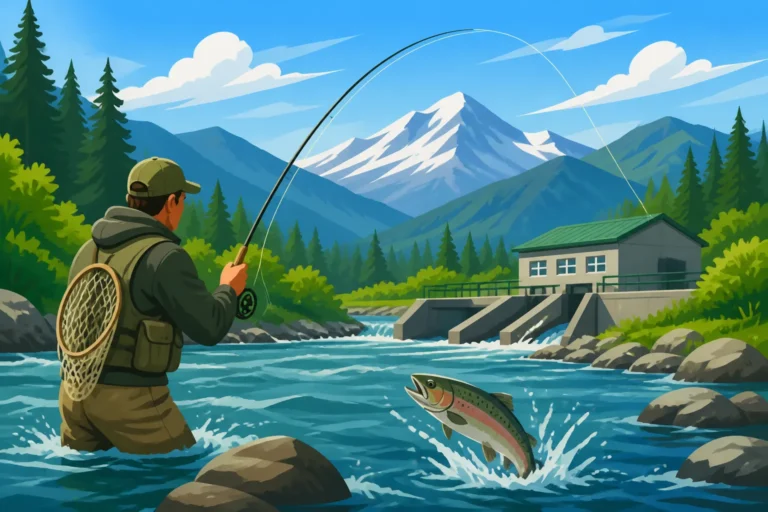
Standing on the banks of a roaring Pacific Northwest river, gear in hand, while trying to guess whether the run is in full swing or completely blown out can test anyone’s patience. The Cowlitz River is legendary for its massive returns of salmon and steelhead, but navigating its shifting currents, varying hatchery drop points, and unpredictable water releases can leave even experienced anglers scratching their heads. This comprehensive guide breaks down the Cowlitz River fishery from headwaters to mouth, giving you the exact run timings, access points, and proven tactics you need to land fish consistently.
Overview of the Cowlitz River Fishery
The Cowlitz River is widely regarded as one of the hardest-working, most productive freshwater systems in Western Washington. Originating in the high Cascades near Mount Rainier, Mount Adams, and Mount St. Helens, the river flows southwest for over 100 miles before emptying into the Columbia River near Longview. Because it serves as a major salmon and steelhead producer for the state, understanding how the river operates is the first step toward becoming a successful Cowlitz angler.
Geography and Flow Regulations from Barrier Dam to the Columbia
The flow of the Cowlitz River is heavily influenced by a pair of major hydroelectric structures: Mossyrock Dam (which forms Riffe Lake) and Mayfield Dam (which forms Mayfield Lake). Below Mayfield Lake lies the Cowlitz Barrier Dam, which serves as the primary separation point between the upper watershed and the downstream migration path. From the Barrier Dam near Salkum down to its confluence with the Columbia River, the Cowlitz offers over 50 miles of prime, navigable fishing water.
Because the river flows out of a dam system, water volume and clarity are largely managed by dam operators. Flow rates are typically measured in cubic feet per second (CFS). When water releases are stable, the river provides ideal holding water for migrating fish in its deep pools, long gravel bars, and tailraces. However, rapid flow adjustments can dramatically shift fish holding areas overnight. Bank and drift boat anglers alike need to keep an eye on water level readings to understand how current conditions will affect fish behavior and safe boat operation.
Why the Cowlitz is a Top-Tier Western Washington Fishery
Few rivers in the Pacific Northwest match the sheer output and diversity of the Cowlitz River. Because of extensive hatchery enhancement programs, this river experiences multiple distinct runs of salmon and steelhead every single year. Whether you prefer twitching jigs for coho, back-bouncing roe for heavy fall Chinook, or side-drifting beads for summer steelhead, the river rarely sits empty for long.
Another reason the Cowlitz is so highly revered is its accessibility. While many coastal rivers require rugged hiking or navigating extreme wilderness whitewater, the Cowlitz provides a balanced mix of developed boat ramps, accessible state-managed bank areas, and long stretches of public gravel bars. Anglers traveling from Tacoma, Seattle, or Portland find the drive straight down Interstate 5 remarkably manageable for day trips, making it a go-to weekend destination throughout the year.
Understanding Hatchery Operations and Return Timelines
The engine behind the Cowlitz’s incredible fishery is its complex hatchery infrastructure, primarily consisting of the Cowlitz Salmon Hatchery near Salkum and the Cowlitz Trout Hatchery located near Blue Creek. These facilities raise and release millions of smolts annually to offset habitat loss caused by dam construction. When adult salmon and steelhead return from the ocean, their biological instinct drives them straight back to these release points.
Because adult fish target these specific locations, the river features distinct “hot spots” depending on which species is returning. For instance, winter and summer steelhead return in high concentrations to the waters surrounding the Trout Hatchery at Blue Creek. Conversely, fall Chinook and coho tend to pool heavily in the reaches near the Salmon Hatchery and the Barrier Dam tailrace. Knowing where these hatcheries sit along the river map allows you to align your fishing strategy with the natural migration targets of your chosen species.
Target Species and Run Timings on the Cowlitz River
Timing is everything when planning a trip to the Cowlitz. While there is nearly always something swimming in the river, peak catch rates depend heavily on targeting specific species during their primary migration windows. Understanding these seasonal rhythms ensures you don’t show up during a lull between runs.
| Species | Primary Migration | Peak Fishing Window | Preferred River Zone |
|---|---|---|---|
| Winter Steelhead | December – April | January – March | Blue Creek to Barrier |
| Summer Steelhead | May – October | June – August | Blue Creek / Barrier |
| Spring Chinook | April – June | May – Early June | Barrier Dam Tailrace |
| Fall Chinook | August – November | September – October | Lower & Mid River |
| Coho Salmon | September – December | October – November | Barrier Dam to Olequa |
| Cutthroat Trout | August – November | September – October | Mid River Gravel Bars |
Summer and Winter Steelhead Runs
The Cowlitz boasts two exceptionally popular steelhead runs that attract anglers from across the region. The winter run generally begins trickling into the lower river in December, peaking between January and March. These winter fish are prized for their heavy bodies, explosive silver runs, and willingness to strike aggressively in cold water. You’ll often find anglers reviewing Winter vs Summer Steelhead Runs in Washington, Explained to adjust their tackle weight and leader lengths for cold-water presentations.
As the winter run begins to wind down in late spring, the summer steelhead run takes center stage. Summer fish begin showing up in May, with action peaking during the warm months of June, July, and August. Summer steelhead are known for their spectacular aerial acrobatics and energetic fights. Because summer water flows are often lower and clearer, finesse tactics like light-line drift fishing, float-and-jig fishing, and casting small spinners become extremely effective along the hatchery stretches.
Spring and Fall Chinook Salmon
Chinook salmon—often called King salmon—are the heavyweights of the Cowlitz River. The spring Chinook (or “springer”) run is widely considered the finest eating fish of the year due to its high oil content, accumulated for the long wait in the river before autumn spawning. Springers start entering the system in April, with peak fishing occurring in May and early June. These fish tend to hold in deep, oxygen-rich pools and current seams, requiring precise presentations right near the river bottom.
In late summer, the fall Chinook run begins its push up the river, peaking through September and October. Fall Kings are significantly larger on average than springers, with mature fish frequently topping twenty to thirty pounds. When the fall run is in full force, lower river access points like Mission Bar and Olequa become bustling hubs of activity. For a deeper look at how these fish compare to ocean runs across the state, check out When Chinook Salmon Run in Washington’s Puget Sound.
Coho Salmon and Sea-Run Cutthroat Opportunities
As summer transitions to autumn, coho salmon (also known as silver salmon) flood into the Cowlitz by the thousands. The coho migration typically kicks off in September, reaching its absolute peak in October and early November. Coho are famous for their aggressive nature; they will readily chase down bright twitching jigs, brass spinners, and flashed wobbler spoons. When a fresh pod of silvers moves through a pool, action can be fast and furious for both bank anglers and boat crews.
Alongside the coho run comes an often-overlooked native gem: sea-run cutthroat trout. These sea-run cutts follow the salmon schools upstream during September and October, feeding on loose salmon eggs and small fry. Averaging twelve to eighteen inches, cutthroat offer fantastic light-tackle and fly-fishing action on the mid-river gravel bars. Using small inline spinners, micro-jigs, or egg-pattern flies near shallow current edges can result in non-stop catch-and-release fun while waiting for a heavy salmon rod to double over.
Prime Fishing Spots and Access Points Along the Cowlitz
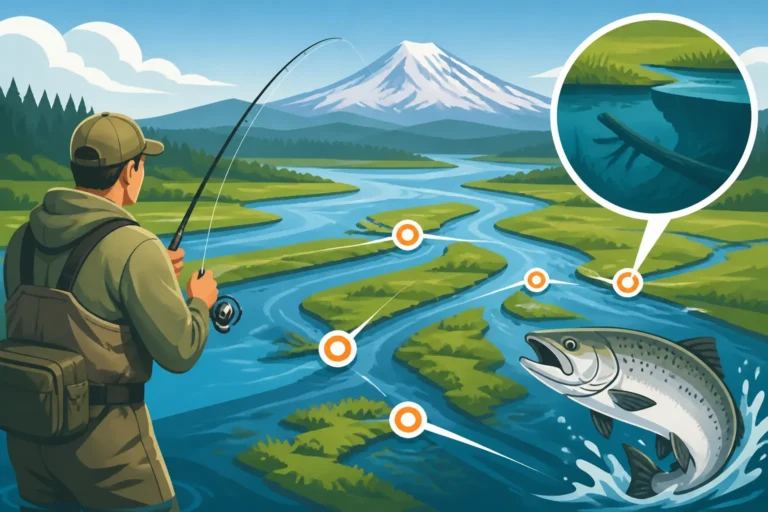
Knowing which stretch of river to fish is half the battle. The Cowlitz features several well-known access hubs, each offering distinct advantages depending on whether you are launching a drift boat, operating a jet boat, or fishing strictly from the bank.
Barrier Dam and Salmon Hatchery Area
Located near Salkum, the Barrier Dam area marks the uppermost boundary for sport fishing on the lower river. Because fish cannot migrate past the dam structure, enormous numbers of adult salmon and summer steelhead stack up in the pools and tailraces directly below the boundary line. This creates one of the most popular bank fishing zones in the entire state.
Bank anglers line the rocky shoreline and concrete walkways near the Cowlitz Salmon Hatchery, utilizing long rods to cast drift rigs, plunking setups, and bobbers. The water here is deep and moves at a steady clip, making it ideal for holding fish. However, because of its reputation for high catch rates, the Barrier Dam stretch can become extremely crowded during peak fall salmon runs. Arriving early to claim a spot on the rock wall or gravel bar is essential if you plan to fish this historic stretch.
Blue Creek and Trout Hatchery Access
If you ask a local guide where to go for summer or winter steelhead, their immediate answer will almost certainly be Blue Creek. Situated a few miles downstream from the Barrier Dam, the Blue Creek access point sits directly adjacent to the Cowlitz Trout Hatchery outlet. Returning steelhead target this small tributary creek, congregating in massive pods in the mainstem river right around the creek mouth.
Blue Creek offers a public boat launch that serves as the central launching point for drift boats and jet sleds heading downstream toward Mission Bar or fishing the immediate hatchery hole. Bank anglers can wade the extensive gravel bars opposite the boat ramp, casting bobbers paired with brightly colored jigs or yarn-wrapped bait. If you are learning Drift Fishing for Steelhead in Washington Rivers, the gravel runs around Blue Creek provide the perfect classroom environment with clean, predictable bottom structures.
Lower River Spots: Mission Bar, Olequa, and Lexington
As the Cowlitz flows past Toledo and moves closer to the Columbia River, the character of the river changes from fast gravel runs to long, sweeping bends and deep tidal pools. The lower river sections are accessible through key launch points such as Mission Bar, Olequa County Park, and the public ramps near Castle Rock and Lexington.
- Mission Bar: A prime mid-river launch site favored by jet boat owners and drift boaters looking for a full-day drift down from Blue Creek. Excellent for side-drifting for summer steelhead and back-bouncing salmon roe.
- Olequa County Park: Located near the confluence with Olequa Creek, this park offers a deep-water boat launch and ample shore access. It is a prime staging area for fresh fall Chinook and coho entering from the Columbia.
- Lexington / Castle Rock: These lower-river access points put you right in the path of fresh-run fish that have just entered the river. The water here is wider, slower, and heavily influenced by water management downstream, making it ideal for trolling plugs or plunking heavy lead setups from shore.
Recommended Gear, Rigs, and Proven Techniques
Matching your gear to the specific water type and target species is critical for success on the Cowlitz. Because the river transitions from fast, shallow riffles to deep, boiling pools, having the right rod, reel, and terminal tackle setup will make a massive difference in your bite-to-land ratio.
Side-Drifting and Back-Bouncing for River Salmon
For boat anglers targeting spring Chinook or fall salmon in the moving water between Blue Creek and Olequa, side-drifting and back-bouncing are the gold standards. Side-drifting involves using the boat’s electric motor or oars to match the exact speed of the current, allowing light-weight lead and natural bait to drift downstream naturally alongside the boat.
- Rods & Reels: 9’6″ to 10’6″ medium-action spinning or light baitcasting rods rated for 8–17 lb line, paired with smooth high-speed reels.
- Rigging: A slinky weight or pencil lead attached to a sliding swivel, tied to a 3- to 4-foot fluorocarbon leader. Hook size ranges from 1/0 to 3/0, baited with a nickel-sized cluster of cured salmon roe and a bright pink or orange egg loop yarn ball.
When fishing deeper holes where heavy fall Kings settle into the gravel, back-bouncing comes into play. Anglers drop heavy lead weights (often 2 to 6 ounces) straight under the boat, using the rod tip to “walk” or bounce the bait downstream through the hole. This keeps the scent trail of fresh salmon roe directly in the strike zone of territorial adult salmon.
Drift Fishing, Bobber, and Jig Setups for Steelhead
Steelhead are highly visual hunters that react swiftly to subtle presentations floating past their holding seams. Drift fishing involves bouncing terminal tackle along the river cobble, while float fishing suspends your offering just inches above the bottom rocks, preventing annoying snags.
When float fishing, a float (or bobber) calibrated precisely to the weight of your jig or bead is essential. Standard setup includes a 1/8- to 1/4-ounce marabou jig in pink, white, or flame orange, often tipped with a tiny sliver of cooked prawn flesh for scent. Alternatively, soft plastic beads painted to mimic fresh salmon eggs are pinned one to two inches above a bare offset hook. As the float drifts down the seam, any hesitation or sudden plunge of the bobber demands a swift, firm hookset.
Bank Fishing and Plunking Strategies
If you don’t own a boat, don’t worry—the Cowlitz is one of the premier bank-fishing rivers in the Pacific Northwest. Bank anglers often rely on “plunking,” a technique where a heavy lead weight holds a stationary bait rig in a specific migratory lane along the river edge while the angler rests the rod in a sturdy bank holder.
To plunk successfully, select a steady current seam three to ten feet off the bank where travelling salmon or steelhead push past high-water flows. Rig a heavy triangular or pyramid sinker (3 to 8 ounces) at the end of your main line, and attach one or two dropper leaders above it using three-way swivels. Popular terminal attractors include size 10 or 8 Spin-N-Glos packed with a small cluster of salmon roe or a cured sand shrimp. When a moving fish strikes the stationary lure, the rod tip will drop violently toward the water line. If you are new to this static method, taking time to learn How to Plunk for Salmon on a Washington River will save you endless hours of trial and error on the water.
Licensing, Regulations, and Planning Your Trip
Before heading out to the river with your gear packed, ensuring you are fully legal and prepared for sudden rule changes is vital. Washington state enforces strict conservation regulations to maintain sustainable fish populations on the Cowlitz River.
Licensing Requirements and Endorsements
To fish the Cowlitz legally, all anglers aged 15 and older must possess a valid Washington freshwater or combination fishing license. Additionally, because the Cowlitz is a major tributary of the Columbia River basin, you must purchase specific endorsements and record cards before making your first cast:
- Freshwater Fishing License: Authorizes basic freshwater angling across state waters.
- Columbia River Salmon and Steelhead Endorsement: Required for anyone targeting salmon or steelhead in the Cowlitz River system. For complete details on who needs this add-on, review Washington’s Columbia River Salmon and Steelhead Endorsement, Explained.
- Catch Record Card (CRC): Issued with your license, this card must be in your physical possession whenever you are targeting salmon, steelhead, or sturgeon. Any harvested salmon or steelhead must be recorded immediately in ink before you cast again. Make sure you fully understand The Washington Catch Record Card and What It Requires to avoid steep penalties.
- Two-Pole Endorsement: Optional, but allows anglers to fish with two rods where permitted by local river regulations.
Navigating In-Season Emergency Rule Changes
Because wild fish stocks can fluctuate rapidly due to ocean survival rates and river conditions, the Washington Department of Fish and Wildlife (WDFW) frequently issues emergency rule changes throughout the season. An area open for salmon keeping on Monday could switch to selective gear rules or catch-and-release only by Thursday.
Before heading to the river, always consult the official WDFW emergency rules page or the Fish Washington mobile application. Pay close attention to barbless hook mandates (which are commonly enforced for salmon and steelhead on the Cowlitz), bait bans, wild fish release rules (adipose-fin clipped hatchery fish are generally the only fish legal for harvest), and specific boundary line restrictions around hatchery ladders and dams. Understanding Washington Fishing Regulations Every Angler Should Know will keep you safe, ethical, and fully compliant on the water.
DIY Trips vs Hiring a Local Charter or Guide
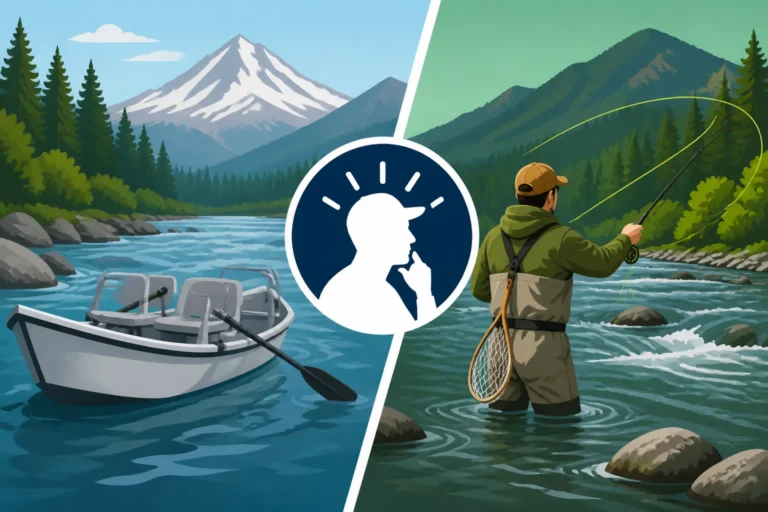
Deciding whether to venture out on a self-guided trip or book a professional guide comes down to your experience level, budget, and local river knowledge. Doing a DIY trip from public bank spots like Barrier Dam or Blue Creek is highly rewarding and affordable, but it requires patience to learn the local bank etiquette and fish holding spots.
For those short on time or unfamiliar with operating boats around river hazards, booking a local fishing guide or charter service is an outstanding investment. Experienced captains provide high-end rods, custom bait, and intimate knowledge of current fish movements. If you are researching guided options, platform services like FishingBooker make it easy to compare vetted captains, check seasonal availability, and read recent customer reviews for Cowlitz River trips.
Whether you opt to browse options on FishingBooker or book directly with an independent local guide, having an expert at the oars dramatically increases your chances of bagging a limit of springers or winter steelhead. If you are debating the best approach for your upcoming adventure, take a look at Do You Need a Guide to Fish the Cowlitz? and Booking a Guide for the Cowlitz River in Washington to help weigh your options.
Finally, remember that run timing can vary slightly from year to year depending on snowpack melt and ocean survival rates. If you are curious about historical fall return trends, reviewing resource materials like Does the Cowlitz Have a Hatchery Return in the Fall? can give you extra confidence when picking your travel dates. By matching your target species with the right river section, bringing properly rigged tackle, and respecting local regulations, your trip to the Cowlitz River is bound to produce stories—and catches—that keep you coming back season after season.
Disclaimer
This article is for general informational purposes only and does not constitute professional advice. Laws, prices and regulations vary by location and change over time. Consult a qualified professional for guidance on your specific situation.