Possession Bar’s Location Near Everett
Trying to pinpoint the exact hot spots in Puget Sound for salmon fishing can feel like trying to find a needle in a haystack, especially with so many incredible waterways around Everett. One name that consistently comes up in local angling circles, and for very good reason, is Possession Bar. This guide is here to unravel the mystery of Possession Bar, showing you precisely where it is, what makes it a salmon magnet, and how you can successfully navigate and fish this legendary Washington State fishing ground.
Understanding Possession Bar's Geographic Location
If you've spent any time looking at a marine chart of Puget Sound, the term "bar" refers to an underwater ridge or shoal that rises from the seafloor. These features are incredibly dynamic, constantly shaped by currents and tides, and act as natural highways and feeding grounds for marine life. Possession Bar is a prime example, a geographical marvel that plays a critical role in the local ecosystem and, by extension, the fishing success of countless anglers.
Where Exactly Is Possession Bar?
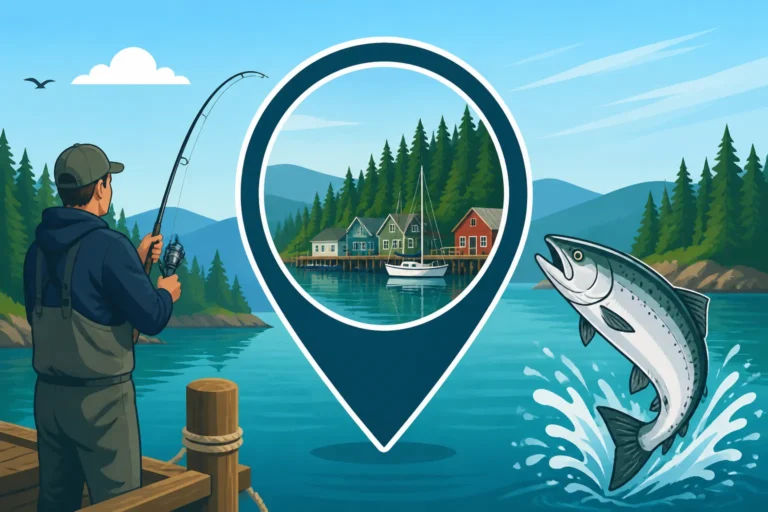
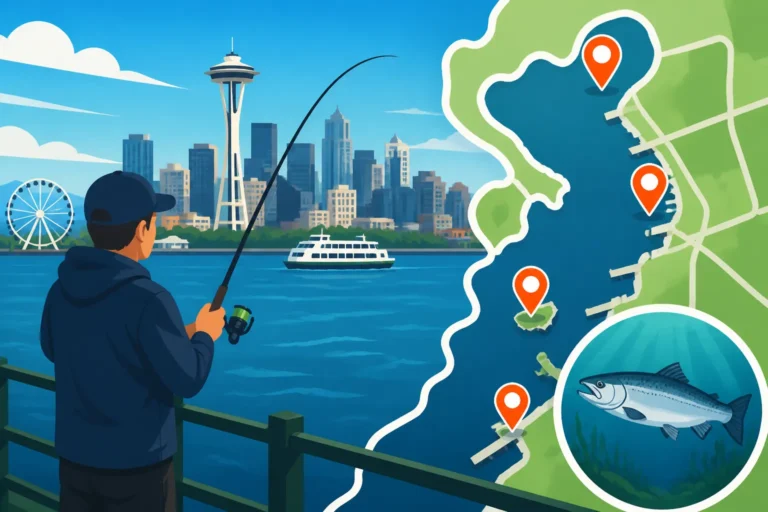
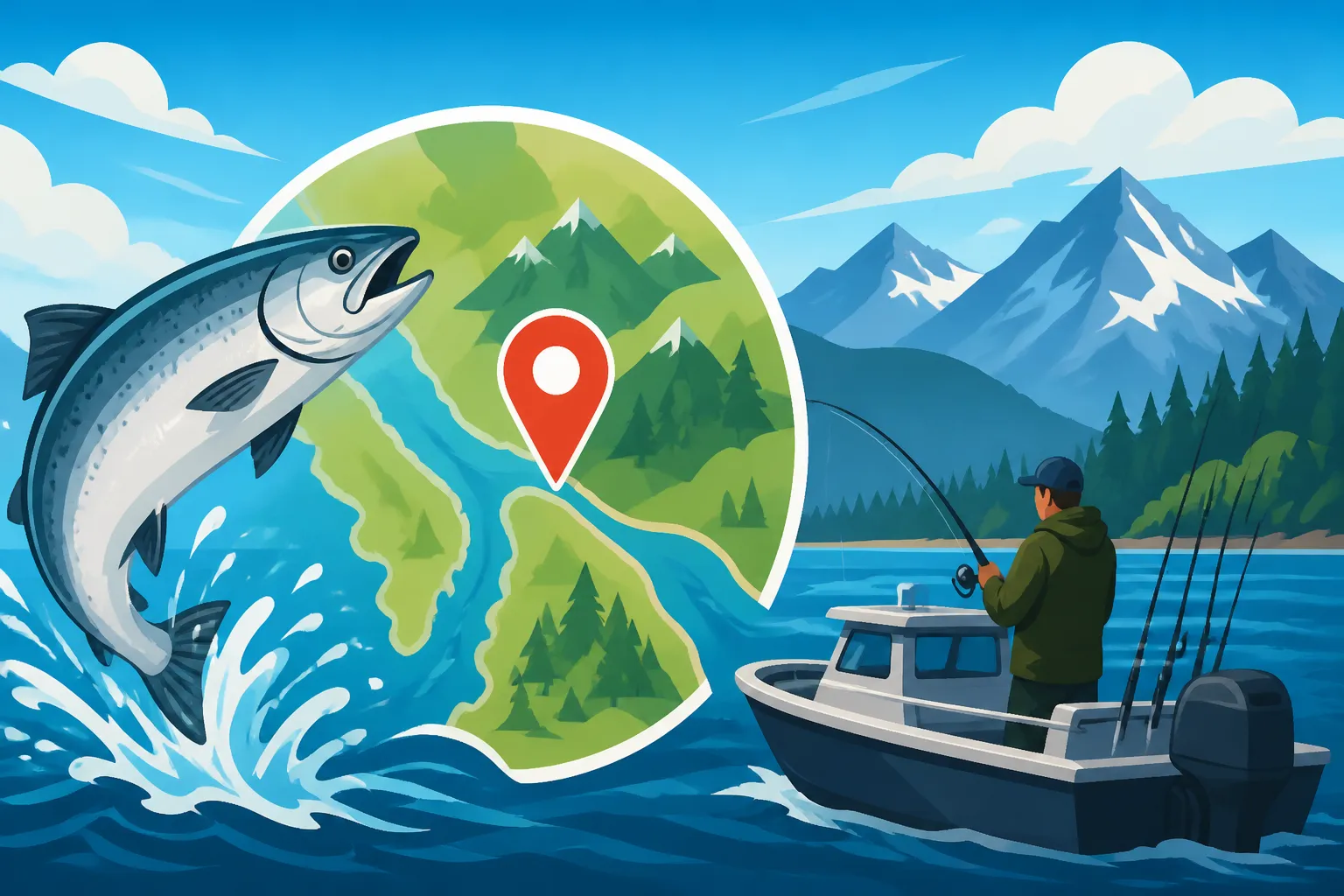
Possession Bar is a prominent underwater glacial moraine situated at the very northern tip of Whidbey Island, right where Admiralty Inlet empties into the main basin of Puget Sound. Picture this: you're looking out from the shore near Everett, and across the water, you see Whidbey Island. The bar itself isn't a visible landmass, but rather a significant submerged topographical feature that extends roughly from Possession Point on Whidbey Island towards the area south of Hat Island. It's truly at the crossroads of major salmon migration routes. Its exact coordinates would be roughly in Marine Area 9, making it a key spot for those fishing out of Everett, Mukilteo, or even points further south like Edmonds. The deep water on either side of the bar, combined with its shallower crest, creates a funnel effect that concentrates baitfish and, consequently, hungry salmon.
Why Its Location Matters for Anglers
The strategic location of Possession Bar is everything. It's essentially a natural choke point for salmon migrating into Puget Sound, whether they're heading to the Skagit, Snohomish, or even more distant rivers. Think of it like a toll booth on a highway for fish. As massive volumes of water rush in and out with the tides through Admiralty Inlet, the current accelerates over and around the bar, churning up nutrients and disorienting baitfish. This makes it an ideal ambush point for predatory salmon. The varied depths and structure of the bar also create eddies and current breaks where salmon can rest or lie in wait. This unique combination of strong currents, abundant baitfish, and its position on major migration paths is precisely why "Possession Bar's Location Near Everett" is such a sought-after piece of information for local anglers.
What Makes Possession Bar a Premier Fishing Destination
Beyond its strategic location, the specific characteristics of Possession Bar make it an angler's paradise. It's not just a place where fish pass through; it's a place where they congregate and feed. Understanding these dynamics is key to unlocking its full potential.
Key Fish Species Targeted
Possession Bar is famous, first and foremost, for its incredible salmon fishing. Anglers here regularly target:
- Chinook Salmon (King Salmon): These powerful fish, sometimes called "Blackmouth" when they are resident, non-migratory fish, are often found holding on the bar, especially during late summer and fall. They're big, hard-fighting, and highly prized. To learn more about these magnificent fish, check out our guide on Chinook Salmon: Washington's King of Fish.
- Coho Salmon (Silver Salmon): Coho show up in strong numbers, particularly in late summer and early fall. They're acrobatic fighters and excellent table fare. For detailed information on targeting them, see our post on Coho Salmon Fishing in Washington.
- Pink Salmon (Humpies): Every odd-numbered year, the Puget Sound sees a massive return of pink salmon. These smaller, but incredibly numerous, salmon flood the bar, providing fast action, particularly in August. We have a dedicated guide for Pink Salmon: Washington's Odd-Year Run.
- Chum Salmon (Dog Salmon): While often overlooked for their eating quality compared to Chinook or Coho, chum salmon offer incredible fights and are abundant in late fall.
- Resident Blackmouth: These are immature Chinook salmon that spend their entire lives in Puget Sound, often frequenting structure like Possession Bar throughout the year, offering opportunities even outside of peak migration seasons.
Beyond salmon, you might occasionally hook into bottomfish like flounder or even a lingcod, though salmon are undoubtedly the main attraction.
The Dynamics of the Bar: Currents, Baitfish, and Structure
The bar isn't a static feature; it's a dynamic underwater landscape. Strong tidal currents sweep over and around it, creating rips, eddies, and upwellings. This constant water movement dislodges tiny organisms and stirs up nutrients, which in turn attracts massive schools of baitfish like herring, candlefish, and anchovies. When these baitfish are present, the salmon are never far behind.
The actual structure of the bar is also crucial. It features a varied bottom composition, with rocky areas, gravel patches, and sandy flats. These diverse habitats provide hiding spots for baitfish and offer different ambush points for salmon. Knowing how to read your sonar and understand the contours of the bar is paramount. You're essentially looking for where the current meets structure, creating feeding lanes and areas where salmon can conserve energy while waiting for an easy meal. This complex interplay of current, bait, and underwater topography is what truly elevates Possession Bar to its legendary status among Washington anglers.
Navigating and Fishing Possession Bar Safely and Effectively
Fishing Possession Bar isn't just about showing up and dropping a line. Due to its dynamic nature, strong currents, and often busy boat traffic, a successful and safe trip requires preparation, local knowledge, and the right techniques.
Best Access Points and Techniques
Most anglers access Possession Bar via boat. The closest and most convenient public boat launches are in Everett (like the Port of Everett boat launch) and Mukilteo. From these launches, you're only a short run to the prime fishing grounds. Having a reliable boat with a good motor and appropriate safety gear is non-negotiable.
Once on the water, fishing techniques largely revolve around targeting salmon that are either actively feeding or migrating.
- Trolling: This is arguably the most popular and effective method. Anglers use downriggers to present various lures (spoons, hootchies, or plugs) at precise depths, often tipped with bait like herring. Trolling patterns usually involve moving with or against the current along the edges of the bar, trying to intercept salmon. Our detailed guide on Trolling for Salmon in Washington's Puget Sound provides a deep dive into this technique.
- Mooching: This classic Puget Sound technique involves drift fishing with cut-plug herring or anchovies, allowing the bait to sink and rise naturally with the boat's drift. It's highly effective when salmon are holding in specific depth ranges and can be a thrilling hands-on experience.
- Jigging: Using heavy metal jigs can be effective, especially for resident blackmouth or when baitfish are heavily schooled. Anglers drop jigs to the desired depth and work them with an aggressive retrieve to mimic a wounded baitfish.
Remember, the key is often to match the hatch – finding out what baitfish are prevalent and mimicking them with your lure or bait. Speaking with local tackle shops or checking online forums for recent reports can provide invaluable insights. For those new to the area or without their own boat, booking a guided trip can be an excellent way to experience Possession Bar. Many reputable charter operations offer trips to this area, and you can often find options through services like FishingBooker.
Essential Gear and Safety Considerations
Given the conditions at Possession Bar, having the right gear and prioritizing safety is paramount.
Essential Gear:
- Sturdy Rods and Reels: You'll want medium-heavy to heavy action rods capable of handling strong salmon and the sometimes heavy tackle used with downriggers. Reels should have a smooth drag and sufficient line capacity (at least 200 yards of 20-30 lb test monofilament or braid).
- Downriggers: If trolling, downriggers are a must to consistently present your lures at the correct depths in varying currents.
- Electronics: A reliable fish finder/sonar unit is crucial for identifying the bar's contours, marking baitfish schools, and spotting salmon. A GPS is essential for navigation, especially if fog rolls in, and a marine VHF radio is vital for communication and weather updates.
- Tackle Box Essentials: A variety of spoons (e.g., Silver Horde, Coyote), hootchies (various colors), plugs (like Brads Killerfish or Kwikfish), leader material (20-40 lb fluorocarbon), swivels, and quality hooks. Don't forget bait like fresh or brined herring and anchovies.
- Washington Fishing License and Catch Record Card: You absolutely need these to fish legally. Be sure to understand The Washington Catch Record Card and What It Requires.
Safety Considerations:
- Life Jackets: Everyone on board must have a properly fitting life jacket easily accessible. Children 12 and under must wear one at all times.
- Weather and Tides: Always check the marine weather forecast and tide charts before heading out. Conditions can change rapidly, and strong currents over the bar can create rough, choppy water, even on otherwise calm days. Pay particular attention to wind against tide scenarios, which can create very uncomfortable and dangerous seas.
- Navigation: While it's a popular area, staying aware of your position relative to the bar's contours and other boats is crucial. Marine Area 9, where Possession Bar resides, can get crowded.
- Emergency Gear: Flares, whistle, first-aid kit, anchor, and a bailing device should always be on board.
Always let someone know your float plan – where you're going and when you expect to return. This simple step can be a lifesaver.
When to Fish Possession Bar for Peak Action
Timing is everything when it comes to salmon fishing, and Possession Bar is no exception. Understanding the seasonal movements of salmon and the influence of tides will drastically increase your chances of success.
Seasonal Runs for Different Salmon Species
Possession Bar offers productive fishing opportunities throughout much of the year, but specific seasons shine for different salmon species:
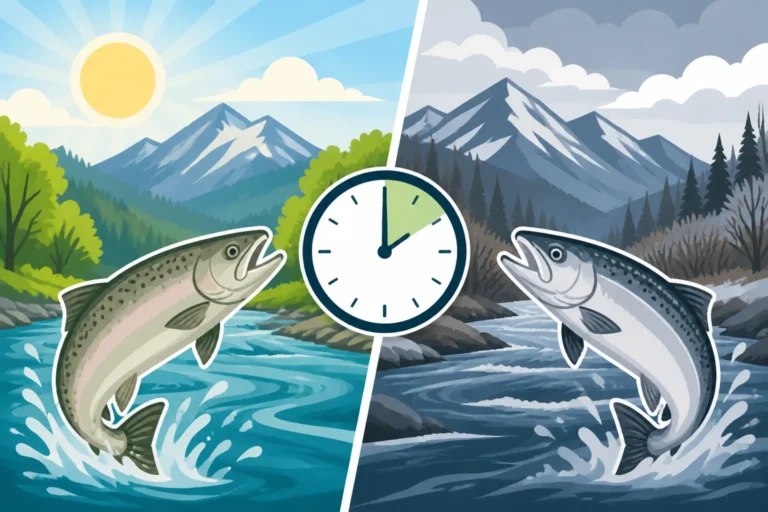
- Spring/Early Summer (April – June): This is prime time for resident blackmouth (immature Chinook). These fish spend their lives in Puget Sound, growing fat on baitfish around structures like Possession Bar. While not as large as their ocean-going brethren, they provide consistent action and can grow to respectable sizes.
- Summer (July – August): The main event begins! This is when the first pulses of migrating Chinook and Coho salmon start to show up, heading towards their spawning rivers. July can be good for early Chinook, and by August, the Coho bite often picks up. On odd-numbered years, August is absolutely crazy for pink salmon, which often arrive in astounding numbers, providing non-stop action.
- Fall (September – October): This is often considered the peak season for trophy Chinook and Coho as the main runs move through. Chum salmon also begin to show up in significant numbers, offering a powerful fight. The fishing can be phenomenal, but so can the crowds. You'll want to be well-versed in Washington Fishing Seasons: A Month-by-Month Guide to plan your trips effectively.
It's crucial to always check the latest regulations for Washington Sport Fishing Seasons and Emergency Closures before heading out, as seasons and limits can change quickly, sometimes even mid-season due to conservation needs.
Tidal Influences and Optimal Fishing Windows
The tides at Possession Bar are powerful and dictate fishing success. The sheer volume of water moving through Admiralty Inlet creates a funnel effect, and the bar acts like a giant speed bump for that water.
- Strong Tidal Exchanges: The stronger the tidal exchange (the difference between high and low tide), the faster the current will run over the bar. This can be a double-edged sword: strong currents can churn up food and push baitfish around, creating feeding frenzies, but they can also make it difficult to fish effectively due to lure washout or rapid drifts.
- Optimal Windows: Many experienced anglers prefer to fish the "slack" tides – either high slack or low slack – and the periods just before or after.
- High Slack: The period when the tide is at its highest and the water movement momentarily slows. This can be a great time for mooching or jigging as fish might be less affected by current and more willing to bite.
- Low Slack: Similarly, when the tide is at its lowest.
- Tidal Changes (Incoming/Outgoing): The hour or two leading up to and immediately following a slack tide, when the current is beginning to build or slow down, can be incredibly productive. As the current picks up, salmon often move into specific holding patterns or actively feed along current breaks.
- The "Push": Often, the strongest bite occurs when the tide starts to "push" – either incoming or outgoing – with the current building to a moderate speed. This movement disorients baitfish, making them easy targets for salmon.
Always have a current tide chart for the area and plan your trip around these windows. It can make all the difference between a slow day and a banner one.
Regulations and Responsible Angling at Possession Bar
Fishing at Possession Bar, like any prime Washington fishing location, comes with important responsibilities. Understanding and adhering to regulations is not just about avoiding fines; it's about preserving this incredible fishery for future generations.
Understanding Local Rules
Possession Bar is located in Marine Area 9 of Washington State. This specific marine area has its own set of detailed regulations that often differ from other parts of Puget Sound or freshwater systems. These rules dictate:
- Open Seasons: Which species are open to retention, and during what dates. Salmon seasons can be highly complex, with different opening and closing dates for Chinook, Coho, Pink, and Chum.
- Daily Bag Limits: The number of fish you can keep per day. For example, understanding the Daily Limit for Chinook in Puget Sound is crucial, as is knowing if hatchery-marked fish are required.
- Size Restrictions: Minimum and sometimes maximum size limits for certain species.
- Gear Restrictions: This is particularly important. Marine Area 9, especially during certain salmon seasons, often requires selective gear rules, which means you might be limited to using only a single-point barbless hook. Make sure you are aware of Barbless Hook Requirements on Washington Rivers as similar rules apply in marine areas.
- Emergency Rule Changes: The Washington Department of Fish and Wildlife (WDFW) frequently implements emergency rule changes, sometimes with very short notice, to protect vulnerable fish stocks or to extend seasons if escapement goals are being met. It is your responsibility to check for these Emergency Rule Changes: Why Washington's Rules Shift Mid-Season before every single trip. The WDFW website and hotline are your best resources.
Always carry a copy of the current Washington Sport Fishing Regulations pamphlet or have the MyWDFW app on your phone to quickly reference rules. Ignorance of the law is not an excuse.
Conservation and Respecting the Environment
Responsible angling goes beyond just following the rules; it's about being a good steward of the environment.
- Barbless Hooks: Even when not explicitly required, using barbless hooks for catch-and-release fishing significantly reduces harm to fish. If you accidentally hook a wild or undersized fish, a barbless hook makes for a quicker, less damaging release.
- Safe Release Practices: If you catch a fish you cannot keep (e.g., wild steelhead, undersized salmon, or a species out of season), handle it minimally and release it as quickly as possible. Keep the fish in the water, avoid touching its gills, and use a net designed to protect slime coats.
- Waste Disposal: Pack out everything you pack in. Dispose of all trash, including discarded fishing line and bait packaging, properly. Marine debris is a serious threat to wildlife.
- Respect Other Anglers: Possession Bar can get crowded, especially during peak season. Maintain respectful distances from other boats and avoid cutting off other anglers' trolling paths. Good etiquette ensures a pleasant experience for everyone.
- Report Violations: If you witness illegal fishing activity, report it to WDFW enforcement. This helps protect the resource for all.
By understanding the rules, practicing ethical angling, and respecting the natural beauty of Puget Sound, we can all contribute to the long-term health and vitality of the Possession Bar fishery.
Possession Bar at a Glance
To quickly summarize the incredible opportunities awaiting you at Possession Bar, here's a handy table:
| Aspect | Detail |
|---|---|
| Location | Northern tip of Whidbey Island, at the mouth of Admiralty Inlet, Marine Area 9, near Everett, WA. |
| Key Species | Chinook (King) Salmon, Coho (Silver) Salmon, Pink Salmon (odd years), Chum Salmon, Resident Blackmouth (immature Chinook). |
| Peak Seasons | Spring: Resident Blackmouth. Summer (July-Aug): Chinook, Coho, Pink (odd years). Fall (Sep-Oct): Chinook, Coho, Chum. |
| Primary Techniques | Trolling with downriggers (spoons, hootchies, plugs, bait), Mooching (cut-plug herring), Jigging (metal jigs). |
| Access | Primarily by boat from public launches in Everett or Mukilteo. Charters available (often found via platforms like FishingBooker). |
| Key Considerations | Strong tidal currents, rapidly changing weather, heavy boat traffic, always check WDFW regulations for Marine Area 9 before fishing, especially for selective gear rules and emergency closures. Prioritize safety with life jackets, marine radio, and reliable navigation. |
Disclaimer
Fishing regulations, seasons, and limits are subject to change at any time by the Washington Department of Fish and Wildlife (WDFW). Always consult the most current WDFW regulations pamphlet, website, or hotline before planning your fishing trip to ensure compliance. This guide is for informational purposes only and does not constitute legal advice regarding fishing regulations.