Is the Columbia Gorge Good for Steelhead in Fall?
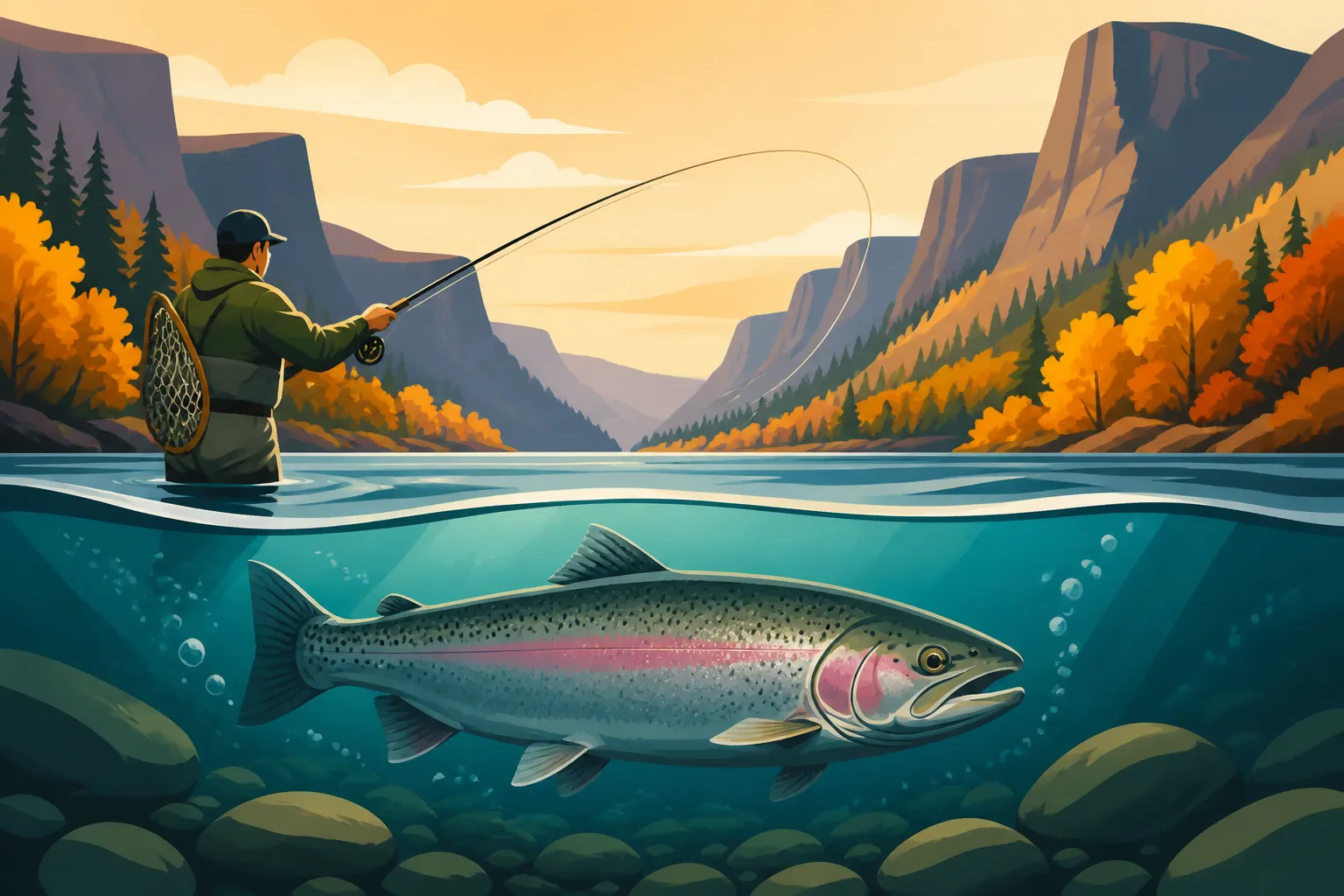
Oh, the Columbia Gorge! It's one of those places that calls to you, isn't it? Rugged, breathtaking, and full of mystique. As an angler, it's natural to wonder if this iconic stretch of river holds the promise of fall steelhead. Many folks dream of hooking into one of those powerful, chrome-bright beauties against the backdrop of changing autumn leaves, but often they're left wondering if it's truly a viable option or just a scenic drive. This guide is here to give you the straight scoop, separating myth from reality, so you can plan your fall steelhead adventure in the Columbia Gorge region with realistic expectations and the best chances for success.
Understanding Fall Steelhead in the Columbia Gorge Region
When we talk about the Columbia Gorge, it's important to differentiate between the vast mainstem Columbia River itself and the numerous tributaries that feed into it. This distinction is absolutely crucial when you're chasing fall steelhead, because the fishing experience in each is dramatically different.
The Columbia River's Mainstem Influence on Steelhead
The Columbia River, particularly through the Gorge, is a massive waterway. Imagine a watery interstate highway for fish. Steelhead, whether they're summer-run fish heading up to spawn in the fall or early winter-run fish beginning their journey, certainly use the mainstem Columbia as their primary migration corridor. They are literally swimming through the Gorge, sometimes in incredible numbers, on their way to distant spawning grounds in Washington, Oregon, and even Idaho.
However, actually catching these fish in the wide-open mainstem of the Columbia in the Gorge is exceptionally challenging. Think about it: you're trying to intercept a moving target in a huge body of water that's hundreds of yards wide and often quite deep. The fish aren't typically holding in predictable lies or feeding aggressively in the main river; they're on a mission. While some anglers do target them from boats in specific mainstem areas, it's generally considered a low-percentage fishery compared to the tributaries. It's not impossible, mind you, but it requires a lot of dedication, specialized gear, and a deep understanding of very subtle holding water in a powerful current. Most of the action, even on the mainstem, tends to be around the mouths of tributaries or significant current breaks.
Tributaries as the True Fall Steelhead Hotbeds
This is where the real story for fall steelhead in the Columbia Gorge region begins. Instead of trying to find a needle in a haystack on the mainstem, smart anglers turn their attention to the smaller, more intimate rivers and creeks that flow into the Columbia. These tributaries are the actual destination for many steelhead, or at least crucial resting and staging areas before the fish continue their journey upstream.
As fall progresses, cooler temperatures and increased rainfall signal to steelhead that it's time to leave the main Columbia and push into these feeder streams. Here, the water is often shallower, the currents are more defined, and the fish behave more predictably. They'll hold in pools, behind structure, or in riffles, offering much more accessible and productive fishing opportunities for both bank anglers and those in drift boats. Rivers like the Klickitat, the Wind, and the White Salmon, all on the Washington side of the Gorge, become prime targets for fall steelhead. These rivers offer varied experiences, from the powerful, glacier-fed green waters of the Klickitat to the more intimate character of the Wind River. If you're serious about finding fall steelhead in the Gorge region, these tributaries are where you want to focus your efforts.
What Makes a "Good" Fall Steelhead Fishery in the Gorge?
Fishing for steelhead in the fall in the Columbia Gorge region isn't just about showing up with a rod. It's about understanding the nuances of the environment, especially how weather and water conditions dictate fish behavior. It's also about having the right tools and techniques in your arsenal.
Water Conditions and Fall Factors
Fall is a season of transition, and nowhere is that more evident than in river conditions. Steelhead are incredibly sensitive to changes in their environment, and water conditions play a huge role in their migration and willingness to bite.
- Water Levels: A perfect fall steelhead river often needs a "bump" in water levels. The lower water of late summer can hold steelhead back in the main Columbia or at the mouths of tributaries. A good fall rain, or a series of them, will often trigger a strong push of fish upriver. However, too much rain can "blow out" a river, making it high, muddy, and unfishable for days. Finding that sweet spot where the river is rising or has just dropped after a rain, with a good stain but not completely opaque, is often key.
- Water Clarity: Steelhead, especially wild fish, can be quite shy in crystal clear water. A bit of color or "stain" in the water offers them a sense of security and can make them more aggressive. It also gives anglers a bit of cover. Conversely, rivers that are chocolate milk after a big storm are generally poor for fishing until they clear.
- Water Temperature: As summer warmth fades, fall water temperatures become ideal for steelhead. Cooler water increases their metabolism and triggers their migratory instincts. Temperatures typically in the 40s and low 50s (Fahrenheit) are often prime. Too warm, and they can be sluggish; too cold, and they might hunker down. Monitoring local river gauges and temperature readings is a smart move before heading out.
The transition from summer to fall is also critical. Rivers that were perhaps too warm for active steelhead in August will cool down significantly by October and November, making them much more hospitable. This dynamic nature means that flexibility and checking conditions daily are vital for success.
Fishing Techniques and Gear for Fall Gorge Steelhead
Given the varying conditions and river types, a versatile approach is best for fall steelhead in the Gorge tributaries. You'll likely encounter a mix of water from deep pools to swift riffles.
- Drift Fishing: This is a classic and highly effective method. Anglers use a variety of baits and presentations, allowing them to drift naturally along the bottom. For fall steelhead, popular choices include cured salmon roe (where allowed), soft plastic beads that imitate eggs, or yarn tied to mimic eggs. The key is to get your presentation down to where the fish are holding without snagging excessively. This often involves careful weighting and precise casting. If you're new to this, learning the ropes of proper drift fishing can make all the difference. Check out our guide on Drift Fishing for Steelhead in Washington Rivers to get started.
- Float Fishing (Bobber and Jig): Especially effective in rivers with consistent current and known holding water, float fishing keeps your presentation suspended at a specific depth. A weighted jig (often pink, orange, or black), sometimes tipped with a small piece of bait or a worm, is suspended under a float. This method allows you to cover water efficiently and present your offering to fish holding in deeper slots or behind structure without getting hung up on the bottom. Our article on How to Fish a Bobber and Jig for Steelhead provides excellent tips.
- Casting Spinners and Spoons: These artificial lures can be highly effective, especially when steelhead are aggressive or when fishing in slightly off-color water where flash and vibration can attract attention. Spoons like the Little Cleo or a well-placed spinner can trigger reaction strikes. This method requires covering a lot of water and often works well when fish are actively moving or in faster, shallower runs.
- Fly Fishing: For the dedicated fly angler, the Gorge tributaries offer fantastic opportunities, particularly for spey casting. Swinging flies like intruders or various traditional steelhead patterns can be incredibly rewarding. Nymphing with heavier setups can also be productive in specific runs and pools. Fly fishing for steelhead is a more specialized discipline, but the reward of a powerful take on a swung fly is truly unparalleled.
- Gear Considerations: You'll want a medium-heavy to heavy action spinning or casting rod, typically 9 to 11 feet long, capable of handling 10-20 lb test line. This length helps with line control, mending, and fighting strong fish in powerful currents. A good quality reel with a smooth drag is essential. Remember to always check current regulations on bait use, as Washington Bait Bans and When They Apply can change seasonally and by river.
Navigating Regulations and Access in the Columbia Gorge
Fishing in the Columbia Gorge, particularly as you approach the Oregon border, can feel like navigating a complex maze of rules. Understanding Washington's specific regulations and knowing where you can actually get your line in the water are just as important as your fishing skills.
Washington-Specific Regulations and Endorsements
Because the Columbia River forms the boundary between Washington and Oregon, anglers often get confused about which state's rules apply. For our purposes, focusing on the Washington side of the Gorge and its tributaries means adhering strictly to Washington Department of Fish and Wildlife (WDFW) regulations.
First and foremost, you'll need a valid Washington fishing license. Make sure you understand the difference between a freshwater, saltwater, or combination license, and choose the one appropriate for where you plan to fish. You can find all the details in our comprehensive guide on Washington Fishing Regulations Every Angler Should Know. Beyond the basic license, many anglers targeting salmon and steelhead in the Columbia River system will also need the specialized Columbia River Salmon and Steelhead Endorsement. This endorsement is a crucial extra stamp on your license that directly supports management and enhancement efforts for these iconic fish. Our article on Who Needs Washington's Columbia River Salmon and Steelhead Endorsement breaks down exactly when and why this is required.
Furthermore, every kept salmon and steelhead must be recorded immediately on your Washington Catch Record Card. This isn't just a formality; it's a vital tool for WDFW to monitor harvest rates and manage future seasons. Failing to properly fill out your card can result in fines and penalties. Learn more about its importance in The Washington Catch Record Card and What It Requires. Always carry your license and catch card with you, and have a current copy of the regulations pamphlet, which can be found online or at license vendors.
Finding Public Access Points and Guides
One of the biggest frustrations for anglers new to the Gorge region can be finding legal and safe access points. Much of the land along the Columbia and its tributaries is private, federal, or state-managed, with varying rules for public entry.
- Public Access Areas: WDFW manages several public access sites along the Columbia and its tributaries, often marked with signs. State Parks, National Forest lands, and Bureau of Land Management (BLM) areas can also offer access. Websites and apps that show public land boundaries can be invaluable tools. For some excellent starting points, you might want to read our guide on Best Bank Fishing Spots on the Columbia River, which often includes locations within the Gorge area. Be respectful of private property and always pack out whatever you pack in.
- Hatcheries: Some rivers in the Gorge region have hatcheries, and the areas immediately surrounding them often provide excellent public access, especially during peak returns. However, rules around hatcheries can be very specific, so always check the regulations carefully.
- Hiring a Guide: For many, especially those short on time or unfamiliar with the area, hiring a reputable local fishing guide is an absolute game-changer. A good guide knows the rivers intimately, understands current conditions, and can put you on fish quickly and efficiently. They also handle all the logistics, from boats to gear, and often provide invaluable insights into techniques and regulations. When looking for a guide, consider using platforms like FishingBooker, which can connect you with experienced, licensed captains who specialize in the Columbia Gorge tributaries. They'll know the subtle nuances of where the fish are holding and the best methods to tempt them. For more details on what to look for and expect, consult our article on Columbia River Guided Salmon and Steelhead Trips in Washington, or even How to Book a Fishing Charter in Washington. It's an investment, but often well worth it for the experience and knowledge gained.
Realistic Expectations for Fall Steelhead Fishing
Let's be real: steelhead fishing is tough. It's often called "the fish of a thousand casts" for a reason. While the Columbia Gorge tributaries can offer incredible opportunities in the fall, it's crucial to approach the experience with a realistic mindset.
The Challenge and Reward of Fall Steelheading
Fall steelhead fishing is rarely a numbers game. You might not catch a dozen fish in a day, or even one. The rewards are often measured in the quality of the experience, the stunning scenery of the Gorge with its autumn colors, and the sheer thrill of hooking into one of these magnificent fish. Steelhead are powerful, acrobatic fighters, and landing one, especially a wild one, is an achievement that sticks with you long after the day is done.
The challenge comes from many factors: the fish are wild and migratory, often influenced by environmental conditions beyond your control. They can be finicky, moving through systems quickly or holding tight in spots that are hard to reach. Success often hinges on persistence, skill, and a healthy dose of luck. But isn't that part of the allure? The anticipation, the quiet moments on the river, the sudden, violent take that gets your heart pounding – that's what makes steelheading so addictive. To truly appreciate these incredible fish, take a moment to learn about their life cycle in our detailed article: Steelhead: Washington's Ocean-Run Rainbow Trout.
Alternative Fall Fishing Opportunities in the Gorge
Even if the steelhead aren't biting, the Columbia Gorge region offers plenty of other fishing opportunities that can salvage a tough day on the river and provide a fantastic fall experience.
- Fall Salmon: Depending on the specific timing and location, you might still encounter fall Chinook or Coho salmon in the mainstem Columbia or at the mouths of some tributaries during early fall. Seasons can be very specific and short, so always check the emergency rule changes. But if the season is open, targeting a big fall King can be an incredible alternative. Learn more about these formidable fish in Chinook Salmon: Washington's King of Fish.
- Resident Trout: Many of the smaller creeks and rivers in the Gorge also hold resident rainbow trout or cutthroat trout. These fish are typically smaller than steelhead but can provide steady action, especially for fly anglers, when the steelhead are being elusive.
- Smallmouth Bass: The mainstem Columbia River in the Gorge is home to a fantastic smallmouth bass fishery. These feisty fish are abundant and can be incredibly fun to catch on light tackle throughout the fall, often providing consistent action when other species are harder to find. They are aggressive, hard fighters that love to hit artificial lures. You can find more information about these tenacious fighters in our guide on Smallmouth Bass on Washington's Columbia and Snake Rivers.
So, while the Columbia Gorge can be good for fall steelhead, especially in its productive tributaries, it's essential to manage your expectations. Embrace the challenge, enjoy the stunning scenery, and be open to pursuing other species if the steelhead prove to be too elusive. That's the realistic, rewarding approach to fishing this iconic Washington landscape in the fall.
Here's a quick look at some key Washington tributaries in the Columbia Gorge region for fall steelhead:
| River (Washington Side) | Primary Fall Steelhead Run | Best Methods for Fall | Typical Access | Key Considerations |
|---|---|---|---|---|
| Klickitat River | Summer-run (into fall) | Drift fishing, float fishing, swinging flies | Bank access, drift boats | Often clear, powerful. Can get crowded. |
| Wind River | Summer-run (into fall) | Drift fishing, float fishing, fly fishing | Bank access, drift boats | Smaller, more intimate than Klickitat. Can blow out easily. |
| White Salmon River | Summer-run (into fall) | Drift fishing, fly fishing | Bank access, some drift boating (challenging) | Sections can be technical. Check dam removal impacts. |
Disclaimer
Fishing conditions and regulations in Washington State can change rapidly due to emergency rule changes, weather, and fish run updates. Always consult the official Washington Department of Fish and Wildlife (WDFW) regulations pamphlet and their emergency rule change page before heading out on any fishing trip. This guide is for informational purposes only and should not be considered a substitute for official WDFW resources.