When Washington’s Trout Season Opens and Closes
One of the biggest head-scratchers for any angler in Washington, whether you're a seasoned veteran or just starting out, is figuring out exactly when and where you can chase trout. It feels like the rules change constantly, and deciphering the Washington Department of Fish and Wildlife (WDFW) regulations can be a puzzle. This guide aims to unravel the complexities of Washington's trout seasons, helping you understand the general opening and closing dates, special exceptions, and how to stay informed so you can spend less time guessing and more time fishing.
Navigating Washington's Diverse Trout Seasons
Washington State is a paradise for trout anglers, offering an incredible variety of waters from lowland lakes to high alpine tarns, and mighty rivers to tiny creeks. But with that diversity comes a patchwork of regulations. Unlike some states with a simple, statewide opening day, Washington's trout seasons are often tailored to specific bodies of water, species, and conservation needs. It can be incredibly frustrating to plan a trip, only to discover the lake or river you had in mind is closed or has special restrictions you weren't aware of.
Understanding the WDFW Calendar
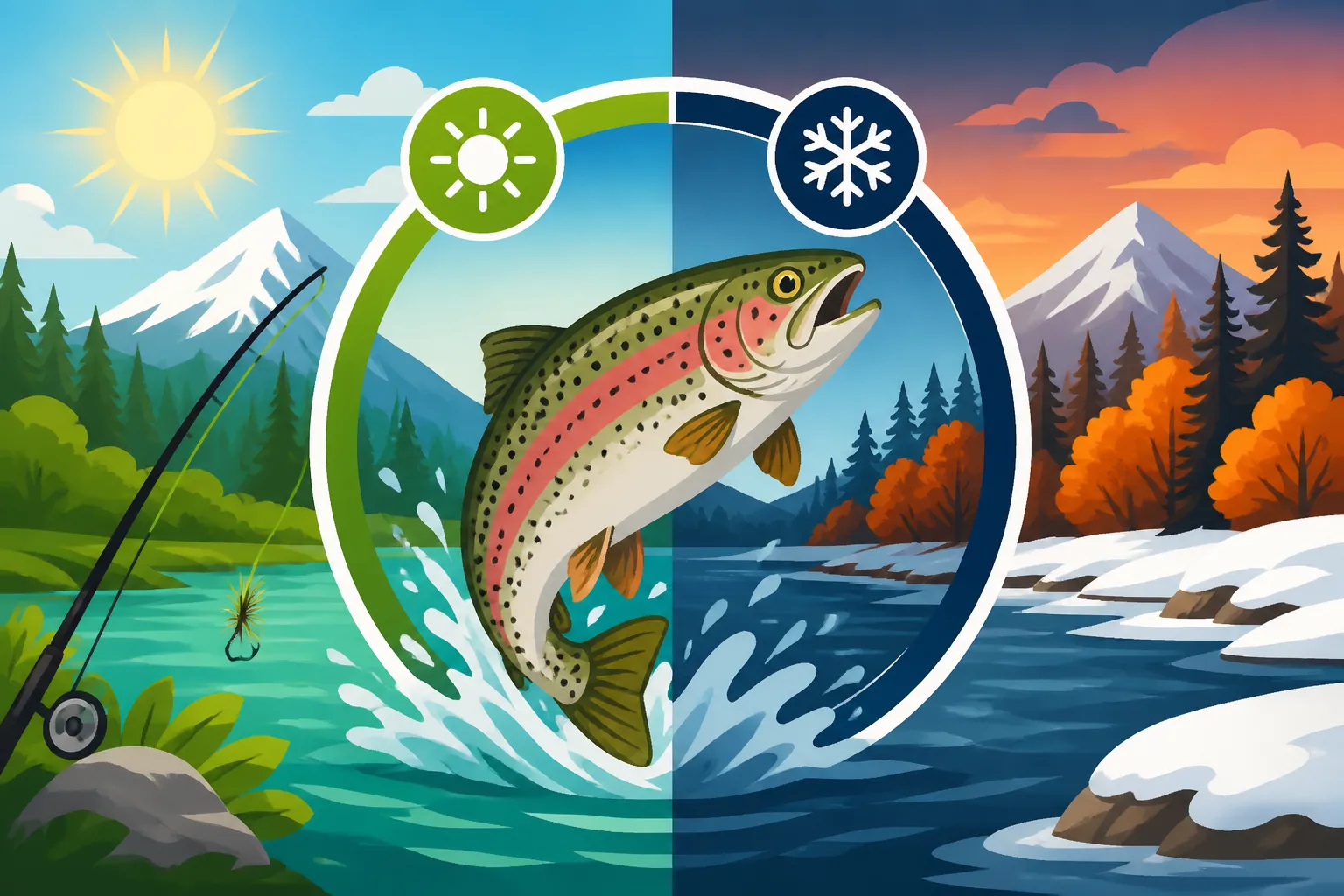
The Washington Department of Fish and Wildlife (WDFW) operates on a fishing year that typically runs from May 1st through April 30th of the following year. This annual cycle is crucial for understanding the basic framework of trout seasons. The regulations pamphlet, which you should always carry, is usually published in late spring, detailing the rules for the upcoming year. For many of us, that May 1st date is practically a holiday, signaling the widespread opening of many lowland lakes, especially those heavily stocked with rainbow trout. However, it's not a universal rule, and some waters operate on different schedules.
It’s important to realize that WDFW sets these seasons based on a host of factors: fish populations, spawning cycles, angler pressure, and environmental conditions. They're constantly trying to balance providing recreational opportunities with protecting our precious fisheries. This means that while May 1st is a common "opener," you absolutely cannot assume it applies everywhere. Checking the specific regulations for your chosen body of water is not just good practice; it’s a legal requirement. Don't fall into the trap of assuming what applies to one lake will apply to another, even if they're just a few miles apart.
Why Different Seasons Exist
The complexity of Washington’s trout seasons isn't just to make our lives harder; it's a critical tool for managing fisheries responsibly. Different trout species have distinct life cycles. For example, some native cutthroat trout might be spawning in rivers in the spring, making a closure necessary to protect them during this vulnerable period. Meanwhile, a lowland lake stocked with hatchery rainbow trout might be opened wide for anglers because the fish are abundant and ready to be caught.
Conservation plays a massive role. Seasons might be set to protect wild populations, particularly of sensitive species like bull trout or native steelhead (which are technically sea-run rainbow trout, but often managed under different rules). By controlling when and how anglers can fish, WDFW can help ensure that these fish can reproduce successfully and maintain healthy numbers for future generations. It’s all about sustainability, and as anglers, we're partners in that effort. This is why you'll see rules like "catch-and-release only" or "selective gear rules" in certain areas or during specific times – they're designed to reduce stress on fish and increase survival rates. Knowing the why behind the rules often makes them a lot easier to accept and follow.
Lake Trout Seasons: Lowland to High Alpine
When we talk about trout fishing in Washington, lakes are often the first place many of us start, especially with family. The seasons for lake fishing are generally more straightforward than rivers, but still require attention to detail.
Lowland Lake Openers and Closures
The classic "opening day" in Washington, often referred to as "fishing opener," predominantly applies to lowland lakes. This highly anticipated event usually kicks off on the last Saturday in April, though WDFW officially lists the annual regulation dates from May 1st to April 30th of the following year. On this particular Saturday, hundreds of lakes across the state, many of which have been heavily stocked with rainbow trout over the winter and spring, burst open for business. It's a huge community event, drawing anglers of all ages with the promise of easy limits. These lakes are typically open through September or October, with some remaining open year-round.
For example, popular lakes in Western Washington like Lake Tapps, American Lake, or even smaller regional ponds might open on this specific spring date. In Eastern Washington, destinations like Medical Lake or Newman Lake also participate in this grand opening tradition. It's a fantastic time to get out, especially for beginners or families, as the fish are usually quite active and abundant. WDFW's statewide stocking program ensures there are plenty of fish to go around. You can find detailed stocking reports on the WDFW website, which is a great way to plan your trips around fresh batches of trout. Remember, while many lowland lakes follow this pattern, always double-check the specific regulations for the lake you intend to visit. Some smaller, less frequently stocked lakes might have different schedules or even year-round opportunities.
High Lakes and Alpine Fishing Schedules
Beyond the easily accessible lowland lakes, Washington boasts an incredible network of high mountain lakes and alpine tarns. These serene, often remote waters offer a completely different trout fishing experience. Their seasons are dictated more by natural conditions – specifically, snowmelt and access. Typically, these high lakes don't open until late spring or early summer, usually June or July, once the snow has melted sufficiently to allow access to trailheads and the lakes themselves. The season then generally runs through late fall, often closing by October or November as snow begins to accumulate again and access becomes difficult or impossible.
Fishing in these high lakes is often a wilderness adventure, requiring hiking or backpacking. The trout found here can include cutthroat, brook trout, and even golden trout in some areas, many of which are wild, self-sustaining populations. Because of their remote nature and fragile ecosystems, regulations might include special gear restrictions or catch-and-release rules to preserve the fishery. Before heading out on a multi-day trek to a high alpine lake, it’s absolutely critical to consult the specific WDFW regulations for that particular lake or region. Trail conditions and snow levels can also influence when a lake is truly accessible, so checking with the US Forest Service or Washington Trails Association for trip reports is also a smart move. You'll want to make sure your gear, from sturdy hiking boots to a reliable backpacking rod from Amazon, is ready for the adventure.
River Trout Seasons: Flowing Water Dynamics
River fishing for trout introduces another layer of complexity compared to lakes, primarily due to the dynamic nature of flowing water, spawning patterns, and the presence of other anadromous species like salmon and steelhead.
General River Openings and Closures
Many of Washington's trout rivers and streams operate on a more traditional, summer-centric season. Generally, the broad opening for river trout fishing is also around the last Saturday in May or early June, with many continuing through October 31st. However, this is a very generalized statement, and the specifics vary wildly. Some rivers, or even sections of rivers, might be open year-round for trout. Others might be entirely closed for long stretches to protect spawning salmon or steelhead, or they might have specific dates for certain species.
Take, for instance, a river like the Yakima. While famous for its fly fishing, sections of it might be open year-round for trout, often with selective gear rules. Conversely, a river on the Olympic Peninsula might have very restrictive trout seasons to protect wild steelhead runs. The complexity arises because these rivers often host multiple species, and WDFW has to manage for all of them. Always, always, always check the specific river or stream and its designated sections in the WDFW Sport Fishing Regulations Pamphlet. Don't rely on general knowledge when it comes to rivers; the details matter. This is also where understanding topics like Washington Sport Fishing Seasons and Emergency Closures becomes paramount, as river rules are frequently adjusted.
Catch-and-Release vs. Retention Seasons
A common distinction in river trout regulations is between catch-and-release seasons and retention seasons (where you can keep fish). Many rivers, particularly those with strong wild trout or steelhead populations, will have extended catch-and-release seasons. This means you can fish, but you must release all fish unharmed. These seasons allow anglers to enjoy the sport while ensuring the long-term health of the fishery.
For example, parts of the Yakima River are designated "selective gear rules, catch-and-release" for certain periods, meaning you're restricted to single-point barbless hooks and no bait, and all trout must be released. Other rivers might have a specific retention season, often during the summer months, with clear bag and size limits. It's not uncommon to find a river that starts with a retention season, then transitions to catch-and-release, or vice-versa. Understanding Washington's Daily Bag Limits by Species is crucial here. The goal is to provide fishing opportunities while safeguarding wild fish, and these nuanced seasons are how WDFW achieves that balance. Always check for specific bait, gear, and hook restrictions, as these often go hand-in-hand with catch-and-release rules to minimize harm to the fish.
Special Considerations for Trout Anglers
Beyond the basic opening and closing dates, several other factors can significantly impact Washington's trout seasons and your fishing success. These often catch new anglers off guard, but they are critical to safe, legal, and responsible fishing.
The Impact of Hatchery Stocking Programs
Hatchery stocking programs are a huge part of Washington's trout fishing landscape, particularly for lowland lakes. WDFW raises millions of trout each year, primarily rainbow trout, at hatcheries across the state. These fish are then released into public waters, often just before opening day, to boost angler success and create readily available fishing opportunities. This is why lowland lakes often have such predictable opening days and generous bag limits – the fish are put there specifically for harvest.
These stocking efforts can literally create a "trout season" in lakes that might not otherwise support robust fisheries, or that see heavy angler pressure. It's a fantastic program that introduces countless people to fishing. However, it's also why some rules are so specific. Waters that are not part of regular stocking programs, or those designated for wild trout recovery, will almost certainly have different, often more restrictive, rules. WDFW's website provides detailed stocking schedules, allowing you to plan your trips around when fresh fish are being planted. This is an excellent resource for families or those looking for consistent action. Just remember that even a well-stocked lake still requires a valid Washington fishing license and adherence to daily bag limits.
Emergency Rules and In-Season Changes
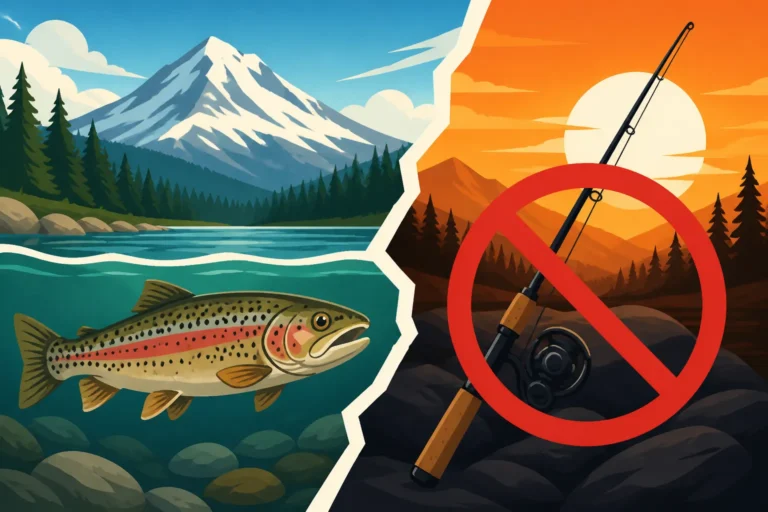
Here's where things can get truly tricky: emergency rule changes. Even if a season is published in the annual pamphlet, conditions can change rapidly due to drought, low snowpack, high water temperatures, or conservation concerns for specific runs of fish. WDFW has the authority to implement emergency rules that can modify, close, or open fisheries mid-season. This is particularly common in river systems where trout fishing might overlap with sensitive salmon or steelhead runs. For example, an unexpected decline in a certain salmon run could trigger an emergency closure to all fishing in a specific river, even for trout.
The critical takeaway here is that the printed regulations pamphlet is a snapshot in time. You absolutely must check for updates before every fishing trip. WDFW maintains an emergency rule change website and often issues press releases. Ignoring these updates can lead to unintentional violations. This is why it’s so important to understand Emergency Rule Changes: Why Washington's Rules Shift Mid-Season and Where to Find Current Washington Fishing Rules. It might feel like a hassle to check every time, but it’s part of being a responsible angler in a state with such dynamic fisheries. Imagine driving three hours to a river only to find an emergency closure sign – it happens!
Selective Gear Rules and Their Application
You'll often see "selective gear rules" mentioned in the regulations, especially for rivers and certain lakes. This isn't just a suggestion; it's a mandatory set of restrictions designed to minimize harm to fish, particularly wild or sensitive species, during catch-and-release or during periods when fish are vulnerable. These rules typically include:
- Single-point, barbless hooks: This is to make it easier to remove the hook without tearing the fish's mouth, increasing survival rates. No treble hooks or barbed hooks are allowed.
- No bait: Using bait often leads to fish swallowing the hook, making release more difficult and dangerous for the fish. Lures and flies are generally allowed.
- Minimum leader lengths or weights: Designed to ensure the fish isn't overly stressed by heavy tackle.
An example of this might be a river section where wild steelhead or bull trout are present, or a lake with a robust wild cutthroat population. The WDFW wants anglers to enjoy fishing for these species, but they also want to maximize the chances of those fish surviving post-release. Always consult the regulations for the specific body of water you're fishing to see if selective gear rules apply. If you're planning on Fly Fishing Washington's Rivers and Lakes, you're likely already using barbless hooks, but it's still essential to confirm all restrictions. Violating these rules, even unintentionally, can result in fines and penalties.
Finding the Most Up-to-Date Information
With all these variables and potential changes, how do you, the diligent angler, stay on top of Washington's trout seasons? Relying on old pamphlets or hearsay is a recipe for frustration and potential violations.
The Official WDFW Regulations Pamphlet
Your absolute best friend in understanding Washington's fishing seasons is the official WDFW Sport Fishing Regulations Pamphlet. This printed guide, updated annually (usually released in April or May), contains all the specific rules for every marine area, lake, and river in the state. It's broken down by county and water body, making it relatively easy to navigate once you get the hang of it. You can pick up a physical copy at most sporting goods stores, tackle shops, or WDFW offices. It's also available as a free PDF download on the WDFW website.
Inside, you'll find detailed maps, species-specific rules, bag limits, size restrictions, and gear requirements. Make it a habit to obtain the newest pamphlet each year and keep it with you when you fish. Reading this document is a learned skill, almost like interpreting a complex chart, but it’s indispensable. Pay particular attention to the "General Rules" section at the beginning, as these apply unless otherwise specified. Familiarize yourself with Reading the Washington Sport Fishing Regulations Pamphlet to make sure you're not missing crucial details. It sounds like homework, but trust me, it saves a lot of headaches on the water.
Online Resources and the Fish Washington App
While the printed pamphlet is essential, it's not always the most current source of information, especially with emergency rule changes. This is where WDFW's online resources become invaluable. The WDFW website (wdfw.wa.gov) has a dedicated section for fishing regulations that includes:
- Emergency Rule Changes: A continuously updated list of all in-season modifications. This should be your first stop before any trip.
- Lake and River Specific Rules: Searchable databases where you can look up specific bodies of water.
- Stocking Reports: Find out which lakes have been recently stocked and with what species.
- Season Summaries: General overviews that can help orient you.
In addition to the website, the Fish Washington App for smartphones (available on both iOS and Android platforms) is an incredibly useful tool. This app allows you to:
- Look up regulations by location: Using your phone's GPS, it can show you the rules for the water you're currently near.
- Access emergency rules: The app is regularly updated with the latest changes.
- Report your catch: For species like salmon and steelhead that require a Catch Record Card, you can use the app to report electronically. This integrates with Electronic Catch Record Cards and the Fish Washington App.
- View stocking reports and boat launches.
Having these digital tools at your fingertips, perhaps on a waterproof case for your phone from Amazon, means you're always just a few taps away from the most current information, which is critical for making sure you're fishing legally.
Preparing for a Successful Trout Season
Once you've navigated the regulations, the fun part begins: getting ready to hit the water! Proper preparation can make all the difference between a frustrating day and a memorable one.
Essential Gear Check and Maintenance
Before you even think about where to fish, make sure your gear is in tip-top shape. This isn't just about having the right tackle; it's about ensuring everything is functional and ready for action.
- Rods and Reels: Check all your rod guides for cracks or missing inserts that can fray line. Inspect your reel for smooth operation, clean out any old grease or dirt, and ensure the drag system is working properly. Consider re-spooling your reels with fresh line, especially if it’s been sitting for a while. Old line can weaken and lead to frustrating break-offs. A good quality fishing line is an investment that pays off.
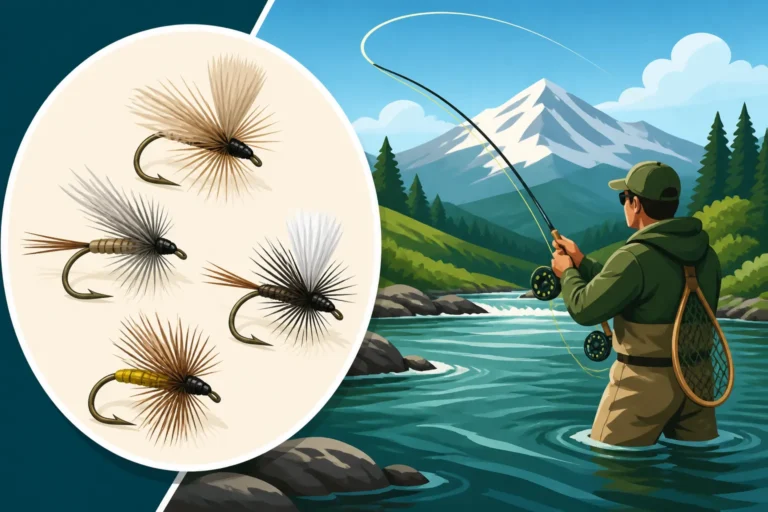
- Tackle Box Inventory: Go through your tackle box. Discard rusty hooks, tangled leaders, and old, cracked lures. Replenish your supply of weights, swivels, hooks (make sure they're barbless if selective gear rules apply!), and favorite lures or flies. Think about the types of trout you're targeting and the typical baits or lures that work for them. For instance, if you're hitting lowland lakes for rainbow trout, powerbait, worms, or small spinners are often deadly. If you're heading to a river, a selection of spoons, spinners, or soft plastic beads might be more appropriate for Drift Fishing for Steelhead in Washington Rivers.
- Waders and Boots: If you're river fishing, check your waders for leaks. Fill them with a bit of water in your backyard, or simply put them on and stand in a tub for a few minutes. Patch any pinholes now, rather than discovering them halfway through a cold river. Inspect your wading boots for worn soles or broken laces. Good traction is paramount for safety in slippery rivers.
- Nets: Make sure your landing net is in good condition. For catch-and-release, a rubberized or knotless net is highly recommended as it's much gentler on the fish's slime coat and fins. Having one readily available from Amazon is crucial for a quick and clean release.
- Safety Gear: Don't forget your fishing license, a valid Catch Record Card (if required), and basic safety items like a first-aid kit, whistle, and sufficient water. If you're on a boat, ensure all required safety equipment is onboard and in working order.
Taking the time for this annual gear overhaul means less frustration and more enjoyable fishing once the season arrives.
Planning Your Trout Fishing Trips
With your gear sorted and the regulations understood, it's time to plan your actual trips. Thoughtful planning can greatly enhance your experience.
- Research Specific Waters: Don't just pick a lake or river; dig deeper. Look up recent fishing reports (often found on WDFW's website, local tackle shop blogs, or online forums), check water levels if it’s a river, and consider the typical conditions for the time of year you plan to go. If you're exploring The Best Places to Fish in Washington State, narrow down your focus based on current conditions.
- Consider Species and Techniques: Are you aiming for stocked rainbow trout in a lowland lake, or wild cutthroat in a mountain stream? Different species often require different techniques. For example, Jigging for Kokanee in Washington Lakes is distinct from fly fishing for rainbow trout on the Yakima. Matching your technique to the target species and water body will greatly improve your chances.
- Weather and Conditions: Washington weather can be famously unpredictable. Check the forecast before every trip and dress in layers. Be prepared for rain, wind, and sudden temperature drops, especially in the mountains or on larger lakes. Water clarity and flow can also dramatically affect river fishing, so check USGS stream gauges if you're heading to a river. Understanding How Water Clarity Affects Steelhead Fishing can also apply to river trout.
- Logistics and Access: How will you get to your fishing spot? Are there public access points, boat launches, or designated bank fishing areas? Some areas require a Discover Pass for parking. Factor in travel time, especially for remote locations, and let someone know your itinerary if you're heading into the backcountry.
By taking the time to plan, you're not just increasing your chances of catching fish; you're ensuring a safer, more enjoyable, and ultimately more rewarding experience on Washington's beautiful trout waters.
| Water Type | Typical Open/Peak Season | Common Closing | Key Considerations |
|---|---|---|---|
| Lowland Lakes | Last Saturday in April (Opener) to October/November | Year-round for some | Heavily stocked, great for families. Check specific lake for year-round status. |
| High Mountain Lakes | June/July (after snowmelt) to October/November | November/Dec (snow) | Access dependent on snow levels, often require hiking. Wild trout populations. |
| Rivers/Streams | May/June to October 31st (general) | Varies greatly | Often species-specific and section-specific rules. Watch for selective gear and catch-and-release zones. |
| Year-Round Waters | Always Open | Never | Fewer restrictions, but still require checking for specific gear or bag limit rules. Often includes larger lake sections. |
Disclaimer
The information provided in this guide is for general informational purposes only and is subject to change. While we strive to provide accurate and up-to-date content, Washington State fishing regulations are complex and can change frequently, especially through emergency rule changes. It is the responsibility of every angler to consult the most current official Washington Department of Fish and Wildlife (WDFW) Sport Fishing Regulations Pamphlet and check for emergency rule changes on the WDFW website or via the Fish Washington App before each fishing trip. Failure to do so may result in fines or penalties. Always fish ethically and responsibly.